光电子信息

Search documents
经营主体接近千万户,湖北营商环境首次跨入全国第一方阵
Zheng Quan Shi Bao Wang· 2025-09-02 13:49
Group 1 - Hubei province has improved its ranking in the national business environment evaluation for three consecutive years, entering the top tier for the first time [1] - The number of operating entities in Hubei reached 9.629 million, an increase of 68.5% compared to the end of the 13th Five-Year Plan [1] - During the 14th Five-Year Plan, Hubei reduced various costs for businesses by over 400 billion yuan [1] Group 2 - Hubei's high-tech enterprises are rapidly growing, with the total number expected to reach 30,000 by 2024, a 2.9-fold increase since 2020 [1] - The province has implemented 68 key projects to enhance administrative efficiency, reducing processing time by an average of 84% and cutting down on steps and materials by 75% and 50% respectively [1] - Hubei has maintained continuity in tax reduction policies, with cumulative tax cuts and refunds exceeding 240 billion yuan since the beginning of the 14th Five-Year Plan [1] Group 3 - Hubei's social financing scale has exceeded 1 trillion yuan for three consecutive years, with a total stock of 13.6 trillion yuan [2] - The area of construction land used per unit GDP has decreased from 500 mu to 427.8 mu, a reduction rate of 28.9% compared to the end of the 13th Five-Year Plan [2] - Hubei has approved 179 national bond projects for industrial equipment updates in 2024, ranking first in the country [2] Group 4 - Hubei has introduced various credit loan products to support technology-based enterprises and small businesses, with over 85 billion yuan disbursed [2] - The financing guarantee industry in Hubei has a balance of 275 billion yuan as of the end of July, an increase of 22.18 billion yuan year-on-year [2] - The province has addressed issues of excessive fees and fines, recovering 7.585 million yuan for businesses since 2025, and has expedited the litigation process for business-related cases [2]
郭元强盛阅春到中国信科集团调研并召开座谈会:全力支持中国信科集团发展壮大,巩固我市光电子信息产业“独树一帜”优势
Chang Jiang Ri Bao· 2025-08-29 08:21
Core Insights - The article emphasizes the importance of supporting China Information Communication Technology Group (China InfoTech Group) in its transformation and development, highlighting its role in the optical electronic information industry and its contribution to the local economy [1][2][3]. Group 1: Company Overview - China InfoTech Group is recognized as a leading enterprise in China's optical communication sector, focusing on six key areas: optical communication, mobile communication, intelligent applications, optoelectronics and integrated circuits, cybersecurity, and data communication [1][2]. - The company has established a unique development advantage and an innovative ecosystem, with products and technologies deployed in over 100 countries and regions globally [1]. Group 2: Government Support and Initiatives - The local government is committed to enhancing support for China InfoTech Group, aiming to help it become a world-class enterprise in the information communication field [3][4]. - Specific measures include improving work mechanisms, increasing support intensity, and building innovation platforms to enhance the company's technological capabilities [3][4]. - The government plans to strengthen the industrial chain by nurturing upstream and downstream enterprises related to raw materials, components, and testing [3]. Group 3: Future Development and Collaboration - There is a strong emphasis on deepening collaboration between China InfoTech Group and the local government to seize opportunities in key areas such as 6G research and development [2][4]. - The goal is to create a world-class optical electronic information industry cluster, enhancing the company's international influence and competitiveness [2][4]. - The government aims to support the company's digital transformation and expansion into domestic and international markets, thereby increasing its brand recognition globally [4][5].
(活力中国调研行)“归雁”成潮 湖北荆州迎产城蝶变
Zhong Guo Xin Wen Wang· 2025-08-29 04:02
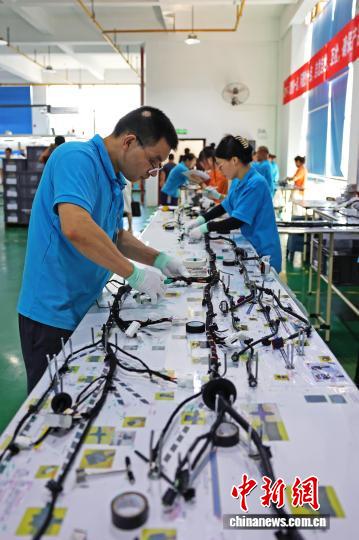
Core Viewpoint - The article highlights the transformation of Jingzhou, Hubei, through the return of talent and capital, fostering a blend of industry and urban development, particularly in the automotive electronics sector [1][3]. Group 1: Industry Development - Jingzhou is strategically located at the "waist" of the Yangtze River, serving as an important gateway in the middle reaches of the river [3]. - The city has successfully attracted 6,194 returnees to start businesses this year, resulting in the establishment of 411 new enterprises [7]. - The Censheng Industrial Park has attracted 66 companies, with 36 of them being returnee startups, covering sectors such as optoelectronics and automotive components [7]. Group 2: Company Initiatives - Censheng Industrial Park employs a model of "government guidance + collective investment + market operation," featuring 50,000 square meters of standard factory space and 666 employee dormitories [3]. - The park has developed a "full-chain incubation" system, providing high-standard factory space and customized services for tech companies, as well as low-cost incubation space and financial support for university graduates and returnees [5]. - Hubei Zhunshi Optoelectronics Technology Co., Ltd. reported an annual output value of 500 million yuan since its establishment in 2022, creating over 100 jobs [5].

湖北五大支柱产业有望全面突破万亿级
Zhong Guo Chan Ye Jing Ji Xin Xi Wang· 2025-08-29 00:26
Core Viewpoint - Hubei province is set to achieve significant breakthroughs in five major pillar industries by the end of the 14th Five-Year Plan, with a focus on technological innovation and industrial upgrades [1] Group 1: Industry Development - By the end of the 14th Five-Year Plan, Hubei's five pillar industries, including optoelectronic information, automotive manufacturing and services, modern chemicals, health care, and modern agricultural product processing, are expected to exceed 1 trillion yuan each [1] - Hubei is advancing traditional industry upgrades, emerging industry growth, and future industry cultivation simultaneously, with a structured approach to its advanced manufacturing industry clusters [1] - Wuhan has become the world's largest production base for optical fibers and cables, as well as the largest base for optical devices and small-sized display panels in China [1] Group 2: Innovation and Enterprise Development - Hubei has over 20,000 industrial enterprises above designated size, with 11 key enterprises in national manufacturing chains, ranking 5th in the country [2] - The province has 7,187 specialized and innovative small and medium-sized enterprises, with 722 recognized as national "little giant" enterprises, ranking 7th nationally [2] - The coverage rate of R&D institutions in large-scale industrial enterprises has increased from 12.96% in 2020 to 31.8% currently [2] Group 3: Innovation Network and Platforms - Hubei has established 12 provincial manufacturing innovation centers, with 2 upgraded to national level, enhancing the innovation ecosystem [3] - The National Information Optoelectronic Innovation Center has achieved a significant technological breakthrough in silicon photonics, marking a milestone in the field [3] - Hubei has initiated the construction of provincial-level manufacturing pilot platforms, with 40 platforms recognized for their contributions to industry [3] Group 4: Technology Transfer and Talent Development - Since 2021, Hubei has allocated approximately 150 million yuan annually for industry technology breakthroughs, facilitating the selection of key technologies for innovation [3] - The province has dispatched 1,476 technology talents to assist enterprises in solving technical challenges, resulting in significant technology transfer and collaboration [3] - Hubei supports enterprises with low-cost funding through interest subsidies to promote R&D innovation and technological upgrades [3]
活力中国调研行 | 呵护每一颗创新的种子
Sou Hu Cai Jing· 2025-08-28 03:35
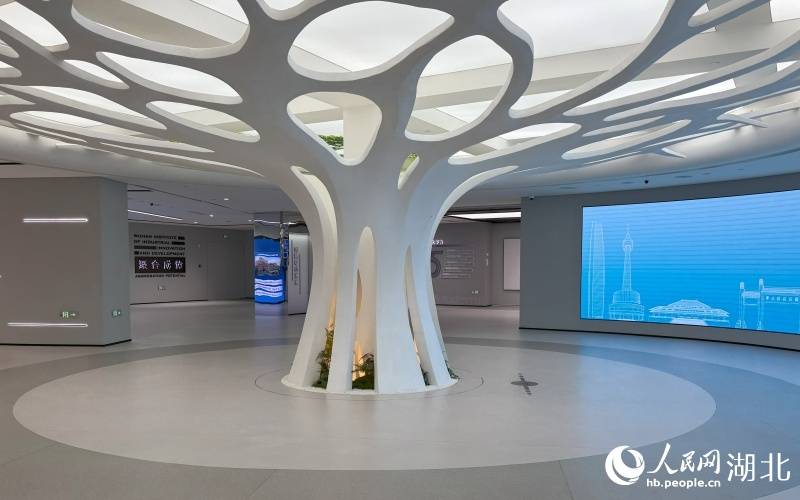
Core Viewpoint - Wuhan Industrial Innovation Development Institute (WII) is fostering innovation through its unique support mechanisms for startups and research projects, symbolized by the "Innovation Tree" in its exhibition hall [2][4]. Group 1: Innovation Support Mechanisms - WII provides early-stage financial support through a "拨转股" (equity conversion) mechanism, which allows initial funding as research project expenses that convert to equity later during market financing [6]. - The institute has established a continuous incubation mechanism that includes early equity conversion, mid-term venture capital, and mature industrial capital involvement, facilitating the transformation of research outcomes into marketable products [6]. - WII has supported dozens of early-stage technology projects, enabling them to take critical steps towards commercialization [6]. Group 2: Success Stories and Growth - Entrepreneur Tai Xin, who leads a smart transportation research institute at WII, reported a 4 to 5 times increase in annual order volume and growth in employee count from 10 to over 30 within two years [4]. - The first global rapid detection solution for fulminant myocarditis, developed by a team from Huazhong University of Science and Technology, is now in clinical stages and plans to launch this year, thanks to WII's support [6]. - As of August 2025, WII has established over 90 innovation units, including specialized research institutes and public service platforms, attracting innovation resources from across the country [7].
湖北数字经济发展扩量提质迈上新台阶 2024年核心产业增加值达5742.93亿
Chang Jiang Shang Bao· 2025-08-27 07:29
Core Viewpoint - Hubei Province is advancing its digital economy and infrastructure development during the "14th Five-Year Plan" period, aiming to enhance its position as a strategic hub in central China and to integrate digital technology across various sectors [1][2][3][4][5][6] Group 1: Digital Economy Development - Hubei's digital economy is showing strong momentum, with the core industry added value expected to reach 574.29 billion yuan in 2024, which is 2.4 times that of 2020, and accounting for over 10% of GDP [2] - The number of "Four Up" enterprises in the core industry exceeds 6,000, with leading companies like Yangtze Memory Technologies and China Information Communication Technologies ranking nationally [2] - The software business revenue accounts for nearly half of the total in the six central provinces, and the optical electronic information industry has surpassed 1 trillion yuan in scale [2] Group 2: Infrastructure Construction - Hubei has built 176,000 5G base stations, achieving a density of 30.1 base stations per 10,000 people, surpassing the "14th Five-Year Plan" target [3] - The total computing power has exceeded 15,000 P, with intelligent computing accounting for over 70% [3] - A series of major data infrastructure projects have been established, including the Wuhan Intelligent Computing Center and the Shiyan Wudang Cloud Valley [3] Group 3: Data Element Market Reform - Hubei has been approved as a national pilot zone for data element market reform, with plans to develop ten key scenarios for data element utilization by 2024 [4] - The province is set to introduce regulations such as the "Hubei Data Regulations" and has registered 1,755 public data resources [4] - A data circulation service center is being established, with over 1,000 data service providers expected to participate [4] Group 4: Urban Digital Transformation - Hubei has built a logistics public information platform that integrates multiple transportation modes, facilitating over 200 billion yuan in transactions [5] - The "E-Hubei" app has become a preferred tool for citizens and businesses, providing access to over 4,000 convenient services [5] - A smart education platform has been launched, offering 2 million resources and serving over 12 million users [5] Group 5: Policy and Financial Support - Hubei has introduced 15 measures to support high-quality digital economic development and established special funds for digital economy initiatives [6] - Investment funds for industries such as digital industry, Beidou, and artificial intelligence have reached hundreds of billions of yuan [6] - New financial products have been launched to support technology-based enterprises and data element companies [6]
湖北数字经济综合实力 跻身全国第一梯队
Zheng Quan Shi Bao· 2025-08-26 22:24
Group 1 - The core value added of Hubei's digital economy reached 574.29 billion yuan in 2024, which is 2.4 times that of 2020, and is expected to exceed 10% of GDP this year [1] - Hubei has over 6,000 "Four Up" enterprises in the digital economy sector, including 92 national-level specialized and innovative "little giant" companies and 48 listed companies on A-shares [1] - Wuhan's digital economy core industry value added is projected to reach 308.7 billion yuan in 2024, with an annual growth rate of over 10% [1] Group 2 - The optical electronic information industry in Hubei surpassed 1 trillion yuan last year, with software business revenue accounting for nearly half of the total in Central China [2] - Hubei has established significant projects for computing power infrastructure, including the Wuhan Supercomputing Center and various data centers, with a total computing power scale exceeding 15,000 P [2] - A 400G computing power corridor has been built, creating a low-latency network centered around Wuhan, with latency times of 1 millisecond within the city and 5 milliseconds within the province [2] Group 3 - Hubei is focusing on developing a trusted data space system to enhance data infrastructure and promote efficient data circulation, with 15 provincial pilot projects recently announced [3] - The province aims to accelerate the construction of a dual hub for computing power and data elements, striving to elevate the level of digital development in Hubei [3]
湖北数字经济综合实力跻身全国第一梯队
Zheng Quan Shi Bao Wang· 2025-08-26 12:10
Group 1 - The core viewpoint of the articles highlights the significant growth and development of Hubei Province's digital economy, with the core industry value reaching 574.29 billion yuan in 2024, which is 2.4 times that of 2020, and expected to exceed 10% of GDP [1] - Hubei Province has over 6,000 "Four Up" enterprises in the digital economy sector, including 92 national-level specialized and innovative "little giant" companies and 48 A-share listed companies [1] - Wuhan's digital economy core industry value is projected to reach 308.7 billion yuan in 2024, with an annual growth rate exceeding 10% and a year-on-year increase of 14.7% in invoicing for the first half of the year [1] Group 2 - The optical electronic information industry in Hubei has surpassed 1 trillion yuan, with software business revenue accounting for nearly half of the total in the central six provinces [2] - Significant infrastructure projects have been established, including supercomputing centers and data centers, with total computing power exceeding 15,000 P, of which intelligent computing accounts for over 70% [2] - Hubei Province is focusing on building a trusted data space and has initiated pilot projects to enhance data infrastructure and promote efficient data circulation [3]
2025中国最具投资价值城市50强指数发布!北上广深包揽前四,杭州位居第五
Sou Hu Cai Jing· 2025-08-26 11:33
Core Insights - The article highlights the acceleration of global changes and the importance of high-level openness and technological innovation in driving China's economic growth, particularly in urban investment value and potential [2][10]. Investment Value Rankings - GYBrand's 2025 "Top 50 Most Investable Cities in China" index ranks Shenzhen, Shanghai, Beijing, and Guangzhou as the top four cities, with Hangzhou, Chengdu, Wuhan, Suzhou, Nanjing, and Chongqing following in the top ten [2][4][6]. City Characteristics - Shenzhen leads with a comprehensive index of 95.07, excelling in talent attraction, sustainable development, and future industries, supported by policies like housing subsidies [6][7]. - Shanghai ranks second with a score of 94.34, benefiting from a robust economic foundation and a favorable business environment, particularly in its free trade zone [6][7]. - Beijing, in third place with 93.70, leverages its educational resources and strong policy support to foster emerging industries like AI and biomedicine [6][7]. - Guangzhou, ranked fourth with 92.16, is noted for its quality of life and balanced economic and cultural offerings [7]. Regional Distribution - The cities exhibit a diverse distribution pattern, with strong representation from the eastern coastal cities, which dominate the top rankings due to their economic strength and infrastructure [3][10]. - Central cities like Wuhan and Changsha are emerging as investment hotspots due to their transportation and educational resources [11]. - Western cities such as Chengdu and Chongqing are gaining traction through policy support and complementary industries [11]. Trends in Urban Development - Cities are diversifying their industrial bases, focusing on strategic emerging industries and future-oriented sectors, with Shenzhen and Hangzhou leading in digital economy and AI [15]. - Regional collaboration is strengthening among city clusters like the Yangtze River Delta and the Guangdong-Hong Kong-Macau Greater Bay Area, enhancing overall investment value [15][16]. - There is a growing emphasis on talent attraction and innovation, with cities implementing policies to draw skilled professionals and increase investment in technology [15]. Future Outlook - The acceleration of digital transformation and green transition is expected to create new investment hotspots, with cities investing in new infrastructure like 5G and big data [15]. - The integration of city clusters is deepening, leading to more refined industrial divisions and enhanced resource sharing, which will further elevate investment value [16].
武汉之南,高新技术企业四年增长近三倍—— 10万青年逐梦汤逊湖畔
Chang Jiang Ri Bao· 2025-08-24 00:55
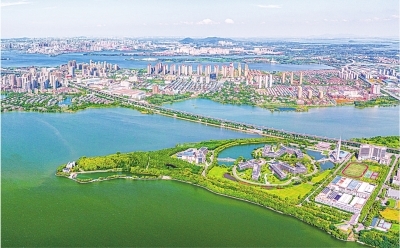
Core Insights - The transformation of Jiangxia District around Tangxun Lake is marked by a significant increase in high-tech enterprises and the influx of young talent, creating a vibrant innovation ecosystem [1][2][4] Group 1: Talent and Innovation - Over the past three years, more than 100,000 young talents have settled in the Tangxun Lake area, supported by research institutions, innovation platforms, and universities [2][5] - The number of effective invention patents in Jiangxia District rose from 3,743 in 2022 to 5,658 in 2024, indicating a substantial annual growth rate that exceeds provincial and municipal averages [5][6] - The establishment of the Tangxun Lake Technology Innovation Center aims to attract global innovation resources and create a collaborative environment for high-value industries [9][10] Group 2: High-Tech Enterprises Growth - The number of high-tech enterprises in the Tangxun Lake area surged from 241 in 2020 to 905 in 2024, representing an increase of nearly three times [8] - Recent projects include the establishment of headquarters for companies like Planet Wheel (Wuhan) Technology Co., Ltd. and Wolston International, with total investments of approximately 3 billion and 570 million respectively [6][8] - Jiangxia District has seen a rapid growth in headquarters economy, with nearly 20 new headquarters established in the past two years [6][7] Group 3: Educational and Research Collaboration - The number of new students in drone technology at Wuchang Vocational College exceeded 1,000 this year, reflecting the growing demand for skilled professionals in low-altitude economy-related fields [3][5] - The collaboration between educational institutions and enterprises is fostering a talent pool that meets the practical and theoretical needs of the industry [5][6] - The establishment of a technology transfer center in collaboration with Nanjing University of Science and Technology highlights the alignment of academic strengths with local industry needs [9]