文化创意

Search documents
吴静怡:发挥香港资本+关键市场优势,与大湾区文化项目高效对接
2 1 Shi Ji Jing Ji Bao Dao· 2025-11-26 02:44
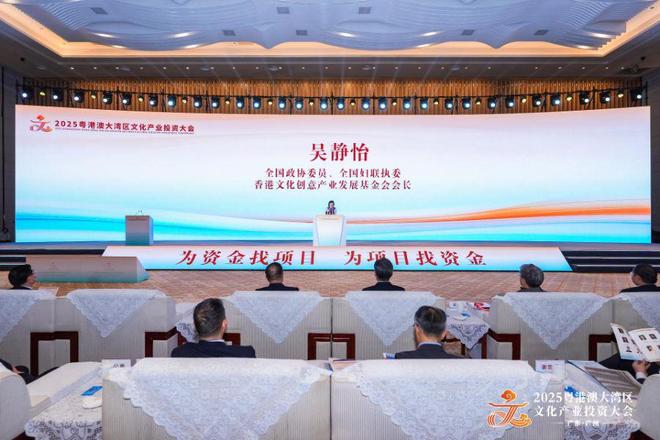
南方财经见习记者郭莎 广州报道 11月26日上午,2025粤港澳大湾区文化产业投资大会(广东·广州)(简称"大湾区文投会")在广州黄埔国 际会议中心开幕,大会紧扣"为项目找资金、为资金找项目"主题,再度激活文化产业与资本对接的"强 磁场"。 今年,香港文化创意产业发展基金会首次作为大湾区文投会主办单位。全国政协委员、全国妇联执委、 香港文化创意产业发展基金会会长吴静怡在主题大会发表致辞。 吴静怡表示,香港作为中外文化艺术交流中心,肩负着联通中外的重要使命。香港将充分发挥在国际视 野、市场环境、知识产权保护体系等方面的优势,与湾区兄弟城市携手同行,奋力打造具有全球影响力 的文化产业生态。 吴静怡提到,香港将发挥国际金融中心的独特优势,借助香港完善的资本市场、多元融资渠道和金融监 管体系,为大湾区文化产业发展注入更强劲的动力。"本次参会的香港天使投资基金会和香港文旅集团 等知名投资机构,拥有专业的投资眼光和丰富的资本市场经验,将持续推动优质文化项目与大湾区庞大 消费市场、丰富应用场景的深度对接,实现香港资本加关键市场的完美结合。" 值得一提的是,本届文投会特别设置了港澳项目路演专场。其中,香港项目14个、澳门项目 ...

浪尖调研|以文兴业的杭州文化产业
Xin Lang Cai Jing· 2025-11-24 01:21
Core Insights - Hangzhou has a rich cultural history and has evolved from a single-core culture centered around West Lake to a multi-dimensional cultural landscape, establishing itself as a national cultural and creative industry center [1][2][5] - The city has 1,828 large-scale cultural enterprises, generating a total revenue of 1,083 billion yuan, with digital cultural enterprises accounting for over 80% of this revenue [1][11] - The "Waves: Trillion City 2030" research group conducted extensive studies on Hangzhou's cultural industry, aiming to clarify the relationships between government, universities, and enterprises, and to provide recommendations for future development [1][2] Cultural Industry Development - Hangzhou's cultural industry was officially recognized as a pillar industry in 2007, with a focus on creating a "big cultural industry" that encompasses various sectors including technology services, education, and entertainment [2][3] - The city has a diverse cultural resource base, including various cultural heritages such as the West Lake culture, Liangzhu culture, and Grand Canal culture, which contribute to its cultural richness [2][3][5] - The administrative adjustments from 1996 to 2017 have significantly expanded Hangzhou's cultural space, allowing for a more integrated and diverse cultural industry landscape [5][6] Government and Policy Support - The Hangzhou government has adopted a "city management" philosophy, viewing the city as a platform for cultural exchange and life experiences, which has positively influenced the urban environment [7][8] - The city has implemented stable industrial policies, including financial support and talent incentives, to foster the growth of the cultural industry [10][11] - Hangzhou's government has also focused on creating a favorable business environment, attracting talent and enterprises through various initiatives [8][9] Role of Universities - Zhejiang University and China Academy of Art play a crucial role in nurturing Hangzhou's cultural landscape through research, talent cultivation, and participation in urban development [12][13] - These institutions have been involved in various cultural projects and initiatives, contributing to the city's cultural infrastructure and industry ecosystem [12][13] Corporate Innovation and Collaboration - Companies in Hangzhou, such as Zhejiang Cultural Technology, have embraced innovation and collaboration, leveraging partnerships with major tech firms like Alibaba and NetEase to enhance their digital cultural offerings [14][15] - The integration of cultural and technological resources has led to the establishment of a robust digital cultural industry in Hangzhou, positioning it as a national leader in this sector [4][11] Future Directions - Experts suggest further exploration of Hangzhou's cultural resources and the integration of technology to enhance cultural offerings, such as the development of cultural parks and historical sites [20][21] - The emphasis on digital culture and new media is seen as a key driver for future growth, with recommendations to combine online and offline experiences to meet evolving consumer demands [19][20][22]



江苏展区“新三样”斗艳长三角文博盛会
Xin Hua Ri Bao· 2025-11-21 00:36
Core Insights - The sixth Yangtze River Delta International Cultural Industry Expo opened on October 20, showcasing Jiangsu's cultural industry achievements under the theme "Optimizing Cultural Products and Services Supply to Empower Economic and Social Development" [1] Group 1: Jiangsu Exhibition Highlights - The "Su Chao" themed exhibition area attracted significant attention, featuring a semi-circular display of "Su Chao" team uniforms and cultural creations [2] - The exhibition presented "Su Chao" influence through three aspects: promoting cultural tourism consumption, showcasing "Su Chao" IP, and interactive experiences [2] - "Su Chao" combined with cultural tourism utilized digital content and interactive installations to demonstrate its innovative practices in integrating culture and tourism [2] Group 2: Technological Innovations - The "Digital Engine" section displayed new products and content from 28 companies in digital audio-visual, digital media, digital publishing, and smart equipment [3] - Notable products included the world's first HDR10 supporting AR glasses and a professional bone conduction headset [3] - Jiangsu's technology companies showcased advancements in sports event intelligence and interactivity, such as a guide robot and a football defense robot [3] Group 3: Cultural Trends - The "National Trend New Wind" section highlighted the integration of traditional crafts with modern aesthetics, featuring new products from 23 companies [4] - Cultural IPs like "Kapi Bawa Little Yellow Dolphin" and "Nono Dog" were showcased, reflecting the popularity of these brands among younger demographics [4] - The exhibition aligned with Jiangsu's three-year action plan for high-quality development in the digital cultural industry, featuring 73 participating companies, with over 72% being first-time exhibitors [4]
第五届未来视听创新大赛“沉浸式交互视听赛道”复赛路演在京举办
Xin Jing Bao· 2025-11-20 13:42
Core Insights - The fifth Future Audiovisual Innovation Competition focuses on immersive interactive audiovisual technology, aiming to integrate virtual and real experiences in audiovisual settings [1] - The competition attracted 181 project submissions from 20 provinces, with 25 projects advancing to the semifinals, covering applications in cultural tourism, education, and offline entertainment [1] Group 1 - The competition is co-hosted by the Beijing Municipal Bureau of Radio and Television and the Beijing Journalists Association, emphasizing the theme "Audiovisual Without Boundaries, Value Co-integration" [1] - The immersive interactive audiovisual track is aligned with Beijing's positioning as a "National Cultural Center" and "International Science and Technology Innovation Center," focusing on cutting-edge technologies like VR, AR, and MR [1] - A panel of experts from various institutions, including the National Radio and Television Administration and China Academy of Information and Communications Technology, evaluates projects based on multiple criteria such as content presentation, technical application, innovation, commercial value, and social impact [1] Group 2 - The competition will continue to enhance its platform's collaborative role, promoting a synergy among government, industry, academia, research, and finance [2] - It aims to provide one-stop services for outstanding projects, including policy guidance, capital empowerment, and resource connection, focusing on key areas like technology research and market application [2]
长沙校哈哈文化科技有限责任公司成立 注册资本10万人民币
Sou Hu Cai Jing· 2025-11-18 07:22
天眼查App显示,近日,长沙校哈哈文化科技有限责任公司成立,法定代表人为徐邦杰,注册资本10万 人民币,经营范围为一般项目:数字创意产品展览展示服务;组织文化艺术交流活动;文化场馆管理服 务;艺(美)术品、收藏品鉴定评估服务;互联网销售(除销售需要许可的商品);广告设计、代理; 广告制作;金银制品销售;工艺美术品及礼仪用品销售(象牙及其制品除外);工艺美术品及礼仪用品 制造(象牙及其制品除外);工艺美术品及收藏品零售(象牙及其制品除外);日用杂品销售;家用电 器销售;金属链条及其他金属制品销售;纸制品销售;玩具销售;服装服饰批发;针纺织品销售;非金 属矿及制品销售;皮革制品销售;塑料制品销售;箱包销售;文具用品批发;文具用品零售;电子产品 销售;市场营销策划。(除依法须经批准的项目外,凭营业执照依法自主开展经营活动)。 ...
四川翼维科技有限公司成立 注册资本50万人民币
Sou Hu Cai Jing· 2025-11-14 11:05
Core Insights - Sichuan Yiwei Technology Co., Ltd. has been established with a registered capital of 500,000 RMB, indicating a focus on the technology sector, particularly in robotics and artificial intelligence [1] Company Overview - The legal representative of the company is Yao Difei, which may suggest a leadership structure that could influence company direction and strategy [1] - The company’s business scope includes research and development of intelligent robots, sales of intelligent unmanned aerial vehicles, and various services related to industrial robots [1] Business Activities - The company is involved in a wide range of activities including: - R&D and sales of intelligent robots and industrial robots - Technical services, development, consulting, and software development in artificial intelligence and digital technology [1] - Cultural and creative services, including digital content production and event organization [1] - The company is also engaged in marketing planning, project planning, and public relations services, indicating a comprehensive approach to business operations [1]
从“命题作文”到“生态雨林”:科技让文化成为自我生长的生命体
Huan Qiu Wang· 2025-11-14 10:30
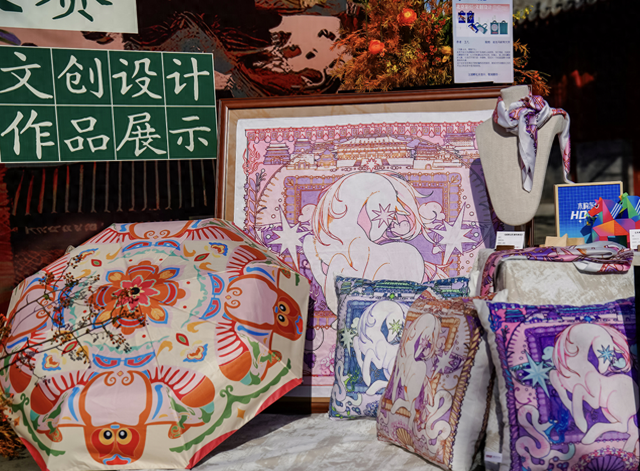
Core Insights - The "Palace East" Perfect World Cultural and Creative Campus Design Competition has successfully integrated traditional culture with modern creativity, showcasing the potential of youth in cultural innovation [3][5] - The competition has attracted over 20,000 young participants from nearly 800 global institutions, resulting in more than 11,000 creative works, highlighting a significant cultural dialogue [3][5] - The introduction of AIGC (Artificial Intelligence Generated Content) has revolutionized the competition, expanding participant demographics and enhancing the quality of submissions [6][7] Group 1: Competition Overview - The competition serves as a bridge connecting traditional culture with youthful creativity, allowing students to express their understanding of cultural heritage through their works [5] - The event has evolved from focusing on intangible cultural heritage to incorporating specific cultural elements like the central axis and Jingtailan, enriching the cultural depth of the submissions [5][9] - The competition has established a full ecological chain for cultural content transmission, creative design transformation, commercial incubation, and student team cultivation [8] Group 2: Technological Integration - The competition has embraced cutting-edge technology, particularly in the field of AI, making it a distinctive feature of the event [6] - AIGC has significantly broadened the participant base, allowing students without formal art training to engage in creative processes using AI tools [7] - The integration of technology has enabled the showcasing of works at international events, enhancing the global visibility of Chinese culture [7] Group 3: Commercialization and Talent Development - The competition has successfully transformed award-winning designs into commercial products, such as jewelry and home goods, demonstrating the practical application of student creativity [8] - Over 600 students have received internship opportunities through the competition, emphasizing its role in talent cultivation and career development [8] - Future plans include expanding resource links, increasing cultural elements, and continuing to embrace technological advancements to enhance the competition's impact [9]

东城区在港举办专题推介活动,12项优质空间亮相京港洽谈会
Xin Jing Bao· 2025-11-12 11:51
Core Insights - The event in Hong Kong focused on the integration of technology and cultural tourism in Beijing's Dongcheng District, highlighting the area's advantages in innovation and development strategy [1][2] Group 1: Investment and Economic Development - Dongcheng District introduced 12 premium space resources across four key land plots, urban renewal projects, and high-end buildings, emphasizing their strategic location and cultural significance [2] - The district has attracted 13,800 enterprises and 53 listed companies, leading in per capita output among various sub-parks in Zhongguancun [1] Group 2: Cultural and Commercial Integration - The "Cultural Golden Triangle" area, including the Forbidden City and Wangfujing, is being enhanced to promote cultural consumption and commercial tourism [2] - Key projects like the Xindacheng Center and Qianmen West Xinglong Street are being developed to create new international consumption scenarios [2] Group 3: Foreign Investment - From January to September this year, Dongcheng District secured foreign investment projects totaling $830 million, with nearly 50% of new foreign enterprises coming from Hong Kong [3] - Hong Kong accounts for a quarter of the actual foreign investment in the district, underscoring its importance as a source of investment [3]

合肥“紫云山” 攀“新”向未来
Xin Hua Wang· 2025-11-12 07:26
近日,"皖美十四五 再启新征程"2025网聚美好安徽网络主题活动采访团走进位于合肥市巢湖之滨 的紫云山(包河)文化创意产业园,体验文化与科技碰撞的奇幻魅力,感受合肥市文化新质生产力发展 的强劲脉搏。 展厅一侧,安徽李未可科技有限公司的多款AI眼镜吸引了大家目光。"这款多模态旅拍眼镜,搭载 独创的'变色近视镜片+AI导游'功能,能识别全球6800个景点,文物识别、实时翻译、直播等都能通过 它完成。"展厅工作人员指着采访团成员体验的一款AI眼镜介绍道。 据介绍,安徽李未可科技有限公司今年在合肥发布了一系列新品,并联合行业伙伴组建起"智能眼 镜生态联盟",将AI技术与硬件产品深度融合,彰显了文化装备制造领域的技术跃升。 "紫云山"中,技术创新正在为产业发展带来勃勃生机。安达创展科技股份有限公司借助人工智能图 像识别打造交互式艺术展,让人人都有成为"神笔马良"的可能;徽博文物修复研究所有限公司自主研发 文物CT扫描设备,"唤醒"沉睡千年的文物;合肥灵通机器人公司开创灵童人型智能陪伴机器人的先 河,为老人和小孩提供更具互动性的科技陪伴…… 据了解,紫云山(包河)文化创意产业园围绕大视听产业、数字内容产业、创意设计服务业 ...

进博观察⑦:“土”与“洋”里看融合 | 大江东
Guo Ji Jin Rong Bao· 2025-11-11 15:43
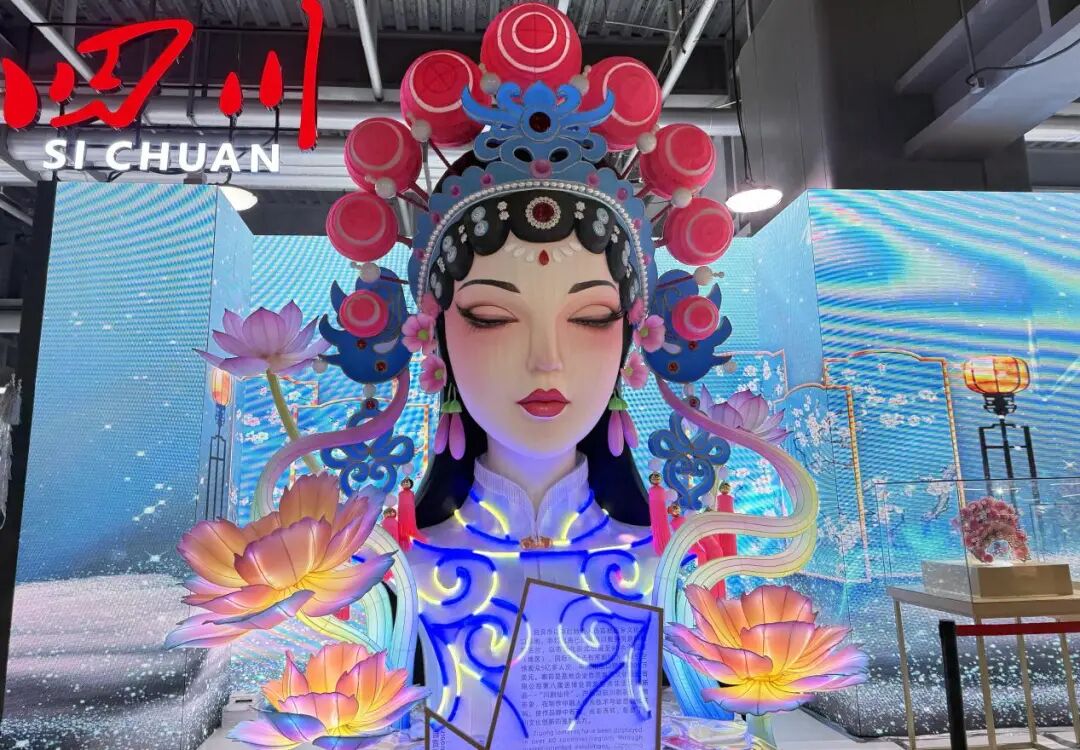
Core Insights - The China International Import Expo (CIIE) serves as a platform for showcasing both domestic and international products, particularly focusing on traditional and cultural items, which resonate with younger consumers and break stereotypes [1][2]. Group 1: Domestic Cultural Products - The Jiangsu region showcased 55 key old brands and high-tech companies, with Suzhou's Song brocade being highlighted as a national intangible cultural heritage, achieving significant sales growth through the CIIE [2][3]. - The company Suzhou Shangjiu Kai Silk Technology Co., which specializes in Song brocade, reported a doubling of sales and over 100 million online search queries for their products [2]. - Other traditional crafts, such as Sichuan embroidery and Sichuan opera, are also gaining popularity, with innovative products like the "Sichuan Opera Fairy" lantern attracting attention at the expo [3][4]. Group 2: International Products - International products, including Peruvian blueberries and Malaysian durians, are finding a market in China, adapting to local preferences through the CIIE [7]. - Entrepreneurs like Li Chenyang, who transitioned from sports to e-commerce, have successfully leveraged the CIIE to sell handmade products, achieving significant sales growth [7][8]. - The Syrian ancient soap, a product with over 4,000 years of history, has become a bestseller in China, with annual sales exceeding 100,000 units, showcasing the effectiveness of the CIIE in introducing foreign products [10][11]. Group 3: Market Expansion and Opportunities - The CIIE has facilitated the expansion of traditional products into international markets, with companies like the New Zealand alpaca textile group experiencing a 300% increase in sales [10]. - The event has also provided support for exhibitors from least developed countries, offering free booths and training, which helps them tap into the Chinese market [11]. - The success stories of various international exhibitors highlight the CIIE as a global opportunity window for market entry and expansion [11].