
黄金交易

Search documents
金价大幅波动 上海黄金交易所紧急提示
Zhong Guo Jing Ying Bao· 2025-11-20 08:55
Core Viewpoint - The recent fluctuations in gold prices, including a temporary rise above $4100 per ounce, have prompted the Shanghai Gold Exchange to issue a notice urging member units to prepare for potential market volatility and to implement risk control measures to protect investors' rights [1]. Group 1: Market Conditions - As of November 20, gold prices experienced a significant rise, surpassing $4100 per ounce before retreating [1]. - The Shanghai Gold Exchange highlighted multiple factors contributing to market instability, emphasizing the need for risk management strategies among its members [1]. Group 2: Investment Trends - According to Manulife Investment Management, data indicates a continuous net inflow into North American gold ETFs since September, reflecting an increased demand for gold as an investment [1]. - Despite the rising demand, there is a cautionary note regarding potential short-term risks, particularly the possibility of a price correction following the recent surge [1].
美国霸权出现裂痕,全球央行买黄金自保,中国却另有更深远的谋划
Sou Hu Cai Jing· 2025-11-19 00:35
前言 2024年国际金价40次刷新纪录,冲破每盎司2800美元大关,全年涨幅超27%创下14年之最,2025年初至 今涨幅再超10%。 与金价疯狂形成对比的是中国央行公开购金数据格外低调,2024年6-8月单月购入量均不足2.3吨。 但分析机构测算显示,中国实际购金规模可能是官方数据的10倍以上,法国兴业银行更是估算2024年中 国总购金量或达250吨,占全球央行购金需求的三分之一。 这场动静悬殊的隐秘购金,除了去美元化的深层逻辑,还暗藏着怎样的市场布局与战略考量? 中国购金规模 中国实际购金规模与官方数据的巨大差距,并不是市场凭空猜测,而是有多重数据与产业链事实支撑。 作为全球最大黄金生产国,2024年中国原料产金377.24吨,加上156.86吨进口原料产金,全国总产金量 达534.11吨,充足的国内产能让中国无需依赖公开进口即可补充储备。 中国的低调更有额外优势,上海黄金交易所国际板的"直通车"政策已经打通国内产业链与国际金库的衔 接,149公斤标准金锭可直接运抵国际板仓库,运输效率提升50%以上,2025年相关业务规模预计超100 亿元。 加上保税黄金不设存储期限的政策支持,中国既能便捷囤积黄金,又能 ...

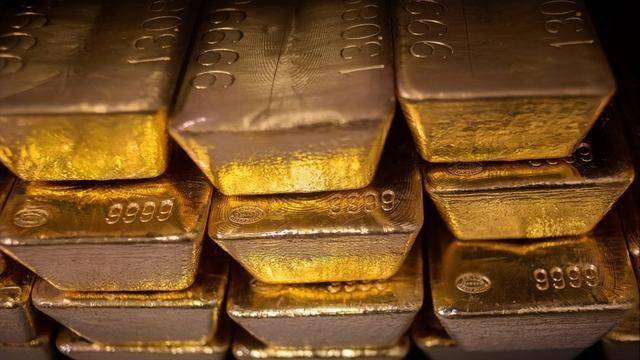
【财经分析】AI热潮与避险需求叠加 新加坡10月出口同比激增22.2%
Xin Hua Cai Jing· 2025-11-18 08:16
Core Insights - Singapore's non-oil domestic exports (NODX) surged by 22.2% year-on-year in October 2025, marking the fastest growth since November 2021, significantly exceeding market expectations of 7.5% [1] Group 1: AI and Electronics Sector - The electronics sector saw a remarkable year-on-year export increase of 33.2% in October, driven by structural demand from the AI boom, with integrated circuits (ICs) and personal computers (PCs) rising by 40.9% and 77.7% respectively [2] - Analysts attribute this strong performance to sustained global capital expenditure related to AI, with Singapore's semiconductor production accounting for over 11% of the global market share [2] Group 2: Gold Exports and Global Sentiment - Non-electronic products experienced an 18.8% growth, primarily due to a staggering 176.8% increase in "non-monetary gold" exports, reflecting heightened global risk aversion [4] - The surge in gold exports was particularly notable to Thailand and Hong Kong, with increases of 844.6% and 68.9% respectively, amid rising concerns over trade tensions and economic downturns [4] Group 3: Government Policies and Economic Outlook - The robust export performance is supported by government macroeconomic policies, with the manufacturing Purchasing Managers' Index (PMI) indicating stability and expansion in the sector [5] - Singapore's Deputy Prime Minister has outlined a focus on developing high-value industries like AI, while the Monetary Authority of Singapore has maintained a policy of moderate appreciation of the Singapore dollar to stabilize costs for the electronics manufacturing sector [6] - Following the strong data, several institutions have revised their economic forecasts upward, with OCBC raising its NODX growth prediction for 2025 from 2.5% to 4% [6]
300吨黄金逃离伦敦,柬埔寨带头存上海,数字人民币结算10秒到账
Sou Hu Cai Jing· 2025-11-14 19:42
前言 2025年秋,伦敦金银市场协会的数据让所有人坐立难安。 过去三个月,超过300吨黄金从伦敦金库运出,创2008年来最高纪录,其中70%流向了中国。 这曾是全球最安全的金融中心,如今为何上演"挤兑"式出逃?世界对安全的定义,正在被谁悄悄改写? 伦敦金库告急!300吨黄金上演胜利大逃亡 一场静悄悄的金融地震,正在撼动全球最古老的财富中心。 伦敦金银市场协会的月度例会上,一向沉稳的高管们罕见地坐不住了,大屏幕上滚动的数据像一记记重锤。 过去三个月,从伦敦金库运出的黄金总量突破300吨,创下2008年金融危机以来的最高纪录。 更让他们坐立难安的是,这些黄金的目的地高度集中,超过70%都流向了中国,要么直接运到上海、深圳。 要么先经香港中转,最终还是进入中国的托管体系,要知道伦敦作为全球老牌黄金交易中心,掌控着全球近一半的实物黄金存储量。 过去几十年里,各国央行要存黄金,第一反应都是往伦敦运,可现在曾经挤破头想把黄金存在伦敦的国家,却在悄悄把黄金运走。 这反常的举动,让西方金融圈炸开了锅,各种猜测满天飞,难道全球金融格局要变天了? 中国到底在背后做了什么,能让各国心甘情愿把"压箱底"的宝贝交过来? 一位东南亚国家 ...

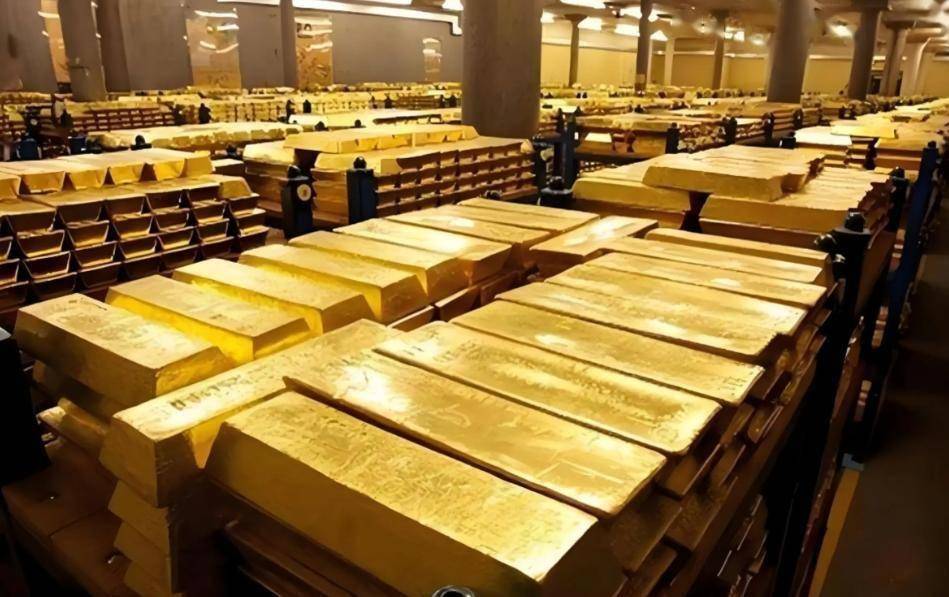
黄金税收新政后 在哪儿买 “金条”更划算|LIN眼相看
Sou Hu Cai Jing· 2025-11-13 05:08
Core Viewpoint - The new tax policy on gold, effective from November 1, 2023, aims to clarify the distinction between investment and non-investment uses of gold, introducing differentiated VAT rules to address tax evasion issues in the gold market [3][4]. Group 1: Tax Policy Details - The new tax regulations categorize gold based on purity and function, defining investment gold and non-investment gold, with specific VAT implications for each category [3][4]. - Investment gold includes items like gold bars and coins with a purity of 99.5% or higher, while non-investment gold refers to all other uses [3]. - For physical delivery transactions, investment gold will have VAT refunded immediately, but sales must issue regular invoices to prevent tax evasion [4]. Group 2: Market Impact - Following the announcement of the new tax policy, gold jewelry prices have increased significantly, with some brands raising prices by over 5% within days [5]. - The price of gold per gram has risen from approximately 930 yuan to over 1000 yuan, reflecting a 7% increase due to the new tax regulations [5]. - Retailers are expected to pass on increased costs to consumers, leading to higher prices for gold jewelry and bars [4][5]. Group 3: Investment Shifts - The new tax policy is likely to decrease the attractiveness of non-exchange physical gold investments, while bank products like gold accumulation plans and ETFs may become more appealing [8][10]. - Several banks have raised the minimum investment thresholds for gold accumulation plans, indicating a shift in consumer behavior towards more structured gold investment products [8][10]. - The domestic gold ETF holdings have seen a significant increase, with a year-on-year growth of 164.03% in the first three quarters of 2025, suggesting a growing preference for ETF investments over physical gold [10].
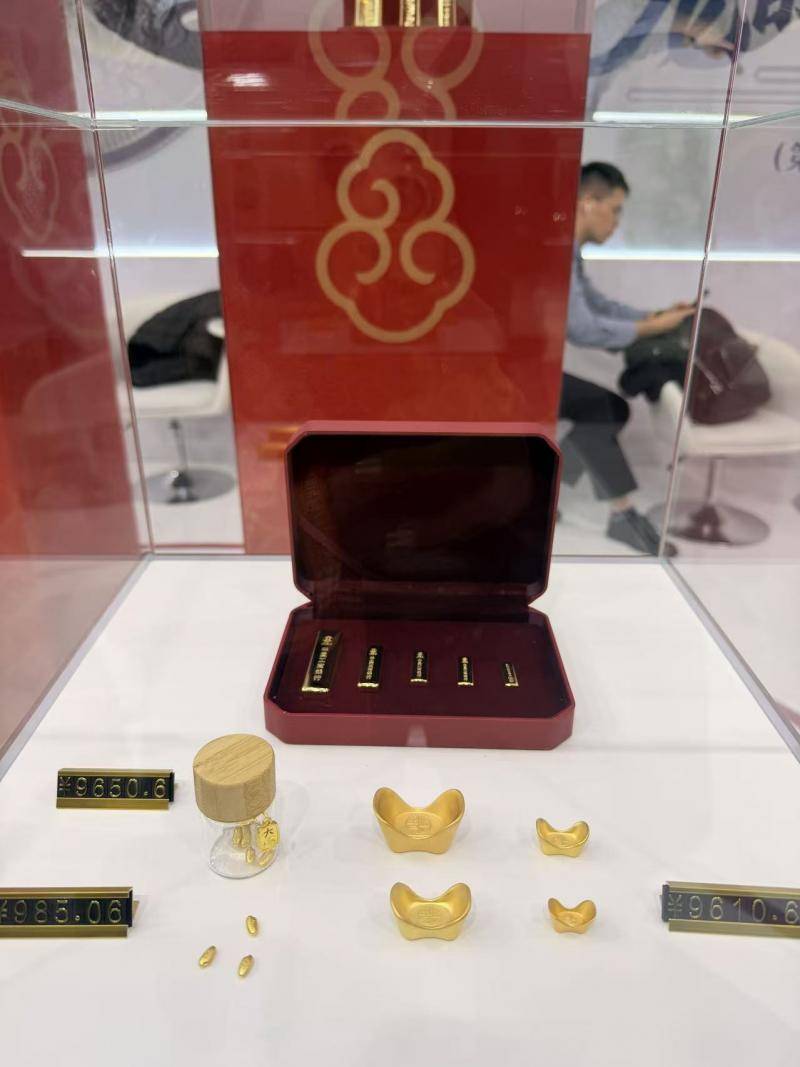
财经观察:金价高涨,消费者如何应对?
Huan Qiu Shi Bao· 2025-11-11 22:49
Core Viewpoint - The recent surge in gold prices, driven by a new tax policy, has created significant market fluctuations and reactions across the gold industry, impacting everything from trading to consumer purchasing behavior [1][3][11]. Tax Policy Impact - The Ministry of Finance and the State Taxation Administration announced a differentiated VAT exemption for standard gold transactions on the Shanghai Gold Exchange and Shanghai Futures Exchange until the end of 2027, which is expected to influence the entire gold market [1][3]. - The new tax policy categorizes gold transactions into investment and non-investment types, leading to a tax burden increase of approximately 7 percentage points for non-investment gold jewelry enterprises [3][11]. Market Reactions - Following the announcement, the Shenzhen Shui Bei market experienced immediate disruptions, with many jewelers halting new orders and adjusting pricing strategies due to unstable gold prices [2][3]. - The price of gold jewelry saw significant increases, with prices rising by 60 to 70 yuan per gram for gold jewelry and surpassing 1,100 yuan per gram in the Shui Bei market shortly after the policy announcement [3][4][6]. Consumer Behavior - Consumer sentiment is divided, with some viewing gold as a long-term investment and continuing to purchase despite rising prices, while others are adopting a wait-and-see approach due to concerns about potential price corrections [9][10][12]. - The demand for gold remains strong, with Chinese investors notably increasing their purchases of gold bars and coins, reflecting a broader trend of rising global gold investment demand [12]. Industry Adjustments - Major gold retailers quickly adjusted their pricing in response to the new tax policy, with significant price hikes reported across various brands [4][5]. - The industry is adapting to the new regulatory environment, with some businesses likely to pass on increased costs to consumers through higher prices [11].
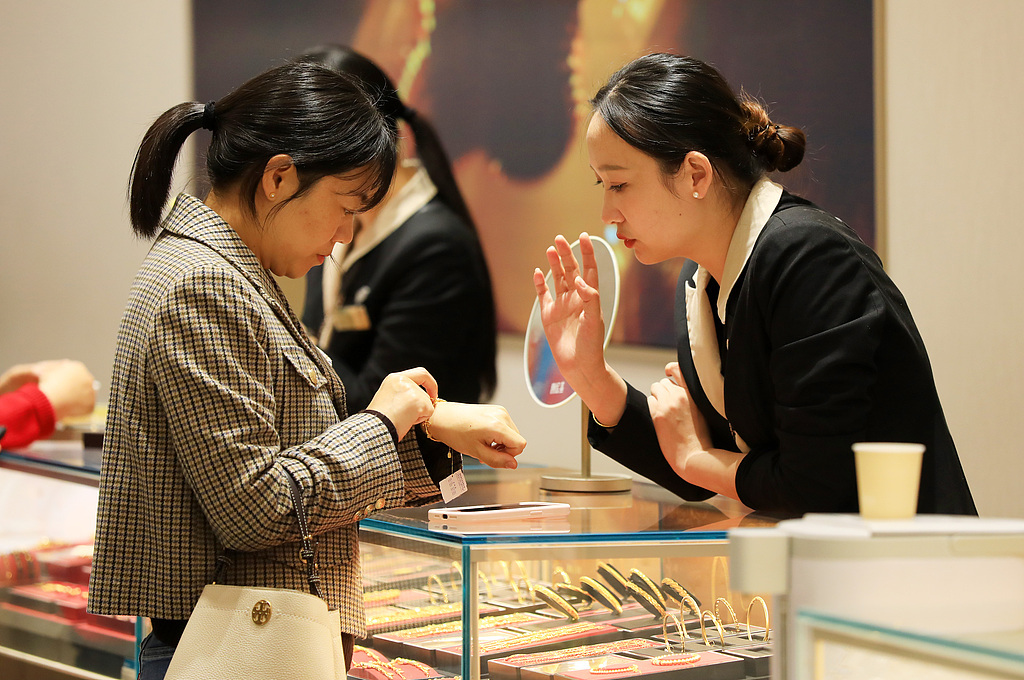
各国行动,黄金储备转移中国,领头国家已现迹象
Sou Hu Cai Jing· 2025-11-11 18:08
在伦敦和纽约长期占据官方黄金存储优势的背景下,柬埔寨的选择被西方媒体高度关注,彭博等媒体提 出质疑,认为此举可能改变储备格局,这些观点可在相关报道中检索到。 押运车缓缓驶入,车上的封条被核对三遍,柬埔寨央行代表在场,双方通过电子系统逐条核对金条编号 和重量,这些过程按程序进行,没有表演也没有旁白。 这是一次新增黄金入库,来源于柬埔寨官方通报,存放地点为深圳保税区的专业金库,存放并非转移既 有储备,而是新增储备的指定存放决定。 选择中国而非伦敦或纽约的仓库,官方解释是基于交易便利和成本考量,这一说明见于柬埔寨央行与中 国合作机构的公开声明。 入库手续比传统存放地简化,业内人士向笔者提供的短流程示意显示,审批环节减少约一半,文件要求 亦更为直接,这一点可以在相关交易所与保税区办事指南中查证。 金库内部仅留白灯通道与低语的机械声,指纹与虹膜识别在入口处运作,安保人员告诉我设备实时联动 公安系统,任何异常会触发三级响应。 虽然入库的是几十吨级别的黄金,相对于世界大国并不夸张,但程序本身的象征意义超出数量,多个中 央及交易机构的公开数据和媒体报道都在描述这一转向。 早晨六点,深圳保税区金库门口只有两辆押运车和一队静默的 ...
黄金税改冲击水贝:客流锐减 有头部平台停止黄金回收业务
Xin Lang Cai Jing· 2025-11-11 15:01
Core Viewpoint - The recent gold tax reform has significantly impacted the gold trading market in Shenzhen's Shui Bei, leading to a sharp decline in customer traffic and sales, with many merchants halting operations due to increased costs [1] Group 1: Market Activity - The market activity in Shui Bei, the largest gold distribution center in China, has noticeably decreased, almost entering a state of stagnation [1] - Merchants report a substantial drop in customer flow and sales, with some stating that many customers cannot accept the increased prices, leading to a halt in sales for compliant stores [1] Group 2: Supply Chain Impact - Many upstream gold suppliers have ceased operations, as they find it unfeasible to sell at current prices, resulting in a significant reduction in available gold supplies [1] - The term "unable to replenish supplies" reflects the situation where suppliers are not selling, and merchants are unable to restock their inventory [1] Group 3: Recycling Sector - The impact of the new tax policy has also reached the gold recycling sector, with a notable decrease in the number of upstream companies involved in gold recovery [1] - A major company in the industry has stopped its gold recovery business due to the tax implications, as selling gold incurs additional taxes that make it unprofitable [1]
人民银行:第三季度上海黄金交易所成交额11.1万亿元,同比增长17.2%
Bei Jing Shang Bao· 2025-11-11 10:07
Core Insights - The People's Bank of China released the monetary policy implementation report for the third quarter of 2025, highlighting significant changes in gold prices and trading volumes [1] Gold Market Overview - As of the end of September, international gold prices reached $3,825.3 per ounce, marking a 46.5% increase compared to the end of the previous year [1] - The Shanghai Gold Exchange's Au99.99 gold price was 871.86 yuan per gram, reflecting a 41.8% rise from the end of the previous year [1] Trading Activity - In the third quarter, the trading volume of gold on the Shanghai Gold Exchange was 14,000 tons, which represents a year-on-year decline of 15.9% [1] - The total trading value for the same period was 11.1 trillion yuan, showing a year-on-year growth of 17.2% [1]
纽约期金、现货黄金:11月10日涨近1%
Sou Hu Cai Jing· 2025-11-11 08:25
本文由 AI 算法生成,仅作参考,不涉投资建议,使用风险自担 【11月10日纽约期金、现货黄金价格上涨】11月10日,纽约期金向上触及4050美元/盎司,日内涨幅达 1.01%。 现货黄金也站上4040美元/盎司,日内涨0.97%。 ...