
医疗服务

Search documents
宁夏银川:智慧医养下沉基层 织密全民健康保障网
Zhong Guo Xin Wen Wang· 2025-12-22 10:30
Core Viewpoint - The article highlights the efforts of Yinchuan City in Ningxia to enhance healthcare services through the integration of smart healthcare and community-based medical services, aiming to improve accessibility and quality of care for the elderly population [2][5][7]. Group 1: Smart Healthcare Initiatives - Yinchuan City has implemented a "135 Smart Healthcare" model, which includes a central smart hub that collects nine vital signs through smart wristbands, creating AI-generated health profiles for monitoring and intervention [5]. - The local health center has provided healthcare services to 643 elderly individuals, established 12 family beds, and conducted over 920 home visits, achieving a 98.2% coverage rate for elderly family doctor contracts [5]. Group 2: Integration of Medical and Financial Services - The city has innovated a "Medical-Bank Cooperation" model, allowing citizens to handle over 20 insurance-related services at banks, significantly improving the efficiency of healthcare access [6]. - By December 2025, Yinchuan had processed 13,500 related insurance transactions, with a 98% "one-time handling" rate for high-frequency services [6]. Group 3: Community Health Management - The city aims to increase the standardized management rate of elderly patients to over 60% by 2026 and achieve full coverage of contracted services by 2027 [5]. - The establishment of a network of healthcare services extending from urban to rural areas is underway, with a focus on enhancing the management of chronic diseases among the elderly [6][7].

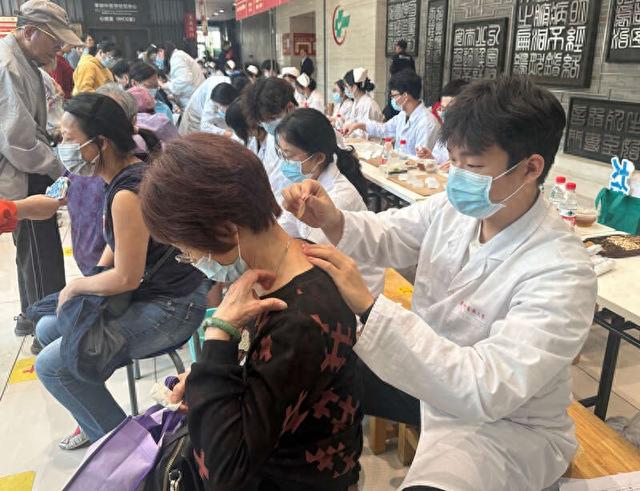
冬病冬治促健康,岭南“三九天灸”开贴
Zhong Guo Qing Nian Bao· 2025-12-22 10:19
Core Viewpoint - The "Sanjiu Tian Jiao" (Three-Nine Moxibustion) has become a popular health practice in Guangdong during the winter solstice, aimed at treating winter ailments and enhancing health through traditional Chinese medicine [1][3]. Group 1: Health Benefits and Practices - "Sanjiu Tian" refers to the third nine days after the winter solstice, a period when the body is susceptible to cold, leading to various respiratory, joint, and digestive diseases [1]. - The therapy involves applying medicinal patches to specific acupuncture points to warm the meridians, dispel cold and dampness, and boost energy [1]. - The practice is part of a seasonal health regimen, with "Sanjiu" focusing on consolidating Yang energy in winter, contrasting with "Sanfutian" (Three-Fu Moxibustion) in summer, which emphasizes nurturing Yang [3]. Group 2: Adaptations and Innovations - This year, the medicinal patches used are tailored to address conditions like kidney deficiency, lung health, and liver balance, reflecting changes in both the selection of acupuncture points and herbal formulas [3]. - A special window for insomnia has been established, indicating a growing demand for targeted treatments among various age groups, particularly younger individuals [5]. - The hospital has optimized herbal formulations and standardized application methods, creating a systematic approach to this traditional therapy [7]. Group 3: Professional Guidance and Safety - Patients are advised to consult professional practitioners for personalized treatment plans rather than self-medicating based on online trends [5]. - There are specific contraindications for moxibustion therapy, including patients with malignant tumors, severe heart and lung diseases, and skin allergies, emphasizing the need for professional administration [7].
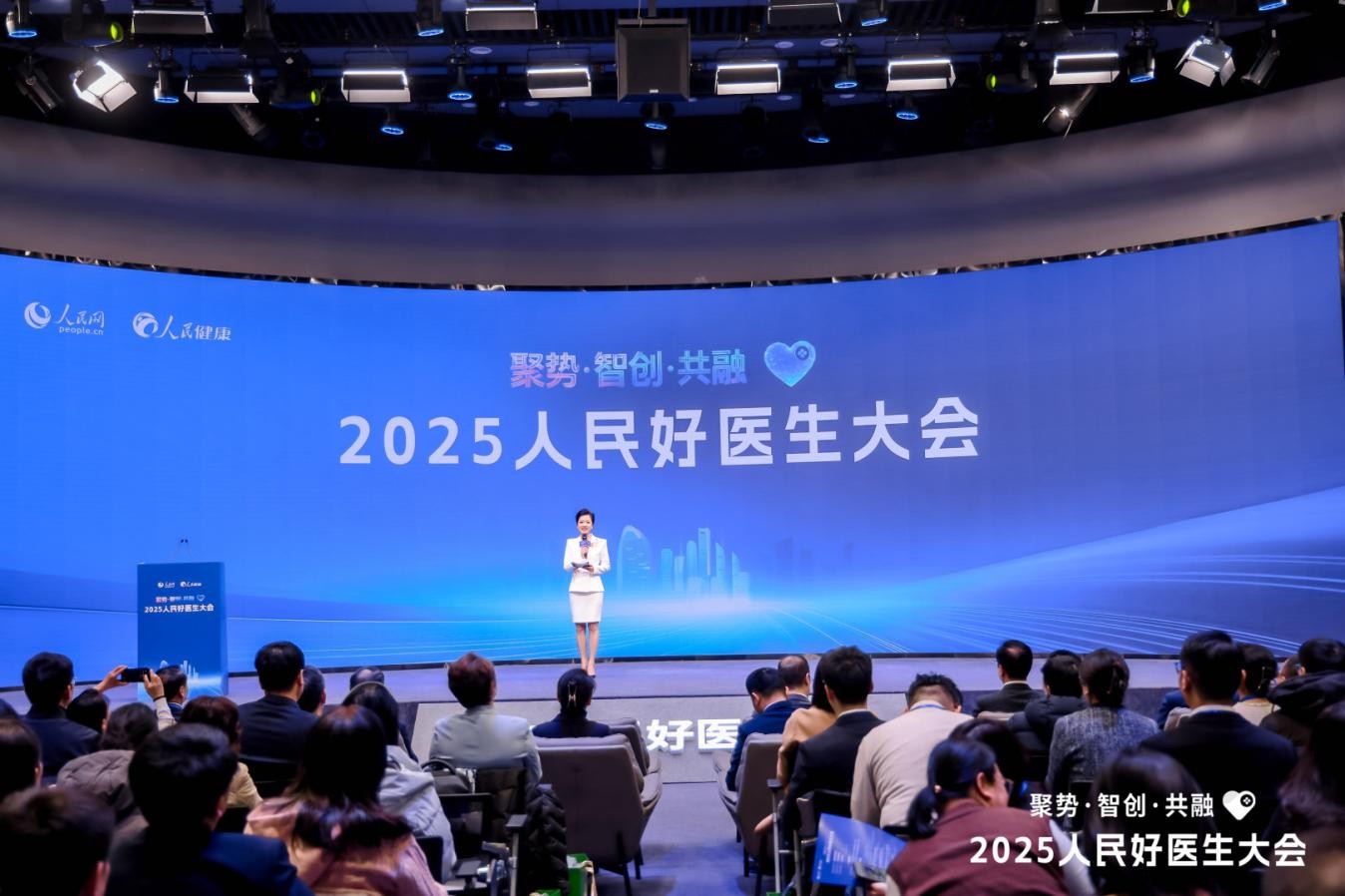
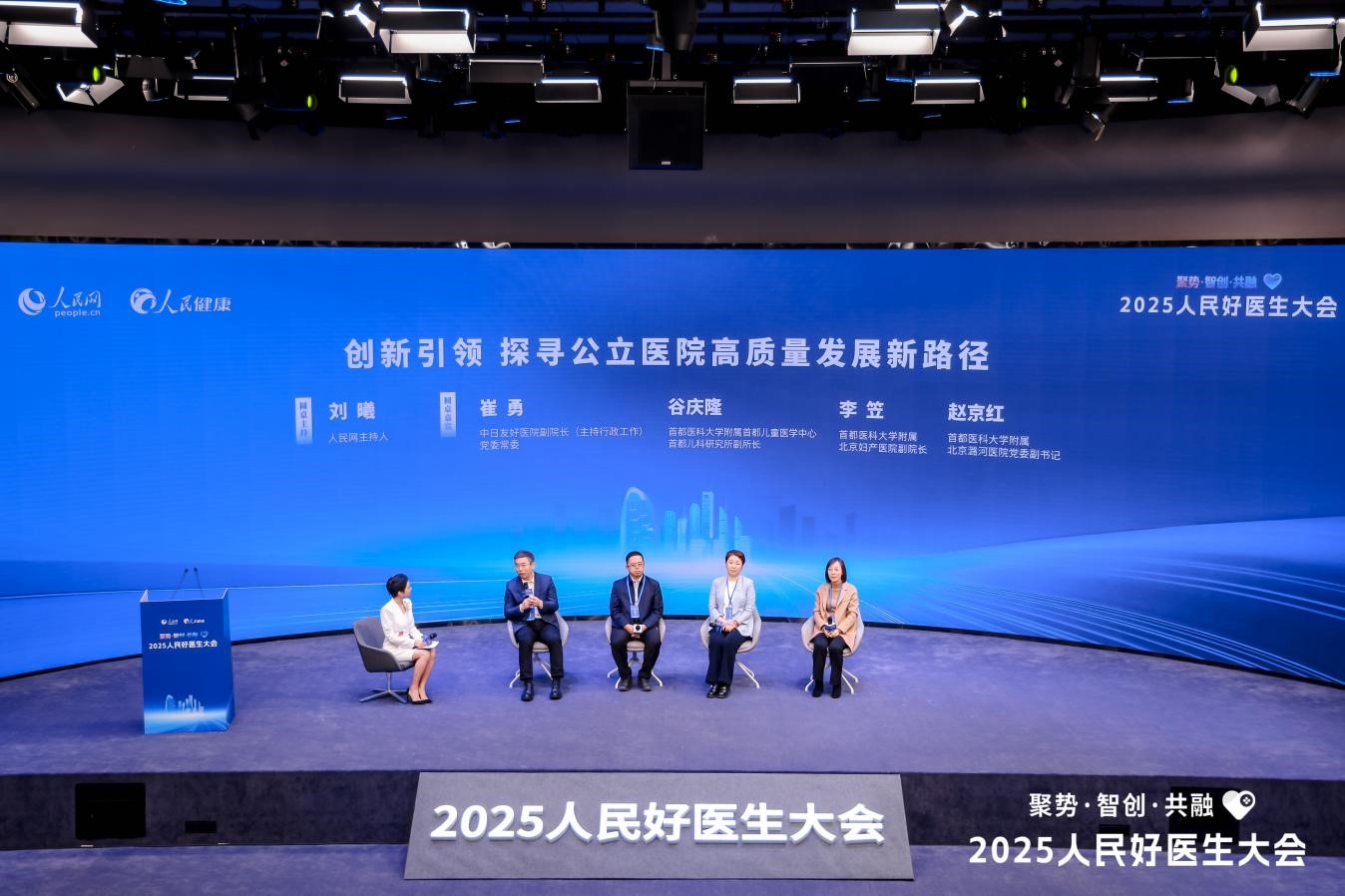
“智变”赋能医疗健康 2025人民好医生大会在京举办
Ren Min Wang· 2025-12-22 09:30
Core Insights - Artificial intelligence is becoming a key force driving transformation in the healthcare sector, focusing on precision in disease diagnosis, personalized treatment plans, efficient drug development, and intelligent health management [1][4]. Group 1: AI in Healthcare - AI is reconstructing the healthcare service paradigm by breaking down geographical barriers in medical resources, enhancing grassroots diagnosis, and ensuring precise health knowledge dissemination [4]. - Experts emphasize the importance of integrating AI in early identification and personalized intervention for neurological diseases, showcasing significant advancements in stroke prevention and treatment [4][5]. - The integration of AI with traditional Chinese medicine is highlighted as a means to innovate while preserving the essence of traditional practices [8]. Group 2: Medical Talent Development - High-quality discipline construction in public hospitals is essential for cultivating exceptional medical talent and improving healthcare service quality [6]. - A differentiated evaluation system is proposed to adapt to the "Healthy China" strategy, focusing on both innovative and clinical medical talents [7]. - Emphasis is placed on interdisciplinary collaboration and practical-oriented training to enhance the capabilities of medical professionals [7]. Group 3: Health Management Innovations - The "People's Good Doctor Family Health Care Service" project aims to create an intelligent, inclusive, and reliable health protection system for the public, utilizing AI technology [20]. - The launch of the "People's Good Doctor Corpus" aims to provide reliable information and verification services for healthcare professionals and the public [15]. - The establishment of the "People's Good Doctor·Zhong Nanshan Science Popularization Joint Laboratory" is intended to build a robust health science communication system [12]. Group 4: Future Directions - The conference highlighted the need for continuous optimization of medical talent training systems and the integration of digital technologies in healthcare [5][6]. - Discussions on the coexistence of medical humanities and AI suggest that AI can enhance the quality of medical services while promoting humanistic care [25].
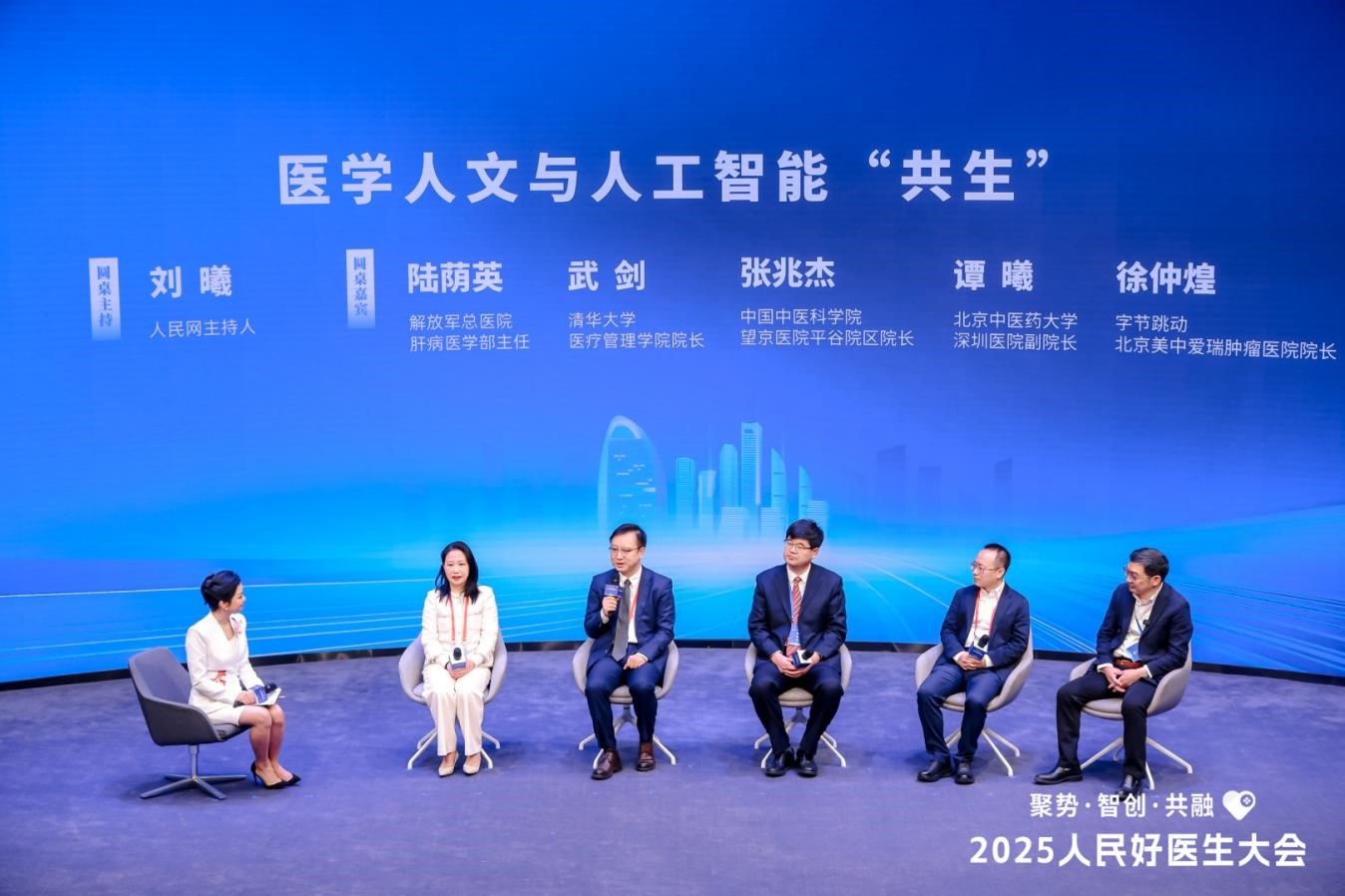
专家共探AI与医学人文的“共生”之道
Ren Min Wang· 2025-12-22 09:29
Core Viewpoint - The integration of artificial intelligence (AI) in healthcare is seen as a means to enhance medical services and convey humanistic care, rather than being in opposition to medical humanities [1][5][6]. Group 1: AI and Medical Humanities - Experts agree that AI can significantly improve diagnostic accuracy and provide reliable data support for clinical diagnosis, complementing the principles of medical humanities [5]. - The development of AI should focus on creating a dialogue model that incorporates diverse humanistic elements, transitioning AI from a "precise tool" to a "compassionate assistant" [5]. - A three-tier management system is recommended to ensure the integration of AI and medical humanities, including the establishment of an AI ethics committee and quality control positions [6]. Group 2: AI in Grassroots Healthcare - AI technology can alleviate the workload of healthcare workers in grassroots settings, allowing more time for patient communication and enhancing the delivery of humanistic care [7]. - There is a need for medical professionals to effectively interpret and communicate AI screening results to address patients' doubts about AI [7]. - The integration of AI in traditional Chinese medicine is emphasized, with a focus on maintaining the core principles of personalized treatment while utilizing AI for support [7]. Group 3: Future Directions and Challenges - The potential of AI in private hospitals is highlighted, as they can build complete and accurate medical data systems from scratch, free from legacy constraints [8]. - The current limitations of AI in sensing patient emotional changes are acknowledged, with a call for the incorporation of humanistic factors to unlock further medical value [8]. - The importance of reforming medical education to meet the new demands of the AI era is stressed, aiming to cultivate medical professionals who can effectively utilize AI while discerning its information value [7].
智能驱动 让数据赋能医疗服务
Ren Min Wang· 2025-12-22 09:29
数字化转型为医疗服务模式变革带来新机遇,也提出了新挑战。中日友好医院党委常委、副院长(主持行政工作)崔勇认为,公立医院推动医疗服务 从"经验医学"向"数据智能医学"转型,当前面临两大关键短板:一是医院间信息不通畅,数据壁垒尚未完全打破;二是海量院内数据难以有效转化为大数据 资源并赋能人工智能应用。他建议,医院应聚焦标准化建设与集成应用两大方向,着力构建统一数据平台,推动数据向人工智能生产力转化。同时,要重点 构建可信数据空间,在严格保护患者隐私的前提下开展数据治理工作。此外,可以建立多个优势病种专病数据库,积极推进人工智能研发。 "'数据大'不等于'大数据'。医院在数字化转型过程中,不能仅仅追求数据的数量,更要注重数据的质量和可用性。"首都医科大学附属首都儿童医学中 心、首都儿科研究所副所长谷庆隆说,"医院内海量数据因缺乏标准化规范难以转化为有效数字资产。对此,应考虑'做减法',可以聚焦一些专病领域,建 立科学的数据治理体系,对专病数据进行清洗、整合和分析,挖掘出数据背后的潜在价值,为临床决策、科研创新和医院管理提供有力支持。" 首都医科大学附属北京妇产医院兼具单体医疗机构与北京市妇幼保健院双重职能,在数据资 ...
医疗服务板块12月22日跌1.03%,益诺思领跌,主力资金净流出8.56亿元
Sou Hu Cai Jing· 2025-12-22 09:13
Core Viewpoint - The medical services sector experienced a decline of 1.03% on December 22, with Yinuo leading the drop [1] Group 1: Market Performance - On the same day, the Shanghai Composite Index closed at 3917.36, up by 0.69% [1] - The Shenzhen Component Index closed at 13332.73, up by 1.47% [1] Group 2: Capital Flow - The medical services sector saw a net outflow of 856 million yuan from main funds, while retail investors contributed a net inflow of 671 million yuan [1] - Speculative funds recorded a net inflow of 185 million yuan into the medical services sector [1]

缅怀医学前辈,共谋学科发展:第十八届三博神经科学学术会议在京举行
Zhong Guo Xin Wen Wang· 2025-12-22 08:26
Core Insights - The conference commemorated the centenary of Academician Wang Zhongcheng, a pioneer in China's neurosurgery, and aimed to honor his legacy while promoting the development of the field [3][6][7] - The event attracted nearly 700 experts and scholars, featuring discussions on cutting-edge topics in neurosurgery and brain science, including multidisciplinary collaboration in neuro-oncology and advancements in interventional treatment for cerebrovascular diseases [2][3][4] Group 1: Conference Overview - The conference was held from December 19 to 21 in Beijing, organized by multiple institutions including the Wang Zhongcheng Medical Foundation and the Capital Medical University [2][3] - It included over ten sub-forums covering various specialties such as neurosurgery, neurology, and spinal surgery, focusing on innovative treatment strategies and clinical applications [3][4] Group 2: Technological Focus - A significant emphasis was placed on brain-computer interfaces and brain science, showcasing breakthroughs and applications that indicate a shift towards industrialization in these fields [3][4] - The conference featured live surgical broadcasts, which have become a hallmark of the event, facilitating knowledge sharing among experts [5] Group 3: Academic Contributions - Notable presentations included discussions on the human visual perception mechanism and comparisons between human information processing and large language models [4] - The conference also highlighted the establishment of investment, research, and clinical validation platforms related to brain-computer interfaces and brain science by the Sanbo Brain Hospital [4] Group 4: Legacy and Future Directions - The event served as a culmination of a series of activities celebrating Wang Zhongcheng's academic contributions and entrepreneurial spirit, reinforcing the commitment to advancing neurosurgery in China [6][7] - Emphasis was placed on the need for innovation, collaboration, and nurturing new talent to enhance the overall level and international influence of China's neuroscience [7]


医药生物行业动态研究:CRO需求回暖,实验猴供给紧张涨价
Guohai Securities· 2025-12-22 08:18
Investment Rating - The report maintains a "Neutral" rating for the pharmaceutical and biotechnology industry [1][42]. Core Insights - There is a recovery in demand for clinical research organizations (CROs), while the supply of experimental monkeys is tight, leading to price increases. The domestic financing for innovative drugs is gradually recovering, with a total financing amount of $4.086 billion from January to November 2025, representing a year-on-year increase of 10.6% [1][10]. - The pharmaceutical sector has underperformed compared to the CSI 300 index, with a year-to-date return of 14.49% against the CSI 300's 16.09% [22]. - The current valuation of the pharmaceutical sector is 33.0 times PE based on 2026 profit forecasts, which is a 41% premium over the overall A-share market (excluding financials) [23]. Summary by Sections Recent Trends - The CSI 300 index fell by 0.28% this week, while the pharmaceutical sector decreased by 0.14%, ranking 22nd among 31 primary sub-industries. The weekly performance of sub-sectors includes declines in chemical pharmaceuticals and biological products, while medical services and medical commerce showed gains [9][22]. Market Dynamics - The demand for CROs is recovering, and the supply of experimental monkeys is limited, with prices for 3-5 year old monkeys reaching 140,000 yuan each. This indicates a recovery in the domestic innovative drug research and development environment [10][11]. Valuation - The pharmaceutical sector's current valuation is 29.1 times PE based on trailing twelve months (TTM) earnings, which is below the historical average of 35.0 times PE. The sector has a 17.2% premium over the overall A-share market [23]. Company Performance - Notable performers in the pharmaceutical commercial sector this week include Huaren Health, Luyuan Pharmaceutical, and Shuyuan Pingmin, with significant weekly gains [25]. Key Company Meetings - Upcoming shareholder meetings include Dong'e Ejiao, Zhonghe Holdings, and Yiling Pharmaceutical on December 22, among others [31][32][33].




医药生物行业跨市场周报(20251221):AI医疗激活医药险全链路闭环,建议关注相关投资机会-20251222
EBSCN· 2025-12-22 08:07
Investment Rating - The report maintains a "Buy" rating for the pharmaceutical and biotechnology sector [4][5]. Core Insights - The report emphasizes the activation of "medical insurance" through AI in healthcare, suggesting a focus on investment opportunities in related sectors such as home medical devices, offline health check-ups, and pharmaceutical retail [2][21][23]. - The report highlights the importance of clinical value in the pharmaceutical sector, advocating for investments in innovative drug chains and medical devices, particularly in light of evolving domestic and international policies [3][26][27]. Summary by Sections Market Review - The A-share pharmaceutical and biotechnology index fell by 0.14%, underperforming the CSI 300 index by 0.14 percentage points, while outperforming the ChiNext index by 1.39 percentage points, ranking 22nd among 31 sub-industries [1][10][16]. - The Hong Kong Hang Seng Healthcare Index decreased by 1.77%, outperforming the Hang Seng Index by 0.19 percentage points [1][10]. R&D Progress - Recent developments include the NDA application for SSGJ-608 by Sanofi, clinical application advancements for vaccines by CanSino and Shiyao Group, and ongoing clinical trials for various drugs by Heng Rui and CanOya [1][31]. Investment Strategy - The report suggests focusing on three categories of companies: 1. AI + Home Medical Devices, recommending companies like Yuyue Medical and Sinocare [23][25]. 2. AI + Offline Health Check-ups, with a focus on Meinian Health, which has significant data resources for AI model calibration [23][25]. 3. AI + Pharmaceutical Retail, highlighting Alibaba Health and Shuyu Pingmin as key players [23][25]. Key Company Earnings Forecast and Valuation - The report provides earnings per share (EPS) and price-to-earnings (PE) ratios for several companies, recommending "Buy" for companies like Innovent Biologics, Yifan Biologics, and Mindray Medical [4][28]. Important Company Announcements - Recent announcements include various clinical trial approvals and strategic partnerships among key players in the pharmaceutical sector, indicating ongoing innovation and development [30][31]. Financial Data Updates - Basic medical insurance revenue reached 2,108.6 billion yuan in the first nine months of 2025, with a monthly income of 227.6 billion yuan in September, reflecting a 15.9% month-on-month increase [34]. - The pharmaceutical manufacturing industry reported a year-on-year revenue decline of 2.90% for the first ten months of 2025, indicating challenges in the sector [49]. Regulatory and Market Trends - The report notes a structural shift in domestic policies favoring innovative drugs and highlights the increasing global demand for pharmaceuticals driven by aging populations [27][26].
手术量下降并向大中心聚集,先天性心脏病外科何去何从
Di Yi Cai Jing· 2025-12-22 07:44
在宁波妇儿医院关于"小洛熙"的医疗纠纷曝光后,有上海相关儿科心脏医生告诉第一财经记者:"最近 门诊宁波来的孩子比较多,都跑出来看病了。" 近日,宁波大学附属妇女儿童医院的医疗风波引发业内对先天性心脏病学科发展的关注。 12月22日,第一财经记者从宁波妇儿医院方面了解到,目前该院小儿胸心外科住院及手术医疗服务已暂 停,何时恢复尚不确定。 多名心脏科医生对第一财经记者表示,近年来,儿童先天性心脏病外科的手术量整体有所下降,并且向 头部大中心聚集的趋势加剧,一些地方医院的手术量下降非常显著。 "先心病外科面对的复杂病例数量和疾病谱相比10年前发生了显著变化。"一位上海三甲医院心脏中心主 任对第一财经记者表示。 多位心脏科医生告诉第一财经记者,这几年先心外科手术量"下降得厉害"。一位宁波某医院心脏科医生 告诉第一财经记者:"上级医院忙得要命,下级医院空得要命,病人累得要命。" 相关专家告诉第一财经记者,导致这种现状的一个原因是,近年来大中心在全国各地开设了大量的"区 域中心",例如上海儿童医学中心在全国拥有四个区域中心,也从一定程度上吸引了地方的患者。 根据中国医学科学院阜外医院小儿心脏外科中心主任李守军去年发表的一 ...