住宿

Search documents
发票藏“红包” 你抽到了吗?
Ren Min Ri Bao Hai Wai Ban· 2026-01-14 01:56
Core Viewpoint - The Chinese government is launching a pilot program for prize-linked invoices in approximately 50 cities to stimulate consumer spending and enhance economic activity, with a focus on increasing the issuance of value-added tax (VAT) invoices [2][5][9]. Group 1: Policy Implementation - The pilot program will allow cities to set a minimum invoice amount for eligibility (not less than 100 yuan) and determine the prize amounts, with individual prizes capped at 800 yuan, for a duration of six months [2][5]. - Previous local initiatives have shown success in promoting consumer engagement through prize-linked invoices, with notable examples from Guangdong and Jiangsu provinces [3][4]. Group 2: Economic Impact - The initiative aims to boost consumer confidence and spending by creating excitement around the possibility of winning prizes through everyday purchases, thereby converting potential demand into actual purchasing power [5][9]. - The program is expected to have a broader impact on various sectors, including retail, dining, and tourism, aligning with the government's goal of enhancing domestic consumption [9][10]. Group 3: Tax Compliance and Invoice Issuance - The prize-linked invoice system is designed to increase the issuance of VAT invoices, which are essential for tax compliance and can help reduce tax evasion practices among businesses [6][8]. - Data from previous local programs indicate a significant increase in invoice issuance, with Guangdong reporting a 70% rise in invoice volume and a 90% increase in invoice value during promotional periods [7][8]. Group 4: Funding and Support - The central government will provide financial support to pilot cities, with funding limits based on city size, ensuring that resources are allocated effectively to maximize consumer engagement [10][11]. - The program encourages local governments to tailor their strategies based on local consumption patterns and to ensure that prize distribution is both equitable and impactful [11].
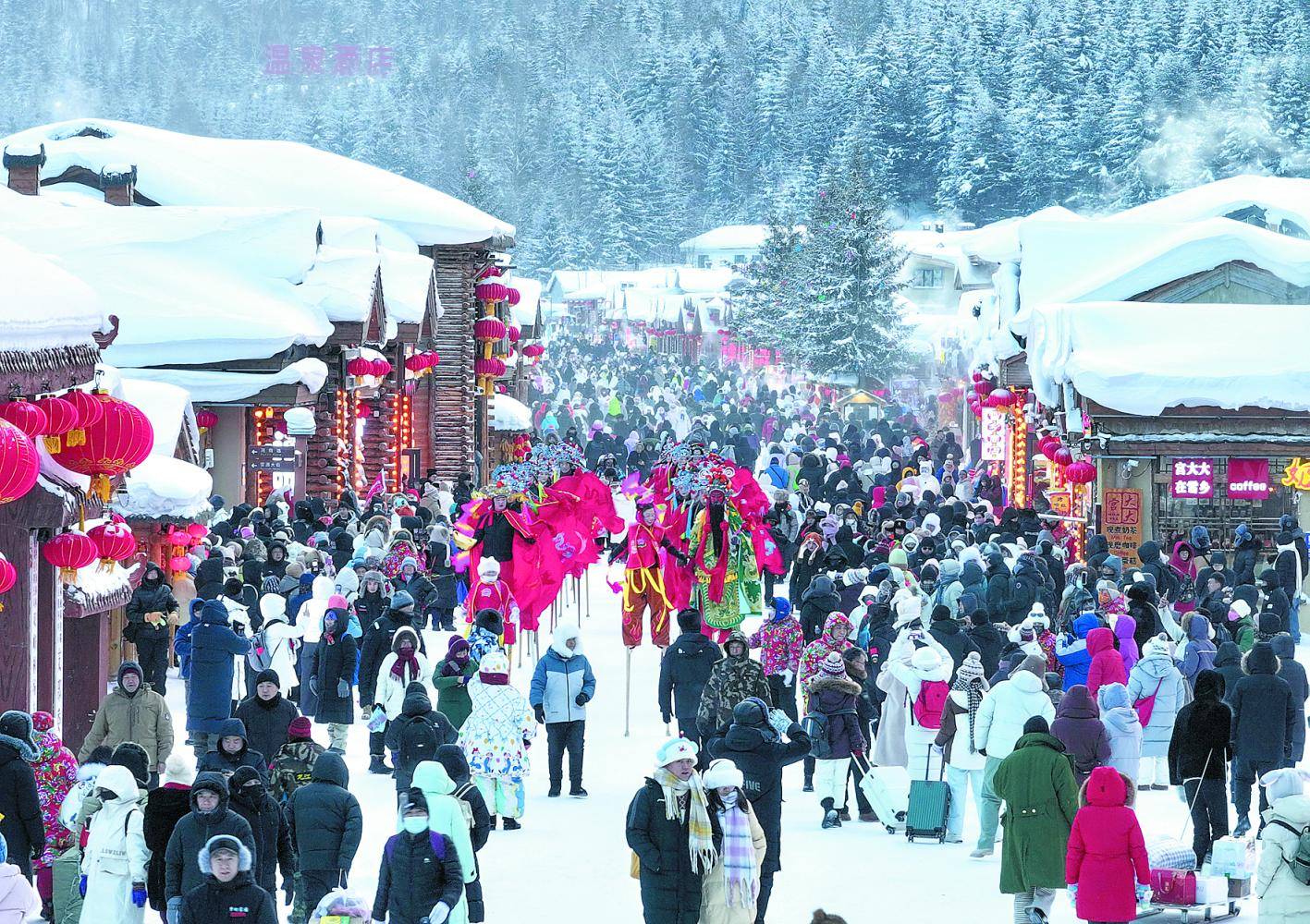
画里有话丨假日经济彰显澎湃活力
Sou Hu Cai Jing· 2026-01-10 09:00
Group 1 - The holiday consumption surge reflects the strong demand and vitality of China's consumer market, showcasing the resilience and potential of the economy [3] - During the New Year holiday, a total of 5.95 billion inter-regional trips were made, with 142 million domestic trips and total domestic spending reaching 84.789 billion yuan [3] - The holiday economy not only boosts growth in tourism, dining, accommodation, and retail sectors but also injects strong momentum into economic and social development [3] Group 2 - The vibrant scenes of holiday consumption illustrate the aspirations and pursuits of the public for a better life, highlighting the dynamic nature of China [3] - Continuous innovation in consumption scenarios, cultivation of consumption highlights, and improvement of consumer experiences are expected to lead from a "good start" at the beginning of the year to a "full house" throughout the year [3]

好评中国丨消费券里的河南温度与发展力度
Sou Hu Cai Jing· 2026-01-09 14:14
评论员 王珍珍 一张小小的消费券里连接着民生温度与发展动能。近日,河南省级层面将围绕零售、餐饮、文旅、住宿 等重点领域发放2亿元消费券,并鼓励各地因地制宜发放消费券。这份可谓是"衣食住行"都包含的大礼 包如春风拂面,让群众心中暖意融融,更让消费市场涌起蓬勃生机,是中原大地以民为本、稳经济促发 展的生动实践。 这2亿元消费券,是精准滴灌的民生"福利包"。从街头巷尾的餐饮小店到琳琅满目的商超百货,从诗意 栖居的文旅民宿到焕新生活的家电家居,补贴范围直击群众日常消费场景。对于市民而言,消费券 是"真金白银"的实惠,让三餐更有滋味、购物更有底气、出行更有兴致;对于个体工商户和小微企业来 说,这是纾困解难的"及时雨",能有效吸引客流、提振营收,让熟悉的烟火气愈发浓郁。 这2亿元消费券,是激活经济的"强心剂"。消费是经济增长的重要引擎,发放消费券绝非简单的资金补 贴,而是以财政杠杆撬动消费潜力的智慧之举。通过政策引导,既能快速点燃居民消费热情,又能带动 产业链上下游协同复苏,形成"消费升温—企业增效—就业稳定—收入增加"的良性循环。此前多地实践 已证明,消费券能有效放大乘数效应,让一笔财政资金催生数倍的市场活力,为经济回 ...

开展有奖发票试点激发消费潜力
Jing Ji Ri Bao· 2026-01-08 21:45
Core Viewpoint - The Ministry of Finance, Ministry of Commerce, and State Taxation Administration of China have jointly issued a notice to launch a pilot program for prize invoices, aimed at stimulating consumer demand and enhancing consumption vitality through fiscal policy [1][2]. Group 1: Pilot Program Details - The prize invoice pilot program will involve organizing a lottery for consumers who obtain invoices for purchased goods and services, covering sectors such as retail, dining, accommodation, culture, entertainment, tourism, sports, and residential services [1]. - The implementation period for the pilot program is set for six months, with approximately 50 pilot cities participating [1]. - Pilot cities are required to develop their own implementation plans, specifying the scope of prize invoices, participation methods, winning rules, prize settings, and reporting of illegal activities [1][2]. Group 2: Policy Features - The pilot program is designed to closely integrate benefits for the public with consumption promotion, focusing on stimulating consumer demand and enhancing the willingness to spend [2]. - The program has a broad coverage and low participation threshold, targeting everyday consumption scenarios such as shopping, dining out, tourism, cultural activities, and life services [2]. - Local governments are encouraged to explore different pilot models based on their economic conditions, population size, and consumption levels, allowing for tailored promotional activities [2]. Group 3: Regulatory Measures - The regulations for the prize invoice program emphasize fairness, justice, and transparency in the lottery process, ensuring that results are publicly available and subject to social supervision [3]. - The pilot cities will utilize technology to monitor the entire process of the prize invoice activities, ensuring the authenticity of consumer behavior and preventing fraudulent activities [3]. - There will be a strong emphasis on fund supervision to prevent violations, creating a robust oversight network to ensure the policy's effectiveness in boosting consumption [3].
持续激发绿色消费潜力 以旧换新中,一级能效(水效)家电占比超九成
Ren Min Ri Bao· 2026-01-07 08:04
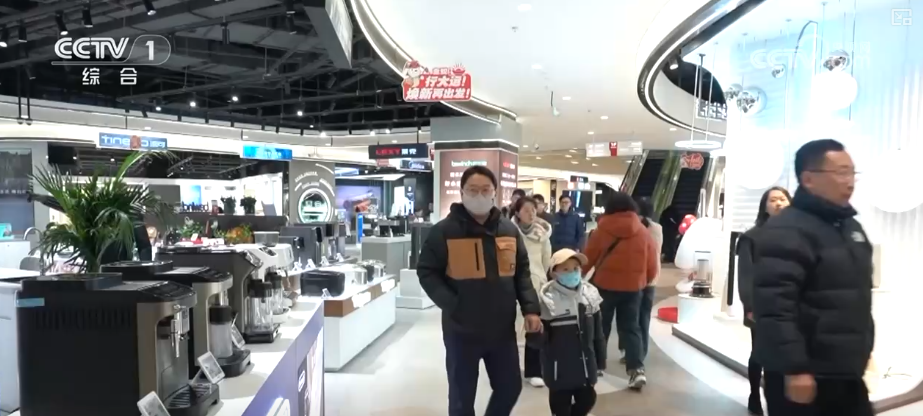
Core Viewpoint - The Ministry of Commerce and nine other departments have released a notice to implement green consumption initiatives, outlining 20 measures across seven areas to promote green consumption throughout the entire supply chain [1] Group 1: Green Consumption Policies - The Ministry of Commerce emphasizes the importance of the old-for-new policy for consumer goods as a significant opportunity to drive green consumption, with projections of 18.3 million vehicles and 192 million home appliances being replaced under this policy from 2024 to 2025 [2] - The old-for-new policy is expected to generate sales of 3.92 trillion yuan, benefiting approximately 494 million consumers [2] Group 2: Green Supply Chain and Recycling - The establishment of a green supply chain is underway, with significant improvements in logistics efficiency, including an 80% reduction in loading and unloading time and a 50% decrease in damage rates [2] - The introduction of a circular economy is being supported by the "Second-hand Goods Circulation Pilot Work Plan," which has identified 10 pilot cities and 28 enterprises to enhance the second-hand goods market [3] Group 3: Standards and Regulations - The State Administration for Market Regulation has developed 40 green product evaluation standards and 66 energy and water efficiency standards, actively participating in international standardization efforts [4] - By 2025, the central government plans to invest 5 billion yuan to support the standardized dismantling and processing of approximately 100 million old appliances, generating over 3 million tons of recycled resources [4] Group 4: Agricultural and Consumer Goods - The Ministry of Agriculture and Rural Affairs aims to certify over 88,000 agricultural products under the "three products and one standard" initiative, focusing on green, organic, and high-quality products [5] - The promotion of green consumption will include enhancing the supply of green agricultural products and improving energy and water efficiency standards for appliances and vehicles [6] Group 5: Green Lifestyle Promotion - The notice outlines a systematic approach to promote green consumption during the 14th Five-Year Plan, including the development of green services in dining, accommodation, and household services [6] - Initiatives will encourage the reduction of single-use plastics and promote the recycling of waste products, aiming to create a more sustainable consumption environment [7]
新需求、新供给“绿”意盎然 多部门协同创新政策“组合拳”为绿色消费添动力
Yang Shi Wang· 2026-01-07 04:36
Group 1: Green Consumption Initiatives - The Ministry of Commerce will focus on key areas and links of green consumption, continuously driving new demand and supply [1] - The "old-for-new" policy for consumer goods will be a significant measure to promote green consumption, with subsidies for high-efficiency green appliances, green home products, green building materials, and new energy vehicles [5] - As of now, 1,161 green malls and 3,500 green hotels have been cultivated across the country, with e-commerce platforms establishing green cooperation alliances to promote small and medium-sized businesses' participation in green transformation [6] Group 2: Recycling and Resource Utilization - The Ministry of Commerce will support the construction of high-value recycling projects for renewable resources and optimize sorting center construction to foster green circular consumption [8] - Sorting centers are identified as a core downstream link in the recycling system, with improvements in sorting efficiency and reduction of losses being key objectives [9] - The Ministry will encourage local governments to provide policy support for the construction and renovation of sorting centers, driving high-quality development in the recycling industry [11] Group 3: Waste Management and Urban Development - The Ministry of Ecology and Environment aims to promote the construction of around 200 "waste-free cities" during the 14th Five-Year Plan period to support green consumption [14] - Since the pilot program began in 2018, 113 cities and 8 regions have initiated "waste-free city" construction, with a total of 5 billion yuan allocated for the recycling of approximately 100 million old appliances, resulting in over 3 million tons of recycled resources [17] - The Ministry of Ecology and Environment will facilitate the recycling and reuse of waste materials to enhance green consumption [19] Group 4: Agricultural Development and Green Products - The Ministry of Agriculture and Rural Affairs will increase the supply of high-quality green agricultural products and regularly conduct consumption promotion activities [19] - By the end of 2025, the total number of certifications for green, organic, and geographical indication agricultural products is expected to exceed 88,000, with standardized production areas for green food reaching 20.5 million acres [21] - Over 1,600 billion yuan in sales of green high-quality agricultural products has been driven by various promotional activities [24]
持续提高消费“含绿量”
Jing Ji Wang· 2026-01-07 02:12
Core Viewpoint - The Ministry of Commerce and nine other departments have jointly issued a notice to implement green consumption initiatives, aiming to promote green and low-carbon practices across various sectors, thereby injecting green momentum into high-quality economic and social development [1] Group 1: Optimizing the Green Consumption Environment - Green consumption is a powerful measure to align with consumption upgrades and cultivate new growth points [2] - The market for green products, such as electric vehicles and smart home appliances, is steadily expanding, with a richer supply of green products and continuous innovation in consumption models [2] - The notice outlines 20 specific measures across seven areas to enhance green consumption throughout the entire supply chain [2] - There is a focus on increasing the supply of green agricultural products, promoting green home appliances, and enhancing energy and water efficiency standards [2] - The initiative encourages the development of green services, including green dining, accommodation, and household services, while promoting biodegradable materials [2] Group 2: Promoting Green Supply and Demand Transformation - The government is focusing on key areas of green consumption, using trade-in policies for old products to stimulate demand for high-efficiency green appliances and vehicles [4] - From 2024 to 2025, approximately 17.67 million scrapped vehicles are expected to be recycled, with an annual growth rate of 45.8% [4] - The initiative aims to standardize the use of reusable pallets, which could save 250 million single-use pallets and reduce carbon emissions by over 2 million tons [4] Group 3: Building a Strong Collaborative Effort - Promoting green consumption requires the participation of multiple stakeholders, including government, enterprises, and consumers [6] - The Ministry of Agriculture and Rural Affairs is working with the Ministry of Commerce to enhance the consumption of high-quality green agricultural products [6] - The Ministry of Ecology and Environment is focusing on transforming waste materials into valuable resources through initiatives like "waste-free cities" [7] - The State Administration for Market Regulation is advancing green consumption efforts by updating national standards and enhancing enforcement against violations in green product labeling and food waste [7]
持续激发绿色消费潜力(权威发布)
Ren Min Ri Bao· 2026-01-07 00:37
Core Viewpoint - The Ministry of Commerce and nine other departments have issued a notice to implement green consumption initiatives, outlining 20 measures across seven areas to promote green consumption throughout the entire supply chain [1] Group 1: Green Consumption Policies - The Ministry of Commerce emphasizes the importance of the old-for-new policy for consumer goods as a significant opportunity to drive green consumption, with projections of 18.3 million old-for-new vehicles, nearly 60% of which will be new energy vehicles, and 1.92 billion old-for-new home appliances, with over 90% being first-level energy (water) efficiency [2] - The old-for-new policy is expected to generate sales of 3.92 trillion yuan, benefiting approximately 494 million consumers [2] Group 2: Green Supply Chain and Recycling - The establishment of a green supply chain is underway, with significant improvements in logistics efficiency, including an 80% reduction in loading and unloading time and a 50% decrease in damage rates, leading to a 20% reduction in supply chain costs [2] - The introduction of a circular economy is being promoted, with 1,161 green malls and 3,500 green hotels established nationwide, and e-commerce platforms forming green cooperation alliances to encourage small merchants to participate in green transformation [3] Group 3: Standards and Regulations - The State Administration for Market Regulation has released 40 green product evaluation standards and 66 energy and water efficiency standards, while also participating in international standardization efforts [4] - By 2025, the central government plans to invest 5 billion yuan to support the standardized dismantling and processing of approximately 100 million old appliances, yielding over 3 million tons of recycled resources [4] Group 4: Agricultural and Consumer Goods - The Ministry of Agriculture and Rural Affairs aims to certify over 88,000 agricultural products under the "three products and one standard" initiative, focusing on green, organic, and high-quality products [5] - The promotion of green consumption will include enhancing the supply of green agricultural products, promoting energy-efficient home appliances, and encouraging green service consumption in areas such as dining and accommodation [6] Group 5: Future Directions - The initiative aims to create new growth points in green consumption by establishing a green supply chain, promoting green procurement, and encouraging the use of biodegradable materials [6][7] - The government plans to optimize the green consumption environment by promoting green electricity usage and enhancing consumer awareness of green practices [7]
持续提高消费“含绿量”(锐财经)
Ren Min Ri Bao Hai Wai Ban· 2026-01-06 22:45
Core Viewpoint - The Ministry of Commerce and nine other departments have jointly issued a notice to implement green consumption initiatives, aiming to promote green and low-carbon practices across various sectors, thereby injecting green momentum into high-quality economic and social development [2]. Group 1: Green Consumption Environment Optimization - The promotion of green consumption aligns with the trend of consumption upgrades and aims to cultivate new growth points in consumption [3]. - The green consumption market is expanding steadily, driven by the growth of green products such as electric vehicles and smart home appliances, although challenges like inconsistent standards and weak consumer awareness remain [3]. - The notice outlines 20 measures across seven areas to enhance green consumption throughout the entire supply chain [3]. Group 2: New Growth Points in Green Consumption - The initiative includes increasing the supply of green agricultural products, promoting energy-efficient appliances, and enhancing green service consumption [3]. - A green supply chain will be established, encouraging green procurement and innovative sharing models to promote efficient resource utilization [3]. - The plan also emphasizes reducing single-use plastics and promoting recycling of waste materials [3]. Group 3: Green Supply Chain Development - The initiative aims to leverage digital technology to drive the development of green supply chains, focusing on cost reduction and efficiency improvement [6]. - The standardization rate of pallets has reached 37.8%, with an estimated 50 million reusable pallets saving approximately 250 million single-use pallets, equivalent to protecting 50 million trees and reducing carbon emissions by over 2 million tons [6]. Group 4: Collaborative Efforts for Green Consumption - Promoting green consumption requires a collaborative effort from government, enterprises, and consumers [7]. - The Ministry of Agriculture and Rural Affairs is working to increase the supply of high-quality green agricultural products and enhance brand recognition [7]. - The Ministry of Ecology and Environment is focusing on transforming waste materials into valuable resources through initiatives like "zero waste cities" [7]. Group 5: Market Regulation and Standards - The State Administration for Market Regulation is advancing green consumption efforts by updating national standards and supporting international standardization activities [8]. - The administration is also enhancing energy and water efficiency labeling systems and promoting the "green dining" service on internet platforms [8]. - The Ministry of Commerce will guide local efforts in promoting green consumption and share successful practices to further expand green consumption [8].
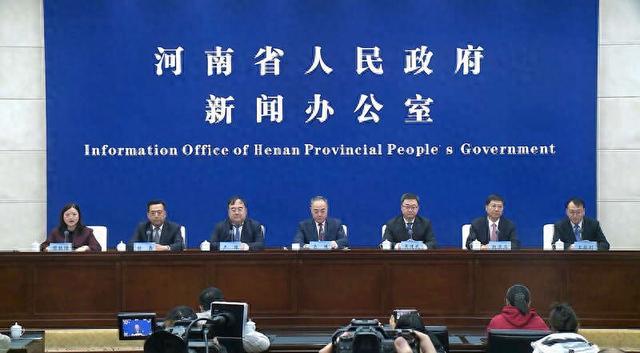
河南推出一系列举措力促一季度消费
Xin Lang Cai Jing· 2026-01-06 22:38
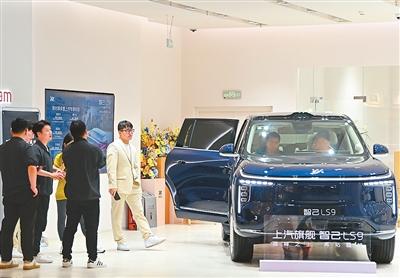
Core Viewpoint - The Henan Provincial Government is implementing targeted measures to promote economic development and consumer spending in the first quarter of 2026, focusing on a combination of policies, activities, and scenarios to stimulate consumption [1][3]. Group 1: Consumer Promotion Measures - The province has initiated a "trade-in" program for consumer goods starting January 1, 2026, providing subsidies for automobiles, home appliances, and digital products, with smart glasses now included in the subsidy list [3]. - Over 1,000 events will be organized during the "Enjoy Henan" New Year consumption season, including activities like "New Year Renewal" and "Online New Year Goods Festival" [3]. - A total of 200 million yuan in consumption vouchers will be distributed by the provincial government, encouraging local governments to issue additional vouchers tailored to their regions [3]. Group 2: New Consumption Scenarios - The government is focusing on cultivating new consumption scenarios by developing key commercial districts, convenient living circles, and characteristic shopping streets to enhance the consumption ecosystem [3]. - Efforts are being made to expedite the implementation of pilot projects for new consumption formats and scenarios in Zhengzhou and Luoyang, aiming to create a demonstration effect [3].