农产品加工

Search documents
豆粕、油脂日报-20250902
Guan Tong Qi Huo· 2025-09-02 08:28
Report Title - The report is titled "Aquaculture Industry Chain Data Report - Soybean Meal, Oils and Fats" [1] Report Date - The report was produced on September 2, 2025 [2] Industry Investment Rating - Not provided in the given content Core View - The report presents the latest weekly data and week-on-week changes of soybean meal and various oils and fats, including prices, production, consumption, inventory, and basis [2][5] Summary by Category Soybean Meal - **Price**: The aggregated average price of 43% protein soybean meal was 3,060 yuan/ton, a week-on-week decrease of 0.52%. The spot-futures price difference was 6 yuan/ton, a week-on-week decrease of 114.63%. The basis of the spot main contract was 16.14 yuan/ton, a week-on-week decrease of 535.04% [2] - **Production**: The output of 111 sample enterprises was 1.6712 million tons, a week-on-week increase of 4.16% [2] - **Sales and Consumption**: The daily trading volume was 121,000 tons, a week-on-week decrease of 0.74%. The apparent consumption was 1.6422 million tons, a week-on-week increase of 5.91% [2] - **Inventory**: The inventory of 111 sample enterprises was 0.9563 million tons, a week-on-week increase of 3.13% [2] Oils and Fats - **Inventory**: The inventory of palm oil in China was 0.6101 million tons, a week-on-week increase of 4.81%. The inventory of rapeseed oil was 0.6580 million tons, a week-on-week increase of 2.65%. The inventory of soybean oil in pressing plants was 1.2388 million tons, a week-on-week increase of 4.45% [5] - **Spot-Futures Price Difference**: The spot-futures price difference of palm oil was 11 yuan/ton, a week-on-week decrease of 79.25%. The spot-futures price difference of rapeseed oil was 137 yuan/ton, a week-on-week increase of 1.48%. The spot-futures price difference of soybean oil and palm oil was -833 yuan/ton, a week-on-week decrease of 11.57% [5] - **Basis**: The basis of the palm oil spot main contract was 67.33 yuan/ton, a week-on-week decrease of 30.10%. The basis of the rapeseed oil spot main contract was 176 yuan/ton, a week-on-week increase of 14.29%. The basis of the soybean oil spot main contract was 208.84 yuan/ton, a week-on-week increase of 6.15% [5]
铜冠金源期货商品日报-20250902
Tong Guan Jin Yuan Qi Huo· 2025-09-02 02:05
Industry Investment Rating No information provided in the report. Core Views - The international gold price is approaching its previous high, and the domestic stock and bond markets have both risen. The market is optimistic about a September interest rate cut by the Fed, and precious metals are favored as a safe - haven and investment option. Copper prices are expected to remain strongly volatile, aluminum prices are oscillating, and other metals and commodities also show different trends based on their fundamentals and macro - factors [2][3][4]. - The prices of agricultural products such as soybean meal, palm oil, etc. are also affected by factors like production forecasts, inventory changes, and macro - economic expectations, and are expected to show oscillating trends in the short term [24][26]. Summary by Relevant Catalogs 1. Metal Main Varieties Yesterday's Trading Data - Metals like copper, aluminum, zinc, lead, nickel, tin, etc. have different closing prices, price changes, trading volumes, and open interest in domestic and international futures markets. For example, SHFE copper closed at 79780 yuan/ton, up 370 yuan, with a trading volume of 150801 lots [28]. 2. Industry Data Perspective - For copper, on September 1st, SHFE copper closed at 79780 yuan/ton, up 370 yuan from August 29th. LME copper closed at 9875 dollars/ton, down 31 dollars. Other metals also have detailed data on price changes, inventory, and basis [29][30][31]. 3. Main Variety Views Macro - Overseas: European domestic demand has recovered, with the August manufacturing PMI above the boom - bust line for the first time in three years. The unemployment rate in July dropped to a historical low of 6.2%. The US dollar index has fallen, and gold prices are approaching their previous high. Domestically: China's August S&P manufacturing PMI rose to 50.5, new orders increased, and the stock market rose with a decrease in trading volume. The bond market also strengthened [2][3]. Precious Metals - International precious metal futures prices continued to rise on Monday. COMEX gold futures rose 0.84% to 3545.8 dollars/ounce, and COMEX silver futures rose 2.46% to 41.725 dollars/ounce, reaching a nearly 14 - year high. The market is optimistic about a Fed interest rate cut in September, and silver's rise is mainly due to the catch - up logic [4][5]. Copper - On Monday, SHFE copper had a narrow - range oscillation, and LME copper faced resistance after breaking through 9900. The market is affected by macro - factors such as the Fed's preventive interest rate cut expectation and China's economic data. Fundamentally, the supply of copper mines is tight, and short - term copper prices are expected to remain strongly volatile [6][7]. Aluminum - On Monday, SHFE aluminum closed at 20690 yuan/ton, up 0.1%. The macro - environment provides some support for metals, but the supply and demand of aluminum are relatively stable, and the market is waiting for more guidance with aluminum prices oscillating [8]. Alumina - On Monday, the main alumina futures contract closed at 3007 yuan/ton, down 0.07%. The supply of alumina in the north is excessive, and the inventory in warehouses is increasing, but the planned maintenance in the south provides some support, so alumina is expected to be under pressure and oscillate [10]. Zinc - On Monday, SHFE zinc had a narrow - range oscillation. Affected by the parade, the consumption of zinc is suppressed, but LME de - stocking and refinery maintenance provide support. Short - term zinc prices will maintain a narrow - range oscillation [11]. Lead - On Monday, SHFE lead had a narrow - range oscillation. The supply and demand of lead are both weak, and the social inventory is high, but refinery maintenance in September restricts the decline. Short - term lead prices are difficult to break out of the oscillating pattern [12]. Tin - On Monday, SHFE tin had a narrow - range oscillation. After the market digested the positive news of Yunnan Tin's maintenance, the supply of tin mines is still tight, but the willingness of funds to increase positions is insufficient, and short - term tin prices return to oscillating consolidation [13][14]. Industrial Silicon - On Monday, the main industrial silicon contract rebounded from a low level. The supply is passively shrinking, and the demand side shows different trends. The domestic anti - involution sentiment is repeated, and short - term futures prices are expected to oscillate within a range [15][16]. Carbonate Lithium - On Monday, carbonate lithium oscillated weakly. The supply of lithium salt is high, and the short - term price may decline, but the risk of resource - side disturbances still exists, and the market needs to be vigilant against sentiment fluctuations [17]. Nickel - On Monday, nickel prices oscillated strongly. The macro - expectation boosts nickel prices, but the fundamental support is limited, and the upside space is expected to be limited [18][19]. Crude Oil - On Monday, crude oil prices were weak, and then oscillated at a high level at night. The market is affected by geopolitical factors such as the Russia - Ukraine situation and OPEC + production policies. Short - term oil prices are expected to oscillate, and the risk of Russian oil sanctions needs to be watched [20]. Steel and Iron Ore - Steel prices are affected by production cuts during the parade, and supply has shrunk. Iron ore arrivals and shipments have increased, and demand has weakened before the parade, but the expected resumption of blast furnaces on September 4th provides support. Steel prices are expected to be weakly volatile, and iron ore prices are expected to oscillate [21][22][23]. Soybean and Rapeseed Meal - On Monday, soybean meal and rapeseed meal futures rose slightly. The US soybean market was closed for the holiday. Brazilian soybean production is expected to increase. Domestic soybean and soybean meal inventories are increasing, and short - term prices are expected to oscillate within a range [24][25]. Palm Oil - On Monday, palm oil futures rose slightly. The production of Malaysian palm oil is declining month - on - month, and exports are increasing. The Indonesian reference price has increased. The market driving force is limited, and short - term palm oil prices are expected to oscillate [26][27].
五矿期货文字早评-20250902
Wu Kuang Qi Huo· 2025-09-02 01:45
Report Industry Investment Ratings No relevant content provided. Core Views of the Report - The overall market shows a complex situation with different trends in various sectors. In the macro - financial area, the policy is favorable to the capital market, but short - term fluctuations may occur. In the commodity market, different industries have different supply - demand relationships and price trends, affected by factors such as macro - economy, industry policies, and seasonal factors [3][25]. Summary by Related Catalogs Macro - Financial Index Futures - News includes China's initiatives in AI cooperation, new energy vehicle delivery data, and EU's stance on tariffs. The trading logic is that the policy supports the capital market, and the general direction is to buy on dips, although short - term fluctuations may intensify [2][3]. - The basis ratios of IF, IC, IM, and IH in different contracts are provided [3]. Treasury Bonds - On Monday, TL, T, TF, and TS main contracts all rose. News includes the SCO summit and Hong Kong's development in green finance. The strategy is that under the background of weak domestic demand recovery and loose funds, interest rates may decline, but the bond market may fluctuate in the short term [4][6]. Precious Metals - The prices of Shanghai gold and silver, COMEX gold and silver have different trends. With the expected Fed rate cuts, precious metal prices are expected to rise, especially silver, and the gold - silver ratio may decline. It is recommended to buy silver on dips [7]. Non - ferrous Metals Copper - After reaching a high, copper prices fell back. The LME copper inventory decreased, and the domestic social inventory increased. With the high probability of Fed rate cuts and tight raw material supply, copper prices are expected to be volatile and strong in the short term [9]. Aluminum - Aluminum prices fluctuated. The domestic inventory increased, and the demand showed marginal improvement. With the Fed's dovish signal, if the inventory turns around, aluminum prices may rise more strongly [11]. Zinc - Zinc prices showed a low - level shock pattern. Zinc concentrate is in the seasonal inventory accumulation stage, and the downstream demand is weak. Although the Fed rate cut expectation is high, the industry is in an oversupply situation [12]. Lead - Lead prices are expected to be strong. The lead concentrate inventory is decreasing, and the supply is narrowing. Although the downstream demand is weak, the Fed rate cut expectation is high [13][14]. Nickel - In the short term, the macro - environment is positive, and the nickel price is expected to be supported. The nickel ore price is stable, and the prices of nickel - iron and intermediate products are expected to be strong. It is recommended to buy on dips [15][16]. Tin - Tin prices are expected to be volatile. The supply is decreasing significantly due to slow复产 and planned maintenance, while the demand is in the off - season [17]. Carbonate Lithium - Carbonate lithium prices are in a weak adjustment. With the approaching peak season of the lithium - battery industry, attention should be paid to overseas supply. The risk of a sharp decline in prices is small [18][19]. Alumina - After a sharp decline, the downward space of alumina futures prices is limited. The supply - demand pattern is oversupplied, and it is recommended to wait and see [20]. Stainless Steel - Stainless steel prices rose. With the approaching traditional consumption peak season, the demand is expected to increase, and the price is expected to be supported [21]. Casting Aluminum Alloy - Casting aluminum alloy prices may be high. The downstream is transitioning from the off - season to the peak season, the cost is supportive, and the market activity is increasing [22]. Black Building Materials Steel - The prices of rebar and hot - rolled coil showed different trends. The overall demand for steel is weak, the inventory is accumulating, and the steel price is under pressure. Attention should be paid to the terminal demand and cost support [24][25]. Iron Ore - Iron ore prices are expected to be volatile and weak. The overseas shipment is increasing, the demand is affected by blast furnace maintenance, and the inventory situation is complex [26][27]. Glass and Soda Ash - Glass prices are expected to be weakly volatile in the short term and follow the macro - sentiment in the long term. Soda ash prices are expected to be volatile in the short term and the price center may rise in the long term, but the upward space is limited [28][29]. Manganese Silicon and Ferrosilicon - The prices of manganese silicon and ferrosilicon are weak. It is recommended to wait and see for speculative positions. The black sector may be under pressure in the future [30][32]. Industrial Silicon and Polysilicon - Industrial silicon prices are expected to be weakly volatile. The supply pressure is greater than the demand support. Polysilicon prices are in a "weak reality, strong expectation" pattern and are highly volatile [34][36]. Energy and Chemicals Rubber - Rubber prices are expected to be strong in the short term. The mid - term view is bullish. The opening rates of tire enterprises show different trends, and the inventory situation is complex [38][39]. Crude Oil - Although the geopolitical premium has disappeared and the macro - environment is bearish, the oil price is undervalued. It is recommended to maintain a long - position view but not to chase the high price [40]. Methanol - Methanol supply pressure is increasing, and the market is weak. It is recommended to wait and see [41]. Urea - Urea is in a situation of low valuation and weak drive. It is recommended to buy on dips [42]. Styrene - The BZN spread has room for upward repair. After the inventory de - stocking inflection point, the styrene price may rebound [43]. PVC - PVC has a situation of strong supply, weak demand, and high valuation. It is recommended to short on rallies [45]. Ethylene Glycol - The supply of ethylene glycol is still excessive, and the mid - term inventory may accumulate. The valuation may decline [46]. PTA - The supply of PTA is in a de - stocking pattern, and the demand is improving. It is recommended to follow PX and buy on dips [47][48]. p - Xylene - The PX load is high, and the downstream PTA has many unexpected maintenance. It is recommended to follow crude oil and buy on dips in the peak season [49]. Polyethylene (PE) - PE prices may oscillate upward. The cost is supportive, the inventory is decreasing, and the demand may increase in the peak season [50]. Polypropylene (PP) - PP has a situation of weak supply and demand and high inventory pressure. It is recommended to buy on dips for the LL - PP2601 contract [51]. Agricultural Products Live Pigs - Pig prices may rise today. The supply in September may be weak, but there are potential supports. It is recommended to wait and see and pay attention to the low - level rebound [53]. Eggs - Egg prices are mostly stable. The supply pressure is dominant. It is recommended to short on rallies for the near - month contract and use the far - month reverse spread strategy [54]. Soybean and Rapeseed Meal - The cost of soybean imports is weak and stable. Domestic soybean meal may enter the de - stocking stage in September. It is recommended to buy on dips in the low - cost range [55][56]. Oils and Fats - Oils and fats prices are expected to be oscillated and strong. The fundamentals support the price center, and the palm oil may rise in the fourth quarter [57][58]. Sugar - Sugar prices are in a downward view. The domestic supply may increase, and the price depends on the external market [59][61]. Cotton - Cotton prices are expected to be volatile at a high level. The downstream consumption may improve in the peak season, and the current inventory is low [62].
【安康】“名特优新进香港”产品对接会安康专场举办
Shan Xi Ri Bao· 2025-09-01 23:12
Group 1 - The event "Famous, Special, Excellent Products Entering Hong Kong" was held in Ankang, aimed at connecting high-quality local products from Shaanxi with the procurement needs of Hong Kong [1] - Ankang showcased its unique products, including selenium-rich tea, konjac products, organic tofu, and local fruit wines, attracting many merchants for tasting and discussions [1] - Local companies like Ankang Longwang Spring Selenium-rich Mineral Water Co. and Pingli Gaoying Tea Co. presented their specialty agricultural products, laying the groundwork for future connections with the Hong Kong market [1] Group 2 - The delegation from the Hong Kong Pharmaceutical Chamber of Commerce visited Ankang to explore traditional Chinese medicine and health care projects, aiming to build a bridge for Shaanxi enterprises to access the Hong Kong market and connect with the global market [2] - The collaboration between Shaanxi and Hong Kong is expected to deepen in industrial cooperation and economic exchanges, promoting mutual benefits [2]
烟台双塔食品股份有限公司关于欧盟对中国豌豆蛋白启动反倾销调查的提示性公告
Shang Hai Zheng Quan Bao· 2025-09-01 21:20
Core Viewpoint - The European Union has initiated an anti-dumping investigation against Chinese pea protein, which may impact the sales of Yantai Shuangta Food Co., Ltd. in the EU market. Group 1: Overview of the Anti-Dumping Investigation - The investigation targets high-protein pea protein with a protein content exceeding 65% on a dry weight basis, covering all types derived from peas, in all physical forms [1]. - The investigation period for dumping and injury is set from July 1, 2024, to June 30, 2025 [2]. - The trend review period for damage assessment is from January 1, 2022, until the end of the investigation period [3]. Group 2: Potential Impact on the Company - In 2024, the sales revenue from pea protein with over 65% protein content exported to the EU is expected to account for approximately 3.92% of the company's total revenue. For the first half of 2025, this figure is projected to rise to 6.48% [4]. - The company currently cannot estimate the specific impact of the anti-dumping investigation due to the uncertainty surrounding the outcome, including potential tax subjects, forms, rates, and start dates [4]. Group 3: Company's Response Strategy - The company has established a special task force and hired a professional legal team to actively respond to the investigation [5]. - The company plans to expand into emerging international markets, strengthen domestic market development, and accelerate the construction of overseas factories [5]. - The company will closely monitor the progress of this matter and fulfill its information disclosure obligations in a timely manner [5].

欧盟对华豌豆蛋白启动反倾销调查 行业龙头双塔食品腹背受敌
Mei Ri Jing Ji Xin Wen· 2025-09-01 15:00
Core Viewpoint - The European market has initiated an anti-dumping investigation into Chinese pea protein, following similar actions in the U.S., posing significant challenges for the company, Doublestar Foods, which is the largest pea protein producer globally [1][2]. Group 1: Investigation Details - The European Commission has launched an anti-dumping investigation targeting pea protein products with a protein content exceeding 65%, initiated by a temporary alliance of EU pea protein producers [2][3]. - The investigation period is set from July 1, 2024, to June 30, 2025, with damage assessment starting from January 1, 2022 [2]. - Doublestar Foods' sales of the affected products to the EU are projected to account for approximately 3.92% of total revenue in 2024, increasing to 6.48% in the first half of 2025, indicating growth potential [2][3]. Group 2: Impact of U.S. Actions - The U.S. Department of Commerce imposed a final anti-dumping duty of 269.77% and a countervailing duty of 15.15% on Chinese pea protein on July 30, 2024, significantly impacting the company's U.S. operations [2][3]. - In 2022 and the first half of 2023, exports to the U.S. accounted for 8.14% and 9.92% of the company's total revenue, respectively [3]. Group 3: Company Response and Strategy - In response to the investigations, the company has established a special task force and hired a professional legal team to address the EU investigation, mirroring its strategy during the U.S. anti-dumping case [4][5]. - Doublestar Foods is diversifying its market presence by expanding into emerging international markets and enhancing domestic market efforts, with domestic sales revenue growing by 15.63% in the first half of 2025, reaching 53.89% of total revenue [5]. - The company is also advancing the construction of overseas factories, which may help mitigate the impact of trade barriers through flexible supply chain adjustments [5]. Group 4: Technological and Competitive Advantages - Doublestar Foods maintains a leading position in pea protein extraction technology, with expertise in various extraction methods and collaborations with universities for research and development [5][6]. - The company has developed multiple patents and participates in setting industry standards, reinforcing its technological "moat" against competition [6].
双塔食品:欧盟对中国豌豆蛋白启动反倾销调查,公司积极应对
Bei Jing Shang Bao· 2025-09-01 13:50
Core Viewpoint - The company is facing a potential anti-dumping investigation by the EU regarding its pea protein products, which may impact its sales and operations in the European market [1][3]. Group 1: Sales and Revenue Impact - In 2024, the sales revenue from pea protein with over 65% protein content exported to the EU accounted for approximately 3.92% of the company's total revenue [1]. - For the first half of 2025, this proportion increased to 6.48%, indicating a growing reliance on the EU market for high-protein pea products [1]. Group 2: Investigation Details - The EU Commission has initiated an anti-dumping investigation based on a complaint from a temporary alliance of EU pea protein producers, focusing on high-protein pea protein products with over 65% protein content [3]. - The investigation will cover all types of pea-derived products, including yellow and green peas, in various forms such as powder and solution [3]. - The investigation period is set from July 1, 2024, to June 30, 2025, with a damage assessment review period from January 1, 2022, until the end of the investigation [3]. Group 3: Company Response - The company has established a special task force and hired a professional legal team to actively respond to the ongoing investigation [1]. - The company plans to expand into emerging international markets, strengthen domestic market development, and accelerate the construction of overseas factories [1]. - The company will closely monitor the situation and fulfill its information disclosure obligations based on the developments of the EU anti-dumping matter [1].

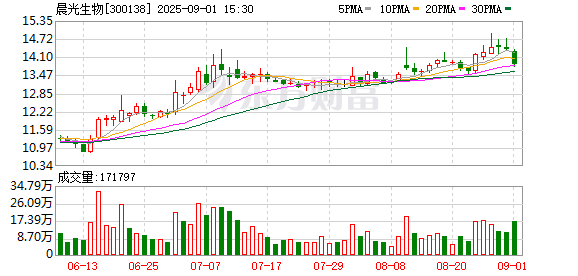
晨光生物:关于公司及子公司取得专利证书的公告
Zheng Quan Ri Bao· 2025-09-01 13:38
Group 1 - The company, Morning Light Bio, announced the acquisition of six invention patents related to a detection system and method for the proportion of single solvent in a dual-solvent system for plant extraction, as well as natural colorants for feed and their preparation methods and applications [2] - The acquisition of these patents is expected to enhance the company's independent intellectual property advantages and establish a continuous innovation mechanism [2]

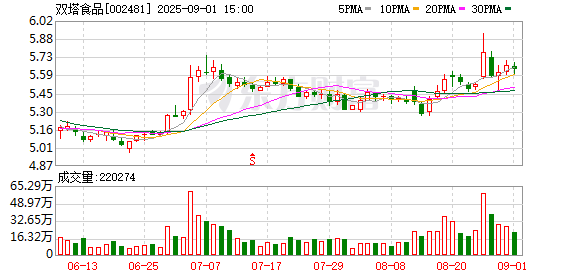
双塔食品:积极应对欧盟对中国豌豆蛋白反倾销调查
Zheng Quan Shi Bao Wang· 2025-09-01 12:32
Core Viewpoint - The European Union has initiated an anti-dumping investigation into Chinese pea protein, prompting the company to actively respond to the situation [1] Group 1: Company Overview - The company, Double Tower Foods, primarily engages in the production of pea protein, vermicelli, and dietary fiber, focusing on strengthening its core business and optimizing product structure [1][2] - In the first half of 2025, the company reported revenue of 1.047 billion yuan, a year-on-year increase of 6.18%, and a net profit of 54.36 million yuan, up 0.89% year-on-year [1] Group 2: Pea Protein Business - The company's pea protein business involves extracting pea protein as a byproduct from starch production for vermicelli, enhancing it to feed-grade and food-grade pea protein through technological advancements [2] - The company possesses industry-leading extraction technologies and collaborates with several universities for research in pea protein and peptide fields [2] - Pea protein offers advantages over other plant proteins, such as being non-GMO, allergen-free, cholesterol-free, and low in fat, with applications in various sectors including solid beverages, plant-based meat, energy bars, breakfast cereals, baked goods, and pet food [2] Group 3: Impact of Anti-Dumping Investigation - The investigation covers high-protein pea protein with over 65% protein content, with the investigation period set from July 1, 2024, to June 30, 2025 [1] - In 2024, the sales revenue of pea protein with over 65% protein content exported to the EU is expected to account for approximately 3.92% of the company's total revenue, while in the first half of 2025, this figure is projected to be around 6.48% [2] - The company has established a special task force and hired a professional legal team to address the investigation, while also planning to expand into new international markets and accelerate the construction of overseas factories [3]
数据链“锁鲜”中国粮 中国移动内蒙古公司以数智力量守护粮食安全
Zhong Guo Jin Rong Xin Xi Wang· 2025-09-01 12:08
Group 1 - The core viewpoint of the article highlights the transformation of grain storage management through digitalization and smart technology, enhancing food security in Inner Mongolia [1][5] - The implementation of IoT sensors and 5G technology allows for real-time monitoring of grain conditions, achieving a monitoring accuracy of 98% [3][4] - The introduction of a blockchain-based "一卡通" system automates the entire grain circulation process, reducing vehicle entry and exit time by 50% from 2 hours to 1 hour [4] Group 2 - The digital transformation has led to a 70% reduction in manual inspection costs and a 90% improvement in response speed to grain conditions [4] - The initiative supports a controllable system from farm to table, ensuring efficient circulation, stable quality, and traceability of oat products [5] - The collaboration between traditional agriculture and innovative technology exemplifies the concept of "hiding grain in technology," reinforcing the importance of communication technology in securing China's food supply [5]