便利店

Search documents
拒绝24小时营业,却让7-Eleven紧张?日本My Basket靠什么制造“威胁”?
创业邦· 2025-08-16 10:08
Core Viewpoint - My Basket is emerging as a significant competitor to convenience stores like 7-Eleven in Japan, primarily due to its focus on fresh food offerings and competitive pricing, which has led to a noticeable decline in customer traffic for nearby convenience stores [5][6][30]. Group 1: Market Context - The rise of "shopping refugees" in major Japanese cities, where consumers struggle to access nearby grocery stores, has created a demand for smaller supermarkets like My Basket [10][12]. - In 2015, the number of shopping refugees in Japan reached 8.25 million, a 20% increase from 2005, highlighting the growing need for accessible grocery options in urban areas [10][12]. Group 2: Business Model and Strategy - My Basket operates approximately 1,200 stores with plans to expand to 2,500 by 2030 and ultimately aims for 5,000 locations, leveraging its proximity and lower prices to compete with convenience stores [13][35]. - The store's strategy focuses on high-density urban areas, with locations typically within a 3-minute walking distance from residential areas, effectively serving local communities [13][14]. Group 3: Operational Efficiency - My Basket's operational model is characterized by a full-ownership structure, which allows for streamlined management and reduced labor costs, with each store typically staffed by only 2-3 employees [20][29]. - The introduction of a flexible "point work" system enables local residents to work short shifts, enhancing labor efficiency and reducing staffing costs [22][23]. Group 4: Pricing and Product Offering - My Basket's pricing strategy is significantly lower than that of convenience stores, with products like instant noodles priced at 204 yen, approximately 20% cheaper than convenience stores [34][35]. - The store emphasizes fresh food, with fresh products making up 44% of its SKU, which is a key differentiator from traditional convenience stores that have limited fresh offerings [38][39]. Group 5: Competitive Advantage - My Basket's parent company, Aeon, provides a strong backing that allows for competitive pricing through economies of scale and direct sourcing of products, minimizing costs [35][42]. - The store's focus on standardization and efficiency, including a lack of promotional activities and a simplified product range, allows it to maintain low prices while meeting consumer needs effectively [42][44].

宜宾市叙州区祖连便利店(个体工商户)成立 注册资本1万人民币
Sou Hu Cai Jing· 2025-08-15 12:16
Core Viewpoint - A new convenience store named Zhulian Convenience Store has been established in Yibin City, Xuzhou District, with a registered capital of 10,000 RMB, focusing on food sales and ready-to-drink water [1] Company Summary - The legal representative of Zhulian Convenience Store is Xiang Zhulian [1] - The store's business scope includes licensed projects such as food sales and ready-to-drink water, which require approval from relevant authorities before operation [1] - General projects include delivery services, sales of gas and liquid separation and purification equipment, home appliance sales, rental services (excluding licensed rental services), agricultural and sideline product sales, wholesale and retail of daily necessities [1]
美团启动“堂食提振”;快手联名蜜雪冰城;拉夏贝尔任命董事长
Sou Hu Cai Jing· 2025-08-15 02:25
Group 1: Dairy Industry - French dairy giant Lactalis has been granted exclusivity in acquisition negotiations with Fonterra, indicating a significant strategic decision to divest its consumer brands business [3] - This exclusivity suggests that Lactalis is likely to become the final buyer of Fonterra's consumer brands [3] Group 2: Retail Industry - Seven & i Holdings announced a growth strategy for fiscal year 2030, planning to invest 300 billion yen to add 1,000 new convenience stores in Japan and renovate 5,000 existing stores [5] - The initiatives include store renovations, introduction of the "Seven Cafe" series, and expansion of the delivery service "7NOW," aiming to increase sales from 12 billion yen in fiscal year 2024 to 120 billion yen by fiscal year 2030 [5] Group 3: Food Delivery Industry - Meituan has launched a "Dine-in Boost" plan, distributing in-store consumption vouchers to all members, aiming to support struggling small restaurants amid ongoing competition in the food delivery sector [7] - The initiative currently covers 100,000 physical stores, with plans for further expansion [7] Group 4: Fashion Industry - S&P Global has downgraded the credit outlook for French luxury group Kering from "stable" to "negative," citing a significant sales decline expected in the first half of 2025, particularly in the Asia-Pacific and Chinese markets [17] - Kering's revenue in the Asia-Pacific region fell by 22% year-on-year, with core brand Gucci's sales decreasing by approximately 25% [17] Group 5: Corporate Governance - Tims Coffee announced the resignation of board member Meizi Zhu, who was the only Tencent representative on the board, following Tencent's investment in the company [20] - The company does not plan to fill Zhu's vacancy on the board [20] Group 6: Corporate Leadership Changes - Julee Co., a New Third Board listed company, announced that Chairman Tong Enwen is temporarily unable to fulfill his duties due to health reasons, with Gao Zhaohui appointed as acting chairman [22] - This change occurs against the backdrop of the founder's advanced age and the company's critical IPO period [22] Group 7: Corporate Restructuring - La Chapelle appointed Wang Guoliang as the new chairman following the resignation of Zhao Jinwen, with Wang controlling 65% of the company's shares [25] - This appointment aims to ensure the synchronization of restructuring negotiations, asset disposal, and delisting processes [25]



咖啡便利店新赛道,适配度≠成功率
Sou Hu Cai Jing· 2025-08-15 01:58
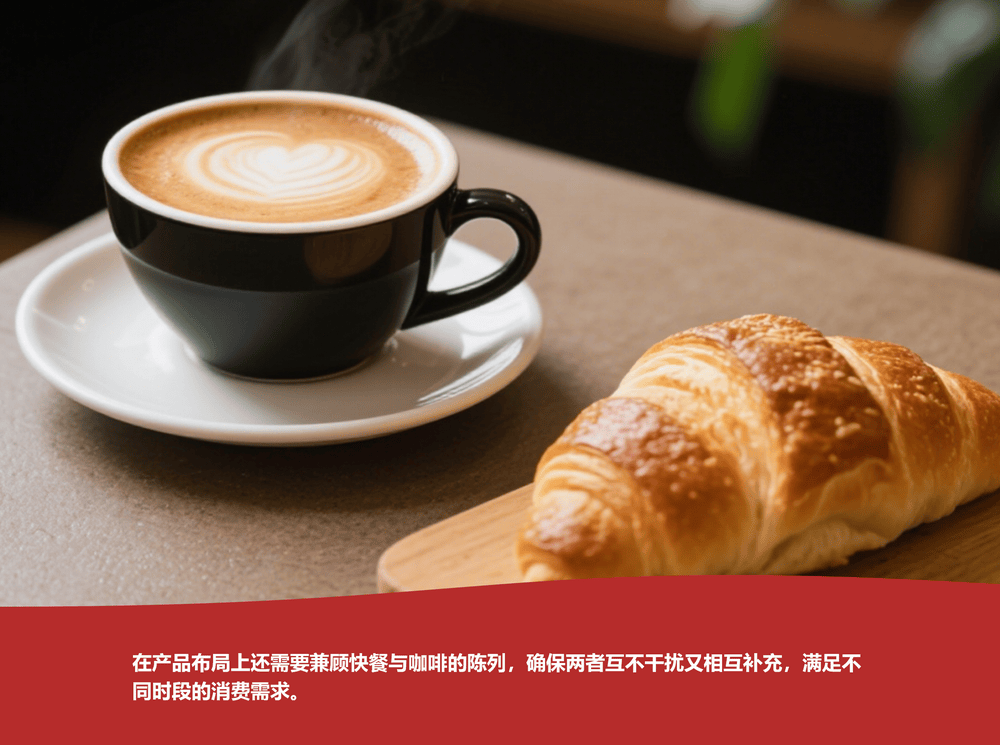
Core Viewpoint - The coffee industry is experiencing intensified competition, with brands exploring new strategies such as entering the convenience store sector to achieve growth and meet diverse consumer demands [1][2][3]. Group 1: Industry Competition - The coffee market is saturated, and brands are struggling to expand rapidly, as evidenced by a previous plan to open 8,000 store-in-store locations, which only resulted in 1,300 openings [3]. - The convenience store sector has been expanding, presenting an opportunity for coffee brands to leverage their strengths in brand recognition and digital management to enhance store performance [2][4]. - Major convenience store brands like 7-Eleven and Lawson already have established coffee operations, creating a competitive landscape for new entrants [6]. Group 2: Strategic Shifts - Kudi Coffee has announced a shift to a convenience store model, aiming to increase store efficiency and revenue by offering a mix of coffee, fast food, and traditional convenience store items [2][11]. - The brand maintains a target of 50,000 stores by the end of 2025, reflecting a proactive approach to adapt to market demands and differentiate itself from competitors [2][3]. - The integration of coffee with fast food is seen as a way to enhance SKU variety and drive additional revenue, although it poses challenges in managing different operational models [6][9]. Group 3: Operational Challenges - The new convenience store model requires significant investment in supply chain management and operational efficiency, which may lead to increased costs and complexity [9][10]. - The brand faces challenges in maintaining product quality and consistency across its expanding network, as evidenced by reports of ingredient shortages and varying coffee quality among locations [17]. - The shift towards a multi-product strategy may dilute the brand's identity, necessitating careful management of brand perception and consumer expectations [10][16]. Group 4: Market Dynamics - The convenience store market is undergoing digital transformation and diversification, requiring brands to adapt their strategies to align with industry trends [5][12]. - The introduction of a "0 yuan franchise" model aims to attract franchisees, but the actual costs and operational complexities may deter potential partners [14][15]. - The competitive landscape is further complicated by online coffee brands like Luckin and Starbucks, which offer convenient delivery options, challenging traditional retail models [6][12].
沃尔玛老将执掌7-11,以攻代守下的背水一战能否成功自救?
Xin Lang Cai Jing· 2025-08-14 05:18
Core Insights - The Canadian convenience store giant ACT has withdrawn its acquisition proposal for Seven & I Holdings (7&I), indicating that 7&I has lost a shortcut for rapid transformation through external capital and management expertise [3] - 7-Eleven Japan's revenue for Q1 FY2025 has declined by 0.7%, and operating profit has dropped by 11.0%, marking five consecutive quarters of negative growth [3] - 7-Eleven's growth rate since 2019 is approximately 5%, compared to 8% for competitors FamilyMart and Lawson [3] Group 1: Strategic Plans - 7&I's new president, Steven Hayes Dacass, acknowledged the company's complacency and lack of customer trust, stating that the company must change its approach [3][5] - The financial targets set by 7&I aim for operating income of 11.3 trillion yen (approximately 549.7 billion RMB) and EBITDA of 1.3 trillion yen (approximately 63.2 billion RMB) by FY2030, representing growth of 13% and 44% respectively compared to FY2024 forecasts [3] - The company plans to open approximately 1,000 new convenience stores in Japan and invest 300 billion yen (approximately 14.6 billion RMB) to upgrade over 5,000 existing stores, targeting an annual sales growth of 2% per store [5] Group 2: Operational Changes - 7&I intends to halve its sales management expenses from the current 81 billion yen (approximately 3.94 billion RMB) through focusing on core convenience store operations and organizational streamlining [7] - The company will accelerate its digital transformation to improve store operational efficiency, addressing its current lag behind competitors in this area [7] - 7-Eleven Japan has initiated its first store renovation projects, with a goal to complete 100 store renovations by 2025 and 500 by February 2027 [8][10] Group 3: Market Position and Challenges - Despite having a strong supply chain with 170 dedicated factories, 7-Eleven faces significant challenges in a saturated Japanese convenience store market [12][13] - The company’s daily average sales per store remain high at 692,000 yen (approximately 33,000 RMB), exceeding competitors by over 20% [12] - The shift from incremental to stock competition in the Japanese convenience store market presents both challenges and opportunities for 7-Eleven to reposition itself [18]
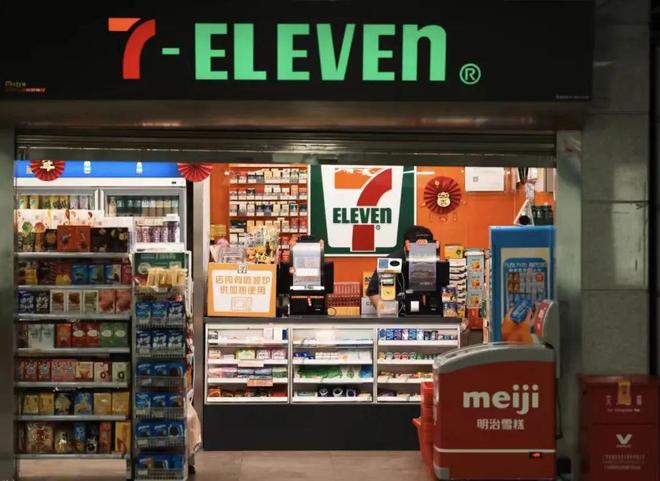
拒绝24小时营业,却让7-Eleven紧张?日本My Basket靠什么制造“威胁”?
3 6 Ke· 2025-08-14 01:21
Core Insights - My Basket is emerging as a significant competitor to convenience stores like 7-Eleven due to its focus on fresh produce and lower prices, leading to a noticeable decline in customer traffic for nearby 7-Eleven stores [2][9][24]. Group 1: Market Context - The phenomenon of "shopping refugees" in Japan's urban areas, particularly among the elderly, has created a demand for accessible grocery options, which My Basket effectively addresses [5][7]. - In 2015, the number of shopping refugees in Japan reached 8.25 million, a 20% increase from 2005, highlighting the growing need for convenient shopping solutions in densely populated cities [5][7]. Group 2: My Basket's Business Model - My Basket operates approximately 1,200 stores with plans to expand to 2,500 by 2030 and ultimately 5,000 stores, leveraging its proximity and competitive pricing to attract customers [9][28]. - The store's strategy focuses on high-density urban areas, with a typical store located within a 3-minute walking distance from residential and commercial zones, catering to local consumers [9][10]. Group 3: Competitive Advantages - My Basket's pricing strategy is significantly lower than that of convenience stores and even some discount retailers, with products like instant noodles priced 20% lower than convenience stores [26][28]. - The company benefits from the backing of Aeon, a leading retail group, which allows it to leverage economies of scale for cost-effective product pricing [28][29]. Group 4: Operational Efficiency - My Basket employs a unique staffing model with all stores being company-operated rather than franchised, allowing for streamlined operations and reduced labor costs [13][19]. - The introduction of a flexible "point work" system enables part-time employees to work short shifts, enhancing labor efficiency and reducing overhead costs [17][23]. Group 5: Product Offering - My Basket differentiates itself by offering a wide range of fresh produce, with fresh items making up 44% of its total product offerings, compared to convenience stores that have limited fresh food options [30][32]. - The store's SKU count is strategically focused on essential items for single-person households, ensuring that it meets the daily shopping needs of urban consumers [29][30]. Group 6: Future Outlook - My Basket's growth strategy is centered on maintaining low prices and high product availability, which positions it well against traditional convenience stores and larger supermarkets [35][36]. - The company's ability to adapt to consumer needs and market trends will be crucial for its continued expansion and competitiveness in the retail sector [35][36].
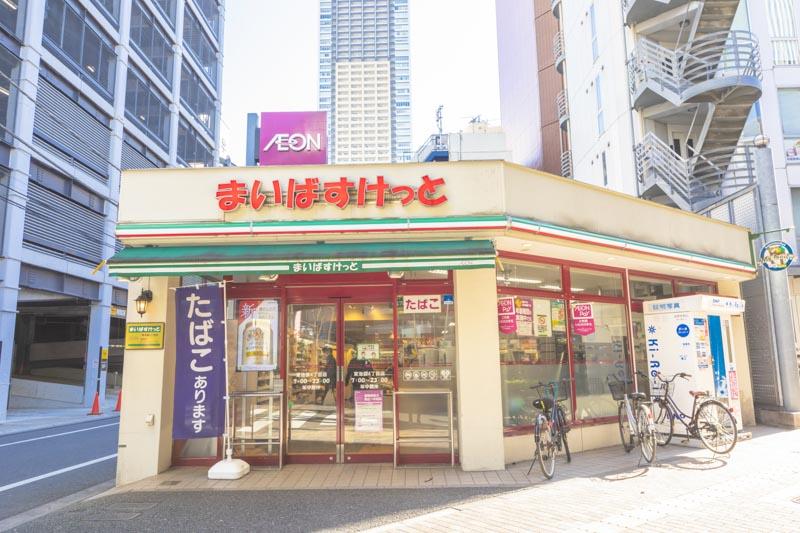
锅圈计划开出机器人现炒门店
Sou Hu Cai Jing· 2025-08-13 19:24
Group 1 - Tianfu and Nova Coffee are collaborating to promote a "convenience store + coffee" model, leveraging Nova's product strength and Tianfu's 7,500 convenience store channels to enhance operational efficiency and target younger consumers [1] - The China Securities Regulatory Commission has requested additional materials from Banou regarding its Hong Kong IPO application, focusing on key issues such as equity structure and compliance [3] - JD Group's CEO stated that the company will not participate in the "malicious subsidies" in the food delivery market, which he believes disrupts the pricing system and creates a lose-lose situation for all parties involved [4] Group 2 - Suning.com announced a debt settlement with Carrefour, planning to pay 220 million yuan to clear related debts, which will result in Suning indirectly holding 100% of Carrefour China [6] - Guizhou Moutai reported a net profit of 45.403 billion yuan for the first half of 2025, with a revenue of 89.389 billion yuan, reflecting a year-on-year growth of 9.1% [6] - The fruit juice brand "Guolifang" under the Bottle Planet Group continues to show strong growth, with sales exceeding 10 million in four cities in the first half of the year [7] Group 3 - Sam's Club in Zhongshan is set to open in September, marking the first "Green Building Three-Star" Sam's store in the Greater Bay Area [7] - Walmart China celebrated the 29th anniversary of its first store opening, emphasizing its commitment to becoming the most trusted omnichannel retailer in China [6] - Taobao Hong Kong launched a limited-time "zero threshold" shipping promotion, allowing users to enjoy free shipping on single items without a minimum purchase requirement [10]





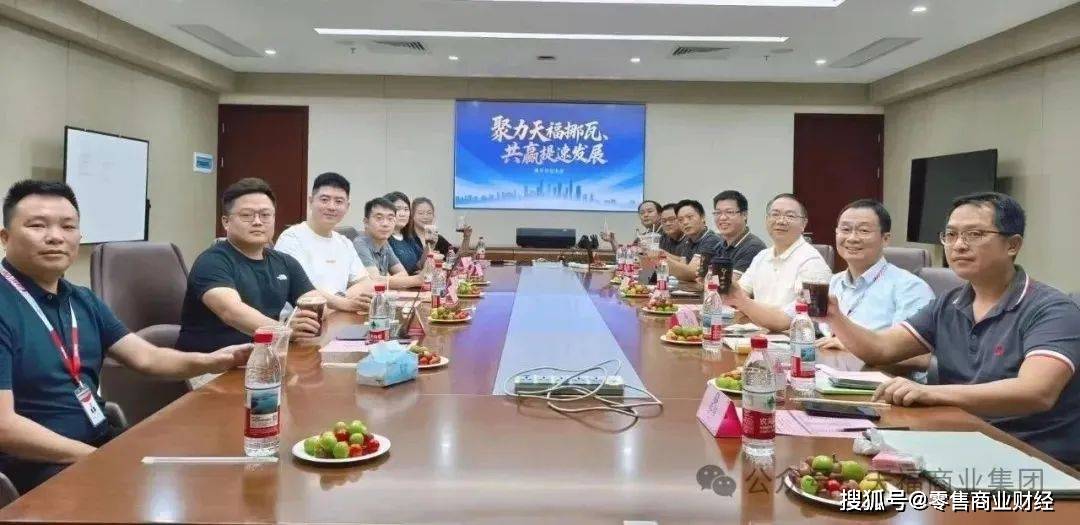
全球首例机器人自主搭地铁配送货!深铁、万科融合发展新实践
Quan Jing Wang· 2025-08-13 05:51
Group 1 - Shenzhen Metro has introduced a delivery robot that autonomously navigates the subway system to deliver goods to convenience stores, marking a global first in robot-assisted logistics within public transport [1][4] - On July 11, Shenzhen Metro recorded a passenger volume of 10.47 million, indicating strong growth with 24 days this year surpassing 10 million passengers [3] - The integration of delivery robots aims to solve logistical challenges faced by subway shops, such as high costs and parking difficulties associated with ground transportation [4][6] Group 2 - The delivery robot utilizes advanced technologies including AI scheduling algorithms and panoramic laser radar for navigation and operational efficiency [6] - The collaboration between Shenzhen Metro and Vanke Logistics represents a strategic move towards technology-driven logistics solutions, enhancing service efficiency for subway merchants [6][7] - Shenzhen's initiative aligns with its goal to become a testing ground for new technologies, as outlined in the city's action plan for intelligent robotics development from 2025 to 2027 [7]


红旗连锁(002697.SZ):公司在场馆附近的部分门店销售相关部分世运会特许商品
Ge Long Hui· 2025-08-12 07:19
Group 1 - The company, Hongqi Chain (002697.SZ), is selling licensed products related to the World University Games at some of its stores near the venues [1] - Certain stores in key business districts and tourist attractions in Chengdu have launched a special section for must-buy products [1]

罗森青岛首店开业;余惠勇回应百果园水果太贵
Sou Hu Cai Jing· 2025-08-11 21:27
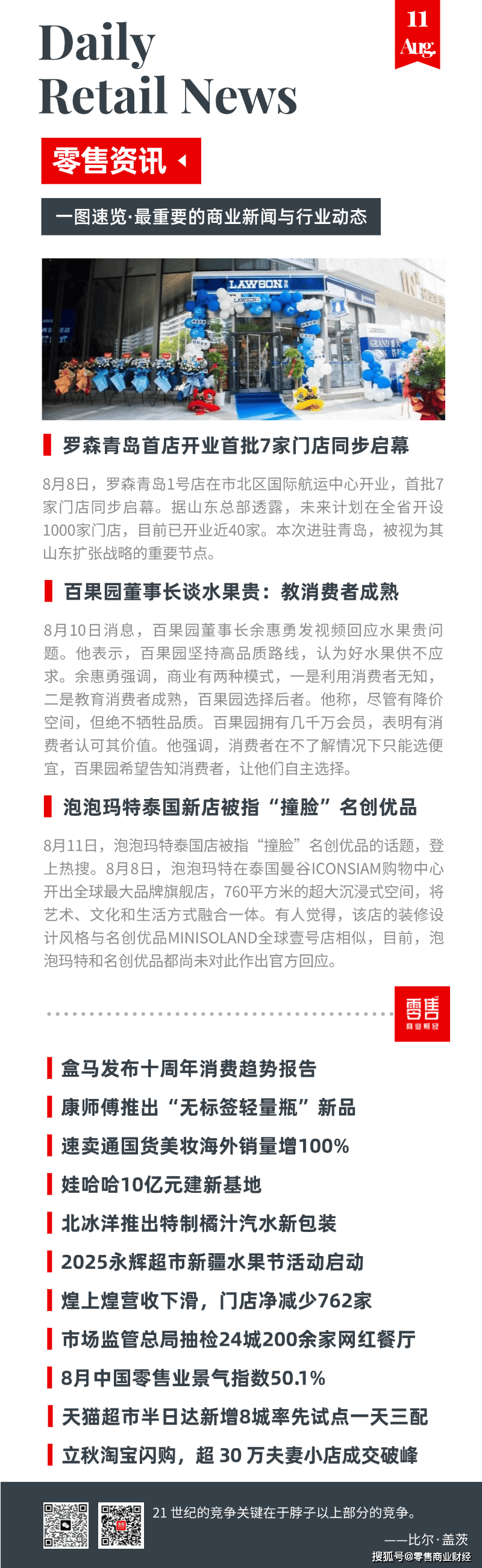
Group 1 - Lawson opened its first store in Qingdao, with a total of 7 stores launched simultaneously, marking a significant step in its expansion strategy in Shandong, aiming to establish 1,000 stores in the province [7] - Baiguoyuan's chairman addressed the issue of high fruit prices, emphasizing the company's commitment to quality and consumer education, stating that good fruit is in high demand and that they will not compromise on quality despite potential price reductions [9] - Pop Mart's flagship store in Thailand, which is the largest globally at 760 square meters, has been criticized for resembling Miniso's design, although neither company has officially responded to the claims [10] Group 2 - Hema released a consumption trend report for its 10th anniversary, focusing on "freshness, health, and self-satisfaction" as key product directions, and has built a large supply chain network to ensure the quality of fresh produce [12] - AliExpress reported a 100% year-on-year increase in overseas sales of domestic beauty products, with Europe, Mexico, Brazil, and Japan being the main growth markets [13] - Wahaha announced a 1 billion yuan investment in a new beverage production base in Xi'an, which will include multiple production lines for various beverages [14] Group 3 - The retail industry in China saw a CRPI of 50.1 in August, indicating a return to expansion, with a 0.5 percentage point increase from the previous month [19] - Tmall Supermarket expanded its same-day delivery service to 8 new cities, achieving a delivery punctuality rate of over 97%, with plans for further expansion [21] - On August 7, over 300,000 small restaurant businesses achieved peak sales on Taobao Flash Sale, with delivery riders on Ele.me increasing to 3.5 times last year's numbers [23]