太阳能

Search documents
鹿山新材:有钙钛矿叠层专用胶膜用于叠层太阳能电池的封装
Di Yi Cai Jing· 2026-01-16 08:15
Group 1 - The company has developed a specialized adhesive film for perovskite tandem solar cells packaging [2]


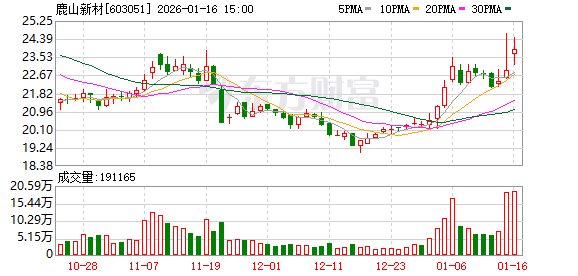
鹿山新材(603051.SH):有钙钛矿叠层专用胶膜用于叠层太阳能电池的封装
Ge Long Hui· 2026-01-16 08:10
Group 1 - The company, Lushan New Materials (603051.SH), has developed a specialized adhesive film for encapsulating perovskite tandem solar cells [1] - This adhesive film is specifically designed for the packaging of tandem solar cells, indicating a focus on advanced solar technology [1] - The announcement was made through the investor interaction platform, highlighting the company's engagement with investors [1]
美银证券:“赤马年”首选铝股 看淡建筑及太阳能材料 个股首选中国宏桥(01378)等
智通财经网· 2026-01-16 06:20
Group 1 - The core viewpoint of the article is that 2026 is identified as the "Year of the Red Horse," which is favorable for the Chinese base metals market due to several key factors, including a weak US dollar and a US interest rate cut cycle benefiting metals [1] - Key demand drivers for this year include a 10% year-on-year increase in grid investment, a 27% growth in electric vehicle battery demand, a 41% increase in energy storage systems, and rising AI power demand [1] - Supply constraints for copper and aluminum are expected to continue, contributing to the overall market dynamics [1] Group 2 - The preferred investment stocks include aluminum companies, with a forecasted price-to-earnings ratio between 8 to 10 times, and a "buy" outlook on gold, copper, lithium (including battery materials), and cobalt stocks [1] - The company holds a neutral view on coal and a bearish outlook on solar energy and construction materials (such as steel) due to weak demand and declining steel profit margins [1] - Key stocks that are expected to underperform the market include Tongwei Co., Ltd. (600438.SH), Xinyi Solar (00968), Ansteel Group (00347), and China Resources Cement Technology (01313) [1]


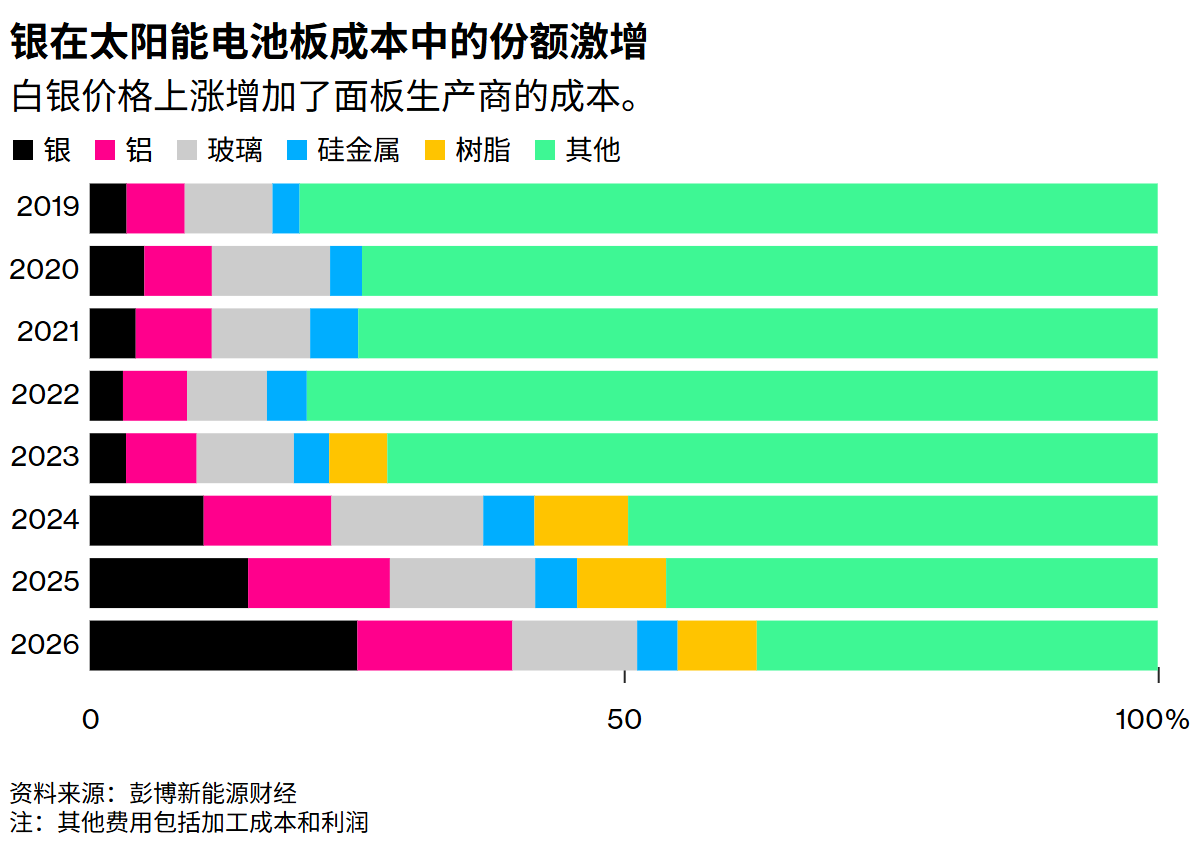
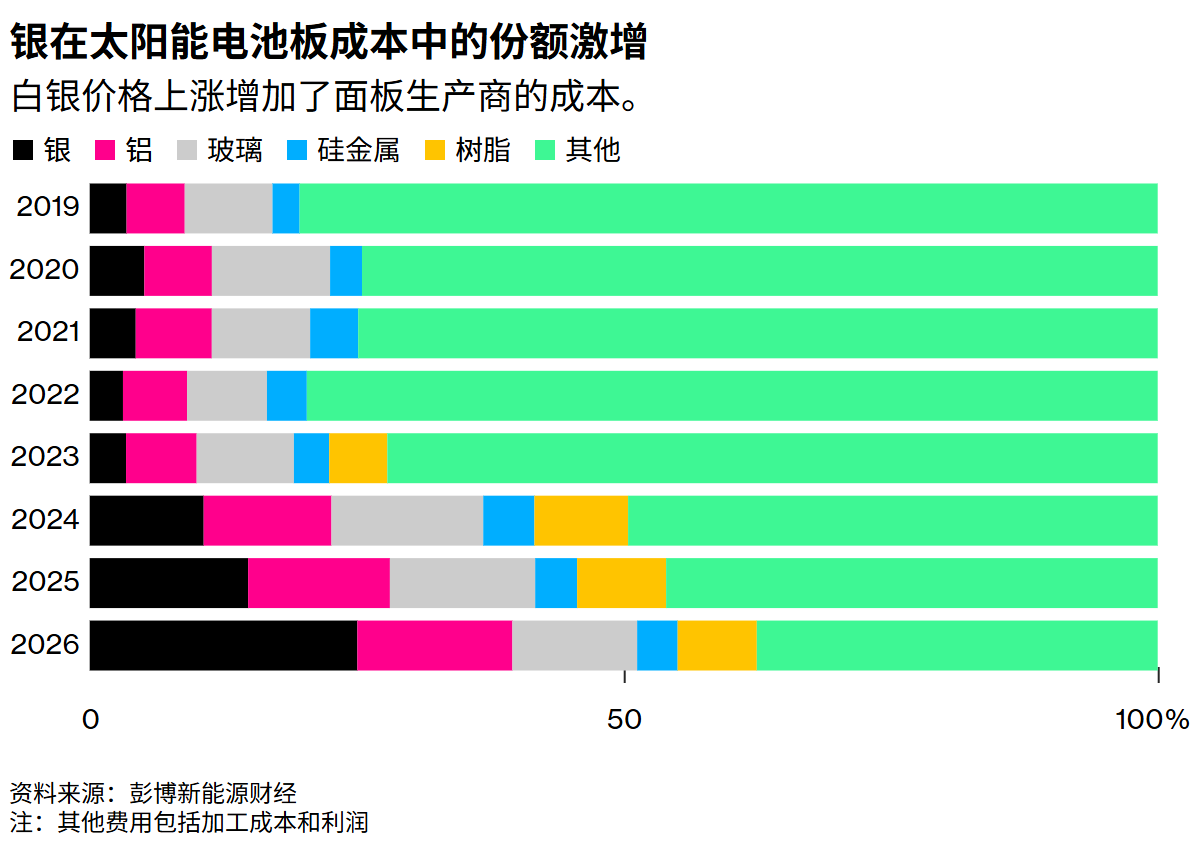
白银占成本从3%飙升至29%!光伏巨头“血亏”求生:涨价能救命吗?
Zhi Tong Cai Jing· 2026-01-16 02:56
Core Viewpoint - The surge in silver prices is exacerbating the financial struggles of solar panel manufacturers, who are facing intensified competition and ongoing losses. The industry is implementing a dual strategy to cope with rising costs: increasing product prices and accelerating the transition to cheaper materials like copper to replace silver [1][4]. Group 1: Industry Challenges - Solar panel manufacturers are experiencing significant cost pressures due to soaring silver prices, which have tripled over the past year, reaching over $93 per ounce [1][4]. - The use of silver in solar cells now accounts for 29% of the total component cost, a sharp increase from 3.4% in 2023 and 14% last year [1]. - Major solar companies, including Trina Solar, have warned of expected net losses through 2025, indicating that the industry downturn has not yet reached its lowest point despite efforts to curb overcapacity and price wars [4]. Group 2: Price Adjustments and Market Response - In response to rising silver prices, Chinese component manufacturers have raised prices to over 0.8 yuan per watt, reflecting a 1.4% to 3.8% increase from the previous week, resulting in typical 500-watt component prices around 400 yuan ($57) [4]. - The silver market is experiencing a record streak, with prices around $91 per ounce, potentially marking the longest consecutive monthly increase since records began in 1950 [4]. Group 3: Material Substitution Efforts - Manufacturers are actively working to reduce silver paste usage in solar cells to lower costs, with projections indicating an average usage of 8.96 milligrams per watt by 2025, down from 11.2 milligrams in 2024 [5]. - Longi Green Energy has announced plans to begin replacing silver with cheaper metals in their solar cells [5]. - The solar industry accounted for approximately 17% of total silver demand last year, a significant increase from a decade ago, but a slowdown in consumption could threaten the long-term price increase of silver [5][6].


光伏企业,正经历一场“白银劫”
财联社· 2026-01-16 02:29
Core Viewpoint - The surge in global silver prices is exerting additional pressure on solar panel manufacturers, who have already faced two years of losses, compounded by intense industry competition [1] Group 1: Silver Price Impact - Spot silver prices have soared to over $93 per ounce, a historical high, with prices more than tripling in the past year [1] - The cost of silver in solar panels now accounts for 29% of total panel costs, significantly up from 3.4% in 2023 and 14% last year [1] Group 2: Industry Response - Manufacturers are responding by raising prices and accelerating plans to replace silver with cheaper materials like copper [4] - In China, some component manufacturers have increased prices to over 0.8 yuan per watt, reflecting a price increase of 1.4%-3.8% from the previous week due to rising silver costs [4] - The typical price for a 500-watt solar panel is now at least 400 RMB (approximately $57) [4] Group 3: Future Outlook - Major solar companies, including Trina Solar and JinkoSolar, have warned of expected net losses again in 2025, indicating that the industry's downturn has not improved significantly despite previous self-regulatory measures [5] - The average silver paste usage in solar panels is projected to drop to 8.96 mg per watt by 2025, down from 11.2 mg in 2024, as manufacturers seek to reduce costs [6] Group 4: Risks of Material Substitution - Engineers can use various methods to replace silver with cheaper copper, but rushing this process may pose risks for manufacturers [7] - Increasing the proportion of substitutes could lead to shorter lifespans for solar panels, potentially resulting in significant liabilities for manufacturers if panels fail before the warranty period [8] Group 5: Silver Demand and Future Consumption - The solar industry accounted for about 17% of total silver demand last year, more than double its share a decade ago, which is comparable to jewelry manufacturing [8] - A slowdown in consumption could threaten the sustainability of rising silver prices, which are currently driven by speculative interest and commodity rotation effects [8] - The current high silver prices may lead to more substitutions, but strong investment demand is expected to keep prices stable in the short term [8]
白银占成本从3%飙升至29%!光伏巨头“血亏”求生:涨价能救命吗?
智通财经网· 2026-01-16 02:24
Core Viewpoint - The surge in silver prices is exacerbating the financial struggles of solar panel manufacturers, who are facing intensified competition and ongoing losses despite efforts to adjust pricing and reduce costs through material substitution. Group 1: Industry Challenges - Solar panel manufacturers are implementing a dual strategy to cope with rising costs: increasing product prices and accelerating the transition to cheaper materials like copper to replace silver [1][4] - The industry is experiencing severe overcapacity following a period of rapid expansion since the early 2020s, leading to escalating losses [1] - Current spot silver prices have exceeded $93 per ounce, marking a historical high and tripling in value over the past year [1] Group 2: Pricing and Market Dynamics - In the largest market, China, component manufacturers have raised prices to over 0.8 yuan per watt, reflecting a 1.4% to 3.8% increase due to rising silver costs [4] - Leading solar companies, including Trina Solar, have warned of expected net losses continuing into 2025, indicating that the industry downturn has not yet reached its lowest point [4] Group 3: Material Usage and Future Projections - Silver paste, a critical material for solar panels, currently accounts for 29% of total component costs, up from 3.4% in 2023 and 14% last year [1] - Efforts to reduce silver paste usage are accelerating, with projections indicating an average usage of 8.96 milligrams per watt by 2025, down from 11.2 milligrams in 2024 [5] - The solar industry accounted for approximately 17% of total silver demand last year, a significant increase from a decade ago, but a slowdown in consumption could threaten the long-term price momentum of silver [5][6]
暴涨的尽头是反噬?白银“扼杀”光伏需求,牛市盛宴暗藏自毁机制
Jin Shi Shu Ju· 2026-01-16 01:52
Group 1 - The surge in silver prices is putting additional pressure on solar panel manufacturers, who are already struggling to end over two years of losses in a highly competitive industry [1] - Spot silver prices recently reached a historical high of over $93 per ounce, causing the silver content in solar panels to rise to 29% of total costs, up from 3.4% in 2023 and 14% last year [1] - Manufacturers are responding by raising prices and accelerating plans to replace silver with cheaper materials like copper [1] Group 2 - Major solar companies have warned of expected net losses again in 2025, indicating that despite a year of self-discipline and government-led efforts to curb overcapacity, the industry's downturn has not yet bottomed out [2] - The average silver usage per watt in solar panels is projected to decrease from 11.2 mg in 2024 to 8.96 mg in 2025 as manufacturers strive to reduce costs [2] - Companies like Longi Green Energy, Jinko Solar, and Shanghai Aiko Solar are beginning to replace silver with cheaper metals in their panels [2] Group 3 - Limited replacement efforts and a slowdown in global solar panel installations may lead to a 17% reduction in silver usage in the industry this year, with a projected demand of around 6,000 tons in 2025 [3] - The solar industry accounted for approximately 17% of total silver demand last year, more than double its share a decade ago, which poses a risk to the sustainability of the current surge in silver prices [3] - Strong investment demand is expected to keep silver prices stable in the short term, but reduced industrial consumption of silver is anticipated in the future [3]
白银涨得太疯,金银比逼近历史大底!机构警告:小心趋势反转
Xin Lang Cai Jing· 2026-01-16 01:24
热点栏目 自选股 数据中心 行情中心 资金流向 模拟交易 客户端 文章来源:金十数据 投机性动量持续为白银价格提供前所未有的支撑,市场成功将银价推回每盎司91美元上方;然而,一家 银行指出,白银的表现——尤其是相对于黄金而言——可能已经过度。 白银的复苏及其向近期每盎司93美元以上历史高点的回升,已将金银比推低至50点,这是自2012年3月 以来的最低水平。该比率在2025年4月触及100点以上的峰值后,发生了戏剧性的转变。 "当把实物净投资需求也计入时,白银市场看似处于'供应赤字',这通常被解读为库存正在被消耗。然 而,必须注意,绝大部分库存是由投资者持有的投资性白银。因此,除非观察到投资者正在大规模出售 其持有的实物白银,否则这种'赤字'只是一种会计上的表象,并不意味着可供投资的实物白银总量在实 质性减少。我们的分析表明,一个更好的追踪指标是白银消费(工业+珠宝+银器)与供应(通常超过 消费量)之间的平衡,"分析师解释道。 在当前环境下,蒙特利尔银行表示,投资者需要关注太阳能领域的白银消费。 "自2020年以来,太阳能领域贡献了白银消费增量的58%;然而,由于太阳能安装量趋于平缓以及太阳 能技术中持续进行 ...

2025年前11个月,济南规上工业企业营收9962.5亿元
Feng Huang Wang Cai Jing· 2026-01-15 07:18
Group 1 - The core viewpoint of the article highlights the significant progress made by Jinan in achieving high-quality economic development through the implementation of the "14th Five-Year Plan," with a focus on industrial growth and innovation [1][3]. - Jinan's industrial revenue for the period from January to November 2025 reached 996.25 billion yuan, reflecting a year-on-year growth of 9.2% [3]. - The total industrial output value in Jinan is projected to exceed 1 trillion yuan for the first time in 2024, reaching 1,018.9 billion yuan, marking a historic milestone for the city's industrial economy [3]. Group 2 - Jinan has seen a significant increase in market vitality, with 15 enterprises achieving over 10 billion yuan in revenue and 807 enterprises surpassing 100 million yuan by the end of 2024, representing a net increase of 5 and 159 respectively compared to the end of the "13th Five-Year Plan" [3]. - The number of large-scale industrial enterprises in Jinan has reached 2,854, an increase of 942 from the end of the "13th Five-Year Plan," with a robust ecosystem of both large and small enterprises [3][4]. - The city has implemented over 1,000 technical transformation projects annually during the "14th Five-Year Plan," contributing to the development of key projects such as BYD's core components for electric vehicles and digital factories [4].
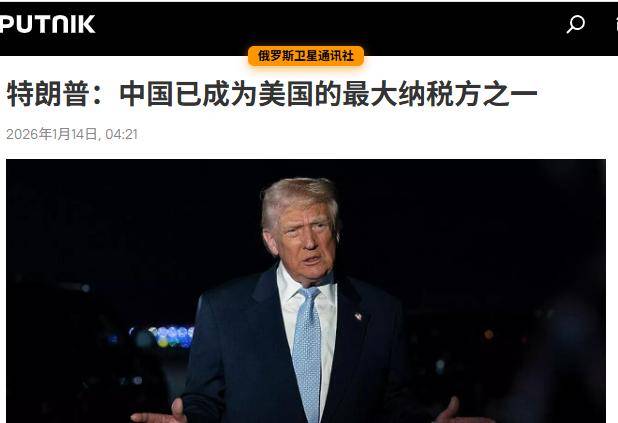
特朗普通报全球,他带领美国赢了中国!话音刚落,中方对美征税
Sou Hu Cai Jing· 2026-01-14 11:19
Group 1 - The article highlights the contradiction in the U.S. narrative regarding trade with China, emphasizing that American consumers and businesses bear the tax burden from tariffs, not Chinese exporters [3][5][21] - It points out that major U.S. tech companies like Nvidia and Intel are lobbying against tariffs while still seeking to sell to China, indicating a dependency on the Chinese market [5][19] - The U.S. government's recent decision to allow the sale of advanced chips to China comes with stringent conditions, reflecting a transactional approach rather than genuine cooperation [7][24] Group 2 - China's response to U.S. tariffs includes imposing anti-dumping duties on U.S. and South Korean solar-grade polysilicon, which is critical for the solar industry, potentially harming U.S. production [11][13] - The article notes that China's solar industry holds over 85% of the global market share, giving it significant leverage over the U.S. solar sector [14][25] - The diversification of agricultural supply sources for China, with countries like Argentina and Brazil strengthening ties, reduces reliance on U.S. agricultural exports [15][17] Group 3 - The narrative suggests that U.S. companies are increasingly reliant on the Chinese market for growth, with significant sales contributions from firms like Nvidia, Apple, and Tesla [21][23] - China's advancements in technology and supply chain capabilities have diminished the effectiveness of U.S. attempts to restrict access to critical components like chips [19][27] - The article concludes that China's market position has evolved to one of strength and choice, challenging the notion that it will passively accept unfavorable trade terms [27][28]