
农产品销售

Search documents
年中经济观察丨打通出山“最初一公里” 农村电商成农民增收致富“金钥匙”
Yang Shi Xin Wen· 2025-08-05 02:43
Core Insights - The e-commerce transaction volume of agricultural products in China increased by 17.2% in the first half of the year, highlighting the rapid development of rural e-commerce driven by internet penetration [1] - E-commerce is becoming a crucial tool for farmers to increase income and promote rural employment, with live streaming sales significantly enhancing market access [2][3] E-commerce Growth - E-commerce development has greatly expanded the sales radius for agricultural products, stimulating economic growth through increased consumer spending [2] - The enthusiasm of farmers for selling products has been ignited by e-commerce live streaming, transforming their market reach from local to national [2] Logistics and Infrastructure - The logistics system in rural areas is still underdeveloped, particularly in remote regions, posing challenges for the initial delivery of goods [3] - Innovative logistics solutions, such as flexible transportation strategies for small packages, have been implemented to improve delivery efficiency [3] Cost Efficiency - The rise of e-commerce has led to reduced logistics costs for farmers, with significant savings on delivery expenses reported [6] - The establishment of rural logistics service stations has improved the integration of postal and express delivery services, enhancing overall efficiency [6] Policy Support - The Chinese government has introduced policies to support the development of rural e-commerce, including the establishment of logistics service stations and the promotion of e-commerce platforms [9] - Future plans include cultivating rural e-commerce leaders and developing digital circulation enterprises to further enhance the agricultural supply chain [9]


助力消费提质升级!本来生活“大地回信·企业支持农业”活动在广州圆满举办
Nan Fang Nong Cun Bao· 2025-08-01 03:06
Core Viewpoint - The event "Dadi Huixin: Corporate Support for Agriculture" was successfully held in Guangzhou, aiming to enhance agricultural development and consumer quality through corporate engagement in the agricultural sector [2][3][54]. Group 1: Event Overview - The event was co-initiated by Benlai Life and "We Village Cultivators," focusing on agricultural support and development [2][5]. - It marked the launch of the Guangdong Province 2025 "Consumption Assistance Midsummer Action," which includes the Benlai Life Dadi Huixin selection activity [3][54]. - Over 350 representatives from various enterprises and government bodies attended the event to discuss agricultural development and the future of food [7][8]. Group 2: Corporate Initiatives - Benlai Life introduced the "Corporate Support for Agriculture: Co-Cultivators Plan," aimed at showcasing innovative explorations and achievements of enterprises in supporting agricultural upgrades [11][12]. - The company emphasized the importance of market insight, resource integration, and stable purchasing power in modernizing agriculture [20][50]. - The initiative encourages more enterprises to participate in agricultural support actions, promoting a positive cycle of "commercial feedback - agricultural upgrade - farmer benefits" [27][28]. Group 3: Product Promotion - The event featured a showcase of high-quality products from original production areas, highlighting the successful outcomes of the "Corporate Support for Agriculture" initiative [32][41]. - New products, such as the Tibetan barley mooncake, were introduced, emphasizing the collaboration with local producers to enhance product quality and standardization [43][45]. - The company aims to drive the development of local specialty industries through effective marketing and sales strategies [29][50]. Group 4: Future Plans - The Guangzhou event is part of a nationwide initiative, with similar events planned in cities like Shenzhen, Nanjing, Fuzhou, and Tianjin to further engage responsible enterprises in agricultural development [52][54].

快评丨数字火种燎原南粤
Nan Fang Nong Cun Bao· 2025-07-30 09:31
Core Viewpoint - The training program for "rural internet celebrities" in Guangdong aims to cultivate a new generation of digital-savvy agricultural talents to enhance the integration of digital technology in rural economies [2][10][11]. Group 1: Training Program Overview - The training program was jointly organized by the Guangdong Provincial Internet Information Office and the Provincial Department of Agriculture and Rural Affairs, covering all 21 cities in the province with 1,000 participants [2][3]. - The program focused on developing skills in account management, live streaming sales, and short video creation, aiming to build a talent pool that understands technology, operations, and communication [3][4]. Group 2: Impact of Digital Technology - Digital technology has transformed many agricultural products in Guangdong, such as expanding the national market for Xu Wen pineapples through live streaming and reducing planting risks through pre-sale of lychees [5][6]. - The practice in Guangdong demonstrates that digital technology has evolved from a supportive tool to a core variable reshaping agricultural economics [7][8]. Group 3: Challenges and Opportunities - Despite advancements, only one in ten rural areas has a "rural internet celebrity" with digital skills, indicating a significant talent gap [8]. - The "Thousand Digital New Farmers Training" initiative addresses the talent shortage by systematically empowering individuals who are passionate about agriculture [10][11]. Group 4: Long-term Mechanisms and Policies - A long-term mechanism for nurturing and empowering digital talents has been established, supported by the "Six 100" plan and a professional evaluation system [18][19]. - Initiatives like the "Short Video Master-Apprentice Program" in Heyuan and digital new farmer training bases in Shantou reflect the growing momentum of knowledge transfer and community support [20][21]. Group 5: Future Prospects - The training program's conclusion marks the beginning of a larger narrative, with the integration of the "Hundred Thousand Project" and digital initiatives poised to break traditional agricultural constraints and foster urban-rural integration [26][27]. - The shift from "I have to learn" to "I want to learn" signifies a cultural change among new farmers in Guangdong, who are embracing digital empowerment for rural revitalization [28].
数智赋能 资金直达——重庆着力破解小微企业融资难
Sou Hu Cai Jing· 2025-07-30 09:30
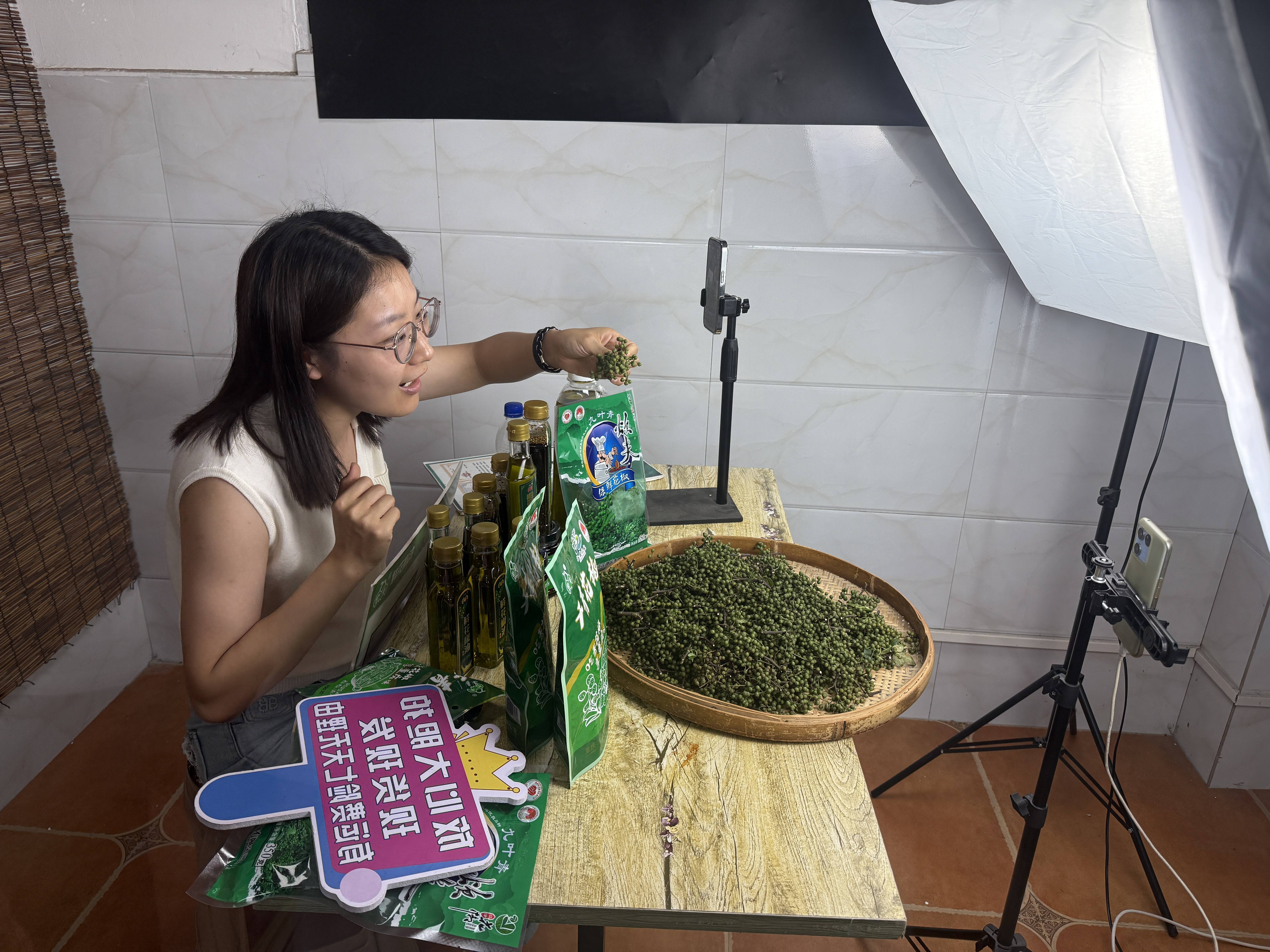
Core Viewpoint - The article highlights the successful implementation of a financing coordination mechanism in Chongqing, which has significantly improved access to credit for small and micro enterprises, enabling them to meet operational needs and expand their businesses. Group 1: Financing Mechanism - The financing coordination mechanism was established in October 2024, led by the Financial Regulatory Bureau and the National Development and Reform Commission, to support small and micro enterprises in Chongqing [5]. - The mechanism utilizes innovative approaches such as "digital scanning, chain profiling, and grid outreach" to better serve small enterprises [5]. - A total of 10.9 million high-quality small enterprises have been recommended, with 1.67 million identified as having financing needs, resulting in 231.19 billion yuan in new credit granted [11]. Group 2: Case Studies - Fengyuan Pepper Company successfully secured a 4 million yuan special credit loan, which alleviated immediate financial pressures during the pepper purchasing season [1]. - Mengma Chuxin Agricultural Products Company received a 2 million yuan credit limit within three days after being identified through the financing coordination mechanism [10]. - Haosen Motorcycle Company reported a 40% year-on-year increase in export volume, facilitated by timely financial support for purchasing motorcycle parts [16].
农业农村部:扎实推动乡村游购一体发展
Zheng Quan Ri Bao Wang· 2025-07-29 13:53
Core Viewpoint - The Ministry of Agriculture and Rural Affairs, along with ten other departments, has issued the "Implementation Plan for Promoting Agricultural Product Consumption," which aims to enhance agricultural product consumption as a means to stabilize the economy and improve the livelihoods of citizens [1]. Group 1: Implementation Plan Overview - The plan includes 23 specific measures across 9 areas, focusing on optimizing supply, innovating circulation, and activating market demand to adapt to new consumption trends [1]. - From 2021 to 2024, over 420 billion yuan worth of agricultural products have been purchased and sold from western regions through east-west cooperation, while 160 billion yuan has been facilitated by central designated assistance units for impoverished areas [1]. Group 2: Future Actions - The Ministry will enhance regional cooperation in production and sales, focusing on selecting high-quality agricultural products and promoting market connections through various methods such as negotiations and exhibitions [2]. - The plan encourages the use of various platforms to promote local specialty products and organize online and offline sales activities, aiming to establish stable production and sales relationships [2]. - The initiative will mobilize social forces, including private enterprises and organizations, to increase agricultural product procurement and sales, particularly through tourism and cultural activities in rural areas [2]. Group 3: Rural Tourism Development - Developing rural leisure tourism is seen as a way to activate resources, broaden income channels for farmers, and enhance cultural life, thus creating new consumption scenarios [3]. - The plan will support financial policies, diversify leisure agricultural activities, and promote the integration of agriculture with culture, tourism, and education [3]. - Emphasis is placed on the need for horizontal and vertical collaboration among departments and social entities to effectively implement the plan [3].
广东省惠州大亚湾经济技术开发区管理委员会市场监督管理局2025年农村假冒伪劣食品专项抽检结果公示
Zhong Guo Zhi Liang Xin Wen Wang· 2025-07-23 08:24
| 惠 | 州 | 惠州 | | | | | | | | | | | | | | | | | | | | | | | | | | | | | | | | | | | | | --- | --- | --- | --- | --- | --- | --- | --- | --- | --- | --- | --- | --- | --- | --- | --- | --- | --- | --- | --- | --- | --- | --- | --- | --- | --- | --- | --- | --- | --- | --- | --- | --- | --- | --- | --- | --- | --- | | 大 | 大亚 | 亚 | 湾西 | 肉 | | | | | | | | | | | | | | | | | | | | | | | | | | | | | | | | | | | 小 | 熟肉 | 熏烧 | 黄惠 | 湾 | 区老 | 制 | 烧鸭 | 邹 | 食品 | 10 餐 | 型 | 乡 | 惠 | 餐饮 | 制品 | 烤肉 | 珍、 | 邹 | 畲村 | 2025- | 202 ...
清甜“桂”礼!“邑帮扶”助力广西崇左桂花梨直供江门
Nan Fang Nong Cun Bao· 2025-07-23 03:01
Core Viewpoint - The article highlights the collaboration between Jiangmen and Chongzuo to promote the sales of Guangxi's Guihua Pear through a consumption assistance program, which aims to support rural revitalization and enhance local farmers' income [4][5][16]. Group 1: Product Overview - Guihua Pears from Daxin County, Guangxi, are characterized by their round, plump shape, thin skin, and juicy white flesh, offering a sweet taste with a unique fragrance [9][8]. - The local karst topography and favorable ecological conditions contribute to the superior growth of Guihua Pears, making them a distinctive agricultural product of the region [8]. Group 2: Collaborative Efforts - The "Yibangfu" platform plays a crucial role in connecting various enterprises, including Guangdong Licheng Agricultural Products Co., Ltd. and Jiangmen Mayflower Catering Service Co., Ltd., to integrate Daxin Guihua Pears into the consumption assistance system [12][13]. - The sales of Guihua Pears are facilitated through multiple channels, including online platforms and community service points in Jiangmen, demonstrating a practical implementation of the Jiangmen-Chongzuo cooperation [15][16]. Group 3: Economic Impact - The consumption assistance model effectively links the purchasing needs of Jiangmen residents with the income sources of Daxin farmers, enriching the local market while boosting farmers' earnings [17][18]. - The initiative aims to continue expanding cooperation with Chongzuo and other assistance areas, exploring local high-quality agricultural products and broadening sales channels to enhance product variety [21][22].
青峰翠壑、奇松怪石、碧海银沙……各地夏日美景勾勒出一幅盛夏绮丽画卷
Yang Shi Wang· 2025-07-20 08:28
Group 1: Tourism Development - The West Sand Bay in Huian County has become a popular summer destination, attracting many tourists to enjoy its beautiful coastal scenery [7][9] - The beach has undergone significant restoration since 2013, with the shoulder length increasing from less than 800 meters to 1250 meters, and the width from less than 20 meters to an average of 40 meters, with the widest point reaching 60 meters [11] - The coastal tourism in Huian County has seen a surge in visitor numbers, exceeding 400,000 since July [13] Group 2: Agricultural Products - The seasonal delicacy, four-cornered water chestnuts, has started to be harvested in Jiangyan District, Taizhou, with local farmers engaging in live streaming sales [15][18] - The four-cornered water chestnuts are characterized by their thin shells and sweet, glutinous flesh, making them popular among consumers [18] - The planting area for four-cornered water chestnuts in Zhenlong Town has exceeded 2,000 acres, with sales expected to surpass 10 million yuan [20]

青春引擎驱动太保振兴:广工智识与乡土实践的双向奔赴
Nan Fang Nong Cun Bao· 2025-07-17 07:33
Core Viewpoint - The article emphasizes the dual approach of integrating youth knowledge and local practices to drive rural revitalization in Taibao, showcasing the collaborative efforts of students and local communities to address development needs and enhance local resources [1][4][35]. Group 1: Youth Engagement and Local Development - The "Qingyun Future" task force, part of Guangdong's "Hundred Million Thousand Project," is focused on rural revitalization by leveraging the scientific background of its members to meet local demands [2][3]. - The team conducts field research in Taibao, particularly in key areas like the terraced fields, to understand local development conditions and aspirations [7][8]. - The initiative highlights the responsibility of young students to integrate personal growth with local development, fostering a sense of duty towards community enhancement [4][35]. Group 2: Digital Empowerment and Cultural Integration - The project aims to create new pathways for local resource transformation through digital technology, incorporating local products and ethnic crafts into digital marketing strategies [11][14]. - By utilizing platforms like Xiaohongshu and WeChat, the initiative seeks to increase the visibility of local landscapes and cultural heritage [12][14]. - The team also focuses on teaching skills such as drone operation to empower local residents, facilitating a shift from external assistance to self-sustained growth [13][14]. Group 3: Cultural Creativity and Product Innovation - Cultural creativity is infused into local characteristics, with the team merging ethnic attire and terraced field imagery to create engaging narratives [16][17]. - The "Terraced Field Magic Academy" summer program connects agricultural wisdom with youth perspectives, transforming farming experiences into cultural IP [19][20]. - Innovations in agricultural product packaging draw on local cultural elements, enhancing the aesthetic value and marketability of products like the Eagle Beak Peach [22][24]. Group 4: Strategic Planning for Sustainable Development - The planning and design efforts focus on establishing a scientific direction for the long-term development of Taibao, assessing ecological, cultural, and industrial factors [28][29]. - The team develops a strategic map based on data analysis to identify bottlenecks and potential growth areas, ensuring a balanced approach to resource management [31][33]. - This methodology aims to harmonize cultural richness with ecological sustainability, paving the way for a revitalized rural economy [33]. Group 5: Mutual Growth and Long-term Collaboration - The initiative fosters a symbiotic relationship where economic benefits, increased visitor traffic, and skill enhancement contribute to rural revitalization, while local practices enrich the students' learning experiences [35][37]. - Future plans include deepening collaborative mechanisms between educational institutions and local communities to sustain the momentum of youth-driven initiatives [39][40]. - The goal is to empower more young individuals to contribute to rural development, ensuring that their energy and knowledge continue to ignite progress in the community [41].
聊城:田间菜园子直达城区菜篮子
Da Zhong Ri Bao· 2025-07-15 08:19
Group 1 - The article highlights the successful implementation of a community group buying initiative in Dongchangfu District, which allows residents to purchase fresh agricultural products directly from local farmers, enhancing food quality and affordability [1] - The initiative has led to increased sales of various agricultural products, including peaches, eggs, and grapes, with community leaders personally selecting the items to ensure quality [1] - The district plans to expand this initiative in September 2024, aiming to connect rural agricultural products with urban consumers through public markets [1] Group 2 - The article discusses the impact of a public market event that helped a local specialty, Baijuecheng roast chicken, gain popularity, resulting in increased sales and recognition for the product [2] - All 11 agricultural towns in Dongchangfu District have partnered with urban communities to create a beneficial relationship that promotes rural products in urban markets [2] - The district has established 17 town-level cooperative companies and 12 strong village associations to facilitate product organization and ensure fair profit distribution among farmers [2] Group 3 - The article provides an example of the Tangyi Town Yilu Flower Cooperative, which has developed a directory of local specialty products and is actively connecting with urban communities to expand sales [3] - The cooperative's sales efforts have resulted in increased collective income, demonstrating the effectiveness of the initiative in enhancing local economic sustainability [3] - The article also mentions the success of a themed public market in Yansi Street, where local farmers sold products directly to consumers, further promoting the "internal circulation" of agricultural goods [3]