Workflow
珠宝首饰
icon
Search documents
突然火了!“把价值4万元黄金剪碎贴手上……”,网友:掉了算谁的?
Xin Lang Cai Jing· 2026-02-15 04:15
Core Viewpoint - The rising trend of gold consumption is evident as the Chinese New Year approaches, with "golden nails" becoming a popular choice among young consumers, showcasing a shift in how gold is utilized in personal adornment [1][9]. Group 1: Market Trends - The demand for small gold items, such as gold nail art, has surged, with consumers willing to spend thousands on "golden nails" [3][10]. - High-end brands like Chow Tai Fook and Lao Pu are now providing gold as a material for nail art, indicating a crossover between jewelry and beauty industries [3][10]. - The trend includes the revival of old jewelry, with consumers repurposing unused gold items into nail art, enhancing the perceived value and personal significance of the adornments [9][13]. Group 2: Consumer Behavior - Many consumers are opting to bring their own gold items to nail salons for customization, reflecting a shift towards personalized luxury experiences [13][22]. - The price range for gold nail art services varies from 600 to 1500 yuan, depending on the complexity of the design and the amount of gold used [13][10]. - There is a growing interest in social media marketing for gold nail art, with brands and salons showcasing their work to attract customers [17][19]. Group 3: Legal and Ethical Considerations - Concerns have been raised regarding the potential legal implications of nail salons recycling gold scraps, as this may violate regulations on gold trading in China [22]. - Legal experts emphasize that nail salons should avoid engaging in gold recovery or trading activities to remain compliant with national regulations [22].
豫园股份上市首亏:预计2025年净亏损48亿,加速资产瘦身
Xin Lang Cai Jing· 2026-02-15 03:51
智通财经记者 | 王婷婷 "复星系"成员企业上海豫园旅游商城(集团)股份有限公司(简称"豫园股份")出现首亏。 近日,豫园股份(600655.SH)发布2025年度业绩预告,预计全年归母净利润亏损约48亿元,归母扣非 净利润亏损47亿元左右。而2024年豫园股份盈利1.25亿元,同比由盈转亏。 除此之外,豫园股份近日还因2025年12月出售宁波星健资产管理有限公司相关事项引来上交所发监管 函,要求其说明关于出售资产的必要性与合理性。 据智通财经了解,豫园股份前身为豫园商城,主营珠宝首饰、百货、工艺品等相关消费业务。2018年, 豫园股份完成重大资产重组,整合了复星系地产业务。 如今,豫园股份是一家涵盖珠宝时尚、文化饮食、美丽健康、国潮腕表、商业管理及复合功能地产等多 领域的综合性商业集团。公司旗下拥有老庙黄金、豫园商城、南翔小笼、上海老饭店、舍得酒等众多知 名老字号品牌,同时也是郭广昌旗下核心上市平台之一。 从长期盈利到上市34年首亏,这家"老八股"企业经历了怎样的业绩转折? 上市34年首亏 这是这家A股老牌上市企业自1992年上市以来首次年度亏损。根据最新业绩预告,豫园股份预计2025年 将由盈转亏,全年归 ...
突然火了!有人戴上4万元的“黄金甲”,已成新年顶流,多个品牌已上架,网友:掉了算谁的?
Sou Hu Cai Jing· 2026-02-15 03:49
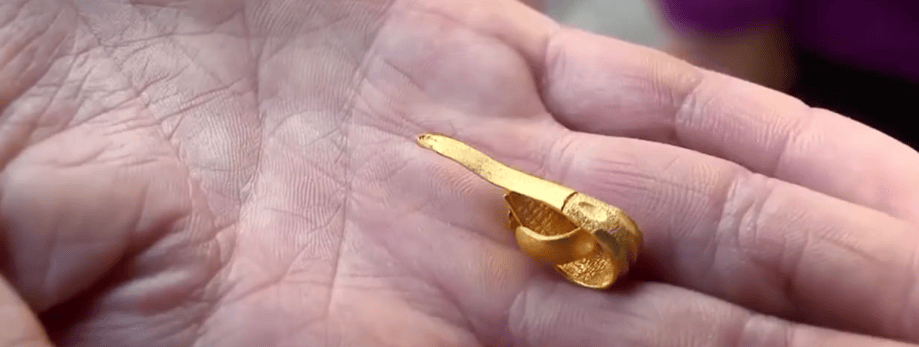
Core Viewpoint - The rising trend of gold consumption among young consumers is highlighted, particularly through innovative uses such as gold nail art, which has become a popular choice for the upcoming Chinese New Year [1][3]. Group 1: Market Trends - The demand for "small weight" gold items has surged, with gold nail art emerging as a trendy new consumption choice for the New Year [1]. - Major brands like Chow Tai Fook and Lao Pu are supplying small gold items for nail art, with consumers willing to spend thousands of yuan to create "golden nails" [3]. Group 2: Consumer Behavior - Consumers are repurposing old gold jewelry for nail art, with one individual showcasing a gold nail design that used over 6 grams of gold worth nearly 10,000 yuan, emphasizing the personal and ceremonial value of this trend [8]. - Many consumers are bringing in their own gold items for nail art, with prices for the service ranging from 600 to 1,500 yuan depending on the complexity of the design [11]. Group 3: Industry Practices - Most nail salons require customers to provide their own gold for processing due to high gold prices, and they charge fees based on the difficulty of the design [11]. - Some nail technicians are capable of cutting and preparing gold jewelry for nail art, while others may need to send items to a gold shop for proper dismantling [12]. Group 4: Social Media and Marketing - Brands like Sixi Jewelry and Chow Tai Fook are leveraging social media to promote gold nail art, showcasing customer creations to attract more clients [16]. - The trend has sparked significant online discussion, with some consumers expressing concerns about the high cost and potential loss of gold pieces during everyday activities [22][24]. Group 5: Legal and Ethical Considerations - There are concerns regarding the legality of nail salons recycling leftover gold, as this could violate regulations on gold trading without proper licenses [26]. - Legal experts emphasize that nail salons should avoid engaging in gold recovery or trading, focusing solely on providing nail art services [26].
春节抢黄金,谁赚到钱了?
虎嗅APP· 2026-02-15 02:32
Core Viewpoint - The article discusses the dynamics of the gold jewelry market, highlighting the increasing interest from young consumers, the impact of rising gold prices on different brands, and the shift towards high-end positioning in the industry [5][6][13]. Group 1: Young Consumers and Market Trends - Young consumers are increasingly purchasing gold jewelry as a form of self-expression and asset allocation, with a preference for smaller weight pieces that are both decorative and seen as a new form of savings [11][12]. - The trend of buying gold during the Spring Festival is reinforced by promotional activities from brands, with significant discounts being offered to attract younger buyers [9][11]. - The rising gold prices have led to a shift in consumer behavior, where young buyers are more focused on value retention and are setting budgets for their purchases [12]. Group 2: Brand Performance and Market Dynamics - Not all gold brands benefit equally from rising gold prices; some experience significant growth while others face profit pressures and store closures [13][14]. - The gold market can be divided into two main categories: scale-driven brands like Chow Tai Fook, which rely on extensive store networks, and premium brands like Lao Pu Gold, which focus on high-end craftsmanship and brand value [14][16]. - Chow Tai Fook leads in revenue with 347 billion RMB, followed by China Gold at 310.98 billion RMB, while Lao Pu Gold, despite having only 41 stores, achieves a notable revenue of 123.5 billion RMB [15][16]. Group 3: Profitability and Business Models - Profitability varies significantly among brands, with Lao Pu Gold achieving a high net profit margin of 38.10%, compared to China Gold's low margin of 4.50% [18][19]. - The difference in profitability is attributed to brand premium capabilities, with Lao Pu Gold's pricing strategy allowing for higher margins compared to traditional pricing models [19][20]. - Market capitalization reflects these differences, with Chow Tai Fook valued at 1427.46 billion RMB and Lao Pu Gold at 1359.17 billion RMB, indicating that brand positioning and profitability are more critical than sheer scale [20][21]. Group 4: Industry Shift Towards High-End Positioning - Traditional brands are responding to market pressures by increasing prices and shifting towards high-end product offerings, although this strategy may not be sustainable in the long term [24][26]. - The high cost of gold as a raw material limits the potential for brand premium, creating a tension between maintaining high prices and consumer price sensitivity [26][27]. - The industry faces challenges in establishing a complete value chain that allows for brand premium realization, as the market is still in its early stages of accepting the concept of "gold brands" [27][30].
这届年轻人把上万元黄金剪碎贴在指尖!“黄金甲”成新年顶流“社交货币”,专家解读
Sou Hu Cai Jing· 2026-02-15 02:04
Core Viewpoint - The rise of "golden manicure" reflects a shift in consumer behavior, particularly among younger demographics, as they seek new forms of self-expression and social currency through gold, despite traditional gold jewelry facing declining sales and store closures [4][12][18]. Industry Trends - The gold jewelry industry is experiencing a dichotomy, with international gold prices rising since 2025, yet major companies like Chow Tai Fook and Chow Sang Sang reporting declining revenues and store closures [4][18]. - Chow Tai Fook's revenue for the 2026 fiscal year showed a 1.1% year-on-year decline, marking a five-year low, while Chow Sang Sang's revenue dropped by 37.35% in the first three quarters of 2025 [4][18]. - The global nail product market is projected to grow from $25.76 billion in 2025 to $36.26 billion by 2032, with a compound annual growth rate of 5.01% [9]. Consumer Behavior - Younger consumers are increasingly viewing gold as a means of self-expression rather than a traditional investment, with a focus on "self-pleasure consumption" rather than the old mindset of accumulating gold for financial security [11][12]. - The trend of using gold in manicures is seen as a way to transform gold from a low-frequency, high-ticket item to a high-frequency, low-ticket item, potentially revitalizing the gold jewelry market [4][18]. Market Dynamics - The "golden manicure" trend has led to increased demand for gold as a beauty material, with consumers willing to spend thousands on gold nail art, indicating a shift in how gold is perceived and utilized [4][6][12]. - The average cost for a golden manicure ranges from 600 to 1500 yuan, with some customers bringing in their own gold jewelry for customization [8][9]. Challenges and Opportunities - Despite the popularity of golden manicures, there are concerns regarding the cost-effectiveness and durability of gold as a nail material, with some consumers questioning its value [5][12]. - The potential for gold to become a "social currency" is evident, as consumers are more focused on the aesthetic and emotional value of gold rather than its market price [12][13]. - The beauty industry is exploring the integration of gold into nail services, but there are operational challenges, including the need for clear boundaries regarding the handling and recycling of gold materials [20][24].
老铺金条变“金甲” 万元黄金上指端 记者调查:“微金”消费能撬动多大市场
Sou Hu Cai Jing· 2026-02-15 00:50
Core Viewpoint - The rise of "golden manicure" reflects a shift in consumer behavior, particularly among younger demographics, as they seek new ways to express themselves and find value in gold beyond traditional investment or adornment [1][5][8]. Industry Trends - The gold jewelry industry is experiencing a dichotomy, with international gold prices rising since 2025, yet major jewelry companies like Chow Tai Fook and Chow Sang Sang reporting declining revenues and store closures [1][10]. - Chow Tai Fook's revenue for the fiscal year 2026 showed a 1.1% year-on-year decline, marking a five-year low, while Chow Sang Sang's revenue dropped by 37.35% in the first three quarters of 2025 [10]. Consumer Behavior - The trend of using gold in manicures has gained popularity, with consumers willing to spend thousands on "golden nails," indicating a shift towards high-frequency, low-cost luxury consumption [1][6]. - The global nail product market is projected to grow from $25.76 billion in 2025 to $36.26 billion by 2032, with a compound annual growth rate of 5.01% [6]. Market Dynamics - The "golden manicure" trend is seen as a potential solution to the jewelry industry's challenges, transforming gold from a low-frequency, high-ticket item to a high-frequency, lower-cost accessory [1][8]. - The demand for gold in manicures is driven by social media influence, with consumers focusing more on aesthetics and social expression rather than the intrinsic value of gold [7][8]. Challenges and Risks - Despite the popularity of golden manicures, there are concerns regarding the cost-effectiveness and the potential for damage to the gold used, as well as legal implications surrounding the recycling of gold materials [2][12]. - The traditional jewelry industry faces challenges in adapting to this new trend, with many companies still struggling to recover from declining sales and store closures [9][10].
老铺黄金,如何赢得了奢侈品之战?
吴晓波频道· 2026-02-15 00:29
Core Viewpoint - The article emphasizes that Laopu Gold's success is not solely due to rising gold prices but is deeply rooted in its unique cultural narrative and product value, which resonate with consumers in a way that traditional luxury brands cannot replicate [4][5][6]. Group 1: Market Performance - Laopu Gold has seen a significant increase in consumer interest, with long queues at stores across major cities like Beijing, Shanghai, and Guangzhou, indicating its status as a central consumer hub [3][9]. - In October of the previous year, Laopu Gold raised its prices by 25%, yet contrary to expectations, the demand surged, highlighting its strong market position [4]. - The international gold price recently surpassed $5,000 per ounce, contributing to the brand's visibility and sales performance [4]. Group 2: Cultural and Aesthetic Value - Laopu Gold differentiates itself from traditional luxury brands through its deep cultural roots and unique storytelling, which cannot be easily imitated [6][7]. - The brand integrates both Chinese and global classic cultures into its product themes, creating a strong cultural identity that resonates with high-net-worth individuals [8][11]. - Laopu Gold's commitment to original design and traditional craftsmanship enhances its product value, making it a leader in the luxury market [12][15]. Group 3: Competitive Positioning - Laopu Gold's consumer overlap with top international luxury brands is as high as 80%, indicating a significant shift in high-end consumer preferences towards the brand [17]. - The founder's direct involvement in product development and quality control ensures high standards and market validation for each product [22]. - The brand's unique combination of classic culture and the monetary value of gold breaks traditional luxury market ceilings, establishing a new value consumption era [24]. Group 4: Customer Experience and Brand Strategy - Laopu Gold has implemented a "big store" strategy to enhance its retail presence and customer experience, focusing on creating a pleasant shopping environment [27]. - The brand's customer service philosophy, which positions sales staff as cultural and aesthetic interpreters rather than traditional salespeople, enhances the overall consumer experience [27]. - Laopu Gold aims to balance social and commercial values, positioning itself as a leading global brand in the gold jewelry sector [28].
现在手握6吨黄金,却还不起2.5亿元?这家百年老店还能自救吗?
Sou Hu Cai Jing· 2026-02-14 23:43
Core Viewpoint - The company, a 130-year-old jewelry enterprise, is facing severe financial distress despite holding significant gold inventory, leading to a ST designation and an investigation by the China Securities Regulatory Commission due to overdue loans and cash flow issues [1][3][5]. Financial Distress - The company's cash flow has completely dried up, with 45 bank accounts frozen and approximately 4.72 million yuan in frozen assets [5]. - The overdue principal on loans has reached 254 million yuan, alongside 1.7 billion yuan in short-term loans, indicating a critical liquidity crisis [5][6]. - The net cash flow from operating activities is less than 50 million yuan, suggesting a severely weakened ability to generate revenue from core business operations [5]. Stock Market Impact - The company's stock was officially designated as ST due to the freezing of core accounts, which has significantly impacted its normal operations [3][6]. - The drastic drop in expected annual net profit to between 21 million and 31 million yuan represents a nearly 90% decline compared to the previous year, indicating potential substantial losses or asset impairments in the fourth quarter [5][6]. Gold Inventory and Debt - The company reportedly holds over 6 tons of gold, valued at more than 6.7 billion yuan at current market prices, which theoretically could cover the overdue loans with the sale of approximately 226.4 kilograms of gold [7]. - However, the gold inventory is not easily convertible to cash due to the need for processing and sales, and it may be pledged as collateral for existing loans, limiting its liquidity [7]. Strategic Missteps - The company's foray into the lithium battery sector, involving a 612 million yuan acquisition of a 51% stake in Sichuan Siterui Lithium Industry, has exacerbated its financial troubles due to poor timing and subsequent market downturns in lithium prices [8][10]. - The heavy capital requirements of the lithium business have further strained the company's already tight cash flow, pushing financial risks to critical levels [10]. Historical Context - Founded in 1895, the company has a rich history but has struggled to adapt its business model, relying heavily on franchise sales rather than direct retail, which has weakened its market position and profitability [14][16]. - Despite possessing valuable cultural assets and a historical brand, the company has failed to translate these advantages into competitive market strength, leading to low profit margins compared to industry peers [14][16].
突然火了!“年终奖发了,做个999黄金美甲”,这届年轻人把上万元黄金剪碎贴在指尖!“黄金甲”成新年顶流“社交货币”,专家解读
Mei Ri Jing Ji Xin Wen· 2026-02-14 15:45
Core Insights - The rise of "golden nail art" reflects a shift in consumer behavior, particularly among younger demographics, who are increasingly viewing gold as a form of self-expression rather than just an investment [8][13][24] - The gold jewelry industry is facing challenges, with major brands like Chow Tai Fook and Chow Sang Sang reporting declining revenues and store closures, while the nail art sector is experiencing a surge in demand for gold-infused designs [8][24] Group 1: Market Trends - The demand for gold consumption is increasing as the Chinese New Year approaches, with "small weight" gold items becoming popular among consumers [8] - Golden nail art has emerged as a trendy new consumption form, with consumers willing to spend thousands on creating elaborate designs [8][10] - The global nail products market is projected to grow from $25.76 billion in 2025 to $36.26 billion by 2032, indicating a compound annual growth rate of 5.01% [13] Group 2: Industry Performance - Chow Tai Fook reported a 1.1% year-on-year decline in revenue for the first half of the 2026 fiscal year, marking the lowest performance in five years, alongside the closure of 611 stores [8][24] - Chow Sang Sang's revenue for the first three quarters of 2025 fell by 37.35%, with a net reduction of 560 stores compared to the previous year [8][24] - Despite attempts to raise prices and collaborate with IP brands, the effectiveness of these strategies has been limited [8] Group 3: Consumer Behavior - Younger consumers are shifting their focus from traditional gold investment to "self-gratifying consumption," valuing the aesthetic and social aspects of gold rather than its investment potential [13][15] - The perception of gold is changing from a long-term asset to an "instant emotional expression," with consumers more interested in its symbolic value than its market price [15][17] - The willingness to pay a premium for gold nail art, despite its higher cost compared to traditional gold jewelry, indicates a significant shift in consumer priorities [15][17] Group 4: Industry Challenges and Opportunities - The nail art industry, while booming, faces challenges such as high competition and low entry barriers, with over 1.62 million nail-related businesses in China [25] - The potential for gold to transition from a traditional asset to a high-frequency accessory is noted, but significant barriers to scaling this trend remain [24][29] - There are legal concerns regarding the recycling of gold scraps from nail art, which could pose risks for nail salons if not properly managed [29]
老铺金条变“金甲”,万元黄金上指端记者调查:“微金”消费能撬动多大市场
Mei Ri Jing Ji Xin Wen· 2026-02-14 13:18
Core Insights - The rise of "golden nails" reflects a shift in consumer behavior, particularly among younger demographics, who are increasingly viewing gold as a form of self-expression rather than just an investment [6][9][13] - The gold jewelry industry is facing challenges, with major brands like Chow Tai Fook and Chow Sang Sang reporting declining revenues and store closures, indicating a need for innovation and adaptation [10][9] Industry Trends - The demand for gold in beauty applications, such as nail art, is growing, with consumers willing to spend thousands on "golden nails" made from existing jewelry [3][6] - The global nail product market is projected to grow from $25.76 billion in 2025 to $36.26 billion by 2032, with a compound annual growth rate of 5.01% [6] - The trend of using gold in nail art is seen as a potential solution to the industry's struggles with low consumer frequency and engagement [9][11] Company Performance - Chow Tai Fook reported a 1.1% decline in revenue for the 2026 fiscal year, marking the lowest performance in five years, alongside the closure of 611 stores [10] - Chow Sang Sang's revenue for the first three quarters of 2025 fell by 37.35%, with a net reduction of 560 stores compared to the previous year [10] - The performance of traditional gold jewelry brands is under pressure, prompting them to explore collaborations and price increases, though results have been limited [9][10] Consumer Behavior - Younger consumers are shifting their focus from traditional gold investment to "self-gratifying consumption," valuing the aesthetic and social aspects of gold rather than its investment potential [6][7] - The perception of gold is evolving from a long-term asset to an immediate expression of emotions and social status, particularly through platforms like social media [7][8] - The willingness to pay a premium for gold nail art, despite its higher cost compared to traditional gold jewelry, indicates a significant change in consumer priorities [7][8] Regulatory Considerations - Concerns have been raised regarding the legality of recycling gold scraps in nail salons, as such practices may violate regulations set by the People's Bank of China [12][11] - Legal experts emphasize the importance of nail salons maintaining clear boundaries and not engaging in gold recovery or trading activities [12][11]