
Autos

Search documents
X @Bloomberg
Bloomberg· 2026-02-05 06:00
Volkswagen Workers in Tennessee Win 20% Pay Hike in Union Deal https://t.co/pa7sZHo5Cu ...
一汽大众158万辆“销冠”背后,藏着多少焦虑?
Xin Lang Cai Jing· 2026-02-05 05:53
Core Insights - FAW-Volkswagen has faced significant challenges in the automotive market, particularly with the rise of BYD in the new energy vehicle sector, marking a shift in industry dynamics [1] - The company achieved a total vehicle sales of 1.5871 million units in 2025, with a notable performance from its Volkswagen brand, which sold 902,100 units, and Audi, which sold 567,000 units [3][4] - Despite being the only joint venture company to exceed 1.5 million annual sales, FAW-Volkswagen's total sales decreased by approximately 4.3% compared to 2024 [7] Sales Performance - In 2025, the penetration rate of new energy vehicles in China reached 47.9%, a 7 percentage point increase from the previous year, while traditional fuel vehicles still held a significant market share [3] - FAW-Volkswagen's fuel vehicle market share increased by 0.9 percentage points year-on-year, with all three major brands showing positive growth [5] - The company has been able to maintain its position in the fuel vehicle market, but faces increasing competition from new energy vehicles [10] Competitive Landscape - The automotive market is becoming increasingly polarized, with clear distinctions between leading, stable, struggling, and declining companies [5] - FAW-Volkswagen's sedan models, particularly the Sagitar and Magotan, are under pressure from competitors like BYD and Tesla, which are gaining market share in the compact and mid-size sedan segments [8][10] - The company has resorted to aggressive pricing strategies to maintain sales, with significant price reductions on models like the Sagitar and Audi A6L [10][12] Transition to New Energy - FAW-Volkswagen has recognized the need to pivot towards new energy vehicles, launching several plug-in hybrid models in response to market demands [15][21] - The company plans to introduce 13 new models in 2026, with a focus on new energy vehicles, aiming for 60% of sales to come from this segment by 2030 [19][21] - The shift towards hybrid and plug-in vehicles is part of a broader strategy to adapt to changing consumer preferences and market realities [22]

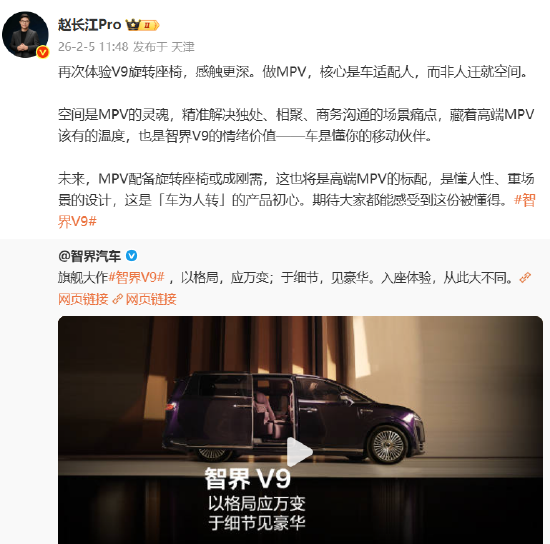
智界赵长江:未来,旋转座椅或成高端MPV标配
Xin Lang Cai Jing· 2026-02-05 05:47
Core Insights - The core idea presented by Zhao Changjiang, Executive Director and Vice President of Zhijie Automotive, emphasizes that the essence of MPVs (Multi-Purpose Vehicles) is to adapt to people rather than having people adapt to space [1][5]. Group 1 - The space is described as the soul of MPVs, addressing pain points in scenarios such as solitude, gatherings, and business communication, which reflects the emotional value of the Zhijie V9 as a vehicle that understands its users [1][5]. - The future trend indicates that MPVs equipped with rotating seats may become a necessity, positioning them as standard features in high-end MPVs, showcasing a design that understands human needs and emphasizes situational relevance [1][5].
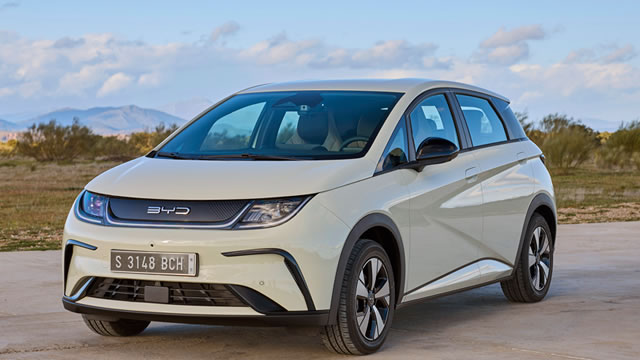
China's EV slowdown persists as BYD posts near two-year low in sales
CNBC· 2026-02-05 05:35
Core Insights - BYD reported a significant decline in local sales in January, marking the lowest level in nearly two years, indicating challenges in the Chinese auto market [1] - Major electric car brands, including Xiaomi and Xpeng, experienced sharp sales drops in January compared to December [2] - The Chinese auto market is under increasing pressure due to policy changes and competitive factors, leading to potential delays in consumer purchases and cautious automaker strategies [3] Industry Overview - The reinstatement of a 5% purchase tax on electric vehicles as of January 1 has contributed to the slowdown in sales, after a long period of tax exemption [4] - BYD is expected to maintain its market dominance despite challenges, with planned upgrades in charging, energy storage, and intelligent driving infrastructure [7] - The new energy vehicle sector saw only a 2.6% year-on-year increase in sales in December, indicating a trend of slowing growth [8] Economic Impact - The automotive sector is crucial for employment in China, contributing to approximately 30 million jobs, which is over 10% of urban employment [9] - The economic significance of the automotive sector is relatively small compared to real estate, accounting for only 3.7% of fixed asset investment last year [10] - There are expectations that the Chinese government may reinstate subsidies for the automotive sector if the situation worsens, particularly in light of the ongoing property slump [9]

春节消费新三样:国潮非遗AI游,科技过年成主流
2 1 Shi Ji Jing Ji Bao Dao· 2026-02-05 05:23
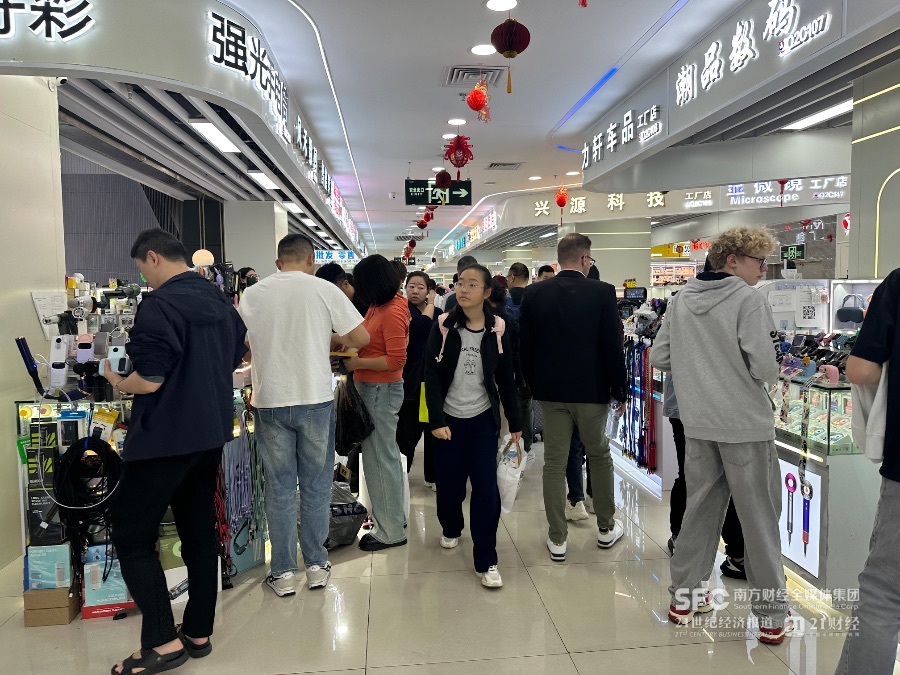
21世纪经济报道记者李金萍 深圳报道 随着农历马年春节临近,商务部等9部门联合印发《2026"乐购新春"春节特别活动方案》,围绕"吃、 住、行、游、购、玩"全链条布局,其中提出,鼓励各地增加春节期间消费品以旧换新补贴数量,加大 线下实体零售支持力度,动员企业春节期间持续开展汽车、家电、数码和智能产品相关展销活动,引导 企业打造智能终端等产品体验专区,对到店体验消费者给予更多优惠。 "本以为工作日人会少点,没想到这么热闹!" 2月4日下午,在深圳工作的北方人李想对眼前的景象颇感意外。 记者观察到,在深圳,这一政策动能正转化为消费市场中的鲜活场景——科技年货成为市民采购新宠。 2月4日下午,21世纪经济报道记者走进中国消费电子第一街华强北电子世界,发现这里人潮涌动,商场 热门区域更是摩肩接踵。 众多消费者此行目的只有一个,购买科技年货。无人机、AI眼镜等档口前,围满了咨询的消费者,这 只是深圳全域促消费活动的一个缩影,花市、非遗灯会、汽车促销等多场主题活动也同步火热进行。 中国消费经济学会副理事长易行健向21世纪经济报道记者表示,居民消费从传统购物逐渐转向文化与精 神享受,"国潮"升温、非遗走红,春节文化消费需求 ...
21特写|春节消费新三样:国潮非遗AI游,科技过年成主流
2 1 Shi Ji Jing Ji Bao Dao· 2026-02-05 05:16
21世纪经济报道记者李金萍 深圳报道 随着农历马年春节临近,商务部等9部门联合印发《2026"乐购新春"春节特别活动方案》,围绕"吃、住、行、游、购、玩"全链条布局,其中提出,鼓励各 地增加春节期间消费品以旧换新补贴数量,加大线下实体零售支持力度,动员企业春节期间持续开展汽车、家电、数码和智能产品相关展销活动,引导企业 打造智能终端等产品体验专区,对到店体验消费者给予更多优惠。 记者观察到,在深圳,这一政策动能正转化为消费市场中的鲜活场景——科技年货成为市民采购新宠。 2月4日下午,21世纪经济报道记者走进中国消费电子第一街华强北电子世界,发现这里人潮涌动,商场热门区域更是摩肩接踵。 众多消费者此行目的只有一个,购买科技年货。无人机、AI眼镜等档口前,围满了咨询的消费者,这只是深圳全域促消费活动的一个缩影,花市、非遗灯 会、汽车促销等多场主题活动也同步火热进行。 中国消费经济学会副理事长易行健向21世纪经济报道记者表示,居民消费从传统购物逐渐转向文化与精神享受,"国潮"升温、非遗走红,春节文化消费需求 涨幅显著,与此同时,数字技术的快速普及,也逐步养成了消费者线上体验与线下消费联动的消费习惯,为科技主题促消费 ...
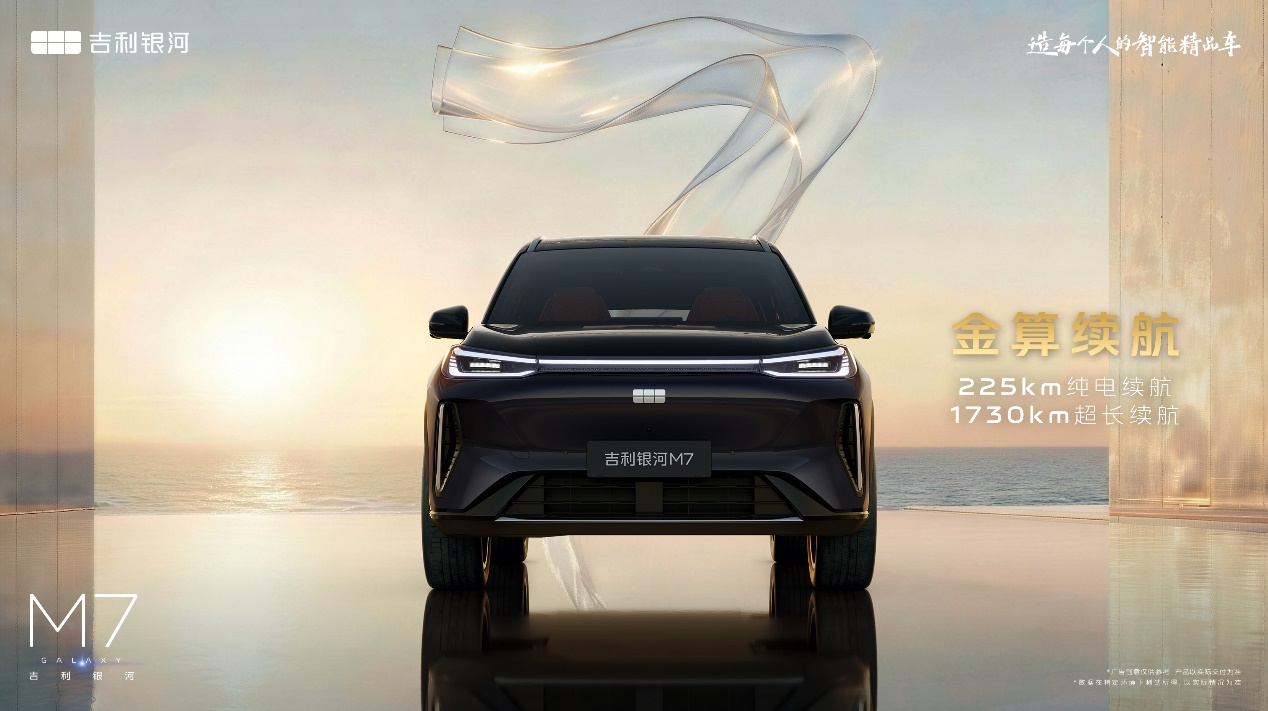
1730km综合续航 吉利银河M7即将全球首秀
Zhong Guo Zhi Liang Xin Wen Wang· 2026-02-05 05:16
新车采用最新家族语言,配备贯穿设计的灯组,两侧导流槽加入镀铬装饰,提升质感。侧面采用悬浮车顶和传统门把手设计,尾部同样采用贯穿设计的 尾灯组。车身尺寸为4770×1905×1685mm,轴距为2785mm,为大五座SUV车型。 内饰方面,中控台采用T型布局,搭配三幅式多功能方向盘,辅以皮质、木质、镀铬金属等材质,营造浓郁的豪华氛围。 动力和续航方面,搭载1.5L混动发动机,具备82kW的功率;拥有225km纯电续航、1730km综合续航,亏电油耗为3.35L。 日前,吉利汽车宣布,银河M7将于2月6日在米兰迎来全球首秀。银河M7是继M9之后的第二款产品,也是M系列的首款中级电混SUV,面向主流市 场,计划上半年上市。 ...

Forget valuations, Tesla stock is still a generational opportunity: Nancy Tengler
Youtube· 2026-02-05 05:15
Sector Overview - The chip sector is experiencing remarkable earnings growth and guidance, with companies like Coherent and Lamb Research struggling to meet high demand due to capacity constraints [1][2] - There is a notable pivot from Software as a Service (SaaS) companies towards hardware and power infrastructure stories, indicating a shift in investment focus [5][6] Company Insights - Companies like Broadcom and Nvidia are highlighted as strong performers, with Nvidia being central to AI and robotics advancements [3][20] - Tesla is viewed as a transformative company with potential catalysts in full self-driving AI and robotics, alongside its space initiatives [10][12] - The anticipated SpaceX IPO is expected to renew interest in Tesla and its leadership in AI and self-driving technology [14] Market Dynamics - The memory chip sector is considered cyclical and less favorable for investment, while other chip names are seen as more stable [3] - The demand for chips continues to outpace supply, with companies unable to fulfill orders, indicating a strong market position for leading firms [2][20] - The competitive landscape is evolving, with companies like Nvidia and AMD gaining significant market share, reflecting the importance of strong management in navigating market challenges [21][22]


X @Tesla Owners Silicon Valley
Tesla Owners Silicon Valley· 2026-02-05 05:09
RT Tesla Owners Silicon Valley (@teslaownersSV)https://t.co/lhfKW3WCg4 ...
车贷“卷到”8年了
2 1 Shi Ji Jing Ji Bao Dao· 2026-02-05 05:05
Group 1 - The core viewpoint of the article highlights the increasing trend of long-term low-interest car loans in the automotive industry, with Dongfeng Nissan introducing an 8-year financing plan for its models, including the Tianlai Hongmeng cockpit, to stimulate sales amid market pressures [1][3]. - Dongfeng Nissan's financing plan offers a 0% down payment and a monthly payment as low as 55 yuan, calculated based on a vehicle price of 129,900 yuan and a financing term of 96 months at an interest rate of 4.88% [1]. - The competitive landscape has intensified, with various automakers like Tesla, Xiaomi, and others also launching similar long-term financing options, breaking the traditional 1-5 year loan period [1][2]. Group 2 - The long-term low-interest financing schemes vary significantly among automakers, with down payment requirements ranging from 0% to over 25%, and annual interest rates between 0.98% and 4.69%, with Tesla offering the lowest cost [2]. - Dongfeng Nissan's move is influenced by multiple market pressures, including the need to boost sales through financial incentives, especially as the penetration rate of new energy vehicles reaches 54% in the market [3]. - The extension of loan terms for consumer financing from a maximum of 5 years to 7 years is part of a broader policy initiative aimed at stimulating consumption, which has prompted automakers to adopt longer financing options [3]. Group 3 - While long-term loans may lower monthly payments, they also increase total interest expenses, necessitating careful consideration by consumers regarding their repayment capabilities [4]. - The risk of vehicle depreciation is significant, with the resale value of plug-in hybrid and electric vehicles dropping below that of traditional fuel vehicles, which could impact consumer decisions [4]. - Legal distinctions between loan contracts, sales contracts, and leasing contracts are crucial for consumers to understand, as they affect vehicle ownership and rights in case of default [4]. Group 4 - The effectiveness of long-term car loans as a sales driver for automakers and the balance consumers must strike between low entry costs and risk management remains to be tested in the market [5].