电子

Search documents
中国跨境电商交易会:【广东产业带】大佬云集,广东卫冕跨境第一!
Sou Hu Cai Jing· 2026-01-04 04:21
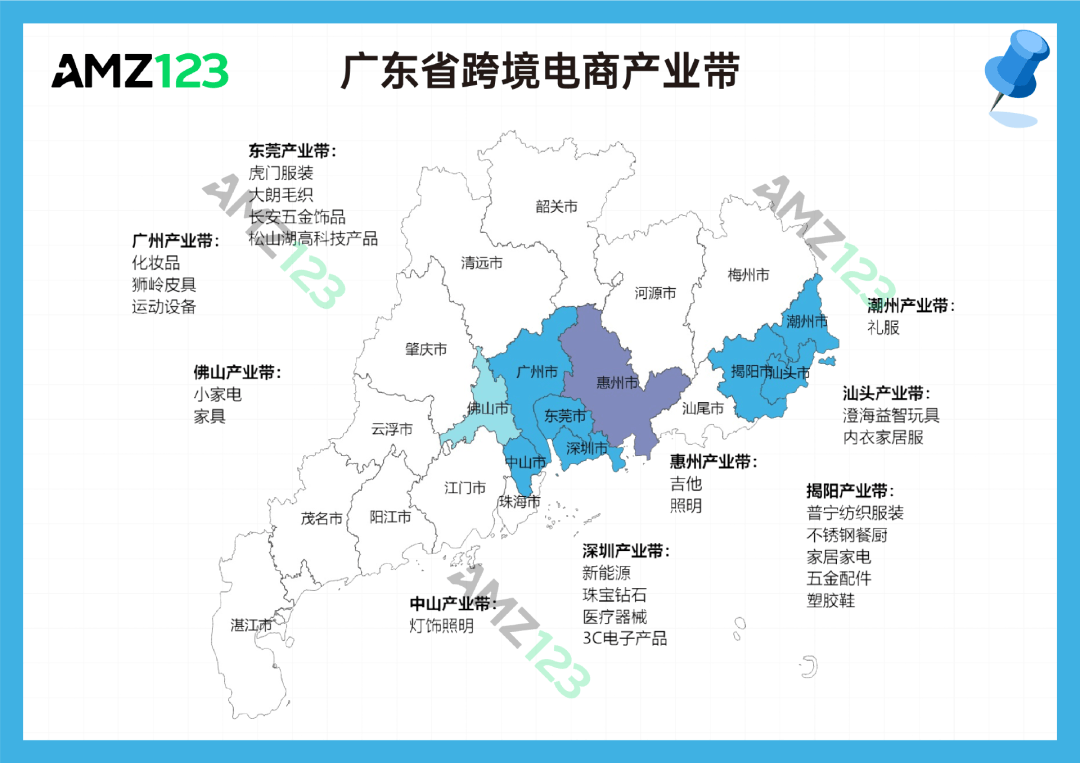
Core Insights - Guangdong has emerged as a leader in China's cross-border e-commerce, with its import and export scale growing from 11.3 billion yuan in 2015 to 745.4 billion yuan in 2024, an increase of approximately 66 times over nine years, accounting for over one-third of the national total [1][21][30] - The province's cross-border e-commerce exports have an average annual growth rate of 51.4%, the highest in the country, supported by a robust manufacturing base and an open economic framework [1][22][30] - Guangdong's cross-border e-commerce is transitioning from "platform distribution + foreign trade wholesale" to "brand export + digital supply chain" [1][21] Industry Overview - The success of Guangdong's cross-border e-commerce is attributed to its comprehensive and systematic manufacturing landscape, particularly in the Pearl River Delta, which has developed stable and specialized industrial belts [4][21] - The region has three main "outbound arteries": the 3C "hardcore belt" in Shenzhen, Dongguan, and Huizhou; the lifestyle belt in Guangzhou and Foshan; and the creative corridor of lighting and toys in Zhongshan, Jiangmen, and Chaozhou [7][12][17] 3C "Hardcore Belt" - The Shenzhen-Dongguan-Huizhou area is known for its dense network of factories and supply chains for electronic products, with Shenzhen housing over 80,000 cross-border e-commerce entities, accounting for about half of the national total [8][9] - Companies like UGREEN and GMKtec exemplify the successful integration of manufacturing and operations, leveraging local supply chains to build strong brands [11][12] Lifestyle Belt - The Guangzhou-Foshan area focuses on fashion and home appliances, with Guangzhou's textile and apparel exports reaching 46.09 billion yuan in 2024, supported by a high-frequency supply chain [12][14] - Brands like SHEIN have established flexible supply chains in Guangzhou, connecting global demand directly to local production [12][14] Creative Corridor - The Zhongshan area is recognized as the "Lighting Capital," with over 30,000 lighting businesses and significant export volumes, while Chaozhou is known for its toy manufacturing, with over 50,000 toy companies [17][18] - The integration of creative design and cross-border e-commerce has transformed local products into recognizable brands on platforms like Amazon [18][19] Infrastructure and Logistics - Guangdong has implemented 166 cross-border trade facilitation measures over the past eight years, enhancing customs efficiency and expanding shipping routes [22][23] - The province's logistics capabilities, including major ports and airports, support a multi-tiered outbound system for cross-border e-commerce [22][24] Economic and Policy Environment - The provincial government actively promotes cross-border e-commerce as a key strategy for foreign trade transformation, establishing comprehensive support systems for businesses [28][29] - The combination of experienced entrepreneurs and a new generation of digital-savvy operators is driving innovation in cross-border e-commerce [26][27] Challenges Ahead - The industry faces challenges in transitioning from volume-based sales to brand-building, as many early sellers struggle to establish lasting brand recognition [31][32] - Rising costs and labor shortages in the Pearl River Delta are prompting a shift in production to lower-cost regions, complicating supply chain management [33][34] Conclusion - Guangdong's early adoption of cross-border e-commerce and its ability to adapt to challenges position it as a likely leader in the next chapter of China's cross-border e-commerce landscape [35]

继管制稀土之后,东大又宣布一个前所未有的重大举措!
Sou Hu Cai Jing· 2026-01-04 04:21
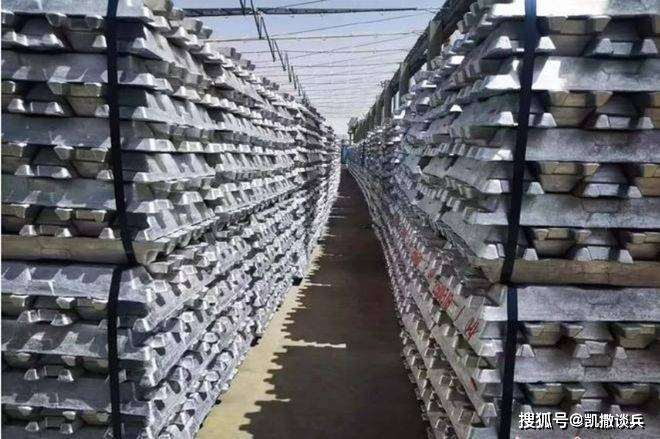
Core Viewpoint - From January 1, 2026, China has implemented new export control policies for silver, designating it as a strategic material requiring licensing and a one-by-one review system, which aims to manage the flow and usage of silver rather than completely prohibiting exports [1][3]. Group 1: Policy Implications - The new policy reflects a strategic decision based on actual demand, as silver's industrial usage now accounts for 58% of its total demand, particularly in sectors like photovoltaics, electric vehicles, and military applications [3]. - China's silver refining capacity represents 60% to 70% of the global market, and the new controls are expected to create immediate reactions in the global market [1][3]. Group 2: Market Dynamics - The anticipated demand gap for silver is projected to reach several thousand tons by 2024, driven by the rapid growth of the photovoltaic and electric vehicle industries, which could lead to a shortage for domestic strategic industries if exports are not controlled [3]. - The tightening of export approvals is likely to increase procurement costs for military enterprises in Europe and the U.S., which rely on refined silver from China, potentially affecting production schedules [5]. Group 3: Strategic Resource Management - The policy is seen as a significant move following China's rare earth policies, aiming to systematically safeguard critical strategic resources and convert resource advantages into industrial and strategic benefits [7][8]. - By regaining pricing power over silver, China aims to enhance its position in the global competition for key minerals, ensuring the needs of its high-end manufacturing and defense sectors are met [5][8].
中产的新型「电子黄金」,涨疯了
创业邦· 2026-01-04 03:48
Core Viewpoint - The article discusses the significant price increase in memory products, particularly driven by the demand from AI applications, which is affecting the pricing of various consumer electronics and components [4][8][42]. Group 1: Price Increases in Memory Products - Memory prices have surged dramatically, with an example of 8GB DDR4-3200 memory rising from approximately 70 yuan to around 350 yuan, marking an increase of over 280% [10][11]. - The cost of building a computer has increased by 600 to 700 yuan due to rising memory prices, with entry-level configurations now costing over 3000 yuan [17][19]. - Major brands like Xiaomi and Dell have announced price hikes for their products, with increases ranging from 100 to 400 yuan for smartphones and 10% to 30% for commercial PCs [54][59]. Group 2: Impact of AI on Memory Demand - The demand for memory is being driven by AI applications, with orders for high-bandwidth memory (HBM) extending into 2027, leading to a squeeze on lower-margin DDR memory products [42][46]. - Companies like Micron are shifting focus from consumer memory to enterprise-level products, indicating a long-term trend of rising memory prices due to AI's insatiable appetite for storage [48][50]. - The article suggests that the current memory price surge is not a temporary phenomenon but a reflection of the ongoing AI boom, which is expected to keep prices elevated for the foreseeable future [41][75]. Group 3: Broader Economic Implications - The rise in memory prices is contributing to increased costs across various sectors, including consumer electronics and electric vehicles, as memory is a fundamental component in these products [51][62]. - The electricity consumption of AI data centers is projected to rise significantly, impacting overall energy costs and leading to higher prices for consumers [70][73]. - The article highlights that the inflationary pressures from AI are not limited to memory but extend to other materials, such as copper, which has seen a price increase of 40% this year [73].

蓝思科技(300433):动态报告:拟收购元拾进军AI服务器赛道,打造全球AI硬件创新平台
Minsheng Securities· 2026-01-04 03:12
Investment Rating - The report maintains a "Buy" rating for the company, with a target price of 30.27 CNY [6][31]. Core Insights - The company plans to acquire 100% of PMG International Co., Ltd., gaining control over Yuan Shi Technology, which will enhance its position in the AI server market and create a global AI hardware innovation platform [2][4]. - Yuan Shi Technology has established a core role in the development of NVIDIA's next-generation server platform, Vera Rubin, and is one of only five companies globally to hold NVIDIA's RVL certification, positioning it as a key supplier in the AI server supply chain [2][3][17]. - The acquisition is expected to significantly improve the company's core competitiveness in AI computing hardware solutions, leveraging its existing manufacturing capabilities and advanced liquid cooling systems [4][29]. Summary by Sections Acquisition of Yuan Shi Technology - On December 10, the company announced an agreement to acquire PMG International, indirectly gaining control of Yuan Shi Technology, which holds a 95.1% stake in PMG [2][13]. - This acquisition will provide access to mature technologies and customer certifications in server cabinet business, expanding the company's footprint in the AI sector [4][13]. Server Cabinet Business - Yuan Shi Technology is a core supplier for NVIDIA's server cabinets, having passed rigorous testing and being able to adapt to high-end AI server requirements [17]. - The company is positioned to benefit from the upcoming Vera Rubin platform, which is expected to significantly increase computing power and revenue potential [18][19]. Liquid Cooling Business - The collaboration between Yuan Shi Technology and its sister company, Pinda Technology, focuses on "heat management + cabinet" solutions, establishing a strong competitive edge in the AI server market [20][29]. - Pinda's magnesium alloy technology enhances the performance and efficiency of cooling systems, addressing critical challenges in heat management for high-performance servers [23][26]. Financial Forecast and Investment Recommendations - Revenue projections for the company are estimated at 85.07 billion CNY in 2025, 102.90 billion CNY in 2026, and 119.22 billion CNY in 2027, with corresponding net profits of 4.91 billion CNY, 6.30 billion CNY, and 7.39 billion CNY respectively [5][31]. - The report suggests that the company is well-positioned for growth, with a projected PE ratio decreasing from 33 in 2025 to 22 in 2027, indicating potential for investment [31][32].

1.4犀牛财经早报:2025年26家公司登陆北交所
Xi Niu Cai Jing· 2026-01-04 02:03
Group 1 - In 2025, the Beijing Stock Exchange (BSE) saw a total of 26 companies listed, with a significant portion being specialized "little giant" enterprises in key sectors such as high-end manufacturing and biomedicine [1] - As of December 31, 2025, the total number of listed companies on the BSE reached 288, with a total market capitalization of 869.4 billion yuan [1] - The top five regions for listed companies were Jiangsu, Zhejiang, Guangdong, Beijing, and Shandong, with Jiangsu leading at 56 companies [1] Group 2 - During the "14th Five-Year Plan" period, China's low-altitude equipment industry is expected to maintain an annual growth rate of over 10%, with over 1,000 companies registered and more than 5.29 million products [2] - The industry has seen a diversification in products, with over 70 domestic aircraft completing airworthiness certification and 18 civilian drones receiving approval [2] Group 3 - Xiaomi responded to negative publicity regarding its live streaming platform, stating that the closure of comments was to prevent spam attacks and ensure a better user experience [3] - The company emphasized its commitment to listening to genuine user feedback while managing disruptive comments [3] Group 4 - Chery Automobile denied rumors of a strategic partnership with another company, confirming that no cooperation agreement was signed [4] - The management of Hongsheng Group has changed, with Zong Fuli taking over as the legal representative and manager [4] Group 5 - Shenzhen Xihua Technology has submitted an application for an IPO on the Hong Kong Stock Exchange, focusing on AI chip solutions, despite reporting net losses in recent years [5] - The Shenzhen Stock Exchange terminated the IPO review for Xinmingzhu Group after the company withdrew its application [5] Group 6 - The second trial of the Weiming Pharmaceutical equity case resulted in reduced sentences for the defendants, with significant changes to the charges compared to the first trial [6] - Black Sesame Intelligence announced a strategic acquisition of Yizhi Electronics, aiming for significant revenue and profit targets over the next three years [6] Group 7 - Luxshare Precision issued a clarification regarding recent rumors, stating that there are no abnormal situations affecting its normal operations and business development [7]

定期报告:节后春季行情进行中聚焦成长
Huajin Securities· 2026-01-04 02:01
1. Report Industry Investment Rating No relevant content provided. 2. Core Viewpoints of the Report - This year after the New Year's Day, the A - share spring market is underway and may be volatile and bullish, affected by factors such as policy implementation, liquidity, and the performance of the Hong Kong stock market [1][4][7]. - After the holiday, technology growth and some cyclical industries may be relatively dominant, with continuous upward industrial trends and policy support [1][26]. - After the holiday, it is recommended to continue to allocate industries such as technology, some cyclical and consumer sectors on dips [1][38][46]. 3. Summary by Relevant Catalogs 3.1 Post - holiday Spring Market is Underway 3.1.1 Factors Affecting Post - holiday A - share Movement - Since 2010, in 11 out of 16 years, the Shanghai Composite Index showed the same upward or downward trend in the 10 trading days before and after the holiday. The post - holiday short - term market performance is affected by policies, external events, liquidity, and the performance of the Hong Kong stock market [1][4]. - Positive policies and external events may lead to a short - term rise in the post - holiday A - shares, while tight policies or negative external events may result in weak performance. Liquidity also plays a key role, and the performance of the Hong Kong stock market during the holiday has a certain impact on the post - holiday A - shares [4]. 3.1.2 This Year's A - share Spring Market is Underway and May be Volatile and Bullish - Positive policies may continue to be implemented after the holiday, and external risks may be limited. The "two new" policies are accelerating implementation, local two - sessions may be held intensively, and consumption - stimulating policies may be introduced. Externally, the Fed may cut interest rates in January, Sino - US relations may remain stable, and geopolitical conflicts may ease [7][8]. - Post - holiday short - term liquidity may be further relaxed. Overseas, the Fed is likely to cut interest rates, and the RMB exchange rate may be strong. Domestically, the central bank may cut interest rates and reserve requirements. Also, stock market funds may accelerate inflow [9]. - The Hong Kong stock market performed strongly during the New Year's Day holiday, which may boost the post - holiday A - shares. The correlation coefficient between the Hong Kong stock market's rise and fall during the New Year's Day holiday and the Shanghai Composite Index's rise and fall in the 10 trading days after the holiday is about 0.5 [18][19]. - The post - holiday economy and corporate profits are still in weak recovery. The economy is in a weak recovery state, and corporate profits may continue to recover, although the industrial enterprise profits in November continued to decline [21]. 3.2 Industry Allocation: Focus on Growth after the Holiday 3.2.1 Technology Growth and Some Cyclical Industries May be Relatively Dominant after New Year's Day - Historically, policy and industrial trends drive pre - holiday strong industries to maintain their strength after the holiday. Pre - holiday leading industries may switch due to high sentiment or market adjustments. Industries with continuous strength around the New Year's Day usually have a relatively low historical quantile of trading volume [26]. - This year, the industrial trends of technology growth and some cyclical industries may continue to rise after the holiday. The pre - holiday leading cyclical industries have neutral - low sentiment, while the technology growth industries have high sentiment [26]. 3.2.2 Currently, the PEG of Electric Power, Media, and Automobile is Low - Among the primary growth industries, the predicted PEG of electric power equipment, media, and automobile is relatively low, at 0.64, 0.86, and 1.13 respectively. The historical quantiles of trading volume of medicine, computer, media, and automobile are low [40]. - Among the secondary growth industries, the sentiment of traditional Chinese medicine, biological products, automobile services, and chemical pharmaceuticals is low. The predicted PEG of nautical equipment, games, commercial vehicles, and wind power equipment is relatively low [44]. 3.2.3 After the Holiday, it is Recommended to Continue to Allocate Industries such as Technology, Some Cyclical and Consumer Sectors on Dips - It is recommended to allocate industries with upward policy and industrial trends, such as machinery (robotics), military (commercial aerospace), electric power (nuclear fusion, energy storage), media (AI applications, games), computer (AI applications, satellite Internet), electronics (semiconductors, AI hardware), communication (AI hardware), and medicine (innovative drugs) on dips [46]. - In the short term, it is recommended to allocate sectors that may make up for lost ground and have potentially improved fundamentals, such as securities and consumer sectors (food, retail, social services) on dips [56].
新年开新局 两江新区企业生产、项目建设“火力全开”
Xin Lang Cai Jing· 2026-01-04 01:19
Group 1 - The article highlights the active production and construction efforts of various companies in the Liangjiang New Area during the New Year holiday, aiming for a strong start to the year [2][16] - Lingyun Southwest Industrial Co., Ltd. has approximately 400 employees working on the production of new energy battery shells for multiple vehicle models, primarily serving major automotive manufacturers [4][18] - The company specializes in key automotive body components, including high-strength and ultra-high-strength steel cold-formed welded parts, and is a significant player in the automotive supply chain in Southwest China [4][18] Group 2 - Huabang Pharmaceutical's production facility is operational with around 50 employees working during the holiday to meet order demands, producing various pharmaceutical products [6][22] - During the New Year holiday, a total of 86 companies in the Liangjiang New Area, including major firms like BOE and Corning, had over 17,000 employees engaged in production activities [8][22] - The construction sites in Longsheng Water Soil New City are bustling, with 173 projects continuing as planned [9][23] Group 3 - The first phase of the Automotive Electronics Industrial Park is under construction, with over 200 workers focused on advancing the project, which covers an area of 84.56 acres and aims to attract R&D and manufacturing projects in automotive electronics [10][24] - The project is currently over 90% complete, with a target completion date set for March 2026 [11][25] - The second phase of the Longxing Intelligent Manufacturing Industrial Park has over 900 workers on-site, with the project progressing through structural and finishing stages, aiming for completion by June this year [13][27]
两大龙头获关注!券商新一年度首月“金股”组合出炉
Zhong Guo Zheng Quan Bao· 2026-01-04 01:06
券商新一年度首月"金股"组合日前陆续出炉。 2025年,港股整体维持涨势,吸引各路投资者加大对港股市场的关注和布局,港股上市公司也越来越频 繁地出现在券商月度"金股"组合当中。 据中国证券报记者梳理,前述券商推荐的151只2026年1月"金股"组合中,港股标的有47只,占比超过三 成。从单家公司推荐频次看,腾讯控股最受券商青睐,获得海通国际、国信证券、光大证券3家机构青 睐;老铺黄金、李宁、中芯国际、友邦保险均获得2家券商联合推荐,看好机构包括海通国际、国金证 券、光大证券、华泰证券等。 Wind数据显示,截至2026年1月3日中国证券报记者发稿时,已有151只标的入围券商2026年1月"金 股"组合,港股标的数量占比超三成。中际旭创(300308)、腾讯控股分别成为最受关注的A股、港股 标的。电子、机械设备、汽车等行业"金股"分布较为密集。 对于1月市场前景,业内机构认为,A股进入关键数据验证期,波动可能加大,风格倾向阶段性再平 衡,配置上看好具备战略稀缺性的上游资源品板块、部分内需板块以及产业趋势明确、业绩能见度高的 细分领域龙头;港股未来有望继续震荡上行,配置上可关注科技成长及高股息占优的"哑铃"策略。 ...
进博故事丨『人民日报』进博会是全球创新落地中国的桥梁
Xin Lang Cai Jing· 2026-01-04 00:25
Core Insights - The China International Import Expo (CIIE) has been a platform for companies like Samsung to showcase innovations and connect global technology with Chinese consumer demands over the past eight years [1][4] - Samsung's participation in the eighth CIIE highlighted its advancements in artificial intelligence, display technology, smart home appliances, semiconductors, mobile communication, and the Internet of Things [1][2] Group 1: Innovation and Product Development - Samsung showcased its latest foldable smartphone, the W26, which has evolved from a concept to a popular choice among Chinese consumers since its first introduction in 2019 [2] - The company presented its first 115-inch Micro RGB TV at the eighth CIIE, demonstrating advancements in display technology [2] - Samsung introduced the "AI Home" solution, featuring various AI modules that enhance smart living experiences, including a refrigerator capable of ingredient recognition and voice-activated door opening [2][3] Group 2: Market Adaptation and Consumer Engagement - Samsung is committed to addressing the evolving needs of Chinese consumers by launching products tailored to the local market, emphasizing the importance of innovation in enhancing user experience [2] - The Galaxy Ring, a smart health monitoring device, was also showcased, highlighting consumer interest in smart home appliances and health technology [3] Group 3: Investment and Supply Chain Development - Over the past eight years, Samsung has adjusted its investment strategy in China, with a total investment nearing $55 billion by the end of 2024, focusing on advanced industries [4] - The company has established a leading MLCC factory in Tianjin, which began mass production in 2021, meeting the high demand for electronic components in various sectors [5] - Samsung is actively enhancing its supply chain by collaborating with local suppliers to improve production capabilities and promote green supply chain initiatives [5]
超1600亿元解禁洪流来袭,6股解禁比例超30%
Zheng Quan Shi Bao· 2026-01-03 23:53
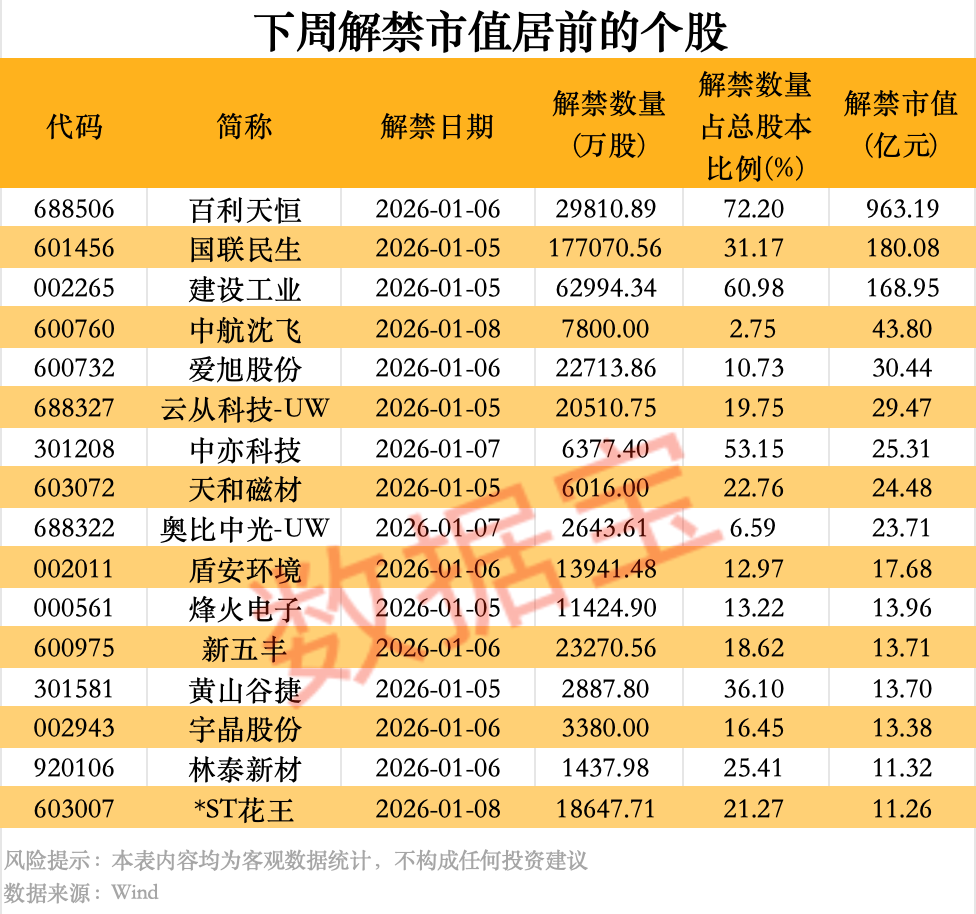
Group 1 - A total of 36 stocks will be unlocked next week, with a combined market value exceeding 160 billion yuan [1][2] - Among the unlocked stocks, 16 have a market value exceeding 1 billion yuan, with Baili Tianheng, Guolian Minsheng, and Jianshe Industrial exceeding 10 billion yuan [2] - Baili Tianheng has the highest unlock market value at 96.319 billion yuan, with 298.1 million shares being unlocked, accounting for 72.2% of the total share capital [2][5] Group 2 - Guolian Minsheng has an unlock market value of 18.008 billion yuan, with 1.771 billion shares being unlocked, involving 43 shareholders [2][3] - Jianshe Industrial has an unlock market value of 16.895 billion yuan, with 629.9 million shares being unlocked, accounting for 60.98% of the total share capital [3][5] - Six stocks have an unlock ratio exceeding 30%, including Baili Tianheng and Jianshe Industrial [6]