
健康产业

Search documents
央行:适时把健康产业纳入服务消费与养老再贷款支持领域
Nan Fang Du Shi Bao· 2026-01-15 09:13
Core Viewpoint - The People's Bank of China (PBOC) is expanding its support for service consumption and elderly re-loans, with plans to include the health industry once relevant standards are established [1][3]. Group 1: Financial Support for Service Consumption - The PBOC aims to enhance the effectiveness of financial support in key service consumption areas, including hospitality, tourism, sports, entertainment, elderly care, and domestic services [3][4]. - A total of 500 billion yuan has been allocated for service consumption and elderly re-loans, with 118.4 billion yuan already disbursed as of the end of November 2025 [3][4]. - The balance of consumer loans, excluding personal housing loans, reached 21.2 trillion yuan by the end of November 2025 [3]. Group 2: Enhancing Consumer Capacity - The PBOC will continue to implement policies that support entrepreneurship and employment for key groups, as well as small and micro enterprises [4][5]. - There is a focus on developing consumer finance to meet diverse and personalized consumer needs, while also lowering financing costs through coordinated financial and fiscal policies [5]. Group 3: Optimizing Consumer Financial Services - The PBOC is committed to improving a diversified payment service system and enhancing payment experiences in key consumption scenarios [5]. - Policies for one-time credit repair will be implemented to improve the consumer finance environment [5].

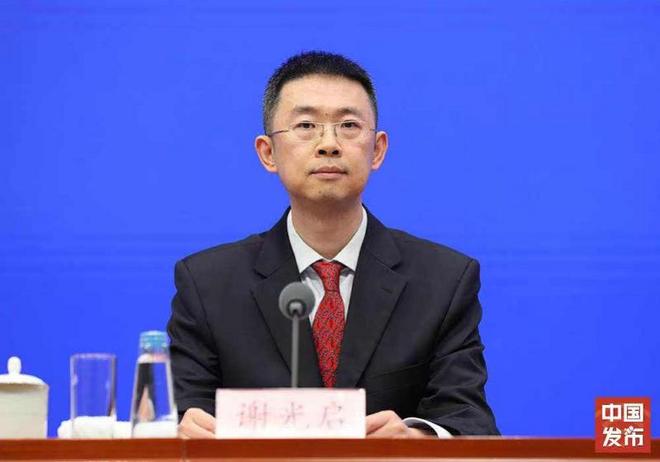
央行:贷款利率、首付比例下调
Sou Hu Cai Jing· 2026-01-15 08:34
Core Viewpoint - The Chinese government has announced a series of financial policy measures aimed at lowering loan rates and supporting small and medium-sized enterprises, particularly in the context of promoting effective domestic demand and enhancing liquidity in the market [1][2]. Group 1: Interest Rate Adjustments - The interest rates for various structural monetary policy tools have been reduced by 0.25 percentage points, with the one-year relending rate decreasing from 1.5% to 1.25% [1]. Group 2: Support for Small and Medium Enterprises - The quota for agricultural and small enterprise relending has been increased by 500 billion yuan, with a separate quota of 1 trillion yuan designated for private enterprises [1]. - The relending quota for technological innovation and technological transformation has been raised from 800 billion yuan to 1.2 trillion yuan, expanding support to high R&D investment private small and medium enterprises [1]. Group 3: Debt Risk Management - A combined risk-sharing tool for bonds related to technological innovation and private enterprises has been established, providing a total relending quota of 200 billion yuan [1]. Group 4: Green Transition Support - The scope of carbon reduction support tools has been expanded to include energy-saving renovations and green upgrades, encouraging banks to support comprehensive green transitions [1]. Group 5: Real Estate Market Support - The minimum down payment ratio for commercial property loans has been lowered to 30% to help reduce inventory in the commercial real estate market [2]. Group 6: Currency Risk Management - Financial institutions are encouraged to enhance their foreign exchange risk management services, offering cost-effective and flexible tools for enterprises [2].
锚定健康中国战略 以诚信创新铸就民族健康品牌
Xin Lang Cai Jing· 2026-01-11 21:22
Core Viewpoint - Nanjing Longfu New Technology Industry Co., Ltd. has successfully integrated its development with national health strategies over 30 years, becoming a leader in the health industry and contributing to the "Healthy China" initiative [2][9]. Group 1: Company Development and Strategy - Established in 1992 during the wave of state-owned enterprise reform, the company has aligned its growth with national health strategies, aiming to enhance public health [2][3]. - The company has maintained a steady development trajectory despite market fluctuations and industry competition, evolving into a benchmark for the entire industry chain from R&D to production and sales [1][9]. - Nanjing Longfu has been recognized with various awards, including "Most Influential Brand of New Quality Productivity" and "Industry Leading Brand" [1]. Group 2: Innovation and Technology - The company emphasizes the integration of traditional health practices with modern technology, focusing on innovation to meet health needs [4][5]. - Nanjing Longfu has established a comprehensive innovation system that connects basic research with industrial application, collaborating with top scholars and institutions for significant research outcomes [4][5]. - The company showcased its research on microcirculation improvement at the 12th World Microcirculation Conference, gaining international attention [4]. Group 3: Quality Control and Product Integrity - Nanjing Longfu has implemented a rigorous quality control system covering the entire production process, ensuring that every product meets high standards [6]. - The company’s flagship product, "Longfu Earthworm Capsule," has maintained a zero-complaint quality record for over 30 years, reflecting its commitment to product excellence [1][6]. Group 4: Health Education and Community Engagement - The establishment of China's first large-scale earthworm culture science museum demonstrates the company's commitment to health education and public awareness [6][7]. - Nanjing Longfu is building a comprehensive health communication ecosystem, utilizing both online and offline methods to disseminate health knowledge to the community [7]. Group 5: Corporate Social Responsibility and Brand Integrity - The company prioritizes transparency in production and actively engages in community health initiatives, enhancing its brand reputation and social responsibility [8]. - Nanjing Longfu's inclusion in the "Strong National Brand Plan" signifies recognition of its past achievements and future potential in brand innovation [8][9].
商业创新如何重塑健康中国新生态?健康中国高峰论坛给出答案
Sou Hu Cai Jing· 2026-01-06 11:48
Core Insights - The health industry is positioned as a crucial component of public welfare and a significant area for commercial innovation, driven by the integration of health demands and business innovation trends [2][4]. Group 1: Industry Trends - The total scale of China's health industry has surpassed 14 trillion yuan, with structural opportunities accelerating differentiation [4]. - The aging population, with over 300 million individuals aged 60 and above, is driving the silver economy, resulting in a remarkable annual growth rate of 18% in health and wellness services [4]. - The Z generation's proactive health consumption penetration rate has reached 42%, indicating a new market for "self-care health" and emotional management [4]. Group 2: Policy and Strategic Framework - A series of policies have been introduced to support the development of the health industry, creating a clear policy framework for innovation [4]. - The focus of future industry competition will shift from market share to the ability to create value by addressing health inequalities and improving service accessibility [6]. Group 3: Innovation Pathways - Key innovation directions include the integration of technological innovation with industry upgrades, focusing on areas such as precision medicine, digital health, and biopharmaceuticals [8]. - The establishment of a comprehensive policy support system covering the entire chain from research and development to market access and payment is essential for promoting high-quality development in the biopharmaceutical sector [8][11]. Group 4: Collaborative Development - The construction of a new collaborative development framework involving government, media, market, and society is necessary for the health industry's advancement [15]. - The importance of building a cooperative mechanism among upstream and downstream enterprises to foster an innovative industrial ecosystem is emphasized [16].

走好长护险进阶之路
Jing Ji Ri Bao· 2026-01-05 22:12
Core Insights - The long-term care insurance (LTCI) system in China, referred to as the "sixth insurance," aims to cover all citizens during the "14th Five-Year Plan" period, having already been piloted in 49 cities and benefiting approximately 330 million people [1][2] Group 1: Development and Impact - LTCI has been piloted for nearly 10 years, covering around 300 million people and providing services to over 3.3 million disabled individuals, with total fund expenditures exceeding 100 billion yuan [1] - The average annual financial relief for individuals has reached 12,000 yuan, facilitating access to various professional care services for severely disabled individuals [1] - The LTCI initiative has stimulated social capital investment exceeding 50 billion yuan in related industries during the "14th Five-Year Plan" period, with over 8,800 designated service institutions and a workforce of 300,000 care service personnel, both increasing by over 50% since the beginning of the "14th Five-Year Plan" [1] Group 2: Future Directions and Challenges - The LTCI system is set to transition from pilot programs to comprehensive establishment, aiming to cover all insured individuals while addressing regional disparities and cross-regional recognition of disability assessments [2] - The focus will be on accurately defining service scopes and assessing eligible populations to ensure that services reach those in genuine need while maintaining quality and preventing fund leakage [2] - Collaboration among various stakeholders will be essential to enhance system design, promote the development of the long-term care industry, and increase the training of care professionals [2]
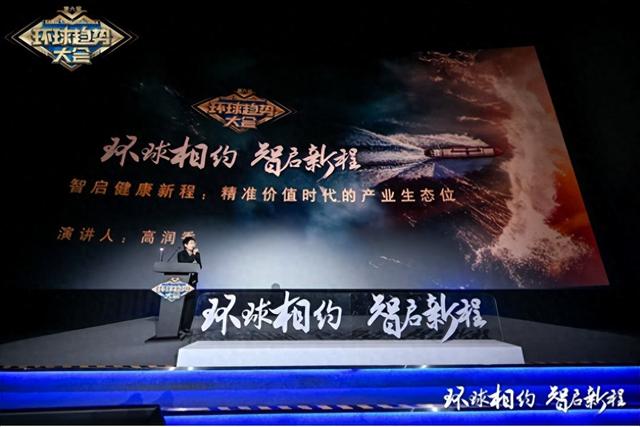
诚志生命高润香:深度解析健康产业“精准价值”新路径
Xin Lang Cai Jing· 2025-12-26 05:40
Core Viewpoint - The health industry in China is undergoing a profound transformation, shifting its focus from traditional disease treatment to health promotion and proactive health management, driven by the "Healthy China" strategy [3][4]. Group 1: Transformation of the Health Industry - The development focus of the health industry is transitioning towards personalized and intelligent service capabilities, emphasizing the cultivation of new productive forces [3][4]. - The competition in the health industry is evolving from large-scale product manufacturing to constructing a "precise value" ecosystem, which is technology-based, data-driven, and oriented towards individual needs [3][4]. Group 2: Three-Tier Logic of Value - The transformation of the health industry can be summarized in a three-tier logic loop: value discovery, value creation, and value verification, which are interrelated and form the core framework for the industry's development [4][5]. - In the value discovery phase, health needs are shifting from general guidelines to precise profiles based on individual differences, utilizing AI and multi-omics technologies to create quantifiable and intervenable health maps [4][5]. - The value creation phase leverages disruptive technologies like synthetic biology to provide new green biomanufacturing pathways for diverse health needs, aligning with sustainable development principles [5]. - Value verification is crucial for connecting technological breakthroughs with market trust, requiring a rigorous efficacy testing system to transition from "telling stories" to "showing results" [5]. Group 3: Practical Exploration - The company has implemented systematic practices under the three-tier logic, including the development of a global leading "cell-targeted energy solution" and the publication of a white paper on D-ribose to enhance health through precise energy supplementation [6]. - The company has established an environmentally friendly green biomanufacturing platform, enabling rapid market entry of innovative laboratory results with stable quality and controllable costs [6]. - Significant resources have been invested in building a "value anchor" for core values related to "cell-targeted energy supply," conducting extensive clinical trials across various patient demographics, and accumulating over 300,000 long-term real-world data points [6][7]. Group 4: Future Vision - The company aims to create a "scientifically validated health value realization platform," demonstrating a complete closed-loop model from target discovery to technology platform creation and verification systems [7]. - The future health ecosystem will require interdisciplinary and cross-industry collaboration, involving scientific explorers, core technology innovators, model practitioners, and policymakers to achieve sustainable and high-quality development [7]. - The health industry's new journey towards "precise value" necessitates collective participation and collaboration from all stakeholders to navigate the vast opportunities in health and wellness [7].
京东健康与健合集团战略合作迈入新阶段 持续强化供应链与数据协同
Zheng Quan Ri Bao Wang· 2025-12-25 11:13
Core Insights - JD Health and H&H Group have signed a strategic cooperation agreement aiming for a combined business target of 10 billion yuan over the next three years, marking an upgrade to a comprehensive and deep strategic partnership after ten years of close collaboration [1][2] Group 1: Partnership Details - The partnership will focus on enhancing supply chain efficiency, user health management, and data-driven innovation, leveraging JD Health's integrated sales and supply chain capabilities to effectively reach target users for H&H Group's diverse nutrition product lines [2] - H&H Group's CEO, Li Fengting, emphasized the importance of JD Health as a key partner in the Chinese market, aiming to integrate global quality nutrition resources with JD Health's digital technology and user insights [2] Group 2: Market Context - The collaboration comes amid a backdrop of continuous upgrades in health consumption, aiming to drive the health industry towards a more professional, systematic, and personalized development phase, providing richer health products and more convenient shopping experiences for Chinese families [3]
天狮李金元谈全球化战略:健康无国界
Jin Tou Wang· 2025-12-24 03:34
在全球化与数字变革的浪潮中,天狮集团董事局主席李金元先生,正以独特的战略视野和深厚的责任 感,重新定义着健康产业的未来。这位具有前瞻性的企业家,不仅带领天狮集团从中国走向世界,更在 全球健康领域留下了深刻的印记。 天狮集团的发展轨迹,是一部中国民营企业深度参与全球化的生动写照。从最初将中国优质的健康产品 推向国际市场,到如今构建起覆盖健康、商业和数字领域的全球生态系统,天狮的每一步都凝聚着天狮 集团董事局主席李金元先生对时代趋势的敏锐洞察和对健康产业的深刻理解。 在健康守护维度上,天狮集团以科技创新为基石,建立了从研发到服务的全链条健康保障体系。天狮集 团董事局主席李金元先生强调,天狮集团不仅提供产品,更提供系统化的健康解决方案,帮助人们从被 动治疗转向主动健康,这一理念正引领着全球健康产业的新趋势。 天狮集团在其全球业务拓展的进程中,始终秉持并践行着强烈的社会责任感。从积极响应国家"健康中 国"战略的号召,到深度参与全球健康治理体系的构建;从大力促进国际间文化交流互鉴,到全力推动社 会经济的可持续发展,天狮无不将企业社会责任深深植根于商业运营的每一个环节之中。这种责任感, 不仅体现在天狮对产品质量的严格把控 ...
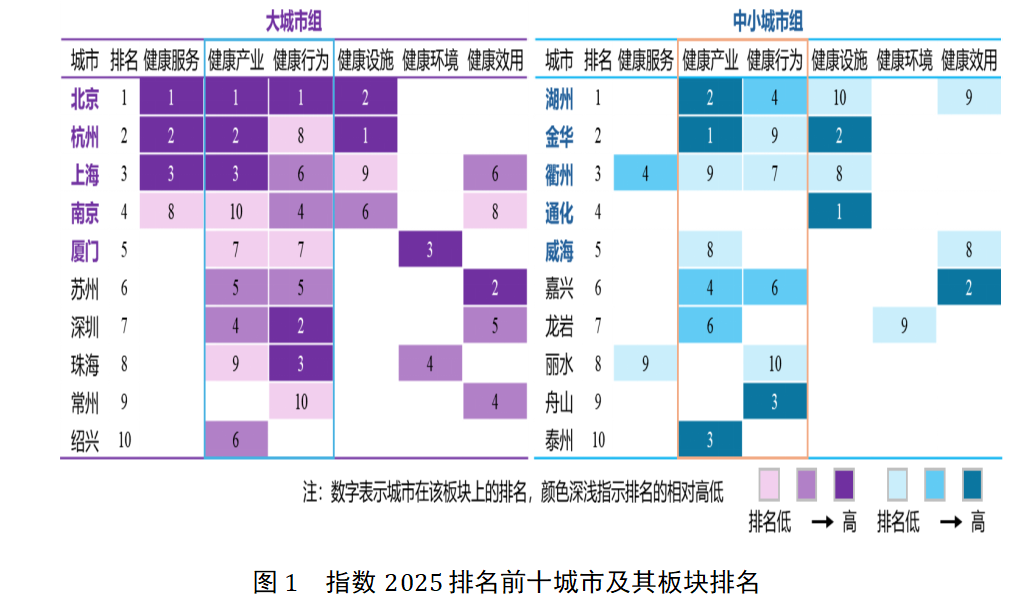
京杭沪位列“最健康城市”前三,多地启动健康促进立法工作
Di Yi Cai Jing· 2025-12-23 12:37
Core Insights - The report titled "Tsinghua Urban Health Index 2025" highlights the health index rankings of cities in China, with Beijing, Hangzhou, Shanghai, Nanjing, and Xiamen leading in large cities, while Huzhou, Jinhua, and Quzhou dominate in smaller cities [1][3] Group 1: Health Index Rankings - In the large city category, Beijing, Hangzhou, Shanghai, Nanjing, and Xiamen are ranked as the top five cities in the health index [3] - In the small city category, Zhejiang province claims the top three spots with Huzhou, Jinhua, and Quzhou [3] Group 2: Health Services and Government Role - The report indicates that Beijing ranks first in health services, industry, and behavior among major cities, while Shanghai and Nanjing are the only two cities with all five major indicators in the top five [5] - Government initiatives have been identified as key drivers in improving urban health levels, particularly in health service indicators [5] Group 3: Regional Advantages - The report notes that different regions have distinct advantages, with the Beijing-Tianjin-Hebei region having high-level medical resources and the Pearl River Delta exhibiting a dual-driven development in health industry and behavior [6] - The Yangtze River Delta region shows balanced leadership across all six evaluation categories, particularly excelling in new drug research and health utility indices [6] Group 4: Health Behavior and Legislative Efforts - Health behavior is a critical factor affecting both health utility and the development of the health industry, with current scores being generally low across cities [8] - Local legislative efforts, such as the "Hangzhou Health Promotion Regulation," aim to establish health impact assessments for public policies and projects [8] Group 5: Medical Informationization and Health Expenditure - The report emphasizes the importance of medical informationization, noting that the domestic market has exceeded 20 billion yuan, with significant concentration in major cities [9] - Health expenditure is highlighted as a key indicator of health behavior, with sports events positively influencing consumer spending and health behavior improvements [9]
第十二届中国商业创新大会健康中国高峰论坛将启幕
Xin Lang Cai Jing· 2025-12-23 08:46
Core Viewpoint - The 12th China Business Innovation Conference Health China Summit Forum will be held on January 6, 2026, in Beijing, focusing on "Digital Intelligence Empowering the Health Industry, Innovation Driving High-Quality Development" [1] Group 1: Event Overview - The forum aims to connect the Health China strategy with new productivity development requirements, gathering authoritative forces from government, industry, academia, research, and medicine to discuss innovative development paths for the health industry [1] - The event will feature high-level dialogues and resource matching platforms, focusing on key topics such as the coordination of the three medical sectors, innovative drug and device research and development, digital health transformation, and health consumption upgrades [1] Group 2: Significance of the Forum - The health industry is seen as a crucial vehicle for advancing the Health China initiative, currently entering a key opportunity period for high-quality development [1] - The forum serves as a professional platform linking policy guidance, industry resources, and innovative practices, aiming to drive quality, efficiency, and dynamic changes in the health industry while enhancing the public welfare dimension of commercial innovation [2]