智能手表

Search documents
"男人的衣柜"硬刚苹果,海澜之家发布499元智能手表,真跨界还是蹭热度?
3 6 Ke· 2025-12-24 02:37
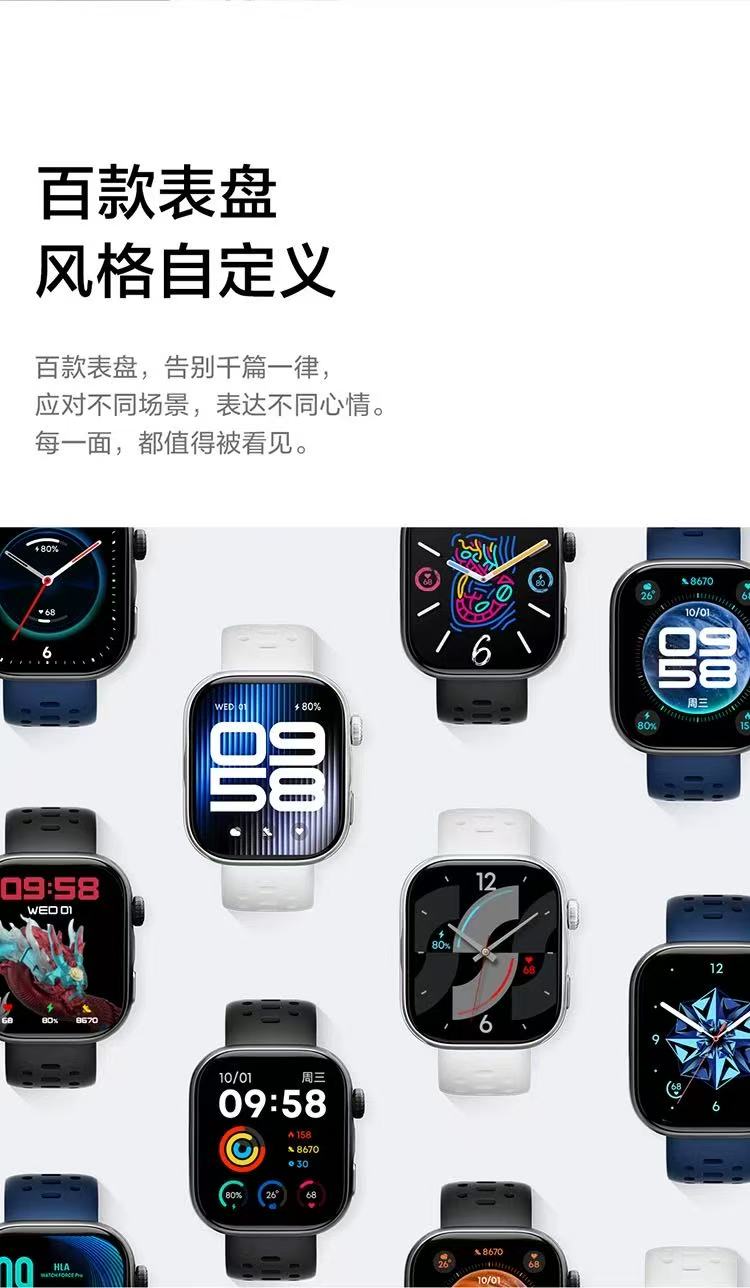
Core Viewpoint - HLA, a clothing brand, has ventured into the smart watch market with its product HLA WATCH FORCE Pro, indicating a serious attempt to explore new business avenues rather than just a casual experiment [1][5][9]. Product Overview - HLA WATCH FORCE Pro features a square dial design similar to Apple Watch, with a 1.85-inch display and peak brightness of 1000 nits, supporting a refresh rate of 60Hz [6][8]. - The watch includes comprehensive health monitoring features such as 24-hour monitoring, sleep tracking, HRV stress monitoring, blood oxygen saturation monitoring, heart rate monitoring, and GPS for tracking running routes [6][8]. - A dedicated app, HLA运动健康, has been developed for both Android and iOS platforms to enhance connectivity and user experience [8]. Market Positioning - The initial price of HLA WATCH FORCE Pro is set at 499 yuan, with a regular price of 599 yuan, which is considered relatively high compared to competitors like vivo Watch GT2, which offers better battery life and display brightness [9]. - The product is viewed as a standard offering in the market, lacking any industry-leading features, suggesting that HLA is testing the waters for consumer acceptance of a clothing brand entering the tech space [9][15]. Industry Context - The trend of clothing brands entering the smart watch market is not unique to HLA, as several other brands have also made similar moves, either through collaboration or independently [10][12]. - Successful collaborations, such as that between Apple and Hermès, have shown that luxury brands can leverage technology partnerships to enhance brand visibility without significant risk [10][12]. - The smart watch market is dominated by a few key players, with Apple consistently leading in both shipment volume and revenue, indicating limited space for new entrants [15][17]. Strategic Implications - HLA's foray into smart watches appears to be a strategic move to test brand influence and market acceptance, rather than a direct competition with established tech brands [17]. - The brand's exploration into other product categories, such as bottled water, suggests a broader strategy to diversify and assess consumer interest in various sectors [17].


围墙倒塌前夜:iOS 与 Android 迎来“世纪大和解”
3 6 Ke· 2025-12-17 04:17
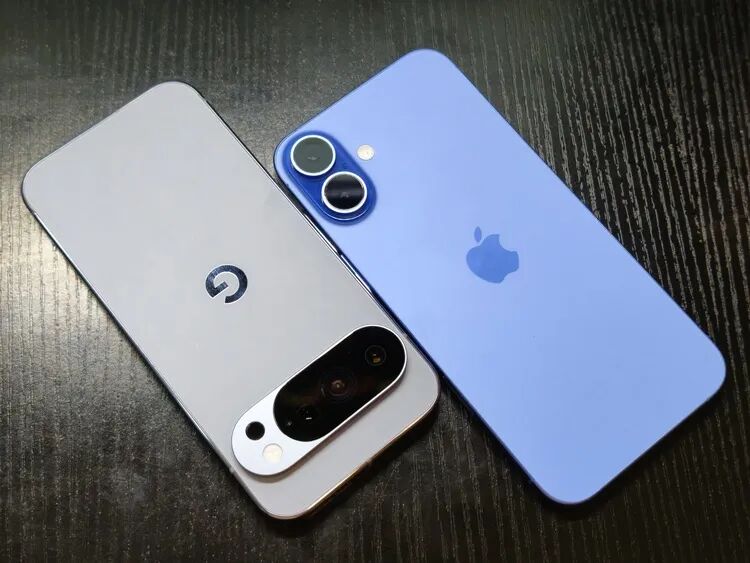
Core Viewpoint - The article discusses a significant shift in Apple's strategy as it opens up iOS to better interoperability with Android, particularly through the introduction of features in iOS 26.3 that facilitate data transfer and notification forwarding between the two operating systems, driven by regulatory pressures from the EU's Digital Markets Act (DMA) [3][13][15]. Group 1: iOS 26.3 Features - iOS 26.3 introduces a "Transfer to Android" feature that allows seamless migration of data from iPhone to Android, including photos, videos, contacts, and even app compatibility lists [8][16]. - The new system-level functionality simplifies the data transfer process, making it as easy as a simple confirmation, akin to the AirDrop experience [8][9]. - The "Notification Forwarding" feature allows users to send system notifications to non-Apple devices, breaking the exclusivity of Apple Watch and enhancing user choice [10][12]. Group 2: Regulatory Influence - The changes in iOS 26.3 are a direct response to the EU's DMA, which mandates data portability and interoperability, indicating that user data belongs to the user rather than the platform [13][15]. - Apple's previous data export tools were cumbersome, and the new features align with regulatory requirements to facilitate easier data migration [15][16]. Group 3: Impact on Competitors - The opening of iOS to Android interoperability is seen as a boon for domestic smartphone manufacturers like Vivo, OPPO, and Xiaomi, who have struggled to break Apple's ecosystem barriers [16][22]. - The new features eliminate the last major reason for users to stick with iPhones due to ecosystem lock-in, potentially increasing competition in the high-end smartphone market [22][24]. Group 4: Long-term Implications for Apple - While Apple may risk losing some users to Android, the shift could lead to a renewed focus on hardware innovation and service revenue expansion, as the ecosystem lock-in diminishes [24]. - The changes may also alleviate antitrust pressures by demonstrating a willingness to comply with regulatory demands, potentially reducing the risk of severe penalties [24]. Group 5: Consumer Benefits - Consumers will benefit from increased freedom of choice between devices, as the barriers between iOS and Android diminish, aligning with the vision of a more interconnected digital ecosystem [25].

2025年10月中国电动手表进口数量和进口金额分别为68万只和0.52亿美元
Chan Ye Xin Xi Wang· 2025-12-09 03:50
Core Insights - The report by Zhiyan Consulting highlights significant growth in the Chinese electric watch market, with a notable increase in both import quantity and value for October 2025 [1] Group 1: Market Growth - In October 2025, China imported 680,000 electric watches, representing a year-on-year increase of 58.6% [1] - The import value for electric watches reached $5.2 million, showing a year-on-year growth of 45.9% [1] Group 2: Industry Analysis - Zhiyan Consulting is recognized as a leading industry consulting firm in China, specializing in in-depth industry research and providing comprehensive consulting services [1] - The firm has over a decade of experience in the industry research field, focusing on delivering tailored solutions to empower investment decisions [1]

高端腕表市场,华为逆势上攻
第一财经· 2025-11-25 10:56
Core Insights - The high-end watch market in China is experiencing significant structural differentiation, with a notable decline in traditional Swiss watch exports and a rise in domestic smartwatches [1][4][20] - The Swiss watch market is projected to shrink for the first time in five years, with a 2.8% decrease in overall exports, and a 23% drop in exports to Greater China [1] - The resale market for luxury watches, particularly Rolex, has seen a price drop of over 30% since its peak in March 2022 [1] Market Trends - Traditional watch brands are struggling with market contraction, while domestic smartwatches, particularly from Huawei, are experiencing rapid growth, leading the global wearable device market with a 31% growth rate [4] - Huawei's WATCH ULTIMATE DESIGN series is positioned to penetrate the core price segment of traditional Swiss watches, offering advanced technology and features that traditional watches cannot match [9][20] Consumer Behavior Changes - The value anchors of luxury watches, traditionally based on craftsmanship and heritage, are becoming less relevant as consumers shift towards technology and health-oriented products [8][18] - High-net-worth individuals are increasingly interested in smartwatches that offer comprehensive health management and connectivity features, which traditional watches fail to provide [8][18] Product Innovations - Huawei's WATCH ULTIMATE DESIGN series integrates cutting-edge technology, including eSIM communication, satellite messaging, and advanced health monitoring capabilities, setting a new standard in the high-end smartwatch market [15][16] - The series features luxurious materials and craftsmanship, appealing to consumers' desires for both aesthetic and functional excellence [11][16] Strategic Positioning - Huawei's dual flagship strategy, with the non凡大师 (Ultimate Design) series targeting high-end consumers and the non凡探索 (Ultimate Exploration) series aimed at sports enthusiasts, strengthens its market dominance [20] - The brand's focus on continuous innovation and product iteration demonstrates its commitment to leading the high-end smartwatch segment [20][21]

影响市场重大事件:超700亿元资金借道ETF逆市加仓;灵光突破200万下载:首破百万用4天,再破百万仅2天
Mei Ri Jing Ji Xin Wen· 2025-11-24 22:30
Group 1 - The recent market pullback has seen over 70 billion yuan of funds flowing into ETFs as investors buy the dip, indicating a counter-trend strategy amidst external concerns like the Fed's interest rate outlook and AI bubble fears [1] - Major ETFs such as Southern CSI 500 ETF, E Fund ChiNext ETF, and Huatai-PineBridge CSI 300 ETF have each received over 3 billion yuan in net inflows within a week, showcasing strong investor confidence in the Chinese market [1] Group 2 - The AI assistant Lingguang has achieved over 2 million downloads within 6 days, setting a record for rapid download growth, with the first million reached in just 4 days and the second million in 2 days [2] - Lingguang currently ranks sixth in the App Store's free applications in China and holds the first position in the free tools category [2] Group 3 - The Ministry of Transport is accelerating the development of low-altitude economy and high-quality growth in the car rental industry, emphasizing the need for effective investment in transportation [3] - The ministry aims to enhance civil aviation safety and promote healthy development in the civil aviation sector [3] Group 4 - A global technical regulation on the durability of onboard batteries for electric heavy-duty vehicles, co-led by China, the US, Japan, and the EU, has been approved at the UN forum, marking a significant step in international automotive standards [4] - The Ministry of Industry and Information Technology will continue to engage in the development of technical regulations in the fields of new energy vehicles and intelligent connected vehicles [4] Group 5 - The Shanghai Integrated Circuit Industry Investment Fund has increased its registered capital from approximately 14.53 billion yuan to about 24.06 billion yuan, reflecting a growth of around 66% [5] - The fund, established in May 2020, focuses on equity and venture capital investments [5] Group 6 - China has launched an international scientific program in the field of fusion energy, with the BEST experimental device research plan being globally announced [6] - The initiative aims to foster international collaboration in fusion research, with scientists from over 10 countries signing the Hefei Fusion Declaration [6] Group 7 - The Beijing Institute of Metrology and Testing has made advancements in calibration technology for smartwatches, ensuring more accurate health monitoring data [8] - A new calibration standard draft has been developed to differentiate between monitoring states during activity and rest, enhancing measurement reliability [8] Group 8 - The Ministry of Industry and Information Technology plans to establish around 1,000 enterprise-level national emerging industry development demonstration bases by 2035, aiming to support new industrial growth [9] - The initiative includes the creation of approximately 100 park-level demonstration bases to drive innovation and economic development [9] Group 9 - The Ministry of Industry and Information Technology has announced the establishment of a standardization technical committee for humanoid robots, with representatives from various listed companies included [10] - This committee aims to advance the standardization efforts in the humanoid robotics sector [10] Group 10 - The Hubei Humanoid Robot Industry Investment Fund has increased its capital from 5 billion yuan to 5.25 billion yuan, with new partners joining the fund [11] - The fund is backed by several investment companies, indicating growing interest in the humanoid robotics sector [11]
2025年9月中国电动手表进口数量和进口金额分别为97万只和0.55亿美元
Chan Ye Xin Xi Wang· 2025-11-08 02:55
Core Insights - The report by Zhiyan Consulting highlights the growth in China's electric watch imports, with a notable increase in quantity but a slight decrease in import value [1] Group 1: Import Data - In September 2025, China imported 970,000 electric watches, representing a year-on-year increase of 39.5% [1] - The import value for the same period was $0.55 million, showing a slight year-on-year decrease of 0.1% [1] Group 2: Industry Context - Zhiyan Consulting is recognized as a leading industry consulting firm in China, specializing in in-depth industry research and providing comprehensive consulting services [1] - The firm has over a decade of experience in the industry research field, focusing on delivering tailored solutions to empower investment decisions [1]

一年赚6万,小天才批量制造未成年“大佬”
创业邦· 2025-10-30 03:34
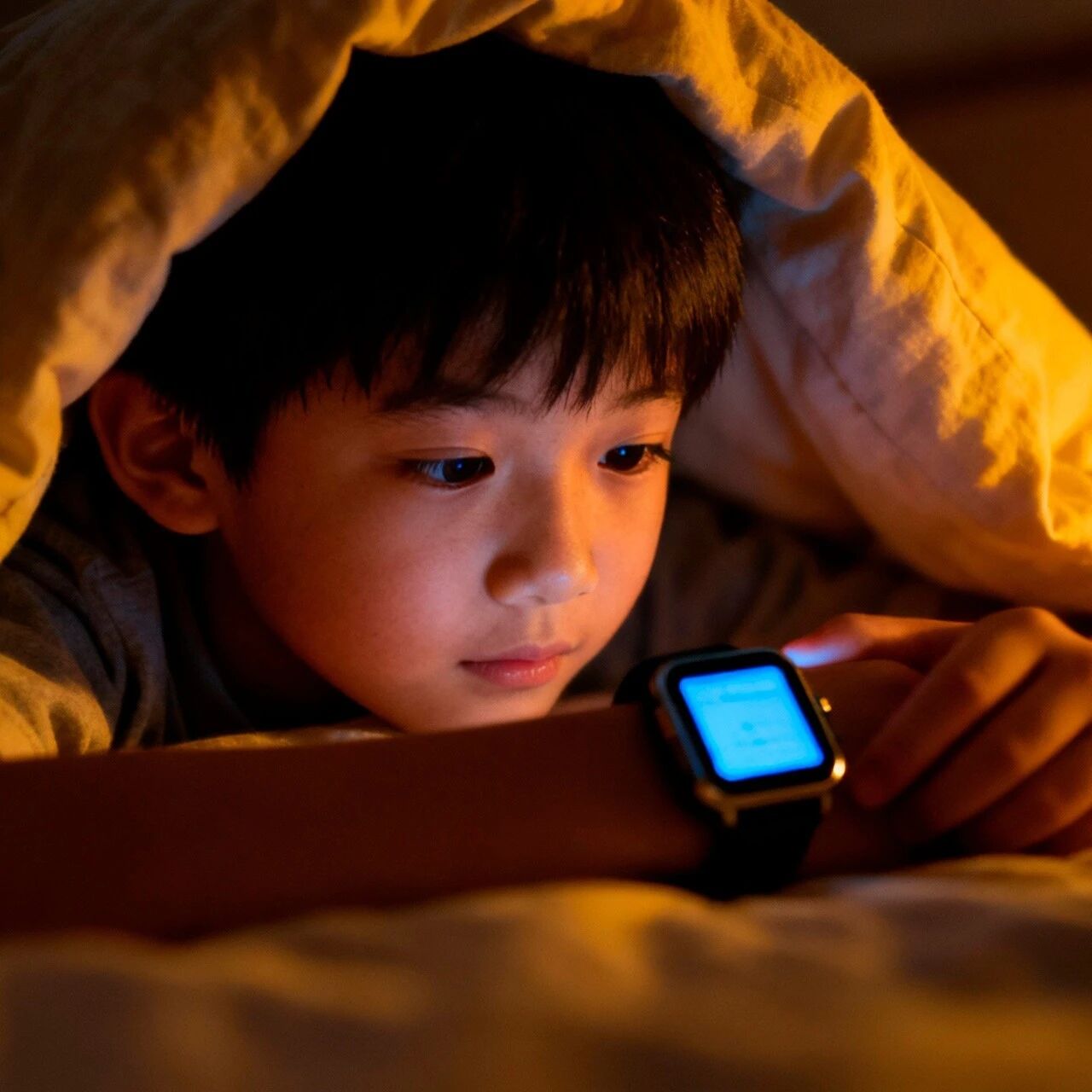
Core Viewpoint - The article discusses the rise of the "Xiaotianzi" smartwatch among children, highlighting its role in creating a social hierarchy and commercial ecosystem among young users, leading to both opportunities and risks in the digital landscape [6][9][21]. Group 1: Market Dynamics - Xiaotianzi holds a 35.3% market share in the children's smartwatch sector, with a year-on-year growth of 47.6%, significantly outpacing the industry average [21]. - The brand has established itself as a status symbol among middle-class families, with many parents opting for it to ensure their children's safety and communication needs [8][17]. - The average age of prominent users, referred to as "big shots," ranges from 11 to 17 years, indicating a young demographic heavily engaged in social media dynamics [6][7]. Group 2: Social and Commercial Ecosystem - The Xiaotianzi smartwatch has fostered a culture where children engage in "like" trading, creating a marketplace for services such as "like bots" and account management, which are often operated by minors [10][12][13]. - Users can earn money through various means, including selling "likes" and managing accounts, with some young entrepreneurs reportedly earning over 60,000 yuan in a year [10][12]. - The competitive nature of gaining likes has led to a significant increase in the threshold for being recognized as a "big shot," now requiring at least 800,000 likes [18][21]. Group 3: Risks and Challenges - The article highlights the darker side of this ecosystem, including issues of online bullying, scams, and inappropriate content, which have emerged as children navigate this digital space [8][18][28]. - Parents often face challenges in monitoring their children's activities, leading to conflicts and even legal issues when transactions occur without parental consent [15][31]. - The increasing complexity of the social dynamics and the potential for exploitation have prompted calls for stricter regulations and oversight in the children's smartwatch market [31][32].
2025年8月中国电动手表进口数量和进口金额分别为57万只和0.39亿美元
Chan Ye Xin Xi Wang· 2025-10-25 02:18
Core Insights - The report by Zhiyan Consulting highlights the trends in the Chinese smartwatch industry, particularly focusing on the import statistics of electric watches in August 2025, which saw an increase in quantity but a significant decrease in import value [1]. Import Statistics - In August 2025, China imported 570,000 electric watches, marking a year-on-year increase of 1.6% [1]. - The import value for the same period was $0.39 million, reflecting a year-on-year decline of 29.4% [1]. Industry Analysis - Zhiyan Consulting is recognized as a leading industry consulting firm in China, specializing in in-depth industry research and providing comprehensive consulting services, including feasibility studies and customized reports [1]. - The firm emphasizes its commitment to delivering quality services and market insights to empower investment decisions [1].

京东2025智能手表时尚趋势白皮书
Sou Hu Cai Jing· 2025-10-08 11:46
Core Insights - The report highlights the evolution of smartwatches from digital tools to lifestyle symbols, emphasizing the changing consumer perceptions of fashion, where 61.0% view fashion as a reflection of lifestyle and 52.5% as an expression of inner qualities [1][6][12] - The smartwatch market is experiencing significant growth, with a projected compound annual growth rate (CAGR) of 26% and a notable increase in product offerings and user demographics [1][20][23] Consumer Perception - Technology and social change are identified as key factors shaping contemporary fashion views, with 73.7% and 72.0% of respondents respectively acknowledging their influence [1][12][14] - 79.3% of consumers believe that tech products enhance their fashion sense, with smartwatches being perceived as the most representative tech fashion item by 83.9% of respondents [1][16][18] Market Trends - The smartwatch industry is expanding rapidly, with a market size projected to grow significantly, and a penetration rate in the wearable watch market increasing year by year [1][20][21] - By 2025, the number of smartwatch products on the JD platform is expected to increase by 394%, with a 46% growth in user numbers, particularly among women aged 16-25, who show a remarkable growth rate of 118% [1][23][24] Brand Practices - Major brands like Xiaomi and Huawei are launching customized products that emphasize the fusion of technology and aesthetics, with notable sales performances for models like the Xiaomi Watch S4 and HUAWEI WATCH GT5 [1][27][31] - The design and aesthetic appeal of smartwatches are becoming critical selling points, with consumers increasingly prioritizing appearance over functionality in their purchasing decisions [1][35][36] Style Classification - The report identifies six core styles for smartwatches, catering to diverse consumer groups, including those interested in traditional aesthetics, sports, and outdoor activities [1][9][19] - The integration of fashionable elements such as "lightweight design" and "high-quality materials" is expected to accelerate in new product launches by 2025 [1][22]


打造战略大单品,你的第一步永远永远永远是深挖并引爆用户的需求
Sou Hu Cai Jing· 2025-10-06 20:37
Core Insights - The article emphasizes the importance of deeply understanding user needs to create strategic flagship products, highlighting that without genuine demand, products will not succeed [2][4][46] Group 1: User Needs - User needs can be categorized into explicit (above the iceberg) and implicit (below the iceberg) demands, with the latter representing hidden motivations and desires [2][4] - Identifying unmet or potential needs is crucial for product development, as conventional consumer demands are already satisfied [4][46] Group 2: Kano Model - The Kano model is introduced as a tool for classifying user needs and prioritizing them based on their impact on user satisfaction [5][6] - The model categorizes needs into five types: Must-be, One-dimensional, Attractive, Indifferent, and Reverse, each with distinct implications for user satisfaction [6][15] - Understanding the relationship between product features and user satisfaction through the Kano model can guide effective product development [5][6][15] Group 3: Demand Analysis and Case Studies - The article presents various case studies across different industries, demonstrating how the Kano model can be applied to identify and prioritize user needs effectively [37][38][39] - Examples include the consumer electronics sector, where a smartwatch's features were analyzed to enhance market share, and the food industry, where plant-based meat products were innovated to stand out in a competitive market [37][38] - Each case study illustrates the process of collecting user feedback, categorizing needs, and implementing changes that led to significant improvements in user satisfaction and market performance [37][38][39] Group 4: Strategic Product Development - Companies are encouraged to focus on "Attractive" needs to drive product innovation and market differentiation [46][48] - The article concludes that leveraging the Kano model allows companies to dynamically track and respond to changing consumer demands, fostering continuous product evolution [46][48]