糕点烘焙

Search documents
国内“嫌弃”的月饼,在国外成了顶流
创业邦· 2025-10-06 03:39
Core Viewpoint - The article discusses the changing dynamics of mooncake consumption, highlighting a significant decline in domestic sales while overseas markets are experiencing a surge in demand for mooncakes, driven by cultural curiosity and innovative flavors [4][11]. Group 1: Domestic Market Trends - In September, a prediction indicated that mooncake sales would decline by approximately 45.17% year-on-year, with gift box sales dropping by 49.04% [4]. - The younger generation's increasing health consciousness and rational consumption trends are contributing to the fading significance of mooncakes as a cultural symbol during the Mid-Autumn Festival [4]. Group 2: International Market Opportunities - Mooncakes are gaining popularity in overseas markets, with significant growth in exports. For instance, from January to August, Hangzhou's mooncake exports reached 46.25 tons, a year-on-year increase of about 250% [11]. - The export value of mooncake products from Yunnan reached 130 million yuan, primarily targeting Southeast Asian countries like Singapore and Malaysia [11]. - Guangzhou customs reported that the export value of mooncakes exceeded 46 million yuan, with the European and American markets accounting for 45.1% of this figure [11]. Group 3: Product Innovation and Cultural Integration - Companies are diversifying their product offerings to cater to different markets, introducing flavors like cheese custard and ice skin mooncakes to attract younger consumers [11]. - The integration of local flavors and innovative designs, such as durian-flavored mooncakes in Malaysia and chocolate mooncakes in the U.S., reflects a trend towards modernizing traditional products [7][8][11]. - Packaging innovations, including culturally themed designs and interactive elements, are enhancing the appeal of mooncakes in international markets [12]. Group 4: Regulatory Challenges and Adaptations - The article highlights challenges faced by mooncake exporters, such as strict food safety regulations in the EU and other regions, which require compliance with local standards [13]. - To adapt, some companies are reformulating their products to exclude restricted ingredients and exploring local production to meet regulatory requirements [13]. - The implementation of the Regional Comprehensive Economic Partnership (RCEP) has improved the competitiveness of Chinese mooncakes in member countries through tariff reductions and origin accumulation rules [12].


国内“嫌弃”的月饼,在国外成了顶流
凤凰网财经· 2025-10-05 13:48
Core Viewpoint - The article discusses the declining sales of mooncakes in the domestic market during the Mid-Autumn Festival, attributed to changing consumer preferences among younger generations, while highlighting the growing popularity of mooncakes in overseas markets [5][6][7]. Group 1: Domestic Market Trends - In September, a prediction indicated that mooncake sales would decline by approximately 45.17% year-on-year, with gift box sales dropping by 49.04% [6]. - The younger generation's increasing health consciousness and rational consumption trends are leading to a gradual fading of mooncakes' cultural significance as a Mid-Autumn Festival staple [5]. Group 2: International Market Opportunities - Despite domestic challenges, mooncakes are experiencing a surge in popularity abroad, particularly in regions with significant Chinese communities [7][8]. - The tradition of eating mooncakes has been adapted in countries like Japan, Vietnam, and Malaysia, where local variations have emerged, appealing to both local and international consumers [11][13][14]. Group 3: Export Growth and Innovations - From January to August 2025, mooncake exports from Hangzhou reached 46.25 tons, a year-on-year increase of about 250%, while Yunnan's mooncake exports totaled 7,520 tons valued at 130 million yuan, primarily to Southeast Asian countries [16]. - Companies are innovating flavors and production methods to cater to diverse international markets, with products like cheese custard mooncakes and chocolate-filled varieties gaining traction [18][20]. Group 4: Regulatory and Market Challenges - The export of mooncakes faces challenges such as differing food safety standards across countries, exemplified by the EU's rejection of mooncakes due to excessive additives [24][29]. - To comply with international regulations, many companies are reformulating their products to exclude restricted ingredients, and some are establishing local production facilities to meet local standards [29][30]. Group 5: Cultural Significance and Future Directions - The globalization of the mooncake industry not only presents opportunities for Chinese brands but also attracts competition from multinational companies, blending traditional and modern culinary practices [30][31]. - The article emphasizes the importance of integrating cultural narratives and heritage techniques into mooncake production to resonate emotionally with consumers worldwide [33][34].
国内“嫌弃”的月饼,在国外成了顶流
Hu Xiu· 2025-10-05 11:01
Core Insights - The article discusses the declining sales of mooncakes in the domestic market during the Mid-Autumn Festival, with a predicted year-on-year drop of approximately 45.17% in sales and 49.04% in gift box sales [5] - In contrast, there is a growing demand for mooncakes in overseas markets, indicating a shift in consumer behavior and preferences [6][20] Domestic Market Trends - The traditional role of mooncakes as a cultural symbol is diminishing due to the younger generation's increasing health consciousness and rational consumption habits [4] - The sales forecast for mooncakes has been significantly negative, with a notable decline in both sales volume and gift box sales [5] International Market Opportunities - Chinese mooncakes are experiencing a surge in popularity abroad, with exports showing significant growth. For instance, from January to August, the export volume of mooncakes from Hangzhou reached 46.25 tons, a year-on-year increase of about 250% [20] - The export value of mooncake products from Yunnan reached 1.3 billion yuan, primarily targeting Southeast Asian markets [20] Product Innovation and Adaptation - Companies are diversifying their product offerings to cater to different international markets, introducing flavors like chocolate, coffee, and cheese to attract younger consumers [17][22] - The integration of local flavors and ingredients in mooncake production is evident in various countries, such as durian-flavored mooncakes in Malaysia and ice cream mooncakes in the U.S. [17][36] Cultural Integration and Marketing - The article highlights the importance of cultural storytelling and emotional resonance in marketing mooncakes abroad, suggesting that the product should not only focus on flavor adaptation but also incorporate traditional craftsmanship and aesthetics [40][41] - Social media platforms like TikTok are playing a significant role in promoting mooncake culture, with viral trends and user-generated content driving interest among non-Chinese consumers [16][19] Regulatory and Compliance Challenges - The article notes that the export of mooncakes faces challenges due to varying food safety regulations across countries, which necessitates compliance with local standards [30][32] - Companies are adapting their recipes to meet international regulations, such as removing restricted ingredients like egg yolk and meat [35]
中秋节月饼市场调查:健康化、年轻化成主流,头部企业开始“卷品质”
Hua Xia Shi Bao· 2025-09-23 04:06
Core Insights - The mooncake market is experiencing a sales peak ahead of the National Day and Mid-Autumn Festival, with a blend of traditional and innovative products, as well as online and offline collaboration among brands [2][3] - Consumer preferences are shifting towards cost-effective and quality products, with mainstream mooncake prices ranging from 120 to 180 yuan due to macroeconomic uncertainties [2][4] - The market is seeing a rise in health-conscious options, with low-sugar and no-sugar mooncakes gaining popularity, reflecting a broader trend towards healthier eating [4][5][6] Market Trends - The mooncake market is characterized by a diverse range of offerings, including traditional flavors and innovative collaborations, with a focus on affordability and quality [3][4] - The trend of freshly baked mooncakes remains strong, with many brands adopting a "front store, back factory" model to ensure freshness [4] - The demand for low-sugar mooncakes has surged, with some products experiencing over 40% growth since their launch [5][6] Consumer Behavior - Consumers are increasingly seeking mooncakes that are not only visually appealing but also healthy, indicating a shift from traditional gifting to personal enjoyment [6][9] - The emotional value of products is becoming a key driver for sales, particularly among younger consumers who prioritize health and novelty [7][9] Competitive Landscape - The mooncake market is becoming saturated, prompting companies to explore new growth areas, such as the broader snack market, which is significantly larger than the mooncake segment [7] - Brands are innovating with health-focused ingredients and cross-industry collaborations to attract a diverse consumer base [7][8] - Companies that focus on technological innovation, product quality, and enhanced customer experience are likely to thrive in this competitive environment [9]
“浙江产”月饼热销东南亚 乡风新味订单俏
Zhong Guo Xin Wen Wang· 2025-09-19 07:51
Group 1 - Zhejiang mooncakes are gaining popularity in Southeast Asia, with innovative flavors being well-received by overseas consumers [1][2] - The Xu Shang Su bakery in Longgang, Wenzhou, is experiencing a surge in orders for mooncakes, which are being shipped to countries like Indonesia and Malaysia [1] - The mooncakes produced include a modified version of the traditional five-nut filling, enhanced with egg yolk and meat floss for a richer taste [1] Group 2 - Taizhou City has successfully exported over 8,000 mooncakes valued at over 100,000 RMB to Vietnam, marking a significant milestone [2] - The order was initiated by a Vietnamese client at an international baking exhibition, with expectations for future orders totaling around 1 million RMB [2] - Companies like Hangzhou Zhiwei Guan are also exporting mooncakes in gift boxes, combining "moon elements" and "Chinese style" to convey festive wishes to overseas consumers [2]
“蒸”月饼出圈记:非遗花饽饽里的中秋新味
Zhong Guo Xin Wen Wang· 2025-09-19 04:19
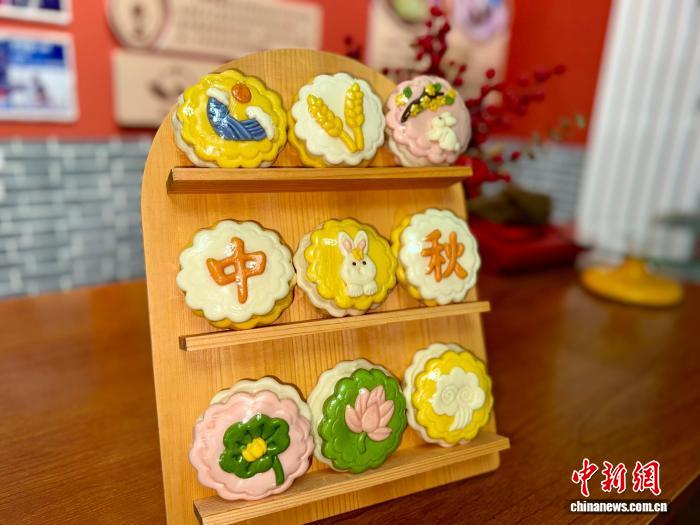
Core Viewpoint - The article highlights the innovative approach of a traditional food business in Gansu, China, where a new type of steamed mooncake, inspired by the non-heritage craft of flower steamed buns, is gaining popularity ahead of the Mid-Autumn Festival. This product combines traditional flavors with modern presentation, appealing to contemporary consumer preferences. Group 1: Product Innovation - The newly introduced "steamed mooncake" is made using the non-heritage technique of flower steamed buns, offering a unique twist on traditional mooncakes [1][2] - The product is designed to be bite-sized, allowing for individual servings that reduce waste and enhance the festive experience [2][4] Group 2: Market Demand and Sales - The business has received over 300 orders for the "steamed mooncake," with deliveries extending to major cities like Beijing and Shanghai, as well as international locations such as the United States [2][5] - The owner, Ma Rui, has noted a significant increase in customer interest, particularly after the introduction of themed designs that resonate with cultural significance [2][5] Group 3: Production and Quality - The production process is complex, requiring careful adjustments to maintain the shape and texture of the steamed mooncakes during fermentation [4] - The business operates on a "made-to-order" basis, ensuring freshness and quality by avoiding preservatives and mass production [5] Group 4: Cultural Significance - The steamed mooncake not only serves as a food item but also embodies cultural meanings and traditions, making it a sought-after item for various celebrations [5] - The owner emphasizes the importance of innovation in preserving traditional crafts, indicating a commitment to continuous learning and adaptation [5]
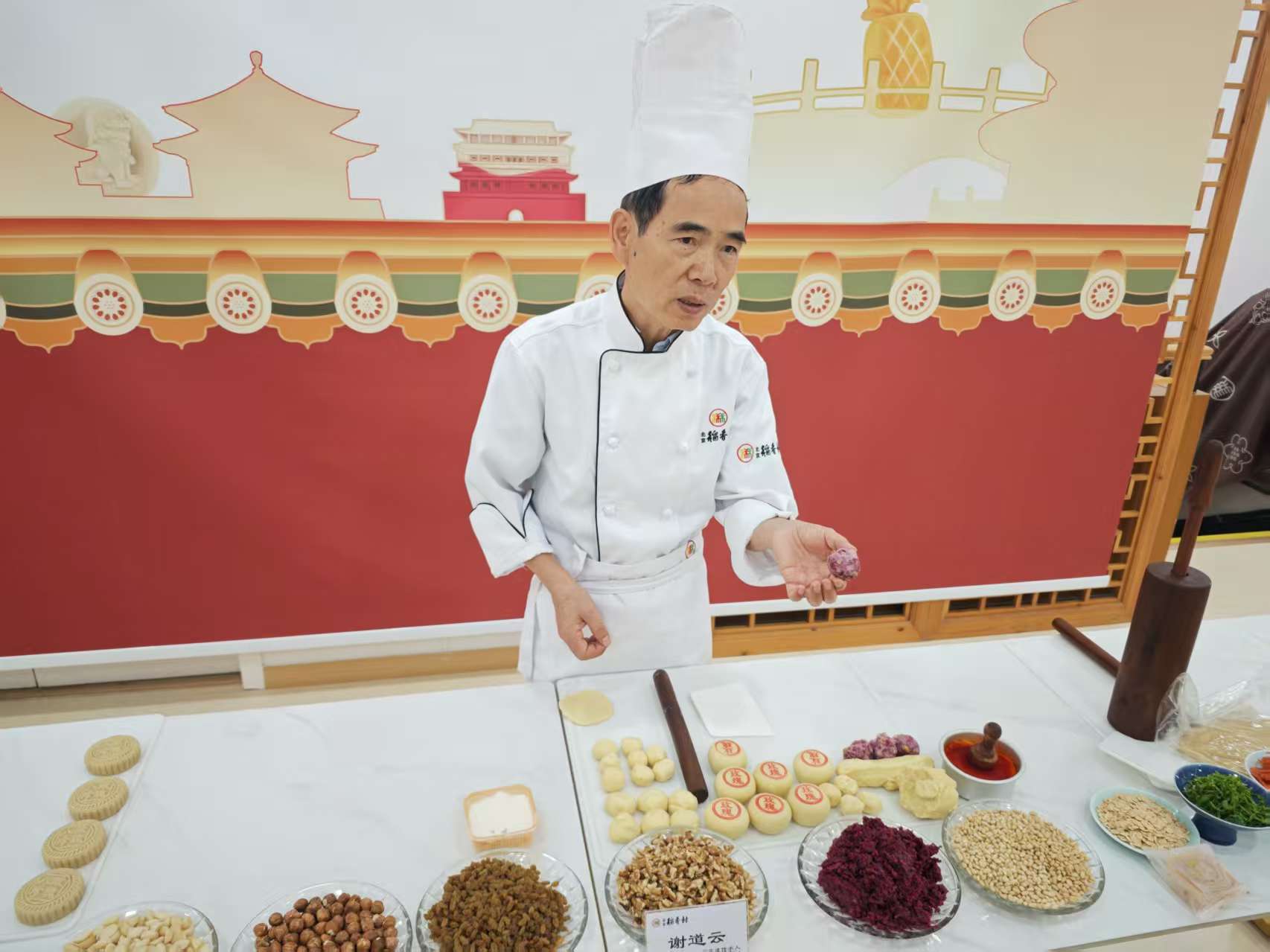
北京稻香村京式糕点制作技艺展厅向社会开放
Bei Ke Cai Jing· 2025-09-05 15:49
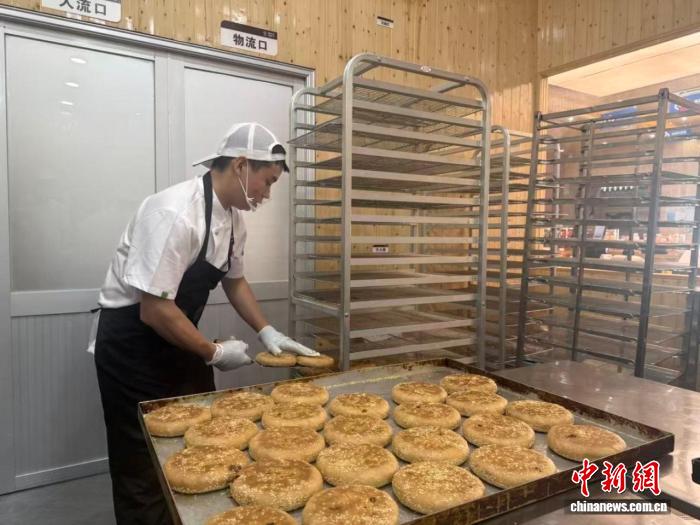
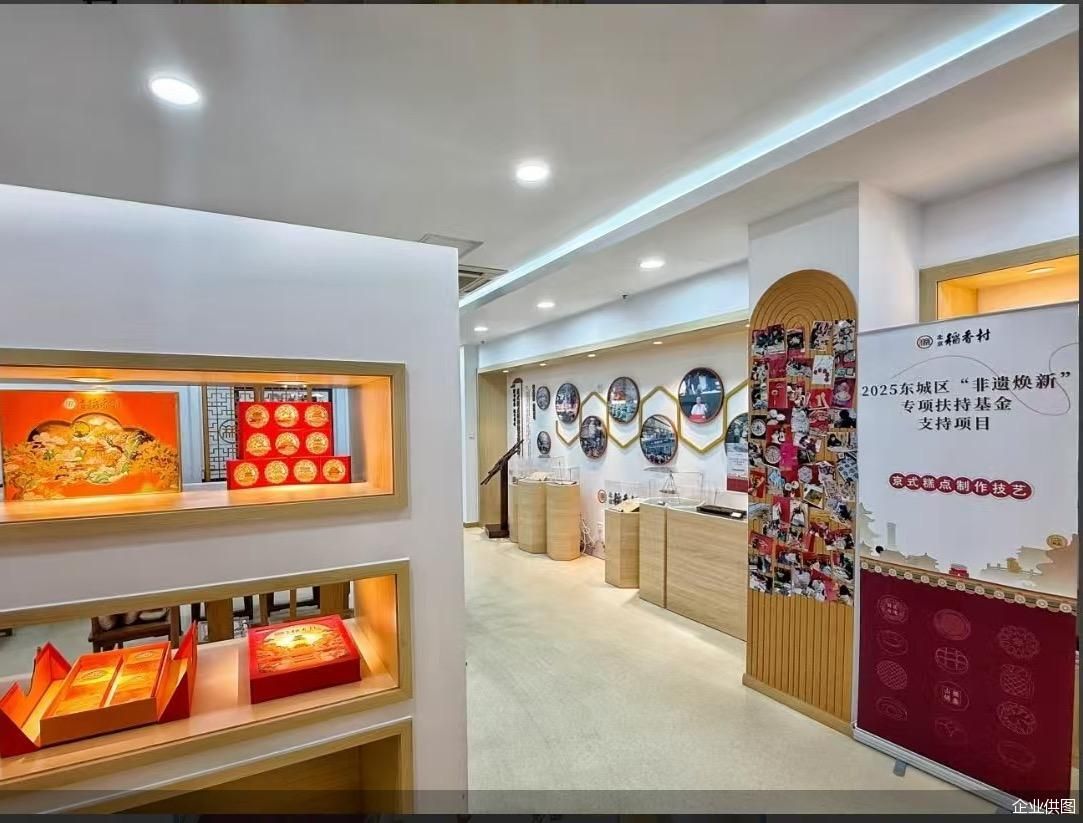
Core Points - The Beijing Daoxiangcun Qingshi Pastry Making Skills Exhibition Hall opened to the public for the first time on September 5, showcasing traditional pastry-making techniques [1] - The exhibition hall is part of the 2025 Dongcheng District "Intangible Cultural Heritage Renewal" project, which aims to promote traditional skills through themed activities during festivals [1] - This season's theme focuses on Beijing-style mooncakes, featuring demonstrations by intangible cultural heritage inheritor Xie Daoyun and other mooncake masters [1] - Visitors can engage with traditional cultural practices through historical objects and mooncake molds displayed in the exhibition hall [1]
北京稻香村月饼口味焕新上市 “中秋主题展”为节日氛围助力
Bei Jing Shang Bao· 2025-09-05 03:55
Group 1 - Beijing Daoxiangcun has launched multiple flavors of mooncakes ahead of the Mid-Autumn Festival, highlighting the craftsmanship of Beijing-style mooncakes [1] - The new "Jingyun Zhongzhou" Mid-Autumn gift box incorporates elements of Beijing's central axis, featuring landmarks like Yongdingmen and Zhonggulou, and includes 10 flavors of mooncakes [3] - The company has upgraded its product offerings and service channels, including the opening of a micro-exhibition hall showcasing traditional Beijing pastry-making techniques [3] Group 2 - The exhibition hall aims to promote intangible cultural heritage and will host various themed activities throughout the year, focusing on traditional festivals [3] - The gift box features classic flavors such as Double Yolk Lotus Seed and Eight Treasures Mooncake, emphasizing the cultural significance of the Mid-Autumn Festival [3]
苏州稻香村月饼出口销售额同比增超35%
Jing Ji Guan Cha Wang· 2025-08-08 10:01
Core Insights - Suzhou Daoxiangcun Group has officially launched large-scale production of mooncakes for the 2025 Mid-Autumn Festival, marking a significant step in its operational strategy [1] - The company plans to introduce more "national trend + health" mooncakes, focusing on low-sugar, low-fat, low-GI, and "medicinal food integration" concepts [1] - Over the past decade, Suzhou Daoxiangcun has exported more than 100 million mooncakes, indicating strong international demand [1] - In 2024, the export sales of Suzhou Daoxiangcun mooncakes are expected to grow by over 35% year-on-year, reflecting robust growth in the export market [1]
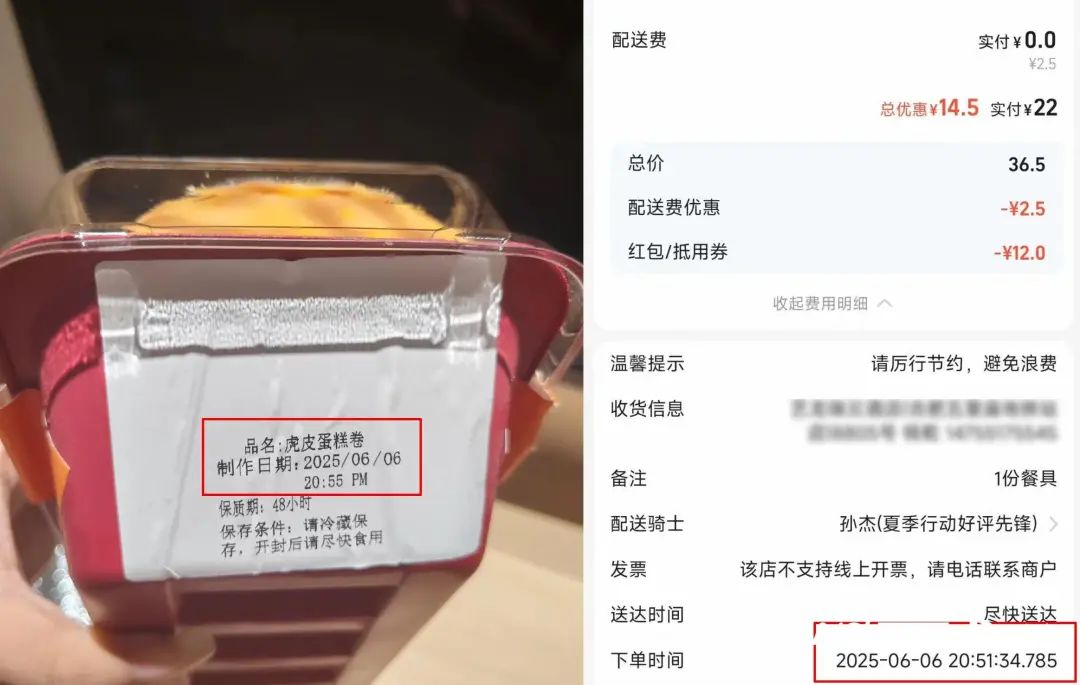
知名糕点,被指出售“明天蛋糕”!有消费者称获赔1000元
Nan Fang Du Shi Bao· 2025-07-23 23:15
Core Viewpoint - The chain bakery brand Zhanji has faced multiple complaints regarding incorrect production dates on its products, leading to consumer lawsuits and compensation claims [1][2][4]. Group 1: Consumer Complaints - Consumers have reported purchasing products with future production dates, raising concerns about the authenticity of the labeling process [2][3]. - One consumer received a compensation of 1000 yuan after filing a lawsuit due to receiving a product with a misleading production date [6]. - Another consumer expressed doubts about the freshness of a product that was reportedly made just minutes after ordering, suspecting that the label was altered [7]. Group 2: Company Response and Practices - Zhanji's stores have varied practices regarding how production dates are labeled, with some stores indicating that products are freshly made while others rely on factory labeling [10][11]. - The company has not provided a clear response to the ongoing issues regarding production date discrepancies despite multiple inquiries from media [11]. Group 3: Regulatory Context - There are no clear national regulations governing the labeling of freshly made food products, although some local regulations exist [12]. - The lack of standardized labeling practices may contribute to the confusion and consumer distrust surrounding the products sold by Zhanji [12]. Group 4: Legal Implications - Mislabeling production dates could lead to legal consequences for the company, including administrative penalties and potential criminal charges if consumer health is jeopardized [13]. - Consumers have the right to seek compensation for misleading labeling practices, with potential claims for damages based on the nature of the violation [13].