
茶叶种植

Search documents
神山“村晚”话丰年
Xin Hua She· 2026-02-02 03:05
Core Viewpoint - The transformation of Shenshan Village from poverty to prosperity through the development of tea and tourism industries, showcasing the success of poverty alleviation efforts in the region [1][5]. Group 1: Economic Development - Shenshan Village has developed its tea and tourism industries, attracting over 200,000 visitors annually [2]. - The average disposable income of rural residents in Jinggangshan has increased from 8,577 yuan in 2016 to over 20,000 yuan in 2025 [5]. - Villager Peng Deliang projects an income of over 50,000 yuan from tea and cooperative dividends by 2025, reflecting significant economic improvement [1]. Group 2: Community and Cultural Events - The "Village Evening" event serves as a platform for villagers to celebrate harvests and welcome the New Year, fostering community spirit [3]. - Villagers showcased local products and crafts, such as smoked bacon and bamboo pen holders, during the event, highlighting the cultural richness of the village [2]. - The event attracted cultural teams from neighboring regions, enhancing cultural exchange and collaboration [5]. Group 3: Education and Future Prospects - The village has seen a rise in educational achievements, with three students graduating from university in recent years, indicating a positive trend for future generations [3]. - Left Weibo, a descendant of a revolutionary martyr, received a direct doctoral admission from Tsinghua University, symbolizing the educational advancement in the village [4].
老宅醒了,村子热闹了
Xin Lang Cai Jing· 2026-01-21 22:38
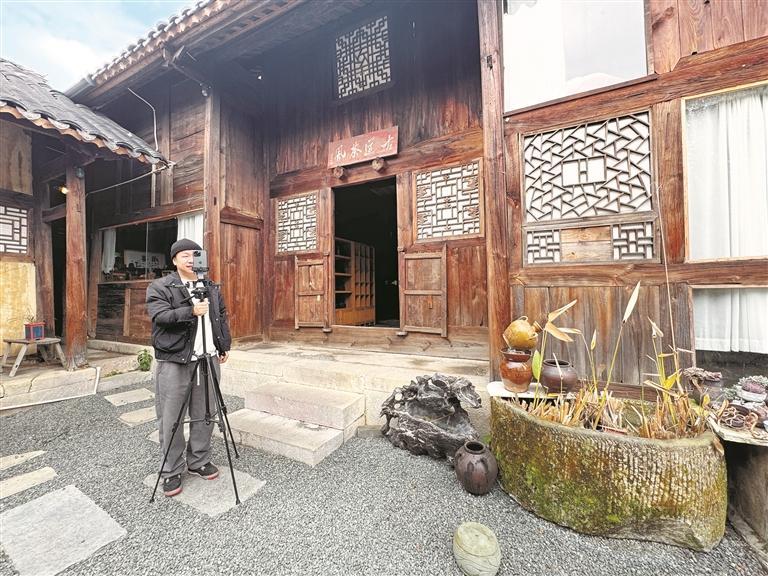
转自:贵州日报 蒋欣睿在老宅直播。 贵州日报天眼新闻记者 赵文菂 茶香是这里真正的灵魂。蒋欣睿将马场镇四村村的古树茶定为"镇店之宝"。他是高级茶艺师,亲自参与了茶 叶制作与工艺改良。如今这款茶成了招牌,许多人专程为它而来。 老宅醒了,村子也跟着热闹了。 原本赶集日才零散卖茶的韦叔,如今家里80斤茶青有了固定去处;村里"叔娘"来打扫收拾,每月多了一份收 入;周边农户的土鸡蛋、时令果蔬供不应求;旁边的农家乐老板娘笑了:"自从茶馆开了,饭点总是热热闹闹 的。" "这里有城市里稀缺的松弛感。"从湖北专程过来打卡的林女士说,"这是一场都市对乡村的奔赴,也是对一种 生活方式的投票。" 阳光穿过百年木梁的缝隙,在青石板上投下斑驳光影。炭火噼啪、陶壶轻沸,一缕茶香从贵安新区马场镇平 寨村的一条巷陌深处飘出。 夜深了,最后一批客人披着星光离开。蒋欣睿一边收拾茶具一边说:"我常常觉得,我不是在经营一家茶馆, 而是在给时间按下暂停键。" 几年前,这里还是梁柱倾斜、瓦片残破、荒废了多年的一处布依族老宅。2023年夏天,32岁的布依族青年蒋 欣睿第一次站在院中时,看到的不是危房,而是一段"不可复制的时间"。 "'木头刻着村庄的记忆,青 ...

一片叶“沏”出农文旅融合新画卷
Xin Lang Cai Jing· 2026-01-18 15:19
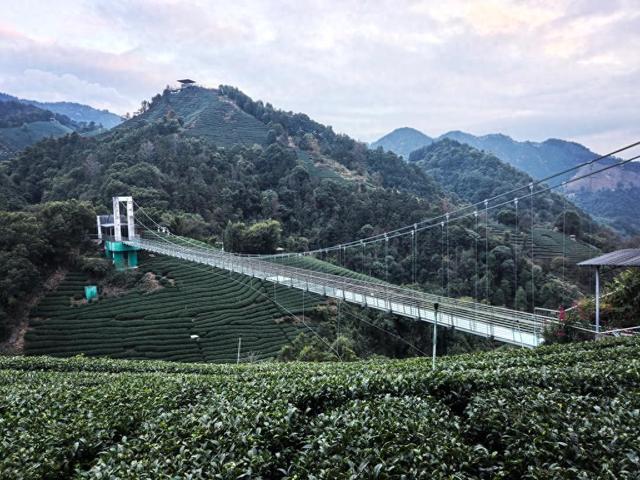
新华社南宁1月18日电南国冬日,雾锁茶山。广西贺州市昭平县的万亩茶海褪去了春夏的青翠,换上浓 重的墨绿。在南山茶海现代生态农业示范区,茶农老林正摘去茶树枝头的老叶。"有机茶园更要重视冬 季管护,只有摘去老叶,春茶新叶才能长得好。"他说。 南山茶海海拔约1200米,3000亩连片茶园顺着山势蜿蜒铺展,蔚为壮观。现在,这里不仅是静态的茶园 景观,更是"网红打卡点"。来到这里的游客,既可以在此体验采茶乐趣,也可以到茶山之上188米长的 3D玻璃桥挑战自我。 图为广西 贺州昭平南山茶海现代生态农业示范区。新华社记者王楚然 摄 据介绍,南山茶海现代生态农业示范区年均接待游客已超10万人次,带动周边农户通过采摘鲜茶、茶叶 销售、餐饮服务等增收约200万元。 昭平县拥有千年种茶历史。如今,茶在昭平不仅是茶农的"绿色银行"、民众的日常饮品,更演化为对传 统文化的追寻、一种慢节奏的生活态度。 将"茶"字拆开,就是"人在草木间"。近年来,当地在发展产业的同时,积极探索人与自然和谐共生。在 鹊鸣春有机茶园里,6座"悬浮"于茶山之上的太空舱民宿成为这里的独特风景。从民宿的落地窗望去, 脚下是有机茶园绵延起伏,远处山峦若隐若现。 "2 ...
平和县国强乡新建村:一个小山村的逆袭之路
Xin Lang Cai Jing· 2026-01-15 03:58
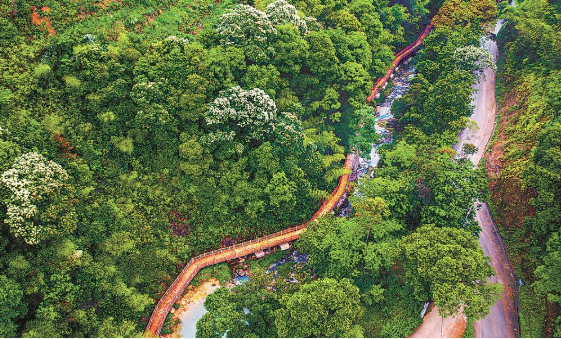
Core Insights - The article highlights the transformation of XinJian Village in Pinghe County, which has shifted from an economically struggling community reliant on pomelo farming to a thriving village focused on tea production and tourism, achieving significant economic growth [4][8]. Economic Development - XinJian Village's collective economic income exceeded 1.29 million yuan last year, with per capita net income rising from 19,000 yuan in 2018 to 35,000 yuan [4]. - The village invested over 2 million yuan to build a collective tea factory and obtained SC certification, facilitating the transition from pomelo to tea cultivation [5][6]. Agricultural Transformation - The village faced challenges with pomelo farming due to inadequate fruit quality at higher altitudes, prompting a shift to tea cultivation, which was identified as a more viable agricultural option [5]. - The introduction of a "retreat fruit for tea" initiative encouraged villagers to convert pomelo orchards into tea gardens, leading to increased income for many households [5][8]. Community Engagement and Leadership - The village implemented a "Party member + farmer" pairing model to assist farmers in accessing low-interest loans and expert guidance [6]. - The return of experienced individuals, such as Lai Wenda, has been pivotal in revitalizing the village, with a focus on enhancing local governance and attracting talent [7][8]. Tourism Development - XinJian Village has developed into a tourist destination, with over 260,000 visitors in the past year, thanks to environmental improvements and the establishment of scenic spots [9][12]. - The construction of a 3.2-kilometer waterfront path along the Shuanglu Creek has transformed the area into a picturesque location, enhancing its appeal to tourists [9][10]. Environmental Improvements - A series of environmental beautification projects, including sewage rerouting and garbage classification, have significantly improved the village's landscape [11][12]. - The village now features parks, sports facilities, and a variety of flora, contributing to its reputation as "Pinghe's Little Jiuzhaigou" [13].
建设“兴特富美优”的百里杜鹃
Xin Lang Cai Jing· 2026-01-12 22:06
Core Viewpoint - The 20th Central Committee's Fourth Plenary Session outlines a strategic framework for the "14th Five-Year Plan" period, emphasizing the importance of tourism development for the Baiduju Management Area, which aims to become a world-class tourist destination and a model for ecological and integrated urban-rural development [1] Group 1: Tourism Development - The Baiduju Management Area will prioritize tourism as a leading industry, focusing on transforming ecological advantages into economic benefits and developing world-class tourist attractions [1] - The area aims to enhance its tourism offerings by promoting flower viewing, summer retreats, and health tourism, integrating agriculture, culture, sports, and commerce [1] Group 2: Urban-Rural Integration - The strategy includes promoting urban-rural integration and differentiated development, implementing the "Strong Flower City" strategy, and enhancing the quality of life in urban areas [2] - There will be a focus on developing summer vacation real estate and improving the overall quality of the tourism district [2] Group 3: Rural Development - The area will leverage unique resource advantages to promote rural development, emphasizing the growth of key industries such as flowers, tea, and medicinal plants [2] - New energy industries and tourism-related manufacturing will be developed to enhance local economic resilience [2] Group 4: Ecological Development - The Baiduju Management Area will prioritize ecological protection, particularly of the rhododendron ecosystem, and promote green tourism [2] - The goal is to create a new model of green economy that integrates ecology and tourism, aiming to establish a national innovation base for the "Two Mountains" practice [2] Group 5: Improving Livelihoods - The area will focus on improving people's livelihoods through inclusive and foundational social policies, emphasizing employment and education [3] - Health services will be prioritized, and a comprehensive social security system will be developed to enhance the quality of life for residents [3]
茶园管护忙
Xin Lang Cai Jing· 2026-01-11 11:00
Group 1 - The article highlights the winter management practices of tea farmers in Guang'an City, Sichuan Province, focusing on the application of herbicides in the white tea industry [3] - The winter maintenance work is crucial for ensuring a bountiful harvest of tea leaves in the upcoming year, indicating the importance of seasonal agricultural practices [3] - The imagery provided emphasizes the active engagement of farmers in preparing their tea gardens during the winter season, showcasing the dedication to enhancing productivity [3]
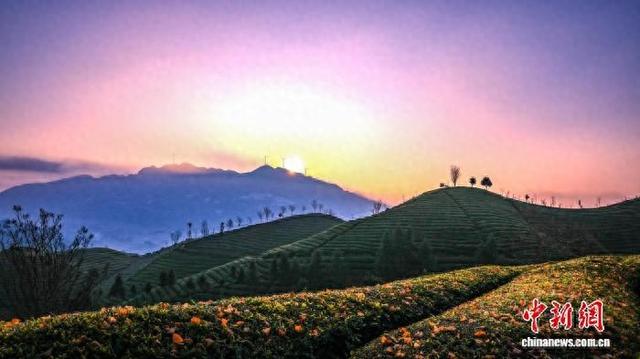
湖北鹤峰:雪山茶园沐朝晖
Xin Lang Cai Jing· 2026-01-10 05:04
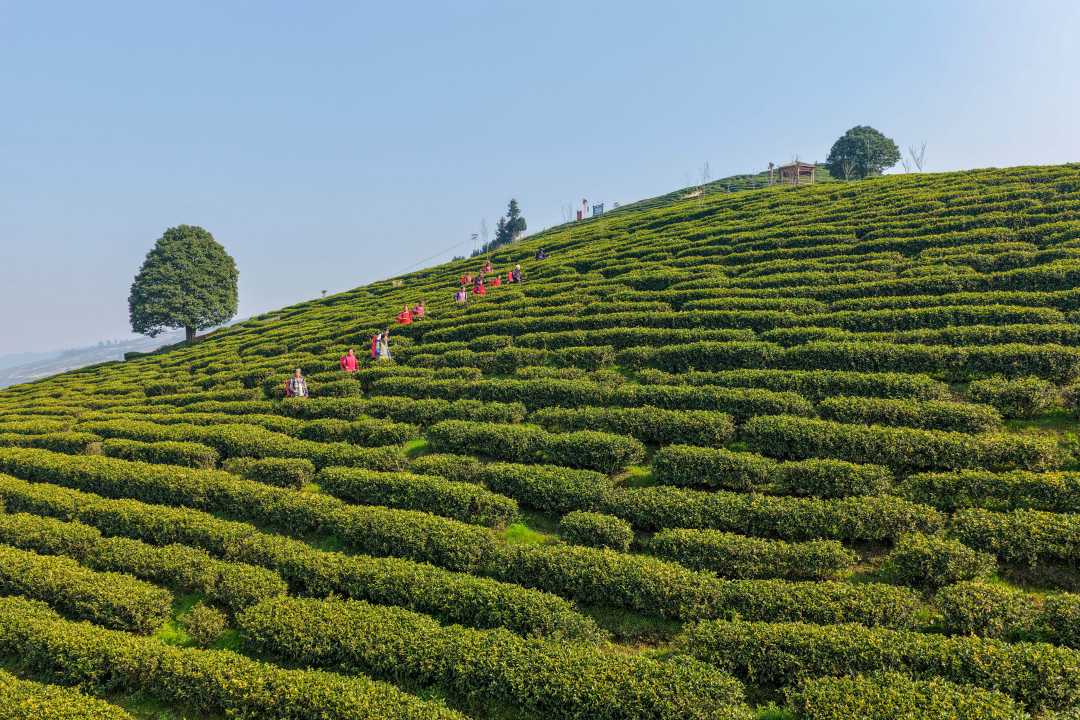
Core Viewpoint - The article highlights the development of the ecological organic tea industry in Hubei Province's Hefeng County, emphasizing the transformation of tea gardens into scenic areas and the integration of tea tourism with local economic growth [2]. Group 1: Industry Development - The tea garden area in the region exceeds 10,000 acres, making it one of the largest contiguous ecological organic tea bases in China [2]. - The local government has increased investment to enhance the tea garden landscape, promoting the integration of tea cultivation with tourism [2]. Group 2: Economic Impact - The transformation of tea areas into scenic spots and parks is aimed at turning tea mountains into "golden mountains," indicating a focus on economic benefits through tourism [2].
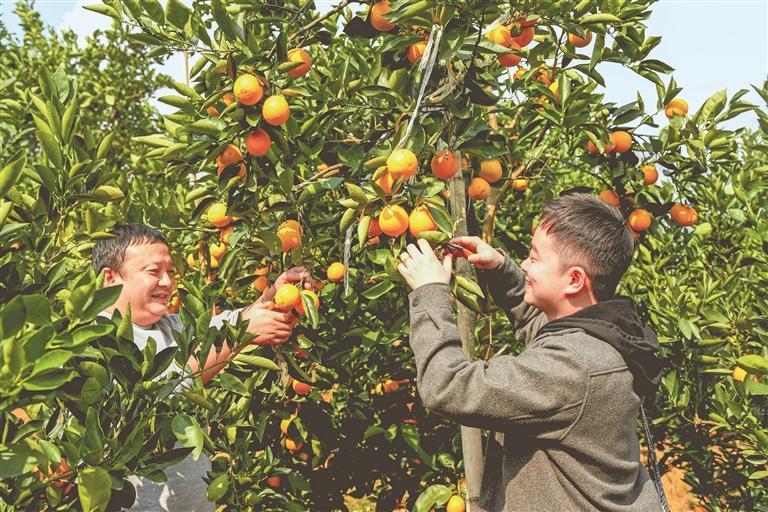
橙熟茶香好“丰”景
Xin Lang Cai Jing· 2026-01-07 22:24
Group 1 - The core viewpoint of the articles highlights the successful cultivation and marketing of "Jelly Oranges" and tea in Qianxinan Prefecture, showcasing the growth of local agricultural products and their impact on the community [2][3] - The cultivation of Jelly Oranges has gained popularity due to their outstanding quality, leading to increased demand from both old and new customers, indicating a strong market presence [2] - The establishment of a technical consulting station by local farmers aims to enhance agricultural practices and support surrounding farmers, demonstrating a collaborative approach to improving the industry [2] Group 2 - The historical significance of citrus cultivation in Qianxinan, with nearly 400 years of history, has been leveraged to promote brand advantages and drive industry upgrades [2] - The introduction of modern agricultural facilities, such as transportation tracks and intelligent sorting lines, has contributed to the improvement in both quantity and quality of citrus products [2] - The tea industry in the region is also experiencing growth, with meticulous care and preparation for future production, indicating a diversified agricultural strategy [3]
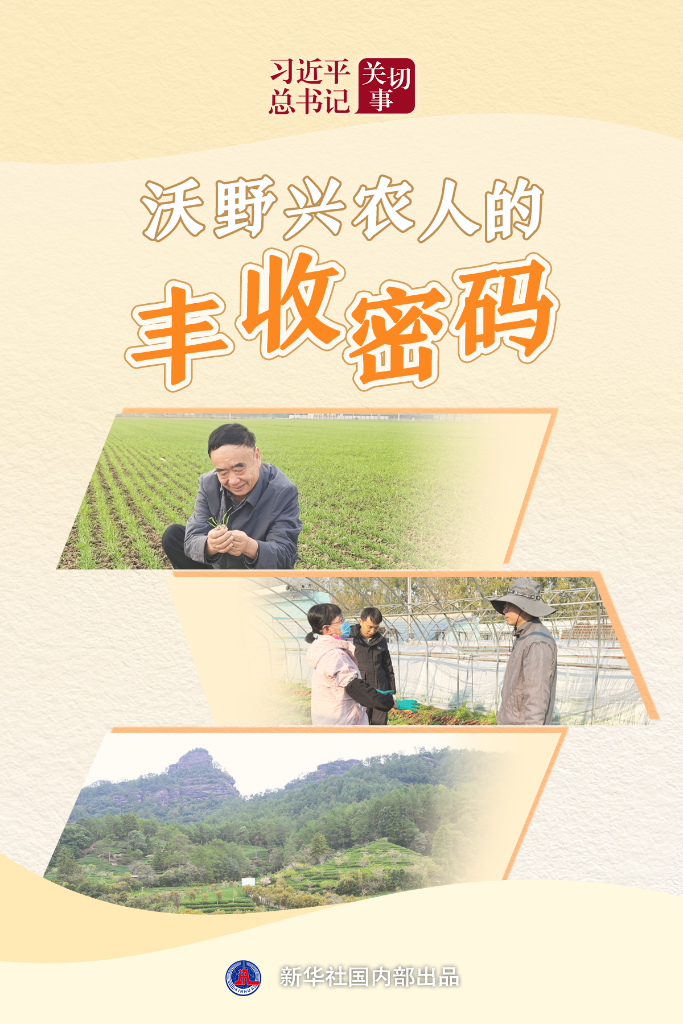
习近平总书记关切事·嘱托丨沃野兴农人的丰收密码
Xin Hua She· 2026-01-06 13:11
Core Viewpoint - The article emphasizes the importance of food security and the role of modern agricultural technology in enhancing grain production and quality, as highlighted by President Xi Jinping's directives to agricultural practitioners [2][4][8]. Group 1: Grain Production - The article describes the efforts of Xu Zongxiang, a prominent grain farmer in Anhui Province, who has successfully increased wheat yields through modern agricultural practices, achieving over 800 kg per mu in 2022 [4][5]. - Xu Zongxiang has established a farmer training school to share his knowledge and techniques with local farmers, promoting a collaborative model that has expanded to cover 300,000 mu of farmland [5][4]. - The article notes that Xu's initiatives align with President Xi's encouragement for large-scale farmers to lead smaller farmers in improving grain production [4][3]. Group 2: Vegetable Industry - Wang Shufen, a leading expert in vegetable breeding, has focused on enhancing the quality and safety of vegetables, responding to President Xi's call to integrate technology into agriculture [8][10]. - Her team has developed several new varieties of radishes, including the high-quality "Sheng Luoyan Yu," which is resistant to various diseases and suitable for saline-alkali conditions [10][8]. - The article highlights that 80% of vegetable cultivation varieties in Shandong have been domestically produced, showcasing significant progress in agricultural self-sufficiency [10]. Group 3: Tea Industry - The article discusses the work of Professor Liao Hong in promoting ecological tea farming in Wuyishan, which has improved tea quality and farmer incomes through innovative practices [12][16]. - Liao's team has implemented a model that combines ecological planting with traditional methods, resulting in increased tea yield and quality without the use of chemical fertilizers [12][16]. - The article mentions the broader impact of the technology commissioner system, which has mobilized thousands of agricultural scientists to support rural development in Fujian Province [16][12].
沃野兴农人的丰收密码
Xin Hua Wang· 2026-01-06 07:04
Core Viewpoint - The emphasis on food security and the integration of modern agricultural technology to enhance grain production and quality is a priority for China's agricultural development, as highlighted by President Xi Jinping's directives [1][4]. Group 1: Grain Production - The importance of large-scale grain producers applying modern agricultural technology to support smaller farmers in grain cultivation is underscored [1][4]. - Xu Zongxiang, a prominent grain farmer, has achieved significant yields, with his wheat production reaching over 800 kilograms per mu, which is substantially higher than the average [3][4]. - The collaborative model of "large farmers supporting small farmers" has expanded to cover 300,000 mu of farmland in Taihe County, promoting knowledge transfer and improved yields among local farmers [5]. Group 2: Vegetable Industry - The focus on quality in vegetable breeding and cultivation is exemplified by Wang Shufen, who has developed several new varieties of radishes, with three already obtaining plant variety rights [6][7]. - The application of technology in vegetable production has led to significant advancements, with 80% of vegetable cultivation varieties in Shandong now being domestically produced [8]. Group 3: Tea Industry - The promotion of ecological tea farming practices by Professor Liao Hong has improved tea quality and farmer income, demonstrating the effectiveness of integrating traditional and modern agricultural methods [9][10]. - The implementation of the technology commissioner system has mobilized a large number of agricultural scientists to support rural development, with 90,000 technology commissioners recognized in Fujian Province [10].