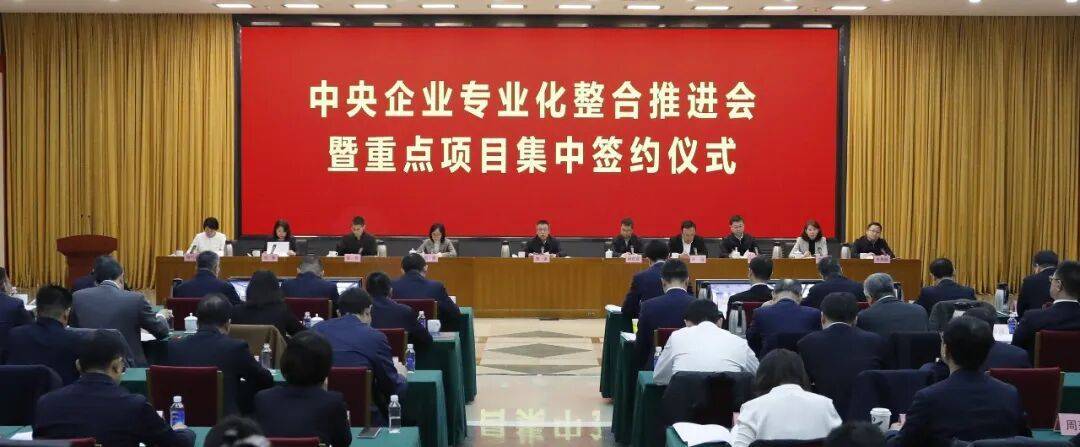
邮轮运营

Search documents
坚持改革攻坚,增强高质量发展动力活力(稳中求进、提质增效 实现“十五五”良好开局)
Ren Min Ri Bao· 2026-01-07 00:37
Group 1: Economic Reform and Development - The core objective of the "14th Five-Year Plan" is to further deepen reforms to drive economic and social development [6] - The Central Economic Work Conference emphasizes enhancing high-quality development through reforms, including the establishment of a unified national market and the deepening of state-owned enterprise reforms [6][8] - The construction of a unified national market is essential for promoting high-quality development and gaining an advantage in international competition [8] Group 2: Industry-Specific Developments - The automotive and photovoltaic industries have seen a collaborative effort to reduce "involution" competition, with significant price reductions in manufacturing [7] - The central enterprise cruise operation platform, China International Cruise Co., has become the largest in Asia, showcasing the results of professional integration among state-owned enterprises [9] - The central enterprises' main business investment ratio reached 98% by November 2025, indicating a focus on core business areas [9] Group 3: Support for Private Enterprises - The implementation of the "Promotion Law for Private Economy" in 2025 marks a significant legal framework for the protection and development of private enterprises [12] - Private enterprises account for over 92% of all companies, contributing more than 50% to imports and exports and 80% to urban employment [12] - The government plans to enhance market access, strengthen support for private enterprises, and protect their legal rights [13]

坚持改革攻坚,增强高质量发展动力活力(稳中求进、提质增效 实现“十五五”良好开局) ——着力推进全年经济工作八大重点任务③
Ren Min Ri Bao· 2026-01-06 23:28
Group 1: Reform and Economic Development - The core viewpoint emphasizes that reform is the fundamental driving force for national development, with the "14th Five-Year Plan" aiming for breakthroughs in comprehensive deepening of reforms [2] - The central economic work conference proposed a series of policy measures to enhance high-quality development through reforms, focusing on building a unified national market, deepening state-owned enterprise reforms, and promoting the growth of the private economy [2][4] Group 2: Unified National Market - The construction of a unified national market is essential for creating a new development pattern and enhancing international competitiveness, with a focus on "five unifications and one openness" [3][5] - The State Statistics Bureau reported that the ratio of social logistics costs to GDP was 14% in the first three quarters of 2025, maintaining the lowest level since records began [4] Group 3: State-Owned Enterprises and Capital - The integration of state-owned enterprises (SOEs) has led to the establishment of Asia's largest cruise operation platform, showcasing the results of professional integration among SOEs [6] - By the end of 2025, the central enterprises' main business investment accounted for 98%, indicating a strong focus on quality and progress in SOE reforms [6] Group 4: Private Economy Development - The year 2025 is marked by significant legal and policy advancements for the private economy, including the implementation of the "Private Economy Promotion Law" and a series of judicial cases aimed at protecting private enterprises [10][12] - Private enterprises account for over 92% of the total number of enterprises, contributing more than 50% to imports and exports and 80% to urban employment [10] Group 5: Future Directions for Private Economy - Future efforts will focus on expanding market access, enhancing support for private enterprises, and strengthening the legal framework to protect the rights of private businesses [11][12]
爱达邮轮:取消日本方向航线
中国能源报· 2025-11-29 03:53
Core Viewpoint - Aida Cruises has announced changes to its first-quarter 2026 itinerary, shifting focus from Japan to popular destinations in South Korea and Southeast Asia [1][2]. Group 1: Itinerary Changes - The "Aida Madu" will continue to operate from Shanghai, offering multiple 5-day/4-night and 6-day/5-night international cruise routes to classic destinations such as Jeju, Busan, and Seoul [2][3]. - The "Aida Mediterranean" will operate from Guangzhou, featuring several 5-day/4-night and 6-day/5-night cruise routes to Vietnamese tourist spots like Da Nang, Ha Long Bay, and Hue. Additionally, it will introduce medium to long-haul routes covering popular destinations in Vietnam, the Philippines, Malaysia, and Brunei, providing diverse cruise vacation options for guests from the Greater Bay Area [2][3]. Group 2: Fleet Information - Currently, Aida Cruises operates two large cruise ships: the domestically produced "Aida Madu" and the "Aida Mediterranean." The second domestically produced large cruise ship, "Aida Huacheng," has completed full ship connectivity and is scheduled for delivery in 2026, with plans to launch international routes from Nansha, Guangzhou [3][5].
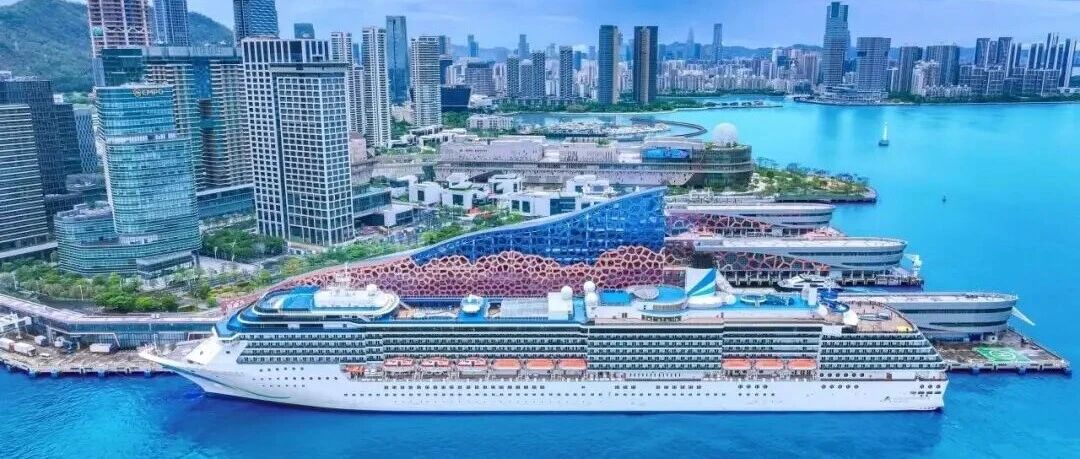
央企新一轮重组启动:17家单位集中签约,涉及AI、新材料等领域
Di Yi Cai Jing· 2025-11-24 22:49
Core Viewpoint - The central government is initiating a new round of integration among state-owned enterprises (SOEs) to enhance specialization in key sectors such as artificial intelligence and new materials, aiming to improve resource allocation efficiency and promote high-quality development [1][8]. Group 1: Key Projects and Agreements - A total of 17 units signed key project agreements, including major players like China Tourism Group, China National Chemical Corporation, and China Southern Airlines, focusing on sectors such as new materials, artificial intelligence, and cruise operations [1][8]. - The integration of cruise operations led to the establishment of a new platform company, positioning it as the largest cruise fleet in Asia, with significant resources consolidated from various SOEs [3][4]. Group 2: Economic Impact and Growth Potential - The cruise industry is recognized for its substantial economic value, with a multiplier effect of 1:10 to 1:14, meaning every 1 yuan generated in the cruise sector can stimulate 10 to 14 yuan in related industries [4][6]. - The cruise economy is showing signs of recovery, with a significant increase in passenger numbers and a positive outlook for future growth, as indicated by the recovery of the cruise economic index above pre-pandemic levels [6][7]. Group 3: Strategic Focus and Future Directions - The integration efforts are aligned with national strategic goals, emphasizing the importance of technological innovation and the development of strategic emerging industries [2][8]. - Future integration will focus on optimizing industry resource allocation, enhancing core competitiveness, and ensuring that non-core assets are redirected towards main business areas [9][10].


央企新一轮重组启动:17家单位集中签约,涉及AI、新材料等多领域
第一财经· 2025-11-24 14:52
Core Viewpoint - The article discusses the recent signing of key projects in various sectors, including artificial intelligence and new materials, as part of a new round of central enterprise integration initiated by the State-owned Assets Supervision and Administration Commission (SASAC) [3][11]. Group 1: Central Enterprise Integration - The SASAC organized a meeting to promote the professional integration of central enterprises, resulting in the signing of key projects involving 17 units, including major companies like China National Petroleum Corporation and China Southern Airlines [3][12]. - The integration aims to enhance resource allocation efficiency, foster core competitive enterprises, and drive high-quality development through specialized integration [3][14]. - The integration process will focus on optimizing industry resource allocation, targeting high-end market segments, and consolidating similar business operations within groups [14]. Group 2: Cruise Industry Development - The China Tourism Group has successfully integrated several central enterprise cruise resources, establishing the largest cruise fleet in Asia, which includes vessels like "Aida·Magic City" and "Nanhai Dream" [6][9]. - The cruise industry is recognized for its significant economic impact, with a multiplier effect of 1:10 to 1:14, meaning every 1 yuan of revenue generated by the cruise industry can stimulate 10 to 14 yuan in related industries [7][9]. - The cruise economy is experiencing a resurgence, with the 2025 cruise economic index for China and Asia surpassing pre-pandemic levels, indicating a strong recovery and a new growth cycle [9][10]. Group 3: Future Outlook and Strategic Focus - The SASAC emphasizes the need for central enterprises to focus on core business areas and accelerate the integration of non-core assets into main enterprises to enhance overall efficiency [13][14]. - Future integration efforts will prioritize high-end resource acquisition and technology, aiming to extend into high-end market segments and optimize industry structures [14]. - The article highlights the importance of collaboration among government, enterprises, and ports to foster the cruise industry's growth and enhance market development through cultural promotion [10].

央企新一轮重组启动:17家单位集中签约,涉及AI、新材料等多领域
Di Yi Cai Jing· 2025-11-24 12:56
Core Points - The article discusses the recent signing of key projects in various sectors including new materials, artificial intelligence, cruise operations, inspection and testing, and air logistics, as part of a new round of central enterprise integration initiated by the State-owned Assets Supervision and Administration Commission (SASAC) [2][8] Group 1: Key Projects and Integration - A total of 17 central enterprises participated in the signing of key projects, including major players like China National Petroleum Corporation, China COSCO Shipping, and DJI Innovation [2] - The integration of cruise operations is highlighted, with China Tourism Group and COSCO Shipping Group signing an agreement to consolidate cruise resources, establishing a new entity, Huaxia International Cruise, which aims to enhance the cruise industry in China [4][5] - The newly formed Huaxia International Cruise has a registered capital of 8.5 billion yuan, with shares held by several state-owned enterprises [4] Group 2: Economic Impact and Growth - The cruise industry is described as a "golden industry" with significant economic value, capable of driving growth across multiple sectors, with a reported economic impact ratio of 1:10 to 1:14 [5] - The cruise economy is recovering strongly, with a reported 344 cruise ship arrivals and departures in the first three quarters of the year, accommodating 2.05 million passengers, marking a year-on-year increase of 17% and 28% respectively [6] - The Shanghai International Cruise Economy Research Center indicates that the cruise economic index for China and Asia has surpassed pre-pandemic levels, signaling a new growth cycle [6] Group 3: Future Directions and Strategies - The SASAC emphasizes the need for specialized integration to enhance resource allocation efficiency and promote high-quality development in key industries [8][10] - Future integration efforts will focus on optimizing industry resource allocation, enhancing core competitiveness, and promoting technological innovation [9][10] - The integration strategy will involve consolidating non-core assets into main business areas and enhancing collaboration among enterprises to improve overall efficiency [10]
16只硬科技主题基金同日获批;中国旅游集团牵头组建新央企丨周末要闻速递
2 1 Shi Ji Jing Ji Bao Dao· 2025-11-23 11:54
Group 1 - The Chinese Ministry of Foreign Affairs has urged Chinese citizens and businesses in the eastern region of the Democratic Republic of the Congo, particularly in South Kivu Province, to evacuate immediately and report their information to the Chinese embassy [2] - The National Internet Information Office and the Ministry of Public Security have drafted regulations for personal information protection on large online platforms, requiring that personal information collected within China be stored domestically [3] - The State-owned Assets Supervision and Administration Commission announced the establishment of a new central enterprise led by China Tourism Group, focusing on cruise operations, with the fleet size ranking first in Asia [4] Group 2 - The Ministry of Finance and the People's Bank of China have included electronic savings bonds in the scope of personal pension products to support the development of a multi-tiered pension insurance system [8] - Sixteen hard technology-themed funds have been rapidly approved, including ETFs focused on artificial intelligence and chips, indicating regulatory support for strategic emerging industries [9] - The first large-capacity all-solid-state battery production line in China has been completed and is currently undergoing small-scale testing [10] Group 3 - The lithium iron phosphate industry is experiencing cautious expansion among companies despite a recovery in industrial demand, as prices have not significantly increased [11] - Guangku Technology plans to acquire 99.97% of Suzhou Anjie Xun Optoelectronics for 1.64 billion yuan, which will enhance synergies in the optical communication field [12] - Huawei has introduced a breakthrough AI technology, Flex:ai, which significantly improves the utilization rate of computing resources by allowing a single GPU/NPU to support multiple AI workloads [13]

周末重磅要闻出炉!国内首条大容量全固态电池产线建成 中国旅游集团牵头,组建新央企
Sou Hu Cai Jing· 2025-11-23 10:55
Domestic and International Developments - China Tourism Group leads the establishment of a new central enterprise focused on cruise operations, with the fleet size ranking first in Asia [2] - The first large-capacity all-solid-state battery production line in China has been completed and is currently undergoing small-scale testing [3] - The Ministry of Industry and Information Technology has officially launched commercial trials for satellite IoT services, aiming to stimulate private sector vitality and promote the integration of the real and digital economies [4] Capital Market Insights - Sixteen hard technology-themed funds, including those focused on AI and chips, have been rapidly approved, signaling regulatory support for strategic emerging industries [10] - Citic Securities highlights that the volatility in global risk assets is primarily due to liquidity issues and an over-reliance on AI narratives, suggesting that valuation corrections may be necessary as market conditions evolve [11][12]



不止零关税!海南全岛封关后旅游业将发力,玩海+“探”天,承包你的假期
Sou Hu Cai Jing· 2025-11-22 11:54
Core Points - The Hainan Free Trade Port will officially start its full island closure operation on December 18, 2023, with all hardware facilities and inspection equipment completed and in trial operation [1][3] - The zero tariff policy will significantly expand from over 1,900 items to 6,637 items, increasing the zero tariff coverage from 21% to 74% [3][4] - The tax system will provide strong institutional support for enterprises by reducing costs and stabilizing expectations, including a dual 15% preferential tax policy for corporate and personal income taxes [4][5] Tax Policy Details - The zero tariff policy will cover not only import tariffs but also value-added tax and consumption tax, allowing companies to save approximately 20% on tax costs when importing production equipment [3][4] - The dual 15% preferential tax policy applies to encouraged industries such as biomedicine and offshore wind power, with over 1,100 encouraged industry categories listed [4][5] - High-end talent across all industries can benefit from the personal income tax reduction, while tourism, modern services, and high-tech industries can enjoy additional tax exemptions on foreign investment income [4][5] Tourism Development Plans - Hainan aims to develop high-end consumption projects, deep experience activities, and innovative integration projects in tourism, focusing on marine tourism and space tourism [5][6] - The development will include high-quality resorts, camping sites, and wellness vacation projects along the "green necklaces" of the island's tourism roads [5][6] - The strategy emphasizes the integration of agriculture, culture, and tourism, alongside the development of smart tourism platforms and professional self-driving tour services [6]
官宣,新央企组建!中国旅游集团牵头
Sou Hu Cai Jing· 2025-11-22 09:21
Group 1 - The State-owned Assets Supervision and Administration Commission (SASAC) organized a meeting to promote the professional integration of central enterprises, resulting in the signing of key projects in various sectors including new materials, artificial intelligence, cruise operations, inspection and testing, and air logistics [1][3] - Central enterprises are focusing on professional integration to align with national strategies, drive technological innovation, and promote high-quality development, optimizing resource allocation and enhancing core competitiveness [3][7] - The China Tourism Group is leading the establishment of a central enterprise cruise operation platform, which will have the largest fleet in Asia following this integration [3] Group 2 - The cruise industry has a significant economic impact, with a multiplier effect of 1:10 to 1:14, meaning that for every 1 yuan of revenue generated by the cruise industry, it can drive 10 to 14 yuan in related industries [5] - SASAC emphasizes that professional integration must align with future industry and technology trends, focusing on high-end development and eliminating low-level redundant construction to improve overall efficiency [7] - The China Tourism Group, a key state-owned enterprise, has total assets exceeding 200 billion yuan by the end of 2024, making it a leading player in the tourism sector with a comprehensive industry chain and high brand value [7]