美妆

Search documents
珀莱雅正在失速?
虎嗅APP· 2026-01-25 03:36
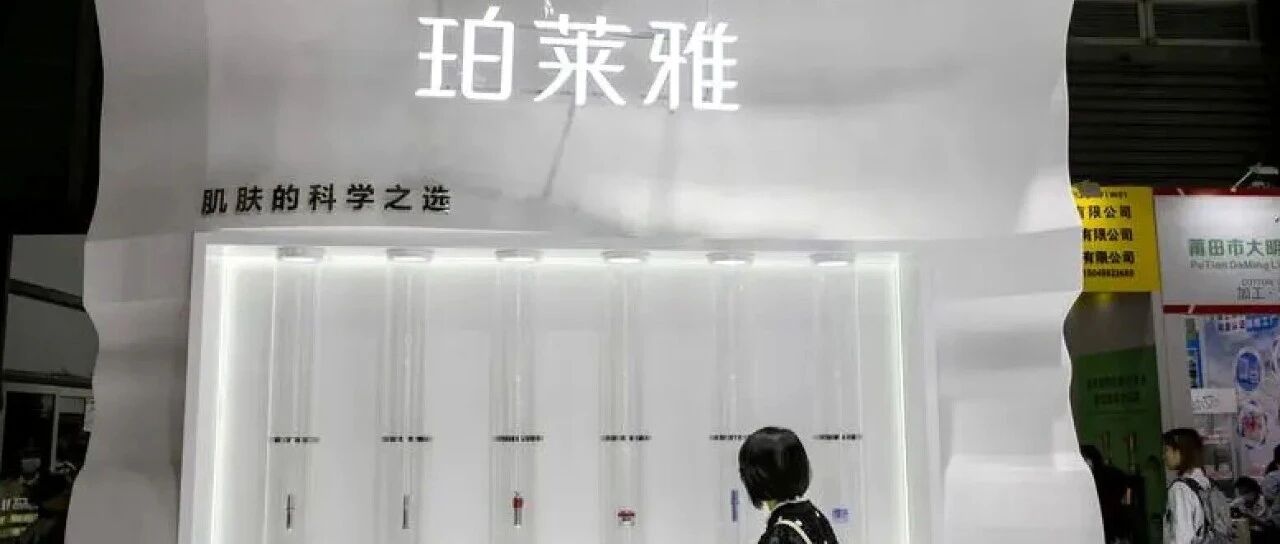
Core Viewpoint - The article discusses the challenges faced by Proya, a leading domestic beauty brand in China, after achieving the top revenue position in the industry. It highlights the company's struggle to maintain its market leadership amid declining sales and profits, particularly following the transition to a new generation of leadership. Group 1: Company Performance - Proya's revenue for Q3 2025 was 1.736 billion yuan, a year-on-year decline of 11.63%, with net profit dropping by 23.64% to 227 million yuan, marking the first time the company faced a simultaneous decline in both revenue and profit [6][7]. - The company's stock price has significantly decreased from a peak of 129.01 yuan per share in March 2023 to 73.18 yuan per share by January 2026 [6][8]. - In 2024, Proya's main brand revenue reached 10.778 billion yuan, making it the only domestic beauty giant to enter the "100 billion club" [11]. Group 2: Challenges and Market Dynamics - The beauty industry is entering a micro-growth phase, with Proya facing challenges from industry cycles, intensified competition, and internal bottlenecks [7][9]. - Proya's reliance on a few key products, such as the Ruby Essence and the Early C and Late A series, has led to stagnation as these products approach the latter stages of their life cycles [12][13]. - The company is experiencing high marketing costs, which are eroding profit margins, as traditional marketing strategies become less effective in the current market environment [16][18]. Group 3: Strategic Responses - Proya is attempting to revitalize its product lines and has introduced new brands like OR and Cai Tang, but these efforts have not yet compensated for the slowdown in its main brand's growth [14][30]. - The company is also focusing on enhancing its offline presence, having initiated partnerships with offline pharmacies and retail channels, but has seen a decline in offline revenue [21][22]. - Proya's leadership transition has led to significant changes in its executive team, which may impact its strategic direction and operational stability [26][28]. Group 4: Financial Health and Future Outlook - Proya's financial health remains robust, with projected cash flow of 4.07 billion yuan by the end of 2024 and potentially reaching 6.2 billion yuan by the end of 2027, with no short-term or long-term bank loans [31]. - The company is exploring opportunities for international expansion and product development through potential listings and investments, which could provide additional growth avenues [31].


2025中国消费品牌智能创新白皮书
Sou Hu Cai Jing· 2026-01-25 03:22
Core Insights - The 2025 China Consumer Brand Intelligent Innovation White Paper highlights a systemic transformation in the Chinese consumer industry, driven by intelligent innovation and the integration of AI technologies, shifting from scale-driven growth to value-oriented high-quality growth [1][2][7]. Supply Side Summary - AI technologies are permeating the entire value chain of enterprises, enhancing product development through high-throughput screening and trend modeling, leading to shorter development cycles and higher success rates for new products [1][2][14]. - Smart factories and flexible production lines are becoming widespread, utilizing digital twins and intelligent scheduling to break traditional supply chain efficiency limits [1][2][14]. - Generative AI is revolutionizing marketing by automating the generation of marketing materials and enabling precise targeting, thus transforming brand-user interactions from traffic-driven to algorithmic empathy [1][2][14]. - Companies are building innovation ecosystems through mergers, acquisitions, and partnerships with research institutions to accelerate technology implementation [1][2][14]. Demand Side Summary - Consumer demands are evolving, with practicality and health safety becoming core priorities; 83.1% of consumers are willing to pay a premium for technological innovations, but they are increasingly cautious, prioritizing performance improvements and new experiences [2][12]. - The consumption landscape is shifting from single product offerings to comprehensive solutions across various domains such as home, office, health, and beauty, creating a new normal that balances "invisible technology" with "precise services" [2][12]. - Distinct consumer segments are emerging, such as "aesthetic experiencers" and "efficiency pragmatists," driving the market towards personalization and segmentation [2][12]. Industry Trends Summary - The deep integration of AI with the real economy, the scaling of green consumption technologies, and the fusion of globalization with localization in innovation are identified as three major directions for the industry [2][12][27]. - The application of technology is extending from applied innovation to foundational infrastructure innovation, while business models are evolving from online-offline integration to "online-integration" [2][12][27]. - The competitive logic is shifting from cost-performance ratio to "value-performance ratio," necessitating a balance between technological innovation and humanistic care [2][12][27]. Future Outlook Summary - The intelligent innovation revolution is redefining the relationships between people, goods, and venues in the consumer industry, necessitating a focus on user needs, continuous technological iteration, and collaborative ecosystems for companies to thrive in global competition [2][12][27]. - The report emphasizes the importance of understanding the essence of user needs and maintaining a commitment to innovation and evolution to succeed in the rapidly changing market landscape [2][12][27].

美妆行业周度市场观察-20260125
Ai Rui Zi Xun· 2026-01-25 03:01
Investment Rating - The report does not explicitly provide an investment rating for the beauty industry Core Insights - The beauty industry is facing significant challenges in 2025, including market contraction, the end of traffic dividends, and intensified competition, leading to many brands exiting the market. However, leading companies are showing resilience due to their scale and R&D advantages, while smaller brands struggle due to limited resources [4] - The luxury goods sector is witnessing a trend where high-end brands are leaving premium shopping malls, which are now embracing new consumer brands to attract foot traffic. This shift indicates a failure of the traditional "top brands + prime locations" model [4] - The global beauty industry is entering a transformation phase in 2025, with growth rates slowing from 7% to 5%. The market is shifting towards segmentation and premiumization, with significant mergers and acquisitions occurring [6] - The beauty industry is experiencing an upgrade in 2026, characterized by a surge in plant-based ingredients and significant changes in packaging, indicating a move towards ecological and high-end transformations [6] Industry Trends - In 2025, over 30 well-known beauty brands are expected to exit the Chinese market, with a significant proportion being Japanese and Korean brands. This is attributed to the rise of domestic brands and changing consumer demands [6] - The application of generative AI in the fragrance sector is projected to contribute $9-10 billion to the global beauty industry, enhancing product development, marketing insights, and customer experiences [7] - The beauty industry is witnessing a rise in plant-based ingredient registrations, with nearly 25% of new ingredient registrations being plant-based by the end of 2025, indicating a shift towards ecological beauty [6] Head Brand Dynamics - Aldi's beauty brand Lacura has gained popularity by offering high-quality products at low prices, appealing to young consumers and reflecting a shift towards value-driven beauty consumption [10] - Lin Qingxuan has successfully listed on the Hong Kong Stock Exchange, becoming the first high-end domestic skincare brand to do so, with a focus on research and global expansion [10] - The brand Hai Gui Ba Ba is leveraging emotional resonance and cultural connections in its marketing strategies, particularly targeting youth during the New Year period [10]
福瑞达跨界融合破局 “工业旅游+直播研学”打造美妆产业新生态
Zhong Guo Zheng Quan Bao· 2026-01-24 04:36
Core Insights - The article highlights the innovative integration of "industrial tourism" and "live streaming education" by Furuida, positioning it as a model for digital transformation in the beauty industry [1][5] Group 1: Industrial Tourism Development - Furuida has transformed traditional manufacturing sites into interactive and educational tourist attractions, breaking the stereotype of factories being inaccessible [2] - The company has developed a diverse experience system tailored to different customer groups, including families, students, and investors, enhancing the appeal of its facilities [2] - In the summer of 2025, Furuida's World Beauty Technology Museum received over 150 groups and nearly 5,000 visitors, showcasing its success in attracting a wide audience [2] Group 2: Live Streaming and Digital Transformation - Furuida has extended its service chain by combining industrial tourism with digital transformation needs, offering practical training for entrepreneurs in live streaming [3] - The company emphasizes the importance of product quality as the foundation for growth in live streaming, sharing insights on effective content creation and marketing strategies [3] - Participants in the training program reported gaining a clear path for traditional enterprises to transition into the digital space through comprehensive live streaming strategies [3] Group 3: Future Layout and Technological Empowerment - Furuida aims to solidify its position as "China's first beauty technology hub" by enhancing the visitor experience and deepening collaborations with educational institutions [4] - The company is actively developing an "online virtual factory" and integrating emotional recognition technology to provide personalized recommendations, merging technology with consumer experience [4] - Furuida plans to optimize its marketing loop by combining product traceability, brand communication, and experiential sales, thereby enhancing its brand and product strength [4] Group 4: Industry Impact and Future Prospects - Industry experts note that Furuida's cross-industry innovation is breaking down barriers between industrial production, cultural tourism, and enterprise services, creating a multifaceted ecosystem [5] - The ongoing implementation of Furuida's strategies is expected to further unlock its value in industrial integration, contributing to high-quality development in the beauty and manufacturing sectors [5]

福瑞达跨界融合破局 “工业旅游+直播研学” 打造美妆产业新生态
Zhong Guo Zheng Quan Bao· 2026-01-23 23:16
Core Insights - The company is transforming traditional manufacturing perceptions by integrating industrial tourism with educational experiences, creating a multifaceted ecosystem that appeals to diverse audiences [1][3][6] Group 1: Industrial Tourism Development - The company has redefined factory visits by combining smart factories, beauty technology exhibitions, and educational programs, making factories attractive tourist destinations [1] - In the summer of 2025, the company’s beauty technology museum received over 150 groups and nearly 5,000 visitors, showcasing its successful engagement with families, students, and corporate clients [1] - The service team is trained to ensure high-quality experiences, balancing roles in guiding, reception, sales, and facility maintenance, which has garnered market recognition [1] Group 2: Digital Transformation and E-commerce - The company is extending its service chain by merging industrial tourism with digital transformation needs, exemplified by a recent entrepreneurial training event that focused on live-streaming growth strategies [2][3] - Participants learned about the company's 30 years of industry experience and its skincare technology system, emphasizing the importance of product quality in driving live-streaming success [2] - The training included practical sessions on live-streaming setup and marketing strategies, providing actionable insights for traditional businesses [4] Group 3: Future Strategies and Innovations - The company aims to solidify its position as "China's first beauty technology hub" by enhancing visitor experiences and deepening collaborations with educational institutions [5] - Plans include developing virtual factories and personalized product recommendations using emotional recognition technology, merging technology with consumer engagement [5] - The company is committed to optimizing its marketing strategies to create a closed-loop system that enhances brand and product strength, offering replicable models for traditional manufacturing upgrades [5][6]
福瑞达跨界融合破局
Zhong Guo Zheng Quan Bao· 2026-01-23 20:54
Core Insights - Furuida has established a dual-engine development model combining "industrial tourism + live-streaming education," transforming traditional manufacturing sites into new cultural and educational spaces, thereby facilitating digital transformation in the beauty industry [1][4] Group 1: Industrial Tourism - Furuida has redefined the traditional factory experience by integrating smart factories and beauty technology museums with educational courses, creating an engaging industrial tourism ecosystem [2] - The company has successfully attracted diverse visitor groups, including families, students, and corporate clients, with nearly 5,000 visitors recorded in the summer of 2025 [2] - The service team is trained to ensure high-quality experiences, balancing roles in guiding, reception, sales, and facility maintenance, which has garnered widespread market recognition [2] Group 2: Live-Streaming Education - Furuida has extended its service chain by combining industrial tourism with digital transformation needs, hosting events that teach entrepreneurs about the full live-streaming growth logic [3] - Participants gain insights into Furuida's 30 years of industry experience and learn practical skills related to live-streaming, including setup and content creation strategies [3] - The company emphasizes the importance of quality content in driving natural traffic and provides strategies for effective brand storytelling and conversion [3] Group 3: Future Layout - Furuida aims to solidify its position as "China's first beauty technology hub" by enhancing the visitor experience at its technology museum and factory [4] - The company is committed to deepening industry-academia collaboration, developing educational materials, and promoting the integration of educational and industrial chains [4] - Digital upgrades are a key focus, with plans for a virtual factory and personalized product recommendations using emotion recognition technology [5] Group 4: Industry Impact - Furuida's innovative cross-industry exploration breaks down barriers between industrial production, cultural tourism, and enterprise services, creating a diverse ecosystem of "technology + beauty + culture + live-streaming" [5] - The company's dual empowerment through industrial tourism and live-streaming education enhances both brand and product strength, providing replicable practices for traditional manufacturing transformation [5] - As Furuida's initiatives take effect, the value of its industry integration is expected to further unfold, contributing to high-quality development in the beauty and manufacturing sectors [5]
中国运动服饰、美妆和珠宝行业_ 2026年:寻找体验驱动型阿尔法
2026-01-23 15:35
Summary of Key Points from the Conference Call Industry Overview - The report focuses on the Chinese industries of sports apparel, beauty, and jewelry, highlighting the potential for experience-driven growth in 2026 amidst a backdrop of overall consumer trend sluggishness due to economic stability concerns, consumer confidence, and unemployment [1][3]. Core Insights and Arguments Experience-Driven Growth - There is a growing preference among Chinese consumers for experience-driven consumption, driven by: 1. A desire for healthier and emotionally fulfilling lifestyles 2. Strong demand for social relationships 3. Supportive government policies [3][7]. - Companies that successfully provide unique emotional resonance in consumer experiences are expected to capture greater market share and enjoy higher valuation premiums [1]. Key Success Factors for Sustainable Quality Experience - Three critical success factors for providing sustainable quality experiences in offline channels are identified: 1. Controlled store expansion to maintain service quality and avoid internal competition 2. Direct-to-consumer business models for better operational control and rapid feedback 3. Comprehensive employee management systems to ensure high service quality [3][68]. Jewelry Industry Insights - The ancient gold segment in the jewelry industry is projected to continue double-digit growth, with a compound annual growth rate (CAGR) exceeding 50% from 2018 to 2025. This growth is attributed to: 1. Improved craftsmanship leading to better designs 2. The rise of national trends 3. A combination of aesthetic and value preservation demands [3][47]. - Lao Pu Gold is expected to benefit significantly from experience-driven growth due to its controlled store count (47 stores compared to 2,000-6,000 for competitors), direct-to-consumer model, and a well-trained team providing differentiated service quality. The company is projected to achieve a 40% year-on-year profit growth in 2026 [3][76]. Beauty Industry Insights - The beauty industry is expected to grow at a low single-digit rate in 2026, with intense competition. Mao Geping is well-positioned to benefit from experience-driven consumption trends due to: 1. Higher offline presence compared to competitors (approximately 50% vs. less than 25%) 2. Unique value-added personalized beauty and skincare services supported by a large team of trained beauty consultants [3][40]. - Mao Geping is projected to achieve nearly 30% year-on-year profit growth in 2026 [3]. Sports Apparel Industry Insights - The sports apparel industry is expected to achieve low to mid-single-digit growth in 2026, benefiting from increasing health awareness and supportive government policies. Anta is highlighted for its strong multi-brand product portfolio and overseas expansion potential, with a forecasted profit growth of over 10% in 2026 [3][76]. Additional Important Insights - The report emphasizes the importance of emotional value in consumer decision-making, with over 80% of consumers prioritizing emotional value as the second most important factor after product quality [25][26]. - The government is focusing on enhancing consumer confidence and purchasing power through various measures, including promoting wage growth and expanding cultural and tourism consumption [34][32]. - The report also notes the increasing popularity of experience consumption among younger consumers, particularly in areas such as fitness, live music events, and outdoor activities [15][16]. This comprehensive analysis provides a detailed overview of the current state and future potential of the Chinese sports apparel, beauty, and jewelry industries, emphasizing the importance of experience-driven growth and consumer engagement strategies.


毛戈平20260122
2026-01-23 15:35
Summary of the Conference Call for Mao Geping Company Overview - **Company**: Mao Geping - **Industry**: Beauty and Cosmetics Key Points Membership Management and Customer Engagement - Mao Geping enhances customer loyalty and repurchase rates through refined membership management, achieving a same-store growth rate of approximately 18% in the first half of 2025, with a repurchase rate around 30% and new customer ratio increasing to 70% [2][11] - The company employs a differentiated membership system that encourages customers to transition from online to offline shopping, offering richer beauty or skincare customization services in-store compared to simpler online membership benefits [2][7] Product Category Expansion - Mao Geping is actively expanding its product categories from makeup to skincare, introducing products like caviar masks and black creams that emphasize repairing makeup damage and enhancing makeup effects [2][4] - Future focus includes skincare products unrelated to makeup and a newly launched perfume line in 2025, which are crucial for expanding market space [4][5][12] Online Channel Development - The online channel has positively impacted brand youthfulness, with the 25-30 age group increasing from 12% to 19% and over 75% of new customers coming from online channels, with a conversion rate of 25-30% to offline consumers [6][12] - Despite rapid online sales growth, the quality is lower than offline due to lower customer stickiness and repurchase rates, which rely heavily on high marketing costs [6] New Initiatives for Member Engagement - New initiatives include inviting non-purchasing members through a mini-program to receive sample perfumes and cosmetics, aiming to engage potential customers and guide them to offline counters [9][10] High-End Customer Services - Mao Geping has increased high-end beauty services, offering a 75-minute beauty care service for purchases over 3,800 yuan, and expanded beauty salon events to cover more cities, generating sales of 300,000 to over 1 million yuan per event [10] Sales Performance and Trends - The company reported a same-store growth rate of about 18% in the first half of 2025, with a stable repurchase rate of around 30% and an increase in new customer contribution to retail sales [11] - The reliance on top-selling products has decreased, with the sales contribution of the top ten products dropping from 80% in 2024 to 60% in 2025, indicating a shift towards a more diversified product portfolio [15] Skincare and Perfume Development - The skincare category relies heavily on offline channels and existing member repurchases, with new products like caviar eye masks performing well, and the company is filling the price gap between domestic and international brands [17] - The perfume business is developing through two series, with the second series performing better, reflecting a shift in consumer preferences towards personalized and niche fragrances [18][21] Market Trends - The perfume market is experiencing a trend towards everyday use, especially among younger consumers, which is driving the rise of domestic and niche brands [19][20] - The overall growth rate of the perfume industry is higher than that of makeup and skincare, aligning well with Mao Geping's channel structure, which is primarily offline [22]
欧舒丹拟赴美IPO!
Sou Hu Cai Jing· 2026-01-23 11:43
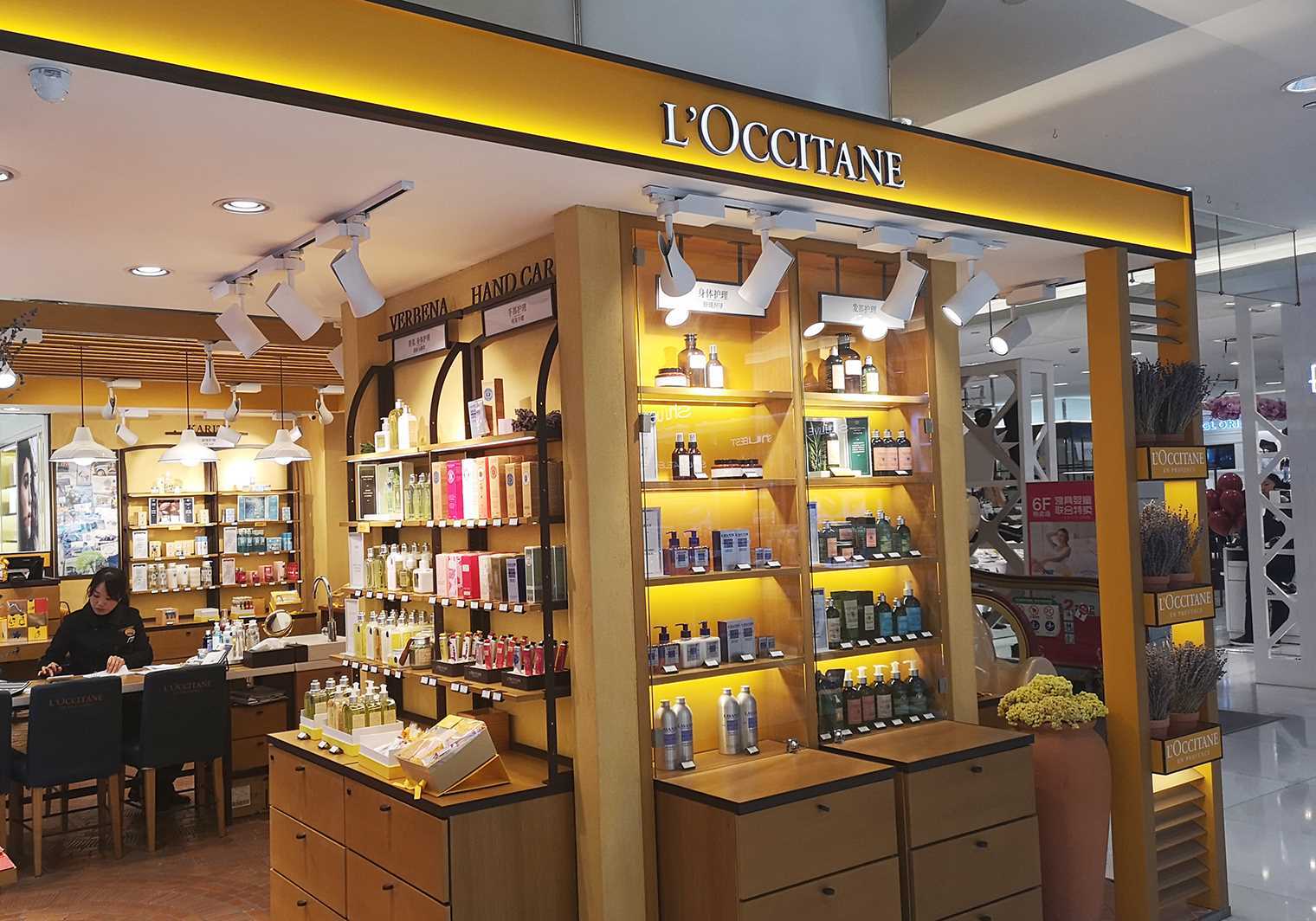
Group 1 - The core viewpoint of the news is that L'Occitane Group is considering launching an initial public offering (IPO) in the United States as early as this year [1][3] - The company is collaborating with JPMorgan and Morgan Stanley to advance the potential listing, but specific details, including the timing, are still under discussion [3] - L'Occitane was founded in 1976 and has developed a high-end brand matrix covering skincare, body care, and fragrances, with eight differentiated beauty brands under its umbrella [3] Group 2 - As of March 31, 2025, L'Occitane reported a net sales figure of €2.8 billion (approximately ¥227.92 billion), representing a year-on-year growth of 10.15%, and an 11.7% increase when adjusted for constant currency [4] - The Americas market contributed 46.4% of the company's sales, making it the largest revenue source, followed closely by the Asia-Pacific region, which accounted for nearly 30% of sales [4]
小赛道,才有大机会
创业家· 2026-01-23 10:27
Core Insights - Successful companies in China should focus on niche markets where they can excel, as these small tracks offer significant opportunities [1] - Companies should avoid spending in areas where they cannot win and be willing to take bold risks in areas where they can succeed [1] Industry Trends - The efficiency of Chinese manufacturing has reached its peak, and mere cost advantages can no longer support brand growth. By 2026, Chinese brands will face challenges not just in production but in occupying industry ecological positions and selling brand value [4] - The next decade is seen as a golden era for lifestyle brands, particularly in sectors like beauty, home, dining, and fashion, where global markets are ripe for engagement [4] - Many Chinese companies struggle with price increases, consumer discount mentality, and lack of compelling brand narratives, which contrasts with the enduring success of European brands that leverage cultural empathy and scarcity [4] Learning Objectives - The three core elements of enduring European brands are: 1. Scarcity narrative: Transitioning from "selling products" to "selling dreams" [5] 2. Supply chain control: Defining industry gold standards [7] 3. Lifestyle definition: Redefining spaces and sensory experiences through design and innovation [9] Educational Experience - The program includes visits to prestigious institutions and brands such as LVMH, Kering, and L'Oréal, focusing on how they maintain their market positions through storytelling, craftsmanship, and technological innovation [6][13][15] - Participants will learn about the importance of brand origin stories and how to create an unassailable competitive moat [15] - The curriculum emphasizes the significance of standardization and globalization in culinary arts, as exemplified by Le Cordon Bleu, and how this can be applied to brand cultural output [16] Practical Applications - Insights from Loro Piana and other top suppliers will illustrate how controlling scarce resources can grant ultimate industry authority [20] - The program will also explore how design-driven manufacturing can elevate products from mere utility to art, achieving significant price premiums and profit margins [21]