资本市场

Search documents
吴清:持续提高资本市场制度包容性吸引力
Xin Lang Cai Jing· 2025-12-18 12:51
证监会12月18日消息,中国证监会主席、中国资本市场学会会长吴清当日出席中国资本市场学会学术委 员会成立会议暨第一届第一次全体委员会议,并主持召开资本市场"十五五"规划专家座谈会。中国证监 会副主席、中国资本市场学会执行副会长李超,中国资本市场学会学术委员会主任委员李扬参加会议。 境内外学术委员会委员、专业委员会负责人、重点研究基地负责人及新闻媒体代表参加会议。 成立学术委员会是中国资本市场学会提升理论研究水平、发挥智库平台作用的重要安排。吴清指出,加 强资本市场理论研究,是深入学习贯彻习近平总书记关于金融工作重要论述、深化对资本市场发展规律 认识的迫切需要,对于加快形成既遵循市场一般规律又契合中国实际的理论体系,推动资本市场高质量 发展,积极参与全球金融治理合作具有重要意义。要牢牢把握正确的政治方向和学术导向,坚持市场 化、法治化、国际化。扎根中国资本市场实践,聚焦资本市场包容性吸引力、定价效率、金融科技、法 治建设等重点问题,不断健全完善理论框架和方法论,为加快建设强大的资本市场提供坚实理论支撑。 吴清强调,学会要深入践行理论研究的初心和使命,团结和凝聚各方面资本市场研究力量和专家队伍, 构建开放协同的研 ...
金融改革迎关键,资本市场扫雷风暴将至,背后藏两大核心密码
Sou Hu Cai Jing· 2025-12-18 12:49
Group 1 - The financial market is currently facing significant issues, particularly with financial fraud among listed companies, which often goes undetected for years before being exposed [2][4] - The reasons for the persistence of financial fraud include light penalties and the failure of intermediary institutions, such as accountants and auditors, to fulfill their roles as gatekeepers [4][5] - There is a need for a shift from administrative penalties to criminal penalties and civil compensation, particularly through the establishment of a group litigation mechanism for small investors [5] Group 2 - The core of financial reform is driven by changing public demand, with projections indicating that by the end of 2025, per capita GDP will reach $14,000, leading to a greater need for diverse and professional wealth management services [8] - The financial landscape is evolving due to two main forces: the trend of "disintermediation," where borrowers and investors seek to bypass traditional banks, and technological advancements that enhance financial services accessibility [11] - The ultimate goal of financial reform is to establish a new international financial center by 2035, which requires a stable legal framework, a strong spirit of contract, and market transparency to attract global capital [15][17]


吴清:证监会将扎实推进资本市场“十五五”规划编制和实施
Bei Jing Shang Bao· 2025-12-18 12:11
会议还座谈听取了部分专家学者关于资本市场"十五五"规划编制和2026年资本市场工作的意见建议。座 谈中,大家一致认为,"十四五"时期资本市场健康稳定发展的态势持续形成并不断巩固,"十五五"时期 是资本市场提质增效、健全功能的关键阶段。 会上,大家围绕如何做好资本市场"十五五"规划提出了前瞻性、建设性的意见建议,主要包括进一步提 高发行上市交易制度的包容性、适应性,吸引更多新质生产力领域优质企业上市;扩大耐心资本、长期 资本和战略资本供给;持续活跃并购重组市场,严格常态化退市;推动完善人工智能在资本市场应用的 治理和监管;从严打击财务造假,加强投资者保护和教育等等。吴清表示,证监会将扎实推进资本市 场"十五五"规划编制和实施,紧扣防风险、强监管、促高质量发展的工作主线,持续深化资本市场投融 资综合改革,稳步扩大制度型高水平对外开放,持续提高资本市场制度包容性吸引力,更好服务经济高 质量发展和中国式现代化大局。 北京商报讯(记者 马换换 李佳雪)12月18日晚间,中国证监会官网发文称,当日,中国证监会主席、 中国资本市场学会会长吴清出席中国资本市场学会学术委员会成立会议暨第一届第一次全体委员会议, 并主持召开资本 ...
吴清:稳步扩大制度型高水平对外开放,持续提高资本市场制度包容性吸引力
智通财经网· 2025-12-18 12:07
智通财经APP获悉,2025年12月18日,中国证监会主席、中国资本市场学会会长吴清出席中国资本市场 学会学术委员会成立会议暨第一届第一次全体委员会议,并主持召开资本市场"十五五"规划专家座谈 会。吴清表示,证监会将深入学习贯彻党的二十届四中全会和中央经济工作会议精神,扎实推进资本市 场"十五五"规划编制和实施,紧扣防风险、强监管、促高质量发展的工作主线,持续深化资本市场投融 资综合改革,稳步扩大制度型高水平对外开放,持续提高资本市场制度包容性吸引力,更好服务经济高 质量发展和中国式现代化大局。 吴清出席中国资本市场学会学术委员会成立会议并召开资本市场"十五五"规划专家座谈会 2025年12月18日,中国证监会主席、中国资本市场学会会长吴清出席中国资本市场学会学术委员会成立 会议暨第一届第一次全体委员会议,并主持召开资本市场"十五五"规划专家座谈会。中国证监会副主 席、中国资本市场学会执行副会长李超,中国资本市场学会学术委员会主任委员李扬参加会议。境内外 学术委员会委员、专业委员会负责人、重点研究基地负责人及新闻媒体代表参加会议。 成立学术委员会是中国资本市场学会提升理论研究水平、发挥智库平台作用的重要安排。 ...
中国资本市场学会第一届学术委员会成立 吴清发言!
Shang Hai Zheng Quan Bao· 2025-12-18 12:03
会议还座谈听取了部分专家学者关于资本市场"十五五"规划编制和2026年资本市场工作的意见建议。座 谈中,大家一致认为,"十四五"时期资本市场健康稳定发展的态势持续形成并不断巩固,"十五五"时期 是资本市场提质增效、健全功能的关键阶段。会上,大家围绕如何做好资本市场"十五五"规划提出了前 瞻性、建设性的意见建议,主要包括进一步提高发行上市交易制度的包容性、适应性,吸引更多新质生 产力领域优质企业上市;扩大耐心资本、长期资本和战略资本供给;持续活跃并购重组市场,严格常态 化退市;推动完善人工智能在资本市场应用的治理和监管;从严打击财务造假,加强投资者保护和教育 等等。吴清表示,证监会将深入学习贯彻党的二十届四中全会和中央经济工作会议精神,扎实推进资本 市场"十五五"规划编制和实施,紧扣防风险、强监管、促高质量发展的工作主线,持续深化资本市场投 融资综合改革,稳步扩大制度型高水平对外开放,持续提高资本市场制度包容性吸引力,更好服务经济 高质量发展和中国式现代化大局。 (文章来源:上海证券报) 2025年12月18日,中国证监会主席、中国资本市场学会会长吴清出席中国资本市场学会学术委员会成立 会议暨第一届第一次全体委 ...
强化“十五五”资本市场枢纽,赋能高水平科技自立自强
Xin Hua Cai Jing· 2025-12-18 11:55
中国资本市场作为科技创新"助推器",将持续发挥枢纽作用,让"创新始于技术,成于资本"的故事与科 技自立自强相得益彰,共同成长。 "十五五"规划建议将"科技自立自强水平大幅提高"列为经济社会发展的主要目标之一,并明确提 出"提高资本市场制度包容性、适应性,健全投资和融资相协调的资本市场功能"。"十五五"时期是 中国式现代化夯实基础、全面发力的战略攻坚期,以科技自立自强引领新质生产力发展是破解内外 挑战的关键,也是构筑新发展格局的核心引擎,中国资本市场作为科技创新"助推器",将持续发挥 枢纽作用,让"创新始于技术,成于资本"的故事与科技自立自强相得益彰,共同成长。 一、资本市场在支持科技自立自强中的重要作用 资本市场作为现代金融的核心组成部分,其资源配置的枢纽功能对科技自立自强至关重要,体现在 以下几个方面:一是发挥导流枢纽作用。资本市场基于公开透明的价格发现机制,可以有效识别科 技创新的价值与风险,驱动社会金融资源流向最具潜力的战略性新兴产业与硬科技前沿,并前瞻布 局未来产业,进而实现对创新全谱系的长周期支持。二是畅通循环枢纽功能。资本市场通过股、 债、风投、并购等多元化工具,为企业提供覆盖全生命周期融资支持, ...
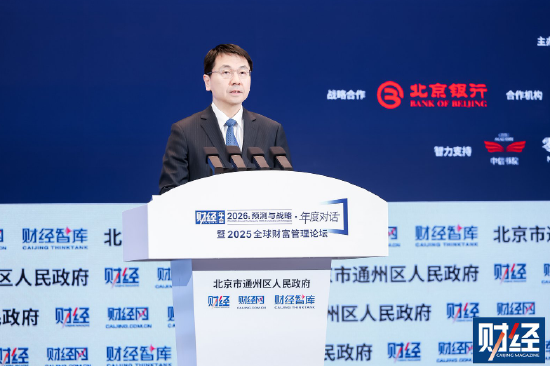
曾林峰:大力支持北交所深化改革,持续助力北交所提质扩容
Xin Lang Cai Jing· 2025-12-18 05:37
专题:财经年会2026:预测与战略暨2025全球财富管理论坛 以下为演讲实录: 尊敬的各位领导,各位来宾,大家上午好!非常高兴能够参加《财经》年会2026:预测与战略暨2025全 球财富管理论坛,我谨代表市金融管理局对活动的成功举办表示热烈的祝贺,向长期以来关心支持首都 金融发展的新老朋友表示衷心的感谢! 金融是国民经济的血脉,关系中国式现代化建设的全局。党的二十届四中全会对我国十五五时期经济社 会发展做出了顶层设计和战略擘画,全会通过的建议也就金融强国做出了重要的部署。12月10日,中央 经济工作会强调要坚定信心用好优势应对挑战,不断巩固扩展经济稳中向好的优势,为我们当前和今后 一个时期的经济金融工作指明了方向。 北京作为国家金融管理中心,目前北京金融业总资产规模约占全国的一半,金融业法人机构数、从业人 员数、保险密度和深度等指标均居全国第一。一批金融五篇大文章创新举措协同发力,截至三季度末全 市金融五篇大文章合计贷款余额6.8万亿元,北京地区银行间市场科创债发行规模位居全国前位,北京 绿色交易所获批建设全国温室气体自愿减排交易中心和国家绿色技术交易中心,多层次的资本市场功能 持续得到完善。北交所提质扩容成 ...
证券时报:当好平台“把关人” 整治股市“小作文”
Zheng Quan Shi Bao· 2025-12-18 00:00
当前,我国网民规模体量巨大,自媒体平台也为数众多,不少资本市场的"小作文"都呈现出跨平台传播 的特征。头部自媒体平台的治理能起到很好的带头引领作用,未来也期待更多的自媒体平台效仿加入, 更好形成合力,为资本市场信息的净化添砖加瓦。 整治资本市场"小作文"是一项系统性工程。自媒体平台处于最前端,理应切实当好"守门员""把关人", 扛起平台的主体责任。在后端,行政、司法也在归位尽责。今年5月,最高人民法院、证监会印发《关 于严格公正执法司法服务保障资本市场高质量发展的指导意见》。其中明确表示,对于通过编传"小作 文"等虚假信息扰乱市场秩序、损害他人权益的行为,受害人提起民事诉讼要求损害赔偿的,人民法院 依法予以支持。相信经过各方的不懈努力,资本市场"小作文"的治理水平及治理能力都将显著提升。 近日,抖音发布了《抖音社区财经行业公约(试行)》,进一步加强对抖音平台财经内容发布的管理。 作者资质方面,倡导完成平台财经专业资质认证,禁止未经平台资质认证的账号发布财经专业内容。内 容方面,禁止造谣传谣,禁止编造虚假财经信息误导用户。 一直以来,资本市场上各种"小作文"层出不穷,对市场正常秩序造成了一定冲击,有的甚至还导致 ...
投融资改革要走深走稳
Jing Ji Ri Bao· 2025-12-17 23:18
Group 1 - The central economic work conference has identified key tasks for next year's economic work, emphasizing the continuous deepening of comprehensive reforms in capital market investment and financing, marking a clear direction for high-quality development in the capital market as the "14th Five-Year Plan" begins [1] - The focus on capital market reforms for two consecutive years highlights the central government's high regard for the capital market, with an emphasis on moving into deeper reforms that are more core and critical, and paying greater attention to overall stability and coordination [1] - Investment and financing are two sides of the same coin in the capital market, and promoting a dynamic balance between the two has been a significant focus of recent reforms [1] Group 2 - The current high proportion of indirect financing compared to direct financing has not seen substantial change, indicating that the role of "long money and long investment" is still insufficient to meet the needs of high-quality economic development [2] - The establishment of a growth tier on the Sci-Tech Innovation Board and the formal implementation of a third listing standard for the ChiNext have accelerated the capital market's service to technological innovation, allowing many hard-tech and innovative companies to successfully list on the A-share market [2] - The capital market serves not only as a financing platform for companies but also as a competitive arena for survival of the fittest, necessitating an open entry for valuable companies and a streamlined exit mechanism for underperforming firms [2] Group 3 - On the investment side, it is crucial to attract long-term capital while also building a supportive ecosystem, as a market dominated by short-term speculation cannot meet the expectations for wealth preservation and growth [3] - Institutional innovation is needed to optimize the assessment and investment constraints of long-term funds such as insurance and social security funds, thereby expanding the pool of long-term capital [3] - The central economic work conference emphasizes that the reforms on the investment and financing sides should not be isolated but should be coordinated and complementary, requiring a holistic approach in institutional design [3] Group 4 - As reforms in investment and financing deepen and stabilize, a long-term ecosystem will be gradually established, promoting a balance in quantity and continuous improvement in quality within the capital market, which will better support employment stability, enterprise stability, market stability, and expectation stability [3]
中国人民大学国家金融研究院院长吴晓求:中国资本市场改革和发展有三重目标
Shang Hai Zheng Quan Bao· 2025-12-17 19:19
Core Viewpoint - The future reform of China's capital market aims to achieve three main goals: to become a driver of economic growth and industrial upgrading, to serve as an important platform for social wealth management, and to progress towards becoming a new international financial center and a hub for RMB-denominated asset allocation [2][4][5]. Group 1: Three Goals of Capital Market Reform - The foundational goal is to eliminate "danger zones" in the capital market, ensuring a zero-tolerance policy towards fraud and misconduct, supported by strict criminal penalties [4]. - The core goal is to accelerate the capital market's role as a driver of economic growth and a key platform for social wealth management, focusing on adjusting the structure of residents' asset allocation [4][5]. - The vision goal is to establish the capital market as a new international financial center, aiming to become the third-largest global financial hub after New York and London, with a target of increasing the proportion of foreign investors in the market to 10% by 2030 and 15% by 2035 [5]. Group 2: Key Areas for Reform - In the asset dimension, the focus is on improving the quality of listed companies, particularly by promoting high-growth tech and specialized enterprises to become the main body of listed firms [6]. - In the funding dimension, the emphasis is on enhancing market liquidity and attracting more long-term capital, with recent policies aimed at reducing investment risks for insurance funds in equity assets [6][7]. - In the institutional dimension, the goal is to increase market transparency and strengthen legal constraints, shifting from administrative penalties to a balanced approach of criminal and civil penalties, while enhancing investor protection [7].