
超市零售

Search documents
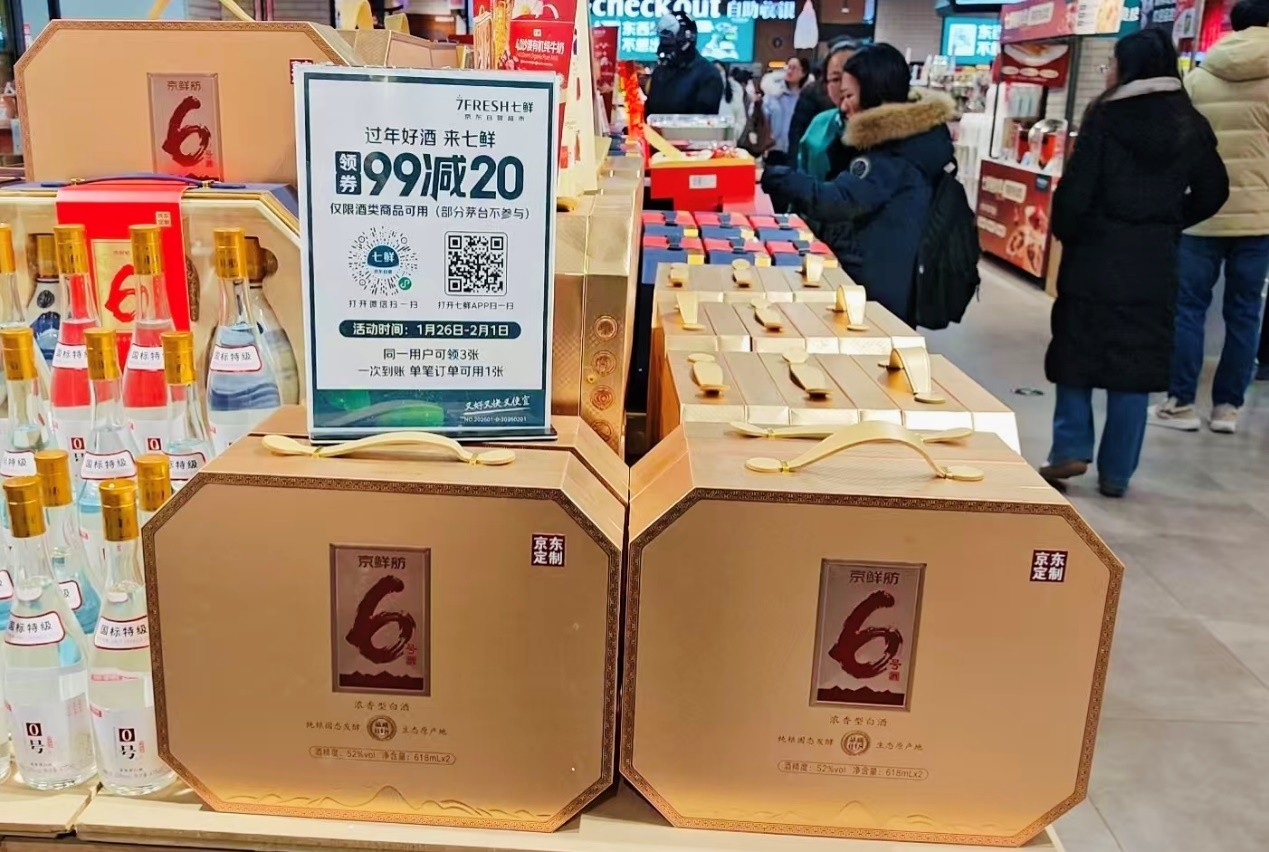
过年好酒来七鲜“6”翻全年!京东七鲜超市酒水全场“满99减20”
Zhong Jin Zai Xian· 2026-01-27 02:51
年关将近,酒水市场迎来需求旺季,从阖家团圆到走亲访友,都少不了一瓶烘托氛围、承载心意的好 酒。1月26日至2月1日,京东七鲜超市推出全场酒水"满99减20"福利,除部分茅台外,从全球直采的名 庄葡萄酒、酒厂直供的品质白酒,到微醺低度酒、特色精酿,七鲜超市全场酒水均参与优惠。 活动的一周期间,消费者可登陆七鲜超市APP、微信小程序共领取3张"满99减20"优惠券,还可通过京 东APP首页自营秒送频道领取3张相同优惠券,每人最多享6次优惠。线上线下全渠道通用,无需复杂计 算,下单立享折扣。 多款七鲜专供酒水同步参与"满99减20"优惠,为亲友相聚再添心意选择。米三的故事杨枝甘露米露,融 合芒果原浆、优质椰浆与五常糯米,口感香甜柔润;滇红柚子米露则以糯米、香柚原汁与滇红茶叶调 和,冷热皆宜,清爽解腻。干露飞行棋礼盒采用红魔鬼干红与干白组合,搭配飞行棋互动玩法,为家庭 聚会增添更多乐趣;锐澳RIO鸡尾酒混合六联包仅32.9元/组,六种爆款口味一次集齐,适合好友小聚、 好友小聚,七鲜多款自有品牌果味气泡酒、低度酒带来微醺选择。七鲜马上有钞"漂"预调酒6罐组合装 低至35.9元,喜庆红运包装氛围感拉满,集齐四种果肉口味, ...

“大湾鸡”、微短剧……它们写入地方政府工作报告
Xin Lang Cai Jing· 2026-01-27 02:17
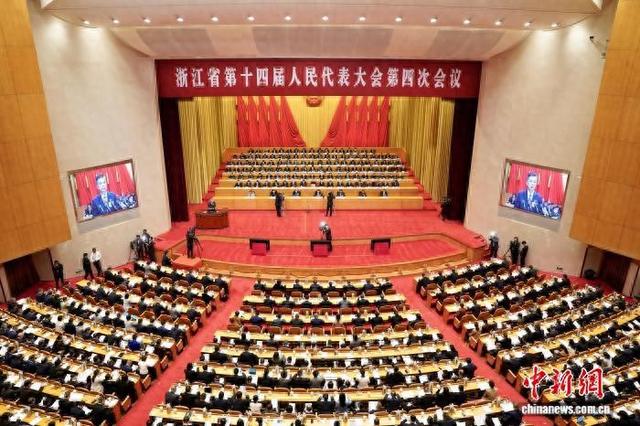
胖东来连续三年写入河南政府工作报告 中新网北京1月27日电(记者 袁秀月)近期,省级地方两会密集召开。记者注意到,胖东来、微短剧、"这 么近,那么美,周末到河北"等热词、热议话题出现在多地政府工作报告中,展现出各地发展的新活 力。 此次全运会由粤港澳首次联合举办,除了促进体育交流,还带动了"体育+文创""体育+文旅"热潮。据统 计,"喜洋洋""乐融融"爆款产品"一豚难求",日销售峰值超300万元。目前,文创产品销售总额近10亿 元。 河北提及"这么近,那么美,周末到河北" 1月14日, 浙江省十四届人大四次会议在杭州开幕,浙江省省长刘捷作政府工作报告。 张斌 摄 "'这么近,那么美,周末到河北'火爆出圈",1月26日,河北省十四届人大四次会议开幕,河北省政府 工作报告提及这句火爆出圈的文旅标语。 1月26日,河南省十四届人大四次会议开幕。在回顾"十四五"时期和2025年工作时,河南省政府工作报 告提出:民营经济活力迸发,新增经营主体370万户,牧原、宇通、华兰等一批龙头企业向强而跃,胖 东来、蜜雪冰城、锅圈食汇等一批新锐企业向新而生。 这是胖东来第三次、蜜雪冰城第二次被写入河南省政府工作报告。 有评论指出," ...
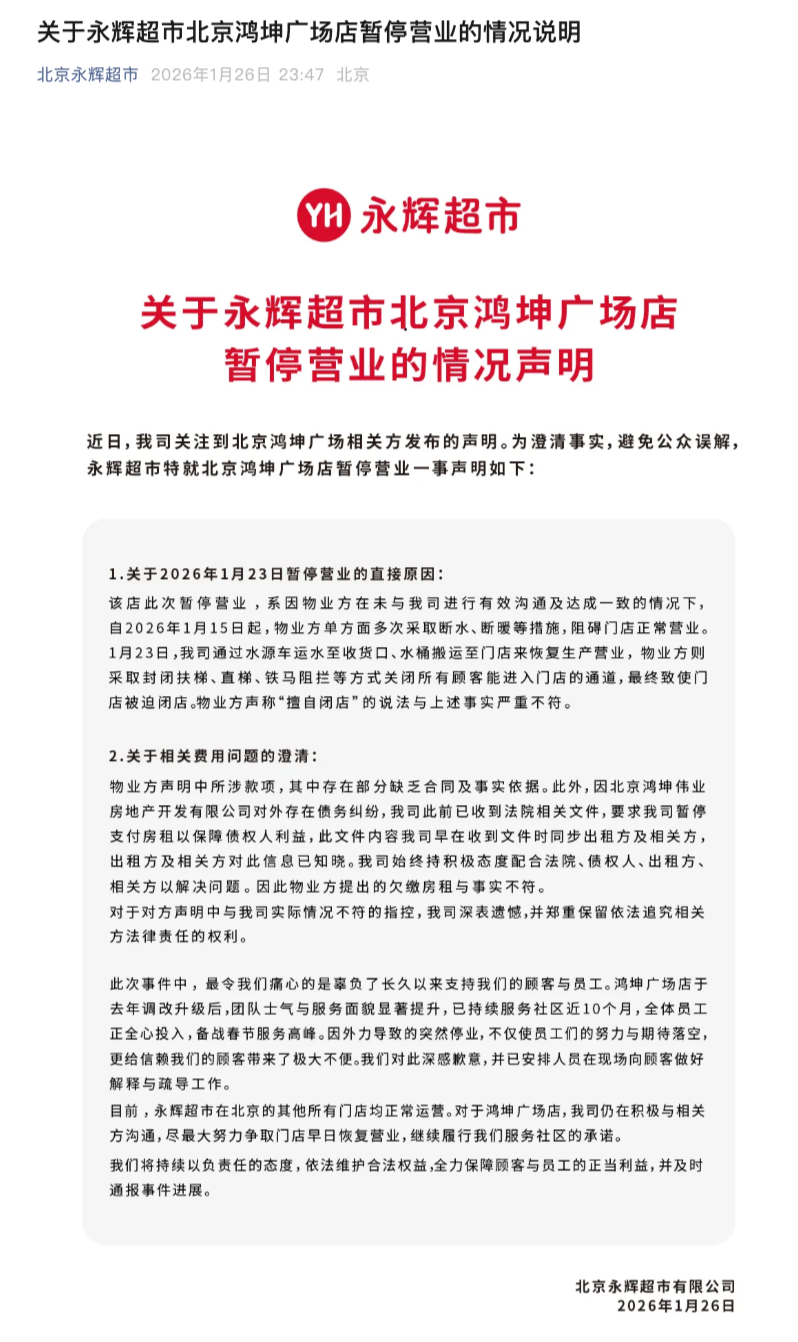
永辉超市发布北京鸿坤广场店暂停营业情况声明:门店系被迫闭店,此前物业方多次阻碍门店正常营业
Cai Jing Wang· 2026-01-27 01:54
Core Viewpoint - The dispute between Yonghui Supermarket and the property management of Beijing Hongkun Plaza has led to the temporary closure of the supermarket, with both parties issuing conflicting statements regarding the reasons and responsibilities for the closure [1][2][3] Group 1: Reasons for Closure - The supermarket was forced to close on January 23, 2026, due to the property management's unilateral actions, including cutting off water and heating, which obstructed normal operations [1] - The property management claims that Yonghui Supermarket closed the main entrance without proper communication, and has not paid any rent or related fees since the store's renovation completion on March 28 [3] Group 2: Financial Disputes - Yonghui Supermarket asserts that the claims regarding unpaid rent and fees lack contractual and factual basis, and that they have received court documents instructing them to suspend rent payments due to the property management's debt disputes [2] - The property management maintains that they have continued to provide utilities despite Yonghui's alleged non-payment of various fees [3] Group 3: Current Operations - All other Yonghui Supermarket locations in Beijing are operating normally, and the company is actively communicating with relevant parties to restore operations at the Hongkun Plaza store [2]

永辉超市深夜回应北京一调改门店停业:物业方“擅自闭店”的说法与事实严重不符
Xin Lang Cai Jing· 2026-01-27 01:17
Core Viewpoint - The recent sudden closure of Yonghui Supermarket's Hongkun Plaza store in Beijing has raised concerns, primarily due to disputes with the property management regarding operational conditions and unpaid fees [1][7]. Group 1: Store Closure Details - Yonghui Supermarket announced the closure of its Hongkun Plaza store due to the property management's unilateral actions, including cutting off water and heating since January 15, 2026, without effective communication [1]. - The company attempted to restore operations by transporting water to the store, but the property management obstructed access by blocking entrances [1]. - The property management claimed that Yonghui closed the store without proper communication and has not paid any rent or utility fees since the store's renovation [7]. Group 2: Operational Status and Financial Performance - All other Yonghui Supermarket locations in Beijing are operating normally, and the company is actively working to resolve the issues with the Hongkun Plaza store [4]. - Yonghui Supermarket's recent financial report indicated an expected net loss of 2.14 billion yuan for the year 2025, marking the fifth consecutive year of losses, with the loss amount increasing compared to 2024 [7]. - The company plans to close 381 underperforming stores and significantly restructure 315 stores, which has led to substantial one-time expenses affecting overall performance [7].
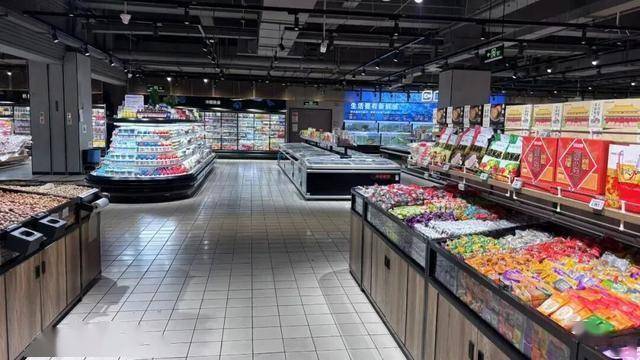
探店北京区域“胖改”店
Sou Hu Cai Jing· 2026-01-26 16:36
Core Viewpoint - The transformation of traditional supermarkets is not just about store renovation but involves deeper challenges such as supply chain restructuring, organizational culture change, and sustainable profitability [1]. Group 1: Consumer Behavior and Store Experience - Consumers have decreased in number at renovated stores, with some expressing dissatisfaction over higher prices and a lack of everyday items like fresh produce [3][6][8]. - Renovated stores have adopted a more boutique supermarket style, which some consumers find appealing, but others feel it lacks the "liveliness" and affordability of previous offerings [6][10][11]. - Observations indicate that foot traffic has significantly declined post-renovation, with stores that were once crowded now appearing empty, especially during peak shopping times [8][10]. Group 2: Pricing and Competition - The price increases following renovations have led consumers to seek alternatives, with many opting for online shopping where prices are often lower [14][16]. - Comparisons show that some products in renovated stores are priced significantly higher than similar items available on e-commerce platforms, leading to a perception of poor value [16][18]. - The competition from membership-based warehouse stores like Sam's Club adds pressure on traditional supermarkets to justify their pricing strategies [31]. Group 3: Operational Challenges and Employee Dynamics - The transformation efforts have resulted in a substantial increase in labor costs, with employee numbers and salaries rising significantly, which poses challenges to profitability [35][37]. - The need for consistent service quality across different locations and store sizes remains a critical challenge as companies scale their renovation efforts [37]. - The unique cultural and operational strengths of successful models like "胖东来" are difficult to replicate, creating a gap in execution for other supermarkets [35][37]. Group 4: Future Outlook and Strategic Considerations - The ongoing transformation of traditional supermarkets is seen as a necessary evolution in response to changing consumer preferences and competitive pressures [29][33]. - The ability of companies to navigate deeper operational challenges will determine whether they can establish themselves as sustainable "quality supermarkets" rather than fleeting trends [37][38].
首进华南三店齐开!盒马“平价超市”缘何抢滩华南?
Nan Fang Du Shi Bao· 2026-01-26 14:26
1月23日早上,东莞大朗镇松佛路与长富西路交会处的超盒算NB卓为城店还未到8点营业时间,门口已 排起数十米长队。随着门店开启,市民涌入抢购1.9元/斤的广东菜心、26.9元/1.2公斤的猪小排等实惠商 品。同日,东莞南城莱蒙商业中心店同步开业,24日深圳宝安沙井濠景时代店也正式迎客。 盒马旗下硬折扣标杆"超盒算NB"以莞深三店齐开的姿态完成华南首秀,标志着这一布局全国400余家门 店的硬折扣新业态,正式进军华南市场。 一场社区消费的效率革命已然拉开序幕。 新一代平价超市探店直击 本地化改造拉满烟火气,高性价比成吸客利器 在东莞大朗卓为城店,600余平方米的空间内,1500款商品按"开火做饭、即食即烹、休闲悦己、居家日 用"四大场景清晰划分,兼具超市的规整与菜市场的鲜活。 与其他区域门店最大的不同,在于这里随处可见的华南特色——生鲜区专属设置的烧腊档口飘出阵阵香 气,玻璃柜内的叉烧、烧鹅色泽诱人;蔬菜区除了云南、山东基地直供的品类,还陈列着西洋菜、菜心 等本地刚需叶菜,旁边的冰鲜区则摆着泥猛鱼、现切潮汕牛肉等特色水产肉类。 据了解,"超盒算"谐音"超合算",直白传递"商品价格超级合算"的价值主张;NB代表"Ne ...
永辉门店设置年货“喜市”专区
Bei Jing Shang Bao· 2026-01-26 10:01
Core Viewpoint - Yonghui Supermarket has launched a new strategy called "New Yonghui New Year Flavor," featuring a dedicated "Joy Market" area in stores that showcases various traditional New Year goods and decorations [1] Group 1: New Year Strategy - Yonghui Supermarket has set up a "Joy Market" section in stores, offering items such as Spring Festival couplets, Fu characters, lanterns, and creative decorations [1] - The supermarket is hosting a three-day themed event from January 24 to 26, featuring tastings of traditional Laba porridge, discounts on Laba garlic, and innovative experiences like grilled lamb skewers paired with Laba garlic [1] - Yonghui has selected 30 high-demand products, seasonal fresh produce, and essential goods to offer special discounts, providing a one-stop shopping solution for New Year purchases [1] Group 2: IP Empowerment and Product Innovation - A highlight of this year's "Joy Market" is the introduction of products from popular IPs such as Sanrio and My Little Pony, featuring festive decorations that blend cute cartoon elements with traditional Chinese auspicious symbols [1] - The product development and creative design for traditional items have been enhanced, including 3D cartoon couplets and various fabric couplets, addressing common issues with traditional adhesive designs [1] - The "Joy Market" also features ancient-style lanterns made from faux sheepskin paper, 3D财神 (God of Wealth) ornaments, and woven Chinese knots, showcasing a blend of tradition and innovation [1]
叫好更叫座!重庆百货超市门店调改上台阶 业绩长虹树立转型新标杆
Quan Jing Wang· 2026-01-26 07:33
Core Viewpoint - The transformation of the retail industry is not merely about imitating peers but involves a systematic upgrade of concepts, scenarios, supply chains, services, and organization, reshaping consumer demands and behaviors as well as the brand ecosystem [1][3]. Group 1: Retail Transformation - The retail industry is undergoing rapid transformation, with significant changes in store formats and operations, but achieving success is challenging [1]. - Yonghui Supermarket is expected to continue reporting losses in 2025, with cumulative losses exceeding 5 billion yuan for 2024 and 2025, highlighting the difficulties faced in the industry [1]. Group 2: Store Performance - On January 23, the newly renovated Chongqing New Century Supermarket at Daping Times Square saw a 6-fold increase in customer traffic and a 7-fold increase in daily sales compared to before the renovation [3][8]. - The renovated store features an expanded area of 8,000 square meters, eliminating forced traffic flow designs to allow for a more autonomous shopping experience [8]. Group 3: Product and Supply Chain Strategy - The store renovation emphasizes "quality first and precise matching," reducing redundant products by 17% and achieving a high replacement rate of 70%, with non-food items seeing an 85% replacement rate [8]. - The product categories have expanded to 92 major categories and 1,305 subcategories, introducing popular items favored by younger consumers, with a new brand introduction rate of 48% and over 2,500 direct-sourced products [8]. Group 4: Culinary Experience - The new store integrates quality living with local flavors by introducing traditional Sichuan cuisine, enhancing the shopping experience with freshly prepared food options [9]. Group 5: Supply Chain and Financial Performance - The store will implement a "direct sourcing + strategic alliance" model, with nearly half of suppliers being direct sources, enhancing supply chain stability and product quality [10]. - Chongqing Department Store's overall gross margin reached 27.83% in the first three quarters of 2025, showing a year-on-year improvement and achieving a net profit of 999.1 million yuan, a 7.38% increase [12]. - The company has initiated a mid-term dividend policy, distributing 0.1589 yuan per share in 2025, with cumulative cash dividends over the past three years exceeding 125% of average annual profits, indicating a strong financial position [12].

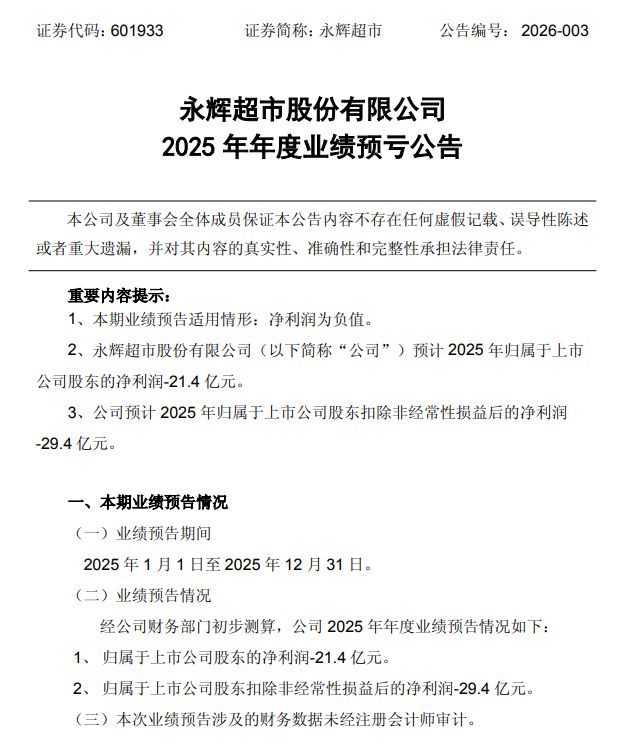
永辉超市:折价出售云金科技股权致投资亏损近9100万元 收监管工作函
2 1 Shi Ji Jing Ji Bao Dao· 2026-01-26 02:32
Core Viewpoint - Yonghui Supermarket (601933.SH) has decided to terminate the public transfer of its 28.095% stake in Yonghui Yunjin Technology Co., Ltd. due to prolonged timelines and unsuccessful attempts to find qualified buyers, opting instead for a private transfer to existing shareholder Shanghai Paihui Technology Co., Ltd. for a total price of 80 million RMB [1] Group 1: Transaction Details - The decision to terminate the public transfer was influenced by the lengthy process of soliciting potential buyers and the failure to attract suitable offers despite two price reductions [1] - The final agreement price of 80 million RMB is significantly lower than the book net asset value of approximately 171 million RMB, resulting in an expected investment loss of about 90.88 million RMB [1] Group 2: Market Feedback and Pricing - The transaction price was determined based on market feedback received during the earlier public listing process, which included price adjustments to 153 million RMB and 120 million RMB [1] - The company will no longer hold any equity in Yunjin Technology following the completion of this transaction [1]
新老零售如何破局“人心争夺战”?
Xin Lang Cai Jing· 2026-01-25 20:20
Core Insights - The retail industry is experiencing a significant transformation characterized by the emergence of new retail brands and the struggles of traditional retail giants, highlighting a divide in the market [1][5][7] Group 1: New Retail Trends - New retail brands like "悦活里" and ALDI are rapidly expanding, focusing on local consumer preferences and offering unique products to attract customers [1][2] - ALDI's strategy includes a limited but high-quality product selection, catering to essential household needs, which has resulted in a 30% increase in customer traffic on opening day [1][2] - "悦活里" emphasizes low prices and customer satisfaction guarantees, such as refunds for unsatisfactory products, enhancing customer loyalty [2] Group 2: Traditional Retail Challenges - Traditional retailers like IKEA and Carrefour are facing significant challenges due to changing consumer habits and increased competition from online platforms and discount stores [5][6] - IKEA's closure of stores reflects the difficulties of maintaining large retail spaces in a market that increasingly favors smaller, more flexible formats [5] - Carrefour's exit from the Chinese market illustrates the struggle of traditional supermarkets to compete with e-commerce and community group buying models [6] Group 3: Consumer-Centric Strategies - New retail companies are shifting their focus from price to value, emphasizing emotional connections and quality in their offerings [2][8] - Companies like 盒马 are building localized supply chains to ensure freshness and cater to regional tastes, enhancing their competitive edge [2] - The transformation of retail spaces into community hubs, as seen with 永辉 and 苏果, aims to meet diverse consumer needs beyond mere shopping [4] Group 4: Market Dynamics - The retail landscape is moving towards a model where multiple formats coexist, each catering to different consumer segments and preferences [9] - The rise of new retail brands is a response to the evolving consumer demand for personalized experiences and quality products [9] - The ongoing changes in the retail sector reflect a broader trend of consumer empowerment, where businesses must adapt to meet the specific needs of their customers [9]