先进制造

Search documents
自贸港的湾区力量|丘林岳:从1到10,还是从0到1?
Sou Hu Cai Jing· 2025-11-26 02:46
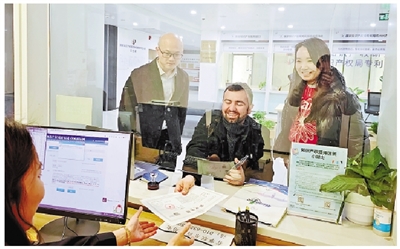
Core Viewpoint - The collaboration between Shenzhen and Danzhou represents a significant highlight in the regional coordinated development, with the Danzhou Industrial Park serving as a key platform to transform regional blueprints into reality [1][10]. Group 1: Development Background - The strategic cooperation agreement between Danzhou City and Shenzhen Port Group was signed in August 2020, marking the beginning of the "Shenzhen-Danzhou Cooperation" [6][10]. - By June 2023, the Guangdong-Hainan strategic cooperation agreement was signed, providing a higher-level strategic support for the Shenzhen-Danzhou collaboration [10]. Group 2: Project Progress - The Danzhou Industrial Park has transformed from a barren land five years ago into a modern logistics center with a six-lane asphalt road and various operational facilities [1][8]. - As of October 2025, the Danzhou Cooperation Zone has registered 28 enterprises, signed contracts with 18, and attracted 8 industry-leading companies, with total investments exceeding 1.6 billion [12]. Group 3: Innovative Cooperation Model - The cooperation has evolved from enterprise-led initiatives to a model guided by government and market operations, creating unprecedented development opportunities [10]. - The introduction of Shenzhen's development concepts, industrial planning, and management models into Danzhou has established a new framework of "Shenzhen R&D + Danzhou Manufacturing" [10]. Group 4: Future Opportunities - The upcoming full island closure operation of Hainan Free Trade Port on December 18, 2025, is expected to significantly enhance market competitiveness for Hainan's manufacturing sector, with the range of zero-tariff goods expanding from 21% to 74% [13]. - The cooperation is set to expand beyond the Danzhou Industrial Park to encompass the entire Danzhou area and surrounding economic zones, focusing on advanced manufacturing, tropical agricultural food processing, and digital economy [15].

美国“创世纪任务”启动:AI驱动国家级科研动员,重塑科技竞争格局
Haitong Securities International· 2025-11-25 12:35
Investment Rating - The report does not explicitly state an investment rating for the industry Core Insights - The U.S. "Genesis Mission" aims to establish a national-level technology initiative comparable to the "Manhattan Project," focusing on integrating scientific datasets, supercomputing resources, and AI models to enhance the U.S.'s global technology leadership [12][14] - The initiative emphasizes the application of AI in scientific discovery as a national security priority, indicating a shift from commercial AI applications to a more integrated national research approach [13][14] - The plan outlines six priority sectors: advanced manufacturing, biotechnology, critical materials, nuclear energy, quantum information science, and semiconductors, which will guide federal budget allocations and industrial policies [14][15] Summary by Sections Event Overview - The Genesis Mission was officially launched on November 24, 2025, by President Trump, with the goal of accelerating scientific breakthroughs in critical fields [12] - The initiative is led by the Department of Energy and aims to create a unified "American Science and Security Platform" [12][14] Strategic Shift - The focus has shifted from regulation to national research empowerment, establishing "AI for Science" as a strategic priority [13] - The government intends to leverage national resources to overcome scientific bottlenecks in key areas [13] Infrastructure Development - The plan includes building a national-level hardware and software infrastructure that integrates supercomputers, cloud-based AI environments, and extensive federal scientific data [14] - This infrastructure aims to create significant barriers to entry for competitors, positioning entities with high-quality data and computing capabilities at the core of future technology ecosystems [14] Priority Sectors - The six identified priority sectors are expected to drive demand for upstream computing infrastructure and benefit industry leaders that can integrate AI into their R&D processes [14][15] - Specific sectors include semiconductors, biotechnology, and clean technology, which are poised for growth due to the initiative [14] Public-Private Partnerships - The initiative emphasizes collaboration with private sector companies and universities, allowing technology firms to participate in national projects [15] - Clear execution milestones have been set, including resource audits and initial platform capabilities, which are expected to accelerate technology transfer from research to application [15]
“保持投资合理增长”——政策周观察第56期
一瑜中的· 2025-11-25 10:50
Group 1 - The core message emphasizes the importance of reform and innovation, as highlighted in the speech by the General Secretary on November 21, which calls for a commitment to ideals and the need for continuous self-revolution within the party [2][8] - The speech also stresses the necessity of enhancing the people's sense of gain, happiness, and security, aiming for substantial progress in common prosperity [8] - The focus on utilizing both domestic and international resources for development is reiterated, along with the need for a comprehensive and planned approach to reform [8] Group 2 - Recent high-level inspections by government officials, including Ding Xuexiang and He Lifeng, indicate a strong emphasis on maintaining reasonable investment growth and improving investment efficiency across various sectors [3][9][10] - The inspections covered advanced manufacturing, smart manufacturing, and the development of new-generation information technology, highlighting the importance of optimizing traditional industries and nurturing emerging sectors [9] - The government is actively addressing external pressures on foreign trade and promoting a modern logistics system to enhance competitiveness [10] Group 3 - The State-owned Assets Supervision and Administration Commission (SASAC) held a meeting on November 21 to promote the specialization and integration of central enterprises, focusing on key areas such as new materials and artificial intelligence [13] - The Ministry of Industry and Information Technology launched a commercial trial for satellite IoT services, indicating a push towards integrating industrial internet and artificial intelligence [14] - The education sector is also being reformed to support modernization efforts, with initiatives aimed at enhancing talent cultivation and integrating technology with industry [15]

海南产经新观察:海关“三个聚力”助推高水平开放
Zhong Guo Xin Wen Wang· 2025-11-25 05:36
Core Insights - The construction of Hainan Free Trade Port has led to significant increases in foreign trade, with an average annual growth rate of 25.1% since 2020, indicating a continuous improvement in trade openness and convenience [1] Group 1: Policy Implementation and Economic Impact - Hainan's customs have implemented several policies to support high-level openness and quality development, including zero tariffs on three lists of imports, which have totaled 27.2 billion yuan in value and resulted in tax reductions of 5.15 billion yuan [1] - The processing and value-added tax exemption policy has been expanded to the entire island, benefiting 129 enterprises with a total domestic sales value of 11.1 billion yuan and tax reductions of 860 million yuan [1] - The "temporary export repair" and "temporary import repair" policies have shown positive results, with over 100 aircraft repaired under customs supervision and a total value of 2.7 billion yuan benefiting from the temporary export repair policy [2] Group 2: Innovation in Customs Regulation - Customs have introduced innovative regulatory measures for Hainan's key industries, such as seed industry revitalization and duty-free shopping, with seven innovative measures filed with the General Administration of Customs and 18 results selected as integrated innovation cases [2] - The duty-free shopping sector has seen over 210 billion yuan in monitored sales since 2020, with recent policy upgrades enhancing the variety of goods and allowing more purchases for departing travelers, resulting in monitored sales of 1.57 billion yuan in just 20 days [3] Group 3: Trade Facilitation and Logistics Efficiency - The customs have implemented over a hundred measures to optimize the business environment and promote cross-border trade facilitation, significantly benefiting key parks and industries [3] - The introduction of the "three same, three trace" regulatory model in the Yangpu Free Trade Port Area has reduced customs clearance times for food and raw materials by 70% [4] - The overall customs clearance time for imports and exports has been reduced by nearly 70%, with the customs laboratory recognized by the World Customs Organization, enhancing its capabilities [4][5]
政策周观察第56期:保持投资合理增长
Huachuang Securities· 2025-11-24 09:01
Group 1: Policy Insights - The speech by the General Secretary on November 21 emphasized the importance of reform and innovation, stating that rural reform should learn from past mistakes and promote openness[1] - The focus on maintaining reasonable investment growth and improving investment efficiency was highlighted during recent inspections in Shandong and Hebei[2] - The State-owned Assets Supervision and Administration Commission (SASAC) held a meeting on November 21, resulting in the signing of key projects involving 17 units in critical sectors such as new materials and artificial intelligence[12] Group 2: Economic Development Strategies - The need for a comprehensive legal and policy framework to guide outward-oriented enterprises was stressed during inspections in Hubei and Hunan[2] - The importance of enhancing traditional industries and nurturing emerging sectors was reiterated, with a focus on optimizing government investment[9] - The launch of commercial trials for satellite IoT services was announced at the 2025 China 5G+ Industrial Internet Conference, indicating a push towards advanced technology integration[13]
时报观察丨以资本为钥 优化央企战新产业布局
证券时报· 2025-11-24 00:13
Core Viewpoint - The integration of state-owned enterprises (SOEs) in strategic emerging industries such as new energy, new materials, and advanced manufacturing is expected to become increasingly active, driven by new policies from the State-owned Assets Supervision and Administration Commission (SASAC) [1][2] Group 1: Policy and Investment Trends - The SASAC has mandated that SOEs leverage capital markets to enhance their integration capabilities in strategic emerging industries [1] - During the 14th Five-Year Plan period, SOEs have significantly increased their investment in strategic emerging industries, with an annual growth rate exceeding 20% [1] - In 2024, investments in strategic emerging industries by SOEs are projected to surpass 40% of total investments, with revenue contribution nearing 30% [1] Group 2: Challenges and Solutions - SOEs face challenges such as resource dispersion and insufficient collaboration in developing strategic emerging industries outside their main business [2] - Integrating these emerging businesses into other main business SOE platforms offers a viable solution to overcome development bottlenecks [2] - Successful integration requires not only asset recombination but also the release of synergistic effects, necessitating a deep understanding of enterprise positioning and needs [2]

以资本为钥 优化央企战新产业布局
Zheng Quan Shi Bao· 2025-11-23 18:48
Core Viewpoint - The State-owned Assets Supervision and Administration Commission (SASAC) has mandated state-owned enterprises (SOEs) to leverage capital markets effectively, enhancing the integration capabilities of strategic emerging industries [1][2] Group 1: Policy Direction - SOEs are encouraged to explore the injection of non-core but growth-potential strategic emerging businesses into other core SOE-listed platforms [1] - This policy provides a new pathway for optimizing the layout of strategic emerging industries within SOEs [1] Group 2: Investment Trends - During the 14th Five-Year Plan period, SOEs have significantly increased their investment in strategic emerging industries, with an annual growth rate exceeding 20% [1] - In 2024, the investment in strategic emerging industries by SOEs is expected to surpass 40% of total investments, with revenue contribution nearing 30% [1] Group 3: Development Challenges - SOEs face challenges such as resource dispersion and insufficient collaboration in the development of strategic emerging industries in non-core areas [2] - The injection of these businesses into core SOE-listed platforms is seen as a viable solution to overcome these development bottlenecks [2] Group 4: Future Outlook - The integration of SOEs in sectors like new energy, new materials, and advanced manufacturing is anticipated to become increasingly active [2] - Successful integration will depend on not just asset recombination but also the release of synergistic effects, requiring careful research on enterprise positioning and needs [2]


丁薛祥在山东、河北调研
Yang Shi Wang· 2025-11-22 12:04
Group 1 - The core message emphasizes the need to implement the spirit of the 20th Central Committee's Fourth Plenary Session and ensure the achievement of economic and social development goals for the year [1] - The focus is on optimizing traditional industries and nurturing emerging industries through deep integration of technological and industrial innovation [1] - There is a strong emphasis on enhancing the resilience and quality of industrial and supply chains, as well as promoting collaboration among enterprises, academia, and research institutions [1] Group 2 - The importance of leveraging government investment to stimulate effective investment and promote high-quality development of private investment is highlighted [2] - Ensuring stable energy production and supply during the winter heating season is critical, with a focus on coal, electricity, oil, and gas regulation [2] - The success of local ecological restoration efforts is acknowledged, with a call to share and promote effective practices for environmental protection [2]
雷少华:美国“脱实向虚”因为金融赚钱容易?这里面藏了一个大隐患
Guan Cha Zhe Wang· 2025-11-22 01:06
Group 1 - The core issue of major countries transitioning from the real economy to the financial sector is attributed to technological stagnation, where old technologies fail to foster new industries, leading capital to flow into finance [1][10] - The report highlights the contrasting paths of the US and China, with the US experiencing relative decline due to a fragmented industrial system and reliance on external core technologies, while China benefits from a complete and resilient industrial system [1][7] - The report emphasizes that a strong industrial system is fundamental for driving technological advancement, and finance should serve the real economy rather than operate independently [10][11] Group 2 - The discussion at the seminar underscores the importance of organizational structure and economic forms, such as "de-industrialization," in determining the rise and fall of great powers [2] - The historical context of industrial revolutions illustrates that technological advancements have historically driven new industries, but the current technological landscape lacks disruptive innovations, leading to stagnation [6][10] - The US faces challenges due to its globalized industrial and talent systems, which, while initially beneficial, have created vulnerabilities in the face of new competitors like China [7][8]
高新区(滨江)交出“十四五”“期末”创新答卷
Hang Zhou Ri Bao· 2025-11-21 02:27
Core Insights - The article highlights the significant growth in the number of effective invention patents in the High-tech Zone (Binjiang), achieving a 2.4 times increase from 390 per ten thousand people in 2020 to 939.6 in 2025, which is 14 times the provincial average [1] - The High-tech Zone (Binjiang) has established a systematic breakthrough in innovation-driven high-quality development, focusing on innovation, reform, and ecological foundations [1][10] Innovation and Patent Navigation - The High-tech Zone has implemented a "dual-map" strategy combining "industrial maps" and "patent maps" to enhance innovation efficiency, transitioning from blind exploration to precise targeting [4] - The area has conducted 38 patent navigation projects covering key industries, contributing to the establishment of 56 international and industry standards [4] Corporate Innovation and International Recognition - In the first half of 2025, 23 companies from the region made it to the provincial top 100 creativity list, marking six consecutive years of recognition [5] - The region's international patent application volume reached 819 under the Patent Cooperation Treaty (PCT), accounting for 18.4% of the provincial total [5] Financial Innovation and Intellectual Property - The High-tech Zone has seen a significant increase in intellectual property pledge financing, reaching 12.188 billion yuan by September 2023, the highest in the city [6] - The area has pioneered financial products linked to data intellectual property, opening new financing channels for small and medium-sized enterprises [6] Patent Utilization and Ecosystem Support - The region has improved patent transfer efficiency, with 6,536 patent transfers and licenses recorded in 2024 [7] - A comprehensive service system has been established to support the entire chain from concept validation to market transformation [7] Policy and Service Ecosystem - The High-tech Zone has created a supportive innovation ecosystem, providing financial incentives and policy support for intellectual property development [8] - The establishment of a national-level intellectual property service cluster has facilitated efficient service delivery for enterprises [9] Protection and Compliance - A robust protection system combining administrative, judicial, and social elements has been developed to safeguard intellectual property rights [9] - The region has implemented innovative models for intellectual property protection, ensuring a secure environment for corporate innovation [9]