智能穿戴

Search documents
财经聚焦丨智能穿戴产品如何从“破圈”向加速普及迈进?
Xin Hua Wang· 2025-09-25 09:25
Core Insights - The article discusses the rapid growth and increasing popularity of smart wearable products, particularly in the context of AI integration and consumer demand for health management solutions [1][6]. Market Growth and Trends - The global smart eyewear market saw a 110% year-on-year growth in the first half of this year, according to Counterpoint [2]. - In July, the number of new AI eyewear products launched on Tmall experienced double-digit growth compared to the previous year [2]. - The shipment volume of smartwatches and fitness bands in China is projected to reach 20.8 million units by Q2 2025, reflecting a 33.8% year-on-year increase [2]. Product Development and Consumer Preferences - Smart eyewear is emerging as a new growth area, while smartwatches and fitness bands are focusing on feature expansion and optimization [4]. - Consumers are increasingly interested in the functionalities of wearable devices, such as health monitoring and convenience features like answering calls and receiving messages [4][6]. - The trend is shifting towards higher precision sensors for health monitoring and the integration of large models to provide diverse smart services [4]. Technological Challenges and Opportunities - Despite market expansion, many consumers are still in the "trial" phase with smart wearables, particularly with emerging categories like smart glasses and rings facing technical and cost challenges [9]. - The industry consensus is that deep integration with AI is crucial for the widespread adoption of smart wearables [9][10]. - Companies are exploring innovative solutions to overcome the "impossible triangle" of weight, performance, and battery life in smart eyewear [9]. Future Directions - The potential for smart wearables to reach medical-grade monitoring capabilities could enhance diagnostic accuracy for healthcare professionals [11]. - There is a call for establishing data standards and interoperability frameworks within the smart wearable industry to facilitate better integration with AI models [10].


智能眼镜出货量暴增,光峰科技、利亚德等A股企业竞逐AR光学赛道
Xin Lang Cai Jing· 2025-09-25 09:11
Core Insights - The global smart glasses market is experiencing a significant surge, with shipments expected to increase by 110% year-on-year in the first half of 2025, and AI-enabled smart glasses accounting for 78% of this growth [1][4] - Major companies in the AR and AI glasses sector, including Guangfeng Technology, Liyade, and BOE, are launching innovative products and solutions that address industry pain points and enhance user experience [1][2] Company Developments - Guangfeng Technology introduced a pioneering "LCoS + PVG optical solution" for AR glasses, which utilizes a single optical engine to drive dual displays, potentially disrupting the current pricing structure of AR glasses [1] - Liyade has developed AR glasses that integrate Micro LED technology with AI capabilities, focusing on B2B applications in sectors like tourism and healthcare, and aims to provide customized solutions [1][2] - BOE's Huacan showcased a 0.13-inch Micro LED display module, emphasizing low power consumption and high brightness, alongside a 6.2-inch full-color HUD for automotive applications [1][2] - NewXiangwei is expanding its product matrix to include high-end display chips for AR glasses, with a focus on domestic and automotive applications [2] - Omnivision's LCoS microdisplay technology is being utilized in Meta's first AR glasses, indicating a strategic partnership in the XR technology space [2] - GoerTek announced a capital increase to enhance its micro-nano optical capabilities, strengthening its competitive position in the VR/AR market [2] - Jiahe Intelligent's acquisition of Beyerdynamic aims to enhance its AR/AI glasses business through synergies in audio technology [2] - Luxshare Precision showcased a new generation of full-color AR glasses and has initiated mass production of PVG polarized AR glasses designed for outdoor use [2] - Lens Technology is positioning itself as a core supplier for AI glasses, with significant involvement in the assembly and supply chain for major clients [2] - Crystal Optoelectronics reported a 79% revenue increase in automotive AR applications, highlighting its growth in the next-generation terminal market [2][3] Industry Trends - The AR optical technology landscape is dominated by reflective waveguides and surface relief gratings, with the former leading in efficiency but facing manufacturing challenges [3] - The industry is transitioning from conceptual exploration to mass production, with a notable increase in demand for AI glasses, particularly in the Chinese market [4]


华为WATCH GT 6系列正式发布:以技术革新推动运动健康功能体验升级
Huan Qiu Wang· 2025-09-24 11:10
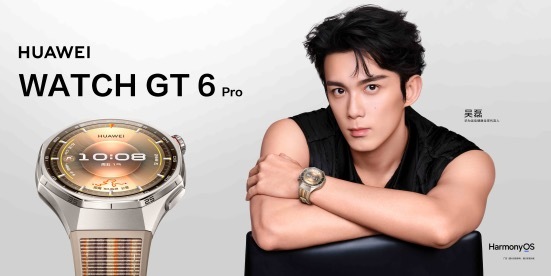
Core Viewpoint - Huawei has officially launched the new generation of smart wearable products, the Huawei WATCH GT 6 series, which will be available for purchase starting September 24, 2025, with a starting price of 1488 yuan [1]. Product Features - The Huawei WATCH GT 6 series offers comprehensive and professional sports functions, addressing the pain points of outdoor sports enthusiasts by eliminating the need for multiple devices to monitor different data [3]. - The design features a "boundaryless geometric aesthetic," with a significantly reduced bezel and a high screen-to-body ratio, providing an immersive viewing experience [3]. - Available in two sizes, 41mm and 46mm, the series offers 10 color options, catering to both elegant and sporty styles [5]. - The EasyFit quick-release design allows users to easily change watch bands, making it versatile for various occasions [7]. Battery Life - The WATCH GT 6 series boasts an impressive battery life of up to 21 days, utilizing a high-density battery that increases capacity by 65% compared to the previous generation [8][10]. - The 46mm version features an 867mAh battery, while the 41mm version has a 540mAh battery, ensuring reliable power for daily use and outdoor activities [10]. Sports Functionality - The series includes advanced features for cycling, such as simulated power and cadence tracking, allowing users to access professional-level data without additional equipment [11]. - It supports third-party route imports and automatic recognition of cycling status, enhancing convenience for urban cyclists [13]. Health Monitoring - The upgraded "Xuanji" sensing system enhances health monitoring capabilities, including a detailed emotional health monitoring feature that can identify 12 different emotional states [16]. - New data metrics for cycling, such as slope and FTP data, provide a comprehensive analysis framework for users to evaluate their training [17]. - The series includes advanced cardiovascular health monitoring features, such as atrial fibrillation load statistics and arrhythmia analysis, marking a significant upgrade in health management tools [19]. Market Position - Huawei holds a 20.2% global market share in the wearable device sector, making it the leading brand in smartwatches, with a consistent top position in the Chinese market for six consecutive years [19]. - In the second quarter of 2025, Huawei shipped 7 million units, achieving a market share of 33.4%, reflecting a year-on-year growth of 16.6% [20]. Industry Impact - The launch of the WATCH GT 6 series showcases Huawei's leadership in battery life and integrated functionality in the smart wearable market, setting a new standard for precision and professionalism in the industry [23].
连续六年位居国内市场第一,华为再发智能穿戴音频新品
Nan Fang Du Shi Bao· 2025-09-24 09:28
Core Insights - Huawei launched the HUAWEI WATCH GT 6 series and HUAWEI FreeClip 2 earphones, highlighting its strong performance in the wearable market [1][2] - The global cumulative shipment of HUAWEI WATCH GT series has exceeded 54 million units, with Huawei ranking first in global wrist-worn wearable device shipments as of the first half of 2025 [1] - Huawei's total global wearable device shipments have surpassed 200 million units, demonstrating robust growth despite increasing competition [1] Industry Trends - IDC data indicates that global wearable device shipments surpassed 500 million units in 2024, with smartwatches and true wireless earphones holding significant market shares [1] - The Chinese smartwatch market is expected to maintain double-digit growth over the next three to five years, with health monitoring and AI interaction as key competitive focuses [1] - The competitive landscape is evolving, with Apple leading the high-end market, Samsung solidifying its position in the Android ecosystem, and Xiaomi capturing the mid-to-low-end market [2] Competitive Strategy - Huawei is differentiating itself in the global market by emphasizing battery life, professional sports monitoring, and health management [2] - The company's strategy includes a "watch + earphone + ecosystem" approach to enhance user engagement and overall ecosystem value [2] - The new products focus on long battery life and sports power monitoring for the watch, while the earphones prioritize comfort and AI interaction, reflecting a shift towards full-scene applications rather than just single-function upgrades [2] Future Outlook - The competition in the wearable market is shifting from hardware performance to ecosystem and service capabilities, with a focus on health big data, AI empowerment, and cross-device connectivity [2] - Huawei's HarmonyOS ecosystem is expected to facilitate greater integration between wearables, smartphones, vehicles, and smart home devices, potentially leading to significant breakthroughs [2]
影石 Insta360与华为穿戴达成鸿蒙生态合作,携手重塑运动影像创新新体验
Di Yi Cai Jing· 2025-09-24 05:10
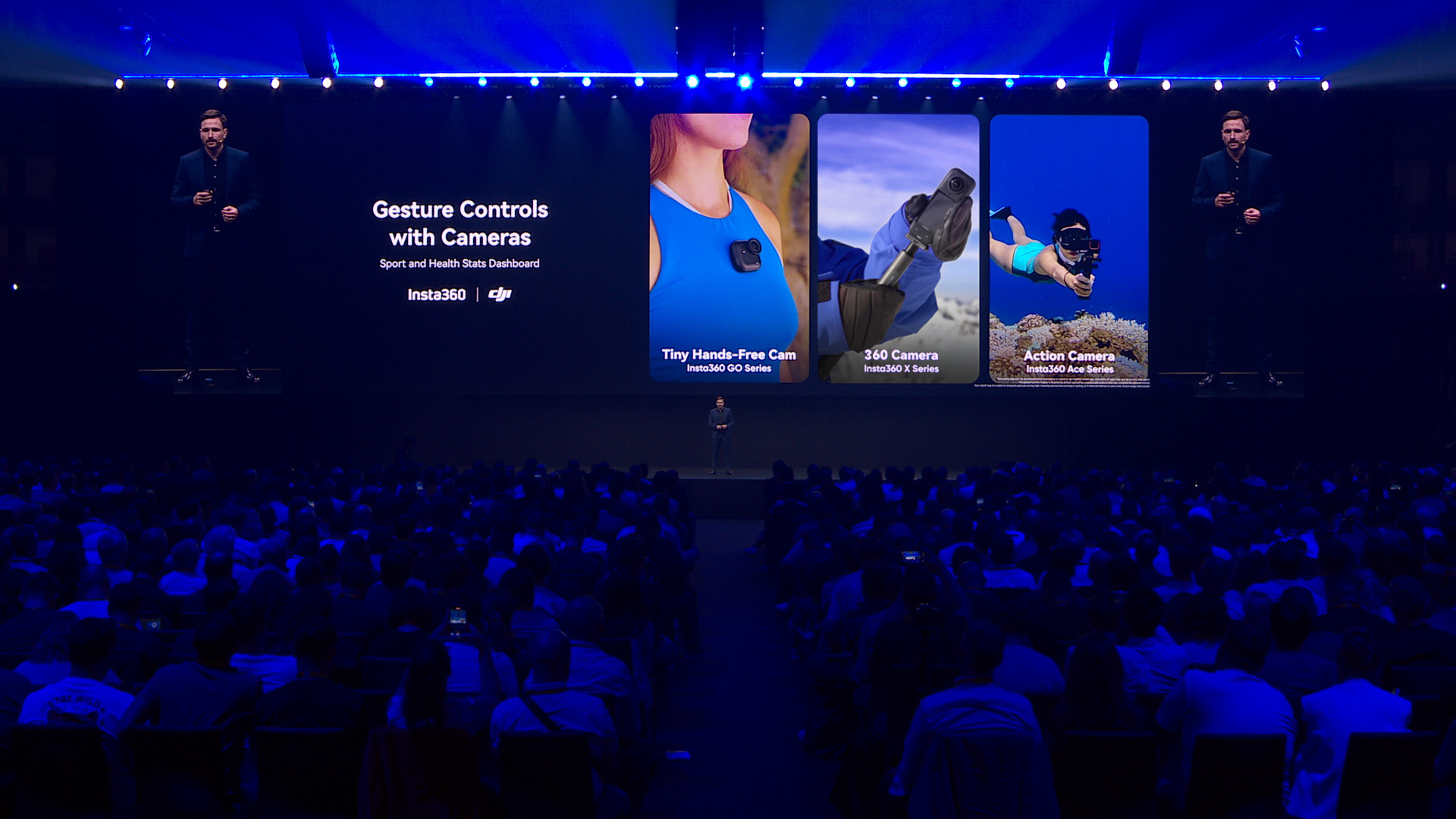
Core Insights - Huawei announced a partnership with Insta360 to integrate their app into Huawei's smartwatches, allowing users to control Insta360 cameras directly from the watches [1][10] - The collaboration aims to enhance the user experience for sports enthusiasts by introducing gesture control and a customizable dashboard feature [3][5] Group 1: Partnership Details - The partnership marks Insta360 as a key player in Huawei's HarmonyOS ecosystem, enabling seamless control of the entire range of Insta360 cameras [1][10] - Users can utilize gesture controls to operate cameras during extreme sports, enhancing convenience and usability [5][9] Group 2: Innovative Features - The gesture control feature allows users to trigger camera functions with simple hand gestures, making it particularly useful in activities like skiing and skydiving [5][7] - The digital dashboard feature integrates professional sports data into video content, providing a richer narrative experience by displaying metrics like pace, altitude, and heart rate alongside video footage [7][9] Group 3: Market Positioning - Insta360 is recognized for its high compatibility and functionality across various sports scenarios, positioning itself as a leading brand in the smart imaging sector [9][10] - Huawei's strong presence in the wearable technology market, with its smartwatches achieving the highest global shipment volume in the first half of 2025, complements Insta360's capabilities [10]

早报 | 上海通报多校午餐发臭事件;货拉拉回应被市场监管总局约谈;罗永浩宣布将测评市面在售预制菜;特朗普车队经过,马克龙被拦下
虎嗅APP· 2025-09-23 23:56
Group 1 - Wang Yi met with a delegation of U.S. Congress members, marking the first visit since 2019, aiming to stabilize U.S.-China relations [2][3] - Wang emphasized the importance of dialogue and cooperation, urging the U.S. to adhere to the One China principle regarding Taiwan [3] Group 2 - OpenAI and Oracle are expanding a data center in Abilene, Texas, with OpenAI expected to spend billions on server rentals over the next decade [4] - This expansion solidifies OpenAI's partnership with traditional cloud service providers while exploring its own infrastructure [4] Group 3 - The U.S. Department of Homeland Security announced plans to prioritize high-skill, high-salary applicants in the H-1B visa lottery, effective September 24 [6][7] - This change aims to enhance the chances for employers to hire foreign talent for high-skill positions [7][8] Group 4 - The Hong Kong Observatory issued a No. 10 hurricane signal due to Typhoon Haikui, with sustained winds of 63 to 117 km/h and gusts exceeding 180 km/h [9][10] Group 5 - The Shanghai market supervision authorities are investigating a food safety incident involving a school lunch provider, with the company suspected of concealing information [11] - The involved company has been placed under investigation, and relevant personnel have been controlled [11] Group 6 - The State Administration for Market Regulation is set to release a new regulation for live-streaming e-commerce to enhance supervision and protect consumer rights [15][16] - The regulation will clarify the legal responsibilities of platforms and operators, establishing a comprehensive accountability system [16] Group 7 - The South Korean court sentenced the representative of a battery factory to 15 years in prison for safety violations leading to a fire that killed 23 people [17][19] - This sentence is the highest under the Major Disaster Punishment Act, highlighting the severity of the case [17] Group 8 - Alibaba Cloud will host the 2025 Yunqi Conference from September 24 to 26, showcasing AI software products and infrastructure capabilities [27] - Huawei launched the WATCH GT 6 series smartwatches, featuring a new battery technology and enhanced health monitoring [28] Group 9 - Federal Reserve Chairman Jerome Powell indicated that stock prices are currently overvalued, which is a factor in the Fed's recent interest rate decisions [29] - Powell noted that consumer spending is slowing and that the labor market is showing signs of weakness, impacting future policy directions [29][30]

海通国际证券科技新闻
Haitong Securities International· 2025-09-23 13:42
Investment Rating - The report does not explicitly provide an investment rating for the industry or companies discussed Core Insights - The absence of the iPhone 17 Air in the Chinese market due to regulatory issues significantly impacts its shipment outlook, despite its global popularity [1][28] - Luxshare's increased assembly share for the iPhone 17 Air indicates Apple's trust in its processes, but the lack of sales in China and high tariffs on exports to the U.S. may limit its advantages [6][34] - The semiconductor industry is undergoing a transformation driven by AI, with a shift in value towards advanced packaging and substrates, and a forecasted growth in ASICs outpacing GPUs [12][44] Summary by Sections iPhone 17 Air Market Dynamics - The iPhone 17 Air's eSIM-only design prevents its sale in China, limiting its market potential [3][31] - Luxshare's initial order share for the iPhone 17 Air is higher than before, but the actual benefits may be constrained due to the model's absence in China [2][30] - The U.S. tariffs on exports from China add significant cost pressures, potentially compressing Luxshare's profits [4][32] Semiconductor Industry Trends - AI investments are reshaping the semiconductor supply chain, leading to a convergence of design and manufacturing processes [42][43] - TSMC is expected to remain the primary manufacturer for AI chips, with a projected 80-90% of AI chips being produced there in the next 5-10 years [45] - The importance of packaging and substrates is rising, with companies like Ibiden and Shinko benefiting from increased demand and investment [46][48] Competitive Landscape - NVIDIA's partnership with Intel raises questions about the future of PC chip collaborations, but MediaTek remains confident in its ongoing relationship with NVIDIA [35][38] - The competitive dynamics in the AI chip market are shifting, with fabless companies like Qualcomm and Broadcom expanding their roles [44][46] - The lack of a "killer app" in the smart glasses market indicates that while demand exists, the technology and ecosystem are not yet mature enough for widespread adoption [20][52]


智能穿戴行业或进入长增长周期,卓翼科技依托核心技术深化布局
Quan Jing Wang· 2025-09-23 02:38
Industry Overview - In 2024, China's smart wrist-worn device market is expected to reach sales of 57.04 million units, representing a year-on-year growth of 14.2% [1] - By 2025, this figure is projected to exceed 71 million units, with an estimated growth rate of approximately 24% [1] - The global consumer-grade wearable market is anticipated to reach a size of $36.273 billion by 2025, with a compound annual growth rate (CAGR) of 15.15% from 2025 to 2032, potentially rising to $97.371 billion by 2032 [1] Company Profile - Founded in 2004, the company initially focused on producing network communication products such as ADSL modems and wireless routers, later expanding into smartphones and smart wearables [2] - The company has built a strong manufacturing experience and technical capability through long-term partnerships with well-known brands, including Huawei and Xiaomi [2] - The company has established a comprehensive R&D innovation system, enabling it to develop a wide range of smart terminal products [2] Technological Advancements - The company leverages advanced wireless communication and IoT technologies to provide efficient and stable network solutions for wearable devices [3] - The production of Wi-Fi 7 products has commenced, which is expected to enhance high-speed data transmission for smart wearables [3] - The company has achieved breakthroughs in Bluetooth 5.3 technology, improving power efficiency and data transmission stability for wearable devices [3] - The company possesses core technologies in sensor technology, such as millimeter-wave sensors, which accurately collect physiological and motion data [3] Product Diversification - The company offers a diverse range of products in the smart wearable sector, including smart bands and smartwatches, which are well-received by consumers for their stylish design and functionality [4] - Products feature essential functions like activity tracking, sleep monitoring, and heart rate monitoring, along with convenient features such as Bluetooth calling and mobile payments [4] - The company has also made strides in the TWS earphone market, providing high-quality audio and comfort for various user scenarios [4] - With increasing consumer focus on health and quality of life, the company has introduced smart wearables with health monitoring capabilities, offering real-time physiological data tracking [4] - The growing demand for smart wearables is expected to benefit the company as technologies like 5G and AI become more prevalent [4]

3800点守卫战暗藏玄机:主力节前暗中布局,节后行情或超预期
Sou Hu Cai Jing· 2025-09-22 16:59
Market Overview - The Shanghai Composite Index closed with a slight increase of 0.07%, indicating a fierce battle between bulls and bears around the critical 3800-point level [1][3] - The market experienced a significant drop in trading volume, with a total turnover of 1.36 trillion yuan, down 155.2 billion yuan from the previous trading day, suggesting a potential major directional shift is brewing [3][4] Technical Analysis - The 3800-point level has become a focal point for both bulls and bears, with the index testing this level multiple times but being quickly supported by mysterious funds [4][6] - The Shenzhen Component Index shows signs of a clear divergence, indicating a weakening upward momentum, with small candlestick patterns appearing for five out of the last seven trading days [6][7] - The market is currently in a sideways consolidation phase, having fluctuated within a narrow range for seven consecutive trading days [4][6] Sector Performance - There is a notable divergence in sector performance, with strong inflows into sectors like smart wearables, electronics, and consumer electronics, while sectors such as film, agricultural chemicals, and aquaculture are underperforming [3][6] - The financial sector has already undergone a round of adjustments, with bank stocks experiencing a decline of over 10% since mid-July [7] Economic Indicators - The retail sales of consumer goods in August grew by 3.4% year-on-year, indicating some improvement potential, although effective demand remains insufficient [7] - The real estate market continues to show weakness, with a cumulative year-on-year decline in commodity housing sales area of 4.7% from January to August 2025 [9] Investment Sentiment - Market sentiment indicators reflect a cautious attitude, with the current sentiment score below 40, suggesting limited strength and sustainability for any technical rebounds [7] - Historical data indicates that the probability of market gains post-National Day is over 60%, particularly in sectors like computing, communications, and electronics [10] Future Outlook - The current market is in the second phase of a bull market, driven by factors that have not changed, with a focus on low penetration sectors such as solid-state batteries and AI computing [10][12] - The upcoming National Day holiday typically leads to a contraction in financing activities, with a pattern of cautious behavior before the holiday and increased activity afterward [9][12]

你以为男性消费不如狗,这5个赛道闷声发大财
3 6 Ke· 2025-09-22 11:28
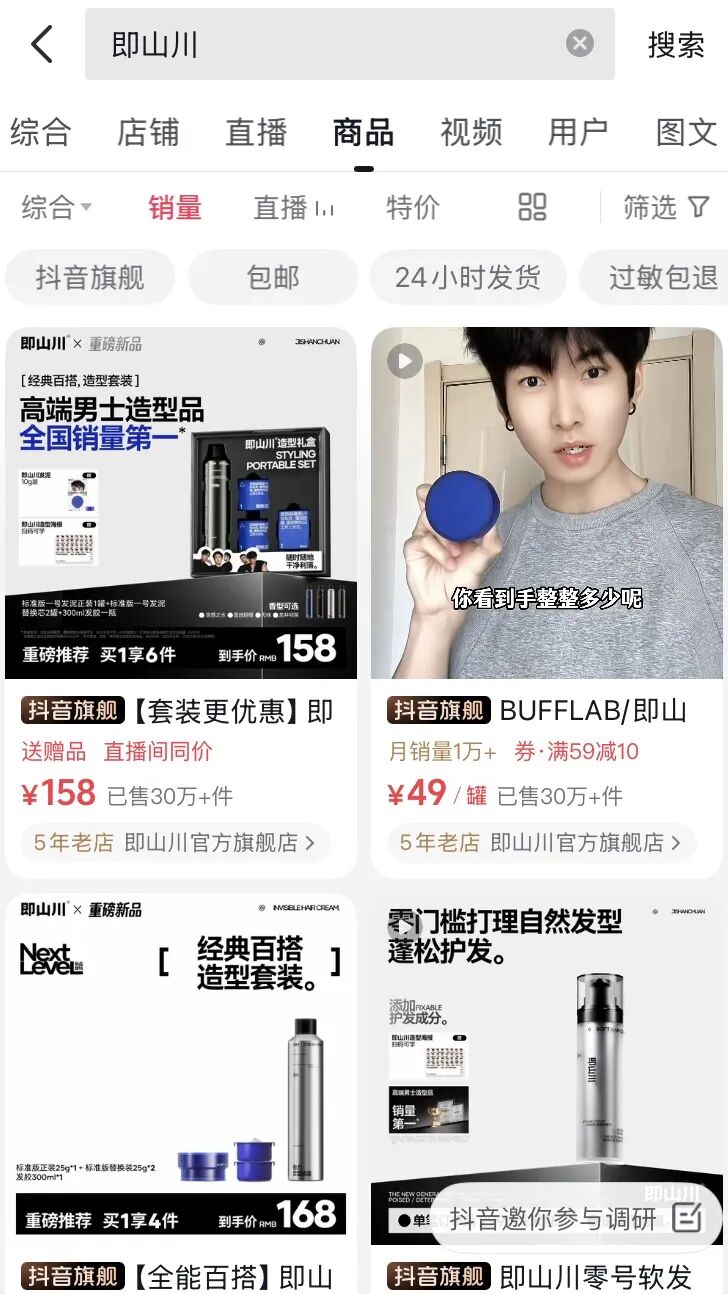
Group 1 - The article highlights the growing male consumer market, particularly in grooming and beauty products, with significant sales growth in various categories [1][12][15] - A specific focus is on the male grooming market, which surpassed 10 billion yuan in 2020, with brands like "Jishanchuan" achieving top sales on platforms like Douyin [5][9] - The demand for male beauty products is driven by younger generations, with a notable increase in sales of products like blush and eyebrow pencils, indicating a shift in male beauty standards [12][15][18] Group 2 - The rise of EDC (Every Day Carry) toys has seen a 2.5 times increase in sales during the 618 shopping festival, with a significant portion of the consumer base being male [26][32] - High-end EDC toys have also seen a remarkable growth of 112%, with some products selling out quickly, indicating a strong market interest [26][35] - The smart ring market is experiencing rapid growth, with a projected increase of 88.4% in 2024, driven by the demand for discreet and functional wearable technology [36][38] Group 3 - The article emphasizes the importance of addressing specific male consumer pain points, such as the complexity of choosing grooming products and the need for professional, trustworthy brands [6][9] - Marketing strategies that focus on solving user problems rather than relying on celebrity endorsements are proving effective, as seen with "Jishanchuan" [9][11] - The evolving male consumer landscape suggests that brands can tap into previously overlooked niches, leading to potential growth opportunities in various sectors [11][40]