
海洋渔业

Search documents
千帆竞发齐争“鲜”——福建开渔一线见闻
Xin Hua Wang· 2025-08-17 01:28
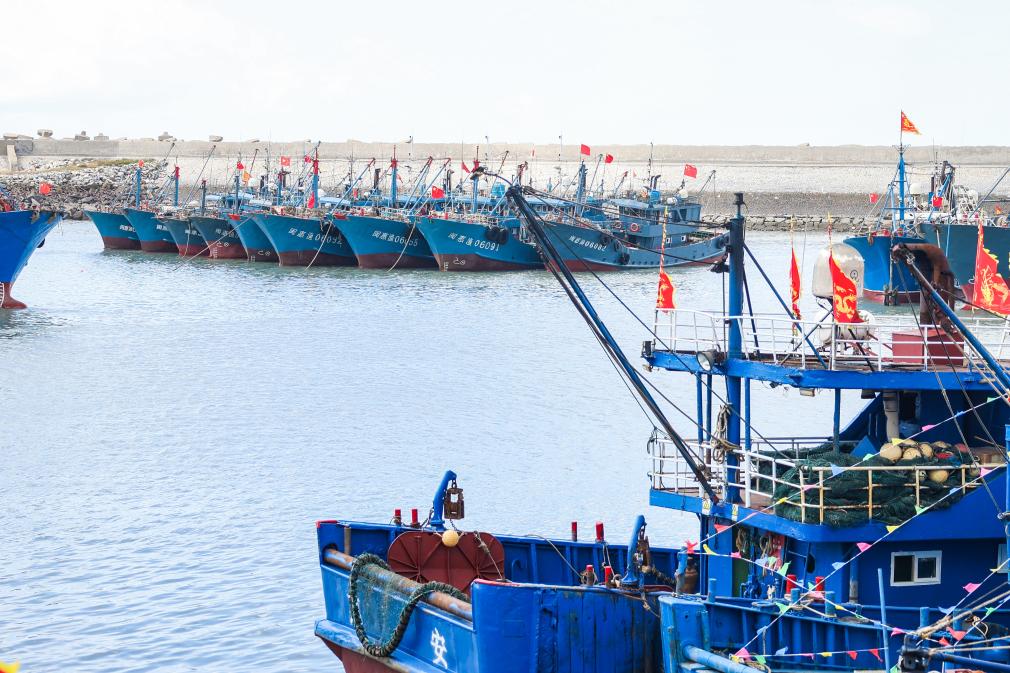
Core Viewpoint - The article highlights the reopening of fishing activities in Fujian Province after a seasonal fishing ban, emphasizing the cultural significance and economic impact of the fishing industry in the region [1][7]. Group 1: Fishing Industry Activities - Over 8,000 fishing boats set sail from Fujian's waters on August 16, marking the end of the seasonal fishing ban [1]. - The fishing port in Huian County saw over 500 boats preparing for departure, indicating a bustling return to fishing activities after a three-and-a-half-month hiatus [1][3]. - Fisherman Chen Congxu's boat is equipped to catch squid and ribbonfish, with a capacity to hold 70 to 80 tons of fish [3]. Group 2: Technological Advancements - Recent improvements in production conditions include new fishing vessels capable of freezing catches at -40 degrees Celsius, enhancing preservation and reducing return costs [4]. - The fishing boats are now equipped with advanced technology such as Beidou satellite systems, radar, and automatic identification systems, allowing for real-time monitoring of sea conditions [4]. Group 3: Safety Measures - Local authorities conducted thorough checks on fishing boats for safety equipment and compliance before the reopening, ensuring a strong safety protocol is in place [4]. - Safety education and emergency training were organized to reinforce the safety measures for fishermen [4]. Group 4: Economic Impact - Fujian Province's marine economy is significant, with a projected marine production value of 1.25 trillion yuan in 2024, accounting for over 21% of the province's GDP [7]. - The fishing industry is described as a "blue engine" driving economic growth in the region [7].

浙江探路山海新经济
21世纪经济报道· 2025-08-17 00:57
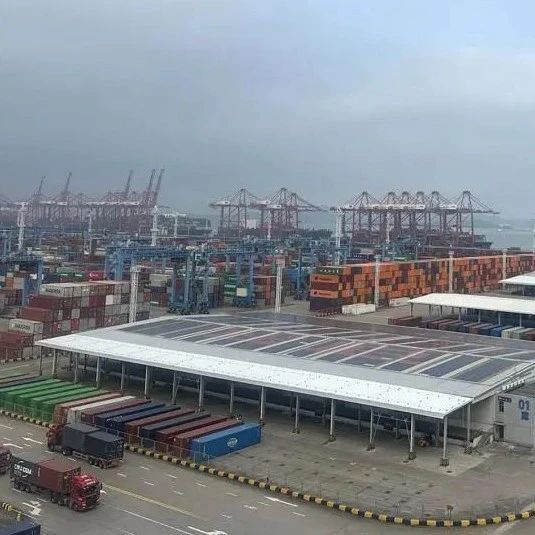
Core Viewpoint - The article explores the vibrant development of Zhejiang's economy through a "blue transformation" in its marine economy and innovative rural tourism integration, highlighting sustainable growth practices in both marine and agricultural sectors [1][4]. Marine Economy Development - Zhejiang is undergoing a significant "blue transformation," focusing on low-carbon and circular development in its marine economy, with a goal to exceed the provincial GDP growth rate by 1 percentage point by 2025 [4][6]. - The province has a vast marine area of 260,000 square kilometers and a coastline of over 6,400 kilometers, providing a strong foundation for developing marine industries such as fisheries, logistics, and tourism [3][11]. - Challenges remain, including insufficient industrial development levels and environmental pollution in coastal areas, necessitating a balance between marine ecological protection and economic development [3][10]. Green Port and Industry Transformation - Ningbo Zhoushan Port's Meishan Port Area has emerged as a leader in sustainable development, implementing smart and green technologies, achieving 100% electrification of large equipment, and aiming for 77% of energy consumption to come from clean sources by 2024 [6][7]. - The LHD tidal energy power station in Zhoushan represents a significant advancement in marine renewable energy, with the cost of tidal energy generation decreasing from 106 yuan/kWh to 1.1 yuan/kWh, with expectations to drop below 0.3 yuan/kWh in future iterations [7][9]. Ecological and Economic Integration - The article highlights the integration of ecological practices in fisheries, such as the deep-sea aquaculture project on Dachen Island, which aims to reduce environmental impact while boosting local economies [11][12]. - The development of blue carbon trading and carbon credit loans is being explored to enhance marine economic activities while promoting environmental sustainability [12][13]. Tourism and Cultural Integration - The "168 Golden Coast" in Cangnan has become a popular tourist destination, showcasing a blend of natural beauty and diverse business models, significantly boosting local tourism and economy [3][15]. - The article emphasizes the importance of local entrepreneurship in tourism development, with initiatives to attract returning talent to enhance the cultural and tourism landscape [15][16].
南海开渔丨广东:从种业到装备 打造现代化海洋牧场全产业链
Yang Shi Wang· 2025-08-16 12:18
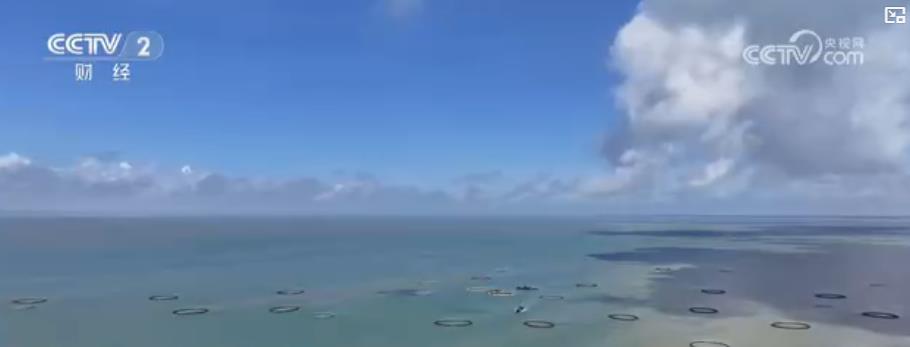
Core Insights - In 2024, Guangdong's marine fish farming output is expected to reach 975,400 tons, accounting for nearly half of the national production [1] - Guangdong is focusing on the informatization, intelligence, and modernization of marine fisheries, creating a comprehensive modern marine ranching industry chain that includes breeding, farming, equipment, and deep processing [1] - The province has cultivated 18 nationally approved marine new varieties, leading the country, with a marine fish fry output of 6.796 billion tails in 2024, also about half of the national total, maintaining the top position for seven consecutive years [3] Industry Development - Since 2023, Guangdong has initiated 139 modern marine ranching projects, forming a complete industry chain that includes seedling cultivation, equipment manufacturing, feed processing, facility farming, deep processing, public services, and cultural tourism [5] - In Yangjiang, a marine breeding company is cultivating high-quality grouper species through collaboration with Sun Yat-sen University, utilizing genetic testing and other technologies [1][3] - A gravity-type deep-water cage in Zhanjiang, measuring 90 meters in circumference, can raise approximately 100,000 pounds of fish in one year, showcasing technological advancements in modern marine ranching [3]
签约金额超20亿元!三大项目助推茂名滨海新区海洋经济高质量发展
Nan Fang Nong Cun Bao· 2025-08-16 11:05
Core Points - The signing ceremony for three major projects took place during the 2025 South China Sea (Maoming Boge) Fishing Festival, with a total investment exceeding 2 billion yuan [2][3] - These projects are pivotal for the high-quality development of the marine economy in the Maoming Coastal New Area and are key milestones in building a national-level fishing port economic zone [4][3] Project Summaries - The Maoming Coastal Development Group signed a cooperation agreement with Zhuhai Donggang Xingyuan Ocean Fishing Company for a comprehensive marine fishery development project, with an investment of 500 million yuan to build a 10,000-ton intelligent cold storage and supporting facilities [10][11] - This project aims to create a modern marine fishery industry chain, connecting the entire process from fishing to processing, storage, and logistics, thus enhancing the marine fishery ecosystem in Maoming and the western Guangdong region [12] Financial Support - A banking consortium led by the Guangdong branch of the National Development Bank has provided approximately 1.561 billion yuan in comprehensive credit for the fishing port economic zone project [14][16] - The loans from this consortium feature an average execution interest rate of 3.05%, with favorable financing conditions including a long repayment period of at least 20 years and a 3-year grace period [16][17] Strategic Importance - The three projects are seen as core initiatives to implement the "Strengthening Maritime Development" strategy, with a focus on optimizing the business environment to encourage investment and development [23][24] - The Maoming Coastal New Area aims to leverage these projects to accelerate the integration of port, industry, and urban development, promoting the marine fishery industry towards deep processing and high value-added development [28][29]

万亿元级“蓝色引擎”全速启动,央企入局海洋经济
Hua Xia Shi Bao· 2025-08-15 12:29
Group 1 - The ocean economy is experiencing unprecedented development opportunities, becoming a strategic high ground for China [1] - The central government emphasizes the need for high-quality development of the ocean economy and plans to establish national ocean economy development demonstration zones [1][2] - The ocean economy's total value is projected to exceed 10 trillion yuan, reaching 10.5 trillion yuan in 2024, with a year-on-year growth of 5.9% [2] Group 2 - The first quarter of 2024 saw the ocean production value reach 2.5 trillion yuan, reflecting a year-on-year increase of 5.7% [2] - Various regions are formulating ocean economy development plans, including Shandong, Liaoning, and Hainan [3] - The focus is on enhancing ocean resource development capabilities and transitioning to a quality and efficiency-oriented ocean economy [4] Group 3 - State-owned enterprises (SOEs) are encouraged to participate in ocean economy development due to their financial strength and technological capabilities [7] - China National Offshore Oil Corporation (CNOOC) has made significant discoveries in oil and gas reserves, highlighting the importance of SOEs in resource exploration [7][8] - The shipbuilding industry is a key component of the ocean economy, with China's market share in marine vessels and offshore engineering equipment leading globally [8] Group 4 - The government is promoting policies to support the development of marine energy and encourage investment from SOEs and private sectors [9] - The potential for deep-sea technology and marine economy development is significant, with opportunities in deep-sea equipment, marine biotechnology, and offshore wind power [9]
浙江探路“蓝色低碳”:重塑海洋经济新循环|活力中国调研行
2 1 Shi Ji Jing Ji Bao Dao· 2025-08-15 09:19
Core Viewpoint - The article discusses the development of the marine economy in Zhejiang, highlighting both opportunities and challenges, including the need for sustainable practices and innovation in marine industries [5][12][13]. Marine Economy Development - Zhejiang has a vast marine area of 260,000 square kilometers and a coastline of 6,715 kilometers, making it a prime location for marine industry development [13][14]. - The province aims to implement a marine economy doubling plan by 2025, targeting a marine production value growth rate exceeding the provincial GDP growth rate by 1 percentage point [5][12]. Sustainable Practices - Ningbo Zhoushan Port's Meishan Port Area has transitioned towards smart and green operations, achieving 100% electrification of large equipment and a 53% electric rate for internal transport vehicles, with plans to increase this to 80% [6][8]. - The LHD tidal energy power station in Zhoushan is the world's first and has achieved a significant reduction in energy costs from 106 RMB/kWh to 1.1 RMB/kWh, with expectations to drop below 0.3 RMB/kWh in future iterations [9][11]. Marine Resource Management - Overfishing and pollution pose significant threats to marine resources in Zhejiang, necessitating a balance between ecological protection and economic development [14][16]. - The province is exploring blue carbon trading and carbon credit loans to enhance marine economic activities while promoting environmental sustainability [16][18]. Coastal Tourism and Development - The "Beautiful Bay" initiative aims to construct over 18 beautiful bays by 2027, enhancing coastal tourism and local economies [20][21]. - Cangnan's 168 Golden Coast is being developed as a multi-functional tourism area, attracting significant visitor numbers and boosting local incomes through innovative tourism strategies [23][24].

浙江探路“蓝色低碳”:重塑海洋经济新循环
2 1 Shi Ji Jing Ji Bao Dao· 2025-08-15 09:15
Group 1: Marine Economy Development - The central government aims to promote high-quality development of the marine economy, with plans to establish national marine economic development demonstration zones and support marine strong provinces [2] - Zhejiang plans to implement a marine economy doubling plan by 2025, targeting a marine production value growth rate exceeding the provincial GDP growth rate by 1 percentage point [2] - The marine industry in Zhejiang is gradually transitioning to a greener model, with significant advancements in port logistics and marine tourism [2][3] Group 2: Clean Energy Initiatives - The LHD Ocean Current Power Station in Zhoushan is the world's first and longest-running tidal energy project, achieving a cost reduction in electricity generation from 106 yuan/kWh to 1.1 yuan/kWh, with future projections below 0.3 yuan/kWh [5] - Zhejiang is advancing the development of marine clean energy, with ongoing projects focused on tidal energy and other renewable sources [4][6] Group 3: Marine Resource Management - Zhejiang has a vast marine area of 260,000 square kilometers and a coastline of 6,715 kilometers, making it a significant player in marine fisheries, but it faces challenges such as overfishing [7] - The Dachen Island has shifted from traditional fishing to deep-sea aquaculture and tourism, aiming to reduce environmental impact while enhancing economic output [7] Group 4: Blue Carbon Economy - The province is exploring blue carbon trading and carbon credit loans, with successful transactions already taking place [8][9] - The seaweed industry, particularly in Xiangshan, is being leveraged for its carbon absorption capabilities, contributing to the blue carbon economy [8] Group 5: Waste Management and Recycling - The "Blue Cycle" project in Taizhou has gained international recognition for its innovative approach to marine plastic waste management, utilizing blockchain technology for tracking and recycling [10] - Companies in Taizhou are actively participating in the recycling of marine plastics, contributing to environmental sustainability [10] Group 6: Coastal Tourism Development - The 168 Golden Coast in Cangnan is a prime example of integrated coastal tourism, attracting significant visitor numbers and boosting local economies [12][13] - Cangnan is focusing on enhancing its tourism offerings by collaborating with top designers and encouraging local entrepreneurs to participate in tourism development [12]
人民财评:深耕海洋牧场,夯实“蓝色粮仓”
Ren Min Wang· 2025-08-15 06:21
Core Insights - China's marine aquaculture industry is experiencing significant growth, with a projected sea product output exceeding 37 million tons in 2024, contributing to the food supply for over 1.4 billion people [1] - The industry is undergoing a transformation from traditional fishing to smart aquaculture, driven by technological advancements and the establishment of a comprehensive supply chain [1][2] Group 1: Industry Development - Fujian's Ningde City and Guangdong's Maoming City are actively promoting deep-sea aquaculture, enhancing the marine industry chain from cultivation to sales [1] - The national focus on self-sufficient core breeding resources has led to the successful development of new marine species, such as the "Yellow Sea No. 6" shrimp and "Golden Tiger Hybrid" grouper, which exhibit faster growth and better resilience [2] Group 2: Technological Advancements - The implementation of intelligent deep-sea aquaculture systems, including large net cages capable of holding 1 million fish, has improved efficiency and reduced labor costs through automated monitoring and feeding [2] - China has established 169 national marine ranches, with a total water volume of 56.6 million cubic meters and an annual output of 470,000 tons, promoting ecological restoration alongside economic growth [2] Group 3: Economic Integration - The integration of various marine industries, such as offshore wind power and marine ranching, is creating new economic opportunities and enhancing value-added services [3] - Innovative combinations of aquaculture with tourism and education are leading to the development of new marine resort experiences, enriching both the economy and consumer experiences [3]
精耕深蓝,加快建设海洋强国 ——“中国经济圆桌会”聚焦海洋经济高质量发展
Xin Hua She· 2025-08-14 08:59
Core Viewpoint - The article emphasizes the importance of high-quality development of the marine economy in China, highlighting the need for innovation, efficient collaboration, industrial updates, harmony between humans and the sea, and win-win cooperation [1][2]. Marine Economic Development - China's extensive coastline and vast maritime territory provide a strategic space and resource treasure for economic and social development [2]. - The marine economy has expanded into various sectors, including fisheries, shipbuilding, tourism, and deep-sea resource utilization, demonstrating significant progress [2][4]. Economic Metrics - In 2024, China's marine production value is expected to exceed 10 trillion yuan, more than doubling since 2012 [5]. - China's shipping volume and container throughput account for approximately one-third of the global total, with the marine engineering equipment market holding over 50% of the global share [5]. - China leads the world in the production of seawater products and has the highest new orders for 14 out of 18 major ship types [5]. Technological Advancements - Recent achievements in marine technology include the launch of China's first domestically produced electromagnetic aircraft carrier and advancements in deep-sea exploration capabilities [9][11]. - The government is focusing on enhancing innovation in marine technology and aims to overcome existing weaknesses in this area [11][12]. Sustainable Development and Resource Management - The article discusses the construction of marine ranches and the promotion of high-quality marine products, with Shandong province aiming for significant increases in marine product output and value [14]. - There is a push for the sustainable use of marine resources, including the development of marine energy and biotechnology [12][14]. Global Cooperation - China is actively participating in global marine governance, exemplified by international scientific collaborations and initiatives to protect marine ecosystems [15][17]. - The country is enhancing its role in international maritime cooperation, with significant growth in cruise tourism and training programs for developing countries [17][18].
海洋经济澎湃动能重构民生消费生态
Xiao Fei Ri Bao Wang· 2025-08-14 03:26
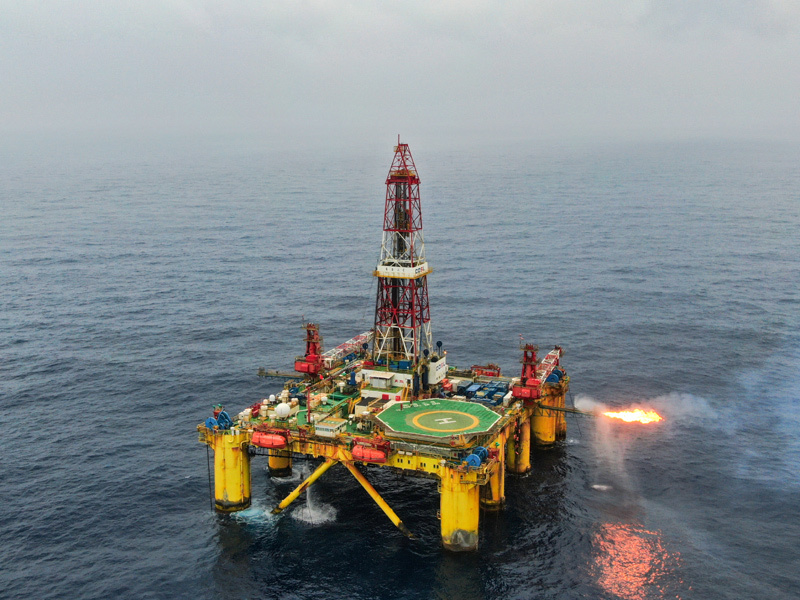
Group 1 - The marine economy in China achieved a gross production value of 5.1 trillion yuan, with 64% of global ship orders, reflecting strong growth and consumer demand [1][4] - The production of marine products increased by 4.8% year-on-year, with sea farming output rising by 5.6%, showcasing advancements in sustainable aquaculture practices [1][4] - The expansion of marine resource utilization, with an additional 16.7 million hectares of sea and island area, supports over 500 billion yuan in investments, indicating a solid foundation for consumer goods [1] Group 2 - Innovations in marine technology, such as bionic robots and the "Deep Sea No. 1" project, are enhancing deep-sea oil and gas development, which will lower energy costs and introduce high-end consumer products [2] - The application of the "Starfish Model" in marine drug research and breakthroughs in solar seawater desalination technology provide solutions to global challenges [2] - The marine equipment manufacturing sector is leading globally, with new orders accounting for 64.6% of the international market, transforming aquaculture and ensuring better quality seafood for consumers [3] Group 3 - The automation of ports, with 23 automated container terminals and 29 dry bulk terminals, is improving logistics efficiency and stabilizing consumer prices [3] - The marine economy is becoming an integral part of daily consumption, influencing everything from seafood on dining tables to imported goods at ports [4] - The growth of the marine economy, with a 5.8% increase and 25.2% growth in marine area utilization, reflects a strategic vision for enhancing national welfare through maritime strength [4]