生态修复

Search documents
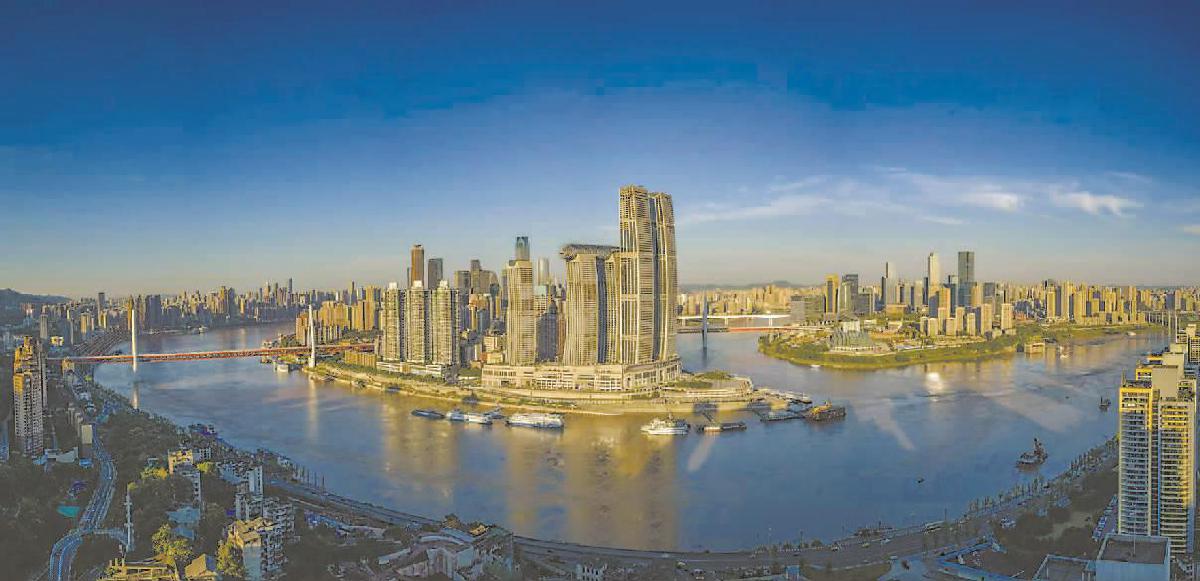
废弃矿山变“聚宝盆”,重庆“生态修复+”破题价值转换 | 活力中国调研行
Di Yi Cai Jing· 2025-08-18 06:33
Core Viewpoint - Chongqing is actively promoting the integration of ecological restoration with agriculture, leisure tourism, art creation, and rural cultural tourism, guiding enterprises, village collectives, and villagers to co-build and share ecological benefits [1] Group 1: Ecological Restoration and Economic Transformation - The transformation of the former mining area in Liangping District, particularly in Jieshen Village, showcases a successful shift from a heavily polluted mining economy to a thriving tourism and ecological restoration model [1][4] - The village previously relied on mining and paper-making, leading to severe environmental degradation, but has since closed various mines and established ecological protection zones [1][4] - The implementation of ecological restoration projects has turned the area into a significant tourist destination, highlighting the effectiveness of the "ecological restoration +" model [1][5] Group 2: Innovative Restoration Practices - The Dream Creek Wetland, covering approximately 50 acres, exemplifies innovative ecological restoration by reconstructing the functionality of former mining sites and creating a unique wetland ecosystem [5] - This restoration approach combines wastewater treatment with wetland construction, resulting in a network of small wetlands that serve protective, purifying, and recreational functions [5][11] - The ecological improvements have led to increased tourism and the development of local hospitality businesses, demonstrating the economic potential of restored environments [5][12] Group 3: Economic Impact and Community Involvement - The shift to ecological industries has revitalized local economies, with bamboo cultivation and processing becoming significant sources of income, increasing average earnings per mu to 2000 yuan [12] - The integration of private capital into ecological restoration projects has been crucial for sustainable development, as seen in the EOD model in Beibei District, which links environmental governance with rural tourism [11][12] - The establishment of nearly 100 rural homestays and agritourism businesses has created new income streams for local residents, with projected tourist numbers reaching nearly 1 million and tourism revenue exceeding 200 million yuan in 2024 [12]

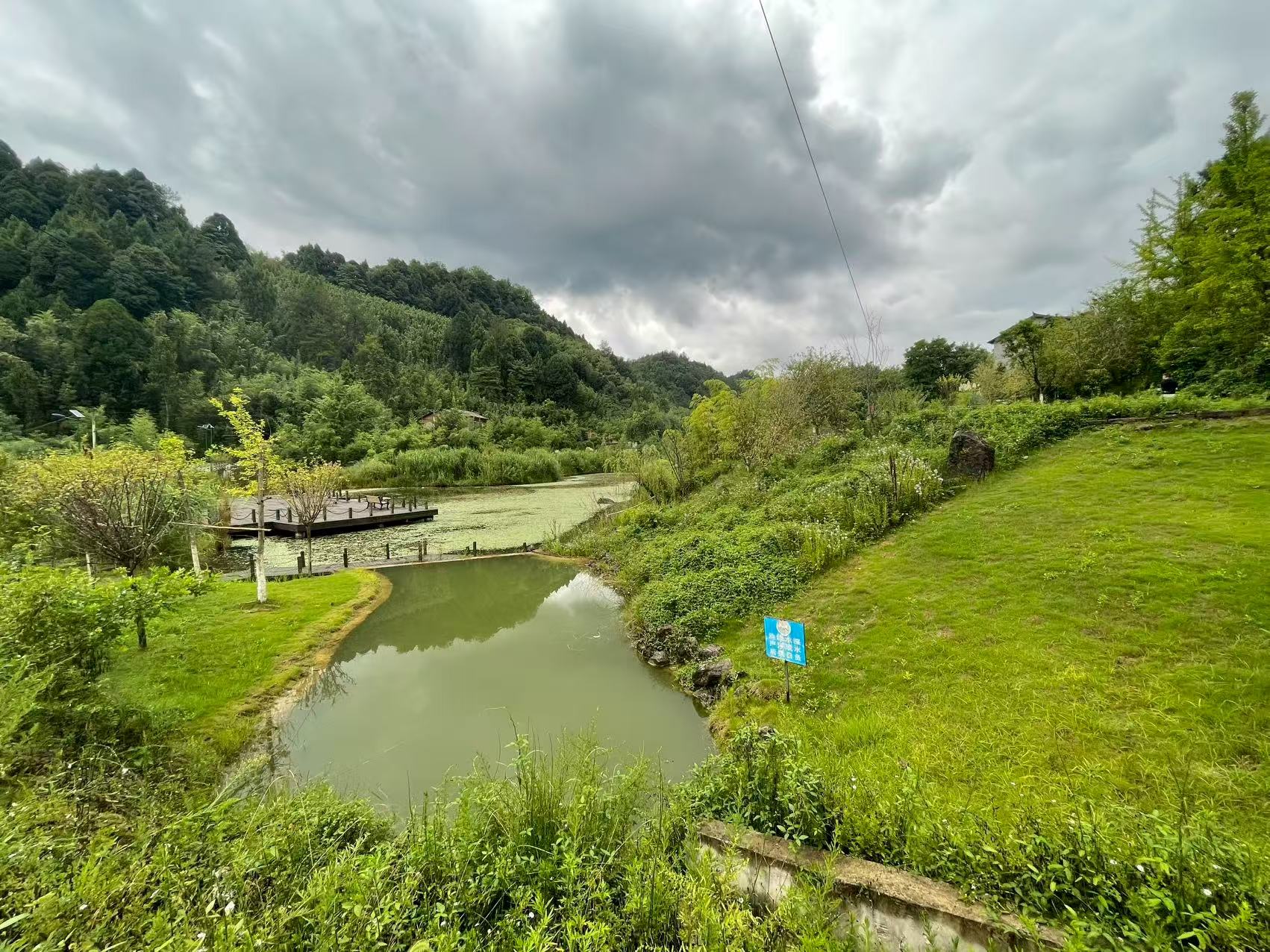
串起绿地、碧水、金沙也串起生态蝶变、文旅升级、民生幸福 一条城市绿道里的共赢逻辑
Si Chuan Ri Bao· 2025-08-18 06:32
Core Viewpoint - The development of the Silver River Lake Park and its ecological leisure corridor is a strategic initiative by Panzhihua to integrate cultural tourism and ecological restoration, enhancing the quality of life for residents and promoting sustainable urban development [5][9][12]. Group 1: Ecological and Urban Development - The Silver River Lake Park's ecological leisure corridor spans 11.8 kilometers, connecting green spaces and water bodies, and aims to achieve a harmonious balance between ecology, tourism, and community well-being [5]. - Panzhihua has invested over 75 million yuan in ecological restoration projects around Silver River Lake, covering a total area of 2615.49 acres [6]. - A new ecological governance project for the northern bank of Silver River Lake is set to begin, with a total investment of 48.5 million yuan planned over five years [7]. Group 2: Community and Infrastructure Improvement - The renovation of old residential areas, such as the Jinyuan Garden community, is part of a broader initiative to enhance urban living conditions, with improvements including new walkways and recreational facilities [9][10]. - The city has secured 307 million yuan in funding for the renovation of 68 old residential communities, aiming to release 16.96 acres of urban development space [10]. - The transformation of old neighborhoods is creating a sense of pride among residents, with many expressing satisfaction with the new amenities and improved living conditions [9]. Group 3: Cultural and Economic Integration - The Silver River Lake Park has become a popular destination, attracting over 630,000 visitors since its opening in January, with peak visitor numbers reaching over 50,000 during the Spring Festival [12]. - Local businesses are capitalizing on the increased foot traffic, with new ventures such as beverage shops and restaurants emerging to cater to visitors [12]. - The city is focusing on developing a "Silver River Lake Cultural Tourism and Sports Economic Belt," integrating ecological, commercial, and event-driven activities to enhance the overall visitor experience [12].
Hegang: From "Coal Capital" to "Park City," Poetic Living Weaves a New Scroll of People's Livelihood
Globenewswire· 2025-08-18 03:46
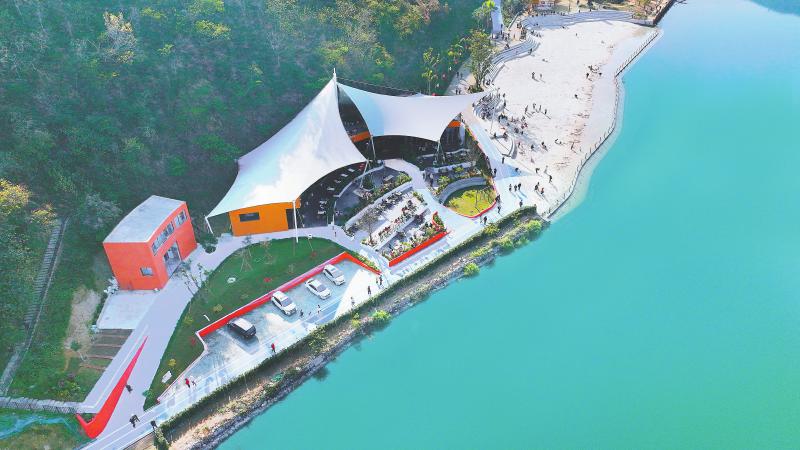
Core Perspective - Hegang is undergoing an ecological transformation from a coal-dependent economy to a green, people-centered city, focusing on improving the quality of life for its residents [2][4]. Economic and Fiscal Commitment - Over 80% of Hegang's fiscal expenditure is allocated to livelihood improvements, reflecting a strong commitment to enhancing the well-being of its citizens [2]. Ecological Transformation - The city has achieved a greening coverage rate of 43.55%, with 32 parks and squares developed from former coal mining subsidence areas and shanty towns [3]. - Dongshan Sports Park has been ecologically restored, featuring 320,000 trees and 5 million flowers, along with 4 artificial lakes and 5.5 kilometers of walking trails [3]. - Nanshan South Starry Sky Campsite spans 120,000 square meters of grasslands, showcasing thoughtful arrangements for community leisure [3]. Community Engagement - The transformation includes community gardens and DIY playgrounds, fostering resident involvement and pride in local green spaces [3]. Comprehensive Ecological Restoration - Hegang's approach includes the restoration of mountains, rivers, forests, farmlands, lakes, and grasslands, contributing to improved air quality and water management [4]. - The city has been recognized as a "National Water Ecological Civilization City" due to its successful ecological initiatives [4].
2025年广西国土空间生态修复典型案例发布
Guang Xi Ri Bao· 2025-08-18 01:59
这9个案例是:贵港市覃塘区覃塘街道姚山村等2个村全域土地综合整治试点项目、钦州市孔雀湾海 洋生态保护修复项目、桂林市临桂区二塘横山里采石场石灰岩矿废弃矿山生态修复工程项目、来宾市合 山国家矿山公园(东矿园区)废弃矿山生态修复工程项目、平果教美铝矿采矿用地土地复垦修复项目、 桂林西湖生态修复提升工程项目、荔江国家湿地公园生态保护修复项目、桂林小东江穿山段生态修复提 升工程项目、南宁市邕江综合整治和利用工程项目。 近年来,自治区自然资源厅深入践行绿水青山就是金山银山理念,持续推进矿山生态修复、国土综 合整治等重点生态工程,实现由重点整治向系统治理的转变、由末端治理向全链条管理的转变,取得了 阶段性成效。自2021年发布第一批典型案例以来,广西已先后分三批发布国土空间生态修复典型案例共 31个。(唐广生 周复宏 袁文馨) 8月15日是全国生态日,自治区自然资源厅印发《2025年国土空间生态修复典型案例集》,择优推 选出9个案例,集中展示广西生态修复治理在制度建设、技术运用、生态产品价值实现、生态补偿、自 然恢复实践等方面的创新亮点和典型经验,以此宣传广西将绿水青山转化为金山银山的成功路径和模 式,带动打造更多的广西 ...
“两山”理念·江苏实践|从“临江不见江”到“拥江又亲江”——南通编织贯通江海的生态锦绣
Xin Hua Ri Bao· 2025-08-16 23:13
Core Viewpoint - The transformation of the Yangtze River area in Nantong from an industrial zone to an ecological and recreational space demonstrates the successful implementation of environmental protection policies and sustainable development strategies [1][2][3][4][5][6] Group 1: Environmental Restoration Efforts - Since 2016, Nantong has initiated significant ecological restoration efforts along the Yangtze River, focusing on the principle of "protection over development," leading to the closure of 203 polluting enterprises and the removal of 162 small boats [2][3] - The city has invested over 8.6 billion yuan in afforestation, resulting in an increase of 314,000 acres of forest area and a forest coverage rate exceeding 80% [2][5] - The ecological restoration has led to the reappearance of species such as the Yangtze River dolphin and the rare cuckoo bird, indicating a revival of biodiversity in the area [4][5] Group 2: Economic Development and Tourism - The new ecological landscape has spurred the development of green industries, including eco-tourism and recreational activities, with the Tonghai Port achieving a container throughput of over 1 million TEUs in its first year of operation [5][6] - Nantong's ecological improvements have attracted talent and investment, with the area's natural beauty being a significant draw for new residents and businesses [5][6] - The city has hosted over 160 cultural and recreational events, enhancing its appeal as a tourist destination and contributing to a tourism revenue exceeding 50 million yuan annually [5]
长沙大力践行山水林田湖草沙生命共同体理念,生态底色更加鲜亮
Chang Sha Wan Bao· 2025-08-16 03:10
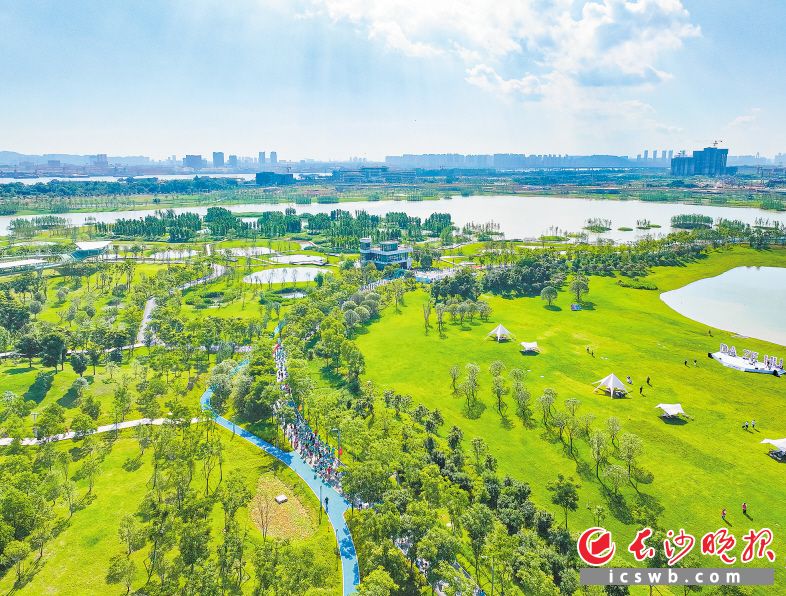
Group 1 - The article emphasizes the importance of ecological restoration and sustainable development in Changsha, highlighting the transformation of urban spaces into green areas and the integration of nature into city planning [2][3][4] - The "Green Water and Green Mountains are Golden Mountains and Silver Mountains" concept is being actively implemented in Changsha, promoting ecological safety and enhancing the city's natural beauty [2][4] - The overall spatial planning for Changsha, approved by the State Council, outlines a clear blueprint for future urban development, focusing on ecological protection and restoration [3][4] Group 2 - The ecological protection red line in Changsha covers 783.82 square kilometers, primarily in the eastern and northern regions, establishing a secure ecological framework for the city [4] - The article details the successful ecological restoration of the Jin Qiao Phosphate Mine, which has transformed from a damaged site into a green area with a 90% reclamation rate and the planting of 6,800 trees [5][6] - Changsha has completed the ecological restoration of 217.02 hectares of historical abandoned mines and 107.61 hectares of mines with responsible parties, achieving full coverage of green mine creation [6] Group 3 - The article highlights the integration of ecological restoration with tourism and cultural landscapes, exemplified by the construction of the world's largest deep pit amusement park, which has generated significant economic benefits [8] - The successful case studies of ecological product value realization in Changsha serve as replicable models for other regions, showcasing the potential for economic growth through ecological restoration [8] - The local government is committed to enhancing the planning and management of natural resources, aiming to improve the ecological environment and the quality of life for residents [9]
新华鲜报丨第三个生态日!大美中国日新月异
Xin Hua She· 2025-08-15 13:52
Group 1 - The core idea of the articles emphasizes the significant progress in ecological development in China, particularly the achievements related to the "Green Mountains and Clear Waters are Gold and Silver Mountains" concept, which has been in place for 20 years [1] - China's forest coverage rate has increased to over 25%, contributing to a quarter of the global increase in greening [1] - The ecological environment in China has been continuously improving due to coordinated efforts in carbon reduction, pollution control, and green expansion [1] Group 2 - The urban environment in cities like Beijing has improved significantly, with initiatives such as the "no-waste city" and "low-carbon city" trials enhancing the quality of life for citizens [2] - The "Photovoltaic + Desertification Control" model has been promoted in various regions, combining renewable energy development with ecological restoration and agricultural growth [4] - China's new energy vehicle production and sales have ranked first globally for ten consecutive years, indicating a successful transition towards green and low-carbon energy [4] Group 3 - China is the world's largest exporter and investor in clean energy, providing over 80% of global photovoltaic components and 70% of wind power equipment, which has significantly reduced the costs of wind and solar power [7] - The country is actively participating in global ecological governance, offering valuable examples for other nations in their green and low-carbon development efforts [7] - The commitment to ecological priority and green development is seen as essential for achieving a harmonious coexistence between humanity and nature in China's modernization efforts [7]
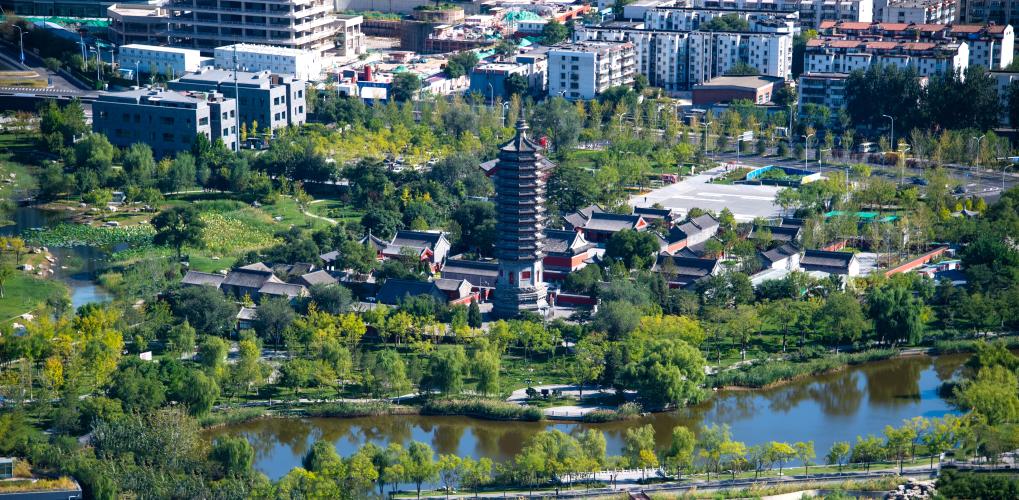
绿水青山就是金山银山,看长沙自然守护之道
Chang Sha Wan Bao· 2025-08-15 09:53
Group 1 - The core viewpoint emphasizes the integration of ecological protection and urban development in Changsha, highlighting the importance of the "Green Water and Green Mountains are Gold Mountains and Silver Mountains" philosophy [1][3][10] - The "Changsha Land Space Overall Planning (2021-2035)" has been approved by the State Council, outlining a clear blueprint for future urban development with a focus on ecological space layout and protection [3][10] - A total of 783.82 square kilometers of ecological protection red lines have been designated, primarily in the eastern, northern, and western regions of the city, to create a secure ecological pattern [3][8] Group 2 - The ecological restoration efforts in the mining sector are exemplified by the transformation of the former phosphate mine in Jinqiao Village, which has been converted into a green space with 6,800 trees planted and a 90% reclamation rate [5][7][8] - Since the launch of the abandoned mine ecological restoration initiative in 2022, Changsha has completed the restoration of 217.02 hectares of historical mining sites and 107.61 hectares of abandoned mines [8][9] - The integration of resources and industries with ecology has become a development theme, with successful projects like the Xiangjiang Happy City, which utilizes unique terrain for ecological and tourism development [9][10]
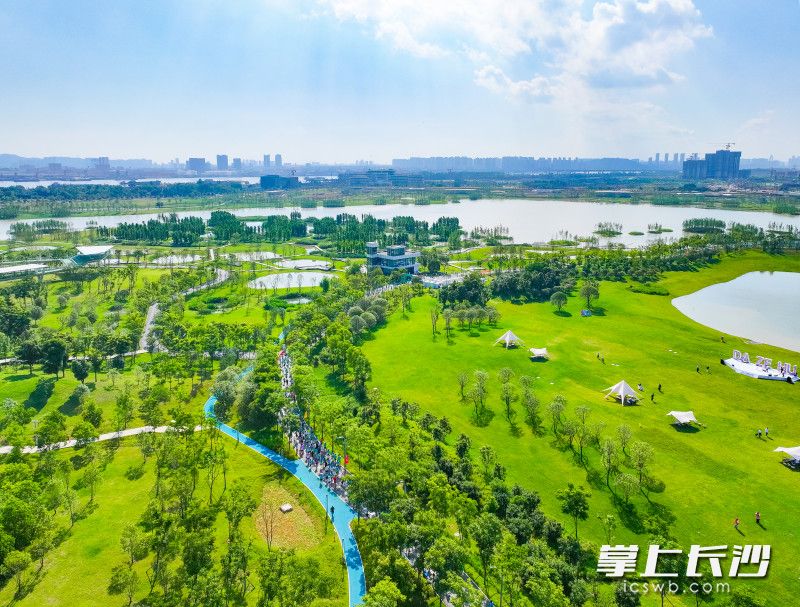
从生态“痛点”到滨海“明珠”,广西犀丽湾生态修复成果丰硕
Zhong Guo Huan Jing Bao· 2025-08-15 09:14
Core Insights - The article highlights the successful ecological restoration of Xili Bay in Qinzhou, Guangxi, transforming it from an environmentally degraded area into a thriving tourist destination [1][5] Group 1: Historical Context - Xili Bay, located in Qinzhou, faced severe ecological challenges due to climate change, overdevelopment, and pollution, leading to significant coastal erosion and a decline in marine biodiversity [2][3] - Prior to 2019, the area was characterized by illegal constructions and overfishing, resulting in a drastic reduction of marine life and threatening the livelihoods of local fishermen [2][3] Group 2: Restoration Efforts - Starting in 2019, Qinzhou initiated a systematic ecological restoration project for Xili Bay, focusing on comprehensive management strategies rather than temporary fixes [3][4] - The restoration involved three phases: removal of illegal structures, beach restoration, and the establishment of marine protected areas with artificial reefs [3][4] Group 3: Results and Achievements - By 2022, the restoration efforts led to significant improvements, including a 63.38% increase in coastal erosion protection efficiency and a substantial rise in biodiversity, with the number of marine species recorded increasing from 37 to 89 [4][6] - Xili Bay was recognized as a national AAA-level tourist attraction in 2023, attracting over 800,000 visitors and generating more than 30 million yuan in revenue for local businesses [5][6] Group 4: Socioeconomic Impact - The ecological restoration has not only improved the environment but also created new economic opportunities, allowing former fishermen to transition into tourism-related businesses [5][6] - The integration of ecological protection with tourism has led to the creation of over 100 direct jobs and has indirectly benefited more than 2,000 fishermen through the shift to eco-tourism [6]
重庆绿色发展为何“渝”众不同?
Zhong Guo Huan Jing Bao· 2025-08-14 01:40
Core Viewpoint - The article emphasizes the importance of ecological protection and the transformation of ecological advantages into developmental benefits in Chongqing, highlighting various successful practices in ecological civilization construction [1][8]. Group 1: Ecological Wealth Generation - Fengjie County has shifted from a coal-dependent economy to developing the citrus industry, with Fengjie navel oranges achieving a brand value of 38.17 billion yuan in 2024, ranking 20th nationally [2][3]. - The county has invested 293 million yuan in infrastructure and implemented a brand management strategy, resulting in over 50 star-rated orange farms and benefiting more than 50,000 residents [2][3]. - The establishment of a "farmer technology follow-up" system has trained 32,000 farmers annually, and the average income for orange farmers exceeds 100,000 yuan [3]. Group 2: Mining Transformation - The restoration of the Cuoluo Mountain area, previously a mining site, has led to the creation of a national park with an investment of 342 million yuan, achieving a 70% ecological restoration rate [4][5]. - The project has improved living conditions for over 720 households and increased biodiversity in the area [4]. - Cuoluo Mountain Park has become a model for integrating ecological restoration with tourism, recognized by the United Nations [5]. Group 3: Digital Empowerment in Water Management - The "Bayu Water Management" initiative in Chongqing utilizes a data-driven approach to enhance water quality management, achieving a 100% good water quality rate at 74 national control sections [7][8]. - The initiative has established a comprehensive online coordination system, significantly improving the efficiency of pollution source management [7]. - The successful model has been recognized nationally and included in the "China Electronic Government Yearbook" [8]. Group 4: Pollution Control and Rural Development - Dazhu District has made significant progress in rural pollution control, achieving a 94.8% rate in rural sewage treatment by June 2025 [10]. - The district has implemented waste management strategies, including the establishment of 160 waste classification demonstration villages [10][11]. - Agricultural development initiatives have led to a 91.58% resource utilization rate for livestock waste, contributing to the district's economic vitality [11]. Group 5: Urban Water Quality Improvement - Tongliang District has successfully improved the water quality of the Xiao'an River, achieving a stable III class rating after comprehensive pollution control measures [15][16]. - The district has constructed 357 kilometers of new and upgraded sewage pipelines, enhancing the overall sewage treatment capacity [13][15]. - Collaborative agreements with neighboring areas have strengthened regional water quality management efforts [16]. Group 6: Air Quality Enhancement - Jiangbei District has undertaken significant oil depot renovations, reducing VOC emissions by over 400 tons annually through advanced sealing technologies [17][18]. - The transformation of three major oil depots has set a benchmark for industrial pollution control in the region [17][18]. - The district's approach combines policy support, technical guidance, and comprehensive oversight to promote green development [18]. Group 7: Industrial Wastewater Management - Fengdu County has established a "zero direct discharge" zone in its industrial park, significantly improving local water quality [19][20]. - The county's approach includes a comprehensive assessment of wastewater sources and the implementation of targeted remediation plans [19][20]. - The water treatment facility in the area has maintained stable compliance with discharge standards for three consecutive years [20]. Group 8: Comprehensive Environmental Governance - Liangping District has adopted a multi-faceted approach to improve air and water quality, focusing on PM2.5 and ozone control [21][22]. - The district has implemented a "seven-in-one" collaborative strategy for ecological protection and pollution control across administrative boundaries [22][23]. - Efforts to enhance biodiversity and promote green economic activities are underway, aiming for effective ecological value transformation [23].