花卉种植

Search documents
新年花卉俏销
Xin Lang Cai Jing· 2025-12-31 19:00
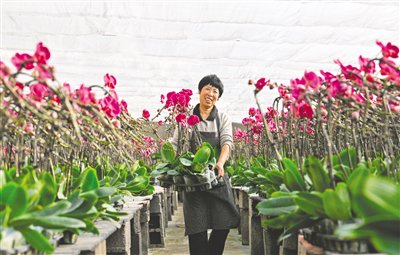
12月30日,在呼和浩特市新城区内蒙古丽翚苗木种植有限公司蝴蝶兰种植基地内,工作人员准备将发往 大同市的蝴蝶兰装箱。该基地通过优化品种结构、提升品质标准、科学培育等措施,年培育蝴蝶兰30多 个品种、近40万株,其中60%销售至北京、上海等区外市场。本报记者 孟和朝鲁 摄 (来源:内蒙古日报) 转自:内蒙古日报 ...

“创新搭配+定制服务”催生鲜花经济“新”消费 花样“抢手货”俏销假日市场
Yang Shi Wang· 2025-12-30 05:31
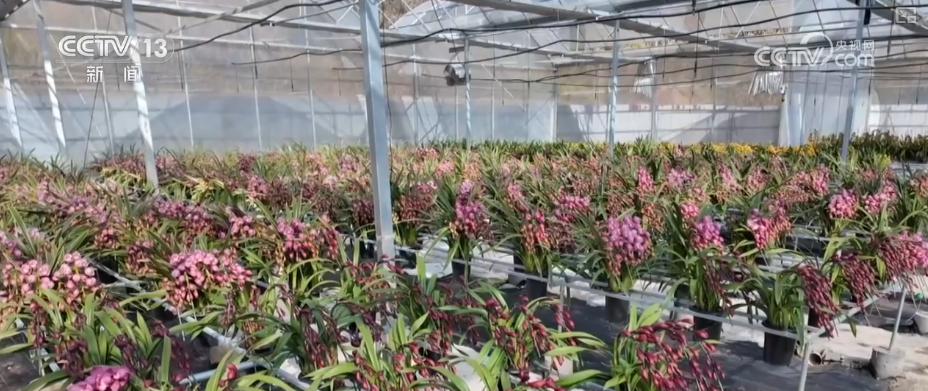
Core Insights - The flower market is heating up as the New Year holiday approaches, with strong demand for various floral products in regions like Ningde, Fujian, indicating a trend towards creative customization services for 2025 consumption [1][10] Group 1: Market Trends - In Ningde, over 3,000 pots of large flower orchids are in high demand, with a flowering period of over three months, making them a sought-after item for the 2025 New Year flower market [3] - The local flower industry has over 4,000 acres of planting area, generating an annual output value of 370 million yuan, contributing to rural revitalization [10] Group 2: Product Offerings - Besides large flower orchids, various creative floral products have been developed, including unique potted plants made from different succulent species, appealing to consumers of all ages [8][12] - The flower planting base offers personalized customization services, including pot styles, succulent combinations, greeting cards, and themed scene designs to meet diverse consumer needs [12] Group 3: Regional Developments - In Zaozhuang, Shandong, the flower market has introduced numerous new varieties and combinations, including fresh-cut flowers and potted plants, catering to diverse consumer preferences [13] - Popular flower varieties in Zaozhuang include colorful orchids and winter greens, which resonate with the festive atmosphere of the New Year, while affordable and easy-to-care-for plants like pothos and bamboo are also favored by consumers [15]
新年仪式感提前上线!特色花卉走俏国内外市场
Yang Shi Xin Wen· 2025-12-30 02:43
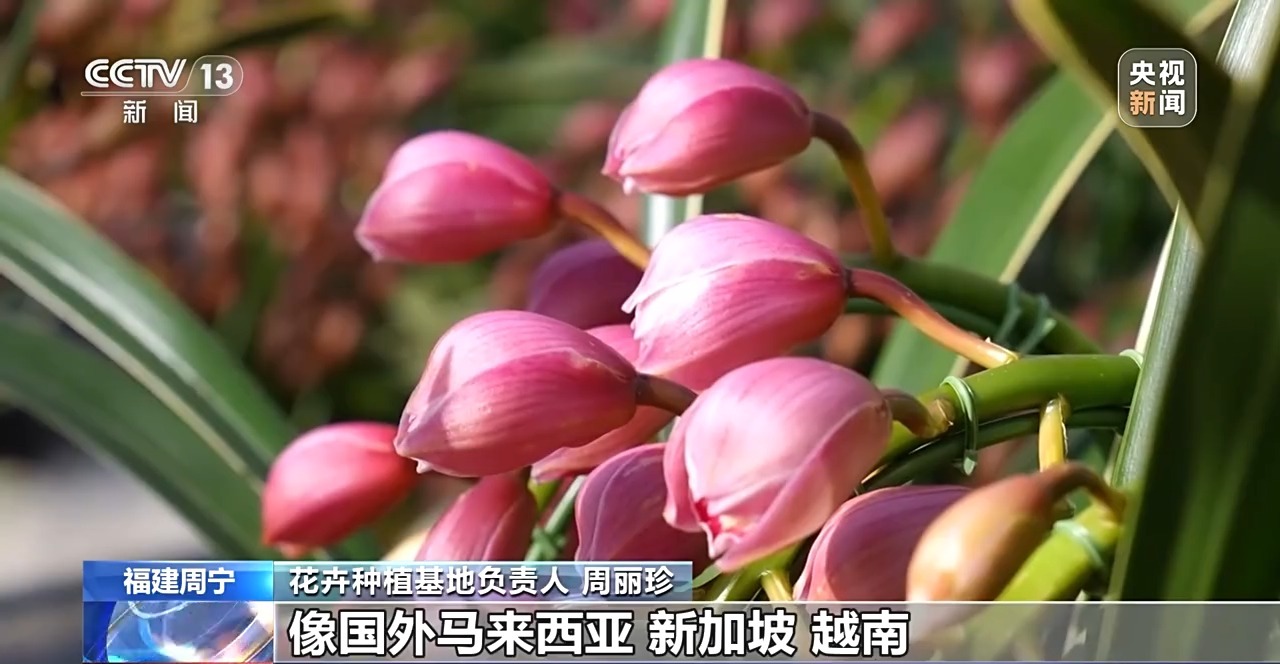
Group 1 - The flower market is heating up as the New Year holiday approaches, with strong demand for various floral products in regions like Ningde, Fujian, and new trends in creative customization services [1][3] - In Ningde, over 3,000 pots of large flower orchids are in high demand, with a flowering period of over three months, making them a popular choice for the New Year flower market [1] - The local flower industry has over 4,000 acres of planting area, generating an annual output value of 370 million yuan, contributing to rural revitalization [9] Group 2 - In Shandong Zaozhuang, the flower market is also introducing new varieties and combinations, including fresh-cut flowers and potted plants, to meet diverse consumer needs [9] - Popular flower varieties such as butterfly orchids and winter green are appealing to consumers due to their vibrant colors and auspicious meanings, aligning with the festive atmosphere of the New Year [12] - Affordable and easy-to-care-for plants like green radish, gentleman orchid, and bamboo are favored by consumers for their air-purifying properties [12]
资金流水入田间 粤北农业破堵点
Jin Rong Shi Bao· 2025-12-30 02:03
Core Insights - The article highlights the efforts of the People's Bank of China in Shaoguan to enhance financing efficiency for agricultural enterprises through the implementation of a national credit information sharing platform, aimed at supporting the agricultural sector's high-quality development in the Guangdong-Hong Kong-Macao Greater Bay Area [1][2]. Group 1: Agricultural Financing Initiatives - Shaoguan is recognized as a significant agricultural city in Guangdong, serving as a crucial production base for grains and vegetables, and has adopted a rice-shrimp rotation model to improve agricultural output [2]. - The People's Bank of China in Shaoguan has guided local banks to utilize the credit information platform to streamline loan approvals, thereby enhancing the efficiency of credit services for agricultural businesses [2][3]. - A specific agricultural company in Shaoguan successfully secured a loan of 4 million yuan after the bank analyzed its financial flow information, confirming its good operational status [2]. Group 2: Citrus Industry Support - Renhua County in Shaoguan is a key area for citrus production, with significant cultivation of varieties like Gonggan and Shatian pomelo, which have received national recognition [4]. - The People's Bank of China has facilitated access to financial information for citrus growers, enabling banks to provide tailored credit support based on the financial health of these enterprises [4]. - A leading agricultural company in Renhua received a credit line of 20.85 million yuan to support its citrus industry park development, demonstrating effective financial backing for agricultural infrastructure [4][5]. Group 3: Orchid Industry Financing Solutions - Wengyuan County is the largest orchid production base in China, facing challenges due to declining prices affecting cash flow for local enterprises [6]. - The People's Bank of China has encouraged banks to analyze financial flow information to assess the operational status of orchid businesses, thereby improving loan approval processes [6]. - An orchid company in Wengyuan obtained a timely loan of 5.6 million yuan to address its working capital needs, showcasing the platform's role in resolving financing difficulties for the industry [7].
高质量发展故事汇|纵深推进全国统一大市场建设
Bei Jing Ri Bao Ke Hu Duan· 2025-12-30 00:15
Core Viewpoint - The construction of a unified national market is a significant decision made by the central government, essential for building a new development pattern and addressing long-term national development strategies [5]. Group 1: Market Construction and Challenges - China, as the world's second-largest consumer market with over 1.4 billion people and more than 190 million business entities, has a substantial advantage in market resources that supports economic growth and innovation [5]. - The establishment of a unified national market has seen positive outcomes, including improved market infrastructure and smoother flow of goods and services, but challenges such as local protectionism and market segmentation remain [7][10]. - Recent measures have been implemented to eliminate market barriers, such as the reduction of the negative list for market access to 106 items, a nearly 30% decrease since 2018 [7]. Group 2: Competition and Quality - The phenomenon of "involution" in competition, characterized by low-price and low-quality practices, has been identified as detrimental to market mechanisms and innovation [8]. - The government has initiated actions to curb "involution" in various industries, including the solar and automotive sectors, emphasizing the importance of quality and standards in fostering healthy competition [8][9]. Group 3: Open Market Strategy - The construction of a unified national market is not a closed system but aims to promote reform and openness, facilitating both domestic and international economic cycles [9]. - The negative list for foreign investment has been reduced to 29 items, with all manufacturing sector restrictions eliminated, indicating a commitment to high-level openness [9]. Group 4: Case Studies - The cross-network electricity trading mechanism has been established, allowing for significant electricity transfers across regions, exemplifying the practical implementation of a unified market [12]. - The flower industry in Yunnan has transitioned from unregulated sales to standardized production, enhancing market access and pricing for quality products [13]. - The rapid introduction of new drugs, such as "Kexaira," into the Chinese market through Hainan's pilot policies demonstrates the effectiveness of streamlined regulatory processes and local production capabilities [15][16].
厚植高原沃土 激活产业动能——云南推进高原特色农业强省新篇
Zhong Guo Zheng Quan Bao· 2025-12-29 22:08
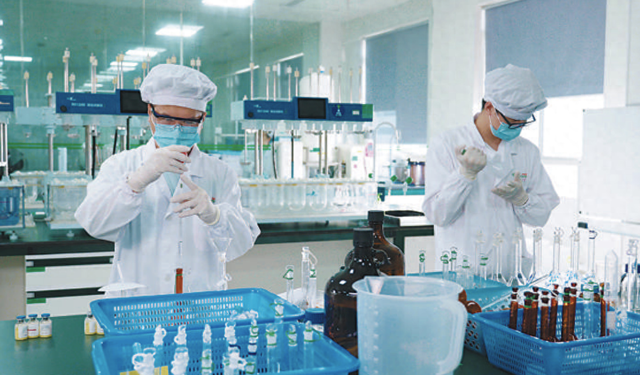
Core Viewpoint - Yunnan's unique highland geography, diverse climate, and rich biodiversity have fostered a distinctive agricultural industry, focusing on high-quality development through technological innovation and financial support, aiming for a transformation from scale expansion to quality and efficiency in key agricultural sectors like flowers, medicinal herbs, and coffee [1][2][6]. Agricultural Industry Development - Yunnan's agricultural strategy emphasizes the development of 14 key highland specialty agricultural industries, with a projected total output value exceeding 2.7 trillion yuan in 2024 [1]. - The province is a leading producer of fresh-cut flowers, tea, and rubber, with significant contributions to the economy and rural income [1][2]. Technological Innovation - Technological innovation is identified as the core engine driving the high-quality development of highland specialty agriculture, with a focus on seed innovation and the integration of research and industry [7][8]. - Yunnan has made significant advancements in breeding new varieties, particularly in flowers and medicinal herbs, with over 1,280 new flower varieties applied for and 800 authorized [7]. Financial Support and Investment - Yunnan has established a diversified financial service system to support agricultural development, with a total of 4.398 trillion yuan allocated to agricultural and rural development over five years [11]. - The province has set aside 135.172 billion yuan for highland specialty agriculture, with significant investments in key projects and financial support for farmers and enterprises [11][12]. Industry Structure and Collaboration - The agricultural sector in Yunnan comprises 173,000 agricultural enterprises and 69,800 farmer cooperatives, creating a development pattern led by large enterprises and supported by cooperatives [13]. - Collaborative platforms between enterprises, research institutions, and farmers have been established to ensure seamless integration of research outcomes into market demands [8][9]. Future Goals - Yunnan aims to strengthen its position as a highland specialty agricultural powerhouse by enhancing resource advantages, promoting technological innovation, and improving financial services [14].
厚植高原沃土 激活产业动能
Zhong Guo Zheng Quan Bao· 2025-12-29 21:13
Core Viewpoint - Yunnan is leveraging its unique geographical and climatic advantages to develop highland特色 agriculture, focusing on quality and efficiency, with an aim to transform its agricultural sector into a significant economic pillar by 2024, targeting a total output value of over 2.7 trillion yuan across 14 key agricultural industries [1][2]. Industry Development - Yunnan's agricultural strategy emphasizes "specialization" and "precision," with a focus on innovative mechanisms to enhance agricultural productivity, particularly in flower, medicinal herbs, and coffee sectors [2][3]. - The province has established 39 GAP bases for medicinal herbs, aiming for a planting area of over 10 million mu and an annual output of 150,000 tons by 2027, with a projected industry value of over 200 billion yuan [3]. - The flower industry is a key highlight, with Yunnan becoming a major flower production area, achieving a planting area of 1.95 million mu and an industry value exceeding 140 billion yuan in 2024 [2]. Technological Innovation - Technological innovation is central to the high-quality development of Yunnan's特色 agriculture, with a focus on breeding innovation and the integration of research and industry [4][6]. - The province has seen significant advancements in coffee processing, with an 80% deep processing rate and a projected industry value of over 80 billion yuan by 2024 [4]. - Yunnan's agricultural research institutions are actively involved in breeding new varieties, with over 1,280 new flower varieties applied for and 800 authorized, leading the nation in this area [6]. Financial Support - Yunnan has established a diversified financial service system to support agricultural development, with a total of 439.89 billion yuan allocated for agricultural and rural development over five years [9][10]. - The province has set up a unified credit service platform to facilitate financing for agricultural enterprises, enhancing efficiency in loan applications [10]. - A 30 billion yuan equity investment fund has been established to support key agricultural industries, attracting external capital and expertise to strengthen the agricultural value chain [11]. Market Expansion - Yunnan's agricultural enterprises have reached 173,000, with a focus on brand development to enhance market presence both domestically and internationally [12]. - Companies like Betaini are expanding into Southeast Asian markets, leveraging Yunnan's resource advantages to create competitive economic benefits [12].

【牢记嘱托 感恩奋进·说说我的2025】日子像花一样
Xin Lang Cai Jing· 2025-12-29 20:21
Core Insights - The article highlights the growth and development of the flower industry in Yunnan, particularly in Lijiang, where the production of fresh-cut flowers accounts for 70% of the national output, with significant exports [1][2] - The local flower industry has seen an increase in domestic seed production rates and improved cultivation techniques, leading to higher quality flowers and increased revenue, with fresh-cut flower output exceeding 44 million yuan in the first ten months of the year [1] - The integration of tourism and agriculture has been emphasized, with the introduction of 20 "Lijiang de Hua" shuttle buses connecting key tourist attractions, enhancing visitor experience and promoting local flower products [1] Industry Developments - The flower industry in Yunnan is characterized by a focus on high-altitude, self-cultivated varieties, such as the "Danzhuang" rose, which reflects the region's unique agricultural capabilities [1] - The local economy is benefiting from the flower and berry industries, providing employment opportunities and improving the quality of life for residents, who are increasingly able to work locally rather than migrating for jobs [2] - Future plans include expanding the industry chain to include flower-based food, beverages, and cultural products, aiming to further promote the "Lijiang flower economy" and increase the presence of domestic rose varieties in households [2]
新华视点丨岁末回望:锦绣山河间的民生温度与奋进力量
Xin Hua She· 2025-12-29 07:35
Group 1: Business Environment Optimization - Gansu Province's Jingning County focuses on optimizing the business environment as a support for high-quality economic development, emphasizing the construction of "friendly" and "clean" government-business relationships [2] - The county implements multi-dimensional efforts including policy, approval, service, and regulation to enhance the business environment, making it more convenient and efficient for enterprises and the public [2][4] Group 2: Agricultural Innovation - The Baichi Yinuo International Flower Port in Linxia City, Gansu Province, operates a "super factory" for fresh-cut roses, showcasing a busy environment with workers engaged in harvesting, sorting, packaging, and shipping [6] - The factory features a 200,000 square meter fully automated smart greenhouse equipped with lighting and temperature control systems, enabling year-round production and distribution of roses both domestically and internationally [6][9] - The integration of smart agriculture technology has led to significant advancements in the flower industry, contributing to a robust "flower economy" in Linxia City, which now encompasses the entire industry chain from planting to sales and tourism [9] Group 3: Cultural Development - Liuzhou City in Guangxi, known for its "song sea," has seen a rise in traditional mountain song performances, with the "Yufeng Song Fair" becoming one of the largest in the country [8][10] - The introduction of online platforms has allowed traditional singers to reach wider audiences, modernizing the presentation of mountain songs and attracting younger generations [10] Group 4: Ecological and Economic Synergy - In Huaihua City, Hunan Province, the local government emphasizes the importance of rivers and lakes in promoting ecological and economic development, integrating source control, ecological restoration, and public participation [12][14] - The region has established a governance system for river management that promotes collaboration across different levels of government and departments, aiming for clean waterways and beautiful landscapes [16]
让每一朵三角梅都成为自贸港发展见证者
Xin Lang Cai Jing· 2025-12-28 23:33
Core Viewpoint - The official launch of the Hainan Free Trade Port's full island closure operation marks a significant historical moment, showcasing Hainan's potential to the world and emphasizing the importance of local agricultural initiatives like the flower-themed event in promoting rural revitalization and economic growth [3][4]. Group 1: Economic Impact - The flower-themed event in Hainan serves as a symbol of the economic transformation in the region, where traditional agricultural practices are being revitalized through flower cultivation and related services, providing new income sources for local residents [3][4]. - The shared farm model is highlighted as a successful example of rural revitalization, where stable income from flower farming contributes to the overall happiness and quality of life for villagers [3][4]. Group 2: Cultural Significance - The event aims to elevate cultural creativity into a vibrant, impactful experience that resonates with visitors, making each flower a witness to the development of the Free Trade Port [4]. - Six themed garden areas at the event reflect Hainan's embrace of new times, showcasing local culture and natural beauty, while also expressing the community's aspirations for improved livelihoods [4][5]. Group 3: Community Engagement - The transformation of the village is evident as local residents, once compelled to seek work elsewhere, now find fulfillment and economic opportunity through flower-related activities, fostering a sense of community and family unity [4][5]. - The event encourages interaction between visitors and locals, creating a harmonious environment where nature and community thrive together, enhancing the overall experience of Hainan's cultural and ecological richness [4][5].