
科技创新

Search documents
2025年中国城市潜力榜:深圳力压广州,杭州险胜苏州
Sou Hu Cai Jing· 2025-12-05 06:14
Core Insights - The 2025 China City Potential Ranking has been released, highlighting the dynamic changes in cities as economic, consumption, and cultural hubs, based on comprehensive evaluations of over 300 cities using various authoritative data sources [2][4]. Group 1: City Rankings - The top ten cities in the 2025 potential ranking are Beijing, Shanghai, Shenzhen, Guangzhou, Chongqing, Chengdu, Hangzhou, Suzhou, Wuhan, and Nanjing [4]. - The leading cities are primarily located in the Beijing-Tianjin-Hebei, Yangtze River Delta, Pearl River Delta, and Chengdu-Chongqing urban agglomerations, which are characterized by economic vitality, dense populations, and well-developed infrastructure [7][8]. Group 2: Comparative Analysis of Major Cities - Beijing leads with a strong foundation in technology, education, and healthcare, showcasing its "internal strength" [9]. - Shanghai maintains its position through its role as an "open portal," leveraging global port throughput and foreign investment [11]. - Shenzhen excels in R&D investment and high-tech industries, ranking third, while Guangzhou benefits from its historical commercial significance and strong consumer market, ranking fourth [12][15]. - Chongqing outperforms Chengdu in overall potential scores, driven by its large economic scale and infrastructure investments [16]. - Chengdu, however, shows higher economic and commercial vitality, attributed to its innovative environment and strong consumer culture [18]. Group 3: Economic and Commercial Vitality - Shanghai ranks first in economic vitality, followed by Shenzhen and Beijing, with Guangzhou and Chengdu also in the top five [31]. - Guangzhou leads in incremental economic indicators, while Chengdu shows superior growth rates in key metrics, reflecting strong internal growth and market resilience [33]. - In the newly introduced commercial vitality dimension, Guangzhou and Chengdu surpass Shanghai and Shenzhen, indicating their robust commercial networks and consumer engagement [35][37]. Group 4: Transportation and Infrastructure - Beijing, Shanghai, and Chongqing rank as the top three cities in transportation, forming a "diamond hub" for national transport networks [43]. - Beijing's extensive public transport system and road network support its status as a major urban center, while Shanghai's international transport capabilities enhance its global connectivity [43][44]. Group 5: Healthcare and Education - Beijing ranks first in social healthcare, followed by Shenzhen and Shanghai, reflecting their strong healthcare systems supported by economic strength [48]. - In education, Beijing and Shanghai lead, with Guangzhou recognized as a key educational center in South China, contributing to regional talent supply [52][54]. Group 6: Technological Innovation - The top three cities in technological innovation are Beijing, Shenzhen, and Shanghai, due to their advantages in basic research and technology commercialization [56]. - Guangzhou also demonstrates significant technological capabilities, particularly in biomedicine and information technology, indicating a solid foundation for future growth [58].

香港:北部都会区建设全面提速
Ren Min Ri Bao Hai Wai Ban· 2025-12-04 22:59
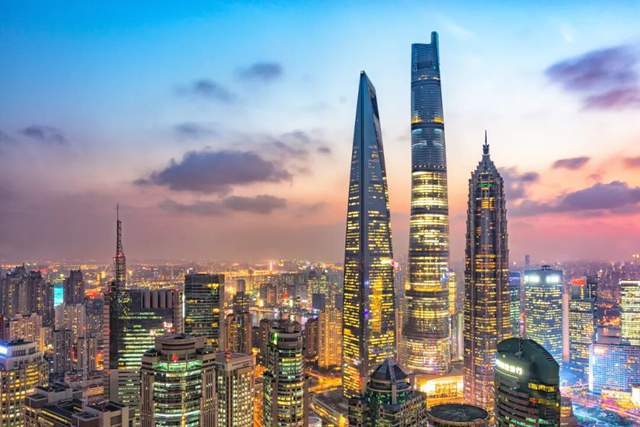
Core Viewpoint - The development of the Northern Metropolis in Hong Kong is accelerating, with significant economic potential and job creation opportunities highlighted by the recent release of the "Conceptual Outline" for the San Tin Technological City [2][3][4]. Group 1: Economic Contribution - The San Tin Technological City is projected to contribute at least HKD 250 billion annually to Hong Kong's GDP once fully operational, creating over 300,000 related jobs [2]. - The Northern Metropolis is seen as a crucial driver for Hong Kong's future economic growth and a key component in integrating into the Greater Bay Area [3][4]. Group 2: Development Strategy - The San Tin Technological City will cover approximately 210 hectares and will be divided into three hubs focusing on life sciences, artificial intelligence, and microelectronics [3]. - The development will occur in five phases over approximately eight years, with a goal to complete the entire land release and initial industrial development within ten years [3]. Group 3: Government Initiatives - The Hong Kong government is prioritizing the Northern Metropolis as a strategic focus, with plans including the establishment of the "Northern Development Committee" to facilitate legislative and infrastructural support [4][5]. - The government aims to attract industries and major projects to the Northern Metropolis, leveraging its potential as a hub for innovation and technology [5][6]. Group 4: Industry Collaboration - The development plan is expected to create a synergistic relationship between the San Tin Technological City and the adjacent Lok Ma Chau Loop, enhancing industrial transformation and collaboration [6]. - Various stakeholders, including over 40 domestic and international companies, are already engaging with the development, indicating strong interest and potential for future growth [6].
金砖国家青年代表聚福建 共商科技创新合作之道
Zhong Guo Xin Wen Wang· 2025-12-04 13:54
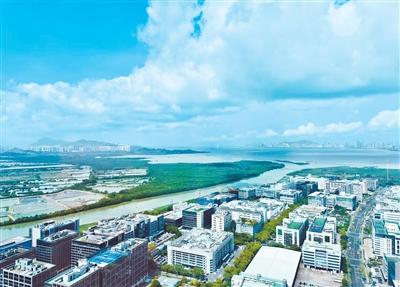
Group 1 - The core viewpoint of the articles emphasizes the importance of collaboration among BRICS nations in technology innovation and youth development, particularly through practical cooperation initiatives [1][2] - The BRICS Youth Representatives highlighted the establishment of platforms for industry-academia-research collaboration and the development of digital empowerment projects for youth, which are expected to invigorate technological innovation within BRICS countries [1] - The China-BRICS New Era Science and Technology Incubation Park serves as a model for cross-border technology incubation and talent exchange, with over ten Brazilian universities and tech parks already sharing expertise and resources [1] Group 2 - There is a growing concern regarding the digital divide and employment challenges faced by global youth, particularly in remote and disadvantaged areas, which necessitates ongoing attention and solutions [1][2] - BRICS nations are encouraged to implement more inclusive and equitable youth development and digital empowerment projects, focusing on digital skills training and entrepreneurship guidance to help young people adapt to new job market demands [2] - The experience of China in developing youth leadership is seen as a valuable reference for BRICS cooperation, aiming to create an innovative community that empowers youth to lead technological and social change [2]
长三角空间蓝图落地:科创走廊架起“创新三角”,都市圈分层协同
2 1 Shi Ji Jing Ji Bao Dao· 2025-12-04 12:45
Core Viewpoint - The approval of the "Yangtze River Delta Land Space Planning (2023-2035)" establishes a comprehensive spatial development blueprint for the region, promoting integration and sustainable development across Shanghai, Jiangsu, Zhejiang, and Anhui provinces [1][2]. Group 1: Spatial Integration and Urban Development - The planning aims to transition from a fragmented urban cluster model to a more integrated approach, emphasizing the role of innovation corridors and facilitating the efficient flow of talent, capital, and technology among the four provinces [1][2]. - The approval clarifies the relationship between urban clusters and city groups, ensuring that no region is overlooked in the spatial layout, thus enhancing the overall effectiveness of regional development [2][3]. - The focus on optimizing the spatial structure led by urban clusters supports Shanghai's role as a leading city, fostering collaboration with surrounding urban areas like Suzhou, Wuxi, and Changzhou [2][3]. Group 2: Industrial Transfer and Innovation - The planning highlights the importance of industrial transfer and innovation, particularly through the establishment of three key innovation corridors: the G60 Science and Technology Corridor, the Shanghai-Nanjing Industrial Innovation Belt, and the Ningbo-Hangzhou Ecological Economic Belt [4][5]. - Each corridor has distinct functions: the G60 focuses on technology application, the Shanghai-Nanjing belt on major application technology development, and the Ningbo-Hangzhou belt on ecological and green technology [5][6]. - The planning aims to facilitate a gradient transfer of industries from core cities to surrounding areas, ensuring that the transfer aligns with regional strengths and fosters a collaborative mechanism between research and production [6][7]. Group 3: Marine and Land Coordination - The planning emphasizes the need for coordinated development of land and marine resources, proposing a comprehensive spatial layout that integrates the Yangtze River and East China Sea [8][9]. - It aims to shift from nearshore development to deep-sea utilization, unlocking potential for marine economic growth and exploring new industries such as marine renewable energy [9][10]. - The integration of port, industry, and urban functions is crucial for developing a port-city urban cluster model, drawing on successful international examples [10].
省“十四五”高水平科技自立自强新闻发布会透露,“十四五”期间:广东研发投入等指标领跑全国
Nan Fang Ri Bao Wang Luo Ban· 2025-12-04 08:29
Core Viewpoint - Guangdong Province is accelerating the construction of a comprehensive innovation chain during the "14th Five-Year Plan" period, focusing on high-level technological self-reliance and strength, with all planning indicators being successfully completed [1] Group 1: Regional Innovation Capability - Guangdong has maintained the top position in regional innovation capability in China for nine consecutive years, with significant advancements in various technology innovation indicators [2] - By 2024, Guangdong's R&D expenditure is expected to reach 510 billion yuan, with over 77,000 high-tech enterprises, 792,300 valid invention patents, and 23,400 PCT international patent applications [2] - High-tech manufacturing revenue is projected to be 6.288783 trillion yuan, and high-tech product exports are expected to reach 256.74 billion USD [2] Group 2: R&D Investment and Education - Guangdong ranks first in R&D investment intensity among all provinces, with Shenzhen's R&D investment reaching 245.307 billion yuan, and an R&D intensity of 6.67% [3] - In 2024, Guangdong's institutions are expected to achieve record highs in national science and technology awards and funding from the National Natural Science Foundation [3] - The province has implemented a plan to enhance higher education, resulting in a 101% increase in authorized invention patents and a 255% increase in technology transfer projects since 2020 [5] Group 3: Collaborative Efforts in Innovation - The Greater Bay Area Comprehensive National Science Center is a key support for building an international technology innovation center, with significant progress in establishing major scientific infrastructure [4] - The construction of three major science cities is underway, enhancing the core innovation space and supporting high-quality industrial development [4] Group 4: Doctoral Talent Development - Guangdong has expanded its postdoctoral platform and recruitment, with over 27,000 postdoctoral researchers, the highest in the country [6] - The province has initiated programs to attract postdoctoral talent from outside, including the "Hong Kong Scholars Program" and "Macau Youth Scholars Program" [6] Group 5: Intellectual Property Development - Guangdong has received 1,095 "China Patent Awards" during the "14th Five-Year Plan," with 36 projects winning gold awards [7] - The province has seen a significant increase in patent financing, with 912.8 billion yuan in new financing and a total of 69,000 patent licensing transactions, ranking first in the country [7]
浙江区域观察:工业老区如何“逆袭”科创新城?
Zhong Guo Xin Wen Wang· 2025-12-04 01:44
中新网浙江新闻12月3日电(奚金燕 俞萍)在长三角G60科创走廊自西向东延展的版图上,浙江金华正 经历一场深刻的城市嬗变。曾经厂房林立、效益低下的传统工业区块,如今正以"科创中心·智慧西 岸"的全新面貌加速崛起。金华中央创新城(南区)用五年时间,交出了一份"工业锈带"向"创新绿 带"转型的生动答卷,也为当前城市更新与产业升级提供了可借鉴的实践范式。 破局:老工业园区的系统重构 回溯至2019年,位于浙江金华经济技术开发区核心区域的湖海塘西岸还是块刺眼的"城市补丁":37家低 效企业零星分布,亩均税收不足5万元;三个城中村被老旧基础设施环绕,与一湖之隔的东岸现代化住 区形成鲜明对比。空间割裂、产业滞后、功能混杂,成为制约城市高质量发展的突出短板。 转机源于宏观战略的落地与前瞻规划的引领。随着长三角一体化发展国家战略的深入推进,G60科创走 廊建设提速,金华作为重要节点城市,其核心区块的能级提升迫在眉睫。地方政府没有选择"头痛医 头、脚痛医脚"的局部修补,而是下定决心对片区进行全域系统性重构。规划引入了"空间针灸"理念, 以关键交通廊道、生态修复工程和高端产业载体作为刺激区域再生的"银针",精准激活发展穴位。 交 ...
构筑科技成果转化“生态圈” 复旦科创大会举行 上海祖泉创新转化研究院揭牌
Jie Fang Ri Bao· 2025-12-04 01:36
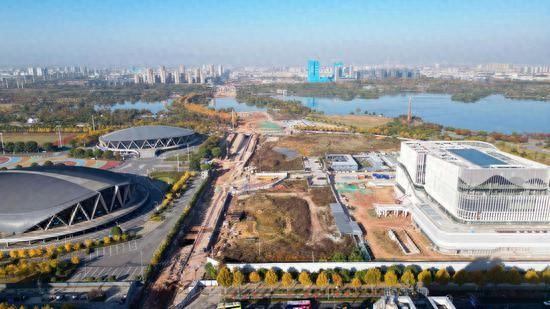
Group 1 - The Fudan University Science and Technology Innovation Conference was held, marking the launch of several initiatives including the establishment of the Zuqin Innovation Transformation Research Institute and the Fudan Science and Technology Overseas Investment Fund with an initial target size of $100 million [1][2] - The Zuqin Research Institute aims to create an ecosystem for the transformation of scientific and technological achievements, with a goal of transforming 100 top scientific achievements annually and nurturing 100 top innovative enterprises over five years [1] - The institute will build high-quality concept verification platforms and collaborate with various partners to establish innovation centers focused on future industries such as quantum technology, brain-machine interfaces, controllable nuclear fusion, and brain-like intelligence [1] Group 2 - The Zuqin Research Institute's strategy includes attracting global "Zuqin Partners" to enhance its capabilities, with the first batch of partners announced at the conference [2] - The Fudan Science and Technology Investment Fund will support both internal scientists in transforming top scientific achievements and expand into market-leading technology transformation projects, focusing on areas like life health, artificial intelligence, and new energy materials [2] - The conference was co-hosted by Fudan University and Shanghai State-owned Capital Investment Company, with notable attendance from local government officials [2]
聚焦重大任务 抓好贯彻落实—— 四论学习贯彻省委十四届十次全会精神
Xin Hua Ri Bao· 2025-12-03 23:49
全会审议通过的《中共江苏省委关于制定江苏省国民经济和社会发展第十五个五年规划的建议》, 紧扣习近平总书记和党中央赋予江苏的重大使命任务,深入分析我省发展面临的形势和环境,聚焦事关 江苏发展全局和长远的重点问题,分领域部署"十五五"时期的战略任务和重大举措,明确产业发展、科 技创新、扩大内需、深化改革、对外开放、农村农业、区域发展、文化建设、民生保障、绿色发展、安 全发展等十一个方面的思路和重点工作,这就是未来五年经济社会发展的主攻方向。 发展新质生产力是"十五五"时期的重大战略任务,更是江苏必须扛起的重大责任。习近平总书记强 调,"'十五五'时期,必须把因地制宜发展新质生产力摆在更加突出的战略位置"。江苏肩负着习近平总 书记赋予的"成为发展新质生产力的重要阵地"的重大使命,《建议》就"一中心一基地一枢纽"建设分别 作出专章部署。全省上下要聚焦这一战略重点,推动具有全球影响力的产业科技创新中心建设,强化高 质量科技供给功能;推动具有国际竞争力的先进制造业基地建设,提升科技成果转化落地效能;推动具 有世界聚合力的双向开放枢纽建设,增强生产要素创新性配置能力,筑牢新质生产力发展的坚实支撑。 方向正确、目标明晰、路径 ...
利好来了!刚刚,国家重磅发布
中国基金报· 2025-12-03 12:54
Core Viewpoint - The article discusses the approval of the "Yangtze River Delta Land Space Planning (2023-2035)" by the State Council, which serves as a national-level guideline for sustainable spatial development in the Yangtze River Delta region, emphasizing the integration of development strategies and the construction of a world-class urban agglomeration [3][6]. Summary by Sections Section 1: Planning Objectives - By 2035, the Yangtze River Delta will maintain a cultivated land area of no less than 16.148 million acres, with permanent basic farmland protection of at least 14.290 million acres; ecological protection red line area will be no less than 77,000 square kilometers; total water usage will not exceed national targets [4][7]. Section 2: Risk Management - The planning identifies key areas for natural disaster risk prevention, delineating control lines for geological disasters and floods, and ensuring safety spaces for strategic mineral resources and historical cultural protection, thereby anchoring the spatial bottom line for high-quality development [4][7]. Section 3: Spatial Structure Optimization - The plan optimizes the spatial layout led by urban agglomerations, supporting Shanghai's leading role and enhancing spatial integration with surrounding urban areas such as Suzhou, Wuxi, Changzhou, Nanjing, Hangzhou, Hefei, and Ningbo, to support the construction of a world-class urban cluster [5][8]. Section 4: Innovation and Industry Collaboration - It emphasizes cross-regional collaboration in technological and industrial innovation, ensuring the spatial needs of the G60 Science and Technology Corridor, the Shanghai-Nanjing Industrial Innovation Belt, and the Ningbo-Hangzhou Ecological Economic Belt are met, while optimizing traditional industrial land use along the Yangtze and coastal areas [5][8]. Section 5: Marine and Land Coordination - The plan promotes a coordinated spatial layout for coastal areas, enhancing port and shipping functions, and rationally utilizing deep-sea spaces to unleash marine development potential [5][8]. Section 6: Implementation and Governance - The plan mandates strict adherence to the established guidelines, with local governments required to integrate the planning objectives into their respective land space plans, ensuring a unified spatial planning system and enhancing digital governance capabilities [9][10].

“十四五”时期 金融支持科技创新取得明显成效
Ren Min Ri Bao Hai Wai Ban· 2025-12-03 07:09
会议提出,党的二十届四中全会对未来五年的发展作出顶层设计和战略擘画,要求加快高水平科技 自立自强,引领发展新质生产力,大力发展金融"五篇大文章",为"十五五"科技金融工作指明了方向。 各有关部门要深入学习贯彻全会精神,突出科技创新的引领作用,加快构建与科技创新相适应的科技金 融体制,持续深化金融供给侧结构性改革,推动科技、产业、金融良性循环,为建设科技强国提供坚实 支撑。 会议强调,明年是"十五五"开局之年,各有关部门要扎实推进各项工作任务落实,常态化运行科技 金融统筹推进机制,强化科金协同、央地联动,进一步优化政策措施。发挥好科技创新和技术改造再贷 款政策作用,高质量建设债券市场"科技板",促进私募股权投资和创业投资"募投管退"循环,强化科技 保险高质量发展,引导和推动金融资源科学高效配置,加强对金融机构"五篇大文章"工作成效评估,完 善融资对接、信息共享、知识产权转化运用等配套机制,助力高水平科技自立自强。 人民日报海外版北京12月2日电(记者徐佩玉)中国人民银行、科技部等部门近日联合召开科技金 融统筹推进机制第一次会议。 会议认为,"十四五"时期各有关部门紧密协作,央地协同发力,金融支持科技创新取得明显 ...