智能硬件

Search documents
李在明在沪出席“中韩创新创业论坛” 一起迎来更好更新时代
Jie Fang Ri Bao· 2026-01-08 01:45
Group 1 - The core message of the event is the potential for collaboration between South Korean and Chinese startups, particularly in the fields of artificial intelligence and smart hardware, as emphasized by MiniMax's founder Yan Junjie [1] - The South Korean government, represented by President Yoon Suk-yeol, expressed strong support for fostering exchanges and collaborations between the two countries' entrepreneurial ecosystems [3] - The forum highlighted the significant interest from South Korean startups in entering the Chinese market, with many companies seeking partnerships to leverage China's vast market potential [1][3] Group 2 - LUNIT's CEO Xu Banshi called for the establishment of a Sino-Korean startup group to collaboratively build a data center and conduct data validation work, aiming to identify cooperative projects [2] - CMBI's CEO Huo Jianjun suggested that South Korean companies leverage their semiconductor technology advantages in conjunction with Chinese market applications to create substantial synergies [2] - The event showcased over 50 Korean beauty brands, indicating a strong interest in the Chinese beauty market, with the First Lady of South Korea praising the diversity and responsiveness of these brands to market demands [3]

贝仕达克:公司目前暂不涉及工业机器人、人形机器人等机器人本体相关业务
Zheng Quan Ri Bao· 2026-01-07 14:18
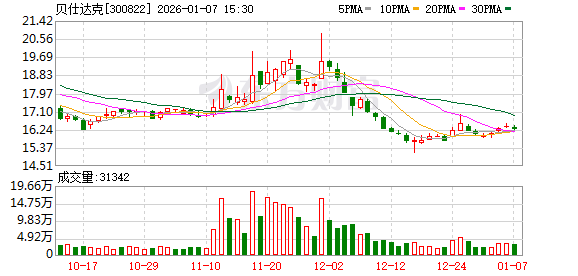
Core Viewpoint - The company is actively developing products in the smart pet care sector, including its own brand Pickfun, which features an AI pet photographer and smart cat litter box [2] Group 1: Product Development - The company has launched products such as the Pickfun AI pet photographer and smart cat litter box, with the smart controller being independently developed and continuously iterated [2] - The company is not currently involved in industrial robots or humanoid robots, focusing instead on the smart pet care market [2] Group 2: Market Awareness - The company is closely monitoring technological developments and market trends in downstream application markets, indicating a proactive approach to exploring new application areas [2]



2025消费IPO真相:熬够16.5年,才配敲钟
Sou Hu Cai Jing· 2026-01-07 10:54
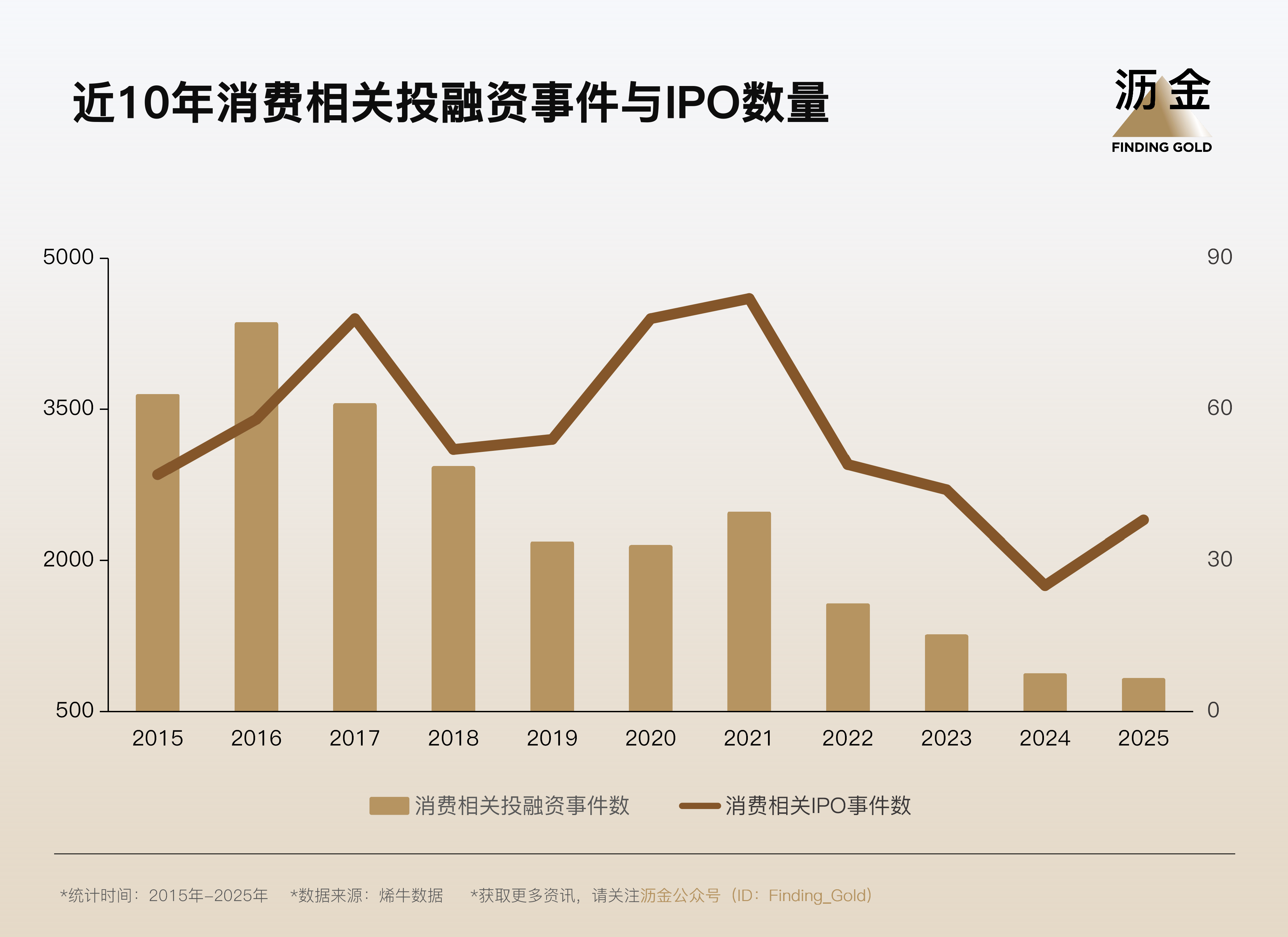
Group 1 - The consumer investment landscape in China has drastically changed, with the number of financing events dropping from 4,345 in 2016 to just 812 in 2025, indicating a cleansing of over 80% of false demands and PPT projects [4] - The number of IPOs is rebounding, increasing from 25 in 2024 to 38 in 2025, signaling a shift where the primary market is purging excess while the secondary market is identifying valuable opportunities [4] - The average age of companies going public in 2025 is 16.5 years, highlighting that only those with extensive industry experience and stable supply chains are able to secure IPOs [4][5] Group 2 - Investment is increasingly directed towards companies with high barriers to entry and essential needs, such as hard-tech consumer products, rather than purely marketing-driven DTC brands [5] - The pet industry is emerging as a significant sector, attracting investment in areas like pet CT and vaccine development, indicating a shift in consumer spending patterns [5] - Global expansion is a key trend, with 20% of funded projects having international attributes, emphasizing the importance of leveraging China's supply chain advantages in global markets [5][6] Group 3 - The current market environment favors companies with factories, technology, and overseas channels, which are considered scarce assets [6] - The era of relying on capital to sustain operations is over, and a focus on profitability from day one is essential for survival [5][6] - The lengthy wait for IPOs has filtered out truly valuable companies, marking a transition to an era that rewards craftsmanship, scientific innovation, and long-term thinking [7]
数读CES 2026:全球科技巨头集结,中国军团强势突围
Mei Ri Jing Ji Xin Wen· 2026-01-07 09:09
Core Insights - The 2026 International Consumer Electronics Show (CES 2026) will take place from January 6 to 9, 2026, in Las Vegas, showcasing cutting-edge technology from thousands of global tech companies [2] - Chinese robotics companies are participating in unprecedented numbers, presenting a comprehensive landscape of domestic robotics industry, including key sensors, dexterous hands, computing platforms, and robot bodies [2] Exhibition Overview - CES 2026 will be held at the Las Vegas Convention Center (LVCC), spanning 12 official venues across three main campuses, each accommodating different themes and types of exhibitors [3] - The central and largest exhibition area includes multiple halls showcasing mainstream electronic products, major brand exhibits, autonomous driving, smart devices, and enterprise solutions [3] Key Themes and Trends - Six core battlefields identified at CES 2026 include: - AI + Smart Hardware: AI terminal devices, smart assistants, home robots, AI chips, multimodal applications, and AIGC + hardware integration [8] - Robotics: Home cleaning robots, food delivery robots, factory automation robots, and AI-driven humanoid robot concepts [8] - Electric Vehicles & Autonomous Driving: Smart cockpits, autonomous driving systems, lidar, new energy vehicles, and onboard sensors [8] - Smart Home & IoT: Home appliances, smart security, and family connectivity, with a focus on the popularization of the Matter protocol [8] - Digital Health: AI health monitoring, wearable medical devices, and aging technology [9] Participation Statistics - The participation of exhibitors from key countries highlights a concentration in ten main battlefields, with China leading in smart home applications (396 exhibitors), followed by the US (299), South Korea (65), and Japan (11) [10] - In AI, the US has 250 exhibitors, while China has 132, indicating a strong presence in this sector [10] - Robotics remains a significant highlight at CES, with Chinese companies showcasing their advancements in this field [10]

董事长专访 | 优实资本邢杰:AI智能硬件全面重构的巨大商机才刚刚开始
Sou Hu Cai Jing· 2026-01-07 09:09
Core Viewpoint - The AI smart hardware industry is at the beginning of a comprehensive reconstruction of industry and life, with the next five years expected to be a golden window for explosive growth, particularly for Chinese companies in the global smart hardware market [1][8]. Industry Evolution - The development of AI smart hardware will undergo five stages, starting with the transition from conversational AI to edge inference, which began in 2023. Current products face limitations, such as forgetting previous interactions [3][4]. - The second stage (2025-2027) will see the emergence of smart agents, with significant changes in hardware forms and the integration of agent capabilities into consumer devices like smart glasses and wearables [4]. - The third stage (2027-2030) will focus on spatial intelligence and embodied intelligence, with the maturation of VLA (Vision-Language-Action) models and commercial breakthroughs in humanoid robots [4]. - The fourth stage (2028-2032) will introduce general artificial intelligence (AGI) with the application of neuromorphic chips and photonic computing, followed by the fifth stage (post-2032) characterized by superintelligence (ASI) [4]. Market Opportunities - The consumer market (C-end) is expected to experience explosive growth before the business market (B-end), with smart AR glasses emerging as a potential replacement for smartphones, projected to be used by half of smartphone users in five years [5]. - Health monitoring wearables are identified as another promising sector, with potential to transform healthcare by linking home devices with community-level smart detection stations and AI doctors [5]. - Smart home devices and family robots are also critical areas, with the Matter protocol resolving compatibility issues and fostering growth in the smart home ecosystem [6]. Global Expansion - Chinese smart hardware companies have significant opportunities for global expansion due to a robust supply chain, strong manufacturing capabilities, and innovative potential [7]. - An AI smart hardware export industry alliance is being established to enhance collaboration and resource sharing among over 50 participating companies and associations, aiming to create a powerful platform for Chinese manufacturers [7]. Future Outlook - The AI smart hardware sector is still in its infancy, with expectations of unprecedented growth in the next five years that will reshape industry dynamics and alter work and lifestyle [8]. - Companies that can identify technological trends, understand user needs, and integrate industry resources are likely to excel in this evolving landscape [8].

AI办公硬件新标杆:未来智能携viaim亮相CES 2026,斩获微软人工智能创新奖
Sou Hu Wang· 2026-01-07 08:49
Core Insights - The CES 2026 showcased 4,112 companies, highlighting the integration of AI across various sectors, from chips to hardware and vertical applications [1] - Future Intelligent's AI conference headsets, Pro3 and Air2, won the Microsoft AI Innovation Award, demonstrating the global competitiveness of Chinese AI hardware brands [3][15] Product Features - The Pro3 and Air2 headsets are designed as "AI work mates," integrating AI technology with personal office needs, offering a comprehensive solution from voice capture to smart interaction [7] - These headsets provide advanced capabilities such as AI mouth replacement, mind mapping, deep inquiry, and customized summaries, enhancing office efficiency [9] Market Performance - Future Intelligent's viaim brand saw a 17-fold increase in sales in the North American market in 2025, with significant month-on-month growth in November and December [12] - The company has expanded its presence in Asia-Pacific and the Middle East, achieving over 35-fold sales growth in May and a record peak in December [12] Global Strategy - Future Intelligent's global strategy is based on in-depth market research, identifying a supply gap in smart hardware for office scenarios, particularly products that integrate multi-language interaction and efficient information processing [10][14] - The company emphasizes "localized innovation" to adapt to different market needs while maintaining its core AI technology advantages [14] Ecosystem Development - Future Intelligent aims to build a comprehensive AI office ecosystem, starting with headsets and extending to multi-sensory office hardware, supported by its self-developed viaim brain [17] - This strategy aligns with the industry's trend towards AI hardware deployment, positioning Future Intelligent for significant growth in the global AI hardware market [18]

雷科防务西安子公司增资500%
Zheng Quan Shi Bao Wang· 2026-01-07 07:48
Group 1 - The core point of the article is that Beili Leike (Xi'an) Innovation Incubator Co., Ltd. has increased its registered capital from 10 million to 60 million yuan, marking a 500% increase [1] - The company's business scope has been updated to include sales of intelligent unmanned aerial vehicles, integrated circuits, satellite mobile communication terminals, radar and supporting equipment manufacturing, and navigation terminal sales [1] - Beili Leike (Xi'an) Innovation Incubator Co., Ltd. was established in August 2019 and is wholly owned by Leike Defense (002413) [1]

极米科技发布AI眼镜品牌MemoMind
Zhong Zheng Wang· 2026-01-07 07:14
Core Insights - The company, XGIMI Technology, launched its AI glasses brand MemoMind at CES 2026, marking a shift in the smart glasses market from generic products to scenario-based solutions, which are seen as the core interaction medium of the future [1][2] Market Trends - According to IDC, the global smart glasses market is expected to reach a shipment volume of 23.687 million units by 2026, with China's market alone projected to exceed 4.915 million units [1] Company Development - XGIMI Technology has invested over 1.5 billion yuan in R&D since its listing in 2021, achieving a research expense ratio of 12.15% by mid-2025, and has accumulated 1,219 patents [1] Product Offerings - The MemoMind One represents the company's technological advancement in consumer-grade AI display, utilizing a Micro LED and light guide solution to provide rich visual information for various needs, expected to launch later this year [1] - The MemoMind Air series introduces two new technological directions: MemoMind Air Display, which significantly reduces weight and power consumption while providing essential information, and another product focused entirely on AI experience, which will be revealed later this year [2] Financial Backing - The operational entity of the MemoMind brand, Shenzhen Qilai Innovation Intelligent Technology Co., Ltd., recently raised 50 million yuan through a financing round, achieving a valuation of 770 million yuan, aimed at enhancing R&D and operational capital for the mass production and market promotion of MemoMind AI glasses [2]

追觅科技CES 2026亮相全屋智能生态 多款具身智能产品迎“首秀”
Zheng Quan Shi Bao Wang· 2026-01-07 06:18
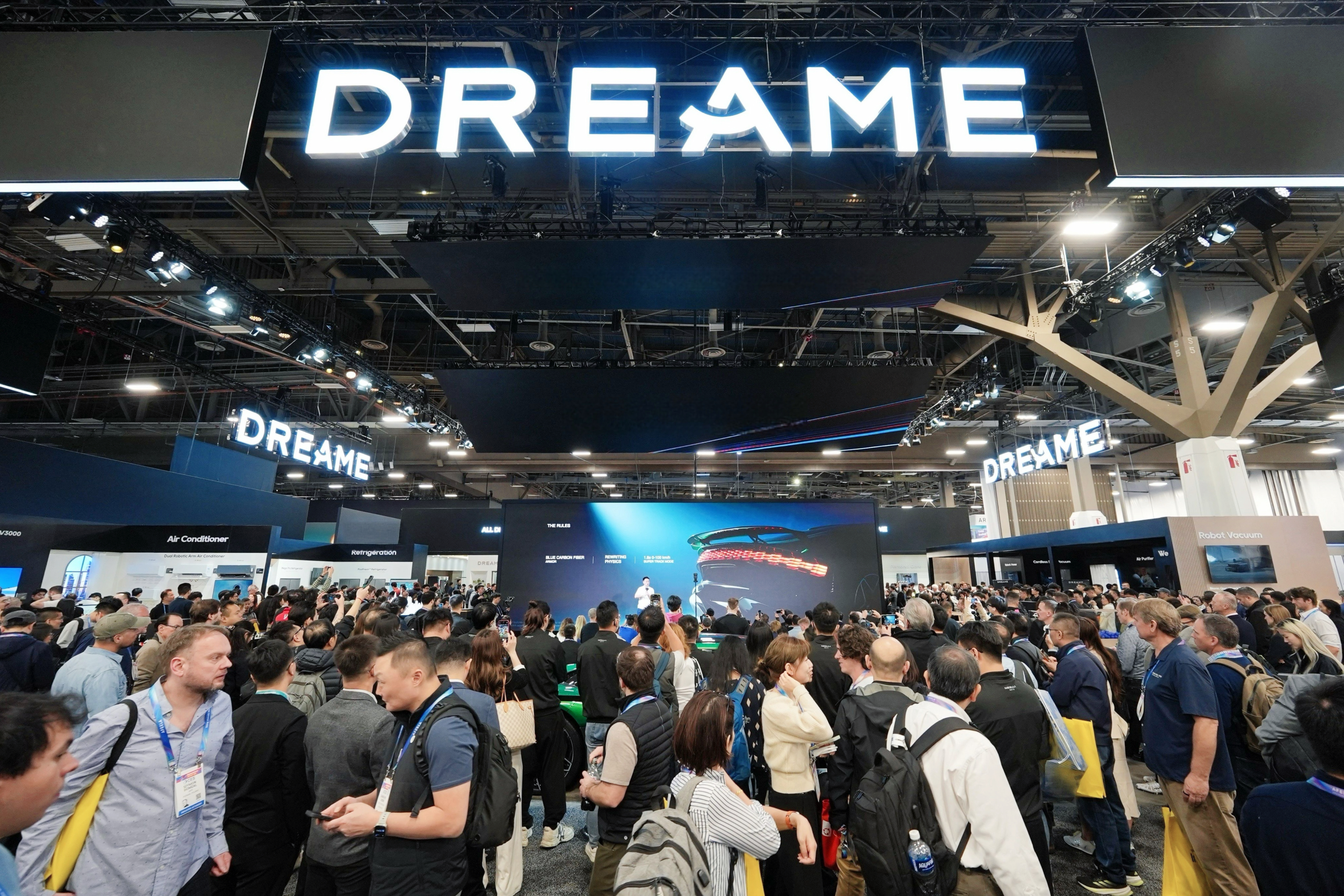
Core Insights - The company showcased its "whole-home smart ecosystem" at CES 2026, featuring a range of products including smart appliances, cleaning devices, kitchen electronics, personal care products, smart garden solutions, and audio-visual equipment [1] - The company received numerous innovation awards on the first day of the exhibition, highlighting its strength in smart hardware and AI technology with over 50 globally pioneering technologies [1] Group 1 - The CEO emphasized the goal of creating an "active intelligence" product experience through the whole-home smart ecosystem, which covers various living scenarios and aims to provide users with proactive services [4] - The ecosystem integrates smart devices to enhance user comfort, efficiency, and health, with products like washing machines, refrigerators, and air conditioners that can automatically adjust to user needs [4] - The system employs a multi-modal perception system and intelligent control algorithms to improve the products' ability to perceive, recognize, understand, and plan tasks within the home environment [4] Group 2 - The company believes that advancements in AI algorithms and ecosystem collaboration will drive long-term improvements in household efficiency, experience, and convenience [5] - Embodied intelligence technology plays a crucial role in reshaping interactions between smart devices and the real world, enabling products to autonomously make decisions and execute tasks in dynamic environments [6] - The company plans to increase R&D investment in core technology areas to further enhance its collaborative and efficient whole-home smart ecosystem [6]
CES2026年前瞻:家庭场景中的AI智能消费产品加速落地
HTSC· 2026-01-07 05:18
Investment Rating - The report maintains a "Buy" rating for several companies, including Stone Technology, Eufy, Anker Innovation, Ecovacs, Ugreen Technology, and XGIMI, with target prices set for each [9][13]. Core Insights - The report highlights the rapid advancement of AI and robotics technologies in consumer electronics, particularly in smart home devices, cleaning appliances, and wearable technology, indicating a significant investment opportunity in the tech consumer sector for 2026 [1][6]. - The CES 2026 event is identified as a crucial observation point for AI applications in consumer products, with expectations for innovative product launches across various categories [1][6]. Summary by Sections Smart Cleaning Appliances - The robotic vacuum cleaner industry is transitioning into a phase of micro-innovation, with notable product launches such as the G-Rover by Stone Technology, which features dual mechanical legs for enhanced cleaning capabilities [2]. - Other companies like Ecovacs and Chase are also introducing advanced models with improved obstacle avoidance technology and multifunctional capabilities [2]. Garden Robots - The CES showcased numerous new products aimed at garden maintenance, including robotic lawn mowers and pool cleaning robots, with companies like Ninebot and MOVA presenting models that cover various residential and commercial applications [3]. Smart Hardware - The traditional 3C accessories market is experiencing competition, but companies like Ugreen and Anker are carving out niches by innovating and enhancing product offerings, such as the new AI NAS products and security devices [4]. AI Glasses - AI glasses are emerging as a significant wearable technology, with Chinese manufacturers leading the lightweight trend. Notable products include Alibaba's Quark AI Glasses S1 and Rokid's offerings, which feature functionalities like translation and scene guidance [5]. Investment Opportunities - The report emphasizes that AI-driven product innovation will be a key growth driver for tech consumer companies in 2026, with recommendations for investment in companies that are well-positioned to capitalize on these trends [6].