智能汽车

Search documents
加码AI算力核心布局,蓝思科技多业务并进拓展成长空间
Mei Ri Jing Ji Xin Wen· 2025-12-26 01:27
Core Insights - Lens Technology is a leading provider of one-stop precision manufacturing solutions across the entire smart terminal industry chain, covering products such as smartphones, computers, smart cars, and humanoid robots [1] Group 1: Business Segments - In the consumer electronics sector, Lens Technology has strengthened its leading position in the market for glass, ceramics, sapphire, and metal components, achieving rapid market share growth compared to the previous year [2] - In the smart automotive and cockpit segment, the company leverages its vertical integration capabilities and global production layout to deepen its product matrix, with significant growth in core product lines such as central control modules and wireless charging modules [2] - The company has initiated the production line for automotive glass, expected to achieve mass production by the first quarter of next year, with a total annual capacity to match over one million vehicles once all four production lines are operational [2] Group 2: AI Infrastructure Expansion - Lens Technology plans to acquire 100% of PMG International Co., Ltd. to gain a 95.12% stake in Yuan Shi Technology, which holds NVIDIA RVL certification, a critical entry requirement for NVIDIA's core supply chain [3] - This acquisition will enhance the company's capabilities in AI computing hardware solutions, leveraging its precision manufacturing strengths and advanced liquid cooling systems [3] - The company aims to transform into a global AI hardware innovation platform, significantly boosting its competitive edge in the AI computing infrastructure sector [3] Group 3: Future Growth Potential - Analysts predict that Lens Technology will benefit from the development of AI technology, with all business lines expected to experience comprehensive growth [4]

智舱龙头博泰车联 获机构看好
Zhong Guo Zheng Quan Bao· 2025-12-25 21:52
Group 1 - The capital market is reassessing the investment value of the smart automotive industry chain, driven by policy breakthroughs and technological advancements [1] - Everbright Securities has initiated coverage on Baotai Carlink, a leading smart cockpit solution provider, with a "Buy" rating, while Guotai Junan Securities has also given a "Buy" rating with a target price of 280.20 HKD [1] - Experts indicate that L3-level autonomous driving commercialization requires high standards for vehicle perception, decision-making, and execution systems, necessitating deep collaboration within the industry chain [1] Group 2 - Baotai Carlink is recognized as a leading supplier of smart cockpit solutions in China, integrating both hardware and software, and has capabilities in AI model implementation and high-performance computing platform delivery [1] - The company has a deep partnership with Qualcomm, making it the supplier with the highest number of high-end smart cockpit solutions equipped with the Qualcomm 8295 chip in the Chinese market [1] - Everbright Securities projects that Baotai Carlink's revenue will grow approximately 40%, 58%, and 55% year-on-year in 2025, 2026, and 2027, respectively, consistently outpacing the industry average [1] Group 3 - Baotai Carlink has announced the nomination of Gu Jinyu and Huang Xiaolin as independent non-executive director candidates for its second board, both of whom have strong academic backgrounds in cutting-edge research [2] - The expertise of the new independent directors aligns with Baotai Carlink's focus on integrated "software, hardware, and cloud" solutions, as well as embodied intelligence and multi-domain collaboration in autonomous driving [2] - This strategic addition to the board is expected to enhance the company's core competitiveness and support its ongoing development in the automotive intelligence sector [2]
百万交付之后 鸿蒙智行迎来“成长烦恼”
Zhong Guo Zheng Quan Bao· 2025-12-25 21:11
Core Insights - The company achieved a record of delivering one million vehicles in 43 months, marking the fastest milestone for new energy vehicle companies in China, with November deliveries reaching 81,864 units, a year-on-year increase of 89.61% [1] - The "Five Realms" matrix, consisting of multiple brands, is taking shape, with significant growth in the smart automotive ecosystem projected for 2025 [1][9] - Despite rapid growth, structural challenges are emerging within the new brands, particularly in sales adaptation and brand reputation [1][2] Brand Performance - The "Wenjie" brand remains dominant, with November sales of 51,677 units, accounting for 63% of total sales, while models M7, M8, and M9 are leading in their respective segments [2] - "Zun Jie" has surpassed the delivery volume of Porsche's Palamera in China, despite lower monthly sales of 2,000 units, indicating a strong reputation in the high-end market [2] - "Zhi Jie" has faced fluctuations in sales, with a peak of 12,000 units in November after a significant drop earlier in the year, highlighting the need for stable sales performance [2][3] Internal Challenges - The company needs to optimize product iteration and align with market demand, as evidenced by the delayed upgrades and inconsistent brand experiences across models [3][4] - "Xiang Jie" has a narrow market focus with only two models, leading to dependency on the performance of the S9T model, which has shown volatility in delivery numbers [4] - The internal resource allocation and market positioning between the "Five Realms" and the emerging "Jing" brands present challenges for ecosystem collaboration [6][9] Competitive Landscape - The rise of Huawei's "Jing" brands poses new challenges for the company's ecosystem, requiring effective resource distribution and differentiation in market positioning [6][7] - The competitive environment is intensifying, with rivals like Tesla and BYD optimizing their pricing strategies, while new entrants like Xiaomi and Zeekr accelerate product iterations [8] - The company plans to launch at least 11 new models by 2026, raising concerns about internal competition and resource coordination among multiple brands [8][9]
智舱龙头博泰车联获机构看好
Zhong Guo Zheng Quan Bao· 2025-12-25 21:11
Group 1 - The capital market is reassessing the investment value of the smart automotive industry chain, driven by policy breakthroughs and technological advancements [1] - Everbright Securities has initiated coverage on Baotai Carlink, a leading smart cockpit solution provider, with a "Buy" rating, while Guotai Junan Securities has also given a "Buy" rating with a target price of 280.20 HKD [1] - Experts indicate that L3-level autonomous driving commercialization requires high standards for vehicle perception, decision-making, and execution systems, necessitating deep collaboration within the industry chain [1] Group 2 - Baotai Carlink is recognized as a leading supplier of smart cockpit solutions in China, integrating both hardware and software, and has capabilities in AI model implementation and high-end computing platform delivery [1] - The company has a deep partnership with Qualcomm, making it the supplier with the highest number of high-end smart cockpit solutions equipped with the Qualcomm 8295 chip in the Chinese market [1] - Everbright Securities forecasts that Baotai Carlink's revenue will grow approximately 40%, 58%, and 55% year-on-year in 2025, 2026, and 2027, respectively, consistently outpacing the industry average [1] Group 3 - Baotai Carlink has announced the nomination of Gu Jinyu and Huang Xiaolin as independent non-executive director candidates, both of whom have strong academic backgrounds in cutting-edge research [2] - The expertise of the new independent directors aligns with Baotai Carlink's focus on integrated "software-hardware-cloud" solutions and multi-domain collaboration in autonomous driving technology [2] - This strategic addition to the board is expected to enhance the company's core competitiveness and support its ongoing development in automotive intelligence [2]
东吴证券陈刚:看好端侧消费电子、智能汽车等领域
Zhong Zheng Wang· 2025-12-25 13:33
Group 1 - The core logic driving "technology growth" will remain unchanged through 2026, according to Dongwu Securities' chief strategist Chen Gang [1] - AI trading is expanding towards applications and edge computing, indicating a shift in focus [1] - The company is optimistic about sectors such as edge consumer electronics and smart vehicles [1]

小米陈光:我们不想制造技术焦虑了
2 1 Shi Ji Jing Ji Bao Dao· 2025-12-25 08:24
Core Viewpoint - The smart driving industry is experiencing a "term overload" phenomenon, with various factions emerging around different models such as VLA (Vision Language Action), VA (Vision Action), and WA (World Action) [2] Group 1: Industry Trends - The industry is divided between proponents of VLA, like Li Auto and Yuanrong Qixing, and opponents like Huawei and Xiaopeng, who prefer WA [2] - Xiaomi is focusing on end-to-end development, showcasing significant potential in this area, despite starting later than competitors like Li Auto and NIO [3][6] - Xiaomi's end-to-end algorithm has evolved rapidly, with multiple versions released within a year, indicating a fast-paced development cycle [6] Group 2: Technological Development - Xiaomi's latest version of its HAD (Highly Automated Driving) system incorporates world models and reinforcement learning, enhancing its cognitive capabilities [3][4] - The introduction of world models and reinforcement learning is seen as a necessary evolution from simple data-driven approaches to more complex cognitive-driven methodologies [9][10] - Xiaomi's approach emphasizes maximizing the model's intelligence density within limited computational resources [8][15] Group 3: Team Structure and Strategy - Xiaomi's smart driving team has grown to over 1,800 members, reflecting a rapid scaling compared to competitors [6][12] - The team is divided into three groups focusing on different technological routes, including end-to-end, VLA, and other exploratory research [4][13] - Xiaomi's strategy is characterized by a gradual introduction of new technologies, prioritizing user experience over merely adopting the latest advancements [5][10] Group 4: Challenges and Responses - The integration of reinforcement learning faces challenges, such as ensuring the fidelity of world models and managing computational efficiency [4][33] - Xiaomi's team has encountered external criticism, which they view as a necessary part of their growth and development process [25][26] - The company aims to balance the introduction of new technologies with the need for practical, user-friendly solutions [10][11]


中国汽车智能化步入全新攻坚期
Zhong Guo Qing Nian Bao· 2025-12-24 22:15
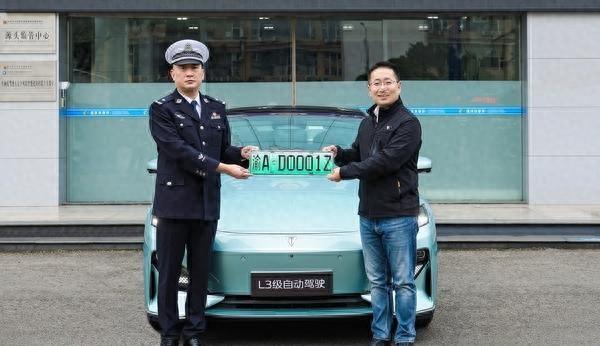
Core Insights - The issuance of the first L3-level autonomous driving license plate "渝AD0001Z" to Changan Automobile marks a significant milestone in China's progress in the autonomous driving sector, reflecting the company's commitment to safety and innovation [2][3] - The approval of L3-level conditional autonomous driving products by the Ministry of Industry and Information Technology indicates a critical advancement in the management practices of strategic technologies in China, serving as a catalyst for the industry's intelligent transformation [2][3] Industry Developments - Changan Automobile has undergone seven iterations of technology since establishing its intelligent research and development team in 2009, showcasing its deep-rooted automotive manufacturing experience and successful transition to smart technology [3] - The penetration rate of L2-level advanced driver assistance systems (ADAS) in new passenger cars in China exceeded 60% in the first three quarters of this year, with expectations to rise to 90% by 2030, indicating a shift from technology validation to large-scale commercial application [3] Collaborative Innovation - The achievement of L3-level autonomous driving is attributed to collaborative innovation across the industry chain, with leading domestic brands and new car manufacturers investing heavily in intelligent driving as a core strategy [4] - Domestic chip companies have made significant breakthroughs in high-performance AI computing chips, reducing reliance on foreign suppliers and providing a "digital foundation" for China's smart vehicles [4] Data Advantage - The rapid proliferation of L2-level assistance driving has established a strong foundation for the advancement of higher-level intelligent driving, creating a unique data advantage through millions of smart connected vehicles operating in complex road environments [5] - This data-driven approach enhances the iterative capabilities of autonomous driving algorithms, making it difficult for other countries to replicate [5] Regulatory Framework - The approval of L3-level products does not equate to mass production, as it serves as a "permit" for specific models to conduct road tests under strict conditions, emphasizing safety and regulatory compliance [6][10] - The initial speed limit of 50 km/h for L3-level autonomous driving reflects a cautious approach to ensure safety during testing in complex urban traffic environments [7] Future Outlook - Achieving safe and rapid deployment of L3-level autonomous driving requires a collaborative effort from government, enterprises, research institutions, and society [9] - A clear and stable regulatory framework is essential to define the legal identity of L3 vehicles and clarify responsibilities in the event of accidents [10] - Continuous investment in technology and infrastructure, along with public trust and understanding of autonomous driving, will be crucial for the industry's long-term success [11]

极越进入“复活赛”,中东企业Robo.ai Inc.有望“接盘”?
Mei Ri Jing Ji Xin Wen· 2025-12-24 07:43
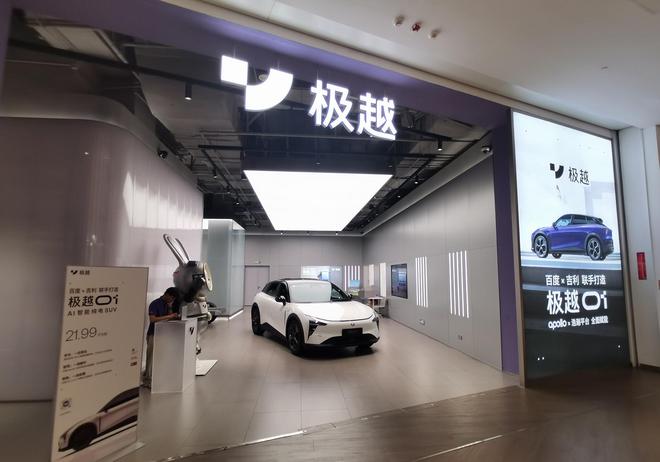
公开信息显示,集度汽车成立于2021年3月,致力于自动驾驶、人机交互科技的研发与普及,目标是打 造汽车机器人。成立之初,集度汽车由百度以55%持股比例和80%超级投票权主导技术方向,吉利则以 45%持股提供制造支撑,因"科技+制造"的股东组合曾被业内寄予厚望。 2024年12月,极越汽车"闪崩",极越汽车CEO夏一平发布内部信称"进入极越创业的2.0阶段"。此后, 极越汽车出现门店关闭、员工社保未缴纳、车主权益无法兑现等状况。 图片来源:每经记者 孔泽思 摄 资料图 今年11月25日,极越汽车发布《上海集度汽车有限公司关于启动预重整程序的公告》,宣布上海集度汽 车有限公司(品牌为极越汽车)启动预重整程序,旨在引入新的战略投资人,盘活现有资产与资源,维 护资产价值,并保障用户售后权益。 近日,有消息称,阿联酋迪拜的科技企业——Robo.ai Inc.(NASDAQ: AIIO)已正式向上海集度汽车有 限公司(极越汽车公司)临时管理人提交报名材料,该公司申请参与极越汽车的预重整战略投资人的招 募与遴选程序,此举被认为是Robo.ai Inc.重组极越汽车的关键一环。 针对此消息,《每日经济新闻》记者向极越汽车临时 ...
苏州赛伍应用技术股份有限公司关于与专业机构合作投资私募基金的公告
Shang Hai Zheng Quan Bao· 2025-12-23 19:45
Core Viewpoint - The company, Suzhou Saiwu Application Technology Co., Ltd., has invested 5 million RMB as a limited partner in the Suzhou Yuguangzhichuan Venture Capital Partnership, acquiring a 2.7431% share, focusing on smart automotive and energy innovation sectors [1][2][17]. Group 1: Investment Details - The company has committed 5 million RMB to the Yuguangzhichuan partnership, representing 2.7431% of the total capital contributions [1][2]. - The investment is aimed at projects in the smart automotive and energy innovation sectors, as determined by the investment decision committee [5][12]. - The investment does not require board or shareholder approval and is not classified as a related party transaction or a major asset restructuring [1][2]. Group 2: Partnership Overview - The general partner of the Yuguangzhichuan partnership is Shanghai Haichuan Private Fund Management Co., Ltd., which specializes in the smart automotive and energy sectors [3][4]. - The partnership is structured to provide a full lifecycle service for quality enterprises, from early incubation to public listing [3]. Group 3: Management and Decision-Making - The partnership has established a project investment decision committee to independently review and approve investment proposals [5]. - The management fee structure is defined, with fees based on the capital contributions of each partner [7][8]. Group 4: Financial Implications - The partnership's income distribution will follow a specific order, prioritizing the return of capital to limited partners before distributing profits [11][15]. - The company will bear limited liability for the partnership's debts, restricted to its capital contribution [17]. Group 5: Impact on the Company - This investment strategy is expected to enhance the company's investment returns and asset management capabilities without affecting its core business operations [17].

奇瑞CVC首单收购落地:鸿合科技控制权变更完成,新董事会即将登场
2 1 Shi Ji Jing Ji Bao Dao· 2025-12-23 14:52
Core Viewpoint - Chery CVC successfully acquired Honghe Technology (002955), marking the first completed transaction under the "Six Merger Guidelines" and establishing a new governance structure that integrates industry capital with listed companies [1][3] Group 1: Transaction Overview - The acquisition involved the transfer of 59,159,978 shares, giving Chery CVC a 25% stake and making it the controlling shareholder of Honghe Technology [1] - This transaction is significant as it represents a strategic move by Chery to leverage Honghe's strengths in education technology and display technology for cross-industry collaboration [2][5] - The deal is seen as a model for future industry capital acquisitions of listed companies, providing a replicable framework for similar transactions [3] Group 2: Financial Performance and Market Position - In 2024, Honghe Technology reported revenues of 3.525 billion yuan and a net profit of 222 million yuan, with a net profit margin of 6.13% and a gross margin of 28.01% [4] - The company has a debt-to-asset ratio of 28.05% and nearly 2.2 billion yuan in cash and financial assets [4] - Honghe's brand "Newline" holds a 22% market share in the U.S. and 9.5% in the EMEA region, with 55.36% of its revenue coming from international markets [4] Group 3: Governance Structure - The new board of directors was established on December 22, 2025, combining new and existing members to create a balanced governance structure [6] - Key figures include Yao Ruibo from the controlling shareholder, Wang Chenchen representing provincial state assets, and Peng Ji representing municipal state assets, enhancing the board's industry expertise [6][7] - The retention of former chairman Sun Xiaoqiang as vice chairman and CEO ensures continuity in management while integrating new strategic capabilities [7] Group 4: Strategic Implications - The integration of Honghe's education technology with Chery's smart automotive technology aims to create a new market segment combining education and smart vehicles [5] - The collaboration is expected to leverage both companies' strengths in overseas markets, enhancing their competitive edge in international expansion [5] - This acquisition is positioned as a pioneering example of industry capital integration, potentially transforming Honghe from an education technology leader to a diversified display solution provider [7]