母婴

Search documents
gb好孩子品牌售后推三阻四 数百台商品因退货难积压在快递仓库
Sou Hu Cai Jing· 2025-07-02 07:10
Core Viewpoint - The article highlights the growing consumer complaints against gb Goodbaby, particularly regarding its unclear return policies and poor after-sales service, which have led to a significant trust crisis for the brand [3][4][9]. Company Overview - gb Goodbaby is a leading brand in the mother and baby industry, having established itself as the largest baby stroller supplier globally, with a 70% market share in China and over 40% in the U.S. [9]. - The brand has seen a decline in revenue, with a reported 22.3% drop in 2024, making it the worst-performing segment within its parent company, Goodbaby International [13]. Consumer Complaints - Numerous consumers have reported difficulties with returns, citing vague standards for "usage marks" that are subjectively determined by the company, leading to widespread dissatisfaction [3][6][7]. - A significant number of complaints on platforms like Black Cat Complaints indicate that issues with after-sales service and false advertising are prevalent, particularly for high-value items like safety seats and strollers [3][7]. Financial Performance - Goodbaby International reported a revenue of HKD 20.35 billion for the first quarter, with gb Goodbaby contributing HKD 1.746 billion, a 13.6% year-on-year decline [12]. - The overall revenue share of gb Goodbaby has decreased by 4.7 percentage points to 10.7%, reflecting its struggles in maintaining market position amidst increasing competition [13]. Market Trends - The baby stroller market in China is projected to exceed RMB 230 billion by 2025, with high-end products expected to increase their market share from 28% to 35% [11]. - The article emphasizes that in the current consumer landscape, companies must prioritize after-sales service and transparency to maintain consumer trust and market share [13].

化妆品医美行业25Q2业绩前瞻:新消费长坡厚雪,美护板块强者恒强
Shenwan Hongyuan Securities· 2025-07-01 14:55
Investment Rating - The report rates the cosmetics and medical beauty industry as "Positive" [2][3] Core Viewpoints - The cosmetics retail sales growth for January to May 2025 is 4.1%, an increase of 2 percentage points compared to the same period last year, indicating a steady recovery in demand [3] - The performance of leading brands remains strong, with double-digit growth, supported by the theme of self-care in new consumption trends, leading to a positive outlook for the first half of 2025 [3] - The 618 shopping festival saw strong performances from domestic brands, with notable rankings on platforms like Tmall and Douyin [3] Summary by Sections Cosmetics Industry Outlook - The report anticipates significant revenue and net profit growth for major companies in Q2 and H1 2025, with specific forecasts: - Up Beauty Co. is expected to see a revenue increase of 16% and a net profit increase of 25% [3] - Marubi is projected to grow revenue by 22% and net profit by 28% in Q2 2025 [3] - Proya is expected to achieve a revenue growth of 10% and net profit growth of 15% in Q2 2025 [3] Key Companies Performance - Notable companies and their expected performance include: - Mao Geping is projected to have a revenue increase of 38% and net profit increase of 35% in H1 2025 [3] - Ruibin is expected to see a revenue increase of 15% and net profit increase of 15% in Q2 2025 [3] - Huaxi Biological is expected to maintain stable performance with a 0% revenue growth and a 10% net profit increase in Q2 2025 [3] Investment Recommendations - The report recommends focusing on companies with strong brand matrices and comprehensive product layouts, such as Up Beauty Co., Marubi, and Proya, which are expected to benefit from the live e-commerce traffic [3] - It also highlights the importance of niche market players like Ruibin and Mao Geping, who are positioned to capitalize on the rise of personal care and domestic beauty trends [3] - For the medical beauty sector, the report suggests focusing on companies with high R&D barriers and strong profitability, recommending companies like Aimeike and Langzi [3] E-commerce and Other Segments - The report suggests monitoring e-commerce companies like Ruibin, which is expected to see significant growth in revenue and net profit [3] - In the maternal and infant sector, Kid King is projected to exceed market expectations with a revenue increase of 10% and a net profit increase of 70% in Q2 2025 [3]



爱婴室荣膺上海市首发经济引领性本土品牌
Zheng Quan Shi Bao Wang· 2025-07-01 11:09
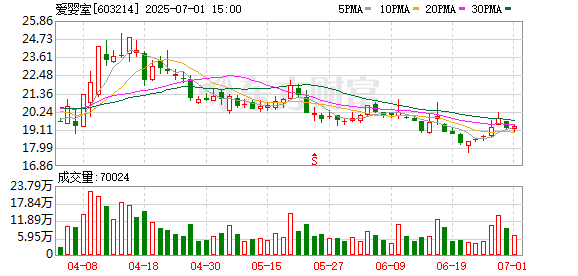
Core Insights - The company Aiyingshi has been recognized as one of the leading local brands in Shanghai's "2024 Annual Shanghai Launch Economy Leading Local Brands" list, reflecting its strong brand influence and continuous innovation [2][4] - This recognition highlights Aiyingshi's market leadership and its role as a benchmark for invigorating consumer activity in the local market [4] Company Overview - Aiyingshi is a leader in the maternal and infant industry in Shanghai, with nearly 500 stores across more than 40 cities in China [4] - The company leverages advanced digital technology to enhance its omnichannel service experience and continuously launches exclusive new products to meet modern parenting needs [4] Market Context - The list includes a diverse range of categories, with a total of 73 brands recognized, including 26 that are traditional Chinese time-honored brands [4] - The Shanghai Municipal Commercial Association emphasizes that the characteristics of these brands are closely aligned with the demands of contemporary development, contributing significantly to the vibrant growth of the Shanghai consumer market [4]

“90后”新中产,又“捧出”一家拟上市公司!
天天基金网· 2025-06-27 05:05
Core Viewpoint - BUTONG GROUP, a rising brand in the maternal and infant sector, is set to go public in Hong Kong, targeting new middle-class families with high-end baby products [1][2]. Financial Performance - The company reported revenues of RMB 507.2 million, RMB 852.1 million, and RMB 884.3 million for the years 2022, 2023, and the first nine months of 2024, respectively, with net profits of -RMB 21.2 million, RMB 27.2 million, and RMB 46.4 million [4][6]. - The gross profit margin improved from 47.7% in 2022 to 50.2% in 2023, but the pre-tax profit margin remained below 10% in the first three quarters of 2024 [5][6]. Marketing Strategy - The company has high marketing expenses, with sales and distribution costs amounting to RMB 1.89 billion, RMB 2.86 billion, and RMB 2.71 billion for 2022, 2023, and the first nine months of 2024, respectively, representing 37.2%, 33.5%, and 30.6% of total revenue [9][10]. - Over 70% of marketing expenses are allocated to promotional activities, leveraging platforms like Xiaohongshu and Douyin for brand visibility [9][10]. Product Offering - BUTONG GROUP focuses on high-ticket durable consumer goods, with average transaction values exceeding RMB 2,400, and the most expensive baby stroller priced over RMB 13,000 [7][9]. Investment and Valuation - The company has completed three rounds of financing since its establishment in 2019, with a valuation increase from RMB 300 million to RMB 2 billion within nine months [12][14]. - Major investors include Tiantu Investment, which has participated in all funding rounds, and other notable venture capital firms [13][16].

母婴寒冬下的突围战:孩子王16.5亿收购丝域实业
Xin Lang Zheng Quan· 2025-06-26 08:48
Core Viewpoint - The decline in newborn numbers from 17.86 million in 2016 to approximately 9 million in 2024 poses a significant challenge for the maternal and infant industry, leading to growth limitations for key players like Kidswant [1] Company Performance - Kidswant's performance has been under pressure since its 2021 IPO, with both revenue and net profit declining in 2022, and revenue growth without profit increase in 2023. A net profit of 181 million yuan was achieved in 2024, marking a year-on-year increase of 72.44%, largely due to the acquisition of Leyou International, which contributed 105 million yuan to net profit [1] - The company initiated a "three expansion strategy" in 2023, focusing on expanding product categories, market segments, and business formats to counteract growth stagnation [1] Strategic Acquisition - The acquisition of Siyi Industrial is a key move for Kidswant, as it aims to penetrate the hair care market. Siyi, established in 2014, operates 2,503 stores and has over 2 million members, showcasing strong financial performance with 2024 revenue of 723 million yuan and a net profit of 183 million yuan, reflecting a net profit margin of 25.3% [1] - The acquisition is designed to leverage overlapping customer bases, with 78% of Kidswant's 94 million members being mothers aged 25-45, aligning well with Siyi's target demographic [2] Financial Engineering - Kidswant's acquisition strategy involves holding 65% of Siyi and bringing in partners like Juzhi Biotechnology and the founders to share ownership, which helps bind industry resources while alleviating financial pressure. The initial funding of 660 million yuan includes 429 million yuan from Kidswant's raised funds, with the remaining 990 million yuan financed through loans, resulting in a leverage ratio of 1:2.85 [3] - The estimated valuation based on 2024 net profit suggests a price-to-earnings ratio of 9, which is below the average for the consumer sector and significantly lower than the assessed value [3] Market Concerns - Following the announcement of the acquisition, Kidswant's stock price dropped by 6.33%, raising concerns about the high assessment increase rate of 583.35% without performance guarantees. The company attributes this to intense bidding and the original shareholders exiting management [3] - The integration challenges are significant, as 93% of Siyi's stores are franchises, complicating standardization and management for Kidswant [3] Industry Outlook - The acquisition reflects Kidswant's proactive strategy to navigate the industry's downturn, with the success of this venture hinging on the effective implementation of synergies. The personal care market is projected to reach 81.25 billion yuan by 2028, with a compound annual growth rate of 7.3%, indicating a dissolving boundary between maternal and personal care sectors [4]
19年母婴老店关门,评论区揭开行业的残酷现实|第七届CMIF大会·守正出奇
Sou Hu Cai Jing· 2025-06-24 03:59
Core Viewpoint - The Chinese maternal and infant market is undergoing significant challenges, with a notable decline in traditional offline channels and a rapid rise in e-commerce, leading to a drastic reduction in the number of physical stores and their sales importance [2][4][6]. Group 1: Market Trends - The maternal and infant industry is projected to exceed 4.6 trillion yuan by 2025, yet the number of physical stores is expected to drop from 250,000 at its peak to 150,000 by the end of 2024 [2]. - Offline sales in the maternal and infant sector are decreasing, with projections showing a decline from 69.4% in 2022 to 55.2% by 2024, while online sales are increasing from 30.6% to 40.8% during the same period [4]. - The phenomenon of consumers using physical stores for product experience before purchasing online has become a significant pain point for the industry [4]. Group 2: Brand Strategies - Many brands are shifting their marketing budgets towards online channels, with one brand's regional manager stating that 60% of their budget is allocated to online marketing, leaving only basic display costs for offline [4]. - The traditional physical stores are being perceived as "free experience halls," diminishing their value as brands focus on digital platforms for product launches and promotions [4][6]. Group 3: Future Outlook - The year 2025 is seen as a critical juncture for the maternal and infant industry, emphasizing the need for brands to rediscover the value of offline channels through experiential marketing and community engagement [6]. - The industry is encouraged to hold a conference to discuss trends and strategies, aiming to reconnect brands with the true value of physical stores in the new market landscape [6][9].
英氏控股拟北交所IPO:利润承压 获客成本逐年高企
Xi Niu Cai Jing· 2025-06-18 07:32
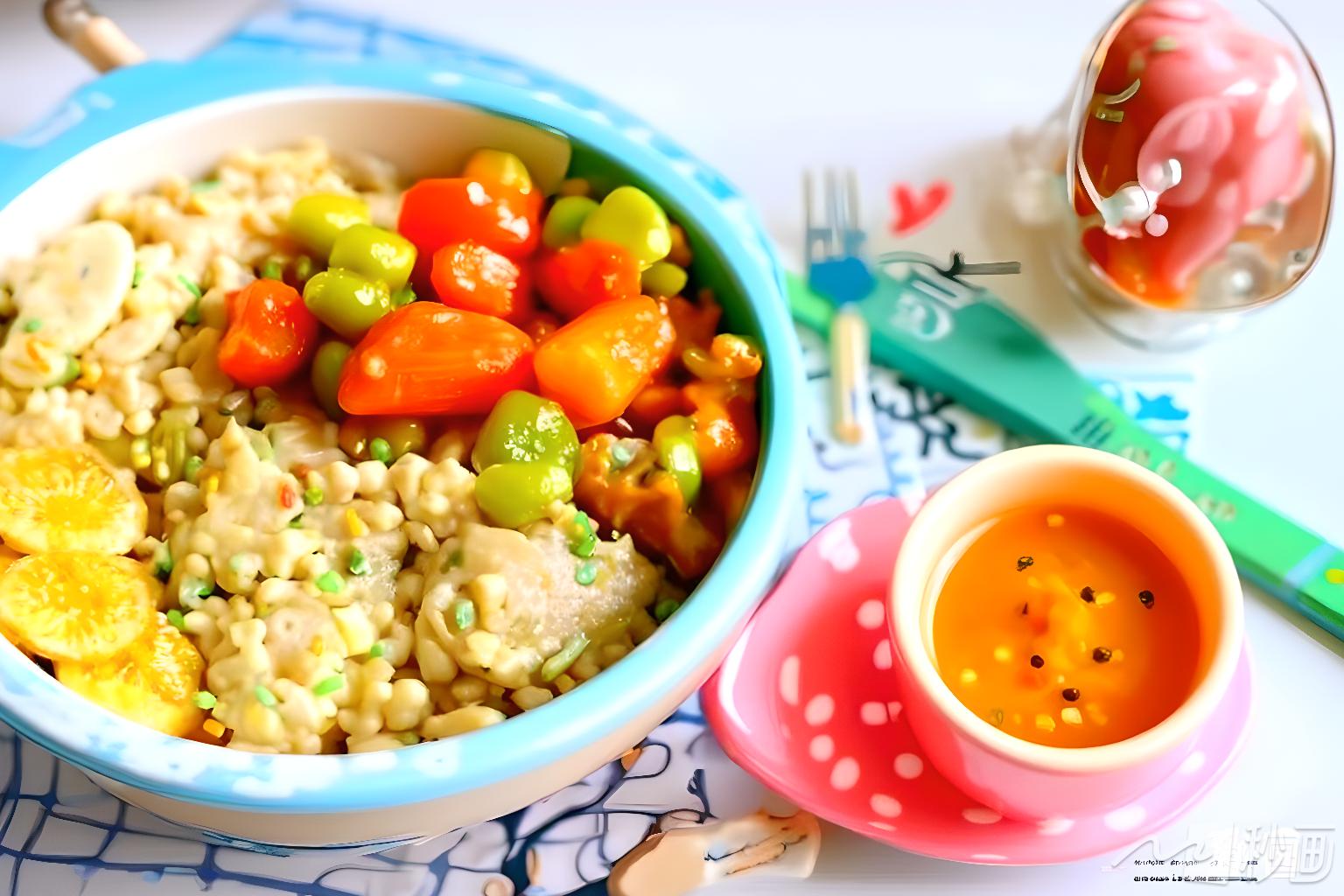
Core Viewpoint - Ying's Holdings Group Co., Ltd. has received approval for its IPO application from the Beijing Stock Exchange, aiming to become China's first publicly listed company in the infant complementary food sector, despite facing challenges such as declining newborn numbers and rising customer acquisition costs [2][5]. Company Overview - Ying's Holdings was established in 2008 and focuses on the research, production, operation, and sales of maternal and infant products, with key brands including "Ying's" for complementary foods and "Shubiqi" for hygiene products [4]. - The company plans to raise approximately 334 million yuan through its IPO, which will be allocated to various projects including the construction of an innovation center and production facilities for infant food [4]. Financial Performance - From 2022 to 2024, Ying's Holdings' revenue is projected to grow from 1.296 billion yuan to 1.974 billion yuan, reflecting a compound annual growth rate (CAGR) of 23.42%. However, net profit is expected to decline by 4.25% year-on-year to 210 million yuan in 2024, indicating a trend of increasing revenue without corresponding profit growth [5]. - Sales expenses have risen significantly, with figures of 454 million yuan, 602 million yuan, and 721 million yuan over the reporting period, leading to an average sales expense ratio exceeding 35% [5]. Market Challenges - The company faces challenges from changing demographic trends, as a declining birth rate may reduce demand for infant products. Market forecasts suggest that while the penetration rate of infant complementary foods may reach 51% by 2029, overall market growth is expected to slow [5]. - Rising customer acquisition costs are exacerbated by the diminishing returns from internet user growth, with platform promotion expenses increasing from 151 million yuan in 2022 to 300 million yuan in 2024, a CAGR of over 40% [5]. Production Model Concerns - Ying's Holdings relies heavily on a contract manufacturing model, which has raised concerns about product quality risks. The company has faced scrutiny due to penalties imposed on its suppliers for using non-compliant food materials [6][8]. - The proportion of products produced through contract manufacturing has increased, accounting for 39.83%, 52.22%, and 55.10% of procurement in the respective years of the reporting period [8].
2025中国时尚产业盛典投资峰会举办
Huan Qiu Wang· 2025-06-16 09:14
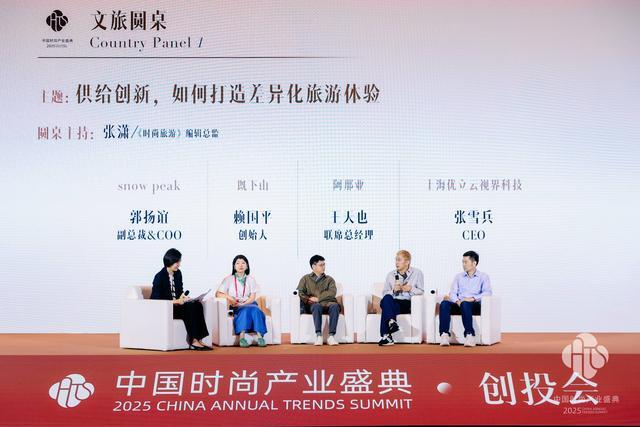
Core Insights - The China Fashion Industry Summit Investment Conference successfully took place in Shanghai, featuring 9 keynote speeches, 36 industry leaders, and nearly 200 professional investors, with total fund scale exceeding 100 billion [1] - The definition of "Chinese fashion" is forming a consensus, rooted in traditional culture and national sentiment, embodying China's spiritual philosophy and cultural essence [1] - The Chinese fashion industry is in a golden development period, with the integration of traditional aesthetics and digital technology injecting new momentum into the sector [13] Group 1: Keynote Presentations - Bain & Company released the "China Fashion Consumption Development Report," highlighting eight key trends in Chinese fashion consumption [1] - 毛戈平, founder of 毛戈平美妆, shared insights on the brand's journey and emphasized the importance of promoting domestic brands to the global stage [4] - 张晓冬, CEO of a fashion group, discussed the rise of domestic IPs and innovative practices in creating trendy art IPs [8] Group 2: Roundtable Discussions - A roundtable on "Supply Innovation: How to Create Differentiated Tourism Experiences" featured discussions on enhancing tourism through scene experiences and storytelling [2] - A forum on "How to Empower Chinese Designer Brands" included insights from various designers on integrating Chinese cultural elements into their designs [6] - A discussion on "Opportunities in the Pet Industry" explored trends in pet food and the impact of smart pet care [10] Group 3: Industry Trends and Opportunities - The conference highlighted the importance of capital focusing on Chinese design and brand IP incubation, indicating a shift towards cultural confidence and industrial innovation [13] - The event showcased 14 innovative projects and over 20 investment intention matches, indicating strong interest in the fashion and cultural tourism sectors [1] - The rise of the M-shaped society consumer upgrade trend was discussed, emphasizing the growth potential in the mother and baby sector [10]
孩子王、欧莱雅布局细分赛道;开云找新CEO|二姨看时尚
2 1 Shi Ji Jing Ji Bao Dao· 2025-06-15 23:57
Group 1: Industry Trends - The French Senate has passed a strict fast fashion bill aimed at imposing an ecological tax on clothing to curb overconsumption and environmental issues [1] - The luxury goods sector is deepening localization and experiential economy strategies, with brands like Bulgari establishing comprehensive after-sales centers and Louis Vuitton sponsoring cultural events to penetrate high-end consumer segments [1] - The industry is witnessing a shift towards sustainable development and localized services as new competitive barriers [1] Group 2: Corporate Developments - Chow Tai Fook reported a 17.5% year-on-year decline in revenue to HKD 89.656 billion for the fiscal year 2025, but operating profit increased by 9.8% to HKD 14.746 billion, driven by a surge in gold product sales [4] - Pinko's parent company announced a turnaround in Q1 with an EBITDA of EUR 5 million, adopting a "de-luxurization" strategy by closing stores and reducing costs [5] - Kidswant acquired Silky Hair for CNY 1.07 billion, expanding its reach in the maternal and infant market, despite facing cash flow pressures [7] Group 3: Mergers and Acquisitions - L'Oréal has acquired a controlling stake in Medik8 for approximately EUR 1 billion, focusing on the efficacy-driven skincare segment [10] - The H&M family has increased its stake in the company to nearly 64%, raising speculation about a potential privatization [8] Group 4: Market Performance - Kering's revenue fell by 14% year-on-year to EUR 3.883 billion in Q1 2025, with Gucci's same-store sales plummeting by 25%, impacting the group's stock price significantly [3] - The auction of a classic Hermès bag is expected to challenge previous records, highlighting the ongoing demand for luxury collectibles [11]
这家巨头“爱上”美容美发?
Guo Ji Jin Rong Bao· 2025-06-15 14:28
Core Viewpoint - The leading company in the maternal and infant industry, Kidswant, is facing challenges due to changes in birth rates and competition between e-commerce and physical stores, prompting frequent acquisitions to strengthen its market position [1]. Acquisition Details - Kidswant plans to acquire a 65% stake in Jiangsu Xingsiyu Investment Management Co., Ltd. from its related party, Wuxing Holdings Group Co., Ltd. [1][4] - The acquisition will occur in two steps: first, acquiring the stake in Jiangsu Xingsiyu, and then using Jiangsu Xingsiyu to cash purchase 100% of Zhuhai Siyu Industrial Development Co., Ltd. for 1.65 billion yuan [1][4][7]. - After the completion of the stake transfer, Jiangsu Xingsiyu will become a subsidiary of Kidswant [2][6]. Financial Performance of Siyu Industrial - Siyu Industrial, established in July 2014, focuses on hair health care and operates under the brand "Siyu Hair Care," with 2,503 stores and over 2 million members as of the end of 2024 [8]. - The company reported revenues of 623 million yuan in 2022, 689 million yuan in 2023, and 723 million yuan in 2024, with net profits of 158 million yuan, 186 million yuan, and 183 million yuan respectively [9][12]. Valuation and Financial Implications - The valuation of Siyu Industrial was assessed using the income approach, with a total equity value of 1.75 billion yuan, reflecting a significant increase of 583.35% compared to the book value [10]. - The acquisition price of 1.65 billion yuan is below the assessed value, indicating a reasonable valuation with a price-to-earnings ratio of approximately 9 times based on Siyu Industrial's 2024 net profit [10][12]. Strategic Direction - Kidswant's acquisition of Siyu Industrial represents a cross-industry acquisition, aligning with its "three expansions strategy" to diversify its business beyond maternal and infant retail [13][14]. - The company has previously acquired the remaining 35% stake in Leyou International and 60% of Xingyan Biotechnology, further solidifying its market position [14]. Changes in Fund Utilization - Following the acquisition, Kidswant has altered the use of its fundraising, reallocating 429 million yuan from store upgrade projects to fund the acquisition of Siyu Industrial [17][18].