
炼油

Search documents
PBF Energy(PBF) - 2025 Q3 - Earnings Call Transcript
2025-10-30 13:30
Financial Data and Key Metrics Changes - The company reported an adjusted net loss of $0.52 per share and an adjusted EBITDA of $144.4 million for the third quarter [16] - Cash flow from operations for the quarter was approximately $25 million, which included a working capital draw of approximately $74 million [18] - The company ended the quarter with $482 million in cash and approximately $1.9 billion of net debt, maintaining a resilient balance sheet [19][20] Business Line Data and Key Metrics Changes - The Martinez refinery is on schedule for a December restart, with maintenance teams expected to turn over impacted units to operations in early December [4][5] - The Torrance refinery successfully completed a hydrocracker turnaround in the third quarter, while Toledo experienced throughput impacts due to an unplanned outage [12] - The Refining Business Improvement (RBI) program is on track to achieve $230 million in annualized run-rate savings by the end of 2025, with approximately $210 million of implemented savings to date [13][40] Market Data and Key Metrics Changes - Strong product cracks and improving crude dynamics are expected to create a favorable environment for the company and its shareholders [6][7] - The company anticipates that refined product supply constraints, coupled with a well-supplied crude market, will support tight product balances [6] - The market is experiencing a shift with crude differentials widening, which is expected to enhance capture rates for the company [25][27] Company Strategy and Development Direction - The company is focused on safe, reliable, and responsible operations while enhancing efficiency through the RBI program [14][15] - The company aims to capture favorable market conditions as it moves forward, particularly with the full operational capacity of the Martinez refinery by year-end [6][7] - The company is well-positioned in California's refining market, especially with recent capacity closures by competitors [63][79] Management's Comments on Operating Environment and Future Outlook - Management expressed confidence in the restart of the Martinez refinery, emphasizing a good relationship with regulatory bodies and the importance of safety [25][26] - The company noted that global demand continues to outstrip net refining capacity additions, which is expected to support market conditions [6] - Management highlighted the challenges in the renewable diesel market but remains optimistic about the asset's performance due to its top quartile status [86] Other Important Information - The company received a $250 million gain on insurance recoveries related to the Martinez fire, with expectations for additional payments as claims progress [16][17] - The company approved a regular quarterly dividend of $0.275 per share [19] Q&A Session Summary Question: Confidence in Martinez Restart - Management expressed confidence in the restart of the Martinez refinery, stating that all permits are in place and emphasizing the team's efforts [25][26] Question: Outlook for Heavy-Light Differentials - Management noted that the market has been constrained and that recent OPEC+ moves have led to a loosening of crude, which is expected to improve capture rates [27][28] Question: Insurance Proceeds Timeline - Management indicated that the $250 million insurance payment received shortly after the quarter was not included in Q3 results and discussed the ongoing relationship with insurance providers [35][36] Question: RBI Program Progress - Management confirmed that they are on track for $230 million in savings, with approximately $210 million already captured, and discussed the continuous improvement journey beyond 2026 [39][44] Question: Impact of Phillips LA Closure - Management acknowledged the significant impact of the Phillips LA closure on the market, noting that it would lead to a reduction in local gasoline supply [75][76] Question: Renewable Diesel Market Challenges - Management discussed the challenges in the renewable diesel market but emphasized the asset's competitive position and potential for higher RIN prices [86]
【行情分析·石脑油】10月价格刷年内新低 下月或仍有下跌空间
Sou Hu Cai Jing· 2025-10-30 02:47
Core Viewpoint - In October, naphtha prices hit a new low for the year due to pressures from crude oil prices and supply-demand dynamics, with expectations of further declines in November, albeit at a reduced rate [1][2]. Price Trends - By the end of October, straight-run naphtha prices fell to approximately 6,550 yuan/ton, and hydrogenated naphtha prices dropped to around 6,750 yuan/ton, marking a decline of 350 yuan/ton or about 5% for the month [1]. - The downward trend in prices is expected to continue into November, with anticipated declines of 50-100 yuan/ton [4]. Demand Factors - Demand for straight-run naphtha has been weak due to maintenance at some refineries and a slowdown in procurement as market participants adopt a bearish outlook [2][3]. - The gasoline market has shown low transaction activity, further contributing to the weak demand for hydrogenated naphtha [2]. Supply Factors - Naphtha supply from refineries remains stable, but the impact on prices is limited [2]. - Some refineries in North China plan maintenance in November, which may reduce external sales of naphtha, providing slight support to prices [2]. Market Outlook - The crude oil market is expected to remain under pressure, with WTI averaging around $58 per barrel, which will continue to negatively impact naphtha prices [2]. - Despite the bearish outlook, the extent of price declines is expected to be limited due to potential supply tightening from refinery maintenance [2][3].
美国制裁俄油双巨头!印度信实拟停购,十年百亿合同悬了?
Sou Hu Cai Jing· 2025-10-29 12:45
Core Viewpoint - The recent U.S. sanctions against Russian oil giants Rosneft and Lukoil have led to Reliance Industries, India's largest private oil refiner, halting all purchases of Russian crude oil, marking a significant shift in its procurement strategy [1][3][29]. Group 1: Reliance Industries' Oil Procurement - Reliance Industries had significantly increased its dependence on Russian oil, purchasing approximately 629,590 barrels per day from Rosneft and Lukoil as of September 2025, which accounted for nearly half of India's total crude oil imports that month [3][5]. - In September 2024, Reliance signed a ten-year contract with Rosneft to purchase crude oil worth $12 to $13 billion annually, translating to about 500,000 barrels per day [9][12]. - The sudden halt in Russian oil procurement poses a dilemma for Reliance, as Russian oil constitutes over half of its refinery feedstock, and stopping these purchases could severely impact its profit margins [12][18]. Group 2: Market and Economic Implications - Analysts suggest that if Reliance is forced to abandon Russian oil, the financial impact may be manageable, as Russian oil profits represent only about 2.1% of the projected total EBITDA for the fiscal year 2027 [16][18]. - The price difference between Russian Urals crude and similar Middle Eastern crude has narrowed, reducing the incentive for Indian refiners to purchase Russian oil, which previously offered a discount of $8 to $10 per barrel, now reduced to $5 to $6 [20][22]. - The Indian government and state-owned refiners are also reducing their Russian oil purchases, indicating a broader trend among Indian refiners to comply with U.S. sanctions and improve trade relations with the U.S. [22][24]. Group 3: Geopolitical Context - The U.S. has previously pressured India to limit its purchases of Russian oil, and the current shift in procurement strategy may be an attempt by India to strengthen its trade relationship with the U.S. [20][22]. - The decision to halt Russian oil imports could potentially clear obstacles in U.S.-India trade negotiations, particularly in sectors like semiconductors and renewable energy [24][26]. - The market reaction to Reliance's decision has been relatively muted, with its stock price only slightly declining by 1.2% since the announcement of the sanctions, indicating investor confidence in Reliance's diversified business model [28][29].

莫斯科防空图曝光,机动小组被拍到!俄罗斯能源部长解释燃油短缺
Sou Hu Cai Jing· 2025-10-29 10:50
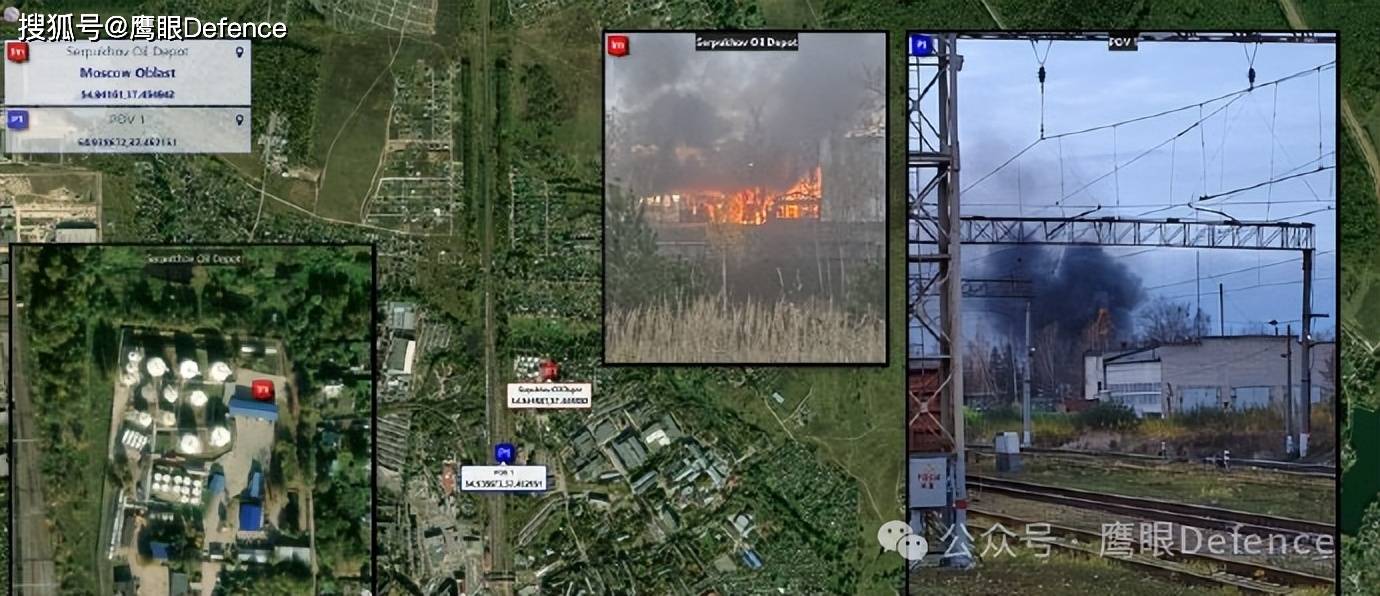
Core Insights - The mutual airstrikes between Russia and Ukraine have become a norm, with Ukraine's airstrikes being smaller in scale but reportedly more effective, targeting key Russian military and energy infrastructure [1][3] - The Russian government is in denial about the impact of Ukrainian drone strikes, attributing fuel shortages to maintenance and seasonal demand rather than acknowledging the damage caused by these attacks [5][9] - Moscow has significantly increased its air defense systems in response to perceived threats, yet analysts suggest that these systems are insufficient to counter the Ukrainian drone and missile threats [7][9] Group 1 - Ukraine has successfully targeted Russian oil depots and military facilities, with notable incidents such as a fire at an oil depot in Moscow region on October 27, which was the second attack on that facility this year [3] - The Kremlin's narrative downplays the effectiveness of Ukrainian strikes, with officials attributing fuel shortages to internal factors rather than external attacks [5] - The Russian government has increased air defense installations around Moscow, with at least 21 new sites established within a 50-kilometer radius in the past two months [5][7] Group 2 - Concerns are rising in the Kremlin regarding potential U.S. support for Ukraine, particularly the provision of "Tomahawk" cruise missiles, which could significantly escalate the conflict [9] - Analysts highlight that the vastness of Russian territory, once an advantage, has become a vulnerability, as the air defense systems fail to prevent deep strikes by Ukrainian drones and missiles [13] - The ongoing conflict is seen as a test for the Kremlin, which may face difficult choices regarding economic measures and military mobilization, potentially leading to unrest [13]
特朗普喊停印俄油贸,莫迪反手连出两招,俄油照买、稀土不卖美国
Sou Hu Cai Jing· 2025-10-29 04:58
Group 1 - Trump's claim that Modi would stop buying Russian oil was contradicted by data showing a 12% increase in imports, with approximately 1.8 million barrels per day, accounting for nearly 40% of India's total imports [1][3] - The ongoing Russia-Ukraine conflict has led to European countries halting purchases of Russian oil, prompting Russia to significantly reduce prices by $10 to $15 per barrel, which provides substantial economic benefits to India [5] - India's largest refinery invested $5 billion to upgrade equipment, dedicating 20% of its capacity to refine Russian oil, crucial for supplying key electoral states [7] Group 2 - Modi's commitment to China was highlighted by India's rare earths agency stating that processed rare earths from China would be closely monitored to prevent them from reaching the U.S. [9] - India's reliance on China for rare earth processing is significant, with 90% of processed rare earths sourced from China, essential for electric vehicle batteries and chip manufacturing [11] - A three-year import agreement with China includes lower prices and the establishment of processing lines in India, emphasizing the importance of maintaining this supply chain for India's energy transition goals [12] Group 3 - Modi's actions reflect a "priority of interests" approach, securing Russian oil for energy security and making commitments to China for stable rare earth supplies, contrasting with Trump's "America First" policy [13] - The challenge for Trump lies in addressing India's stance, as continued pressure may reinforce India's resolve to act in its own interests, highlighting the importance of tangible benefits in decision-making [15]
特朗普赚了,中美刚刚谈完,巴西、印度也传来好消息,有希望达成协议
Sou Hu Cai Jing· 2025-10-29 03:34
Group 1 - The core point of the news is the significant shift in Trump's tariff policy, moving from a comprehensive offensive to selective withdrawal, as evidenced by the agreements reached in negotiations with China, Brazil, and India [1][3][10] - The U.S. and China reached a preliminary consensus on key issues such as soybeans and rare earths during the fifth round of trade talks, with the U.S. Treasury Secretary stating that they have developed a "very successful framework" and will no longer consider imposing a 100% tariff on China [3][10] - China's control over rare earths, which constitutes 70% of global mining and 90% of refining capacity, was a crucial bargaining chip in the negotiations, leading to the U.S. softening its stance on tariffs [3][10] Group 2 - The U.S. government raised tariffs on most Brazilian goods from 10% to 50%, impacting key industries such as beef, coffee, and steel, despite maintaining a trade surplus with Brazil [5] - During a meeting between Trump and Brazilian President Lula, both parties agreed to suspend tariffs and initiate negotiations, with Brazil leveraging its rare earth resources for concessions from the U.S. [5][10] - India's Reliance Industries announced it would stop purchasing oil from sanctioned Russian companies, which accounted for one-third of its total oil imports, as a strategic move to facilitate trade negotiations with the U.S. [7][8] Group 3 - The economic cost for India includes increased oil import costs from the Middle East, leading to a projected 3% compression in refining profit margins, while the U.S. tariffs have already caused a 12% decline in India's generic drug exports to the U.S. [8] - The shift in negotiation strategies reflects the backlash from Trump's tariff policies, which have resulted in rising inflation and supply chain disruptions in the U.S. [10] - The easing of trade tensions has positively impacted market reactions, with Brazilian beef futures prices dropping significantly, indicating potential cost reductions for U.S. consumers [10]
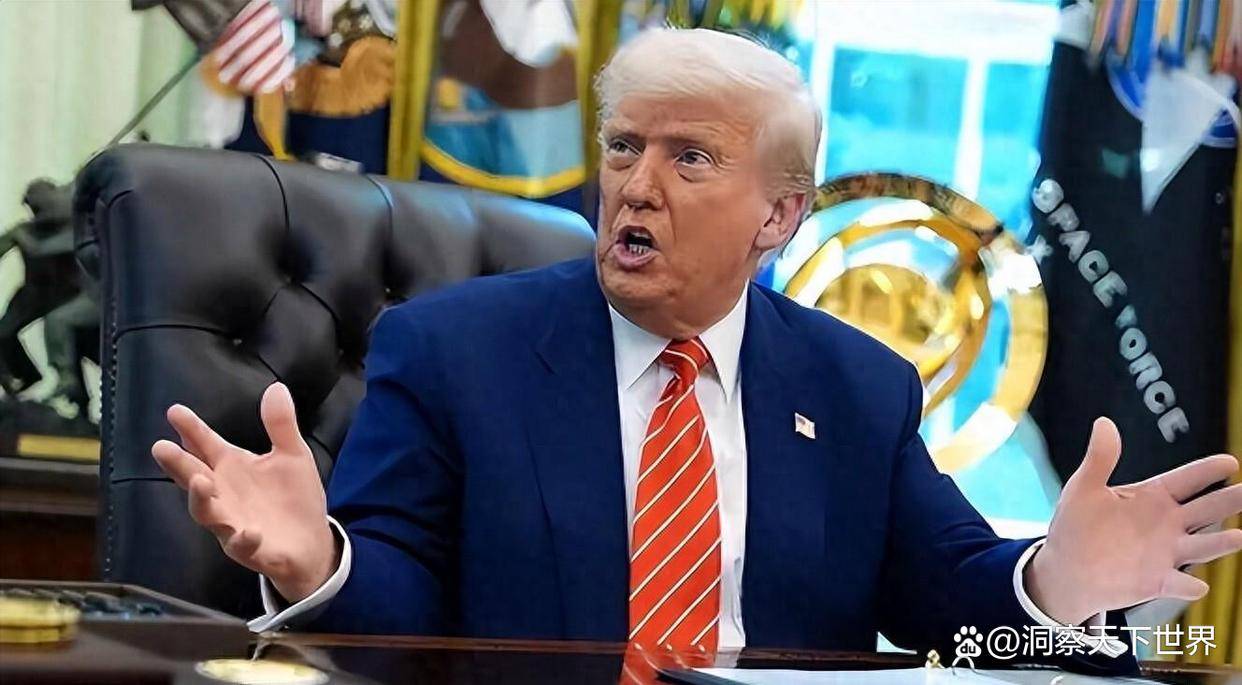
特朗普赚大了,中美刚谈完,巴西、印度传来大消息,有望达成协议
Sou Hu Cai Jing· 2025-10-28 09:39
Core Insights - The latest round of US-China trade talks in Kuala Lumpur concluded early with a "substantial framework agreement," and the US announced it would no longer consider imposing a 100% tariff on Chinese goods [1][3][20] Group 1: US-China Trade Negotiations - The negotiations, initially planned for three days, wrapped up in two, indicating a significant breakthrough in discussions [1] - Key topics included rare earth exports, agricultural tariffs, and fentanyl control, with China maintaining a firm stance during the talks [3][5] - The US Treasury Secretary's announcement to abandon the 100% tariff plan reflects a retreat in response to China's strong position [3][16] Group 2: Impact on Commodities - Rare earth elements and soybeans emerged as critical issues, with China controlling over 90% of global rare earth processing capabilities, leading to soaring prices for US metals [5][6] - The US soybean market faced severe disruptions, with imports from China plummeting by 97% in a week, causing protests among American farmers [6][12] Group 3: Broader Geopolitical Implications - Following the US-China talks, India announced it would cease purchasing oil from sanctioned Russian companies, signaling a shift towards the US [8] - Brazil's President Lula met with Trump to initiate tariff negotiations, aiming to resolve trade tensions that have cost Brazil over $1 billion annually due to high tariffs on key exports [10][12] - The interconnected nature of these negotiations suggests a ripple effect, with each country's actions influencing the others, highlighting the complexity of global trade dynamics [20]
消息人士:印度炼油商暂停新的俄罗斯石油订单,等待明确信息
Ge Long Hui· 2025-10-28 05:16
Core Insights - Indian refiners have paused new orders for Russian oil, awaiting clearer information regarding the situation [1] Group 1 - Indian refiners are currently in a holding pattern, indicating a cautious approach to sourcing Russian oil [1]

中国高价进口大量原油,却低价出口成品油,为何要赔本赚吆喝?
Sou Hu Cai Jing· 2025-10-28 04:53
Core Viewpoint - China's strategy of importing crude oil at high prices while exporting refined oil at lower prices is not merely a loss-making business but is deeply intertwined with national energy security, tax policies, and industrial layout [3][25]. Taxation - The significant difference in pricing between domestic and exported refined oil is largely influenced by China's tax policies, particularly the "processing trade" model, which allows for tax exemptions on imported crude oil and exported refined products [7][9]. - The tax structure encourages companies to enhance refining capabilities and expand international market share, rather than simply incurring losses [9][10]. Transportation Costs - The high costs associated with transporting refined oil, such as shipping fees and operational expenses, are factored into pricing strategies, allowing Chinese refineries to remain competitive in the Asian market [14][16]. - The scale advantages of Chinese refining bases, which integrate logistics and production, help to mitigate costs and enhance pricing competitiveness [18][20]. Refining Capacity Overcapacity - China's refining capacity currently stands at 1 billion tons per year, while domestic demand is only 390 million tons, leading to significant overcapacity [20][22]. - The shift towards electric vehicles and renewable energy sources has reduced domestic oil consumption, necessitating exports to manage excess capacity [20][24]. - Some refineries are transitioning to produce higher-value chemical products, which can yield significantly higher profits compared to traditional refined oil [20][24]. Strategic Implications - The export of refined oil serves not only as a means to manage excess capacity but also as a strategic move to build geopolitical relationships, particularly in regions like Southeast Asia and Central Asia [22][24]. - The current pricing strategy is viewed as a short-term sacrifice for long-term gains, positioning China favorably in the global energy transition landscape [24][27].
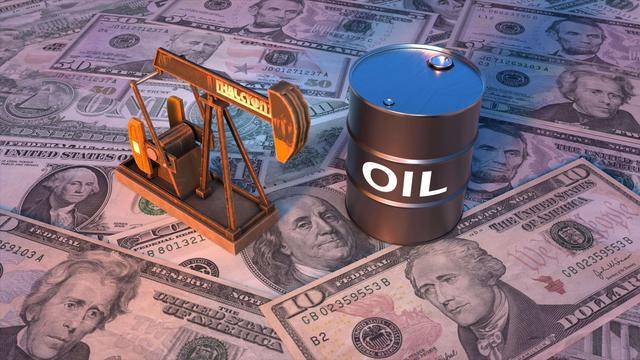
2026年原油非国营贸易进口总量公布
Zhong Guo Hua Gong Bao· 2025-10-28 03:15
配额渐向大型企业和省级重点项目集中,或加速地炼企业整合重组 从炼油成本方面看,燃料油消费税抵扣比例从全额抵扣降至50%~80%,使得地炼企业的原料成本大幅 增加。对于部分以燃料油、稀释沥青为主要原料且应税产品占比较低的中小炼厂,成本可能会增加200 元~600元/吨。2026年中小地炼企业若需额外采购燃料油补充原料,则会进一步加重成本负担。"因 此,呼吁取消燃料油消费税按比例抵扣的政策,给地炼企业进口燃料油更为宽松的空间,以期地炼企业 能够获得更多成本低廉的原料,节省更多的外汇支出,降低国家的能源成本。"张留成说。 从行业格局方面分析,进口配额分配叠加燃料油消费税抵扣将使得地炼企业分化加剧,大型炼厂凭借充 足配额和较低成本优势,占据有利竞争地位,而中小炼厂生存空间或因此受限,从而加速行业整合与洗 牌。 中化新网讯 10月21日,商务部公布了2026年原油非国营贸易进口允许量总量,为25700万吨。"该数据 与2025年持平,较2024年的2.43亿吨有所增加。配额分配逐渐向大型企业和省级重点项目集中,使得中 小地方炼油企业的配额会逐渐减少,从而加速地炼行业整合与洗牌。"山东省高端化工产业发展促进会 秘书长张留 ...