
直播电商

Search documents
《直播电商监督管理办法》出台,“魑魅魍魉”退散
Xin Lang Cai Jing· 2026-01-07 14:04
Core Viewpoint - The introduction of the "Live E-commerce Supervision and Management Measures" by the State Administration for Market Regulation and the National Internet Information Office aims to regulate the rapidly growing live e-commerce market, addressing various issues that undermine consumer trust and ensuring accountability within the industry [3][4]. Group 1: Regulatory Measures - The new regulations will take effect on February 1, 2026, establishing legal boundaries for the trillion-dollar live e-commerce market [3]. - The regulations aim to address significant issues such as AI impersonation, counterfeit products, and fraudulent practices in private domain sales, which have led to a surge in complaints [3][4]. - In 2024, complaints related to live commerce reached 402,000, a 19.3% increase year-on-year, with social media platforms seeing a threefold increase in complaints [3]. Group 2: Accountability and Responsibility - The regulations will enforce full disclosure of AI digital identities during live broadcasts, ensuring that operators are held accountable for their actions [4]. - Platforms will be required to verify the real identities of merchants, making it easier to trace fraudulent activities even in private sales [4]. - Multi-Channel Network (MCN) agencies will be held liable for the actions of their contracted influencers, preventing them from evading responsibility for fraudulent practices [4]. Group 3: Implementation and Impact - The effectiveness of the new regulations will depend on precise implementation, including the exploration of a "live compliance score" system that links credit ratings to traffic recommendations [5]. - Platforms are encouraged to shift from a "traffic-first" mentality to one that prioritizes integrity metrics such as negative review rates and return rates [5]. - The regulations aim to transition the industry from a focus on quantity to a focus on quality, establishing a new standard for digital consumption [5].

直播电商监管进入精细化阶段,剑指AI虚假宣传与刷单顽疾
2 1 Shi Ji Jing Ji Bao Dao· 2026-01-07 13:35
Core Viewpoint - The introduction of the "Live E-commerce Supervision Management Measures" aims to clarify the legal responsibilities of various stakeholders in the live e-commerce industry, including platforms, operators, and MCN institutions, while enhancing the regulation of AI-generated content to prevent misinformation [1][5]. Group 1: Regulatory Framework - The new regulations require live e-commerce platforms to fulfill responsibilities related to qualification verification, information reporting, illegal activity handling, consumer rights protection, and complaint mechanisms [1]. - Live room operators must improve information disclosure, identity verification, pre-compliance audits, and error correction systems for hosts [1]. - MCN institutions are mandated to standardize the recruitment, training, and management of hosts, ensuring compliance with legal obligations [2]. Group 2: AI Content Regulation - AI-generated content, including AI hosts and videos, is now subject to regulatory oversight to prevent the misuse of AI as a shield for spreading false information [1][5]. - The regulations prohibit the use of AI to fabricate or disseminate misleading commercial information and require clear identification of AI-generated content [5]. Group 3: Industry Trends and Challenges - The live e-commerce sector is transitioning towards higher quality and premium offerings, with AI technology playing a significant role in this evolution [1]. - The industry faces challenges such as low content quality, unclear legal relationships, and frequent negative public sentiment, necessitating a shift towards standardized governance [6]. - The market for live e-commerce is projected to exceed 4.5 trillion yuan in transaction volume by 2024, accounting for nearly one-third of online retail sales [6]. Group 4: MCN Institutions' Responsibilities - MCN institutions must establish internal management systems and sign agreements with live marketing personnel to clarify responsibilities and ensure compliance [2]. - They are also required to verify the information of live room operators and maintain records of product quality and consumer rights protection for at least three years [2]. Group 5: Industry Response and Future Outlook - Industry insiders believe that the new regulations will help clarify responsibilities and promote healthier industry development, although implementation may take time [2]. - Companies like Meiwang have already initiated specialized training programs for hosts to enhance compliance and industry knowledge [3]. - The application of AI across the e-commerce value chain is expected to drive significant positive effects, while regulatory measures are crucial for curbing poor practices and fostering fair competition [7].
《直播电商监督管理办法》出炉 鼓励建立健全先行赔付等制度
Mei Ri Jing Ji Xin Wen· 2026-01-07 13:08
Core Viewpoint - The newly released "Live E-commerce Supervision Management Measures" aims to regulate the live e-commerce industry, ensuring innovation while maintaining a healthy market environment and clarifying the responsibilities of various stakeholders [1][3]. Group 1: Regulatory Framework - The measures emphasize a comprehensive responsibility system for live e-commerce platforms, operators, marketers, and service agencies, detailing their legal responsibilities across pre-, during, and post-transaction phases [1][3]. - Live e-commerce platforms must establish service agreements and transaction rules that clearly define the rights and obligations of all involved parties, ensuring transparency and fairness [2][3]. Group 2: AI and Digital Human Regulations - The measures require that any AI-generated images or videos used in live e-commerce must comply with relevant laws and be clearly marked to inform consumers [3][4]. - The regulation aims to prevent misleading practices by ensuring that digital representations are properly identified, thereby protecting consumer rights [3][4]. Group 3: Blacklist System - A blacklist system is mandated for live e-commerce platforms to manage entities that severely violate regulations, preventing them from evading penalties through account changes [6][7]. - The sharing of blacklist information among platforms is encouraged to enhance industry self-regulation and protect consumer interests, fostering a fair competitive environment [6][7]. Group 4: Industry Growth and Future Outlook - The live e-commerce sector has seen rapid growth, with user numbers exceeding 600 million and a projected market size of over 4.5 trillion yuan by 2025 [7]. - Analysts predict that the industry will transition from a phase of rapid expansion to a more regulated environment, focusing on quality and efficiency rather than facilitating counterfeit goods [7].
直播电商新规发布!明确四类主体责任
Sou Hu Cai Jing· 2026-01-07 12:29
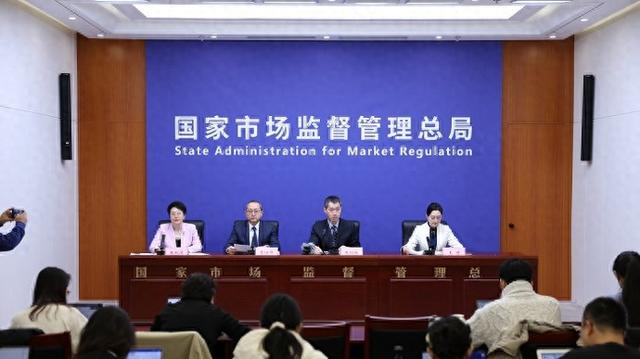
在压实直播电商平台经营者责任方面。《办法》结合直播电商活动的具体场景,从事前、事中、事后三个维度,系统规定了平台在身份信息核验登记、信 息报送、直播营销人员培训、直播间运营者分级分类管理、平台内违法行为处置、风险识别及处置、交易信息保存、消费者权益保护等方面的责任义务。 在压实直播间运营者、直播营销人员责任方面。《办法》明确了直播间运营者在信息公示、核验实际经营者信息和直播营销人员身份信息、实时管理直播 间互动内容、事前合规审核、实施明码标价等方面的义务,划定了直播间运营者、直播营销人员不得进行虚假宣传、不得进行商业诋毁、不得销售或者提 供违法商品或者服务等行为红线。 在压实直播营销人员服务机构责任方面。《办法》规定直播营销人员服务机构应当建立健全内部管理制度,规范直播营销人员的招募、培训、使用、管理 等工作,在与直播间运营者的商业合作以及直播选品中履行必要的核验义务。 加强跨部门协作 记者今天(7日)了解到,市场监管总局、国家网信办联合对外公布《直播电商监督管理办法》,聚焦直播电商平台经营者、直播间运营者、直播营销人 员、直播营销人员服务机构(MCN机构)四类主体,压实责任义务,划定行为红线,完善监管机制。 ...

两部门联合发布直播电商监督管理办法 划定直播电商“行为红线”
智通财经网· 2026-01-07 12:23
Core Viewpoint - The newly released "Live E-commerce Supervision and Management Measures" by the State Administration for Market Regulation and the National Internet Information Office will take effect on February 1, 2026, focusing on responsibilities and obligations of various stakeholders in the live e-commerce ecosystem, including platform operators, live room operators, marketing personnel, and service agencies [1]. Group 1: Regulatory Framework - The measures aim to strengthen supervision and management of live e-commerce activities, protecting the legal rights of consumers and operators while promoting healthy development in the sector [3]. - The regulations apply to all live e-commerce activities conducted within the territory of the People's Republic of China, defining live e-commerce as the sale of goods or services through various live streaming formats [3][4]. Group 2: Responsibilities of Stakeholders - Live room operators are required to fulfill obligations such as information disclosure, verification of actual operators and marketing personnel, real-time management of interactive content, pre-compliance review, and clear pricing [1][3]. - The measures prohibit live room operators and marketing personnel from engaging in false advertising, commercial defamation, or selling illegal goods or services [1][3][21]. Group 3: Platform Operators' Obligations - Live e-commerce platform operators must establish mechanisms for account registration, transaction behavior norms, quality assurance, consumer rights protection, and personal information security [6][8]. - They are also required to implement content management systems and ensure compliance with laws and regulations, promoting a healthy live e-commerce ecosystem [6][8]. Group 4: Consumer Protection - The measures encourage the establishment of consumer rights protection systems and dispute resolution mechanisms by platform operators [13]. - Consumers are encouraged to participate in social supervision of live e-commerce activities to safeguard their rights [5]. Group 5: Compliance and Enforcement - The measures outline specific penalties for non-compliance, including fines for failing to verify identities or report required information [30][31]. - Market supervision and internet information departments are tasked with enforcing these regulations and ensuring compliance among all stakeholders [25][26].
两项新规齐发!剑指“大数据杀熟”“仅退款”与直播乱象
券商中国· 2026-01-07 12:19
Core Viewpoint - The newly released regulations by the State Administration for Market Regulation and the National Internet Information Office aim to address issues such as "refund only" and "lowest price on the internet," as well as problems related to counterfeit goods and false marketing in live e-commerce [1][5]. Group 1: Platform Rules Supervision - The "Platform Rules Supervision Measures" enhance the responsibilities of platform enterprises by focusing on four key areas: transparency in procedures, fairness in execution, protection of rights, and social co-governance [2]. - The new regulations require platforms to publicly disclose rules and modifications, ensuring clarity and accessibility for merchants and consumers [3]. - Platforms must establish a mechanism for regular communication and consultation regarding significant rule changes, ensuring all stakeholders' opinions are considered [4]. Group 2: Live E-commerce Regulation - The "Live E-commerce Supervision Measures" clarify the legal responsibilities of various participants in the live e-commerce ecosystem, including platform operators and marketing personnel, to combat issues like counterfeit goods and false marketing [5]. - The regulations introduce innovative supervisory tools, including flow control mechanisms, to manage the unique characteristics of the live e-commerce industry [5]. - The new rules also address the regulation of digital human hosts and AI-generated content, ensuring that such technologies do not facilitate the spread of false information [6].

两部门联合发布《直播电商监督管理办法》
Zheng Quan Ri Bao Wang· 2026-01-07 11:57
Group 1 - The core viewpoint of the article is the introduction of the "Live E-commerce Supervision Management Measures" by the State Administration for Market Regulation and the National Internet Information Office, aimed at establishing a clear governance system for the live e-commerce industry [1][2] Group 2 - The measures emphasize the importance of accountability among all parties involved in live e-commerce, detailing the legal responsibilities of platform operators, live stream operators, marketing personnel, and service agencies across pre, during, and post-operations [1] - The regulation introduces innovative supervisory tools, including flow management mechanisms, requiring platform operators to take timely actions against violations reported by regulatory departments [2] - The measures address technological advancements by regulating AI-generated content in live streaming, mandating clear identification of AI-generated images and videos to prevent misinformation [2] - The regulation promotes collaborative governance by establishing mechanisms for information sharing and joint actions between regulatory departments and platforms, enhancing overall regulatory effectiveness [2]
两项新规齐发!剑指“大数据杀熟”
证券时报· 2026-01-07 10:40
Core Viewpoint - The newly released regulations by the State Administration for Market Regulation and the National Internet Information Office aim to address issues such as "refund only" and "lowest price across the network," as well as problems related to counterfeit goods and false marketing in live e-commerce [1][2]. Group 1: Platform Rules Supervision - The "Platform Rules Supervision Measures" are designed to clarify the responsibilities and obligations of platform enterprises regarding their rules, addressing issues like arbitrary rule-making, abuse of rules, and lack of transparency in execution [3][4]. - The new regulations focus on four main areas to strengthen the accountability of platform enterprises: enhancing governance transparency, improving fairness in rule execution, safeguarding the rights of all parties, and establishing a multi-party supervision mechanism [4][5][6][7]. - Specific requirements include publicizing platform rules clearly, soliciting opinions from stakeholders, and ensuring that platforms inform users of any negative management measures taken against them [9][10][11][12]. Group 2: Live E-commerce Regulation - The "Live E-commerce Supervision Measures" aim to clarify the legal responsibilities of all participants in the live e-commerce ecosystem, including platform operators, live streamers, and service providers, while addressing issues like counterfeit goods and false marketing [15]. - The regulations introduce a comprehensive responsibility system that includes pre-qualification, tiered management, credit evaluation, and complaint mechanisms for live e-commerce platforms [15]. - New regulatory tools will be implemented to manage traffic and ensure compliance, including measures such as warning, limiting functions, and blacklisting non-compliant accounts [15][16].

新华解码丨事关平台规则和直播电商监管 两部新规提出哪些新举措?
Xin Hua Wang· 2026-01-07 10:36
Core Viewpoint - The new regulations introduced by the State Administration for Market Regulation and the National Internet Information Office aim to enhance the supervision of online trading platforms and live e-commerce, focusing on platform responsibilities and consumer rights protection. Group 1: New Regulatory Measures - The "Live E-commerce Supervision Measures" include traffic control and the regulation of AI-generated content, such as digital human anchors, to prevent the misuse of new technologies for spreading false information [2] - The regulations require live e-commerce platforms to take immediate action against violations by operators and marketers, including warnings, limiting functions, and account closures [2] Group 2: Specific Prohibitions - The "Online Trading Platform Rules Supervision Measures" explicitly prohibit unreasonable restrictions on operators, such as "only refunds," "penalties," and "member downgrades," ensuring fair operational conditions for merchants [3] - The measures further detail specific illegal practices, including "forced exclusivity," unreasonable fees, and "big data discrimination" against consumers [3] Group 3: Transparency and Accountability - The regulations emphasize the importance of transparency in platform rules, requiring platforms to clearly publicize their rules and provide accessible information regarding fees and dispute resolution [4] - Platforms must inform operators and consumers of any negative management measures taken, including the rationale and basis for such actions, and provide channels for appeals [5] - The "Live E-commerce Supervision Measures" outline the responsibilities of live e-commerce platform operators in areas such as qualification verification, information reporting, and consumer rights protection [5]
新华解码|事关平台规则和直播电商监管 两部新规提出哪些新举措?
Xin Hua She· 2026-01-07 10:32
Core Viewpoint - The new regulations introduced by the State Administration for Market Regulation and the National Internet Information Office aim to enhance the supervision of online trading platforms and live e-commerce, focusing on platform responsibilities and consumer rights protection. Group 1: New Regulatory Measures - The "Live E-commerce Supervision Measures" include traffic control and the regulation of AI-generated content, such as digital human anchors, to prevent the misuse of new technologies for spreading false information [2] - The measures require live e-commerce platforms to take actions against violations by operators, including warnings, limiting functions, and account closures [2] Group 2: Specific Prohibitions - The "Network Trading Platform Rules Supervision Measures" detail prohibitions against practices like "only refunds," "forced choices," and "big data discrimination," ensuring fair treatment of platform operators and consumers [3] - The regulations specify that platforms cannot impose unreasonable restrictions or fees on operators, thereby safeguarding their autonomy and consumer rights [3] Group 3: Transparency and Accountability - The new regulations emphasize the need for platforms to maintain transparency in their rules, ensuring that they are clear and accessible to both operators and consumers [4] - Platforms are required to inform users about any changes in membership rules and provide clear reasons and channels for appeals when negative actions are taken against them [5]