零售

Search documents
从年味里看春节消费新图景
Xin Lang Cai Jing· 2026-02-25 18:57
Core Insights - The article highlights the evolving landscape of consumer behavior during the Chinese New Year, emphasizing new experiences, service-oriented spending, and increased international tourism [3][5][6]. Group 1: New Experiences - The trend of "traveling for the New Year" and "vacation-style celebrations" is gaining popularity, with families opting for trips instead of traditional visits [3]. - In Jiangxi's Lichuan Ancient City, a renovated old house turned into a guesthouse is fully booked, showcasing the demand for unique accommodations [3]. - Activities like free oil painting experiences at guesthouses are attracting visitors, indicating a shift towards memorable experiences over mere sightseeing [3][4]. Group 2: Service-Oriented Spending - Consumers are increasingly willing to pay for services that enhance convenience and quality, such as private chef services and professional cleaning [5]. - In Chongqing, the demand for home cleaning services has surged, particularly among younger families, with over 60% of clients aged 30 to 45 [5]. - The pet care industry is also seeing growth, with services like pet boarding and home feeding gaining popularity [5]. Group 3: Increased International Tourism - The Chinese New Year is becoming a global cultural event, with a notable increase in foreign tourists visiting popular destinations [6]. - Hainan's duty-free shopping during the holiday saw sales reach 2.07 billion yuan, with 254,000 shoppers participating [7]. - The implementation of visa-free policies for certain countries is expected to boost inbound tourism, with predictions of over 2.05 million travelers crossing borders daily during the holiday, a 14.1% increase year-on-year [8][9].

老字号成年轻人新宠贵在守正创新
Xin Lang Cai Jing· 2026-02-25 17:54
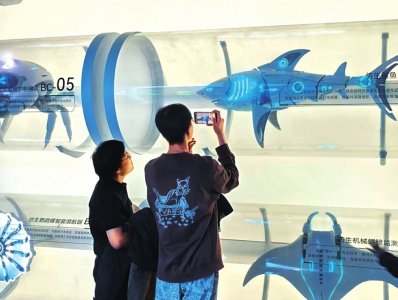
Group 1 - The core viewpoint is that traditional brands, known as "laozihao," are successfully attracting younger consumers through product innovation and immersive experiences, leading to increased foot traffic and sales in key commercial areas during the Spring Festival [1] - The Beijing Municipal Bureau of Commerce reported that the integration of traditional brands with immersive experiences has resulted in a dual growth of customer flow and sales in major shopping districts [1] - Traditional brands are no longer exclusive to older generations and are increasingly gaining attention and affection from younger consumers, showcasing a successful "breaking the circle" strategy [1] Group 2 - Young consumers are drawn to traditional brands due to their deep cultural heritage, good reputation, and stable quality, which provide a sense of trust and nostalgia [2] - The combination of adhering to quality and embracing innovation is crucial for traditional brands to maintain their authority and credibility while appealing to younger consumers [2] - Many traditional brands are incorporating modern fashion elements into their product designs to meet the personalized demands of younger consumers, achieving a blend of tradition and modernity [2] Group 3 - Despite the success in attracting younger consumers, traditional brands still face challenges in expanding their influence and should further explore innovative products that combine traditional cultural resources with modern technology and trends [3] - There is potential for traditional brands to collaborate with emerging industries, such as cultural creative and tourism sectors, to create unique consumer experiences [3] - The popularity of traditional brands among young consumers indicates a significant opportunity for the integration of traditional culture with modern consumption, suggesting a promising future for such brands [3]
北京春节消费市场实现“开门红”
Xin Lang Cai Jing· 2026-02-25 17:54
Core Insights - The article highlights the robust performance of Beijing's consumer market during the 2026 Spring Festival, showcasing significant growth in sales and foot traffic, driven by various promotional activities and cultural events [8][9][10]. Group 1: Consumer Market Performance - During the 2026 Spring Festival (February 15-23), key monitored sectors in Beijing achieved a total sales revenue of 8.45 billion yuan, with a year-on-year growth of 12.4% for physical retail [9]. - The total foot traffic in 60 key commercial districts exceeded 51.09 million, marking a 5.8% increase year-on-year, while total consumption reached 15.43 billion yuan, up 2.2% [9]. - The tourism sector saw 19.84 million visitors, generating a total expenditure of 33.14 billion yuan, with a notable increase in inbound tourism spending by 73.2% [10]. Group 2: Consumer Behavior Trends - A new trend emerged where many residents invited their parents to celebrate the New Year in the city, leading to a significant increase in cross-regional consumption [15]. - Data from Dazhong Dianping indicated a nearly 40% increase in traffic for the "must-eat" list during the first four days of the holiday, with cross-regional traffic rising by about 50% [15]. Group 3: Service Consumption Growth - Service consumption outpaced traditional retail, with consumers increasingly favoring experiences over mere products, reflecting a shift in consumption patterns [16]. - The popularity of offline stores, particularly in the trendy toy sector, indicates a growing preference for experiential shopping among younger consumers [16]. Group 4: Policy and Promotional Activities - The city implemented over 460 themed activities to stimulate consumption, integrating various sectors such as retail, dining, and tourism to create a vibrant shopping atmosphere [18]. - The introduction of consumption vouchers totaling 83 million yuan aimed to encourage spending in key areas like retail and dining, contributing to a positive consumption cycle [10][18]. Group 5: Future Outlook - The strong performance during the Spring Festival signals a robust economic recovery, laying a solid foundation for sustained growth in Beijing's economy throughout 2026 [19]. - The article emphasizes that the vibrant consumer market in Beijing serves as a model for other regions, showcasing the potential for high-quality development in the retail sector [19].
乐购新春,深圳春节商文旅消费“马”力全开!
Sou Hu Cai Jing· 2026-02-25 17:36
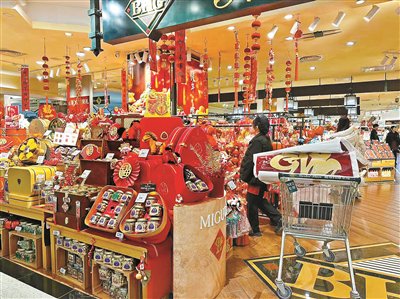
Core Insights - Shenzhen's consumer market has shown significant vitality during the Spring Festival, driven by various promotional activities and innovative consumption models, highlighting the city's dynamic economic landscape [1][3]. Group 1: Consumer Incentives - The "Lucky Invoice" initiative has distributed over 50 million yuan in prizes, with approximately 12.8 million invoices submitted and over 8.82 million approved, leading to a total invoice amount exceeding 2.1 billion yuan [5]. - The "Trade-in for New" program has generated around 400 million yuan in sales, with substantial government subsidies stimulating purchases of automobiles, home appliances, and digital products [10]. Group 2: Promotional Activities - Over 100 promotional events were organized during the Spring Festival, enhancing the festive shopping atmosphere and resulting in an 18.7% increase in foot traffic and a 15.24% rise in revenue across 30 key shopping districts [14]. Group 3: Technology and Consumer Goods - The "AI Eight Steeds" from Huaqiangbei have become popular choices for New Year gifts, with sales of tech products increasing by over 30% compared to regular periods, particularly AI glasses seeing a 70% to 80% surge in sales [17][19]. Group 4: Tourism and Cultural Consumption - Shenzhen has emerged as a key destination for "reverse reunion" tourism, attracting over 10.54 million visitors during the nine-day holiday, showcasing a blend of cultural and commercial activities that enhance the consumer experience [3][43]. - The integration of digital solutions in tourism, such as multilingual smart ticketing systems, has improved the efficiency of service for international visitors, further boosting the local economy [44].
“数”说新春消费:解码中国经济活力与底气
Sou Hu Cai Jing· 2026-02-25 17:36
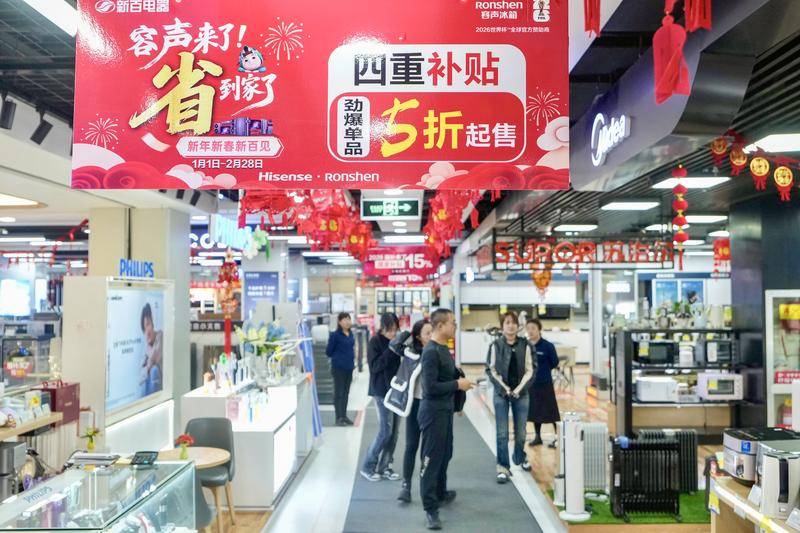
Group 1: Consumer Mobility - The total cross-regional population flow during the Spring Festival reached over 2.8 billion person-times, averaging 311 million person-times per day, marking a year-on-year increase of 8.2% and setting a historical record [1] - The increase in travel and return home during the holiday has significantly boosted the consumption market, benefiting industries such as dining, accommodation, transportation, and scenic spots [1] Group 2: Retail and Dining Performance - The average daily sales of key retail and catering enterprises increased by 5.7% compared to the 2025 holiday, with the growth rate accelerating by 1.6 percentage points [2] - Traditional consumption demands, such as purchasing New Year goods and dining for family gatherings, have been released, indicating a steady improvement in consumer purchasing power and confidence [2] Group 3: Cultural and Tourism Experience - During the first eight days of the holiday, nearly 15,000 cultural and creative markets and intangible cultural heritage performances were held, attracting over 270 million visitors and generating nearly 7 billion yuan in consumption [4] - The integration of culture and tourism is evolving, with new consumption trends emerging that focus on cultural, leisure, technology, and experiential aspects [4] Group 4: Inbound Tourism - The Spring Festival attracted tourists from over 160 countries and regions, with 460,000 foreign visitors benefiting from visa-free policies, representing a daily increase of 28.5% compared to the 2025 holiday [5] - The recovery of inbound tourism not only boosts consumption but also showcases China's openness and charm to the world [5] Group 5: Economic Outlook - The data reflects the resilience and vitality of the Chinese economy, indicating a strong foundation for continued consumer potential, cultural tourism integration, and consumption upgrades in the new year [5]
出行旺消费暖,“流动中国”尽显活力
Xin Lang Cai Jing· 2026-02-25 15:52
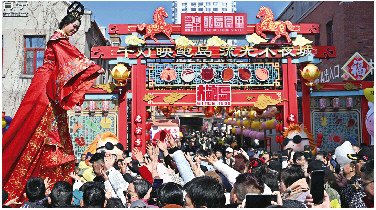
Group 1: Travel and Tourism - The Spring Festival holiday saw a record high of 28 billion cross-regional personnel movements, with daily averages reaching 3.11 billion, marking an 8.2% year-on-year increase [1][3] - The number of inbound and outbound travelers during the Spring Festival is expected to exceed 2.05 million daily, a 14.1% increase compared to the previous year [2] - Popular tourist destinations included traditional cultural sites and events, showcasing China's rich heritage and attracting both domestic and international visitors [1][7] Group 2: Retail and Consumption - Key retail and catering enterprises reported an 8.6% increase in average daily sales during the first four days of the holiday compared to the previous year [5] - E-commerce platforms like Douyin saw a significant rise in sales, with orders for reunion dinner packages increasing over 210% and sales of intangible cultural heritage performances growing over 100% [5] - Hainan's duty-free shopping during the first seven days of the holiday reached 2.07 billion, a 16.8% increase from the previous year [4] Group 3: Technology and Innovation - Sales of smart wearable devices and AI home appliances surged, with new products featuring AI experiences accounting for over 50% of sales [6] - The shift in consumer spending is moving from quantity to quality, driven by new technologies and business models that enhance market potential [6] Group 4: Cultural Exchange - The Spring Festival is increasingly recognized globally, with celebrations and cultural events occurring in various countries, highlighting China's growing influence [8][9] - The festival's significance has transcended regional boundaries, becoming a global cultural symbol [9]
“乐购新春”释放假日消费潜力
Zheng Quan Ri Bao· 2026-02-25 15:46
Core Viewpoint - The "Happy Shopping Spring Festival" initiative has effectively stimulated consumer spending during the holiday period, showcasing strong collaboration among various government departments to enhance domestic consumption and economic growth [1][5]. Group 1: Policy Implementation and Impact - The initiative includes six key areas: food, accommodation, transportation, tourism, shopping, and entertainment, with significant policy measures such as trade-in programs, prize invoices, and financial support [1][3]. - A total of 20.5 billion yuan has been allocated for consumer vouchers and subsidies across 50 cities, with over 10 billion yuan in prizes distributed during the Spring Festival, significantly boosting consumer willingness to spend [3][4]. Group 2: Regional Responses and Activities - Local governments have actively organized events, with Beijing distributing over 20 million yuan in consumer vouchers and Henan issuing 70 million yuan in retail and dining vouchers, leading to substantial sales in various sectors [2][3]. - In Liaoning, monitored retail sales increased by 10.2% year-on-year during the holiday, with 18.4 million products sold through trade-in programs, generating 740 million yuan in sales [2][4]. Group 3: Consumer Behavior and Trends - The average daily sales of key retail and catering enterprises increased by 5.7% compared to the previous year, with foot traffic and sales in monitored shopping areas rising by 6.7% and 7.5%, respectively [4]. - The demand for smart and green products surged, with sales of smart glasses and intelligent robots increasing by 47.3% and 32.7%, respectively, during the holiday period [4]. Group 4: Future Recommendations - The initiative's success suggests the need for ongoing themed promotional activities throughout the year to maintain consumer engagement and adapt to seasonal demands [5]. - Recommendations include enhancing support for small businesses, integrating online and offline experiences, and utilizing big data for better supply-demand matching [5].
春节消费市场“换新热”带来产业发展三大启示
Zheng Quan Ri Bao· 2026-02-25 15:41
Core Insights - The 2026 Spring Festival has seen a significant surge in consumer enthusiasm, indicating a robust economic recovery in China, driven by the "trade-in" policy and government initiatives [1] - The focus of consumer spending is shifting from basic ownership to quality upgrades, with notable increases in sales of smart glasses, service robots, and water-saving bathroom fixtures during the holiday period [1] Group 1: Economic Indicators - As of February 22, 2026, the trade-in policy has benefited 30.53 million people, generating sales of 204.54 billion yuan [1] - The government allocated 62.5 billion yuan in subsidies to stimulate the Spring Festival consumption market [1] Group 2: Industry Strategies - Companies should focus on the "smart + green" dual track, enhancing product offerings through technology and innovation, particularly in the fields of smart homes and low-carbon products [2] - There is a growing demand for high-quality, intelligent products in lower-tier markets, prompting companies to improve sales networks and service points to facilitate easier access for rural consumers [3] Group 3: Consumer Segmentation - The market is diversifying, with different consumer groups such as the elderly, young professionals, and those seeking emotional value in products, necessitating tailored product development [4] - Companies are encouraged to adopt a precise supply strategy to meet the varied needs of different consumer segments, ensuring a sustainable approach to product lifecycle management [4]
增速居副省级城市第三!打造“消费之城”,西安提速!
Sou Hu Cai Jing· 2026-02-25 14:40
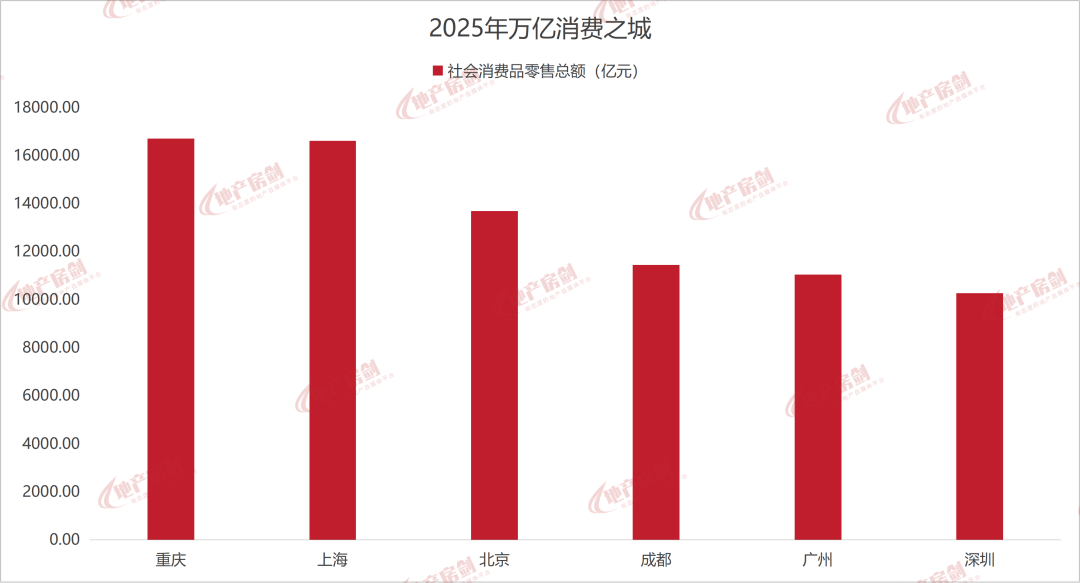
Economic Overview - In 2025, the number of "trillion-yuan cities" increased from 27 to 29, with Dalian and Xuzhou joining the ranks [1] - Fuzhou emerged as a dark horse among the "trillion-yuan cities" over the past five years [1] Retail Sales Performance - In 2025, six cities surpassed one trillion yuan in social retail sales, namely Shanghai, Chongqing, Beijing, Chengdu, Guangzhou, and Shenzhen, down from seven in 2024 due to Suzhou's adjustment to 909.22 billion yuan with a growth rate of 2% [2][4] - Chongqing surpassed Shanghai in 2025 with a retail sales total of 1,670 billion yuan, while the gap between them was less than 100 million yuan [4] Key Cities and Growth Rates - Fuzhou's retail sales reached 596.91 billion yuan with a growth rate of 6%, while Yantai and Chengdu followed with 5.8% and 5.5% respectively [5] - Xi'an's retail sales totaled 572.12 billion yuan, marking a 5.3% growth, ranking it fifth among the 29 trillion-yuan GDP cities [10][11] Future Prospects - Hangzhou aims to become the seventh trillion-yuan consumption city by targeting a retail sales growth of around 5% in 2026, with a focus on service industry and digital economy [7] - Wuhan's retail sales reached 901.40 billion yuan with a growth rate of 4.8%, positioning it as a potential candidate for future growth in the central region [8] Consumption Trends - The "old-for-new" policy significantly contributed to Xi'an's retail sales growth, with notable increases in categories like new energy vehicles and home appliances [14] - The integration of cultural, tourism, and sports events has stimulated consumption in Xi'an, enhancing its economic vitality [16]
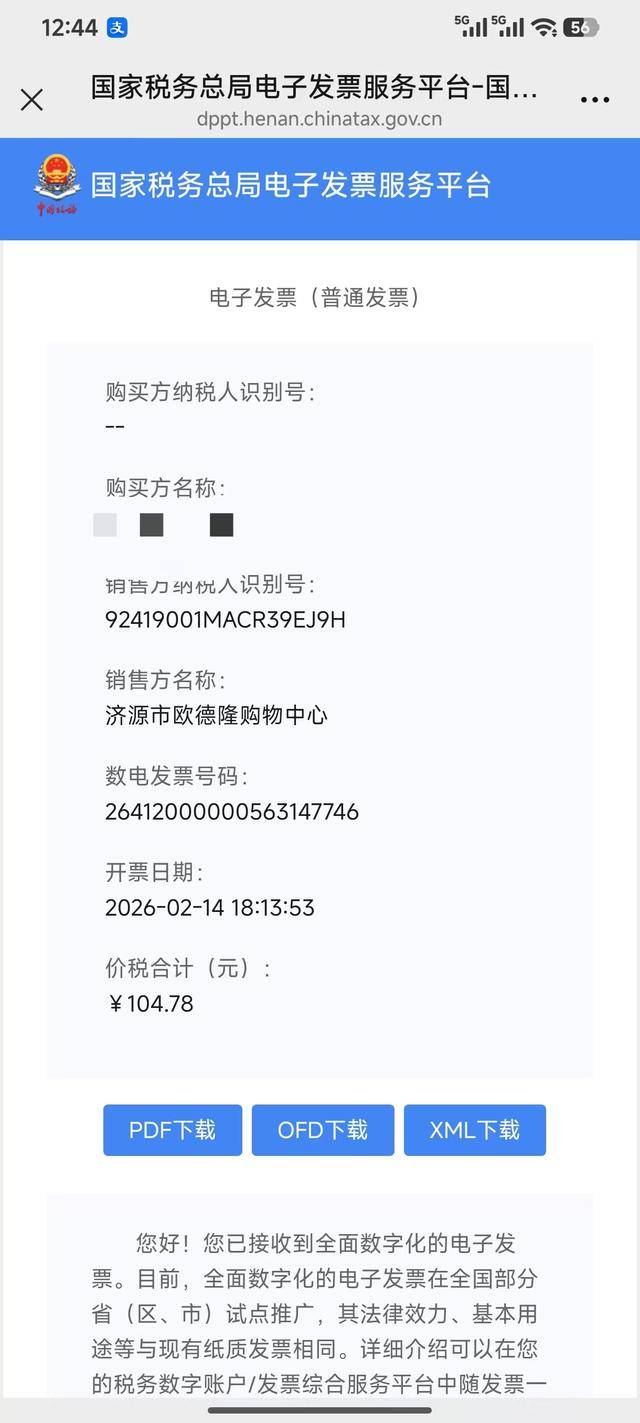
烟火升腾年味浓 惠民新政热玉川!济源春节消费市场火爆
Sou Hu Cai Jing· 2026-02-25 14:40
Group 1: Core Insights - The consumption market in Jiyuan is experiencing a vibrant and prosperous atmosphere during the Spring Festival, showcasing a strong holiday economy supported by sufficient supply and stable prices [1][3][8] - Supermarkets are implementing strict management of essential goods, ensuring ample stock and stable prices for items like rice, oil, and meat, contributing to consumer confidence [2][3] - The "Open Invoice for Joy" campaign is promoting consumer spending by offering rewards for digital invoices, enhancing the shopping experience and encouraging participation [4][6][7] Group 2: Sales and Consumer Behavior - Jiyuan supermarkets achieved a total sales revenue of 42.82 million yuan during the Spring Festival, with a customer flow of 1.0067 million people, reflecting the residents' pursuit of a better life [3] - The average occupancy rate of hotels reached 38.5%, a year-on-year increase of 7.54%, while the restaurant sector reported a total revenue of 3.4544 million yuan, up 6.74% year-on-year, indicating a significant boost in holiday spending [8] - The "Trade-in for New" initiative has seen 18,252 vehicles and appliances replaced, with subsidies totaling 9.6398 million yuan and sales reaching 74.3635 million yuan, highlighting strong market vitality [9] Group 3: Digital and Community Engagement - The introduction of a city points code platform during the temple fair economy has successfully aggregated sales data from 54 merchants, resulting in 52,600 transactions worth 843,700 yuan, injecting new digital vitality into the consumption market [9] - The combination of policy incentives and consumer demand for upgrades is driving a robust "Trade-in for New" market, enhancing the quality of life for residents [9]