
AI+消费

Search documents
“AI+”产品趋势洞察-炼丹炉
炼丹炉· 2026-03-28 06:35
Investment Rating - The report does not explicitly state an investment rating for the industry [2]. Core Insights - The "AI+" consumer products sector is entering an explosive growth phase driven by policy and technological advancements, with 2025 marked as the year of hardware integration for AI [6][8]. - The report identifies three clear value pathways: new interaction points (e.g., AI glasses, smart rings), enhanced experiences (e.g., AI health monitoring), and new ecosystems (e.g., integrated home systems) [6]. - Differentiated growth characteristics are observed across segments: AI wearables, AI toys, AI imaging, and AI home appliances are all projected to reach significant market sizes by 2030 [6][8]. Summary by Sections Research Background Assessment - The report is published by Lian Dan Lu (Hangzhou Zhi Yi Technology Co., Ltd.), a professional data service platform focused on e-commerce data analysis and market insights [3]. - The research covers the year 2025 and includes market size forecasts for 2030, with a strong emphasis on the timeliness of the data [3]. Scope and Boundaries - The report focuses on "AI+" consumer-grade products, including AI wearables, AI toys, AI imaging devices, and AI home appliances, primarily within the Chinese market [4][5]. - It targets a diverse consumer base, including students, Z-generation parents, single adults, and seniors, analyzing user motivations and usage scenarios [4]. Key Data Extraction and Presentation - The projected market size for China's AI wearable devices by 2030 is estimated at 215 billion yuan [10]. - The global AI toy market is expected to exceed 35 billion USD by 2030, with a compound annual growth rate (CAGR) of over 50% [10]. - The report highlights that educational and programming toys will account for 56% of retail sales in the domestic AI toy category by 2025 [10].
新消费行业周报:1-2月社零小幅改善,关注业绩期超预期标的-20260326
Shanghai Securities· 2026-03-26 11:48
Investment Rating - The report assigns a "Hold" rating for the new consumption industry [2] Core Insights - In January-February 2026, China's total retail sales of consumer goods reached 8.61 trillion yuan, a year-on-year increase of 2.8%, accelerating by 1.9 percentage points compared to December 2025 [2] - The implementation of policies promoting the replacement of old consumer goods has significantly boosted the market, with retail sales of essential goods growing rapidly [2] - The report highlights the strong demand for upgraded products, particularly in the categories of gold and jewelry, cosmetics, and sports entertainment [2] Summary by Relevant Sections Macro Consumption - The retail sales of goods increased by 2.5% in January-February 2026, with 9 out of 16 categories showing growth rates exceeding 5% [2] - Essential goods such as clothing, food, and daily necessities saw retail sales growth of 10.4%, 10.2%, 6.6%, and 6.0% respectively [2] - The demand for upgraded products is robust, with retail sales of gold and jewelry, cosmetics, and sports entertainment growing by 13.0%, 4.5%, and 4.1% respectively [2] AI + Consumption - The report notes that the Qianwen AI glasses captured over 70% of the online market share within the first week of sales, indicating a strong market presence [3] - The AI glasses differentiate themselves by integrating various services, allowing users to perform tasks like ordering food and booking hotels through voice commands [3] - The AI smart glasses category has rapidly grown in the domestic market since 2025, transitioning from niche products to mainstream consumer items [3] Jewelry Sector - Laopai Gold reported a revenue of 27.303 billion yuan for 2025, a year-on-year increase of 221.0%, with net profit rising by 230.5% [7] - The company attributes its success to brand strength, product optimization, and store expansion, with offline stores contributing over 82% of total revenue [7] - Laopai Gold's average annual sales per store in a single mall reached nearly 1 billion yuan, ranking first among luxury brands in mainland China [7] Investment Recommendations - The report suggests focusing on companies in the AI + consumption sector such as Luxshare Precision, GoerTek, and Kangnai Optical [9] - In the jewelry sector, recommended companies include Laopai Gold, Laofengxiang, and Chaohongji [9] - For the trendy toy market, attention is drawn to Pop Mart, Bluc, and TOPTOY (Miniso) [9]

轻工零售美妆-供给提质-需求升级
2026-03-22 14:35
Summary of Key Points from the Conference Call Industry Overview - The conference call focuses on the light industry retail beauty sector, highlighting trends in supply quality improvement and demand upgrades for 2026 [1][2]. Core Trends and Arguments - **Demand Trends**: - Emotional consumption is on the rise, driven by Generation Z, with a focus on emotional value as a core variable [1][7]. - K-shaped differentiation in consumption patterns, where rational consumption coexists with high-end recovery [8][9]. - Functional products are becoming dominant, with 61% of consumers attracted to brands due to unique product features [9]. - Increased preference for domestic brands, with 70% of consumers choosing them based on product strength rather than price [9][10]. - **Supply Innovations**: - Creation of new product categories, such as trendy toys and innovative beauty products, is driving demand [2][10]. - Development of new functionalities, like scented laundry detergents, has led to significant growth even in mature markets [11]. - Integration of AI technology, particularly in smart glasses and related supply chains, is seen as a key growth area [2][11]. Investment Opportunities - **Beauty and Aesthetic Medicine**: - The sector is transitioning from a high-growth phase to a weak recovery phase, with a focus on companies that can gain market share through management and brand strength [3][12]. - Key players include brands with strong brand positioning like Mao Geping and efficiency-driven companies like Proya and Shangmei [3][12][13]. - **Retail Sector**: - Traditional retail is undergoing transformation, with companies like "Fat Donglai" leading governance changes. These companies are expected to enter a performance recovery phase post-2026 [1][3]. - **Light Industry Manufacturing**: - Expected to benefit from a policy shift in real estate by 2026, with leading furniture companies maintaining growth during industry downturns [1][3]. Valuation and Market Conditions - The valuation of the sector is at historical lows, with a projected PE ratio of 10-20 times for 2026, indicating potential for capital inflow as market conditions improve [1][6]. Additional Insights - The consumer confidence index is recovering, suggesting that opportunities in the consumption sector will gradually be released in 2026 [5]. - The market is seeing a shift towards experience-based consumption, particularly in service sectors like tourism and new consumption formats [5]. - The online retail channel is growing faster than offline, but the gap is narrowing, indicating a potential balance in growth rates [5]. Conclusion - The light industry retail beauty sector presents multiple investment opportunities driven by evolving consumer preferences, supply innovations, and favorable market conditions. Key investment themes include emotional and functional consumption, technological advancements, and policy support for recovery [4][14].

“AI+”产品趋势洞察
炼丹炉· 2026-03-13 05:20
Investment Rating - The report does not explicitly state an investment rating for the industry Core Insights - The "AI+" product trend is gaining momentum, driven by technological breakthroughs and consumer demand for smarter products and services [18][26] - The market for AI wearable devices is expected to grow rapidly, reaching 215 billion yuan by 2030, with a CAGR of 25.8% [50][51] - The AI toy market is projected to exceed 35 billion USD globally by 2030, with China being a key growth engine [81][85] Market Overview - The report highlights a multi-departmental push in 2025 to promote "AI+ consumption," aiming to accelerate the development and application of new technologies such as autonomous driving and smart home devices [15][17] - By 2027, the initiative aims to establish three trillion-level consumption fields and ten hundred-billion-level consumption hotspots [17] AI+ Product Trends - The report identifies a shift in consumer expectations towards personalized, customized, and experiential products, moving away from standardized offerings [26][28] - The rise of experience economy is changing product value from single functionality to comprehensive experiences [28] AI Technology Evolution - The report outlines the evolution of digital consumption in China, with online retail sales reaching 15.4 trillion yuan in 2023, accounting for approximately 27.6% of total retail sales [32] - The penetration of smart IoT devices in households is increasing, with over 16 billion active devices globally in 2023 [33] AI Applications Across Industries - AI technology is being integrated into various sectors, including beauty, retail, healthcare, and education, enhancing efficiency and user experience [37][40] - In retail, AI is used for personalized marketing, inventory management, and service upgrades [37] AI Hardware Trends - The report notes a significant shift towards AI hardware, with the demand for AI inference computing power expected to grow over 60% globally by 2026 [42] - The market for edge AI is projected to exceed 1.5 trillion USD, indicating a strong trend towards localized AI processing [42] AI Wearable Devices - The AI wearable device market is expected to see explosive growth, with smartwatches leading the way, and new forms like AI glasses and rings gaining traction [50][51] - Key features of AI wearables include health monitoring, multi-modal interaction, and personalized experiences [53] AI Toys Market Dynamics - The AI toy market is characterized by rapid growth, with educational robots and smart programming toys expected to dominate sales by 2025 [86] - The competition in the AI toy market is intensifying, with traditional manufacturers, IP operators, and tech companies vying for market share [89] Consumer Insights - The report emphasizes the importance of understanding consumer needs across different demographics, including students, parents, and elderly users, to tailor AI products effectively [100][102]





2026年新消费行业年度策略:新消费三大引擎,AI+消费、情绪经济、新质零售
Shanghai Securities· 2026-03-12 12:17
Core Insights - The report identifies three main engines driving the transformation of the new consumption sector: AI + consumption, emotional economy, and new quality retail [2][3][4] AI + Consumption - AI technology is seen as a catalyst for consumption, with the potential to become a market hotspot. By the first half of 2025, the user base for generative AI products in China is expected to reach 515 million, a growth of 266 million from December 2024, with a penetration rate of 36.5% [2] - AI technologies such as large models, chips, embodied intelligence, and digital innovations are expected to comprehensively upgrade consumer goods across production, supply chain, and operational selection [2] Emotional Economy - Changes in economic demographics are giving rise to an emotional consumption market projected to reach 4.5 trillion yuan. The emotional consumption market in China is expected to grow from 1.63 trillion yuan in 2022 to 2.72 trillion yuan in 2025 and exceed 4.5 trillion yuan by 2029 [3] - Emotional consumption scenarios are rapidly expanding, with trends in collectibles, shopping, cultural tourism, pets, technology, and dining gaining traction among younger consumers [3] New Quality Retail - The shift from traditional retail to new quality retail focuses on enhancing consumer experience and value reconstruction. New quality retail includes aspects like quality-price ratio consumption and instant retail, optimizing supply-side offerings [4] - For instance, Sam's Club in China is projected to achieve sales of over 140 billion yuan by 2025, with online business accounting for about 50% of its sales [4] Investment Opportunities - Key companies to watch in the AI + consumption sector include Luxshare Precision, Goertek, DJI, and Xiaomi in various AI product categories [5] - In the emotional consumption space, companies like Laopuhuangjin and Chaohongji are highlighted, along with brands in outdoor sports and beauty sectors [5] Market Overview - The overall consumption industry in 2025 is expected to show structural changes, with a focus on upgrading consumption quality and enhancing consumer experiences [19][29] - The report emphasizes the importance of policies aimed at boosting domestic demand and consumption, which are expected to continue into 2026 [28][29] Economic Context - The contribution of final consumption expenditure to GDP growth in China is projected to remain significant, with a contribution rate of 53.5% in the first three quarters of 2025, reflecting a 9 percentage point increase from the previous year [18][36] - The report notes that the consumer market in China still has substantial growth potential, with the final consumption expenditure expected to rise from approximately 57% to 60% of GDP by the end of the 14th Five-Year Plan [28][36] Demographic Trends - The report highlights the aging population and declining birth rates in China, with the Z generation gradually becoming the main consumer force. This demographic shift is expected to drive new consumption patterns focused on emotional value and sustainability [40][41] Future Outlook - The report anticipates that 2026 will be a pivotal year for the integration of AI technology into the consumption sector, creating new market opportunities and innovative products [45][46] - The AI + consumption landscape is expected to evolve with advancements in AI-powered products, including smart home devices and wearables, which are projected to reshape consumer lifestyles [62][63]



全国政协委员陆铭:减少过度加班,按规定支付加班工资
21世纪经济报道· 2026-03-04 15:27
Group 1 - The core viewpoint of the article emphasizes the need to enhance service consumption supply, improve quality, and meet consumer demands while reducing excessive overtime work to stabilize employment and encourage spending [1][3][4] Group 2 - The article highlights the serious issue of excessive overtime in China, with an average weekly working time of 48.6 hours reported in 2025, which negatively impacts employee health, consumer vitality, and innovation [3][4] - Recommendations include improving labor laws, enhancing regulatory oversight, and utilizing digital tools to assist in evidence collection for labor disputes [3][4] - The article suggests promoting a new work ethic that values sustainable development and encourages the adoption of flexible work arrangements and advanced management methods [4][6] Group 3 - The article discusses the importance of service consumption as a key driver for economic transformation and its role in stabilizing employment and benefiting people's livelihoods [6][7] - It identifies existing restrictive measures that hinder commercial activities, such as long approval times and operational restrictions on entertainment venues, which limit nighttime consumption [6][7] - Recommendations include reforming regulations to support nighttime economies and breaking down spatial barriers to consumption, particularly for elderly consumers and foreign visitors [7][8] Group 4 - The article introduces the concept of "investing in people," emphasizing the need for more resources to be allocated to human development sectors like education, healthcare, and tourism [9][10] - It argues for a balanced approach between investing in physical infrastructure and human capital, suggesting a shift in investment focus towards areas with growing populations and service demands [10]


春节消费,新风口来了
Zhong Guo Ji Jin Bao· 2026-02-25 08:10
Group 1 - The core consumer market during the 2026 Spring Festival showed a significant shift towards service consumption, with a notable recovery in essential goods and a surge in service sectors such as cultural tourism, dining, and travel [1][2] - The overall consumption data exceeded market expectations, indicating a moderate recovery in essential consumption and a robust performance in service consumption [2][3] - Key highlights included a strong recovery in the sales of leading liquor brands, a noticeable rebound in the output of frozen and seasoning products, and record-high turnover rates for restaurant chains during the holiday period [2][3] Group 2 - The trend of service consumption outperforming goods consumption has been consistent since the fourth quarter of 2025, with significant demand for cultural tourism leading to increased visitor numbers at popular attractions [3][4] - The hospitality sector experienced both volume and price growth, with a notable increase in hotel bookings in culturally rich destinations [4] - The dining sector showed improvement, with a reported 8.6% increase in average daily sales for key retail and dining enterprises compared to the same period in 2025 [3][4] Group 3 - The consumption market has transitioned from a focus on quantity recovery to an emphasis on quality upgrades and enjoyable experiences [4] - There is a growing trend towards spending on health management gifts, with significant sales increases in smart wearables and high-quality health products during the holiday season [4] - The K-shaped recovery in consumption is evident, with high-end products seeing improved demand while consumers also seek value for money [4] Group 4 - Analysts suggest focusing on companies with strong competitive advantages in the consumer sector, particularly those that have achieved high-quality growth despite challenging conditions [6] - The outlook for 2026 indicates potential investment opportunities in consumer sectors, particularly in high-end consumption, service improvements, and new consumption trends driven by younger demographics [6][7] - Specific areas of interest include service consumption supported by policy, companies with international expansion capabilities, and those leveraging technology to enhance consumer engagement [7]
“科技年货”助力浙江春节消费 智能产品迎选购高峰
Zhong Guo Xin Wen Wang· 2026-02-24 12:10
Core Insights - The consumption during the Spring Festival in Zhejiang has been significantly boosted by new trends such as "AI + consumption" and IP consumption, with key monitored commercial enterprises reporting an 8.2% year-on-year sales growth [1] - Demonstration pedestrian streets experienced an 11.6% increase in revenue year-on-year, while UnionPay's entertainment consumption total amount rose by 9.2% [1] Group 1: Technology and Consumer Trends - The "Spring Festival Gala effect" has continued to drive interest, with the search volume for "Yushut Technology" increasing over three times following the program "Wu BOT" [2] - Smart products, referred to as "technology New Year goods," have seen a surge in sales, particularly in Hangzhou's digital life district, where sales of Rokid smart glasses increased by 5.8 times year-on-year [2] Group 2: Tourism and Cultural Impact - The popularity of the TV drama "Tai Ping Nian" has turned several tourist attractions in Hangzhou into must-visit landmarks, with Qianwang Shrine receiving over 100,000 visitors during the holiday, marking a 45% increase year-on-year [2] - The city has introduced themed buses and customized routes to attract fans of the drama, enhancing the cultural tourism experience [2] Group 3: Dining and Culinary Trends - UnionPay's dining consumption in Zhejiang rose by 10.8% during the Spring Festival, with key dining enterprises seeing a more than threefold increase in reservations for New Year's Eve dinners [2] - Traditional "Hangzhou cuisine" brands have launched affordable meal packages, while rural hotels introduced specialty dishes, contributing to new growth points in dining consumption [2]
中金2026年展望 | 轻工零售美妆:把握情绪消费主线,布局底部反转及新技术催化
中金点睛· 2026-02-24 00:00
Core Viewpoint - The narrative logic of the light industry retail beauty sector is shifting from "expansion" to "quality improvement" by 2026, driven by consumer demand for emotional and functional value, supply upgrades, and supportive consumption policies [1] Demand Trends - Four major demand trends in the light industry retail beauty sector are identified: sustained emotional consumption, coexistence of rational and high-end consumption recovery, dominance of functional demand, and continued preference for domestic brands, influenced by demographic changes and generational shifts [4] - The rise of Generation Z is leading to a "self-pleasure" consumption transformation, with this demographic contributing 22.5% of total consumption despite only representing 23.3% of the population [12][14] - Interest consumption is characterized by high frequency, high stickiness, and low price sensitivity, with 47% of consumers regularly paying for interests [14] Supply Innovations - Three types of supply innovations are observed: creating new categories (e.g.,潮玩), developing new functionalities (e.g., PDRN in beauty products), and integrating new technologies (e.g., AI glasses) [4][22] - The潮玩 industry exemplifies the creation of new categories, fulfilling emotional and interest needs of adult consumers, with significant revenue growth reported by leading companies [22][24] - New functionalities in products, such as PDRN, are gaining popularity, with substantial increases in search volume and sales during promotional events [27][31] Policy Support - Current consumption support policies aim to establish a systematic long-term mechanism, focusing on enhancing consumer quality and optimizing service products [4][32] - Policies are designed to stimulate demand through mechanisms like "old-for-new" exchanges and to guide industries towards intelligent and functional upgrades [32][33] Investment Strategy - Investment should focus on three main lines: long-term positioning in emotional and functional consumption sectors, actively seeking opportunities catalyzed by new technologies, and identifying companies poised for fundamental recovery supported by stimulus policies [37][38] Industry Outlook - The beauty and medical aesthetics sector is expected to see growth driven by supply-side innovations, with domestic brands likely to continue gaining market share [5][40] - The潮玩 retail sector is projected to maintain high global demand, with leading companies innovating in product categories and IP operations [5][40] - The light manufacturing sector is anticipated to experience a weak recovery in demand, with structural opportunities for export-oriented companies [5][40] Consumer Behavior - A "K-shaped" consumption differentiation is emerging, with rational consumption increasing sensitivity to prices while high-end consumption shows signs of recovery [15][47] - The demand for functional products is becoming a dominant factor in purchasing decisions, with consumers increasingly valuing product quality and service over marketing [17][19] Market Dynamics - The retail market is experiencing a mild recovery, with service consumption growing faster than goods retail, driven by policy support and improved service supply [6][58] - The competition among brands is intensifying, leading to a decline in gross sales margins and a concentration of market share among leading brands [50][56]

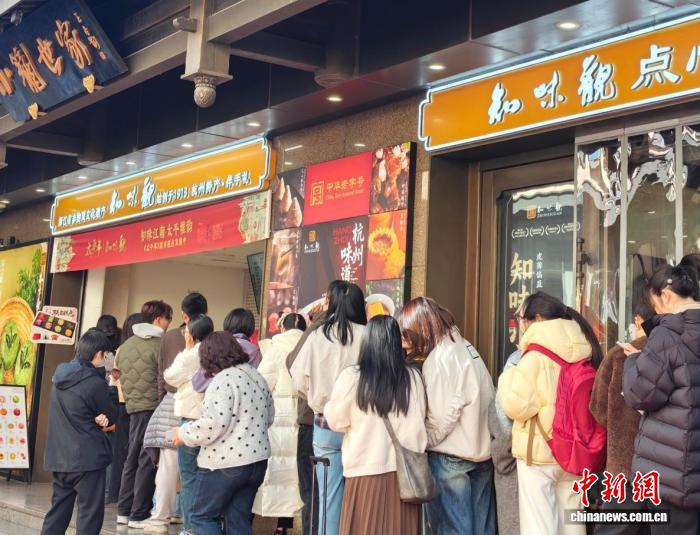
年味浓新意显 春节长假消费“马力十足”
Shang Hai Zheng Quan Bao· 2026-02-23 18:37
Core Insights - The 2026 Spring Festival holiday has seen a vibrant consumer market, with various tourism and cultural activities attracting large crowds and boosting spending [1][2][3] Group 1: Cultural and Tourism Market - The cultural tourism market has been lively, with diverse activities such as ice and snow tourism, family visits, and traditional festivals drawing significant visitor numbers [2] - Data from Meituan Travel indicates a 76% year-on-year increase in family ticket bookings, while long-distance travel preferences have risen by 70% for destinations over 300 kilometers away [2] - International tourists are also participating in the Spring Festival, with inbound travel ticket orders increasing nearly tenfold, highlighting cities like Shanghai and Beijing as popular destinations [3] Group 2: Consumer Goods Market - The Spring Festival is a peak time for purchasing goods, with various promotional activities encouraging consumer spending [4] - The Ministry of Commerce has allocated 20.5 billion yuan in subsidies during the holiday, enhancing consumer engagement through vouchers and cash incentives [4] - Sales of smart glasses and drones have surged over 100%, while sales of fruit and vegetable cleaning machines have increased more than fivefold [4] Group 3: Policy Support - Local governments are implementing various policies to stimulate consumption, such as issuing special cultural tourism vouchers and organizing numerous cultural activities [6] - In Heilongjiang, 130 million yuan in cultural tourism vouchers are planned for distribution, while Jiangsu has launched over 5,800 cultural activities during the holiday [6] Group 4: Technological Integration - The integration of AI into consumer services has become prominent, with AI-driven bookings for dining and travel seeing an 800% increase during the holiday [7] - AI ticket booking services have gained popularity, with order volumes increasing over 24 times for certain attractions [7] - The 2026 Spring Festival consumer market reflects a trend towards service-oriented consumption and cross-industry collaboration [7]