
共享单车

Search documents
共享单车自动落锁造成安全隐患 哈啰单车官方回应
Xi Niu Cai Jing· 2025-09-12 07:58
Core Viewpoint - The response from Hello Bike regarding incidents of automatic locking during rides indicates that there are no technical defects in the bike lock system, and the company has identified potential user-related causes for the incidents [1] Group 1: Technical Analysis - Hello Bike's technical team conducted a thorough investigation using user data and found no evidence of technical defects causing the automatic locking issue [1] - The bike lock design includes a specific logic that prevents locking when the speed is above 0.5 m/s, only allowing the lock to engage when the bike is at a very low speed [1] Group 2: User Behavior Insights - Two potential scenarios were identified for the automatic locking incidents: 1. Users may accidentally trigger the "return" button while riding due to friction or other reasons, leading to the bike locking [1] 2. If a previous user fails to lock the bike before leaving, the next user may inadvertently cause the bike to lock when stopping, as the previous user can still lock the bike remotely [1] Group 3: Market Implications - The safety issues related to Hello Bike's service will require ongoing market attention and scrutiny to ensure user safety and trust in the service [1]
国家卫健委:2024年我国人均预期寿命达到79岁|首席资讯日报
首席商业评论· 2025-09-12 05:13
Group 1 - In 2024, China's major sports service trade imports and exports reached 69.342 billion yuan, a year-on-year increase of 31.1% [2] - The main components of China's sports service trade include professional sports competitions, event sponsorship, copyright transactions, internet sports services, and sports tourism [2] Group 2 - Li Jiaqi has exited the shareholder list of Beijing Meiyuan Enterprise Management Co., Ltd., with the new shareholder being Bingjiling (Shanghai) Network Technology Co., Ltd. [3] - Beijing Meiyuan was established in June 2023, with a registered capital of approximately 1.01 million yuan [3] Group 3 - S&P Global's automotive analyst forecasts negative growth in global automotive production and sales starting in 2026, following a period of inventory reduction [4] - The automotive production and sales are expected to gradually reach a balance by 2027 and 2028 [4] Group 4 - The National Health Commission announced that China's per capita life expectancy is projected to reach 79 years in 2024, an increase of 1.1 years since 2020 [5] Group 5 - Hainan aims to achieve an average annual growth of 20% in cross-border e-commerce imports and exports by 2030, establishing a comprehensive service system [7] Group 6 - The China Consumers Association issued a warning regarding "study tours," highlighting issues such as low service quality and safety risks [8] - The association cautioned consumers to be vigilant against false advertising in the study tour market [8] Group 7 - Hello Bike responded to incidents of automatic locking causing user injuries, stating that no technical defects were found [9] - The company suggested that user error may have contributed to the incidents [9] Group 8 - Zhejiang Province plans to exceed 30 billion yuan in pet economy consumption by 2027 and aims for 50 billion yuan by 2030 [10] - The province seeks to become a national hub for pet economy innovation and manufacturing [10] Group 9 - The "Clear and Optimize Business Network Environment" initiative exposed cases of accounts coercing businesses for illegal benefits and distorting public information [11] Group 10 - NetEase clarified that a former COO, who left the company in 2011, is not associated with the company in any capacity since then [12] Group 11 - Xibei's founder announced intentions to sue Luo Yonghao over claims that the restaurant serves mostly pre-made dishes [13] - Consumer concerns regarding high-priced pre-made dishes continue to grow [13]


共享单车中途“罢工”致人受伤?企业回应来了!
Xin Lang Cai Jing· 2025-09-12 00:24
Group 1 - The incident of "shared bike automatic locking causing injury to a woman" has attracted widespread attention [1] - Hello Bike stated that their technical team found no abnormal automatic locking issues due to technical defects, as the lock only engages when the bike is at a standstill [1] - Hello Bike suggested that the automatic locking issue could be due to user error or previous users not properly locking the bike [1] Group 2 - Another shared bike company, Qingju Bike, also faced similar automatic locking issues, with a reported incident leading to a woman's injuries [1] - Qingju Bike speculated that the injury was not due to software issues but possibly mechanical failures like chain jamming [1] - The reliability of remote locking features in shared bikes has raised safety concerns among users, highlighting the need for third-party monitoring and technical verification [2]

刚扫的单车,没骑几分钟就“车轮抱死”,人被摔骨折,共享单车自动落锁?青桔、哈啰回应:不存在因技术缺陷导致自动落锁情况
3 6 Ke· 2025-09-11 23:55
Core Viewpoint - The frequent incidents of shared bicycle accidents due to automatic locking mechanisms have raised significant safety concerns among users, prompting major companies like Qingju and Hello to respond to allegations of technical defects in their systems [1][2][3]. Company Responses - Qingju stated that the incidents may be attributed to loose chains causing riding difficulties, denying any software-related issues [2][3]. - Hello also confirmed that their technical team found no evidence of automatic locking anomalies and emphasized that all bicycles undergo strict pre-ride inspections [2][3]. Incident Statistics - Reports indicate at least 41 incidents of automatic locking accidents involving shared bicycles over the past two years, affecting multiple platforms [1]. - A specific case involved a user suffering three fractures and soft tissue injuries, highlighting the severity of such incidents [2]. User Concerns and Industry Analysis - Users have expressed skepticism regarding the companies' self-assessments, calling for transparency in testing processes and third-party evaluations to ensure safety [3][6]. - Industry analysts suggest that the current insurance mechanisms for shared bicycles are inadequate, particularly regarding accidents caused by vehicle malfunctions, and recommend adopting a more structured insurance framework similar to that of ride-hailing services [6][7]. Regulatory Perspective - Regulatory bodies have been monitoring the shared bicycle industry, focusing on issues like pricing and safety, but further emphasis on enforcing corporate responsibility and enhancing safety measures is necessary [7]. - The industry is transitioning from rapid growth to refined operations, with a focus on improving user trust through better safety protocols and insurance mechanisms [7].
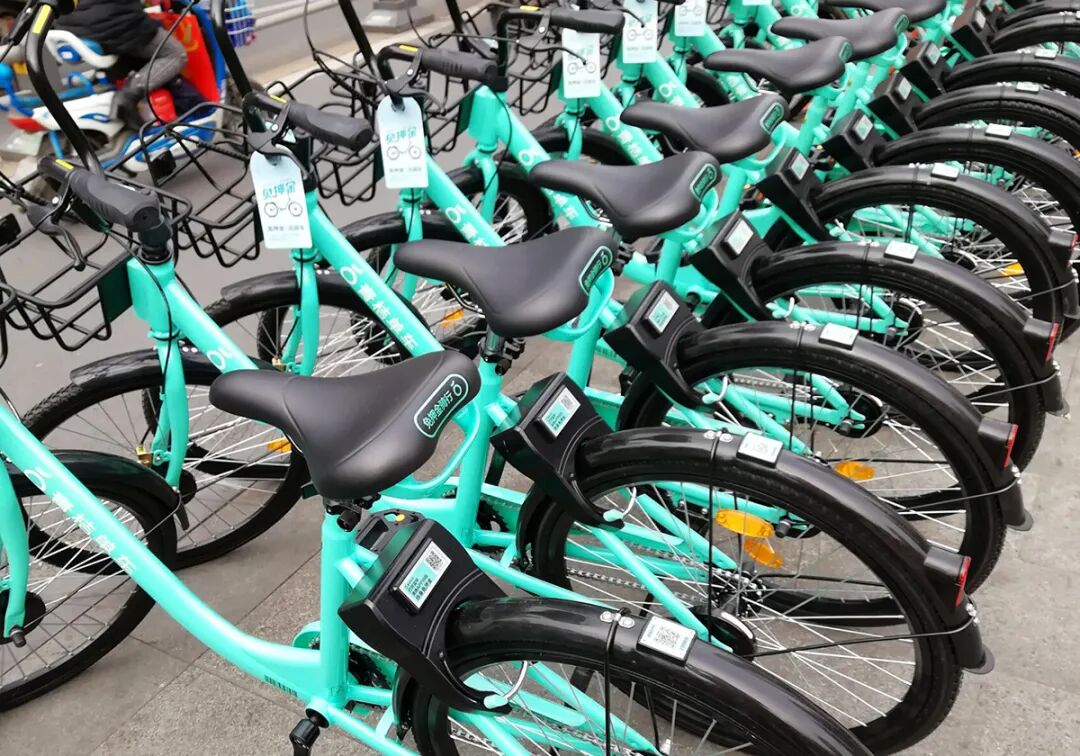
刚扫的单车没骑几分钟就“车轮抱死”,人被摔骨折,青桔、哈啰回应
Mei Ri Jing Ji Xin Wen· 2025-09-11 23:24
Core Viewpoint - The frequent incidents of automatic locking of shared bicycles have raised significant safety concerns among users, prompting major companies like Qingju and Hello to respond to allegations of technical defects while denying any responsibility for the accidents [1][3][4]. Group 1: Incident Reports - There have been at least 41 reported incidents of shared bicycles automatically locking during rides over the past two years, affecting multiple platforms [1]. - A specific case involved a user, Ms. Ma, who suffered three fractures and soft tissue injuries after an unexpected brake while riding a Qingju bicycle [3]. Group 2: Company Responses - Qingju stated that the incidents may be due to a loose chain causing riding difficulties, and they have initiated a hardware and software check on the involved bicycles [3]. - Hello also denied any technical defects, asserting that their system did not detect any anomalies related to automatic locking and emphasized that all bicycles undergo strict testing before use [4]. Group 3: User Concerns and Industry Analysis - Users have expressed skepticism regarding the companies' self-assessments, suggesting that third-party evaluations of vehicle safety should be introduced to enhance public trust [4]. - Industry analysts highlight the need for shared bicycle companies to improve product design and safety measures to mitigate risks and clarify liability in case of accidents [5][9]. Group 4: Insurance and Liability - The current insurance mechanisms for shared bicycles are seen as inadequate, particularly regarding accidents caused by vehicle defects, and there is a call to adopt a more structured insurance system similar to that of ride-hailing services [9][10]. - Recommendations include establishing a consumer protection fund by leading companies to cover damages not addressed by traditional insurance [9][10]. Group 5: Regulatory Perspective - Regulatory bodies have been monitoring the shared bicycle industry, focusing on issues like price hikes, but there is a suggestion to enhance enforcement of corporate responsibility rather than imposing new regulations [10]. - The industry is transitioning from rapid growth to refined operations, emphasizing the importance of transparency, improved insurance mechanisms, and corporate social responsibility to foster a safer riding environment [10].

共享单车行驶中车轮抱死?平台不能只回一句“推测”
Xin Lang Cai Jing· 2025-09-11 06:28
Core Viewpoint - The incident involving a shared bicycle highlights significant safety concerns regarding the technology used in these vehicles, particularly the automatic locking feature, which may pose risks to users [1][2][3] Group 1: Incident Details - A user, Ms. Ma, suffered serious injuries due to a shared bicycle's automatic locking mechanism, resulting in multiple fractures and soft tissue injuries [1] - The platform's response attributed the incident to a mechanical failure rather than a software issue, which raises doubts about the reliability of their explanation [1][2] Group 2: Public Reaction and Concerns - There have been at least 41 similar incidents reported across various cities, leading to public skepticism about the safety of shared bicycles [2] - Users have expressed concerns over the potential for software-related issues, as many bicycles are equipped with remote locking capabilities [2] Group 3: Industry Implications - The safety of shared bicycles is crucial for maintaining public trust, and any technological failures could lead to widespread reluctance to use these services [3] - The industry may need to reconsider the balance between technological innovation and user safety, potentially reverting to manual locking systems if necessary [3]
8点1氪丨多家电信运营商回应eSIM手机业务;三星手机美国账号嘲讽iPhone 17系列;施华蔻“处女发质”翻译陷辱女争议
3 6 Ke· 2025-09-11 00:06
Group 1 - Wahaha's subsidiaries have recently changed their names to Hongsheng [6] - Apple has launched the iPhone 17 series and iPhone Air, with prices ranging from 5999 to 17999 yuan [9] - The iPhone 17 Pro features the new A19 Pro chip, achieving significant performance improvements over the previous generation [18][19] Group 2 - China Telecom and China Unicom are preparing to launch eSIM services, supported by the new iPhone Air [1][2] - Xiaomi's president predicts that this year will see significant changes in smartphone design and functionality [10] - Suning.com plans to sell 12 subsidiaries of Carrefour China for 1 yuan each, potentially increasing net profit by approximately 3.83 billion yuan [8] Group 3 - The short drama industry in China is expected to reach a market size of 10 billion USD as it expands globally [10] - Neuralink has successfully implanted brain chips in 12 individuals as part of its trials [11] - Nvidia has announced a new GPU designed for AI workloads, enhancing efficiency for applications requiring long context windows [11]

8点1氪:多家电信运营商回应eSIM手机业务;三星手机美国账号嘲讽iPhone 17系列;施华蔻“处女发质”翻译陷辱女争议
36氪· 2025-09-10 23:54
Group 1 - The core point of the article is the upcoming launch of eSIM services by major Chinese telecom operators, including China Unicom, China Telecom, and China Mobile, following Apple's introduction of the iPhone Air, which exclusively supports eSIM [5][7]. - China Telecom has stated that its eSIM mobile service is fully prepared and will soon be available to users after receiving official approval from the Ministry of Industry and Information Technology [5][7]. - China Mobile has also submitted an application for eSIM services and is expected to provide these services once it receives approval [7]. Group 2 - The iPhone Air, launched during Apple's fall event, is noted for being the lightest iPhone ever and features a dual eSIM card design, emphasizing the shift towards eSIM technology [5]. - The iPhone 17 series, including the iPhone 17 Pro, has been released with significant performance upgrades, particularly with the new A19 Pro chip, which surpasses the previous generation in both single-core and multi-core performance [25][26]. - The global market for short dramas from China is projected to reach a scale of $10 billion, with significant growth in overseas applications and downloads [15].

自动驾驶汽车未来增长的三重想象
经济观察报· 2025-08-27 11:57
Core Viewpoint - The rise of autonomous driving technology is expected to fundamentally reshape the automotive industry, creating new industries, business models, and economic forms, while also significantly impacting traditional sectors such as taxi and private car services [1][2][13]. Group 1: Impact on the Automotive Industry - Autonomous driving technology is predicted to disrupt various aspects of the automotive industry, including manufacturing, sales, operations, maintenance, and insurance, with the taxi industry being the first to experience these changes [8]. - By 2030, the global market for autonomous vehicles is projected to reach $200 billion, with autonomous vehicles expected to account for 28% of total car sales [5]. - The adoption of autonomous vehicles is anticipated to reduce the need for personal car ownership, as shared autonomous vehicles will provide more efficient and cost-effective transportation options [9][10]. Group 2: New Growth Points - The advent of autonomous driving will lead to an upgrade in in-car services, as passengers will have more free time during their journeys, creating opportunities for monetizing attention through advertising and entertainment [15]. - The logistics and delivery sectors are expected to see significant growth due to the efficiency gains from autonomous vehicles, with companies like Cainiao planning to deploy thousands of autonomous delivery vehicles [16]. - The rise of autonomous driving will necessitate the development of new infrastructure, such as smart roads and charging stations, driven by both government investment and private sector initiatives [17][18].

武汉三部门约谈哈啰 未及时整改”一码多车”与超量投放
Zhong Guo Jing Ji Wang· 2025-08-15 06:40
Core Viewpoint - Wuhan city is implementing strict regulations on shared bicycles to address issues of over-deployment and misuse of QR codes, aiming to enhance operational compliance and service quality in the sector [1][2]. Group 1: Regulatory Actions - Wuhan's Urban Management Enforcement Committee, in collaboration with the Transportation Bureau and Traffic Management Bureau, held a meeting to discuss shared bicycle regulations [1]. - A special rectification action has been initiated, resulting in the recovery of over 100,000 illegally deployed bicycles, raising the compliance rate of shared bicycle operations in the city to over 99% [1]. Group 2: Company Specifics - Wuhan Hahao Network Technology Co., Ltd., the operator of Hahao bicycles, was found to have serious issues with "one code multiple vehicles" and illegal over-deployment [1]. - Despite receiving written reminders for rectification, the company failed to address the issues effectively, leading to a formal meeting where company representatives committed to accelerating the recovery of excess bicycles and eliminating the misuse of QR codes [1][2]. Group 3: Future Management Strategies - The Urban Management Enforcement Committee plans to enhance management by implementing a zoning and grading system, aiming to achieve a 90% "in-frame rate" for bicycle parking in key areas [2]. - Continuous order control will be enforced, with a target to keep the over-deployment rate within 1%, while encouraging public participation in maintaining bicycle order [2]. - A penalty mechanism for improper parking will be established, with fines collected from violators being used to reward "civilized riders" [2].