滑雪

Search documents
市政府主要领导会见王巍、刘二飞、张鸿俊等企业家
Xin Lang Cai Jing· 2026-01-08 12:50
Group 1 - The Longcheng government is actively engaging with well-known entrepreneurs to promote industrial integration with capital and finance, aiming to enhance the industrial chain and ecosystem for urban development [1] - Experts at the mergers and acquisitions training session provided in-depth guidance on the entire acquisition process, advantageous industry path design, and operation of industrial funds, tailored to the actual development of Longcheng [1] - Entrepreneurs expressed their commitment to resource integration and exploring cooperation models to promote the development of the biopharmaceutical industry cluster in Longcheng [1] Group 2 - Entrepreneurs recognized the unique ice and snow resources in Longcheng and the vast market potential of the ice and snow industry [2] - Discussions focused on technological innovation in ice and snow equipment and collaboration across the industry chain, with a commitment to actively participate in the development of the ice and snow equipment industry in Longcheng [2]
滑雪产业升级 如何跨越雪崩困扰?
Xin Hua She· 2025-12-26 02:37
Core Viewpoint - The recent avalanche incident at the Xinjiang Heimu Jikeplin ski resort highlights the emerging risks faced by China's high-quality ski resorts, necessitating a collective effort from skiers and industry professionals to understand and mitigate avalanche risks [1] Group 1: Avalanche Risks in Skiing - The Jikeplin ski resort, characterized by its significant vertical drop and natural snowfall, represents a new type of "big mountain" ski area in China, which is more prone to avalanches compared to traditional ski resorts that rely on artificial snow and closed trails [2] - Avalanches typically occur on slopes with angles between 27 and 40 degrees, which are favored by advanced skiers and are common in high-end ski resort locations [2] - Increased human activity in mountainous areas, such as skiing, can disturb snow layers and trigger avalanches, raising the risk of such incidents [2] Group 2: Safety Regulations and Compliance - Skiers must adhere to safety regulations, especially in avalanche risk zones, and should possess adequate skills and emergency equipment when skiing outside designated trails [4] - The Jikeplin ski resort has established rules requiring skiers to carry avalanche beacons, shovels, and probes when skiing in allowed off-trail areas, yet some skiers involved in the avalanche did not comply with these requirements [4][6] - There is a significant gap between existing safety regulations and skier compliance, as many skiers lack the necessary preparation and knowledge to navigate high-risk areas safely [5][6] Group 3: Cultural and Educational Aspects - The culture surrounding skiing in China often encourages risky behavior, with social media amplifying the allure of skiing in prohibited areas, leading to increased accidents [7] - Education and awareness about avalanche safety are crucial for fostering a responsible skiing culture, with initiatives aimed at enhancing public understanding of avalanche risks and safety measures [7][8] - Training programs for avalanche awareness and rescue skills are being developed to improve the overall safety of skiers in China [8] Group 4: Avalanche Management and Technology - The current method of avalanche management at Jikeplin relies heavily on manual triggering, which is inefficient and poses risks to personnel [10] - Advanced technologies, such as avalanche cannons used in European ski resorts, could significantly improve avalanche control and safety measures [10] - Establishing regional avalanche monitoring and rapid response systems in areas rich in powder snow is essential for enhancing safety and managing risks effectively [11][12]
苏翊鸣夸赞全红婵有滑雪天赋 公开邀约滑雪 想尝试一下跳水
Bei Jing Ri Bao Ke Hu Duan· 2025-12-02 13:09
Core Viewpoint - The upcoming FIS Snowboard and Freestyle Skiing Big Air World Cup in Beijing is highlighted, with Chinese athlete Su Yiming expressing his emotional connection to the venue, which he considers a place of significant achievement for his Olympic dreams [1][3]. Group 1: Event Details - The World Cup event will take place from December 4 to 6 at the Shougang "Snow Flying Sky" venue in Beijing [1]. - Su Yiming, who recently won the championship at the Chongli station, aims to showcase his best performance during the competition [1][3]. Group 2: Athlete Insights - Su Yiming feels a unique sense of safety and confidence at the "Snow Flying Sky" venue, allowing him to attempt more difficult maneuvers [3]. - He expressed pride in winning alongside teammate Ge Chunyu at the Chongli Yunding station, emphasizing the rapid progress of Chinese snowboarding [3]. - Su Yiming's goals for the upcoming competition include improving in areas such as difficulty, stability, and execution, laying a strong foundation for the future Milan Winter Olympics [3][4]. Group 3: Cross-Sport Interaction - Su Yiming commented on the cross-discipline interaction with diver Quan Hongchan, praising her talent in learning snowboarding quickly and expressing a willingness to collaborate in the future [3]. - He humorously mentioned his interest in trying diving to experience different sports [3]. Group 4: Audience Engagement - Su Yiming invited more spectators to attend the event and support Chinese snowboarding, wishing all athletes a safe and enjoyable competition [3].


新雪季开启!影像见证中国滑雪“华丽转身”
Xin Hua She· 2025-11-23 07:38
Core Viewpoint - The skiing season in China is officially opened with the event held in Jilin Province, marking a significant moment for the popularization of skiing as a national sport [1][5]. Industry Development - The skiing industry in China has evolved from a niche activity to a mainstream sport, with over 26 million people participating in skiing during the 2024-2025 season [5][30]. - The successful hosting of the 2022 Beijing Winter Olympics has significantly boosted public interest and participation in winter sports [5][26]. Historical Context - Jilin Province is recognized as one of the earliest regions in China to develop winter sports, hosting the first national skiing competition in 1957 and producing the country's first skiing champion [14][18]. - The establishment of the first skiing school in China in 1989 in Jilin further contributed to the development of skiing talent in the country [18]. Current Trends - The number of indoor and outdoor ski resorts across China is increasing, making skiing accessible to a broader audience beyond the northern regions [34][40]. - The variety of skiing activities has expanded, with new forms of skiing such as freestyle and terrain park skiing gaining popularity [30][31]. Future Outlook - The goal of having 300 million people participate in ice and snow sports is becoming a reality, reflecting the growing enthusiasm for winter sports in China [30].
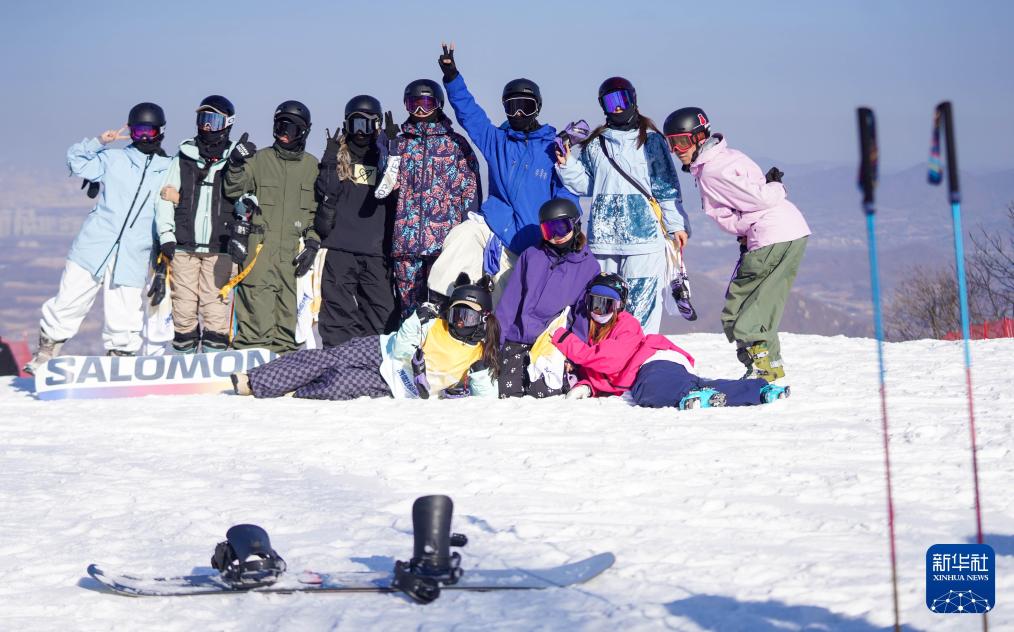
时光相册丨新雪季开启!影像见证中国滑雪“华丽转身”
Xin Hua She· 2025-11-23 07:02
Core Viewpoint - The winter sports season in Jilin Province has officially commenced, highlighting the growing popularity of skiing as a national pastime in China, transitioning from a niche sport to a mainstream activity [1][5][12]. Group 1: Industry Growth - The number of skiers in China is projected to exceed 26 million during the 2024-2025 snow season, indicating a significant increase in participation [5]. - The successful hosting of the 2022 Beijing Winter Olympics has catalyzed interest in winter sports, contributing to the rise of skiing as a popular recreational activity [5][23]. - Jilin Province is recognized as one of the earliest regions in China to develop winter sports, hosting the first national skiing competition in New China [12][20]. Group 2: Historical Context - The first national skiing competition in New China took place in February 1957 in Tonghua, Jilin Province, marking the beginning of organized skiing in the country [6][12]. - Jilin Province has produced notable skiing talents, including the first skiing champion of New China, Shan Zhaojian, and has been a training ground for early Winter Olympic athletes [12][15]. - The establishment of the first skiing school in China in 1989 in Jilin City further solidified the province's role in developing skiing talent [15]. Group 3: Infrastructure and Accessibility - The number of indoor and outdoor ski resorts across China is continuously increasing, enhancing accessibility to skiing for a broader audience [31]. - Facilities are being improved to accommodate the growing interest in skiing, making it a more accessible winter sport for people across the country [31][36]. - Events and activities, such as the national skiing challenge and various skiing festivals, are being organized to promote skiing culture and participation [23][28].
为什么滑雪的人很多,雪场还不赚钱?
Xin Jing Bao· 2025-11-20 00:11
Core Insights - The skiing market in China is experiencing significant growth, with the number of ski visits expected to reach a historical high of 26.05 million in the 2024-2025 season, driven by increased interest post the Beijing Winter Olympics [8][12] - Despite the growth in participation, the skiing market has not yet developed a stable consumer base, with a penetration rate of only 0.85%, compared to over 10% in countries like the US and Japan [12][14] - The ski industry is currently characterized by a price war among ski resorts, leading to significant price reductions for lift tickets, with some prices dropping to as low as 19.9 yuan [15][18] Market Dynamics - The majority of skiers in China are casual participants, primarily seeking a tourism experience rather than developing a long-term skiing habit [10][12] - The ski resorts are facing challenges in positioning themselves, with some targeting high-end consumers while others aim for budget-friendly options, leading to operational difficulties [14][28] - The rapid increase in the number of ski resorts, from 524 in 2018 to 914 in 2024, has intensified competition, with an annual compound growth rate of 9.8% [26][28] Consumer Spending - A significant portion of new skiers start with low-cost options, with nearly one-third spending less than 1,000 yuan annually on skiing [18][20] - However, the total cost of skiing can be substantial when considering additional expenses such as equipment, clothing, transportation, and lessons, with many enthusiasts spending over 10,000 yuan annually [25][23] - The average cost for a single skiing trip, including transportation and accommodation, is estimated to exceed 1,000 yuan, especially for those opting for premium resorts or hiring instructors [20][25] Industry Challenges - Ski resorts face high operational costs, often exceeding 100 million yuan annually, with a limited operational window of 3 to 5 months each year [26][28] - The current trend of aggressive pricing strategies is leading to a "low price, low quality" cycle, making it difficult for resorts to maintain profitability [29] - There is a concern that the rapid expansion of ski resorts may lead to many smaller resorts becoming unsustainable, similar to trends observed in Japan's ski industry [28][29]
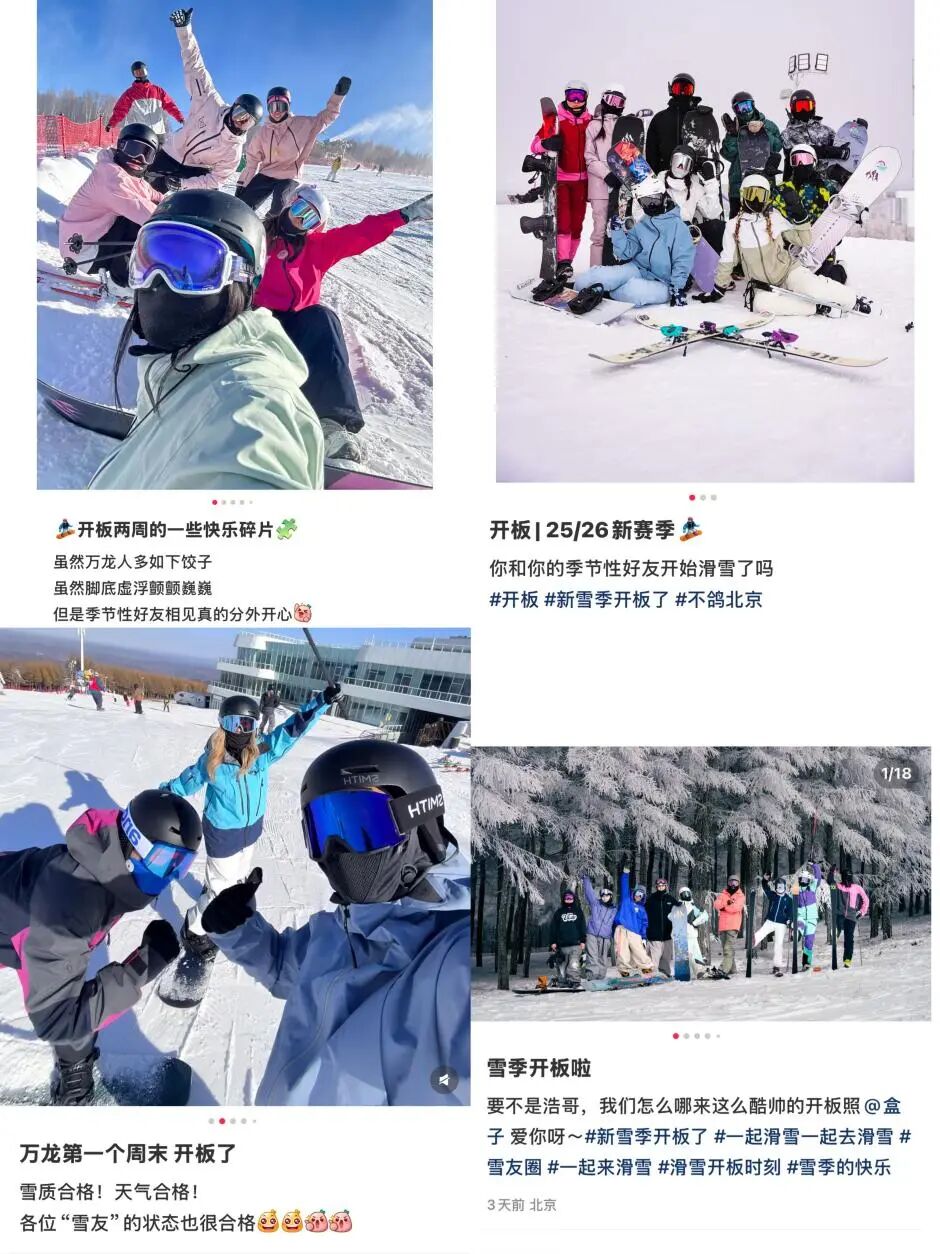
为什么滑雪的人很多 雪场还不赚钱?
Xin Jing Bao· 2025-11-19 23:59
Core Insights - The skiing market in China is experiencing a surge in popularity, with the number of ski visits expected to reach a record high of 26.05 million in the 2024-2025 season, driven by the enthusiasm generated post the Beijing Winter Olympics [2][6] - Despite the growth in skier numbers, the majority are casual tourists or beginners, leading to a low penetration rate of only 0.85% in China compared to over 10% in countries like the US and Japan [6][8] - The skiing industry in China is currently characterized by a price war among ski resorts, with ticket prices dropping significantly, making skiing appear affordable for many [10][13] Market Dynamics - The number of ski resorts in China has increased from 524 in 2018 to 914 in 2024, with an annual compound growth rate of 9.8%, intensifying competition in the market [21][23] - Many ski resorts are struggling to maintain profitability due to high operational costs, which can exceed 100 million yuan annually, and a short operational season of 3 to 5 months [21][23] - The current market is divided between high-end and budget ski resorts, with many resorts failing to find a clear positioning, leading to operational challenges [8][21] Consumer Behavior - A significant portion of new skiers start with low-cost options, with nearly one-third spending less than 1,000 yuan annually on skiing, primarily judging the sport's affordability based on ticket prices [13][15] - Hidden costs associated with skiing, such as equipment, clothing, transportation, and lessons, often lead to a much higher total expenditure, with many enthusiasts spending over 10,000 yuan annually [15][17] - The trend of "cheap skiing" is prevalent, but many consumers overlook the cumulative costs that can make skiing an expensive hobby [15][19] Industry Challenges - The rapid expansion of ski resorts has led to concerns about quality and sustainability, with many resorts facing the risk of closure or underutilization due to poor planning and excessive competition [23] - The industry is currently experiencing a "low price, low quality" cycle, where resorts attract customers with low prices but struggle to provide adequate services, leading to dissatisfaction among skiers [23][24] - The long-term success of the skiing market in China hinges on transforming casual visitors into dedicated enthusiasts, fostering a culture of sustained participation in the sport [24]
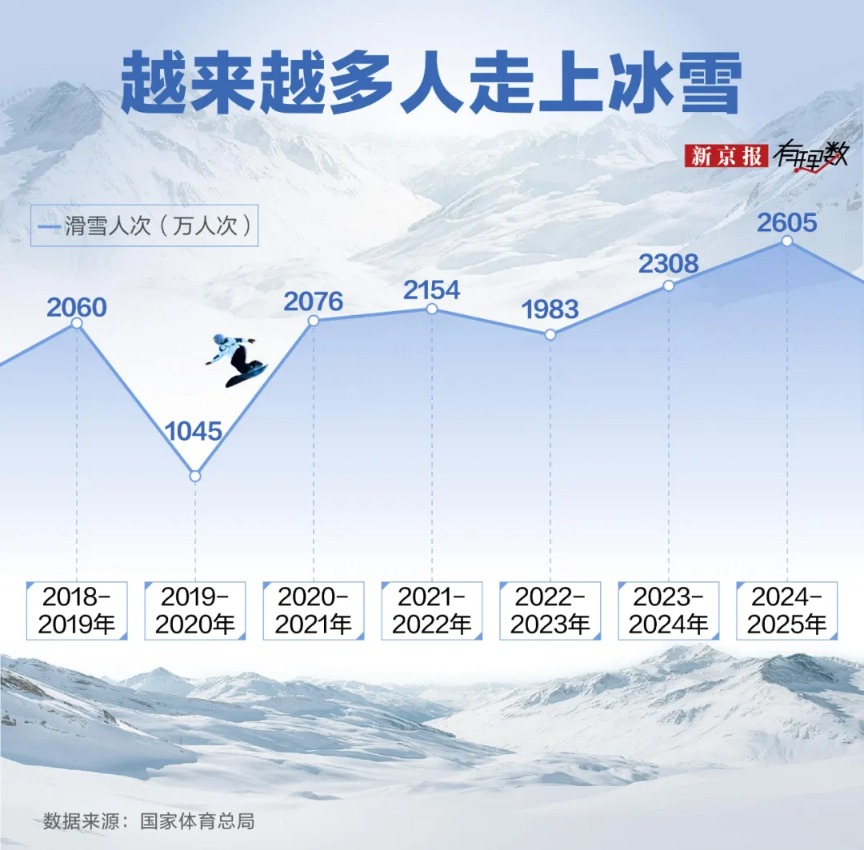
中国滑雪人次达2605万的背后:这两大趋势正愈演愈烈
3 6 Ke· 2025-09-04 00:51
Core Insights - The Chinese skiing industry has shown a significant recovery and growth, with the number of skiing participants reaching 26.05 million in the 2024-2025 season, marking a 12.9% year-on-year increase, and surpassing the pre-Winter Olympics peak of 1.91 times per person [3][7][10] - The market is experiencing a structural shift, with indoor ski resorts becoming the mainstay of the skiing market, while outdoor ski resorts are seeing increased concentration and growth in destination ski resorts, particularly in Jilin and Xinjiang [3][5][12] Market Performance - The total number of operational ski resorts in China is 748, with 66 indoor and 682 outdoor resorts, reflecting a mild expansion trend [5][20] - The total number of ski resorts decreased from 935 to 914, indicating a market consolidation where smaller, less efficient resorts are being eliminated [5][20] - Jilin province leads in skiing participants with 3.763 million, followed by Hebei and Xinjiang, with respective figures of 3.19 million and 2.47 million [8][10] Indoor Skiing Growth - Indoor ski resorts have expanded rapidly, with the number increasing from 5 in 2013 to 66 in 2024, accounting for 8.82% of all operational ski resorts [16][19] - Indoor ski resorts generated 5.63 million skiing participants, representing 21.61% of the total skiing population, highlighting their growing importance in the market [16][20] Regional Distribution - The top five provinces for skiing participants are Jilin, Hebei, Xinjiang, Heilongjiang, and Beijing, with Jilin showing a 23.7% increase year-on-year [8][11] - Beijing is the only province showing a decline in skiing participants, attributed to the post-Winter Olympics market adjustment and increased competition from surrounding provinces [10][11] User Demographics - The skiing user base is becoming younger, with a significant increase in the popularity of snowboarding among individuals aged 20-35 [28][30] - A substantial portion of users (25%) ski only once per season, indicating that skiing remains an experiential activity for many [30][31] Infrastructure and Capacity - The number of ski lifts has increased to 365, with 12 new lifts added, but the overall capacity and efficiency of ski resorts still need improvement to meet growing demand [25][27] - The majority of ski resorts have a vertical drop of less than 100 meters, which limits their appeal compared to larger resorts [23][24] Future Outlook - The southern regions of China are seeing a rise in indoor ski resorts, driven by demand and investment, but the challenge remains in promoting a comprehensive ice and snow culture [33][34] - The skiing market in China is expected to continue evolving, with a focus on enhancing user experience and expanding infrastructure to support the growing number of participants [27][34]
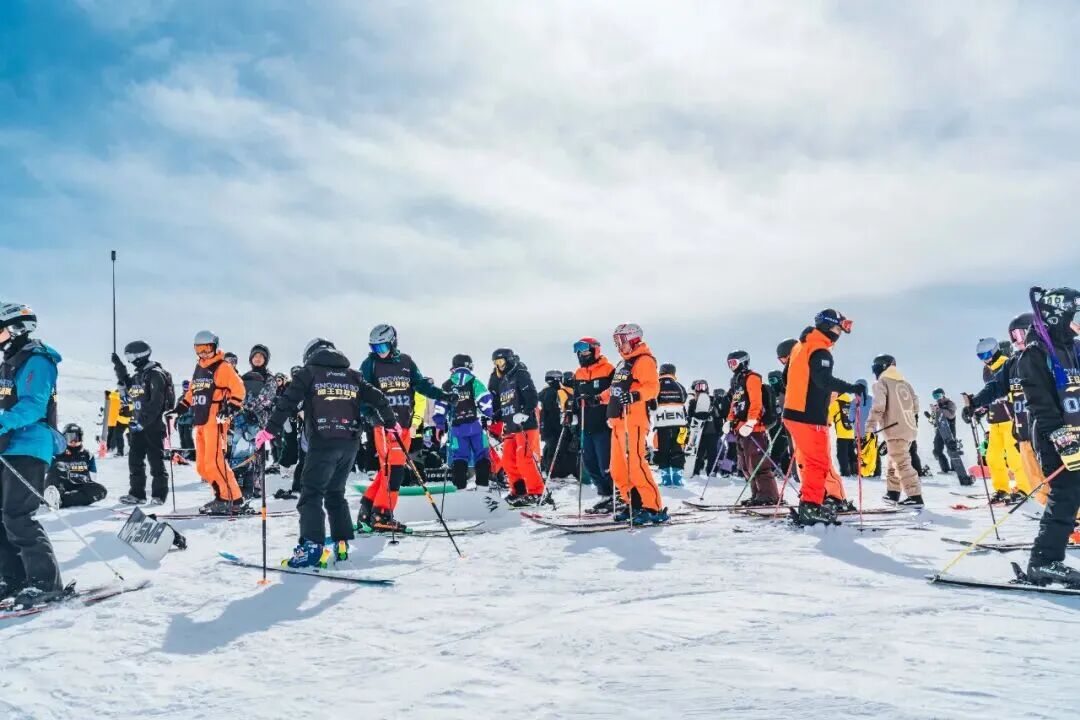
真金白银促消费,延庆兑现581万元融合发展奖励
Sou Hu Cai Jing· 2025-08-16 02:15
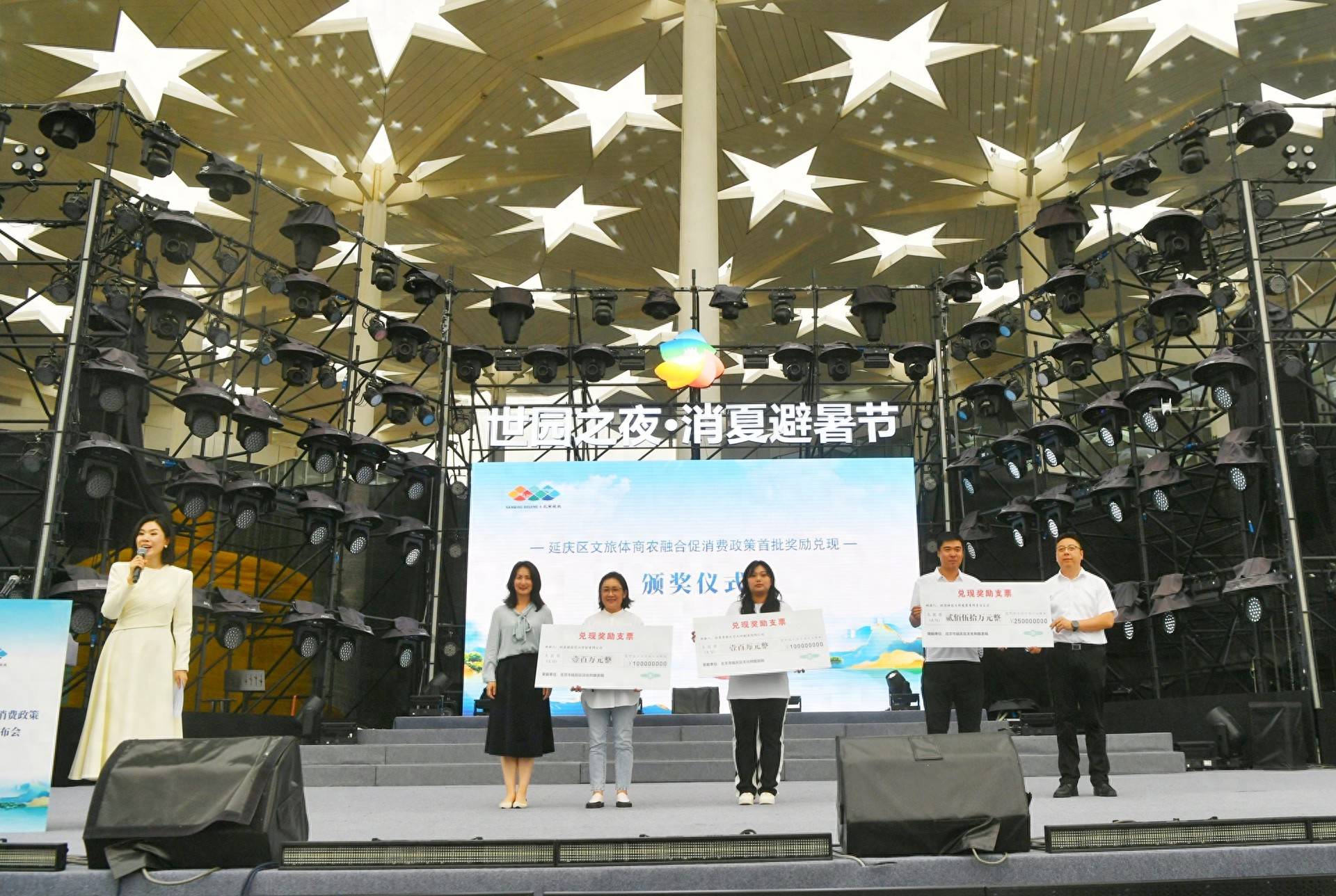
Group 1 - The event held on August 15 in Beijing's Yanqing District announced the first batch of policy rewards totaling over 5.81 million yuan to 15 enterprises, aimed at stimulating market innovation [1] - The policy, introduced in June, focuses on high-quality development in the tourism and cultural sectors, particularly in areas like MICE tourism, cultural performances, and the skiing industry [1][2] - The reward system includes a maximum of 2.5 million yuan for companies launching new cultural consumption activities, with a "non-application" approach for eligible entities to receive funding support [1] Group 2 - The policy has reportedly driven nearly 250 million yuan in consumption, with the district receiving 10.56 million visitors and generating a total tourism expenditure of 6.38 billion yuan in the first half of the year [4] - Companies like Beijing Garden Cultural Development Co. and Beijing Modern Sky Cultural Development Co. are leveraging the policy to enhance their offerings, including high-quality music festivals and improved skiing experiences [2]
中产「三宝」,集体崩盘
创业邦· 2025-07-29 10:14
Core Viewpoint - The article discusses the rapid changes in consumer preferences among the middle class in China, particularly regarding outdoor activities such as camping, cycling, and skiing, highlighting a shift from enthusiasm to disillusionment and the impact on related industries [3][5][12]. Group 1: Changing Consumer Preferences - The once-popular outdoor activities, referred to as the "three treasures" of the middle class, have seen a decline in interest, with social media reflecting a shift from promotion to liquidation of related gear [5][6]. - The middle class's preferences are volatile, with trends rapidly changing from traditional sports to newer activities like camping and cycling, which were once seen as symbols of a refined lifestyle [7][12]. - Data from the China Bicycle Association indicates a 15.1% year-on-year increase in the production of mid-to-high-end bicycles priced over 1,000 yuan in 2023, reflecting a brief surge in interest before a downturn [9]. Group 2: Industry Impact - The skiing industry, influenced by the Winter Olympics, saw a significant increase in participation, with a 209% rise in ski ticket orders in early November 2023 compared to 2019 [9][11]. - However, the skiing market is experiencing a downturn, with many brands reporting sales declines of 30%-50% and some even halting operations due to excess inventory [17][19]. - The camping industry, which thrived during the pandemic, is now facing challenges as many businesses are unable to sustain operations, leading to closures and a significant drop in consumer interest [21][22]. Group 3: Economic Factors - The article notes a shift in consumer behavior towards cost-effectiveness, with middle-class individuals prioritizing budget-friendly options over luxury experiences, leading to a decline in spending on outdoor activities [24][26]. - The economic environment has changed, with individuals now more focused on finding discounts and deals, contrasting sharply with previous years of carefree spending [25][26]. - The article emphasizes that the outdoor industry is facing a "survival of the fittest" scenario, where only those with deep industry knowledge and experience will thrive amid the changing landscape [30][31].