美发

Search documents
聚焦“品质生活” 老字号和知名品牌精品展位亮相钟鼓楼广场
Sou Hu Cai Jing· 2025-10-27 01:21
Core Insights - The event "Quality Life・Zijin Selection - Dongcheng State-owned Enterprises Quality Consumption" aims to promote the national strategy of expanding domestic demand and upgrading consumption, showcasing the capabilities of state-owned enterprises in enhancing public welfare and driving regional economic growth [1] Group 1: Event Overview - The event was held on October 26 at the Bell and Drum Tower Cultural Square, organized by multiple local government bodies and Beijing Dongcheng Cultural Tourism Group [1] - It featured an innovative model combining brand display, immersive experiences, and consumer benefits, highlighting the strength of state-owned brands and the innovation of time-honored brands [1] Group 2: Consumer Engagement - The event targeted diverse consumer needs with 17 premium exhibition booths, covering traditional brands, fashionable lifestyle products, and cultural tourism [2] - The venue is part of the "Walking Andingmen" project, which aims to create a unique district that integrates cultural experiences, commercial consumption, and leisure tourism [2] Group 3: Exhibition Highlights - The event showcased a blend of traditional craftsmanship and modern aesthetics, with products from various time-honored brands appealing to different consumer demographics [3] - The fashion lifestyle section featured products that resonate with younger consumers, expanding the audience for state-owned brands [3] - The cultural tourism and specialty products section emphasized regional collaboration, introducing high-quality resources from partner regions [3] Group 4: Future Prospects - This event serves as a pilot for the "Walking Andingmen" project, demonstrating the feasibility of integrating culture, commerce, and tourism [4] - Future initiatives will focus on deepening the project and creating engaging experiences for citizens, enhancing the vitality of cultural and commercial integration in the region [4] - State-owned enterprises in Dongcheng will continue to innovate and develop impactful consumer IP activities, aligning with urban culture and public needs to drive high-quality economic development [4]
购物前的必修课:消费避坑全攻略
Xin Lang Cai Jing· 2025-10-22 00:10
Core Insights - The rise of online shopping and prepaid services has led consumers to face risks such as "low-price traps" and "refund difficulties" [1] - Consumers are encouraged to identify risks before payment by examining complaint records and user feedback [1] Group 1: Consumer Awareness - Promotional activities often contain hidden conditions, such as "no returns or exchanges" and "limited to specific products," making it difficult for consumers to claim their rights after purchase [2] - Consumers should take time to review past price changes and promotional records to avoid being misled by marketing tactics [2] - Platforms like "Black Cat Complaints" serve as a "risk map" for consumers, allowing them to check recent complaint types and resolutions for brands [2] Group 2: Importance of Complaint Data - The accumulation of service reputation data on platforms like Black Cat Complaints helps consumers make informed choices before shopping [3] - High complaint volumes regarding issues like "difficult refunds" indicate weaknesses in a company's after-sales service [2][3] Group 3: Real Feedback vs. Advertising - Real user experiences, often found in complaint sections, provide more reliable insights than polished advertisements [4] - Consumers are advised to cross-verify information from multiple sources, including complaint platforms and social media discussions, to form a comprehensive view of a brand [4] Group 4: Sector-Specific Risks - Different consumption scenarios, such as fitness and education services, have unique risks that consumers should be aware of, including prepaid traps and vague terms [5] - Checking typical cases on complaint platforms can help consumers identify potential risks before making decisions [5] Group 5: Conclusion on Rational Consumption - Rational consumption is based on transparent information, where checking complaints and feedback serves as a proactive defense for consumers [6] - The existence of platforms like Black Cat Complaints enhances consumer protection and encourages companies to prioritize service and integrity [6]
第三届全国职业技能大赛闭幕 上海选手获9金5银3铜72优胜奖 稳居全国第一方阵
Jie Fang Ri Bao· 2025-09-24 02:04
Core Viewpoint - The third National Vocational Skills Competition concluded in Zhengzhou, Henan, with Shanghai participants achieving outstanding results, securing 9 gold, 5 silver, 3 bronze, and 72 excellence awards, maintaining a leading position nationally [1] Group 1: Performance Overview - Shanghai sent 118 competitors, including 2 representatives from local industries, to participate in all 106 competition projects [1] - Over three days of competition, more than three-quarters of Shanghai's participants won awards, with the total number of gold medals and awards remaining at the forefront nationally [1] Group 2: Industry-Specific Achievements - Shanghai competitors excelled in key industry projects related to the city's "3+6" key industries and the "Five Centers" construction [1] - Notable achievements include winning gold in the newly added smart security technology project that integrates artificial intelligence and information technology [1] - In the automotive sector, the body repair project achieved a "three-peat" championship, while the health and social care project in the life health industry also secured top honors [1] - The floral and hairdressing projects in the fashion consumption industry won both gold and silver medals, showcasing the city's strengths [1] Group 3: Strategic Development Outcomes - Shanghai's logistics and freight forwarding project achieved a national "three-peat" championship [1] - Additional gold medals were awarded in the multimedia operations and 3D digital game art projects, along with a silver medal in jewelry processing, reflecting Shanghai's strategic goals in developing a high-quality internet content creation hub and an international digital capital [1]
从剪接烫染发到复原《大闹天宫》:北京“手艺人”征战全国大赛
Xin Jing Bao· 2025-09-21 23:06
Group 1 - The third National Skills Competition will be held from September 19 to 23 in Zhengzhou, Henan, featuring 106 competition projects with 3,420 contestants and 3,275 judges from across the country [1] - The Beijing delegation includes 105 contestants competing in 96 projects such as hairdressing, graphic design, and traditional Chinese pastry [1] - The event showcases both advanced technology and traditional craftsmanship, including the revival of a 20-year-lost animation production technique and demonstrations of robotics and traditional glass-making skills [1][4][6] Group 2 - The hairdressing competition consists of seven modules over three days, testing various skills such as cutting, coloring, and styling, aligning with international standards [2] - Young contestants, particularly those born after 2000, make up over 60% of the participants, indicating a trend of increasing youth involvement in skilled trades [3] - The competition features innovative technologies like a hydrogen-powered robot dog capable of navigating complex terrains and an AI examination system that can recognize over 40 dialects with 99% accuracy [4][5] Group 3 - The event includes a showcase of 40 selected traditional skills and crafts, highlighting the importance of preserving cultural heritage [6] - The revival of the cel animation technique, once a dominant method in animation production, is being led by a team from Beijing, emphasizing the educational value and craftsmanship involved [7][8]
近70万家理发店倒闭!刚需却难活,是行业走偏还是消费者变了?
Sou Hu Cai Jing· 2025-09-21 15:55
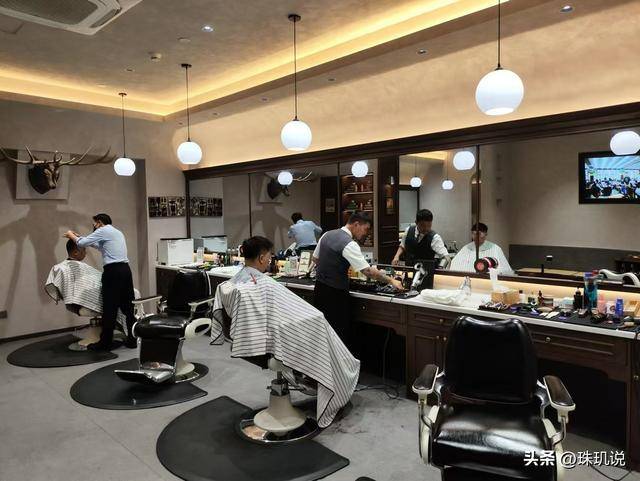
Core Insights - The hairdressing industry, despite being a high-frequency necessity, is facing a significant wave of closures, with nearly 700,000 shops disappearing and over 180,000 shutting down since 2022 [3][19] - The current state of hair salons is characterized by a lack of customer connection, confusing pricing structures, and a decline in service quality, leading to customer dissatisfaction [5][21][24] Industry Overview - The hairdressing sector saw explosive growth from 2018 to 2021, with an annual increase of approximately 176,000 new shops, peaking at 1.144 million total establishments [17][19] - However, this growth was unsustainable, resulting in a closure rate that has surpassed 700,000 shops over a few years [19] Pricing and Service Quality - The pricing structure in salons has escalated dramatically, with average prices in first- and second-tier cities exceeding 260 yuan, and top salons in Shenzhen averaging 775 yuan per visit [21][22] - Despite the high prices, service quality has not improved correspondingly, leading to widespread customer complaints about miscommunication and unsatisfactory results [21][24][26] Challenges Faced by Salons - Salons are caught in a dilemma of needing to raise prices to cover costs (which can account for 55%-70% of expenses) while fearing loss of customers due to perceived high costs [31][33] - Many salons resort to deceptive practices, such as low initial pricing to attract customers, only to upsell additional services at inflated prices [36][38] Consumer Behavior and Market Trends - Consumer trust has eroded due to frequent complaints about service quality and hidden costs, leading to a decrease in repeat business [40][44] - Some consumers are opting for DIY haircuts at home, reflecting a shift in behavior as they seek to avoid the pitfalls of traditional salons [50] Future Outlook - The future of the hairdressing industry may depend on a return to basics, focusing on skill, transparent pricing, and genuine customer service rather than gimmicks and upselling [52][54] - Successful models emerging in the industry emphasize understanding customer needs and providing straightforward, quality service without unnecessary complications [46][52]

全球巨头投了15亿级“韩版沙宣”
3 6 Ke· 2025-09-04 10:28
Core Insights - Blackstone has announced an investment agreement with JUNO, a leading high-end hair care company in South Korea, which is expected to achieve sales revenue of over 1.5 billion yuan in 2024 [1][3] - The investment is estimated to value JUNO at approximately 800 billion Korean won (around 4.16 billion yuan), potentially marking the largest investment in the South Korean hairdressing industry this year [3][11] - JUNO's unique business model, which includes a salon chain, high-end hair product line, and hair education training, has attracted significant international capital [3][9] Company Overview - JUNO, established in 1982, operates over 180 salons and employs more than 3,000 staff, consistently ranking first in the Korean industry brand influence index for beauty salons for the past decade [3][9] - The company has three main business segments: Juno Hair (salon chain), Tria Milia (high-end hair products), and Juno ACADEMY (hair education) [3][9] - JUNO's strategy focuses on 100% self-operated salons to maintain quality and standards, which has resulted in a solid reputation despite slower expansion [3][9] Investment Rationale - Blackstone's investment is part of its strategy to capitalize on the growing global demand for K-beauty and to support JUNO's international expansion [7][11] - The partnership is expected to leverage Blackstone's global resources to enhance JUNO's market presence and operational capabilities [9][11] - Blackstone's investment in JUNO is its fourth private equity investment in South Korea, indicating a commitment to creating long-term value with leading industry players [8][9] Market Trends - The K-beauty sector is experiencing a surge, with South Korea's beauty exports projected to reach $10.2 billion in 2024, reflecting a growth of over 21% [10][12] - The investment landscape for K-beauty is shifting from reliance on single hit products to a focus on sustainable business models and global resource integration [12] - Recent investments in other Korean beauty companies by global private equity firms highlight a trend towards building a comprehensive industry ecosystem [12]

预付卡跑路不用愁!3类维权渠道供参考
Xin Lang Cai Jing· 2025-09-04 07:45
Group 1 - The core issue highlighted is the collective grievance of consumers who have prepaid for services at a hair salon chain that has suddenly closed, resulting in significant financial losses totaling over 150,000 yuan [1] - Consumers are facing challenges in seeking redress, with various channels for complaints being slow and cumbersome, leading to a growing sense of anxiety among affected individuals [1][2] - The article emphasizes the importance of understanding different complaint channels and their effectiveness in resolving consumer disputes, particularly in cases of prepaid card fraud [2][7] Group 2 - Black Cat Complaints is presented as a vital tool for consumers, offering a convenient platform for collective complaints that can be initiated without the need for extensive individual documentation [3][4] - The platform's efficiency is underscored by its quick response mechanism, allowing users to track the status of their complaints in real-time, which alleviates the need for repeated follow-ups [5] - The article discusses various complaint channels available to consumers, including urgent stop-loss options and official intervention methods, which can help mitigate losses in cases of business closure [7][9] Group 3 - The article outlines specific steps consumers can take based on the urgency of their situation, such as contacting financial institutions for transaction disputes or utilizing government hotlines for immediate assistance [8][10] - It highlights the role of local consumer associations and industry-specific platforms in providing targeted support for consumers facing issues with prepaid cards [11] - The overall message encourages consumers to adopt a multi-faceted approach to protect their rights and minimize losses, emphasizing the need for proactive measures before engaging with high-risk businesses [12]
投资20万,3个月跑路,街边洗剪吹怎么就批量倒闭了?
Hu Xiu· 2025-09-01 09:03
Core Insights - The hairdressing industry in China is experiencing a significant wave of closures, with approximately 700,000 shops shutting down, indicating a major crisis within the sector [1] - Despite the high demand for hair services, many new investors are facing rapid failures, with reports of individuals investing 200,000 to open a shop only to close it within three months [1] Industry Changes - The mass closure of hair salons suggests a fundamental shift in the Chinese hairdressing market, raising questions about the sustainability of the business model [1] - The article highlights the paradox of a seemingly stable demand for hair services juxtaposed with the alarming rate of business failures, prompting an analysis of underlying factors affecting the industry [1]
理发翻车成常态后,年轻人开始追求「确定性体验」|2025年轻人美发消费趋势洞察
后浪研究所· 2025-08-20 02:05
Core Insights - The article discusses the evolving hairdressing consumption trends among young people, emphasizing the importance of hairstyles as a form of social expression and identity [4][6][8]. Group 1: Consumption Trends - Trend 1: Social Expression - Hairstyles have transformed from personal grooming to social symbols, representing identity and belonging [8]. - 33.6% of young people get regular haircuts every 1-3 months, and 22.1% get haircuts monthly, indicating that hairstyles are seen as part of social image [10][15]. - Trend 2: Gender Preferences - Male consumers prefer easy-to-manage styles like fade cuts, while females lean towards layered and colored styles, with over 30% wanting to try highlights [20][21]. - Trend 3: Professional Image - Young professionals are increasingly viewing haircuts as an investment in their image, with higher frequency of haircuts among those earning over 15,000 yuan monthly [13][27]. Group 2: Consumer Behavior - Behavior 1: Rational Consumption - Consumers are prioritizing value over cost, seeking a balance between cost-effectiveness and enjoyment in their hairdressing experiences [47][49]. - Behavior 2: Emotional Connection - Haircuts are seen as a form of self-renewal, with women being more proactive in changing hairstyles compared to men [59][62]. - Behavior 3: Decision-Making Autonomy - Nearly 60% of consumers bring reference images to salons, indicating a desire for active participation in the decision-making process [75][79]. Group 3: Industry Implications - Implication 1: Online Presence - Hair salons need to enhance their online operations to build consumer trust and provide clear information about stylists' expertise and customer reviews [112][113]. - Implication 2: Stylist Branding - The industry should focus on developing stylists as personal brands, as consumers are increasingly loyal to individual stylists rather than salons [96][121]. - Implication 3: Consumer Trust - The hairdressing industry must address the trust gap by ensuring transparency and reliability in service delivery, leveraging consumer feedback to improve experiences [128][130].

服务零售再迎拐点,新的增长时代真的来了吗?
Sou Hu Cai Jing· 2025-08-08 02:42
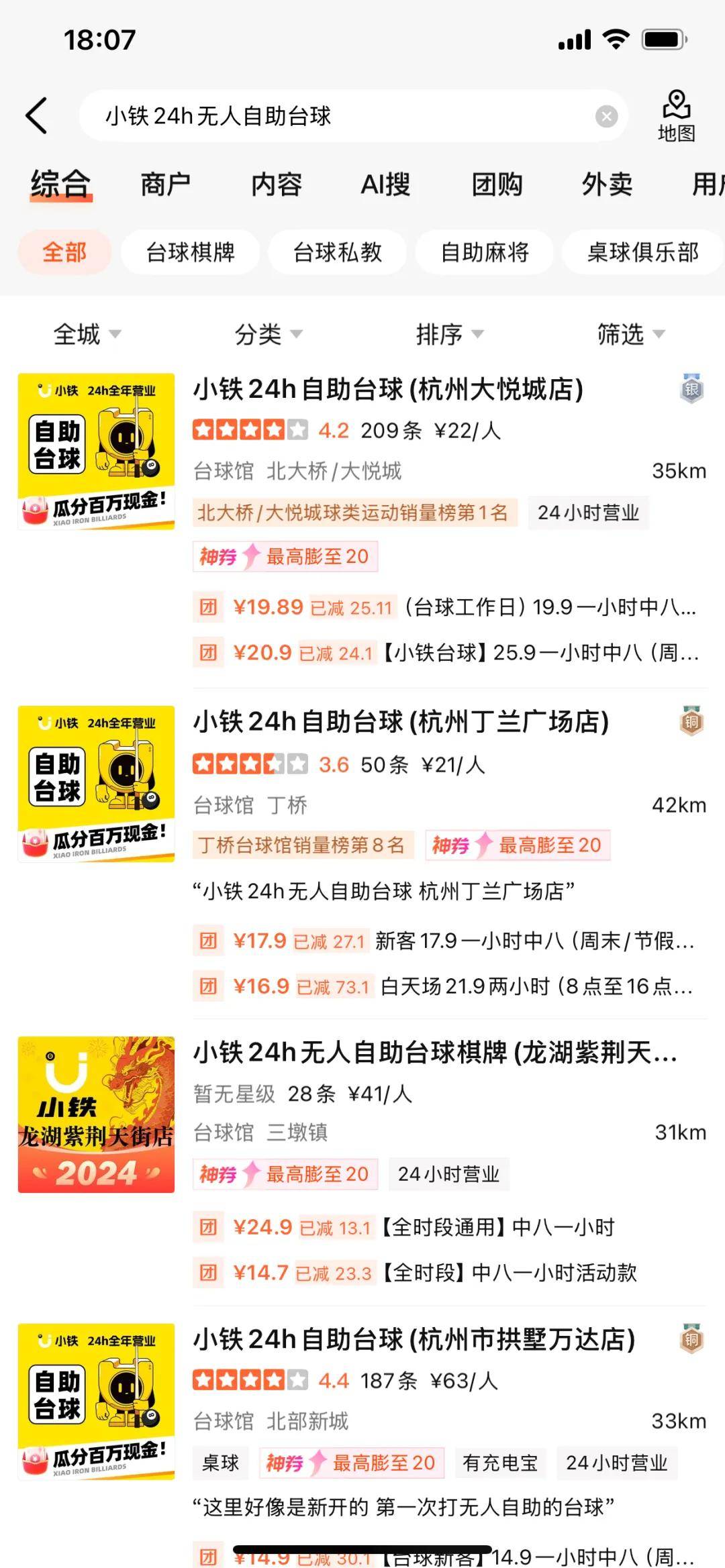
Core Insights - The article discusses the transformation of the service retail industry, particularly focusing on the self-service billiard business model adopted by Xiao Tie 24h, which has rapidly expanded to over 6,000 locations in just a year and a half [12][14] - It highlights the challenges faced by traditional service retail businesses in achieving online standardization and efficiency, with only 9% of the service retail market being online [9][10] - The integration of AI and digital management systems is emphasized as a key factor in enhancing operational efficiency and customer experience in the service retail sector [15][18] Group 1: Industry Overview - The service retail market is valued at 70 trillion, but the online penetration remains low at 9%, indicating significant room for growth [9] - Many small and medium-sized businesses struggle with operational efficiency and online management, which hinders their ability to scale [10][12] - The complexity of service retail operations, especially for businesses like KTVs and billiard halls, complicates the standardization and quality assurance processes [9][10] Group 2: Xiao Tie 24h Self-Service Billiards - Xiao Tie 24h has adopted a fully automated self-service model, eliminating the need for staff and allowing for 24-hour operation through AI systems [14] - The company has seen a 300% increase in user growth in lower-tier cities through partnerships with platforms like Meituan [14] - The self-service model caters to the preferences of younger consumers, providing convenience and enhancing user engagement [14] Group 3: Technological Integration - Meituan's AI capabilities are being leveraged to improve management efficiency and reduce operational costs for service retail businesses [15][20] - The introduction of AI digital employees, such as customer service and scheduling specialists, addresses long-standing operational challenges in the service industry [17][20] - The article emphasizes the importance of building a digital management system to enhance service quality and operational efficiency [12][18]