
运动品牌

Search documents
每经热评|安踏“骑”上彪马 能跑赢耐克阿迪吗?
Mei Ri Jing Ji Xin Wen· 2026-01-28 13:23
Core Viewpoint - Anta's strategic acquisition of 29.06% stake in Puma for approximately 12.3 billion RMB is a calculated move to become the largest shareholder while respecting Puma's independent governance, indicating a shift in the global sports industry landscape [2][4][5] Group 1: Acquisition Details - Anta plans to acquire 29.06% of Puma's shares at a 60% premium, despite Puma's projected net loss of approximately 250 million euros in the first half of 2025 [2] - The agreement includes an "additional payment" clause, which requires Anta to pay extra fees if it initiates a full takeover within 15 months, suggesting that the current stake acquisition may be just the beginning [2] Group 2: Strategic Implications - This acquisition allows Anta to fill critical gaps in its portfolio, particularly in football and emerging global markets, complementing its existing brands like Amer Sports and FILA [2][3] - Anta's ability to integrate Puma's legacy with its supply chain management and market operations will be crucial for the success of this acquisition [3] Group 3: Market Positioning - The global sports brand landscape has been dominated by Nike and Adidas, but Anta's series of acquisitions is challenging this duopoly, positioning Anta as a significant player on the global stage [4] - Anta's move is seen as a "counter-cyclical operation," betting on Puma's long-term value amidst a global consumption slowdown [3][5] Group 4: Industry Impact - This acquisition marks a historic opportunity for Chinese sports brands to transition from imitation to actively participating in reshaping the global sports industry [5] - Regardless of the outcome, Anta's actions are set to leave a significant mark on the history of global sports commerce [5]


安踏“骑”上彪马 能跑赢耐克阿迪吗?
Mei Ri Jing Ji Xin Wen· 2026-01-28 13:20
Core Viewpoint - Anta's acquisition of 29.06% stake in Puma for approximately 12.3 billion RMB is a strategic move to become the largest shareholder while respecting Puma's independent governance, indicating a thoughtful approach to cross-border mergers and acquisitions [1][2][3] Group 1: Acquisition Details - Anta plans to acquire 29.06% of Puma's shares at a 60% premium, despite Puma facing a projected net loss of approximately 250 million euros in the first half of 2025 [1] - The agreement includes an "additional payment" clause, which requires Anta to pay extra fees if it initiates a full takeover within 15 months, suggesting that the current acquisition may be just the beginning [1][2] Group 2: Strategic Implications - This acquisition allows Anta to complete its vision of building a "full-category sports empire," filling critical gaps in football and emerging markets that are essential for global expansion [1][2] - Anta's integration capability will be crucial for success, as it must merge Puma's legacy with its own supply chain management and market operations without direct interference in daily operations [2] Group 3: Market Positioning - The global sports brand landscape has been dominated by Nike and Adidas, but Anta's series of acquisitions, including this one, positions it as a significant player that must be taken seriously on a global strategic level [3] - This move represents a historic opportunity for the Chinese sports industry to shift from being a follower to actively participating in reshaping the fate and structure of top international brands [3][4]
安踏体育斥资123亿元溢价60%收购彪马29%股权
Mei Ri Jing Ji Xin Wen· 2026-01-28 13:20
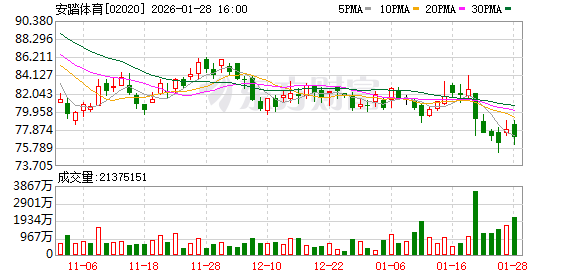
1月26日,农历新年前夕的资本市场迎来一记"炸雷"。 中国第一大体育品牌安踏体育(HK02020,股价77.000港元,市值2153亿港元,以下或简称安踏)发布 公告,宣布与皮诺(Pinault)家族旗下的Artémis达成协议,将动用约15亿欧元(约合人民币122.8亿 元)的现金,收购德国知名运动品牌彪马(PUMA)29.06%股权。 这意味着,这家起步于福建晋江的企业,在成功收购FILA、亚玛芬体育后,再次将目光投向国际老牌 体育巨头,并有望成为彪马最大股东。 此次出手时机颇显魄力。在全球消费放缓的背景下,彪马2025年上半年净亏损约2.5亿欧元。安踏体育 仍以约60%的溢价果断出手。其掌门人丁世忠认为市场"低估了彪马的长期价值"。 "收购溢价不是关键,真正的考验在于,安踏能否将彪马的百年积淀融入其多品牌体系,打造一个覆盖 足球、篮球、跑步、户外、冬季运动及乒羽的全品类'超级运动集团'。只有当跨品牌的协同与能力嫁接 得以实现,安踏才能在全球市场真正获得与耐克、阿迪达斯正面叫板的底气。"一位不愿具名的资深行 业观察人士向《每日经济新闻》记者表示。 彪马处于亏损中 在本次交易中,最引人注目的无疑是安踏体育对 ...
安踏体育(02020):收购PUMA29%的股权,推进多品牌全球化战略
Shenwan Hongyuan Securities· 2026-01-28 13:11
Investment Rating - The report maintains a "Buy" rating for Anta Sports [2][7]. Core Views - Anta Sports announced the acquisition of a 29.06% stake in PUMA from the Pinault family’s investment company Artémis, with a total transaction value of approximately €1.5 billion (around RMB 12.28 billion), reflecting a valuation of about 15 times PUMA's 2024 net profit [7]. - The acquisition is a strategic move to enhance Anta's multi-brand global strategy and is expected to strengthen its global presence [7]. - Anta will fund the acquisition entirely with its own resources, ensuring that dividend payments will not be affected [7]. - Anta's established consumer insights and operational capabilities in China are anticipated to aid PUMA in recovering growth in the Chinese market, where PUMA's revenue currently represents only about 7% of its global sales [7]. - PUMA's global brand strength and resources are expected to complement Anta's existing multi-brand strategy, facilitating Anta's global expansion [7]. - The report projects Anta's net profit for FY2025 to be RMB 132.0 billion, with a growth rate of 11% when excluding one-time gains from Amer Sports [7]. Financial Data and Profit Forecast - Revenue projections for Anta Sports are as follows: - FY2023: RMB 623.6 billion - FY2024: RMB 708.3 billion - FY2025E: RMB 799.8 billion - FY2026E: RMB 896.5 billion - FY2027E: RMB 970.0 billion - The corresponding year-on-year growth rates are 16%, 14%, 13%, 12%, and 8% respectively [6][17]. - Net profit forecasts are: - FY2023: RMB 102.4 billion - FY2024: RMB 156.0 billion - FY2025E: RMB 132.0 billion - FY2026E: RMB 140.0 billion - FY2027E: RMB 157.4 billion - The projected earnings per share (EPS) are: - FY2023: RMB 3.61 - FY2024: RMB 5.41 - FY2025E: RMB 4.60 - FY2026E: RMB 4.87 - FY2027E: RMB 5.48 [6][17].
传闻坐实!阿迪达斯赞助“苏超”
第一财经· 2026-01-28 06:01
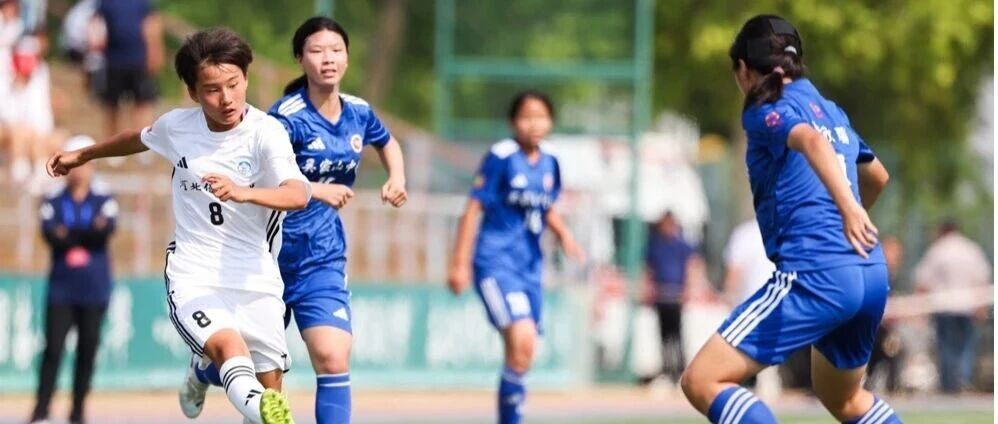
Core Viewpoint - The article discusses the competitive landscape of commercial sponsorship in Chinese football, highlighting the rivalry between Nike and Adidas as they vie for sponsorship rights in the market [3][4]. Group 1: Sponsorship Developments - Adidas has secured exclusive equipment sponsorship rights for the Jiangsu Provincial City Football League, reportedly investing 21 million yuan (8 million cash + 13 teams at 1 million each for equipment) [4]. - Nike has a long-standing presence in Chinese football, having been the sponsor of the Chinese Super League since 2005 and extending its contract in 2018 for another 10 years [5]. - Adidas is shifting its strategy in China from a fashion-oriented approach to a focus on sports, particularly in grassroots markets, as it seeks to break into areas dominated by Nike [5][7]. Group 2: Youth Development Initiatives - The "Adidas Support for Chinese Youth Football Development Plan (2026-2029)" aims to enhance the training and competition systems for youth football, with a focus on organizing events and developing elite youth players [7]. - Adidas has partnered with the Shanghai Football Association to localize event equipment design, with 60% of its products designed locally and 95% manufactured in China [7]. - The collaboration with the Scottish Professional Football League (SPFL) is seen as a way for Adidas to deepen its engagement in the Chinese football market and connect with grassroots events [8]. Group 3: Market Potential and Brand Impact - The article emphasizes the growing commercial value of Chinese football, driven by over 200 million football enthusiasts and increasing sports consumption [8]. - Sponsorship in football is shown to significantly enhance brand recognition and consumer favorability, with Nielsen Sports indicating a 30% higher increase in brand favorability compared to traditional advertising [8]. - The ongoing investment from international brands like Adidas and Nike is expected to mature the economic landscape of Chinese football, creating a positive cycle of brand empowerment and event support [8].


中金:维持安踏体育(02020)跑赢行业评级 目标价110.91港元
Zhi Tong Cai Jing· 2026-01-28 01:59
Group 1 - The core viewpoint of the report is that Anta Sports (02020) maintains its EPS forecast of 4.71 yuan for 2025, with projections of 4.76 and 5.04 yuan for 2026 and 2027 respectively, corresponding to P/E ratios of 14x and 13x for those years, and maintains an outperform rating for the industry [1] - Anta Sports announced the acquisition of a 29.06% stake in Puma SE for 35 euros per share, totaling approximately 1.506 billion euros (about 12.278 billion yuan), fully funded by its cash reserves, positioning Anta as the largest shareholder of Puma upon completion of the transaction [2] - The transaction price is considered reasonable based on Puma's long-term brand value, with the acquisition price representing 0.8 times the enterprise value to the expected revenue for 2027 [3] Group 2 - Puma is an internationally leading sports brand with over 70 years of history, excelling in football, running, racing, basketball, and cross-training, and has a strong global influence, particularly in Europe, Latin America, Africa, and India, while its revenue from the Chinese market remains relatively low [4] - The acquisition is expected to enhance Anta Sports' brand portfolio and improve its overall international competitiveness through complementary product offerings and regional strengths [4] - Anta Sports has successfully developed brands like FILA, Descente, and Kolon in China and aims to leverage its established global brand-building, retail, and supply chain systems to reactivate Puma's brand value post-acquisition [5]
【光大研究每日速递】20260128
光大证券研究· 2026-01-27 23:07
Group 1 - The article discusses the impact of the central bank's cross-cycle interest rate adjustment, indicating that the downward adjustment of the annual GDP growth target is not favorable for the bond market, potentially leading to a neutral to slightly bearish effect [5]. - The analysis of the competitive bidding results for mechanism electricity prices in the new energy sector shows significant differentiation, with some provinces having potential for future price declines. Existing projects are maintaining profitability, and cash flow is improving, highlighting the valuation recovery of leading companies [5]. - The report on Sinopec Group outlines its new development strategy for the 14th Five-Year Plan and the key tasks for 2026, emphasizing the construction of a new industrial pattern characterized by "one foundation, two wings, three chains, and four new" [5]. Group 2 - The article highlights the recent catalysts in the household energy storage sector in Europe and Australia, noting that companies with high profit margins are the most benefited. The overall valuation of the household storage sector is expected to rise due to continuous positive catalysts [6]. - The UK’s "Warm Homes Plan" is expected to significantly stimulate demand for household solar storage systems, with the heat pump sector also benefiting from this policy [6]. - Anta Sports' proposed acquisition of a 29.06% stake in PUMA for €1.5 billion, funded by its own resources, is a significant milestone in the company's multi-brand global strategy, with a price-to-earnings ratio of 15 times based on PUMA's projected net profit for 2024 [7].
安踏15亿欧元收购彪马29%股权
Cai Jing Wang· 2026-01-27 15:38
Core Viewpoint - Anta Group announced the acquisition of 29.06% stake in Puma SE for €1.5 billion (approximately ¥12.28 billion), making Anta the largest shareholder of Puma by the end of 2026, reflecting a significant trend in global sports fashion brand equity circulation [1][5] Group 1: Transaction Details - The acquisition involves over 43 million shares at approximately €35 per share, representing a 62% premium over Puma's closing price of €21.63 prior to the announcement [1] - The stake is currently held by the Pinault family through their holding company Artemis, which previously sought offers exceeding €40 per share [1] Group 2: Strategic Implications - This transaction is seen as a counter-cyclical investment, occurring during a period of valuation decline for international sports brands, allowing Anta to enhance its capital efficiency and global presence without taking full control [2] - Anta has been building a multi-brand matrix since 2009, acquiring brands like Fila and Amer Sports, and this acquisition will help strengthen its position in football and athletics, areas where it has been relatively weak [2] Group 3: Market Context - Puma has faced operational challenges, with sales declining by 4.3% to €5.974 billion and a net loss of €309 million in the first three quarters of 2025, making it a value opportunity for acquisition [3] - The acquisition is expected to provide Anta with access to Puma's established global sales network, enhancing its efficiency in expanding into the European and American markets [3] Group 4: Financial Capacity - Anta has sufficient funds to complete the transaction, with cash and cash equivalents totaling ¥55.58 billion as of June 30, 2025, ensuring efficient use of capital [4] Group 5: Market Reaction - Following the announcement, Anta's stock price rose by 1.38% to HK$77.4, with a market capitalization of HK$216.5 billion, indicating positive market sentiment towards the acquisition [5]
收购彪马背后:自信安踏,迈向全球化新征途
2 1 Shi Ji Jing Ji Bao Dao· 2026-01-27 13:51
Core Viewpoint - Anta Group has reached an agreement to acquire a 29.06% stake in Puma SE from Groupe Artémis for €1.5 billion, reflecting the company's confidence and strategic vision in the sportswear market [1][3][14]. Group 1: Acquisition Details - The acquisition is expected to be completed by the end of 2026, pending regulatory approvals and customary closing conditions [1]. - The funding for the acquisition will come entirely from Anta's internal cash reserves, indicating a strong financial position [1]. - Anta has no plans to launch a takeover bid for Puma, emphasizing respect for Puma's management culture and governance structure [1][16]. Group 2: Puma's Current Performance - Puma's sales decreased by 10.4% to €1.9557 billion in Q3 2025, primarily due to currency impacts and a reset plan affecting sales across all regions [2]. - The wholesale business saw a decline of approximately 15.4% to €1.3857 billion, while direct-to-consumer (DTC) sales grew by 4.5% to €570 million, driven by e-commerce [2]. - DTC's share of total sales increased significantly from 25.1% in Q3 2024 to 29.1% [2]. Group 3: Strategic Rationale for Acquisition - Anta views the acquisition as a strategic milestone in its "single focus, multi-brand, globalization" development strategy, recognizing Puma's long-term brand value and potential [3][4]. - The acquisition aligns with Anta's historical approach of prioritizing brands with strong value and potential for strategic transformation [4]. - Anta aims to leverage its experience in brand management and retail to enhance Puma's market position and global reach [4][12]. Group 4: Anta's Globalization Strategy - Anta has been executing a "three-step" strategy for globalization, focusing on building international brands in China, operating global brands, and promoting its own brand internationally [5][11]. - The successful acquisition of Amer Sports in 2019 marked a significant step in Anta's global operations, allowing it to manage global resources and brand integration [11][12]. - Anta's operational model emphasizes decentralized management, allowing brand CEOs to be accountable for their brands while ensuring strategic alignment with the group's overall goals [16][17].
豪掷123亿元,安踏“骑”上彪马,能跑赢耐克阿迪吗?
Mei Ri Jing Ji Xin Wen· 2026-01-27 12:47
Core Viewpoint - Anta Sports, a Chinese sports brand giant, plans to acquire approximately 29.06% of German sports brand Puma for about 12.3 billion RMB, potentially becoming its largest shareholder, despite Puma's projected net loss of around 250 million euros in the first half of 2025, indicating a strategic move rather than a mere opportunistic buy [1][3] Group 1: Acquisition Strategy - Anta's acquisition strategy is characterized as a "gentle raid," opting to become the largest shareholder without initiating a full takeover, thereby respecting Puma's independent governance as a German listed company [1] - The agreement includes an "additional payment" clause, which requires Anta to pay extra fees to original shareholders if it initiates a full takeover within 15 months, suggesting that the 29% stake acquisition may be just the beginning [1][2] Group 2: Market Position and Integration Challenges - Football, being the world's most commercialized sport, is dominated by Nike and Adidas, with Puma holding significant sponsorship contracts, making it a valuable asset for Anta to strengthen its position in football and key emerging markets [2] - The success of this strategic move hinges on Anta's integration capabilities, particularly in merging Puma's legacy with its own supply chain management and market operations, which poses a significant challenge given Puma's established brand identity [2] Group 3: Market Dynamics and Future Implications - This transaction is viewed as a classic "counter-cyclical operation," with Anta's leadership believing that the market has undervalued Puma's long-term potential amidst global consumer fatigue [3] - Anta's series of acquisitions is seen as a disruptive force in the global sports brand landscape, transforming it from a regional challenger to a significant player that must be taken seriously by Nike and Adidas [3] - Regardless of the outcome, Anta's actions mark a significant moment in global sports business history, highlighting the rise of Chinese brands in actively shaping the fate and dynamics of top international brands [4]
