PC

Search documents
俞敏洪谈明年带十个网友南极游;全球五大PC厂商都将涨价;抖音回应无资质不能发财经内容;马斯克身家突破6000亿美元...
Sou Hu Cai Jing· 2025-12-17 03:25
Group 1: PC Industry Price Increase - Major PC manufacturers including Acer and Asus have confirmed price increases for their products, with Asus indicating a flexible approach to pricing based on market dynamics [3] - Lenovo is also expected to raise prices for PCs and servers due to rising memory costs, with CFO Winston Cheng stating that price hikes are inevitable by 2026 [3] - Dell plans to increase commercial computer prices by 10% to 30% starting December 17, while HP has already announced price hikes due to ongoing increases in memory costs [3][4] Group 2: Healthcare Incident and Penalties - A hospital in Nanchang was fined 61,000 yuan and had 26,000 yuan confiscated for illegal drug practices and overcharging for patient transport services, which included a 28,000 yuan fee for a 1,600 km transfer [3][4] - The hospital was also found to have used expired medications and engaged in excessive and duplicate billing practices [4] Group 3: Market Expansion and New Offerings - Mixue Ice Cream has entered the North American market, offering pre-sale packages priced at $3.99, with customizable sugar levels up to 200% [5] - Elon Musk's net worth has surpassed $600 billion, making him the first person to exceed this milestone, with SpaceX planning a potential IPO valued at approximately $1.5 trillion [5] - Douyin has announced a new financial governance initiative aimed at regulating financial content and ensuring that only qualified individuals can provide financial advice [6] Group 4: Corporate Leadership Changes - Yu Chengdong has officially taken over as the chairman of Huawei's terminal company, a move interpreted as a strategy to enhance decision-making efficiency and focus on AI initiatives [8] - OpenAI's Chief Communications Officer will be leaving the company in January, having played a crucial role during a recent public relations crisis [14] Group 5: Financing and Investment Activities - Suzhou Yilanwei Semiconductor Technology has completed nearly 100 million yuan in strategic financing, marking its second round of funding this year [17] - Beijing Zheyuan Technology has announced the completion of a 100 million yuan A1 round of financing, led by Guoke Investment [18] - Anlingke Biotechnology has secured nearly $50 million in additional A round financing, with participation from existing and new investors [19]

8点1氪丨周鸿祎回应前高管称帮其做假账几十亿;俞敏洪做PPT回应南极游;全球五大PC厂商都将涨价
3 6 Ke· 2025-12-17 00:02
Group 1 - Hainan Free Trade Port officially starts full island closure on December 18, 2025, as per the announcement from the Hainan Provincial Government [3] - Elon Musk becomes the first person in history to surpass a net worth of $600 billion, with a current valuation of $677 billion, and SpaceX is planning to go public with a target valuation of $1.5 trillion [4] - Trump sues BBC for $5 billion, claiming defamation due to a documentary that allegedly misrepresented his statements regarding the January 6 Capitol riot [4] Group 2 - Kweichow Moutai responds to rumors about a document stating that distributors will lose their qualifications if they sell products below 1,650 yuan, confirming the document is fake [5] - Douyin (TikTok) introduces a financial industry convention to combat unqualified accounts disseminating financial content, aiming to ensure compliance and transparency [7] - Global PC manufacturers, including Acer and Asus, confirm price increases due to rising storage costs, with Lenovo and HP also expected to follow suit [2]

德国人口到2070年或降至不足7500万|首席资讯日报
首席商业评论· 2025-12-14 03:49
Group 1 - Germany's population is projected to decrease to below 75 million by 2070, with a potential reduction of approximately 9 million from current levels, primarily due to declining birth rates and an aging population [2] - Northbound capital trading volume has surpassed 199 trillion yuan since the launch of the Stock Connect mechanism, with a single-day trading volume of 309.68 billion yuan recorded on December 12 [3] - Dell is set to increase prices across all commercial product lines starting December 17 due to ongoing chip shortages affecting the entire PC industry, impacting competitors like Lenovo and HP as well [4] Group 2 - The Shanghai Humanoid Robot Pilot Alliance was officially launched, marking a significant step towards scaling the humanoid robot industry and facilitating technology transfer [5] - Jiangsu Yuanli Digital Technology Co., which provides special effects services for "Nezha 2," has received approval for its IPO on the Beijing Stock Exchange, indicating growth in the animation and special effects sector [7] - China Baoan has announced its role as the lead investor in the restructuring of the Shanshan Group, collaborating with its subsidiary to participate in the investment recruitment process [8] Group 3 - Changan Automobile's subsidiary, Deep Blue Automotive, plans to raise approximately 6.12 billion yuan through a capital increase, which will include both public and private placements [9] - Changan Automobile's wholly-owned subsidiary, Changan Technology, is set to increase its capital by 3 billion yuan to support its smart technology strategy, with participation from major stakeholders [11] - Saiwei Technology has initiated the IPO counseling process for its listing on the A-share market, focusing on the development and production of femtosecond laser equipment [12] Group 4 - In November, China's power battery exports reached 21.2 GWh, marking a year-on-year increase of 70.2%, with total battery exports amounting to 32.2 GWh, reflecting a 46.5% increase compared to the previous year [13] - Beijing Automotive Group has committed to enhancing its price compliance management system to prevent practices such as below-cost dumping and false advertising, ensuring fair competition in the automotive market [14]


受芯片短缺影响,戴尔商用产品12月17日起将涨价
Huan Qiu Wang Zi Xun· 2025-12-13 03:40
Group 1 - Dell will increase prices for commercial products, including laptops, desktops, and monitors, starting December 17, due to global chip shortages and changing market demands [1][2] - The primary reason for the price increase is the shortage of DRAM and NAND memory chips, which are essential components for most electronic devices, leading to higher production costs in the PC industry [2] - Competitors such as Lenovo and HP are also affected by this industry-wide issue, with increased demand for memory and storage chips driven by the surge in AI infrastructure development [2] Group 2 - Specific price increases include $130 to $230 for Dell Pro and Pro Max series desktops and laptops with 32GB memory, and up to $765 for models with 128GB memory [2] - Additional costs for 1TB SSD storage range from $55 to $135, while AI-related products, such as the Dell Pro 55 Plus 4K monitor, will see a price increase of $150 [2] - Dell's spokesperson indicated that the company will implement targeted price adjustments to ensure supply chain stability and maintain reliable product and service value for customers [3] Group 3 - The price adjustments will affect all users, with actual increases varying between 10% to 30% depending on contract terms [3] - Dell's supply chain is designed to be resilient against macroeconomic fluctuations, regulatory changes, and trade environment shifts, allowing for operational flexibility [3]


受“缺芯”影响戴尔将涨价10%到30%
Ge Long Hui· 2025-12-13 01:25
12月13日,消息称下周起,面向企业的戴尔的笔记本将全面涨价。 内部文件显示,从12月17日开始, 戴尔将提高其所有商用产品(across its commercial product lines)的价格(面向企业客户,而非普通消 费者)。 涨价并非戴尔独有。内存芯片与存储芯片在整个行业都处于短缺状态,使PC行业整体成本水 涨船高,联想与惠普等竞争者同样受到影响。AI 基础设施需求激增,亦使各大科技企业大量采购内存 与存储芯片,加剧消费类设备的竞争。 责任编辑:安东 戴尔发言人表示:"与行业其他企业一样,戴尔在必要时采取有针对性的价格调整,同时保证供应链不 中断,并确保为客户持续提供价值。" 发言人随后补充,戴尔的供应链具有韧性且布局全球,其设计目 的就是确保在面对宏观经济、监管与贸易环境变化时保持足够的灵活性。 消费者下周需要承担的涨价 幅度,取决于笔记本电脑所选的内存容量与存储规格。一名戴尔销售员工表示,涨幅比例将因客户合同 不同而"在10%到30%之间"。 美股频道更多独家策划、专家专栏,免费查阅>> ...
SpaceX预计2026年上市,估值1.5万亿美元|首席资讯日报
首席商业评论· 2025-12-12 05:07
Group 1: Space and Technology - SpaceX is preparing for an IPO in 2026, targeting to raise over $30 billion with a valuation of approximately $1.5 trillion, which has positively impacted peers like EchoStar and Rocket Lab [2] - Tencent has invested in RNA innovative drug development company Hongxin Biotechnology, expanding its portfolio in the biotech sector [8] Group 2: Financial and Economic Developments - Amazon has reached an agreement with the Italian tax authorities to pay a total of €723 million, which includes a settlement of €511 million and an additional payment of €212 million [3] - The U.S. government reported a budget deficit of $173 billion for November, with total expenditures of $509 billion, lower than the previous year's $669 billion [4] - The World Bank has raised its 2025 economic growth forecast for China by 0.4 percentage points, citing supportive fiscal and monetary policies [9] - A total of 3,762 A-share listed companies in China have distributed dividends amounting to ¥2.46 trillion this year, with projections indicating that the total could exceed ¥2.6 trillion for the first time [11] Group 3: Market Trends and Performance - Omdia's research indicates that the Indian PC market (excluding tablets) reached a record high in Q3 2025, with shipments of 4.9 million units, a 13% year-on-year increase [5] - The real estate company Evergrande has reported new enforcement information totaling over ¥3.57 billion, with ongoing legal challenges and a total of over ¥71.5 billion in outstanding enforcement amounts [6] - Adobe has projected first-quarter revenues of $6.25 billion to $6.3 billion for the upcoming year, with total revenue expectations for fiscal year 2026 between $25.9 billion and $26.1 billion [13] Group 4: Financial Services and Investment - Several wealth management companies are expanding their distribution networks to include small and medium-sized banks in county areas, indicating a trend towards market penetration in lower-tier cities [12] - Guoyi Quantum Technology's IPO application has been accepted by the Shanghai Stock Exchange, aiming to raise ¥1.169 billion for projects related to high-end scientific instruments and quantum technology [10] Group 5: Robotics and Innovation - Instech has reported progress in its robotics-related business, with some products achieving small-scale deliveries and ongoing collaborations with motor manufacturers for future market expansion [7]




招银国际:AI驱动算力与终端创新 分化中把握高端增长
智通财经网· 2025-12-11 08:48
Core Insights - The global technology industry is expected to experience a divergence in end-user demand alongside accelerated AI innovation by 2026 [2] - High-end markets are showing resilience driven by AI functionalities, while low-end consumer electronics are facing short-term pressure due to macroeconomic factors and cost challenges [2] AI Computing Infrastructure - The demand for AI computing power is expected to expand, with a focus on AI infrastructure, including VR/ASIC architecture upgrades that will drive both volume and price increases for ODM and components [2][3] - AI server shipments are projected to grow by 50% year-on-year to 2.32 million units, driven by investments in AI infrastructure [3] Smartphone Market - Global smartphone shipments are anticipated to decline by 5% year-on-year to 1.18 billion units due to macroeconomic uncertainties and rising storage costs [4] - High-end smartphones, particularly Apple's innovations, are expected to maintain resilience, with the introduction of the first foldable iPhone and AI-driven features [4] AR/VR Market - The global AI glasses market is projected to exceed 10 million units by 2026, marking a significant growth in wearable technology [5] - Major tech companies are intensifying their investments in AR/VR, with expectations for AR glasses to reach 32 million units by 2030 [5] PC and Automotive Electronics - The global PC market is expected to face a slight decline of 2% year-on-year to 275 million units, influenced by the end of the Windows 11 upgrade cycle and rising storage costs [6] - AIPC penetration is forecasted to exceed 50% by 2026, becoming a mainstream standard, while L4-level autonomous driving is expected to accelerate due to regulatory improvements and cost reductions [6]



PC巨头开启利润保卫战:集体宣布涨价
智通财经网· 2025-12-11 01:39
Core Viewpoint - The recent price increases by major PC manufacturers Lenovo, Dell, and HP, with rises of 15%-20%, are primarily driven by unprecedented surges in memory chip prices, specifically DRAM and NAND flash [1][2]. Group 1: Price Increase Drivers - The operating profit margins for Lenovo, HP, and Dell are notably low, with Lenovo at 8.3%, and HP and Dell at 5.8% and 6% respectively, making them vulnerable to cost fluctuations in memory components, which account for 15%-18% of total costs [2]. - DRAM prices have surged by 170% year-on-year, with forecasts indicating further increases of 5%-20% for DRAM and NAND contracts by Q4 2025 [2][4]. - The demand for high-performance memory products driven by the AI industry has led to a structural change in the semiconductor supply chain, causing a significant supply shortage for traditional PC memory components [4][6]. Group 2: Market Dynamics and Opportunities - The collective price increase provides a rare opportunity for PC giants to raise prices without losing market share, as the entire industry faces similar cost pressures [3][7]. - The transition from a volume-driven to a profit-centered business model is seen as a positive development by capital markets, alleviating concerns about future profitability [3][9]. - The end of Windows 10 support and the rising demand for AI-capable PCs are creating a rigid replacement demand, allowing manufacturers to pass on costs to business customers [5][7]. Group 3: Competitive Landscape - Lenovo's proactive inventory management, with a 50% higher stock of critical components, positions it favorably to navigate the supply shortages expected through 2026 [8]. - The price increases are expected to reshape the competitive rules in the PC industry, moving the focus from scale to profit quality, with gross margin stability becoming a key competitive indicator [9][10]. - The price hikes are not merely reactive but are strategic moves to establish pricing discipline and enhance pricing power within the industry [11].

“扛不住了”!电脑涨价压力太大,联想、戴尔、惠普最新消息
Mei Ri Jing Ji Xin Wen· 2025-12-08 23:25
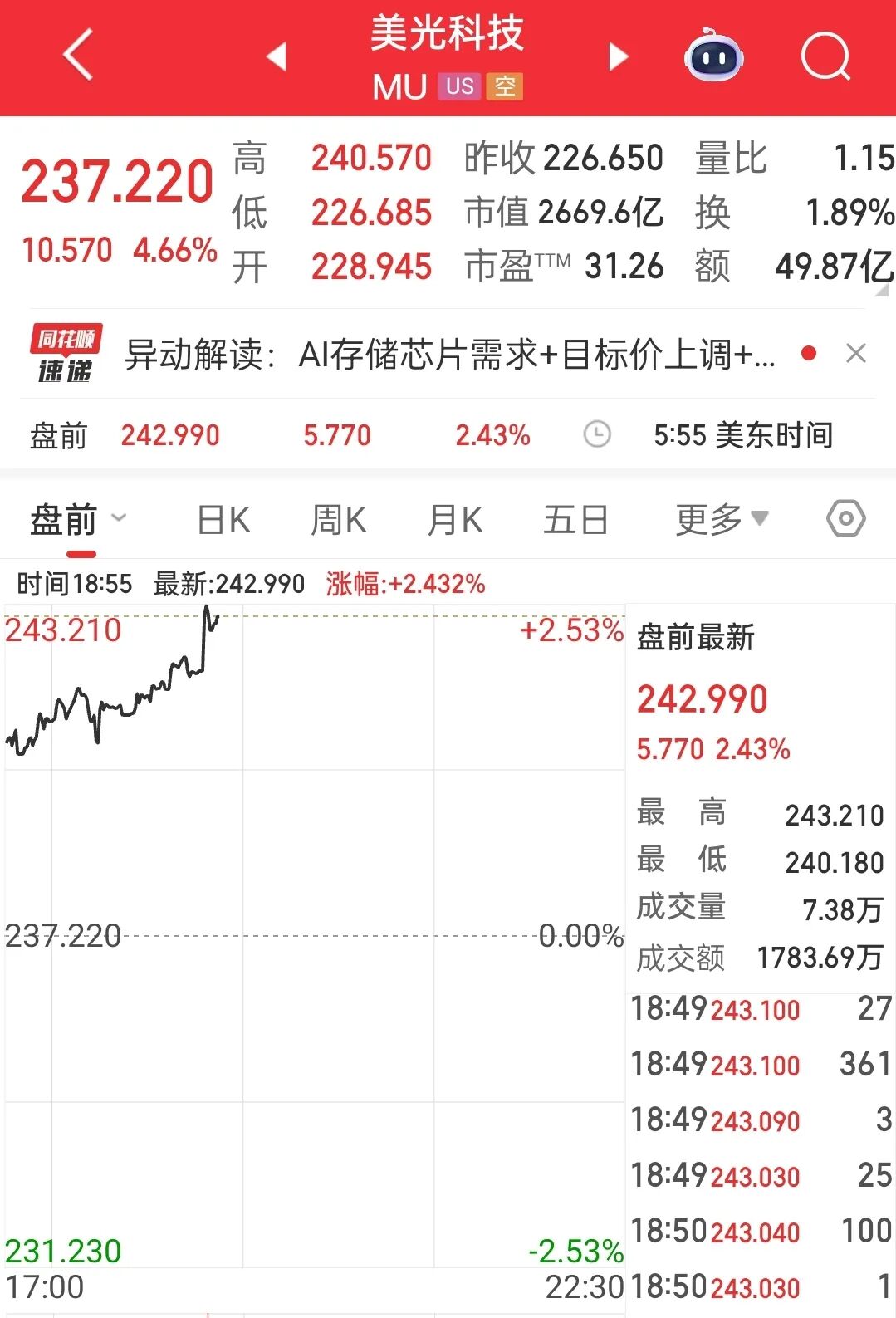
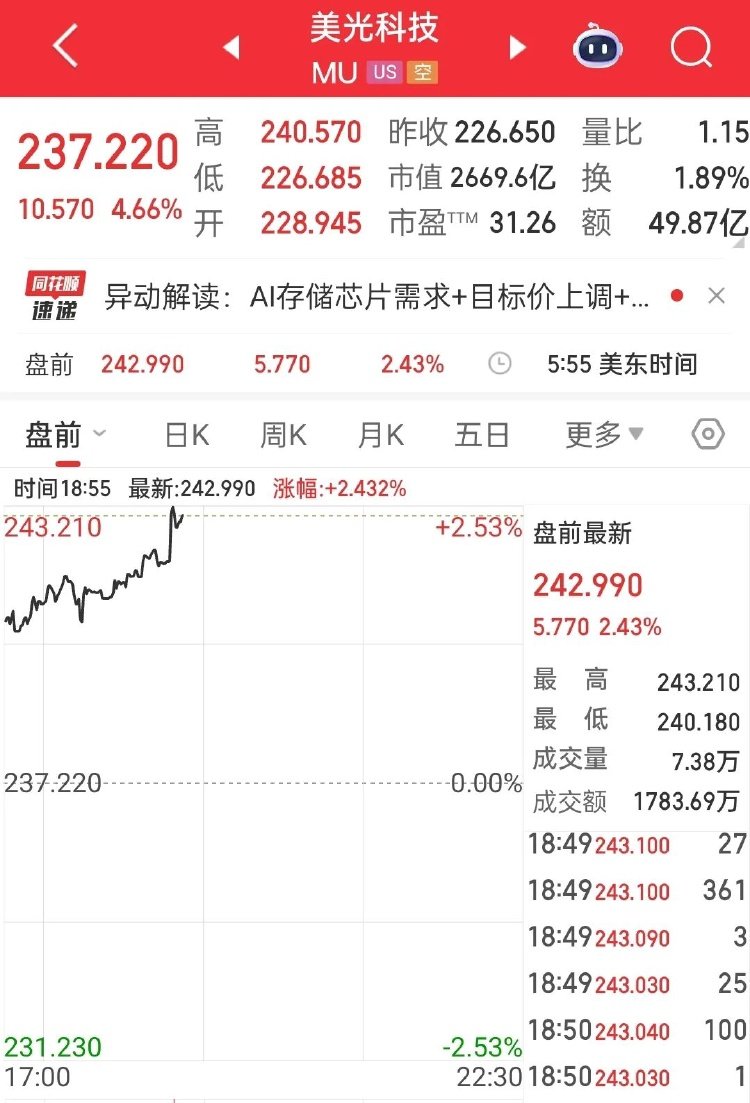
Group 1 - The core viewpoint of the articles highlights a significant surge in storage chip prices, particularly DDR4x, which has increased over four times this year, leading to a "hoarding" phenomenon among distributors while manufacturers face historically low inventory levels [1] - Major PC manufacturers such as Lenovo, Dell, and HP are planning price increases for their products, with expected hikes of up to 20%, due to rising memory chip costs [1] - Lenovo has already notified customers about upcoming price adjustments, with new pricing set to take effect by January 1, 2026, while Dell is considering price increases of at least 15%-20% as early as mid-December [1] Group 2 - Micron has announced the termination of its consumer brand Crucial to focus on data center clients, which have higher profit margins, causing stock prices of related companies like SK Hynix and KIOXIA to rise significantly [2] - The A-share storage chip sector has also seen strong gains, with companies like Shannon Microelectronics and Jiangbo Long rising over 10% [2] - Analysts predict Micron's Q3 revenue will reach $13.2 billion, exceeding Wall Street's expectations of $12.7 billion, with an expected earnings per share of $4.15, higher than the average forecast of $3.84 [4] Group 3 - Reports indicate that major storage manufacturers like SanDisk, Micron, and Samsung are issuing price increase notices, establishing a trend of rising storage prices into Q4 2025, driven by strong demand from AI data center construction [5] - The DRAM market is expected to remain tight due to sustained demand for HBM and high-capacity DDR5, while NAND supply shortages are emerging, further boosting enterprise SSD demand [5] - Overall, the storage industry is in the early stages of a super cycle, with high visibility of shortages expected to last until at least the end of 2026, indicating a positive outlook for the current structural cycle [5]

“扛不住了”!电脑涨价压力太大,联想、戴尔、惠普最新消息→
Mei Ri Jing Ji Xin Wen· 2025-12-08 12:52
据智通财经报道,存储芯片现货价格近期大幅飙升,DDR4x颗粒年内涨幅超4倍,渠道端已出现"惜售"囤货现象,但作为制造业实体的手机等终端厂商目 前库存水位处于历史低位,普遍低于4周(健康水位为8-10周),正面临供应链紧张下的"被动补库"局面。 据红星资本局,多个品牌新款手机日前上市,起售价涨幅100元至300元不等。 随着存储涨价潮持续发酵,联想、戴尔、惠普等PC厂商都计划涨价,涨幅最高达到20%。 其中,联想已开始通知客户即将进行涨价调整。当前所有的服务器和电脑的报价将于2026年1月1日到期,届时新的报价将会大幅涨价。 戴尔同样向客户发出了涨价预警。业内人士表示,戴尔正考虑对PC和服务器产品涨价,预计涨幅至少15%–20%,涨价最快可能在12月中旬生效。此前戴 尔首席运营官Jeff Clarke曾警告,他"从未见过内存芯片成本涨得这么快",各产品线的开支都在攀升。 A股存储芯片概念也强势大涨,香农芯创(300475)、江波龙(301308)涨超10%,德明利(001309)、诚邦股份(603316)涨停。 截至发稿,美光科技美股盘前涨2.43%,上一个交易日涨4.66%。 | TILO'SON 1/00. ...