乡村旅游

Search documents
从“门票经济”到“体验经济”
Xin Lang Cai Jing· 2025-12-19 09:12
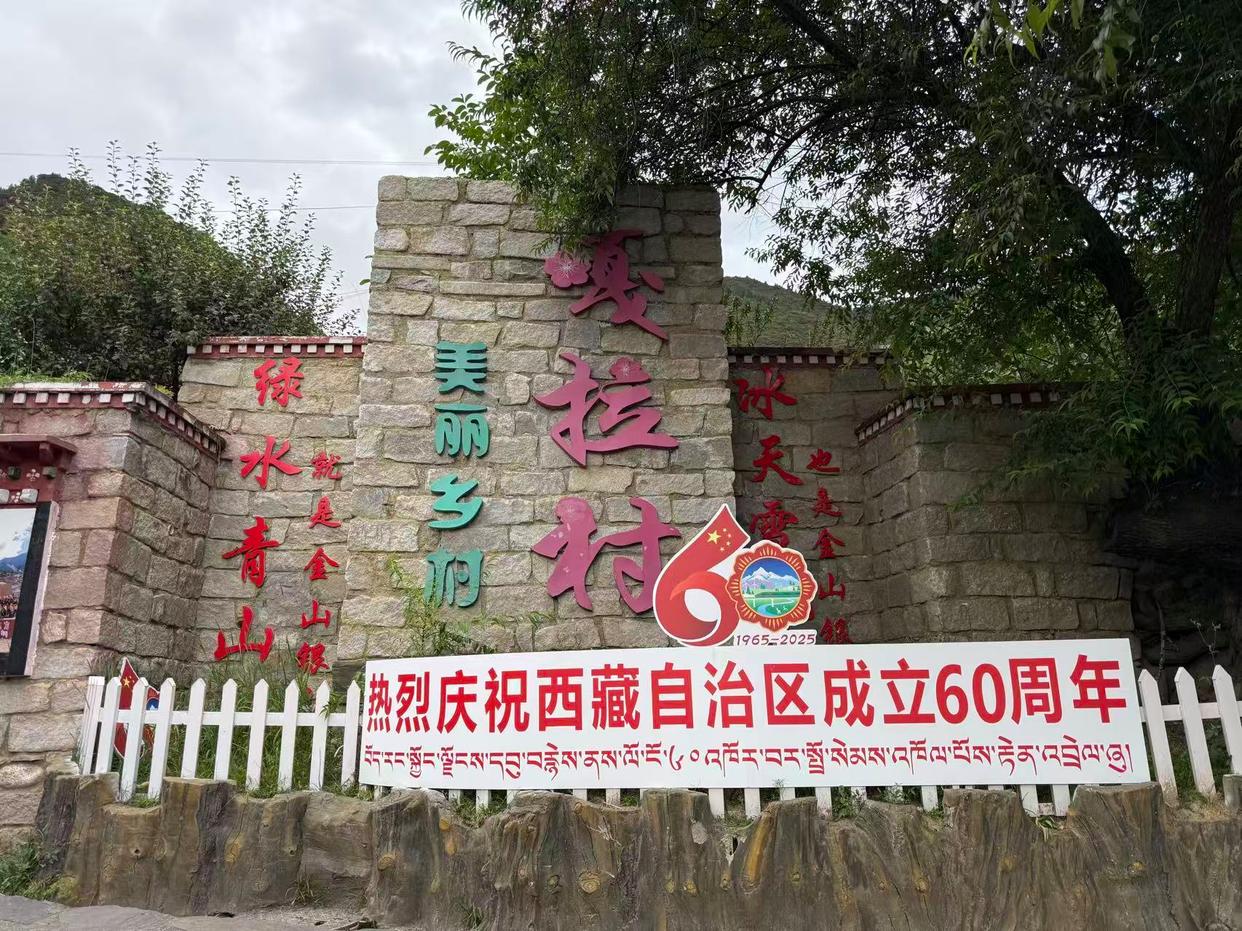
Core Insights - The article highlights the transformation of Gala Village in Tibet, which has successfully leveraged its natural resources, particularly wild peach trees, to boost local economy and tourism, showcasing a model of rural revitalization and poverty alleviation [1][2]. Group 1: Economic Development - Gala Village has 1,253 wild peach trees and a collective economic income projected to exceed 7 million yuan in 2024, with per capita disposable income reaching 41,200 yuan, an increase of over 6,000 yuan since 2021 [1][2]. - The village's "Peach Blossom Economy" has evolved through various stages, from a basic scenic area to a AAA-rated tourist attraction, significantly increasing tourism revenue [5][6]. - In 2024, the income from the Peach Blossom Festival is expected to be 3.7 million yuan, with ticket sales contributing 3.22 million yuan and stall rentals adding 480,000 yuan [6]. Group 2: Tourism and Infrastructure - The village is upgrading its tourism offerings by enhancing infrastructure, such as expanding pathways and adding facilities like public restrooms to improve visitor experience [5][10]. - Gala Village is focusing on developing an "experience economy" to extend visitor stays, introducing activities like archery and horseback riding to encourage longer visits and increased spending [10][19]. Group 3: Environmental Sustainability - The village has shifted from deforestation to conservation, recognizing that ecological health is essential for sustainable economic development [11][13]. - Initiatives include forming a dedicated team of forest rangers and planting suitable peach tree varieties to enhance the ecological landscape [13][15]. Group 4: Community Engagement and Governance - The success of Gala Village is attributed to strong community involvement and effective governance, with local leaders and residents working collaboratively to address challenges and improve living conditions [19][20]. - The "Double Link Household" system fosters mutual support among villagers, facilitating tasks like maintaining cleanliness in tourist areas [19][20]. Group 5: Future Prospects - The village is optimistic about future growth, with plans to expand its tourism offerings and enhance community facilities, while also emphasizing the importance of professional guidance and support for continued development [10][20][23].

“沉睡资产”变为“发展引擎”推动乡村振兴 文旅农商融合业态绘新景
Yang Shi Wang· 2025-12-19 03:34
Group 1 - The core viewpoint of the articles emphasizes the importance of coordinated development, promoting urban-rural integration and regional linkage, with a focus on revitalizing rural areas through land reform and tourism development [1][24] - The transformation of Zhanqi Village, which became a model for rural revitalization, is highlighted, showcasing its collective assets exceeding 1.19 billion yuan and attracting over a million tourists annually [9][11] - The successful land reform in Zhanqi Village, marked by the sale of 13.4 acres of collective land for 7.035 million yuan, has led to the establishment of various tourism projects and entrepreneurial opportunities for local residents [2][24] Group 2 - The articles discuss the role of talent and innovation in rural revitalization, with examples from Mianjiang Village where returning youth and external talents have contributed to the local economy through new business models like live streaming and hospitality [14][19] - The integration of traditional culture with modern tourism in Zhanqi Village has resulted in a diversified economy, moving beyond agriculture to include various industries such as food processing and cultural tourism [7][24] - The ongoing reforms in Chengdu aim to facilitate the market-oriented allocation of human resources, supporting the influx of skilled professionals to enhance rural development [21][22]
陈刚在来宾市调研,强调要因地制宜发展壮大县域经济推动高质量发展
Guang Xi Ri Bao· 2025-12-19 01:53
Group 1 - The core message emphasizes the need for tailored development strategies to enhance county economies and promote high-quality growth in Laibin City [1][3] - The Guangxi Central Water Conservancy Project is highlighted as a significant water-saving initiative, with a focus on economic, ecological, and social benefits [2] - The promotion of rural revitalization through effective integration of poverty alleviation and local governance is underscored, with specific attention to the development of unique industries like sericulture and rural tourism [2][3] Group 2 - The importance of leveraging local resources and enhancing industrial chains to boost employment and income for local communities is stressed, particularly through the "enterprise + cooperative + base + farmer" model [3] - The need for adherence to environmental standards and the use of artificial intelligence in production management to increase product value and competitiveness is emphasized [3] - The call for a strategic approach to the "14th Five-Year Plan" and ensuring the completion of economic and social development goals is articulated, focusing on safety and support for vulnerable populations [3]
住陕全国政协委员在咸阳开展集中视察
Shan Xi Ri Bao· 2025-12-18 22:59
Group 1 - The National Committee members conducted a concentrated inspection in Xi'an to optimize regional economic layout and promote technological innovation for industrial upgrading [1] - Members visited companies such as Rainbow Display Device Co., Ltd. and Shaanxi Tiancai Aviation Materials Co., Ltd. to understand key core technology breakthroughs and major technological achievements [1] - The inspection included a visit to the East Zhuang Reservoir to assess construction progress and hear about flood control, water resource optimization, and ecological improvement [1] Group 2 - The committee emphasized the importance of learning and implementing the spirit of the 20th Central Committee and the Central Economic Work Conference, focusing on optimizing regional economic layout and strengthening technological innovation [2] - There is a call for continuous grassroots engagement to gather real insights and propose effective strategies for rural revitalization and industrial upgrading [2] - The committee aims to promote the new achievements and opportunities in Shaanxi's development, contributing to a strong start for the "15th Five-Year Plan" [2]
集体资产过亿元!这里的土地变身“金疙瘩”,农民当上“小股东”
Yang Shi Wang· 2025-12-18 16:53
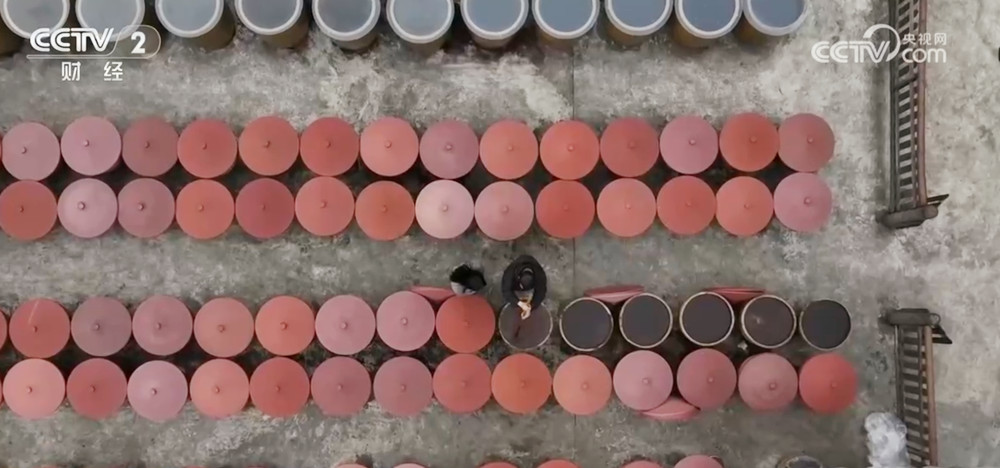
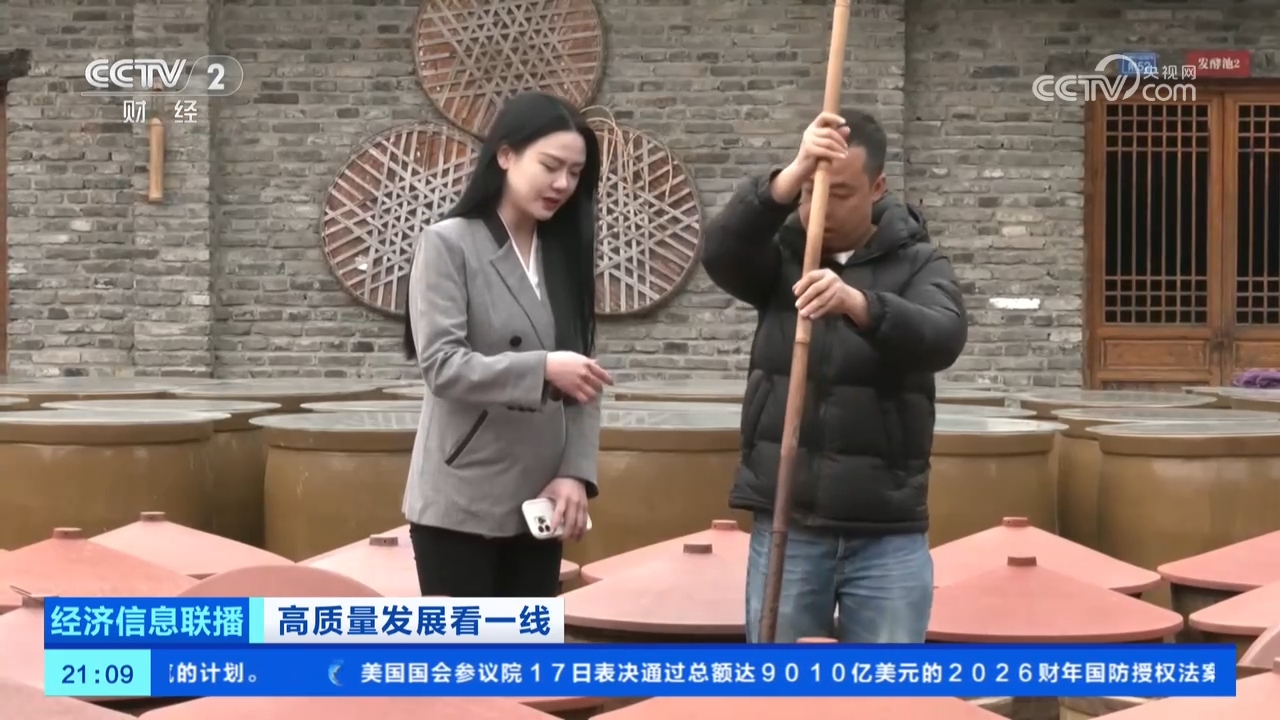
Core Insights - The central economic work conference emphasizes "coordinated development, promoting urban-rural integration and regional linkage" as part of China's strategy for urbanization and rural revitalization [1] Group 1: Land Reform and Economic Impact - The transformation of Zhanqi Village began with the landmark sale of 13.4 acres of collective operational construction land in 2015 for a total of 7.035 million yuan, marking a significant event in Sichuan's rural land reform [5] - The village's collective assets have surpassed 1.19 billion yuan, with over one million annual visitors, establishing it as a model for rural revitalization [7] - The integration of land, capital, and talent has allowed farmers to truly benefit from the reforms, with plans to extend these benefits to surrounding villages [9] Group 2: Local Industry Development - Zhanqi Village has diversified its economy beyond agriculture, engaging in the cultivation of grains, mushrooms, and the processing of Pixian Douban, alongside cultural tourism projects that attract visitors [7] - The village's traditional industries, such as soy sauce production and wine fermentation, have been revitalized, providing local residents with entrepreneurial opportunities [3][5] Group 3: Government Support and Future Plans - The Chengdu Development and Reform Commission is facilitating the orderly market entry of rural collective operational construction land, supporting cross-regional trading of land indicators to convert "sleeping land" into active assets for farmers [11] - Future initiatives will focus on resource integration among neighboring villages to replicate and promote the successful model of Zhanqi Village [9]
(走进中国乡村)山东烟墩角:大天鹅青睐的“最佳旅游乡村”
Zhong Guo Xin Wen Wang· 2025-12-18 09:13
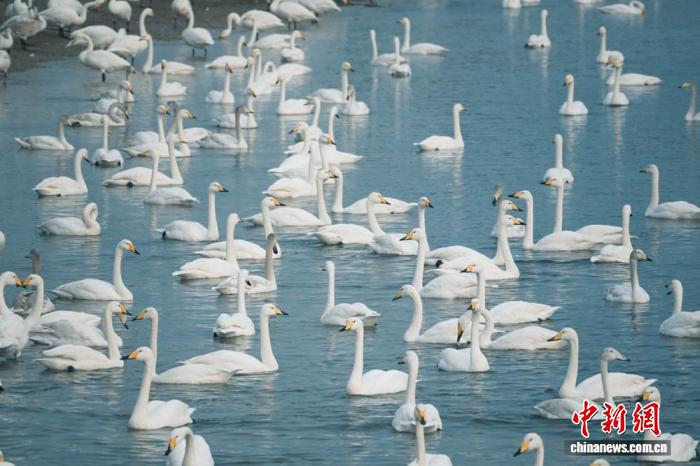
(走进中国乡村)山东烟墩角:大天鹅青睐的"最佳旅游乡村" 中新社山东荣成12月18日电 题:山东烟墩角:大天鹅青睐的"最佳旅游乡村" 中新社记者 王娇妮 冬日午后,山东省荣成市俚岛镇烟墩角村的海湾里,数百只从西伯利亚等地远道而来的大天鹅在水面游 弋。岸边,摄影爱好者的快门声、轻柔的海浪声与天鹅清脆的鸣叫声交织回荡,宛若一曲冬日交响。 "这里的冬天,有一种特别的浪漫。"来自青岛的退休教师王月馨已是第三年来此小住。她说,很多人觉 得冬天海边萧瑟,可烟墩角不一样,"天鹅一来,海湾和村子都热闹起来了"。 俚岛镇工作人员方雪莹介绍,烟墩角与大天鹅的故事始于20世纪90年代。初期仅有少量个体来此越冬, 在村民自发投喂与保护下,逐渐形成稳定种群。近十年间,天鹅数量从200只左右增至1000余只。 "天鹅像是用翅膀投票,选中了这里。"方雪莹说。2024年,烟墩角村入选联合国旅游组织"最佳旅游乡 村"名单。随着知名度提升,游客数量持续增长,2024年该村接待游客约80万人次,旅游相关收入约 3200万元人民币。 12月16日,山东荣成俚岛镇烟墩角村的海湾里,大天鹅在水面游弋。曲正扬 摄 11月29日,山东荣成俚岛镇烟墩角村,海 ...
专家解读广东农文旅27条:从相加到相融,打造全国样板丨品粤百千万
2 1 Shi Ji Jing Ji Bao Dao· 2025-12-18 07:17
Core Insights - The article discusses the recent measures introduced by Guangdong Province to promote the integration of agriculture, culture, and tourism (referred to as "农文旅融合") as part of the "百县千镇万村高质量发展工程" initiative, aiming to create a national model for high-quality development in this sector [1][3][4]. Group 1: Development Strategy - Guangdong's agricultural, cultural, and tourism development is transitioning from pilot exploration to systematic promotion across the province, indicating a shift towards institutionalization and comprehensive integration [1][2]. - The measures emphasize breaking down industry boundaries and activating resource elements to reconstruct rural value, focusing on full-domain and full-industry integration [3][4]. Group 2: Cultural and Tourism Integration - The measures propose deep exploration of Lingnan culture, integrating traditional agricultural and fishing practices, and developing high-quality immersive cultural tourism projects [3]. - There is a focus on enhancing historical and cultural sites, supporting the construction of themed tourism routes, and promoting intangible cultural heritage workshops [3][4]. Group 3: Health and Wellness Tourism - The integration of agricultural and cultural tourism extends to health and wellness, encouraging the development of coastal, hot spring, mountain, and lake tourism resorts, as well as traditional Chinese medicine health tourism bases [4]. - The Guangzhou area is highlighted as a model for multi-industry integration, focusing on wellness, culture, agriculture, and innovation [4]. Group 4: Market-Oriented Development - The integration of agriculture, culture, and tourism is seen as a potential pillar industry for counties, with a market-driven approach to developing products and experiences based on user needs [6]. - The measures advocate for innovative leisure experiences and brand promotion, including the "广东美食" initiative to enhance local culinary offerings [7]. Group 5: Digital Transformation - The application of digital technology is emphasized as a means to revitalize rural tourism experiences, with initiatives to enhance digital immersion in agricultural and cultural tourism projects [9]. - The measures include promoting the use of virtual reality (VR) and augmented reality (AR) technologies to create new immersive experiences [9]. Group 6: Media and Promotion - The "媒体+" initiative aims to enhance the promotion of agricultural, cultural, and tourism integration through various media campaigns, including short videos and thematic storytelling [10]. - This approach is designed to respond to the trends of instant and fragmented cultural consumption, helping to consolidate rural projects into recognizable brand clusters [10].
(乡村行·看振兴)浙江临海:人与古道双向奔赴 以景富村助农增收
Zhong Guo Xin Wen Wang· 2025-12-18 02:03
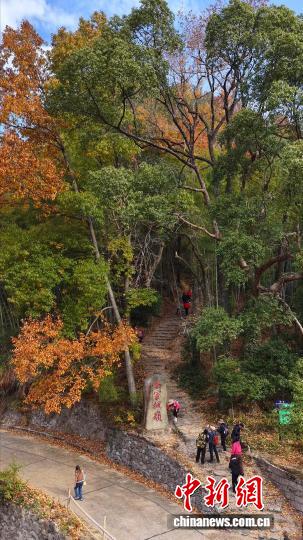
相传,茶寮岭初为官道时,两侧仍是光秃秃的。天气炎热时,商旅脚夫翻越此岭,苦不堪言。山间有个 供路人歇脚的茶寮,主人常年煮茶施水。"每年这么多人经过,如果每人种一株树,不出几年,这条岭 便能有阴凉了。"受路人启发,茶寮的主人向客人发起了倡议。 次年开春,大家纷纷赴约,种下的多是枫树、松树、樟树——这三种树成活率高、生长快、寿命长。渐 渐地,茶寮岭绿荫蔽日,过路行人再不用忍受烈日之苦。 (乡村行·看振兴)浙江临海:人与古道双向奔赴 以景富村助农增收 中新网台州12月17日电(傅飞扬 徐亚)从浙江台州临海市区出发,驱车20公里抵达永丰镇茶辽村,远远就 能看见一块醒目的大石头立于山边,上书"茶寮枫岭"四个大字。石头旁边有一条蜿蜒的古道,一直延伸 向山的深处——这就是茶寮红枫古道的起点。 茶寮红枫古道是临海八景之一。古道全长6723米,核心路段2500米,是宋代以来温州、台州地区通往绍 兴、杭州地区的官道,距今已有千年历史。古道上的石砌步道,仍然保持着古代的格局形状。 枫香、黄连木、马尾松……古道沿途分布着近百株古树,寒风吹拂,层林尽染,山上、山下都呈现出最 美的色彩。 "我们这里的树,和别处不一样。茶辽村有一条不成文 ...
乡村高颜值带来产业高价值
Jing Ji Ri Bao· 2025-12-18 00:08
Core Viewpoint - The development of rural industries and the improvement of living environments are interrelated, with policies implemented to enhance rural living conditions and promote local industries, leading to increased farmer income and better infrastructure [1][2][3][4] Group 1: Rural Industry Development - Various industries such as planting, breeding, and manufacturing are flourishing in regions like Heze, Shandong, and Tongbai, Henan, focusing on modern agricultural parks and technology demonstration gardens [1] - The integration of primary, secondary, and tertiary industries is accelerating, with an increase in the proportion of villages engaging in leisure agriculture and rural tourism, contributing to villagers' income [1][4] Group 2: Environmental Improvement - Significant improvements have been made in living environments, including better infrastructure, public services, and overall comfort levels [1][2] - Ongoing efforts are needed to address issues such as inadequate basic living facilities and the need for a standardized system for local industries [2] Group 3: Public Services Enhancement - Enhancing the accessibility and quality of basic public services in rural areas is crucial for improving the quality of life for farmers, including better education and innovative elderly care models [3] - There is a notable gap in infrastructure quality and density between rural and urban areas, necessitating a focus on improving rural infrastructure systems [3] Group 4: Industry Optimization - The aesthetic appeal of rural areas can drive high-value industries, necessitating the optimization of industrial spatial layouts and the deep integration of various sectors [4] - The establishment of a data system for agriculture and the promotion of smart agriculture through digital technologies are essential for modernizing rural production and enhancing market access [4]
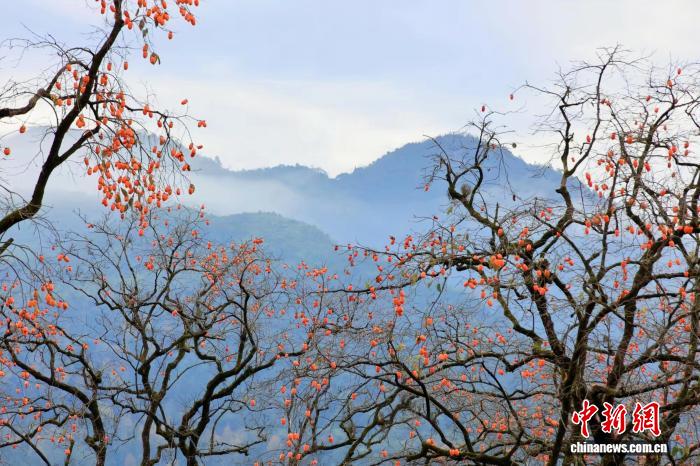
(走进中国乡村)“柿柿如意”增添浙南山村“甜蜜味”
Zhong Guo Xin Wen Wang· 2025-12-18 00:04
Core Insights - The article highlights the transformation of Donglu and Xilu villages in Zhejiang's Wenzhou region, focusing on the cultivation and commercialization of persimmons, which have become a significant source of income and tourism attraction for the local community [1][2]. Group 1: Agricultural Development - Donglu village has over 3,000 persimmon trees, while Xilu village is recognized as the "first village of southern Zhejiang for persimmons," with a cultivation history of over 700 years [1]. - Xilu village produces over 200,000 pounds of fresh persimmons and more than 50,000 pounds of dried persimmons annually, with a sales revenue exceeding 3 million RMB [2]. Group 2: Tourism and Cultural Integration - The villages have integrated agriculture with tourism, creating a full-chain industry that includes persimmon-themed cultural camps and creative workshops, attracting numerous visitors [1]. - The "2024 Persimmon Festival" in Donglu village is expected to generate over 1.5 million RMB in income for the village and its residents, with an average of over 7,000 visitors per weekend, a tenfold increase compared to previous years [4]. Group 3: Future Prospects - Donglu and Xilu villages are collaborating to develop deep-processed products like persimmon wine and enzymes, aiming to extend the industrial chain and enhance value [4]. - Future plans include the establishment of a persimmon-themed museum and art exhibitions to further develop the cultural aspects of persimmons, creating a comprehensive tourism experience [4].