
化纤

Search documents
PXTA周度策略20251207:低估值叠加投产空白期,持续看好PXTA远月合约-20251211
Zhe Shang Qi Huo· 2025-12-11 08:47
Report Industry Investment Rating - The report maintains a positive outlook on the far - month contracts of PXTA, suggesting continued optimism [1][2][6][7][27][56][68][85][118][123] Core Viewpoints - The current low valuation of PXTA combined with a production gap period provides an opportunity. The PTA market is in an upward - trending phase, and the price center is expected to rise in the future. The overall situation is expected to improve due to no new production plans for PTA and PX in the future and positive growth in downstream demand. There are long - term opportunities for long positions [5][14] - The market sentiment is currently positive, but there is a lack of substantial favorable news. The improvement in the overall situation is based on long - term optimism. During the off - season, the market is expected to see limited rebound, and it is advisable to focus on long - term long opportunities in far - month contracts [13] Summary by Directory Investment Strategy - **PX1 - 5 Reverse Spread**: The strategy involves the PX601 and PX605 contracts. The cost formula is PX601 - PX605. The target spread is - 200, and the stop - loss spread is 160. It was proposed on August 8, 2025. Attention should be paid to the reverse spread opportunity of PX1 - 5 [8] Industry Chain Operation Suggestions PX - **Refineries (Inventory Management)**: For those with PX inventory worried about price drops, they can sell a certain proportion on the market. The hedging derivative is PX601P6500, with a purchase ratio of 100% and an entry price of 20 [10] - **Polyester Traders (Procurement Management)**: To build inventory and buy PX at a low price, they can buy short - term call options to prevent price surges. The option is PX605, with a purchase ratio of 100% and an entry price of 6650 [10] - **Polyester Traders (Inventory Management)**: To protect inventory from price drops, they can sell on the market. The hedging derivative is PX601P6500, with a purchase ratio of 100% and an entry price of 20 [10] - **Polyester Factories (Procurement Management)**: When in need of PX and worried about price increases, they can buy call options according to the production plan to prevent price surges. The option is PX605, with a purchase ratio of 100% and an entry price of 6650 [10] - **Polyester Factories (Inventory Management)**: To protect inventory from price drops, they can sell on the market. The hedging derivative is PX601P6500, with a purchase ratio of 100% and an entry price of 20 [10] - **Textile Enterprises (Procurement Management)**: To prevent PX price increases, they can buy call options. The option is PX605, with a purchase ratio of 100% and an entry price of 6650 [10] PTA - **Polyester Traders (Inventory Management - Worried about Price Drops)**: They can hedge a small proportion of unsold PTA inventory by short - selling. The hedging derivative is TA601P4450, with a purchase ratio of 100% and an entry price of 20 [4] - **Polyester Traders (Inventory Management - Seeking High - Price Sales)**: They can hedge a small proportion of unsold PTA inventory by short - selling. The hedging derivative is TA601P4450, with a purchase ratio of 100% and an entry price of 20 [4] - **Polyester Traders (Procurement Management)**: They can buy futures or options on the market according to the proportion to prevent sudden price increases. The options are TA601C4800 and TA601P4550, with a purchase ratio of 100% and entry prices of 30 and 35 respectively [4] - **Polyester Factories (Inventory Management - Worried about Price Drops)**: They can hedge a small proportion of unsold PTA inventory by short - selling. The hedging derivative is TA601P4450, with a purchase ratio of 100% and an entry price of 20 [4] - **Polyester Factories (Procurement Management - Worried about Price Increases)**: They can buy futures or options on the market according to the proportion to prevent sudden price increases. The options are TA601C4800 and TA601P4550, with a purchase ratio of 100% and entry prices of 30 and 35 respectively [4] - **Textile Enterprises (Procurement Management - Worried about Price Increases)**: They can buy options to prevent sudden price increases. The option is TA601P4550, with a purchase ratio of 100% and an entry price of 35 [4] Fundamental Analysis and Strategies Supply - For PTA, with the planned maintenance of Yisheng and Honggang Petrochemical, the PTA load has recently decreased. The restart and maintenance are proceeding as planned. There is no significant unexpected situation on the supply side, but the subsequent supply pressure remains high due to the new 300 - million - ton Xin凤鸣 plant. For PX, the Zhonghua Quanzhou plant has reduced its load due to a fault, and the Shanghai Petrochemical plant has restarted, with fewer clear maintenance plans in the future [13] Demand - This week, the polyester operating rate has remained at around 90%. The overall terminal data is average. The profits of various polyester products have been compressed to different extents, and the inventory level is generally neutral. Due to previous export - rushing phenomena, the off - season expectations are average. Attention should be paid to the changes in polyester inventory and load during the off - season [13] Spot - Recently, due to the high supply pressure in the far - month, the spot performance has been weak. The basis has not rebounded as much as the single - sided price, and the spot is still at a discount of around 60 to the 01 contract [13] Valuation - Currently, PXN is around 288 US dollars per ton, and the 1.9 - cargo processing fee is around 150 yuan per ton. Overall, the PTA valuation is still low, and it has slightly recovered recently with the improvement in sentiment. The recent valuation repair is more reflected in PX [13] Unilateral Strategy - The current market sentiment is positive, but there is no actual favorable news. The improvement in the overall situation is based on long - term optimism about the future production gap of PTA and PX. During the off - season, the valuation is repaired in advance, and there is no substantial improvement in the overall supply - demand pattern from the basis. On the unilateral side, the expected rebound during the off - season is limited, and attention should be paid to long - term long opportunities in far - month contracts [13] PX Analysis PX Load - The Zhonghua Quanzhou 800,000 - ton plant stopped for maintenance on November 25, with an expected two - month maintenance period. A 100,000 - ton PX plant of Fujia Liuhe has been shut down since late March. There were no plant changes this week. The weekly PX output was 748,200 tons, a 0.58% decrease from last week. The domestic bi - weekly average capacity utilization rate was 89.21%, a 0.53% decrease from last week. The Asian weekly average capacity utilization rate was 79.12%, a 0.29% decrease [19] PX Profit - The current PXN is around 288 US dollars per ton. After rebounding from the bottom, the valuation is still at a relatively high level and is expected to remain volatile. Attention should be paid to the strong gasoline crack spread, which is at a relatively high level in the same period of history. There are also reports of the reconstruction of the aromatics logistics from South Korea to the United States, and attention should be paid to whether the subsequent gasoline blending will drive up PXN [29] PX Regional Spread - When the US - Asia spread is too large, there will be exports from Asia to the United States, affecting the Asian supply - demand pattern. Currently, the US - Asia spread has stabilized. After the export of aromatics dropped to zero last October, there was some flow in November and December. The volume of aromatics logistics increased in the first quarter of this year but dropped to zero after April. There has been little logistics in recent months, but there has been some logistics for other aromatics such as pure benzene. Attention should be paid to the subsequent export situation [37] PTA Analysis TA Operating Rate - The current effective operating rate is 75%. There were no changes in domestic PTA plants this week, but the supply increased due to the restart of Honggang Petrochemical last week. The domestic overall output has slightly increased this period. The PTA near - month still faces significant supply - demand pressure, but the situation has started to improve. If the downstream polyester can maintain a high load, the short - term supply - demand is acceptable [48] TA Profit - The current spot processing fee is around 150 yuan per ton. With the commissioning of new plants, the supply pressure is high, and the PTA processing fee has been continuously low. The improvement in supply - demand is more reflected in the valuation repair of PX. As the most over - supplied part of the industrial chain, it is difficult for PTA to repair its valuation, especially with the new Xin凤鸣 plant just commissioned [52] Polyester Analysis Polyester Operating Rate - The current polyester operating rate is 91.8%. The decline in the off - season is not significant, and the polyester factory load has stabilized at around 90%. Currently, the profits of polyester products are stable, and the inventory level is not too high. Overall, the performance during the peak season this year was average. With the arrival of the off - season, the demand is expected to be weak [62] Polyester Profit - Since last year, the profits of polyester bottle chips have been at the lowest level in the same period of history, leading to a continuous slump in the bottle - chip operating rate and a possible delay in the commissioning of new plants, as most planned new plants are for bottle chips. Currently, due to the continuous decline in raw material prices, the profits of downstream products have increased passively [67] Polyester Inventory - Polyester factories have maintained a load of around 90% recently. The inventory of some products is high, but with good sales, the inventory of products has remained at a neutral level. The performance of polyester on the demand side during the peak season this year was average. Due to the previous export - rushing, there was some order pre - empting. With the arrival of the off - season, the situation may not be optimistic [82] Terminal Weaving Analysis Weaving Operating Rate - The current weaving operating rate is 70% [87] Terminal Raw Material Stockpiling - Since the beginning of the month, the overall orders in the weaving market have been characterized by "scarce large orders and scattered small orders." The current clothing consumption demand has contracted, and the home - textile market is divided. The sales of functional fabrics have remained stable, while the conventional medium - and low - count fabrics face significant inventory pressure. Although there are occasional urgent foreign orders, the overall inventory - reduction progress is slow. Some small factories have cut production or shut down, while large - scale enterprises are still operating stably. Looking ahead, the price - negotiation atmosphere for spring orders is gradually heating up, and the market is waiting for further guidance. It is expected that the sales of home - textile products such as fleece will experience a phased recovery driven by promotional events such as "Double 12" [87] Basis and Spread Analysis - The basis reflects the strength of the spot relative to the futures. A negative basis indicates a weak spot market, and vice versa. The monthly spread sometimes provides arbitrage opportunities and can avoid unilateral risks. Attention should be paid to the PX01 contract basis, PX1 - 5 spread, TA01 contract basis, TA09 contract basis, and TA futures 5 - 9 spread [96][99] Position and Trading Volume Analysis - The position volume of the main contract can reflect the virtual - to - real ratio and sometimes affect delivery. The trading volume reflects the activity of the main contract. Attention should be paid to the trading volume and position volume of the PX_01 contract and the PTA_01 contract [113][114][119] Capacity and Cost Summary PX - **Supply - side Production Rhythm**: There has been no new production this year. As of now, the annual commissioned capacity is 0 tons, with a capacity growth rate of 0%. Yulongdao plans to commission 3 million tons at the end of the year. - **Demand - side Production Rhythm**: As of November 2025, the annual commissioned capacity is 11.7 million tons, with a capacity growth rate of 11%. There is no planned new production. - **Cost Curve**: PX is produced by pure oil - based methods, and the production processes are similar. The market generally believes that for PX, PXN around 200 - 300 US dollars per ton is near the cost, and currently, PXN is around 250 US dollars per ton [122] PTA - **Supply - side Production Rhythm**: As of November 2025, the annual commissioned capacity is 11.7 million tons, with a capacity growth rate of 11%. There is no planned new production. - **Demand - side Production Rhythm**: As of November 2025, the downstream polyester demand side has commissioned a total of 2.85 million tons, including 1.25 million tons of polyester bottle chips. The annual commissioned capacity is 2.85 million tons, with a capacity growth rate of 3%. There are still about 1.5 million tons of polyester capacity to be commissioned this year, and the expected annual commissioning growth rate is around 5%. - **Cost Curve**: PTA is all oil - based production, and the processes are similar. For most plants, the processing cost is in the range of 200 - 300 yuan per ton, and the current PTA spot processing fee is around 250 yuan per ton [125]
瓶片短纤数据日报-20251211
Guo Mao Qi Huo· 2025-12-11 05:21
1. Report Industry Investment Rating - Not provided in the content 2. Core View of the Report - Gasoline crack spreads have declined, and gasoline blending has weakened. The economic performance of the PX industry chain has significantly diverged: the PX-naphtha price spread has widened to $252, reflecting raw material cost pressure; the by-product benzene price has dropped significantly, causing the PX-benzene price spread to only slightly increase to $210, weakening the overall profit of the integrated aromatics unit. High PX costs are pressuring PTA profits, but integrated enterprises have seen improved economic efficiency due to their raw material self-sufficiency advantage. New polyester plant startups have kept polyester operating rates high, and PTA consumption is approaching the historical high set in May. Although domestic demand has weakened seasonally, polyester factories have low to medium inventories and low willingness to cut production. The cancellation of India's BIS certification is expected to drive export growth, providing additional support for demand. The costs of bottle chips and staple fibers follow these trends [2] 3. Summary by Relevant Indicators 3.1 Price and Spread Changes - PTA spot price decreased from 4630 to 4605, a drop of 25; MEG domestic price increased from 3654 to 3674, a rise of 20; PTA closing price decreased from 4644 to 4616, a drop of 28; MEG closing price decreased from 3691 to 3682, a drop of 9; 1.4D direct-spun polyester staple fiber price decreased from 6350 to 6310, a drop of 40; short fiber basis increased from 92 to 107, a rise of 15; 12-1 spread decreased from 80 to 70, a drop of 10; polyester staple fiber cash flow increased from 240 to 246, a rise of 6; 1.4D imitation large chemical fiber price remained unchanged at 5350; the price difference between 1.4D direct-spun and imitation large chemical fiber decreased from 1000 to 960, a drop of 40; East China water bottle chip price decreased from 5700 to 5687, a drop of 13; hot-filled polyester bottle chip price decreased from 5700 to 5687, a drop of 13; carbonated-grade polyester bottle chip price decreased from 5800 to 5787, a drop of 13; foreign water bottle chip price decreased from 753 to 750, a drop of 3; bottle chip spot processing fee increased from 517 to 519, a rise of 2; T32S pure polyester yarn price remained unchanged at 10280; T32S pure polyester yarn processing fee increased from 3930 to 3970, a rise of 40; polyester-cotton yarn 65/35 45S price remained unchanged at 16300; cotton 328 price increased from 14570 to 14590, a rise of 20; polyester-cotton yarn profit increased from 1582 to 1601, a rise of 19; primary three-dimensional hollow (with silicon) price decreased from 7060 to 7040, a drop of 20; hollow staple fiber 6-15D cash flow decreased from 677 to 672, a drop of 5; primary low-melting staple fiber price remained unchanged at 7605 [2] 3.2 Market Conditions - Polyester staple fiber: The main futures contract of polyester staple fiber dropped 70 to 6114. In the spot market, polyester staple fiber production factories negotiated prices, and trader prices followed the futures slightly lower. Downstream buyers showed increased interest in purchasing at low prices, intermediate transactions increased, and factory sales were average. The price of 1.56dtex*38mm semi-gloss natural white (1.4D) polyester staple fiber in the East China market was 6070 - 6460 (cash on delivery, tax included, self-pickup), 6190 - 6580 in the North China market (cash on delivery, tax included, delivered), and 6110 - 6350 in the Fujian market (cash on delivery, tax included, delivered) [2] - Polyester bottle chips: The mainstream negotiation price of polyester bottle chips in the Jiangsu and Zhejiang markets was 5670 - 5750 yuan/ton, with the average price dropping 5 yuan/ton from the previous working day. PTA and bottle chip futures fluctuated weakly. Supply-side quotes were mixed with stable and falling prices, the market trading atmosphere was average, downstream end-users followed up with small orders for rigid demand, and the market negotiation focus slightly declined [2] 3.3 Operating Rates and Sales Ratios - Direct-spun staple fiber operating rate (weekly) increased from 88.37% to 89.32%, a rise of 0.95%; polyester staple fiber sales ratio decreased from 66.00% to 55.00%, a drop of 11.00%; polyester yarn operating rate (weekly) remained unchanged at 66.00%; recycled cotton-type load index (weekly) remained unchanged at 51.10% [3]
恒力集团车用材料高端升级 再获多张汽车行业“通行证”
Jing Ji Wang· 2025-12-10 08:09
Core Insights - Hengli Group's subsidiaries, Jiangsu Hengli Chemical Fiber Co., Ltd. and Jiangsu Kanghui New Materials Technology Co., Ltd., have obtained IATF 16949:2016 certification, allowing their automotive fiber and new material products to enter the global automotive supply chain [1] Group 1: Automotive Fiber Products - Hengli Chemical Fiber is advancing the high-end upgrade of fiber products, focusing on multifunctional civilian silk and high-performance industrial silk, creating a product matrix covering automotive safety, interior, and components [2] - The company produces high-strength low-shrink industrial silk for automotive airbags, which combines strength and elongation, earning trust and orders from domestic and international clients [2] - Strict quality control measures are implemented throughout the production process, ensuring consistent physical property indicators such as strength, elongation, and dry heat shrinkage [2] Group 2: Certification and Product Performance - Automotive fiber products, including high-strength wear-resistant industrial silk for seat belts and high-modulus low-shrink industrial silk for tire fabrics, have passed the automotive quality management system certification, indicating their performance meets international standards [3] - The newly developed black silk for automotive interiors maintains stable and uniform color under various light sources, addressing previous issues of color inconsistency in domestic products [3] Group 3: New Materials and Applications - Kanghui New Materials produces high-quality polyester films, lithium battery separators, and engineering plastics, with products certified under international automotive quality management systems, primarily for use in new energy vehicle power systems [5] - Various products, including high-transmittance low-fog window films and multiple types of modified plastics, demonstrate the capability to serve the automotive industry [5] Group 4: Company Development and Future Plans - Over its 31-year history, Hengli Group has driven innovation, optimized product structure, and established industry benchmarks in technology research and green manufacturing, leading industry transformation and sustainable development [7] - The company plans to continue increasing research and development efforts and enhancing quality control to ensure safety in driving and showcase the strength of Chinese manufacturing [7]


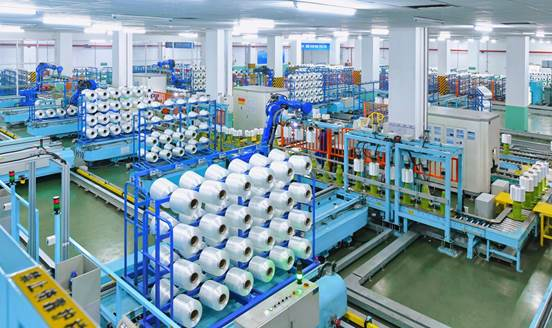
瓶片短纤数据日报-20251210
Guo Mao Qi Huo· 2025-12-10 03:20
1. Report Industry Investment Rating - No information provided 2. Core Viewpoints - Gasoline crack spreads have declined, and gasoline blending has weakened. The economic performance of the PX industry chain is significantly differentiated. The PX - naphtha spread has widened to $252, reflecting raw material cost pressure, while the sharp decline in the by - product benzene price has led to only a slight increase in the PX - benzene spread to $210, weakening the overall profit of integrated aromatics units [2]. - PX costs are high, and PTA profits are under pressure, but integrated enterprises have significantly improved economic benefits due to their raw material self - sufficiency advantage. New polyester installations have pushed the polyester load to a high level, and PTA consumption is close to the historical high set in May. Although domestic demand is seasonally weak, polyester factories have low inventory and low willingness to cut production. The cancellation of India's BIS certification is expected to drive export growth, providing additional support for demand [2]. - The costs of bottle chips and staple fibers follow the market [2]. 3. Summary by Relevant Indicators Price and Spread Indicators - PTA spot price decreased from 4650 to 4630, a drop of 20; MEG domestic price decreased from 3699 to 3654, a drop of 45; PTA closing price decreased from 4694 to 4644, a drop of 50; MEG closing price decreased from 3701 to 3691, a drop of 10 [2]. - The price of 1.4D direct - spun polyester staple fiber decreased from 6355 to 6350, a drop of 5. The short - fiber basis increased from 90 to 92, an increase of 2; the 12 - 1 spread decreased from 90 to 80, a decrease of 10 [2]. - The price difference between 1.4D direct - spun and imitation large - chemical fiber decreased from 1005 to 1000, a decrease of 5. The price of 1.4D imitation large - chemical fiber remained unchanged at 5350 [2]. - The prices of East China water bottle chips, hot - filled polyester bottle chips, and carbonated - grade polyester bottle chips all decreased by 2, and the price of outer - market water bottle chips decreased by 2 [2]. - The price of T32S pure polyester yarn remained unchanged at 10280, and the processing fee increased from 3925 to 3930, an increase of 5. The price of polyester - cotton yarn 65/35 45S remained unchanged at 16300, and the profit increased from 1575 to 1582, an increase of 7 [2]. - The price of cotton 328 decreased from 14580 to 14570, a drop of 10 [2]. - The price of primary three - dimensional hollow (with silicon) decreased from 7085 to 7060, a drop of 25, and the cash flow of hollow staple fiber 6 - 15D increased from 670 to 677, an increase of 7 [2]. - The price of primary low - melting - point staple fiber decreased from 7680 to 7605, a drop of 75 [2]. Market Conditions - In the staple fiber market, the main futures of polyester staple fiber fell 30 to 6182. The prices of polyester staple fiber production factories were lowered, and the prices of traders declined weakly. Downstream procurement demand was poor, and factory sales were tepid [2]. - In the bottle chip market, the mainstream negotiation price of polyester bottle chips in the Jiangsu and Zhejiang markets was 5670 - 5760 yuan/ton, with the average price down 20 yuan/ton from the previous working day. PTA and bottle chip futures were running weakly, supply - side offers were mixed, the market trading atmosphere was average, and downstream terminal rigid demand followed up with small orders, with the market negotiation focus slightly declining [2]. Operating Rate and Sales Rate - The direct - spun staple fiber load (weekly) increased from 88.37% to 89.32%, an increase of 0.95% [3]. - The polyester staple fiber sales rate increased from 50.00% to 66.00%, an increase of 16.00% [3]. - The polyester yarn startup rate (weekly) remained unchanged at 66.00%, and the recycled cotton - type load index (weekly) remained unchanged at 51.10% [3].
开工负荷持续下降 PTA反弹行情有望延续
Qi Huo Ri Bao· 2025-12-09 23:29
Core Viewpoint - The PTA industry is currently experiencing low processing profits and operating rates, with a potential for short-term price support due to supply constraints [1][5]. Group 1: Supply and Demand Dynamics - The PTA industry is in a long-term oversupply situation, with domestic production capacity reaching 94.7 million tons and demand falling short at under 70 million tons [2]. - As of December 5, 2023, domestic PTA operating load was at 74.1%, down 11.26 percentage points year-on-year and 5.19 percentage points since the end of October [2]. - PTA processing fees have dropped to a historical low of 90 yuan/ton, with current raw material costs around 4,500 yuan/ton and average industry losses at approximately 280 yuan/ton [2]. Group 2: Inventory and Production Trends - PTA social inventory is approximately 3.1 million tons, down 6.02 thousand tons week-on-week, and significantly lower than the same period last year [3]. - The average available days of PTA factory inventory is about 3.92 days, slightly up from last year, while polyester factory PTA raw material inventory days are at 7.5 days, down 0.5 days year-on-year [3]. Group 3: Polyester Industry Outlook - Polyester operating load has increased to 89.39% as of December 5, 2023, but there are expectations for a decrease in load due to seasonal demand decline and high inventory levels [4]. - The inventory days for various polyester products have increased significantly compared to last year, indicating a substantial de-stocking pressure [4]. - Although the export environment for PTA has improved slightly with the removal of BIS certification requirements by India, the overall impact on PTA demand remains limited due to its small share in total demand [4]. Group 4: Overall Industry Condition - The PTA industry remains in a state of deep losses, with weak production willingness expected to continue, leading to sustained low operating loads and potential price support from the supply side [5]. - Despite the potential for price rebounds, the structural issue of long-term overcapacity in the PTA industry has not fundamentally changed, limiting the upward price movement [5].
东南网架:公司化纤板块主要产品为涤纶长丝系列
Zheng Quan Ri Bao Wang· 2025-12-09 12:12
Core Viewpoint - The company, Southeast Network Frame (002135), clarified its current product offerings and future research and development plans in response to investor inquiries on December 9th [1] Group 1: Product Offerings - The main products of the company's chemical fiber segment include polyester filament series, specifically polyester partially oriented yarn (POY), polyester drawn textured yarn (FDY), and polyester chips [1] - The company does not currently produce electronic cloth products [1] Group 2: Research and Development Plans - The company makes research and development decisions based on market demand and strategic development [1] - If the company decides to expand into new product areas in the future, it will adhere to information disclosure requirements [1]

【PX-PTA-MEG年报】投产尾声,曙光已现
Xin Lang Cai Jing· 2025-12-09 09:04
Group 1: Industry Overview - The macroeconomic environment in 2025 has been impacted by the tense US-China relations and trade conflicts, leading to a significant decline in textile and apparel export values [2] - Domestic consumption of textiles and apparel showed resilience with a cumulative year-on-year growth of 3.5% from January to October 2025, supported by government efforts to boost domestic consumption [2][20] - The outlook for 2026 is optimistic as the US and China reached a consensus on their relationship, and the Federal Reserve is expected to enter a rate-cutting cycle, which may enhance liquidity and support textile exports [2][21] Group 2: PX and PTA Market Dynamics - In 2026, both domestic PX production and demand are expected to increase, while imports may decline due to maintenance of old overseas facilities and new PTA production in India, leading to a supply-demand balance [2][66] - PTA production is projected to grow significantly in 2026 despite no new installations, as existing capacity can meet demand, although exports may decline due to new overseas production [3][79] - The processing fee for PTA is expected to gradually increase, especially in the second half of 2026, as new PX capacities come online [5][72] Group 3: MEG Market Insights - The MEG market in 2026 will see significant new installations, primarily in the second half of the year, leading to increased domestic pressure while imports may slightly decrease [6][7] - The first quarter of 2026 is expected to experience inventory accumulation, while the second quarter will see maintenance activities, and the third quarter will likely witness a consumption peak [6] Group 4: Polyester Production and Demand - Polyester production capacity in China reached 89.84 million tons by December 2025, with a significant increase in production expected in 2026, albeit at a slightly lower growth rate than in 2025 [25][30] - The overall polyester production from January to October 2025 was 65.97 million tons, reflecting a year-on-year increase of 9.54% [32][41] - The export of polyester products saw a substantial increase of 15.2% year-on-year, with significant contributions from bottle chips and short fibers [41] Group 5: Price Trends and Market Strategy - PX prices are expected to fluctuate between $220 and $300 per ton in early 2026, with a potential drop to $200-$250 per ton in the second half as new capacities come online [5][66] - PTA processing fees are anticipated to range from 250 to 300 RMB per ton, with opportunities to buy on dips below 250 RMB per ton [5] - The overall market sentiment indicates a cautious approach with a focus on inventory management and strategic positioning in response to market fluctuations [5][72]

存款”落谁家,春水向“中游”——2026年宏观与资配展望
2025-12-08 15:36
Summary of Key Points from Conference Call Industry and Company Overview - The conference call discusses the macroeconomic outlook for China in 2026, focusing on various sectors including the midstream manufacturing industry, real estate, and the overall stock and bond markets. Core Insights and Arguments Economic Growth Projections - The actual GDP growth rate for 2026 is expected to be around 4.8%-4.9%, with nominal GDP growth at approximately 4.5% [5][6][12] - Retail sales growth could reach 4%-4.5% under certain subsidy assumptions, while export growth is projected to maintain resilience at about 5% [5][7] - Fixed asset investment is anticipated to rise from -3.1% this year to a range of 0%-1%, with manufacturing expected to grow by 2% and real estate continuing to decline by -10% to -13% [5][7] Fiscal Policy and Price Trends - Fiscal policy is expected to remain expansionary in 2026, with budget expenditure growth around 5% and new government debt between 1 trillion to 1.5 trillion [6][8] - CPI is projected to gradually rise and turn positive, while PPI trends are uncertain, with potential for stabilization in midstream PPI in the first half of 2026 [6][9][10] Midstream Manufacturing Industry - The midstream manufacturing sector is highlighted as the most promising area, benefiting from a recovery with overseas gross margins surpassing domestic margins for the first time, reaching 25%-30% [13][16] - Demand growth in this sector has outpaced supply growth for over a year, indicating a recovery in return on equity (ROE) [13][16] Stock Market Outlook - A strategic bullish outlook for the stock market in 2026 is maintained, although the pace of valuation increases and the outperformance of the ChiNext index may weaken [21][23] - The focus will shift towards sectors with low valuation percentiles and high dividend yields, such as insurance and home appliances [23][24] Bond Market Perspective - A cautious view on the bond market is expressed, with expectations of rising yields, particularly for ten-year government bonds, which are projected to exceed 2% [26] - The bond market is considered relatively expensive compared to equities, and adjustments are anticipated [26] Additional Important Insights Uncertainties in Policy Implementation - Several uncertainties regarding policy implementation are identified, including the use of special bonds and the structure of long-term special government bonds [8] - The impact of service consumption subsidies on the service sector and overall economic performance remains to be seen [8] Key Timeframes for Investors - Two critical timeframes in 2026 are highlighted: January for CPI expectations and around May for PPI consensus, which are significant for macroeconomic assessments [12] Investment Focus Areas - Investors are advised to focus on sectors with high capacity utilization and low capital expenditure, such as synthetic fibers, black metals, oil and gas, and general equipment [25] - The midstream manufacturing sector is emphasized as the most reliable investment direction due to its current performance and growth potential [20] Future of Real Estate Market - The real estate market's future remains uncertain, with a need for policy support to stabilize prices, especially given the current oversupply situation [11] This summary encapsulates the key points discussed in the conference call, providing insights into the economic outlook, sector performance, and investment strategies for 2026.
过剩时代的价值突围:中国尼龙6(PA6)产业链全景扫描与战略展望(7448字)
材料汇· 2025-12-08 14:02
Core Viewpoints - The nylon 6 industry is facing structural overcapacity, with supply growth outpacing demand, leading to price competition and shrinking profit margins [2][7][59] - The industry must shift from scale expansion to value enhancement, focusing on high-end applications and differentiated products to drive growth [7][17] - Technological and environmental barriers are becoming critical, requiring continuous innovation and compliance with green manufacturing standards [7][17] - Integrated supply chain management and international market expansion are essential strategies for companies to navigate current challenges [7][17] Overview - Nylon 6, also known as PA6 or nylon 6, is a widely used synthetic fiber and engineering plastic with excellent mechanical properties and versatility [6] - The industry has seen significant growth in China, which now accounts for over 50% of global production and consumption [2][3] Industry Chain Analysis - The nylon 6 industry chain includes key components such as caprolactam, nylon 6 chips, fibers, engineering plastics, films, and composite materials [10][11][12][15] - Caprolactam is a crucial raw material, with China holding a significant share of global production capacity [20][21] - Nylon 6 chips are primarily used for fiber production, with a smaller portion allocated to engineering plastics and films [11][12] Market Supply and Demand - China dominates global nylon 6 production, holding 57% of total capacity, while demand growth is expected to be driven mainly by the Chinese market in the next 5-10 years [18][22] - Domestic nylon 6 chip production has shown steady growth, with production increasing from 312,000 tons in 2018 to 502,500 tons in 2023, reflecting a compound annual growth rate of 10% [25][28] Capacity Distribution - As of the end of 2023, China's caprolactam production capacity reached 6.53 million tons, with several major producers dominating the market [36][37] - The nylon 6 chip production capacity in China is concentrated among 25 companies, totaling 5.34 million tons [39] Future Predictions - The nylon 6 industry is projected to experience a mismatch between production capacity and demand, with overcapacity expected to persist in the short term [46][47] - By 2030, caprolactam capacity is expected to reach 10 million tons, while nylon 6 chip capacity will also increase, leading to intensified competition [47][48] Technical Features - The nylon 6 production process has evolved significantly, with various polymerization techniques being employed to enhance product quality [51][52] - The industry relies on advanced spinning and twisting technologies to produce high-quality nylon fibers [53][54] Industry Barriers and Challenges - The nylon 6 industry faces significant barriers to entry, including high capital requirements and the need for advanced production technology [57][58] - Overcapacity remains a critical issue, with the industry experiencing a saturation of the downstream market, leading to intensified competition [59]




南京化纤:12月8日召开董事会会议
Mei Ri Jing Ji Xin Wen· 2025-12-08 13:37
2024年1至12月份,南京化纤的营业收入构成为:工业占比96.12%,其他业务占比2.29%,旅游饮食服 务业占比1.59%。 每经AI快讯,南京化纤(SH 600889,收盘价:14.68元)12月8日晚间发布公告称,公司第十一届第二 十四次董事会会议于2025年12月8日以通讯表决方式召开。会议审议了《关于<南京化纤股份有限公司 重大资产置换、发行股份及支付现金购买资产并募集配套资金暨关联交易报告书(草案)(修订稿)> 及其摘要的议案》等文件。 (记者 曾健辉) 截至发稿,南京化纤市值为54亿元。 每经头条(nbdtoutiao)——处方药变"瘾品":国内首次报告普瑞巴林滥用致成瘾病例,网络平台暴 露"无病历可购药"漏洞,列管与否尚需科学考量 ...
