石油

Search documents
国内海洋经济启新程,美日央行按兵不动
Southwest Securities· 2026-03-22 05:45
Domestic Developments - The "14th Five-Year Plan" focuses on modern marine industries, with significant fiscal measures boosting domestic demand, as highlighted in a key article published on March 16[8] - The State Council identified six key areas for economic recovery, with early economic data confirming the effectiveness of these decisions, including a 4.5% year-on-year increase in interprovincial trade sales in 2025[11] - Financial regulatory authorities emphasized risk prevention and high-quality development, with four main tasks outlined for the year, including a focus on real estate financing reforms[12] International Developments - Ongoing geopolitical tensions in the Middle East have escalated, with U.S. and Israeli military actions against Iran leading to significant disruptions in the Strait of Hormuz, affecting global oil supply[16] - The U.S. Federal Reserve maintained interest rates in the 3.5%-3.75% range, with inflation concerns delaying any potential rate cuts, as February PPI rose 3.4% year-on-year, exceeding expectations[20] - The European Central Bank also kept rates unchanged but indicated readiness to act if inflation risks from the Middle East conflict escalate further[18] Market Data - Brent crude oil prices increased by 13.73% week-on-week, reaching an average of $111.01 per barrel, while iron ore prices rose by 2.25%[24] - Real estate sales saw a significant week-on-week increase of 17.01%, indicating a rebound in the sector[4] - The DXI index for storage DRAM prices rose by 3.33% week-on-week, reflecting upward trends in the midstream sector[33]
记者观察:连跌四周,美国股市怎么了?
证券时报· 2026-03-22 03:27
Core Viewpoint - The article discusses the impact of the recent military conflict in the Middle East on the U.S. stock market, highlighting a significant decline in major stock indices and a shift in investor sentiment towards defensive sectors, particularly energy, while technology stocks face increased selling pressure [1][2]. Group 1: Market Trends - As of March 20, U.S. stock indices have experienced four consecutive weeks of decline, the first occurrence since February 2025 [1]. - The technology sector, previously a leader in market gains, has seen a year-to-date decline of 9% among the "seven giants" of technology [1]. - In contrast, the energy sector has thrived, becoming a "safe haven" for investors amid rising geopolitical tensions [1]. Group 2: Investor Sentiment and Risk - The military conflict has negatively affected investor risk appetite, leading to a significant withdrawal of funds from risk assets like U.S. stocks [1]. - The shift in capital flows has resulted in a continuous outflow of funds from the technology sector, particularly affecting high-valuation stocks [2]. Group 3: Inflation and Monetary Policy - The surge in energy prices has raised inflation expectations, constraining the Federal Reserve's policy options [2]. - WTI crude oil prices reached a peak of over $118 per barrel, marking a 47% increase in a month, while Brent crude rose by 48% [2]. - The rising inflation expectations have altered market predictions regarding potential interest rate cuts by the Federal Reserve, with the possibility of delaying or even reversing previous easing plans [3]. Group 4: Corporate Earnings Outlook - Rising energy prices are increasing production costs for companies, particularly in manufacturing, transportation, and retail, thereby compressing profit margins [3]. - Concurrently, inflationary pressures are expected to weaken consumer purchasing power, leading to a decline in demand and negatively impacting corporate revenue growth [3]. Group 5: Sector-Specific Insights - U.S. oil companies, such as Western Oil, ConocoPhillips, Chevron, and ExxonMobil, have seen stock price increases exceeding 30% this year due to the conflict's impact on oil supply [4]. - The ongoing supply constraints, coupled with steady demand, have led to a significant imbalance in the energy market, driving oil prices higher and benefiting U.S. energy companies [5]. Group 6: Broader Financial Concerns - There are concerns regarding the potential spread of a private credit crisis, as investors withdraw from private credit funds due to fears about the impact of artificial intelligence on traditional software sectors [5]. - Major financial institutions have faced significant redemptions from private credit funds, raising concerns about their profitability and the risk of insolvency for smaller financial entities [5].


伊朗战争已三周,美国“稳油价”的牌“几乎打完”,原油“期现价差”越拉越大!
美股IPO· 2026-03-22 02:23
Core Viewpoint - Goldman Sachs and Citigroup warned that if the conflict continues, futures prices may exceed the historical record of $147.50 per barrel set in 2008 in the coming weeks [12] Group 1: Market Dynamics - The global oil market is experiencing a rare "decoupling" between futures and spot prices, with Brent crude futures soaring over 50% to approximately $112 per barrel, while the actual cost in the spot market is significantly higher, with jet fuel prices surpassing $200 per barrel [3][4] - The physical oil supply is severely constrained due to the near-total closure of the Strait of Hormuz and attacks on Middle Eastern energy facilities, forcing Asian refineries to purchase cargoes at high premiums from thousands of miles away [7] - The International Energy Agency (IEA) characterized the current situation as the largest oil supply disruption in history, estimating that approximately 17 million barrels per day of Gulf oil flow is affected by the conflict [9] Group 2: U.S. Policy Responses - The U.S. has been actively utilizing its "oil price stabilization" toolbox, which is nearing depletion, including the release of strategic petroleum reserves (SPR) and considering the lifting of sanctions on Iranian oil [10][11] - The U.S. Treasury Secretary indicated the possibility of another large-scale release of strategic reserves, although logistical feasibility has been questioned [10] - There are widespread speculations about potential U.S. intervention in the futures market, although this has been denied by officials, and the volatility has increased holding costs for traders, limiting their positions [11] Group 3: Future Price Implications - The divergence between futures and spot prices is historically uncommon, suggesting that the price gap will eventually converge, although it is uncertain whether this will result in a decline in spot prices [13]

过去一周是一场清算,全球市场开始正视“伊朗战争不会很快结束”
华尔街见闻· 2026-03-21 10:05
Core Viewpoint - The article discusses the significant market turmoil following the outbreak of the Iran conflict, highlighting a shift in investor sentiment from expecting a quick resolution to recognizing the potential for a prolonged and damaging war, which has led to a reassessment of monetary policy expectations and market dynamics [2][3][21]. Market Impact - Global bond markets experienced severe declines, with the U.S. 10-year Treasury yield rising by 13.4 basis points in a single day and over 10 basis points for the week, while the 5-year yield surpassed 4% for the first time since July [5]. - European bond markets also faced pressure, with the UK 10-year yield increasing by 17.7 basis points, reaching 5% for the first time since 2008, and Germany's 10-year yield hitting a new high of 3.043% [6]. - Gold prices saw a dramatic drop, with spot gold falling over 10% and COMEX gold futures declining more than 11%, marking the largest weekly drop since March 1983 [7][8]. Investor Sentiment - Analysts indicate that the current market conditions reflect a fundamental shift in pricing logic, with investors now facing a sustained threat rather than a temporary price shock [3][4]. - The market's perception of the Federal Reserve's policy path has drastically changed, with a 50% probability of rate hikes by 2026 being priced in, contrasting with previous expectations of rate cuts [16][18]. Economic Outlook - The ongoing conflict is expected to increase recession risks, as the energy shock is deemed unprecedented, with no straightforward fiscal or monetary policy solutions available [13]. - The European Central Bank is also in a challenging position, facing inflation driven by energy costs while needing to support growth through potential easing measures [19]. Defensive Strategies - Institutional adjustments are underway, with firms like Societe Generale reducing global equity allocations and increasing commodity exposure, while BCA Research recommends raising cash positions and lowering stock allocations [24]. - Historical patterns suggest that U.S. equities typically bottom out around the 15th trading day following geopolitical shocks, with the S&P 500 currently down approximately 5.5% since the conflict began, indicating it may still be in a vulnerable position [25][26].
伊朗突发地震!中东局势,传来重大信号!伊朗外长发声!
券商中国· 2026-03-21 09:59
Core Viewpoint - The article discusses the ongoing tensions in the Middle East, particularly focusing on Iran's stance on the conflict and recent developments regarding oil supply and geopolitical risks [1][2]. Group 1: Iran's Position on the Conflict - Iran's Foreign Minister, Zarif, expressed that Iran seeks a complete and lasting end to the war rather than a temporary ceasefire, emphasizing the need for guarantees against future attacks and compensation for damages [2][3]. - Multiple countries are reportedly pushing for a ceasefire, but Iran is only considering a comprehensive solution to end the conflict [2]. Group 2: Regional Developments and Warnings - Iran has issued warnings to residents in the UAE's Haifa region, advising them to evacuate through designated routes due to potential military actions targeting Iranian islands [4][5]. - The Iranian Revolutionary Guard has threatened significant retaliation if Iranian islands are attacked again from the UAE [5]. Group 3: Impact on Oil Supply and Prices - Iran's oil ministry spokesperson stated that there is no remaining Iranian crude oil stranded at sea, and the U.S. has authorized a temporary release of approximately 140 million barrels of oil to the global market [6]. - The U.S. Treasury has approved a 30-day authorization for the sale of Iranian oil that is already on ships, which is part of a broader strategy to manage rising fuel prices amid ongoing conflicts [6][7]. - The International Energy Agency (IEA) announced a historic release of 400 million barrels of strategic oil reserves, doubling previous releases in response to supply disruptions and geopolitical risks [7].

霍尔木兹海峡,突传大消息!韩国加入七国联合声明,日本相关船只或可通行
证券时报· 2026-03-21 08:57
Core Viewpoint - The ongoing tensions in the Strait of Hormuz have severely disrupted shipping and global energy supplies, leading to significant increases in oil prices and economic implications for various countries [5][6][7]. Group 1: Shipping and Navigation - A Greek bulk carrier, the "Giacometti," is the first ship since March 2 to pass through the Strait of Hormuz in a traceable state, carrying food supplies to Iran [2][3]. - The ship's route aligns with a "safe corridor" designated by the Iranian Revolutionary Guard, indicating a potential shift in shipping patterns in the region [3]. - At least nine other vessels are reported to be using similar routes near the Iranian coast, suggesting a coordinated effort to navigate the Strait safely [3]. Group 2: International Responses - South Korea has joined a joint statement from seven countries, including the UK, France, and Germany, condemning Iran's actions in the Strait of Hormuz [4]. - Iran's Foreign Minister indicated a willingness to allow Japanese-related vessels to pass through the Strait, highlighting the importance of this route for Japan's energy imports [4]. Group 3: Economic Impact - Oil prices have surged over 40% since the outbreak of hostilities, with Brent crude reaching $100 per barrel [5][7]. - The Federal Reserve has warned that prolonged conflict could lead to a more significant economic slowdown in the U.S., with a 32% chance of recession within a year if oil prices remain high [7]. - European countries have faced additional costs exceeding €6 billion due to rising fuel prices since the conflict began, raising concerns about a potential oil crisis [7]. Group 4: Industry Adjustments - Airlines, including United Airlines and Air New Zealand, have begun reducing flight schedules in response to soaring fuel prices, which have nearly doubled since late February [9]. - The aluminum market has also been affected, with prices reaching a four-year high due to disruptions in supply chains caused by the conflict [9].

深夜崩了!美股连跌四周,Mag 7单日蒸发4000亿美元!黄金创43年最大周跌幅,原油却狂飙逼近100美元...
雪球· 2026-03-21 05:08
Group 1 - The article highlights that the U.S. stock market experienced a significant decline, marking the fourth consecutive week of losses, the longest streak in 2024, driven by Federal Reserve's hawkish stance and geopolitical tensions in the Middle East [3][4]. - The "Magnificent 7" tech stocks collectively lost over $400 billion in market value in a single day, with notable declines in Tesla (TSLA -3.24%), Nvidia (NVDA -3.15%), and Amazon (AMZN -2.48%) [4][17]. - The Federal Reserve raised its 2026 PCE inflation forecast to 2.7%, leading to a sell-off as market expectations for interest rate cuts were adjusted from two to one [17]. Group 2 - Oil prices surged, with WTI crude rising 2.66% to $98.09 per barrel, and Brent crude experiencing a nearly 50% increase over three weeks due to ongoing Middle East tensions [19][21]. - Goldman Sachs indicated that oil price risks remain skewed to the upside, raising the probability of a U.S. recession from 15% to 20% [21]. Group 3 - Gold prices faced a significant drop, with COMEX gold futures falling 11.26% for the week, marking the largest weekly decline since 1981, attributed to rising oil prices and a cooling of interest rate cut expectations [23][25]. - Major investment banks maintain a bullish long-term outlook for gold, with price targets for 2026 ranging from $5,400 to $6,300 per ounce [24][25]. Group 4 - Yushutech's IPO application was accepted by the Shanghai Stock Exchange, aiming to raise 4.202 billion yuan, positioning itself as the first "embodied intelligence" stock in A-shares [26][27]. - The company projects a revenue of 1.708 billion yuan in 2025, with a net profit of 288 million yuan, and anticipates a gross margin increase from 44.22% in 2023 to 60.27% in 2025 [27][28]. - The sales forecast includes 5,500 humanoid robots at an average price of 167,600 yuan each, with a projected annual production capacity of 75,000 humanoid robots and 115,000 quadruped robots post-investment [28][29].

周五从“升级到降级”,投资者“左右打脸”!特朗普夜间称“正逐步考虑减少对伊军事行动”,油价回落美股期货上涨
华尔街见闻· 2026-03-21 03:30
Core Viewpoint - The article discusses the volatile market reactions to the ongoing Middle East conflict, highlighting a significant reversal in market sentiment following Trump's announcement of a potential de-escalation in military actions against Iran [1][6]. Market Reactions - Following Trump's post, the S&P 500 ETF (SPY) rebounded from a previous decline of over 1.4% to gain more than 1% in after-hours trading, while Brent crude oil prices fell from over $110 to around $108 [2][8]. - The market had previously reacted negatively to escalating tensions, with the S&P 500 experiencing its longest decline in a year, down for four consecutive weeks [2][4]. Geopolitical Tensions - Reports indicated that the Pentagon was preparing for the possibility of deploying ground troops to Iran, while the White House was considering sending additional Marines to the region and evaluating plans to occupy or blockade Iran's Khark Island, which is crucial for Iran's oil exports [3][4]. - The closure of the Strait of Hormuz, through which approximately 20% of the world's oil passes, has heightened market anxiety, with oil prices surging nearly 50% this month alone [3][14]. Energy Market Dynamics - Brent crude oil prices reached their highest levels since mid-2022, with a weekly increase of about 9% and a monthly increase nearing 50% [11][14]. - The volatility in oil prices has led to a significant increase in bullish positions among traders, with net long positions in ICE Brent crude oil rising to 428,704 contracts, the highest in over six years [11][13]. Broader Economic Implications - The energy crisis has begun to affect broader markets, with European natural gas prices hitting their highest levels since January 2023 and U.S. diesel prices surpassing $5 per gallon [14]. - The International Energy Agency reported that the conflict has caused the largest supply disruption in oil market history, with Gulf producers collectively cutting about 10 million barrels per day [14].

美国:有条件放松制裁,为期30天
中国能源报· 2026-03-21 02:47
Group 1 - The U.S. Treasury Department has issued a general license that conditionally relaxes sanctions on Iranian oil products, allowing the delivery and sale of Iranian crude oil and petroleum products that have already been loaded onto ships as of March 20 [1][3] - This temporary approval is valid for 30 days and is described as a "narrowly scoped, short-term authorization" aimed at allowing the sale of oil currently stranded at sea, potentially releasing approximately 140 million barrels of oil into the global market [3] - An Iranian oil ministry spokesperson stated that Iran currently has no remaining crude oil stranded at sea and no excess crude available for supply to other international markets, suggesting that the U.S. Treasury's statements may be aimed at providing psychological reassurance to buyers and managing market expectations [2][3]
伊拉克一石油公司日产量降至90万桶
中国能源报· 2026-03-21 01:54
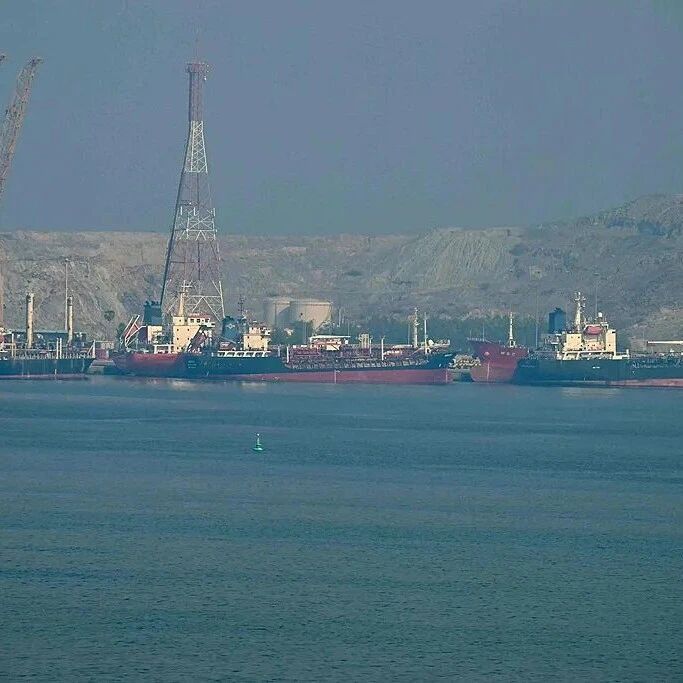
伊拉克巴士拉石油公司日产量已从330万桶降至90万桶。 欢迎分享给你的朋友! 当地时间3月20日晚,伊拉克石油部消息人士称,由于伊拉克南部港口已停止石油出口, 巴士拉石油公司日产量已从330万桶降至90万桶。当前产量已削减至2月2 8日前产量的约 3 0%。 来源:央视新闻客户端 End 出品 | 中国能源报(c n e n e rg y) 编辑丨赵方婷 ...