互联网科技

Search documents
科技股大跌,消费股、保险股等逆市上涨
Zhong Guo Ji Jin Bao· 2025-12-15 11:06
Market Overview - The Hong Kong stock market experienced a collective decline on December 15, with the Hang Seng Index falling by 1.34% to close at 25,628.88 points, the Hang Seng China Enterprises Index down 1.78% to 8,917.70 points, and the Hang Seng Tech Index dropping 2.48% to 5,498.42 points [2] Technology Sector - Major technology stocks saw significant declines, with Baidu Group-SW down over 5%, Kuaishou-W down over 4%, SenseTime-W and Alibaba-W down over 3%, and Xiaomi Group-W and Tencent Holdings down over 2% [3] - Semiconductor stocks mostly fell, with InnoCare Pharma down over 9%, Hua Hong Semiconductor down over 6%, and SMIC down over 4% [3] Biotechnology Sector - Biotechnology stocks weakened, with BeiGene down over 8%, CanSino Biologics down over 6%, and WuXi Biologics down over 3% [3] Consumer Sector - Consumer stocks collectively rose, with Li Ning leading the blue-chip stocks with a gain of over 5%, closing at HKD 18.64 per share and a total market capitalization of HKD 48.2 billion [6] - The rise in consumer stocks is attributed to the opening of Li Ning's first "Dragon Store" and the launch of the new "Honor Gold Standard" product series, marking a significant milestone for the brand [6] Insurance Sector - Insurance stocks performed well against the market trend, with New China Life Insurance rising over 4%, China Pacific Insurance and Ping An Insurance both up over 2%, and China Life Insurance nearly 1% higher [7] - Ping An Insurance's A-shares and H-shares both reached four-year highs [7] - Recent regulatory changes by the National Financial Regulatory Administration have lowered risk factors for insurance companies, allowing for more long-term investment funds [9] - Market demand remains high, and the combination of stable interest rates and improved equity markets is expected to support investment returns [9]





中国商人抢滩中亚新蓝海,“俄版谷歌”搭桥
Di Yi Cai Jing· 2025-12-15 10:53
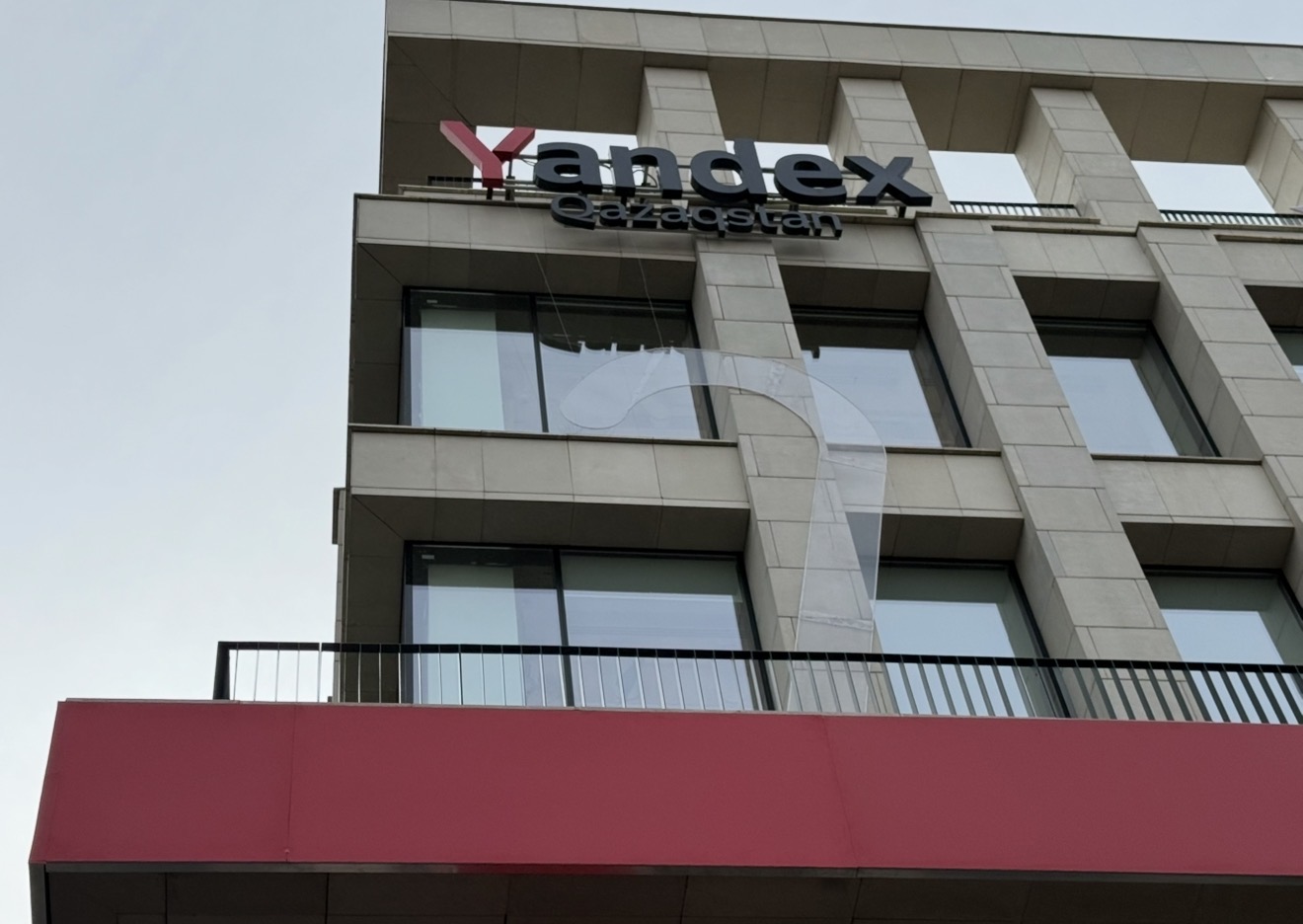
Core Insights - The rise of trade between China and Central Asian countries has created opportunities for Russian companies, particularly Yandex, to assist Chinese firms in penetrating these markets [1][9] - Central Asia, especially Kazakhstan, is becoming a strategic hub for Chinese companies under the Belt and Road Initiative, with increasing visibility of Chinese brands in cities like Almaty [3][12] Group 1: Market Opportunities - Yandex, known as the "Russian Google," is leveraging its dominant position in the Central Asian market to attract Chinese clients seeking to enter these previously overlooked regions [1][8] - The demand for financial services from Chinese enterprises in Central Asia is growing, indicating a significant market opportunity for companies in this sector [5][6] - The retail e-commerce market in Kazakhstan is projected to reach 1.45 trillion tenge in the first half of 2024, reflecting a 61% year-on-year growth, with e-commerce accounting for 16.6% of retail trade [10] Group 2: Advertising and Digital Services - Yandex Ads is actively expanding its services to Chinese advertisers, with a reported 76% increase in the number of ads placed by Chinese advertisers in Kazakhstan in 2025 [10][11] - The advertising expenditure by Chinese companies in Kazakhstan is expected to grow by 192% in 2025, compared to a 45% increase in Russia [10] Group 3: Automotive Sector - Chinese automotive brands are increasingly visible in Russia and Central Asia, with a notable rise in interest from local consumers, as 47% of Russian car buyers are considering Chinese vehicles for their next purchase [12][14] - The sales of Chinese passenger cars in Russia are projected to grow by 48% in 2024, reaching 1.57 million units, driven by the popularity of plug-in hybrid vehicles [14][15] - Yandex is collaborating with Chinese automotive manufacturers to integrate its software into vehicles, enhancing their appeal in the Russian and Central Asian markets [15]
蚂蚁集团,最新官宣!
第一财经· 2025-12-15 10:34
Core Viewpoint - Ant Group has upgraded its AI health application from AQ to "Ant Afu," emphasizing a shift from an AI tool to an AI companion, reflecting the company's strategy to deepen its service capabilities in the health sector [1][7]. Summary by Sections Brand Upgrade and User Engagement - The newly branded "Ant Afu" app has achieved over 15 million monthly active users and answers more than 5 million health-related questions daily, establishing itself as a leading AI health app in China [1][5]. - The upgrade includes features like health journaling, personalized health goals, and reminders, enhancing user engagement and interaction [2][5]. Service Capabilities - "Ant Afu" connects with over 5,000 hospitals and 300,000 real doctors, providing a seamless service from problem identification to appointment booking and insurance payment [4][8]. - The app's ability to interpret health reports and recognize common skin conditions through photo uploads demonstrates its advanced service capabilities [5][8]. Market Demand and Growth Potential - The health-related search queries on Baidu exceed 200 million daily, indicating a robust demand for health services, particularly from users in lower-tier cities [5]. - The health industry in China is projected to reach nearly 9 trillion yuan by 2024, highlighting the significant growth potential for AI health applications [5]. Strategic Positioning - Ant Group's "AI First" strategy focuses on deepening its presence in the health sector, which is characterized by high demand and trust, setting it apart from competitors [7][8]. - The company aims to leverage its decade-long experience in the health sector, including established connections with hospitals and a trust system in medical insurance, to create a complex barrier to entry for competitors [8]. Challenges and Future Directions - Transitioning from a tool to a companion requires balancing professional knowledge and user-friendly design, posing challenges in service effectiveness [10]. - The focus is shifting towards measurable service outcomes rather than just technical capabilities, marking a new phase in AI health applications [10].

蚂蚁AQ升级为“蚂蚁阿福”!月活用户已超1500万
Bei Jing Shang Bao· 2025-12-15 08:24
北京商报讯(记者 刘四红)12月15日,蚂蚁集团宣布旗下AI健康应用AQ品牌升级为"蚂蚁阿福",并发 布App新版本,升级健康陪伴、健康问答、健康服务三大功能。 值得注意的是,阿福的回答,并非医疗诊断,也永远不会替代真人医生。对于真正有医疗需求的用户, 阿福作为平台,链接了全国30万真人医生,提供在线问诊服务。用户也可以让阿福帮忙挂号、买药,在 医院用阿福出示电子医保码支付。 因为有健康陪伴模块,用户让阿福记住了自己的健康动态,所以阿福的回答,也可以更加有的放矢、精 准专业。对于无法描述清楚自身情况的用户,阿福的"AI诊室"模式,会模拟真人,主动追问,甚至给出 示意图,辅助用户准确描述问题。 阿福的健康问答,除了能听懂语音和文字,也能看懂图片,用户可以拍照提问:皮肤状况、检查报告、 药盒,都可以拍给阿福,获得科普解答。 目前,"蚂蚁阿福"App的月活用户已超1500万,跻身国内AI App前五,成为第一大健康管理AI App。据 了解,目前阿福APP每天回答用户500多万个健康提问,55%用户来自三线及以下城市,普惠特点明 显。 蚂蚁集团副总裁、健康事业群总裁张俊杰介绍说,取名"阿福"寓意健康是福,健康的事就 ...
恒生指数低开1% 恒生科技指数跌1.34%
Xin Lang Cai Jing· 2025-12-15 05:59
上证报中国证券网讯 12月15日,恒生指数低开1%,恒生科技指数跌1.34%。京东健康跌近6%,百度集 团-SW跌超3%,理想汽车-W、阿里巴巴-W跌超2%。 来源:上海证券报·中国证券网 上证报中国证券网讯 12月15日,恒生指数低开1%,恒生科技指数跌1.34%。京东健康跌近6%,百度集 团-SW跌超3%,理想汽车-W、阿里巴巴-W跌超2%。 来源:上海证券报·中国证券网 ...



港股午评:恒指跌0.92%、科指跌1.79%,保险股走高,科网股、生物医药及芯片股走低
Jin Rong Jie· 2025-12-15 04:14
Market Overview - The Hong Kong stock market experienced fluctuations and adjustments, with the Hang Seng Index down 0.92% to 25,737.85 points, the Hang Seng Tech Index down 1.79% to 5,537.11 points, the National Enterprises Index down 1.2% to 8,970.29 points, and the Red Chip Index down 0.3% to 4,137.97 points due to the significant drop in US stocks last Friday [1] - Major technology stocks saw declines, with Alibaba down 2.73%, Tencent Holdings down 1.54%, JD Group down 1.12%, Xiaomi down 2.28%, NetEase down 0.18%, Meituan down 1.07%, Kuaishou down 3.85%, and Bilibili down 1.12% [1] - Insurance stocks performed well, with China Ping An reaching a four-year high, while the biopharmaceutical sector weakened, with Baijiazhensheng down over 6% [1] - Semiconductor stocks faced significant declines, with Huahong Semiconductor down over 6% [1] Company News - China Merchants Energy (01138.HK) signed shipbuilding contracts with Dalian China Merchants Heavy Industry, Yangzhou China Merchants Heavy Industry, and Guangdong China Merchants Heavy Industry for the construction of one ethylene ship and eighteen oil tankers, with a total cost of RMB 7.882 billion [2] - ZhongAn Online (06060.HK) reported a cumulative original insurance premium income of approximately RMB 32.904 billion for the first eleven months [3] - R&F Properties (02777.HK) achieved total sales revenue of approximately RMB 12.7 billion in the first eleven months, representing a year-on-year increase of 24.63% [4] - Yida China (03639.HK) reported a contract sales amount of approximately RMB 681 million for the first eleven months, a year-on-year decrease of 23.22% [5] - Kason International (00496.HK) signed a steel structure procurement contract with suppliers, involving an investment of RMB 43.5366 million [5] Clinical and Regulatory Updates - Boke Vision Cloud-B (02592.HK) successfully held a meeting after the second phase of clinical trials for CBT-004 [6] - Fuhong Hanlin (02696.HK) received acceptance from the National Medical Products Administration for the listing registration application of Hanshuo® in combination with chemotherapy for neoadjuvant/adjuvant treatment of gastric cancer, which has been included in priority review [6] - Shijiazhuang Pharmaceutical Group (01093.HK) received approval for a new indication for Donyi® (liposomal irinotecan injection) for first-line treatment in patients with metastatic pancreatic cancer [6] - Hengrui Medicine (01276) received a clinical trial approval notice for HRS-1780 tablets [8] Investment Insights - Guosen Securities indicated that the short-term adjustment in the Hong Kong stock market opens up space for a market rise in 2026, with net inflows from southbound funds exceeding RMB 110 billion in November [13] - Dongwu Securities highlighted that the main focus for Hong Kong stocks is on technology and cyclical sectors, while also paying attention to innovative drugs, suggesting a barbell allocation strategy due to potential macro and political risks [13] - CITIC Securities projected that the Hong Kong stock market will benefit from internal "14th Five-Year Plan" catalysts and external fiscal and monetary easing from major economies, expecting a sustainable upward trend in revenue and profit [13] - Dongwu Securities also forecasted a continued recovery in the Hong Kong stock market in 2026, citing expected interest rate cuts by the Federal Reserve and a temporary easing of Sino-US relations [14]

港股开盘:恒指跌1%、科指跌1.34%,三胎概念及光伏股走高,科网股、创新药概念股普跌
Sou Hu Cai Jing· 2025-12-15 01:37
Market Overview - The Hong Kong stock market opened lower on December 15, with the Hang Seng Index down 1% at 25,718.14 points, the Hang Seng Tech Index down 1.34% at 5,562.67 points, and the State-Owned Enterprises Index down 1.09% at 8,980.13 points [1] - Major tech stocks declined, including Alibaba down 2.14%, Tencent down 1.62%, and JD.com down 0.61% [1] - The innovative drug sector saw several stocks open lower, with Genscript Biotech down 5.92% and Zai Lab down 3.48% [1] - Chinese brokerage stocks collectively fell, with Everbright Securities dropping over 1% [1] - The automotive sector also experienced declines, with Li Auto down over 2% and XPeng down nearly 2% [1] - However, three-child policy concept stocks and photovoltaic stocks mostly rose, with star stock Jinxin Fertility rising about 3% [1] Company News - China Merchants Energy (01138.HK) signed shipbuilding contracts for one ethylene ship and eighteen oil tankers, totaling RMB 7.882 billion [2] - ZhongAn Online (06060.HK) reported cumulative original insurance premium income of approximately RMB 32.904 billion for the first eleven months [3] - R&F Properties (02777.HK) achieved total sales revenue of approximately RMB 12.7 billion in the first eleven months, a year-on-year increase of 24.63% [4] - Yida China (03639.HK) reported contract sales amounting to approximately RMB 681 million in the first eleven months, a year-on-year decrease of 23.22% [5] - Bole Technology (02592.HK) successfully held a meeting after the second phase of clinical trials for CBT-004 [6] - Junshi Biosciences (02696.HK) received acceptance for its marketing application for Hansizhuang® in combination with chemotherapy for gastric cancer [6] - CSPC Pharmaceutical Group (01093.HK) received approval for a new indication for its drug, Donyin® (liposomal irinotecan injection), for first-line treatment in metastatic pancreatic cancer patients [6] - Biyuan (00926.HK) increased its investment in ERX to maintain a 3% stake to support innovative research and development of non-GLP-1 weight loss therapies [7] - Hengrui Medicine (01276) received approval for clinical trials for HRS-1780 tablets [8] - AVIC Industry (02357.HK) plans to acquire a 59.1816% partnership interest in Hangtou Yuhua for a consideration of RMB 202 million [9] - China Environmental Resources (01130.HK) intends to acquire 90% equity in Sichuan Yuanlai Shun Recycling Resources Co., Ltd. for RMB 9 million [10] - AVIC Industry (02357.HK) proposed to implement full circulation of H-shares [11] - Yabo Technology Holdings (08279.HK) signed a framework agreement with Alipay (Hangzhou) [12] Institutional Insights - Guosen Securities indicated that the short-term adjustment in the Hong Kong stock market opens up space for a market rise in 2026, with net inflows from southbound funds exceeding RMB 110 billion in November [13] - CITIC Securities noted strong performance in gold and silver, while other risk assets were weak, predicting a segmented market for precious metals in 2025 [13] - CITIC Securities also emphasized the importance of resource self-sufficiency in the lithium industry, highlighting the need for low-cost quality resources to navigate market cycles [14]
港股收评:高开高走!恒指涨1.75%,科技股、金融股齐涨,有色金属股集体强势
Ge Long Hui· 2025-12-12 08:28
另一方面,药品股多数走低,市场仍有超30只个股跌幅在10%以上,细价股十方控股跌24.53%居跌幅榜 首。(格隆汇) 盘面上,大型科技股集体上涨助力市场上行,其中,腾讯、阿里巴巴均涨超2.3%,小米、百度涨近 2%,京东快手、美团皆有涨幅;大金融股(银行、保险、券商)亦全线上涨,中国太保、中信证券、中国 银河、交通银行涨幅靠前,其中香港本地股银行股渣打集团、汇丰控股再度刷新历史新高,汇丰市值更 是站上2万亿港元;白银伦铜创新高,金价上涨的逻辑基础依然牢固,黄金股、铜业股、铝业股等有色 金属板块再度活跃,风电股继续强势行情,东方电气大涨13.6%领衔。 受中央经济工作会议重磅利好消息影响,市场情绪明显回暖,港股三大指数呈现高开高走行情,恒生指 数涨1.75%盘中重回26000点,国企指数、恒生科技指数分别上涨1.62%及1.87%。 ...
Meta「内战」升级:做「神一般的AI」,还是守住「社交帝国」?
机器之心· 2025-12-12 03:41
Core Viewpoint - Meta is shifting its strategic focus from the "metaverse" to artificial intelligence (AI), facing multiple internal challenges as a result [1]. Group 1: Internal Conflicts - A newly formed top AI team at Meta is experiencing friction with existing core business departments over resource allocation, development goals, and cultural integration [2]. - Internal conflicts have escalated due to differences in priorities regarding AI development, with long-term executives advocating for using data from Instagram and Facebook to enhance social media and advertising, while the new AI team led by Alexandr Wang aims to develop advanced AI models without immediate product application focus [5][12]. - The AI team believes that the existing executive focus on social media improvements is hindering the development of cutting-edge AI models [5]. Group 2: Resource Allocation and Financials - To support its ambitious AI goals, Meta is reallocating resources, significantly cutting the budget for Reality Labs, which oversees VR, AR, and metaverse initiatives [8]. - Reality Labs has incurred losses exceeding $70 billion since the end of 2020, and Meta plans to reduce its budget by up to 30% (approximately $4 billion to $6 billion) next year, with funds redirected to the AI team [11]. - Meta's projected spending in AI for this year is estimated to be between $66 billion and $72 billion, nearly equivalent to the total losses from its metaverse business in recent years [11]. Group 3: Strategic Challenges - Meta's current situation mirrors historical challenges faced by tech giants, such as Microsoft's failure to adapt to mobile operating systems, which resulted in a loss of market dominance [17]. - The company is simultaneously engaged in multiple costly battles across the metaverse, short video markets, and AI, leading to a dilution of strategic focus [19]. - The failure of Llama 4 has raised concerns about whether resource allocation towards the metaverse has impeded the AI team's progress at a critical time [19]. Group 4: Cultural and Organizational Dynamics - Tensions within Meta are ongoing due to differing philosophies between established executives and the new AI elite, with some employees prioritizing resources for the profitable social media business [12]. - The departure of Yann LeCun over ideological differences highlights the intense cultural shifts within the organization as it navigates its new direction [21]. - The outcome of Meta's internal struggles will determine whether it faces a collapse similar to Google+ or can reorganize effectively to achieve success akin to Google's Gemini project [22].


迪士尼起诉谷歌:AI 生成未经授权经典角色,涉嫌大规模版权侵权
Huan Qiu Wang Zi Xun· 2025-12-12 02:47
Core Viewpoint - Disney has issued a cease-and-desist letter to Google, accusing the company of large-scale copyright infringement through the use of AI models and related services, which generate and distribute images and videos involving Disney's classic intellectual properties for commercial use [1][3]. Group 1: Legal Actions and Allegations - Disney has engaged Jenner & Block law firm to send a letter to Google's General Counsel, stating that Google has unauthorizedly copied a significant number of Disney works as training material for its AI, resulting in copyright infringement [3]. - The letter highlights that the AI-generated infringing content includes characters from popular animated films such as "Frozen," "The Lion King," "Moana," and "The Little Mermaid," as well as characters from blockbuster franchises like "Deadpool," "Guardians of the Galaxy," and "Star Wars" [3]. - Disney has provided an example of an image of Darth Vader generated by Google's AI application through text prompts to illustrate the infringement [3]. Group 2: Demands and Industry Context - Disney demands that Google immediately cease the copying, displaying, distributing, or creating derivative content based on Disney characters across various platforms, including YouTube mobile, YouTube Shorts, and other Google AI output products [3]. - The company insists that Google implement technical restrictions in its AI services and all products integrating such AI functions to prevent future infringement at the source [3]. - This action by Disney aligns with its previous cease-and-desist letters to Meta and Character.AI, and it echoes a joint lawsuit with NBCUniversal and Warner Bros. Discovery against Midjourney and Minimax, demonstrating Disney's firm stance on protecting its intellectual property rights [3][4].