纺织服装

Search documents
未知机构:浙商纺服晶苑国际更新今日正式公告埃及买地计划中期成长路线清晰-20260121
未知机构· 2026-01-21 01:55
Company Overview: Crystal International Key Points Land Acquisition in Egypt - The company announced a plan to purchase land in Egypt for $30.4 million, covering an area of 800,000 square meters located in the New October City industrial zone in Giza, 59 km from Cairo, with well-developed infrastructure [1] - The expected production capacity of the land includes garment and fabric segments, aimed at flexibly meeting the demands of European and American clients, with revenue contributions anticipated to start as early as 2027 [1] - This acquisition is expected to significantly enhance the company's capacity to fulfill orders from core client Uniqlo, as well as provide advantages in servicing European clients such as Adidas, ZARA, Decathlon, and M&S [1] Advantages of Egyptian Production 1. **Labor Advantage**: Egypt has a population of 120 million, with a labor force of 75 million. The average monthly wage in the manufacturing sector is approximately $200, providing a rich and competitively priced labor pool [1] 2. **Tariff Advantage**: Exports to Europe face virtually zero tariffs, while exports to the U.S. incur a 10% tariff (with some industrial zones qualifying for zero tariffs if they meet a 35% value-added requirement) [1] 3. **Transportation Advantage**: Shipping times to Europe are two weeks faster than from Asia, and shipping to the U.S. is also two weeks quicker compared to Asian routes [1] Growth and Dividend Attributes - The company's diverse product development and production capabilities, along with flexible and efficient production lines and a rich overseas production layout, have led to full order books since 2024 [1] - Orders from core clients like Uniqlo and sports outdoor brands such as Adidas, Lulu, Decathlon, and The North Face are expected to lead growth [1] - The combination of automation and vertical integration is projected to maintain an upward trend in profit margins through 2025-2026, with a 2026 price-to-earnings ratio of 10X, a dividend payout ratio of no less than 60%, and a dividend yield of 6% [1] - The company is positioned as a stable growth leader in the export chain with attractive valuation, continuing to be recommended for investment [1]
朝闻国盛:“天量”居民存款到期,影响几何?
GOLDEN SUN SECURITIES· 2026-01-21 00:09
Group 1: Macro Insights - The report highlights that in 2026, the scale of maturing medium- and long-term deposits for households and enterprises is estimated to be 58.3 trillion, an increase of 5.6 trillion compared to 2025, with household deposits reaching 37.9 trillion, marking the highest level in five years [3] - A significant portion of these deposits, over 54%, will mature in the first quarter of 2026, which is expected to alleviate pressure on bank interest margins and potentially reduce banks' liability costs by approximately 550 billion [3] - The influx of maturing household deposits is anticipated to provide incremental funds to the equity market, particularly benefiting the stock market during the expected "spring rally" [3] Group 2: Industry Performance - In the basic chemical sector, SiC prices have stabilized at a low point, with the transition to 8-inch wafers improving supply-demand dynamics [4] - The coal industry saw a slight production increase in 2025, with a projected domestic coal production increase of only 2 to 3 million tons in 2026, reaching 385 million tons, which is a year-on-year growth of about 0.6% [5][6] - The report indicates that coal imports in December 2025 increased by 11.94% year-on-year, totaling 58.6 million tons, while the total coal imports for the year decreased by 9.6% [6] Group 3: Energy Sector - The total electricity consumption in 2025 is projected to grow by 5%, with December's electricity consumption reaching 908 billion kWh, a year-on-year increase of 2.77% [12] - The report notes that the decline in thermal power generation has narrowed, with a year-on-year decrease of 3.2% in December, which is an improvement compared to previous months [7] - Recommendations include focusing on high-dividend thermal power leaders and companies with stable electricity prices and coal-electric integration [13] Group 4: Company-Specific Insights - Anta Sports is expected to maintain stable operations in 2025, with a projected net profit of 13.194 billion to 14.035 billion yuan, corresponding to a PE ratio of 15 times for 2026 [14] - Tonghuashun's annual performance is expected to exceed expectations, with a projected net profit of 2.735 billion to 3.282 billion yuan for 2025, reflecting a year-on-year increase of 50% to 80% [15] - Yanjing Beer anticipates a net profit of 1.584 billion to 1.742 billion yuan for 2025, with a growth rate of 50% to 65% year-on-year [17]
三省“双城德比”透视区域经济新格局
Xin Lang Cai Jing· 2026-01-20 22:59
Group 1: Economic Competition Overview - The competition among cities in China is intensifying, with notable "provincial derbies" emerging in various regions, reflecting strategic adjustments and economic dynamics [2] - In Northeast China, the competition between Shenyang and Dalian is highlighted, with Shenyang narrowing the GDP gap to less than 500 billion yuan in 2024 [3][4] - In Southeast China, Fuzhou and Quanzhou have been engaged in a long-standing economic rivalry, with Fuzhou reclaiming its position as the leading city after 22 years [6][7] Group 2: Shenyang vs. Dalian - In 2024, Dalian's GDP reached 9516.9 billion yuan, while Shenyang's GDP was 9027.1 billion yuan, marking a significant competition in the Northeast region [3] - Shenyang's economic growth rate of 6.1% in 2023 allowed it to slightly surpass Dalian's 6.0% growth, reducing the GDP gap by 245 billion yuan over two years [3][4] - Dalian's strengths lie in its industrial base and port advantages, while Shenyang focuses on transforming its economy through innovation and high-end manufacturing [4][5] Group 3: Fuzhou vs. Quanzhou - Fuzhou's economic resurgence is attributed to its strategic initiatives, including the development of digital economy, which reached over 450 billion yuan by 2020 [6][7] - The GDP gap between Fuzhou and Quanzhou has shifted from 600 billion yuan in 2018 to a lead of 1142 billion yuan for Fuzhou by 2024 [7] - Quanzhou is undergoing industrial upgrades to maintain its competitiveness, focusing on high-end manufacturing and emerging industries [7][8] Group 4: Tangshan vs. Shijiazhuang - Tangshan became the first city in Hebei to surpass the trillion yuan GDP mark in 2024, while Shijiazhuang's GDP reached 8203.4 billion yuan, indicating a narrowing gap [8][9] - The economic strategies of both cities emphasize integration with the Beijing-Tianjin-Hebei region and the development of their respective urban areas [9][10] - Both cities are focusing on leveraging digital economy and emerging industries to enhance their economic prospects in the coming years [10]

三省“双子星”抢龙头,透视区域经济新格局
Xin Jing Bao· 2026-01-20 11:44
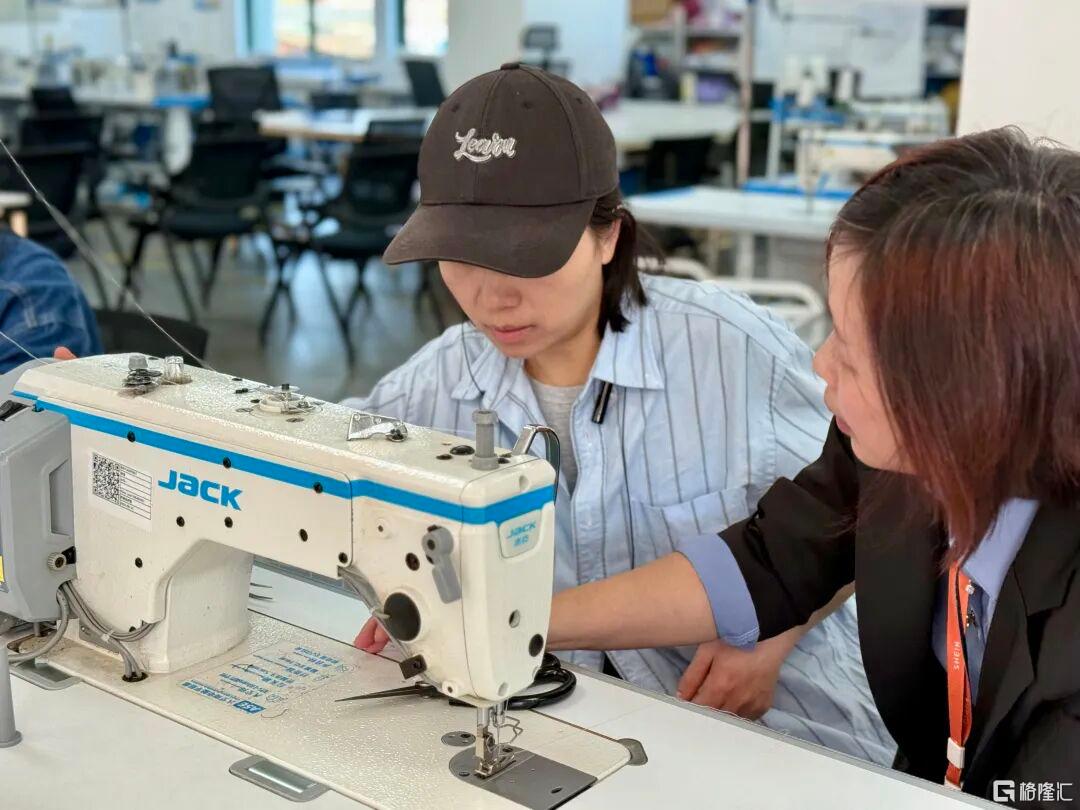
Group 1: Economic Competition Overview - The competition between cities like Shenyang and Dalian is intensifying, with Shenyang narrowing the GDP gap to less than 500 billion yuan in 2024, marking a significant phase in the "Northeast first city" contest [1][2] - In Southeast China, Fuzhou and Quanzhou have been in a prolonged economic rivalry for over 20 years, with Fuzhou reclaiming its leading position in recent years after being surpassed by Quanzhou in 1999 [1][6][7] Group 2: Shenyang vs. Dalian - In 2024, Dalian's GDP reached 9516.9 billion yuan, while Shenyang's was 9027.1 billion yuan, with Dalian becoming the first city in Northeast China to join the "trillion yuan club" [2] - Shenyang's economic growth rate of 6.1% in 2023 allowed it to slightly surpass Dalian's 6.0%, reducing the economic gap by 245 billion yuan over two years [2][3] - Dalian's economic strength is rooted in its industrial base and port advantages, while Shenyang is leveraging its transportation hub status and policy support to transition towards high-end manufacturing [3][4] Group 3: Fuzhou vs. Quanzhou - Fuzhou's economic growth has been bolstered by its provincial capital status and the development of digital economy initiatives, with its digital economy surpassing 450 billion yuan by 2020 [6][7] - The GDP gap between Fuzhou and Quanzhou narrowed from over 600 billion yuan in 2018 to approximately 130 billion yuan by 2020, with Fuzhou regaining its position as the leading city in 2021 [7] - Quanzhou is focusing on upgrading its traditional manufacturing sectors while also developing emerging industries such as artificial intelligence and new materials [7][8] Group 4: Tangshan vs. Shijiazhuang - Tangshan surpassed Shijiazhuang in GDP for the first time in 2005, and by 2021, the gap had widened to 1740 billion yuan, but Shijiazhuang has since begun to close this gap [8][10] - In 2024, Tangshan's GDP crossed the trillion yuan mark, while Shijiazhuang reached 8203.4 billion yuan, indicating a potential shift towards a "dual trillion city" economy in Hebei [8][10] - Both cities are focusing on integrating with the Beijing-Tianjin-Hebei region and developing new industries, with Shijiazhuang emphasizing artificial intelligence and future industries [10][11]
哈森股份:2025年年度业绩预亏公告
Zheng Quan Ri Bao· 2026-01-20 11:14
Core Viewpoint - Hason Co., Ltd. has announced a projected net loss for the fiscal year 2025, indicating financial challenges ahead for the company [2] Financial Performance - The company expects a net profit attributable to shareholders of the parent company to be between -24 million to -36 million yuan for 2025 [2] - The projected net profit, after deducting non-recurring gains and losses, is estimated to be between -26.12 million to -38.12 million yuan [2]

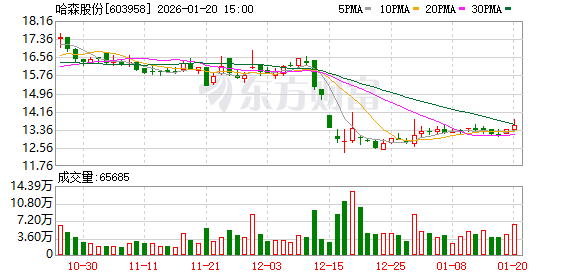
棒杰股份:苏州青嵩累计质押股数为1700万股
Mei Ri Jing Ji Xin Wen· 2026-01-20 11:13
Group 1 - The company Bangjie Co., Ltd. announced that as of the date of the announcement, Suzhou Qingsong has pledged a total of 17 million shares, accounting for 3.7% of the company's total share capital [1] - Chen Jiansong has pledged a total of 2 million shares, representing 0.44% of the company's total share capital [1] - Chen Gendi has also pledged a total of 2 million shares, which is 0.44% of the company's total share capital [1]

三省“双子星”抢龙头,透视区域经济新格局|城市论
Sou Hu Cai Jing· 2026-01-20 10:23
Group 1: Economic Competition in Northeast China - In 2024, the GDP of Dalian and Shenyang surpassed 900 billion yuan, with Dalian reaching 951.69 billion yuan and Shenyang at 902.71 billion yuan, marking a significant competition for the title of "Northeast Champion" [3] - The gap between Shenyang and Dalian has narrowed to 489.8 billion yuan, with Shenyang showing a growth rate of 6.1% compared to Dalian's 6.0%, indicating a strong catching-up momentum [3][6] - Dalian's economic strength is rooted in its industrial base and port advantages, while Shenyang is leveraging its transportation hub status and rich educational resources to transition towards high-end manufacturing [5][6] Group 2: Economic Dynamics in Southeast China - The competition between Fuzhou and Quanzhou has been ongoing for over 20 years, with Fuzhou recently reclaiming its position as the leading city in Fujian province [7][8] - Fuzhou's economic growth has been bolstered by its digital economy, which exceeded 450 billion yuan, accounting for over 45% of its GDP by 2020 [7][8] - Quanzhou, while facing challenges in traditional manufacturing, is focusing on upgrading its industries and developing strategic emerging sectors such as artificial intelligence and new materials [8] Group 3: Economic Developments in Hebei Province - The competition between Shijiazhuang and Tangshan has lasted for 20 years, with Tangshan initially surpassing Shijiazhuang in GDP due to its strong industrial base [12][13] - In 2024, Tangshan's GDP reached over 1 trillion yuan, while Shijiazhuang's GDP was 820.34 billion yuan, indicating a shift towards a "dual trillion city" dynamic in Hebei [13][15] - Both cities are focusing on integrating with the Beijing-Tianjin-Hebei region and developing new industries, with a shared goal of enhancing their economic growth potential [15][16]

浙江金华跻身“外贸万亿之城”
Zhong Guo Fa Zhan Wang· 2026-01-20 08:37
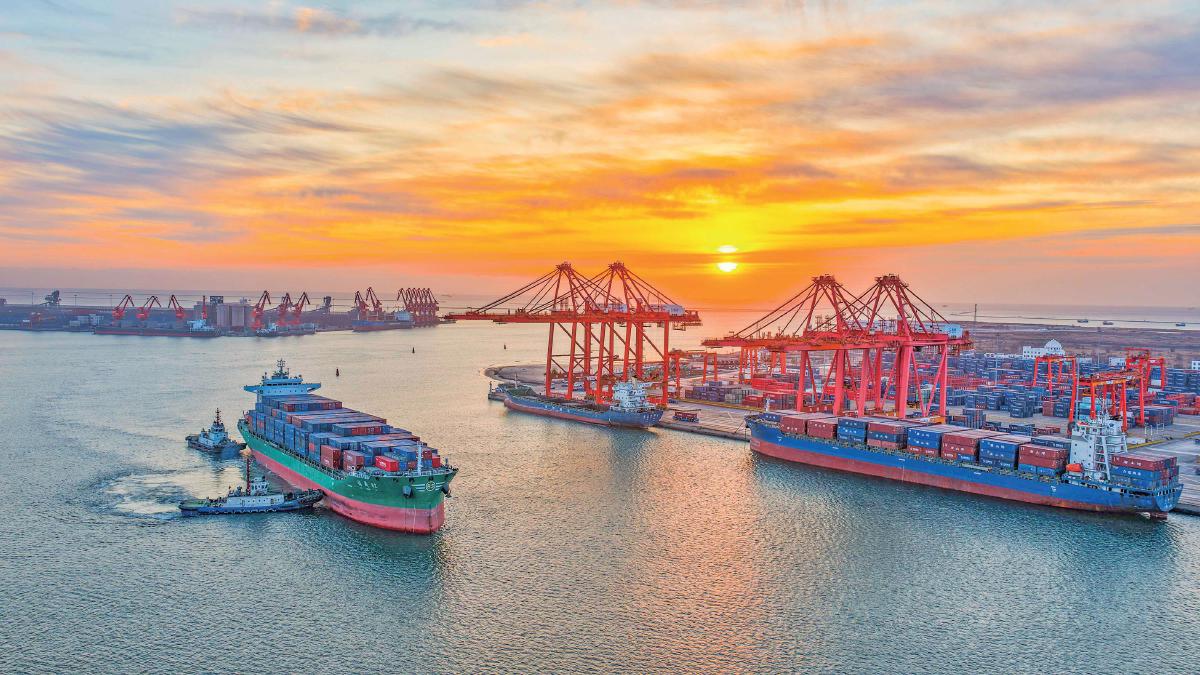
Core Insights - In 2025, Jinhua achieved a total foreign trade import and export value of 1.05 trillion yuan, marking a 19.5% year-on-year growth and becoming the eighth city in China to surpass the 1 trillion yuan foreign trade threshold [1] Group 1: Export Performance - Jinhua's exports reached 921.29 billion yuan in 2025, with a year-on-year growth of 19.4%, leading the province in both growth rate and contribution [1] - Private enterprises are the backbone of Jinhua's foreign trade, with 21,000 out of 22,000 import and export enterprises being private, accounting for 98.3% of the city's total exports [3] - The city has over 60,000 active cross-border e-commerce sellers, with 54,000 overseas merchants operating in 131 countries and regions [3] Group 2: Market Diversification - Jinhua maintains trade relations with 233 countries and regions, with exports exceeding 1 billion yuan to over 100 countries [4] - Exports to emerging markets in Africa, Latin America, the Middle East, and ASEAN achieved double-digit growth, collectively accounting for 54.2% of total exports [4] - Yiwu, a city within Jinhua, played a significant role, achieving exports of 730.7 billion yuan, a 24.1% increase [4] Group 3: Trade Facilitation and Infrastructure - Jinhua is enhancing its open economy by deepening international trade reforms and establishing a China-Europe freight train hub [5] - The city exported 599.17 billion yuan through market procurement trade, representing 70.7% of the national total for this trade type [5] - The Zhejiang China-Europe freight train has opened 26 routes, covering over 50 countries and 160 cities, with 3,005 trains operated in the year, a 14.7% increase [5] Group 4: Industrial Upgrading - Jinhua is optimizing its industrial structure, enhancing the international competitiveness of traditional industries like textiles and hardware [6] - The export of electric vehicles surged by 99.6%, while high-end products like photovoltaic components and smart equipment are being exported to over 30 countries [6] - The continuous increase in product added value is helping "Jinhua manufacturing" move towards the mid-to-high end of the global value chain [6]
鄂尔多斯股价跌5.02%,鹏华基金旗下1只基金重仓,持有3300股浮亏损失2508元
Xin Lang Cai Jing· 2026-01-20 05:26
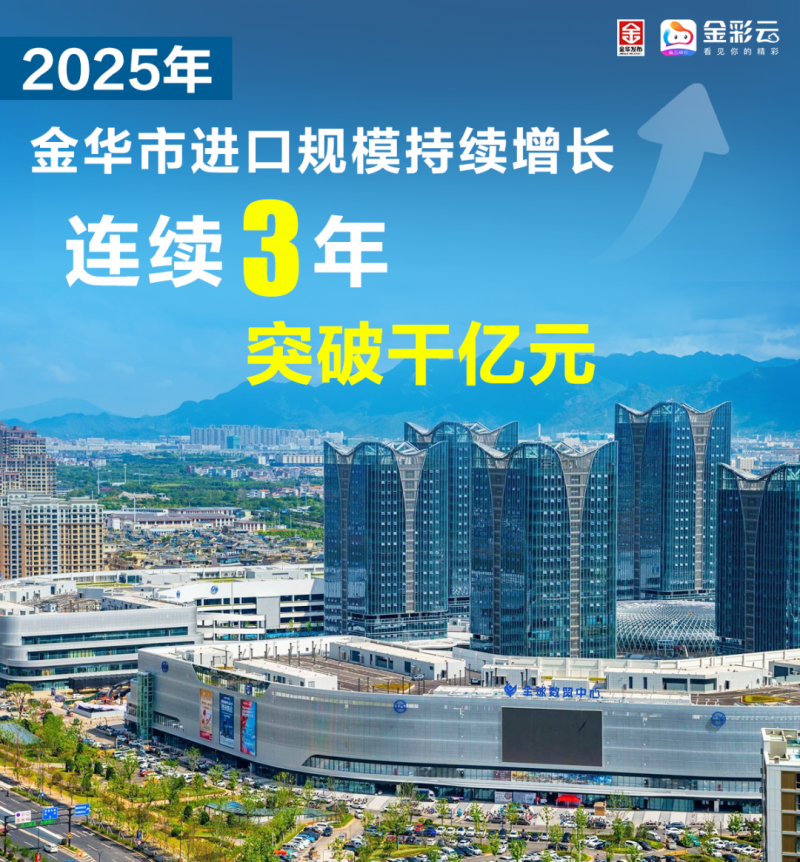
Group 1 - The stock of Inner Mongolia Erdos Resources Co., Ltd. fell by 5.02% on January 20, closing at 14.37 yuan per share, with a trading volume of 155 million yuan and a turnover rate of 0.54%, resulting in a total market capitalization of 40.218 billion yuan [1] - The company, established on October 15, 1995, and listed on April 26, 2001, has its main business activities in cashmere clothing, power metallurgy, and chemicals. The revenue composition is as follows: silicon iron 37.05%, PVC resin 18.59%, clothing 13.60%, caustic soda 7.78%, others 7.65%, coal 5.87%, silicon manganese alloy 3.76%, fertilizer 2.81%, calcium carbide 2.55%, and polysilicon 0.34% [1] Group 2 - According to data from the top ten heavy stocks of funds, one fund under Penghua Fund holds shares in Erdos. The Penghua Anrong Mixed A (011572) fund held 3,300 shares in the third quarter, accounting for 0.1% of the fund's net value, ranking as the fourth largest heavy stock. The estimated floating loss today is approximately 2,508 yuan [2] - The Penghua Anrong Mixed A fund was established on September 22, 2021, with a current scale of 261.9 million yuan. Year-to-date, it has lost 0.1%, ranking 8,575 out of 8,848 in its category; over the past year, it has gained 2.75%, ranking 7,641 out of 8,093; and since inception, it has achieved a return of 12.01% [2] Group 3 - The fund managers of Penghua Anrong Mixed A are Du Peijun, Zhang Jingxian, and Kou Binqian. As of the report, Du Peijun has a cumulative tenure of 4 years and 302 days, managing a total fund asset of 12.245 billion yuan, with the best fund return during his tenure being 21.77% and the worst being -0.28% [3] - Zhang Jingxian has a cumulative tenure of 258 days, managing a total fund asset of 3.008 billion yuan, with the best return of 3.47% and the worst of 0.76% during her tenure [3] - Kou Binqian has a cumulative tenure of 2 years and 215 days, managing a total fund asset of 3.785 billion yuan, with the best return of 117.37% and the worst of 0.46% during his tenure [3]

SHEIN的“人才引擎”,如何激活服装产业升级新动能?
Ge Long Hui· 2026-01-20 05:24
Core Viewpoint - The textile and apparel industry in China is facing structural talent shortages, which hinder its transformation towards digitalization and sustainability. SHEIN is addressing this issue through comprehensive training programs aimed at various employment groups, thereby enhancing the industry's talent pool and overall competitiveness [1][3]. Group 1: Talent Development Initiatives - SHEIN has launched a free employment support skills training program targeting key employment groups, including unemployed graduates and flexible workers, focusing on two roles: sewing workers and garment pattern makers [1][13]. - The company has established a three-dimensional training system that integrates suppliers, educational institutions, and social groups, embedding talent development into its core industry empowerment strategy [1][3]. - In 2025, SHEIN conducted nearly 600 supplier empowerment training sessions, covering approximately 37,000 suppliers and certifying skills in six job categories [6]. Group 2: Training Methodologies - SHEIN employs a "full-cycle training + on-site teaching" approach to address industry pain points, significantly reducing defect rates among suppliers by 50% within a month after training [4][6]. - The company has developed a four-part integration mechanism for industry needs, professional capability modeling, curriculum restructuring, and joint assessments with educational institutions, ensuring that training aligns with real industry demands [9]. - SHEIN's training programs are designed based on real business scenarios, allowing students to gain practical skills that are directly applicable in the workforce [9][13]. Group 3: Employment Support and Community Impact - The "zero-based" skills training program not only equips participants with practical sewing skills but also enhances their employability, creating a complete cycle from job demand to skills training and employment services [13][15]. - SHEIN's initiatives have resulted in a dual benefit of addressing employment challenges for key groups while simultaneously building a reservoir of skilled talent for the apparel industry [15]. - The company has invested in community support programs, such as funding for workers' families and providing after-school care for employees' children, which enhances employee retention and morale [18]. Group 4: Industry Collaboration and Ecosystem Development - SHEIN's talent development is integrated into its broader "4+1" industry empowerment system, which includes investments in technology, factory upgrades, and community services, promoting sustainable development in the textile and apparel sector [16]. - The company has committed to investing 500 million yuan over five years for supplier empowerment, which includes both physical and human capital investments [16]. - SHEIN's training and support initiatives have created significant employment opportunities, impacting over one million jobs across various sectors, including trade, manufacturing, and logistics [19].