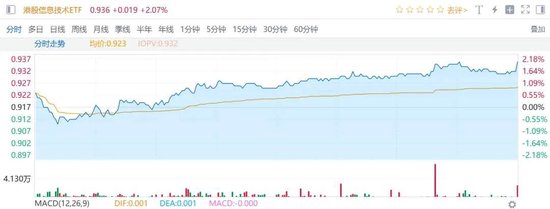
高端装备

Search documents
报告:中国科技50强营收增长率较去年略有下降
Di Yi Cai Jing· 2025-12-16 09:48
Group 1 - The core drivers for companies pushing technology and innovation are talent, capital, and AI research and development investment [1][2] - The average three-year cumulative revenue growth rate for the top 50 companies in China is 490%, showing a slight decline compared to 2024, while the top 10 companies' revenue growth rate remains stable [1] - Companies with revenue between 50 million and 100 million yuan account for 38% of the top 50, while those with revenue over 100 million yuan maintain a 44% share, indicating a rise in the proportion of small and medium-sized enterprises [1] Group 2 - The Greater Bay Area accounts for 52% of the top 50 companies, with Shenzhen, Shanghai, Beijing, and Guangzhou leading, highlighting the importance of mature industrial foundations and talent resources in first-tier cities [1] - The hardware industry leads with a 28% share, followed by high-end equipment at 18%, benefiting from growth in the semiconductor sector and strong performance in intelligent manufacturing [1] - AI research and development investment accounts for over 50% of revenue for 23% of the top 50 companies and 66% of the rising stars, indicating a significant trend towards AI integration [2] Group 3 - The global technology industry is undergoing a profound transformation driven by AI, characterized by competition for computing power sovereignty, the rise of open-source model ecosystems, and the evolution of AI agents [3] - From 2025 to 2030, China is expected to enter a period of explosive growth in the "AI + manufacturing/renewable energy/life sciences" matrix, becoming a beneficiary and backup provider of global "computing power replacing human labor" [3] - Over 60% of the companies listed in the 2025 China Pharmaceutical and Health Rising Stars report have valuations exceeding 1 billion yuan, with innovative drugs and medical devices accounting for 80% of the most dynamic sectors [3]
3332项科技成果“上架”科交会 首日签约额超亿元
Nan Fang Ri Bao Wang Luo Ban· 2025-12-16 09:33
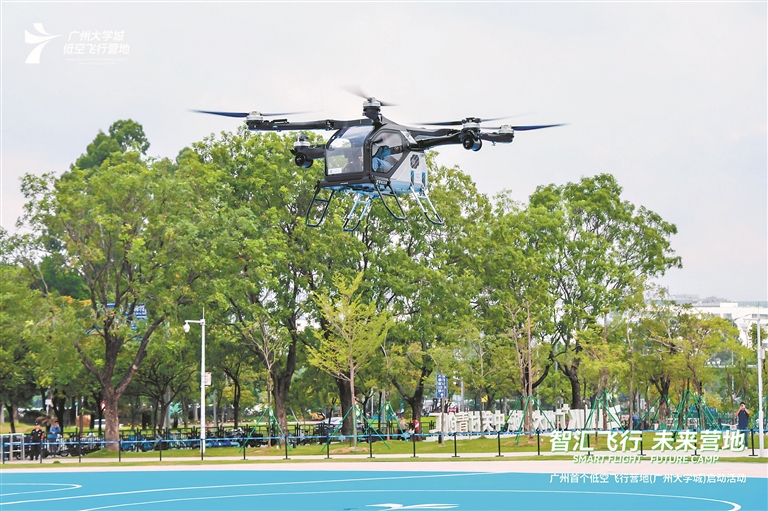
Core Insights - The 2025 Higher Education Technology Achievement Trading Fair (referred to as "Tech Fair") commenced in Guangzhou, showcasing 3,332 technology achievements from 638 universities across the country [1] - The fair aims to facilitate the transformation of scientific achievements from "shelves" to "market" by clearly labeling each technology with a market "price tag" for enterprises to reference [2] - A total of 1.22 billion RMB was signed in contracts on the first day, with projects from fields such as biomedicine, artificial intelligence, and new information technology [1] Group 1: Technology Showcase - The "supermarket" area featured various technology achievements with clear pricing, such as Guangdong Medical University’s rice germ nutrition granules priced between 510,000 to 1 million RMB and Zhongshan University's outdoor intelligent grabbing robot priced over 20 million RMB [2] - The fair included a demonstration area for cutting-edge industries, showcasing innovations like the "Zero Dragon" indoor inspection drone, which attracted attention from security and operation maintenance companies [3] Group 2: Bridging the Gap - Technical managers played a crucial role in connecting universities with enterprises, acting as "translators" to convert complex technical language into understandable solutions for businesses [4] - The fair featured a series of roadshow activities covering various fields, allowing technology holders to present their innovations directly to potential partners [5] Group 3: Student Innovations - A dedicated area for student entrepreneurial teams was established, highlighting projects from universities like Beihang University and Nanjing University, aiming to attract industry investment [6] - Notable projects included a dual-use flying car developed by a team from Beihang University, which garnered significant interest from enterprises [6]
2024年山东万元工业增加值用水量降至10.74立方米
Qi Lu Wan Bao· 2025-12-16 09:28
12月16日,山东省政府新闻办举行省政府政策例行吹风会,邀请省水利厅负责同志等解读《山东省人民政府关于落实节水优先方针全面推进水资源节约集 约利用的意见》。 二是强化技术攻关,突破节水技术装备瓶颈。坚持以技术创新、装备更新挖掘节水潜力,建立"研发-应用-推广"机制。在研发上,坚持把节水作为实施企 业技术创新项目重点领域,2025年实施工业节水方向技术创新项目12项。在应用上,组织开展工业节水技术征集工作,今年有7项技术装备列入《国家鼓 励的工业节水工艺、技术和装备目录(2025年版)》。在推广上,联合省水利厅、省生态环境厅等部门印发推广工作方案,聚焦化工、钢铁等高耗水行业开 展"一行业一策"先进技术装备推广活动,引导企业积极依靠新技术装备提高水资源节约利用水平。 三是强化系统治理,构建节水工业体系。坚持系统施策,加快培育新质生产力,推动水资源流向先进制造业。传统产业提质升级。聚焦冶金、石化等传统 产业,深入实施工业领域新一轮大规模设备更新,今年实施的1662个省技改导向目录项目中,有近三分之一包含节水措施。新兴产业发展壮大。新一代信 息技术、高端装备、新能源新材料等新兴产业发展聚链成群,不断壮大,高新技术产业 ...

申万金工ETF组合202512
Shenwan Hongyuan Securities· 2025-12-16 03:30
Report's Investment Rating for the Industry The provided content does not mention the industry investment rating. Core Views of the Report - The report constructs multiple ETF portfolios, including macro industry, macro + momentum industry, core - satellite, and trinity style rotation portfolios, to capture investment opportunities and manage risks in the ETF market [1][5]. - It combines macro - based and momentum - based methods to form complementary strategies, aiming to improve the performance of the portfolios [12]. - The trinity style rotation model uses macro liquidity as the core to build a long - term style rotation model and selects ETFs based on the model's results [6]. Summary by Relevant Catalog 1. ETF Portfolio Construction Methods 1.1 Based on Macro Method - Calculate the macro - sensitivity scores of economic, liquidity, and credit for industry - themed ETFs, and adjust the scores according to the latest indicators. Select the top 6 industry - themed indices and corresponding largest - scale ETFs for equal - weight allocation [1][7]. - Traditional cyclical industries are sensitive to the economy, TMT is sensitive to liquidity, and consumption is sensitive to credit. State - owned enterprises and ESG - related themes have low sensitivity to liquidity and credit [5]. 1.2 Trinity Style Rotation - Build a long - term style rotation model centered on macro liquidity, including growth/value, market capitalization, and quality models. Combine the results of the three models to get the final style preference [6]. - Screen ETFs with high exposure to the target style, control industry exposure, and set allocation limits to obtain the ETF allocation model [6]. 2. Macro Industry Portfolio - Select industry - themed ETFs that have been established for over 1 year and have a current scale of over 200 million. Calculate and adjust sensitivity scores, and remove liquidity scores if there is a significant divergence between liquidity and credit. Then select the top 6 industry - themed indices and corresponding largest - scale ETFs for equal - weight allocation [7][8]. - Currently, with economic forward - looking indicators rising and liquidity and credit indicators tightening, the portfolio is value - oriented with high proportions of banks and cyclical sectors. The December 2025 holdings include Huabao CSI Bank ETF, Cathay CSI Coal ETF, etc. [9]. - The portfolio has large fluctuations and outperformed the benchmark significantly in November 2025 [11]. 3. Macro + Momentum Industry Portfolio - Combine macro - based and momentum - based methods. Use clustering to group industry - themed indices and select the product with the highest 6 - month return from each group for equal - weight allocation [12]. - The December 2025 holdings include Huabao CSI Bank ETF, Cathay CSI Coal ETF, and others. The battery and metal industries selected by momentum have increased [15]. - The portfolio has performed well this year and outperformed the CSI 300 significantly in November 2025 [16]. 4. Core - Satellite Portfolio - Design a "core - satellite" portfolio with the CSI 300 as the core to address the high volatility and rapid industry rotation of industry - themed ETFs [18]. - Calculate macro - sensitivity scores for domestic broad - based, industry - themed, and Smart Beta ETFs, construct three stock portfolios, and weight them at 50%, 30%, and 20% respectively [18]. - The December 2025 holdings include Huatai - Peregrine CSI 300 ETF, Huaxia SSE 50 ETF, etc. The portfolio has been stable this year and outperformed the index almost every month, including in November 2025 [21][23]. 5. Trinity Style Rotation ETF Portfolio - The model currently favors small - cap growth + high - quality segments. The factor exposures and historical performance are presented in the report [24]. - The December 2025 holdings include Southern CSI 500ETF, Southern CSI 1000ETF, etc. [30].
全市第一!224家企业入围!
Jiang Nan Shi Bao· 2025-12-16 02:52
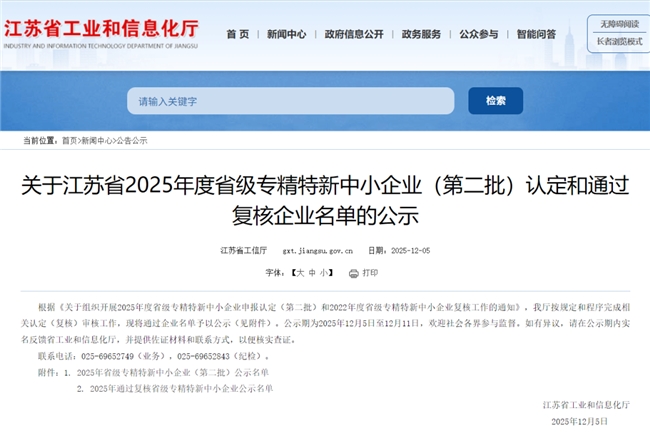
Core Viewpoint - The Wuxi High-tech Zone has been recognized for its significant achievements in fostering specialized and innovative small and medium-sized enterprises (SMEs), leading the city with a total of 626 recognized enterprises to date [3]. Group 1: Recognition and Achievements - In the 2025 provincial recognition of specialized and innovative SMEs, Wuxi High-tech Zone had 224 enterprises recognized, ranking first in the city, with an additional 107 enterprises passing the review [1]. - A total of 243 new recognitions were added in the 2025 application process, maintaining the highest cumulative recognition in the city [3]. Group 2: Industry Focus - Approximately 80% of the recognized enterprises are concentrated in high-end equipment, IoT, high-end software, integrated circuits, new materials, and new energy sectors [3]. - The average R&D intensity of these enterprises is 7%, and they hold an average of 24 valid authorized patents [3]. Group 3: Support and Development Strategies - The Wuxi High-tech Zone emphasizes the cultivation of quality SMEs through policy support, service provision, and resource guarantees, implementing multiple measures to promote the development of specialized and innovative enterprises [3]. - The zone plans to attract 3,279 technology-based enterprises by enhancing collaboration among departments and improving the monitoring and support system for SMEs [4]. Group 4: Service Optimization - The region is focused on providing comprehensive empowerment services for enterprises, including digital transformation, standard certification, intellectual property, and financing support [5]. - Regular monitoring of the development needs of specialized and innovative enterprises is conducted to address their challenges effectively [5]. Group 5: Resource Allocation - Resources and services are directed towards high-quality specialized and innovative enterprises, including meeting their land and factory needs [6]. - Various activities, such as industry chain matching and overseas expansion events, are organized to promote the integration and growth of enterprises [6]. Group 6: Future Directions - The Wuxi High-tech Zone aims to deepen the integration of technological and industrial innovation, focusing on attracting quality projects and enhancing innovation capabilities [7]. - The goal is to create a robust industrial ecosystem that supports the continuous improvement of specialized and innovative SMEs, facilitating their upgrade to "little giant" and "single champion" enterprises [7].
打造“三区一高地”筑就高质量发展新标杆
Xin Hua Ri Bao· 2025-12-15 21:56
Core Insights - The strategic emerging industries and high-tech industries in Zhenjiang High-tech Zone account for 70% and 72% of the regional GDP respectively, indicating a strong focus on advanced manufacturing and innovation-driven development [1] - The high-tech zone has seen significant growth in the shipbuilding and marine engineering sector, with a 30.3% year-on-year increase in taxable sales from large-scale enterprises in the first half of the year [1] Group 1: Industry Development - The Zhenjiang High-tech Zone is actively attracting technology enterprises from major cities, with several companies expressing intentions to settle and collaborate on innovative projects in the shipbuilding and marine engineering sectors [2] - The leading enterprises in the industry, such as China Shipbuilding Power and Harbin Electric Group, have shown strong performance, with a 39% market share in low-speed diesel engines and a 27% year-on-year increase in delivery volume in the first half of 2025 [2] - A complete ecosystem has formed in the shipbuilding and marine engineering industry, comprising 12 main manufacturers and 69 supporting enterprises, contributing 85% of the industry's output value [2] Group 2: Investment and Project Acceleration - The high-tech zone has introduced nine strong chain projects with a total investment exceeding 9 billion yuan, and signed 18 new projects worth over 100 million yuan in the first half of 2025, injecting continuous vitality into industrial development [3] - Innovative service mechanisms have been implemented, achieving a record land approval time of 28 days and reducing the number of required application materials by 96% [3] Group 3: Technological Innovation - The launch of China's first high-power hydrogen-electric hybrid tugboat marks a significant achievement in the application of hydrogen energy in shipping, with the vessel expected to reduce carbon emissions by over 1,400 tons annually [4] - Collaborative innovation between the high-tech zone and universities has led to the establishment of a practical innovation base, facilitating the development of advanced marine engineering technologies [4] Group 4: Talent and Community Development - The high-tech zone has constructed 863 youth apartment beds to address housing needs for talent, alongside establishing a dedicated medical service center for high-level talents [10] - A comprehensive "15-minute elderly care service circle" has been created, with nine standardized elderly care centers built to enhance community welfare [9] - The integration of urban development and industrial vitality is being promoted, with infrastructure upgrades and community services designed to support both residents and enterprises [10] Group 5: Future Goals - The Zhenjiang High-tech Zone aims to continue optimizing public services and deepen the integration of party building and community welfare, focusing on strengthening leading industries and building an innovative ecosystem [11]

视频丨明年经济工作到底怎么做?听专家为你详细解读→
Yang Shi Xin Wen Ke Hu Duan· 2025-12-15 13:14
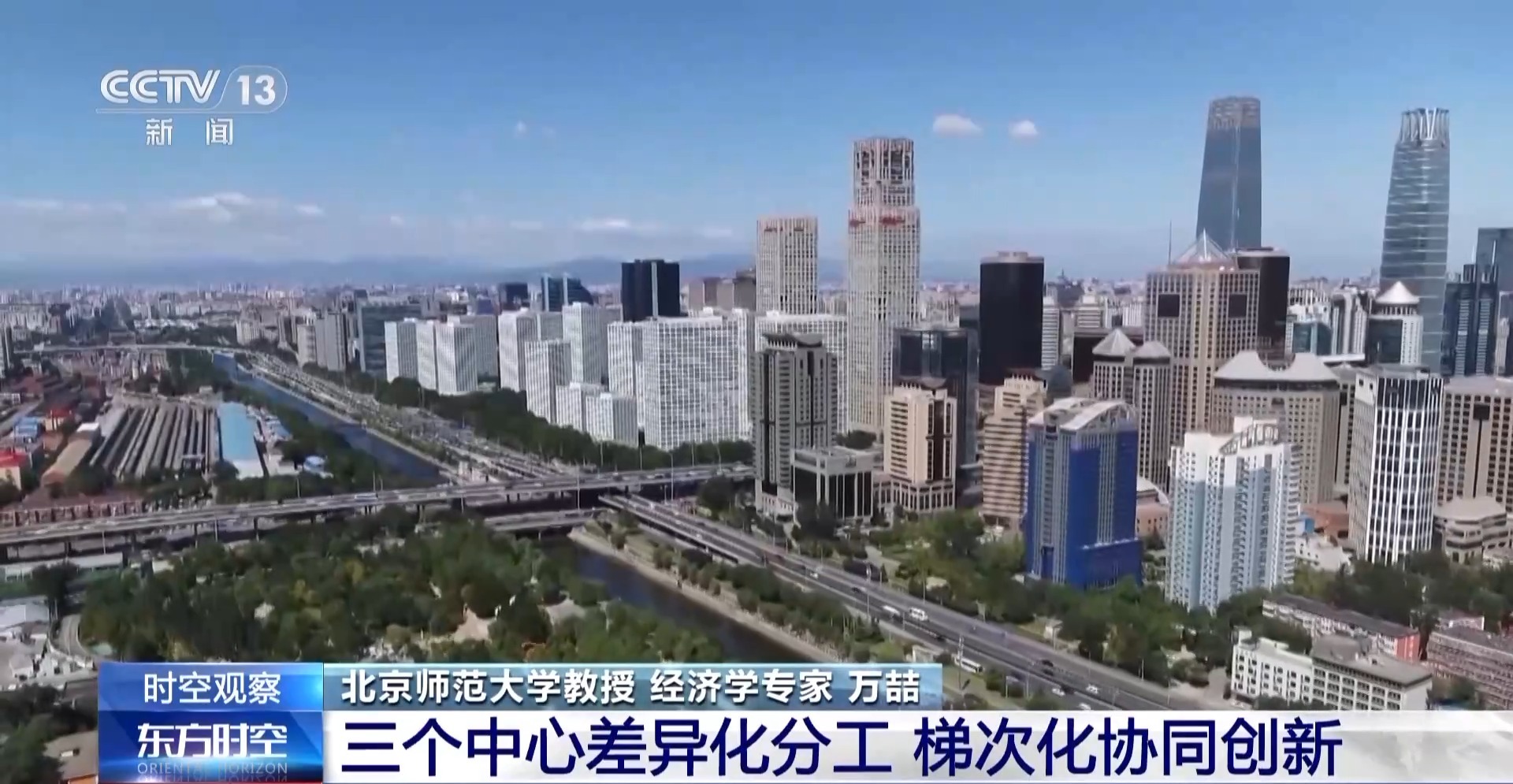
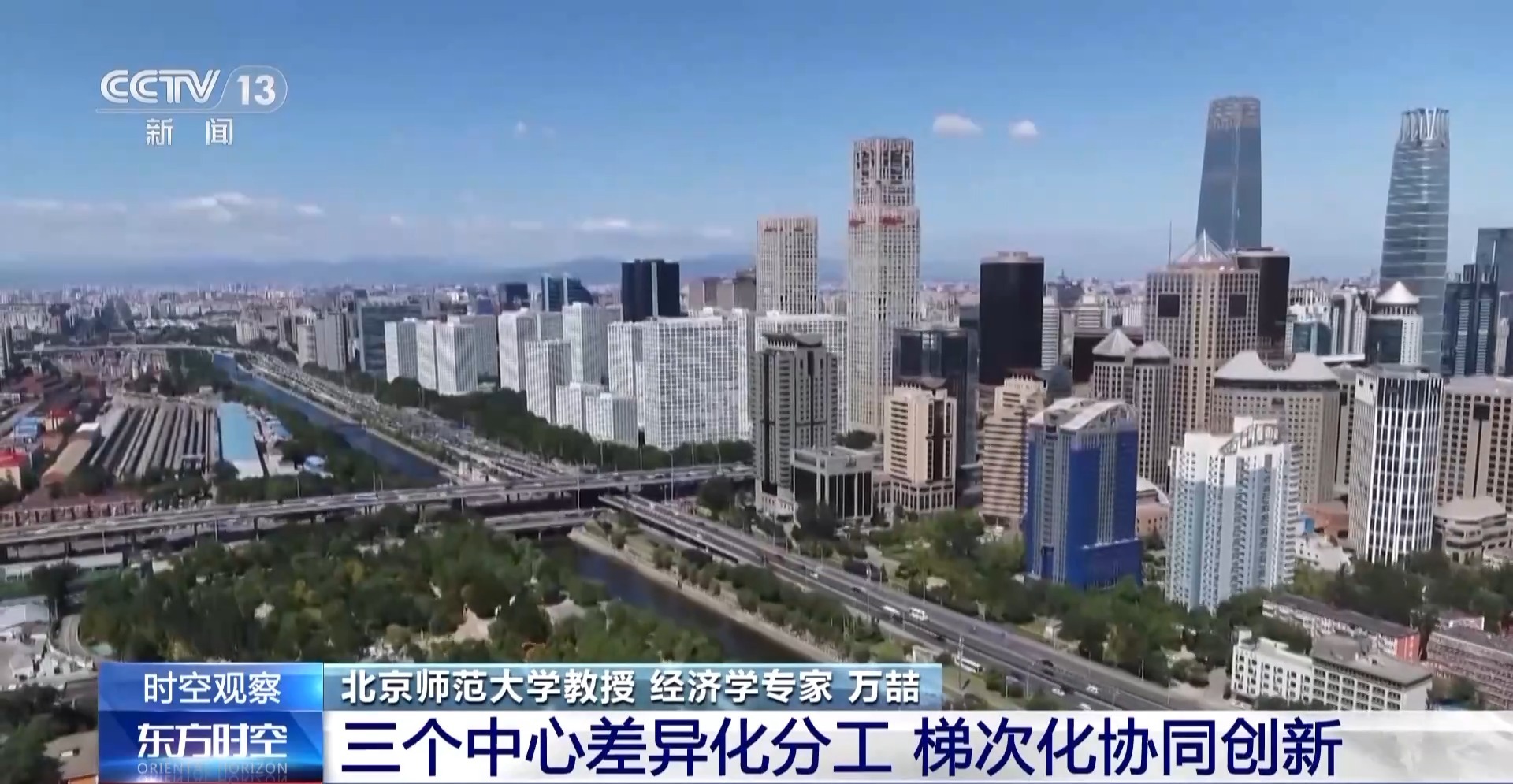
Group 1 - The central economic work conference has outlined the overall requirements and policy direction for next year's economic work, focusing on eight key tasks, including innovation-driven development and strengthening the role of enterprises in innovation [1] - The conference emphasizes the establishment of three major international technology innovation centers in Beijing (Jing-Jin-Ji), Shanghai (Yangtze River Delta), and the Guangdong-Hong Kong-Macao Greater Bay Area, highlighting their differences and complementary roles [2][10] - The Beijing center is positioned as a source of original innovation, focusing on basic research and key core technologies, while Shanghai is designated as an application innovation leading area, emphasizing high-end manufacturing and open innovation [6][8] Group 2 - The Guangdong-Hong Kong-Macao Greater Bay Area is identified as a cross-border collaboration hub and a base for emerging industries, focusing on rapid industrialization of technological achievements and exploring innovative governance aligned with international standards [10] - The national strategy aims to enhance regional collaboration by establishing a coordinated mechanism for knowledge sharing, talent mobility, and industrial chain cooperation among the three centers, promoting a dual flow of innovation resources [12][18] - The conference also highlights the need to develop a service industry expansion and quality improvement action plan, focusing on enhancing the development level of the service sector and promoting high-quality development [19][21] Group 3 - The conference includes a focus on deepening and expanding "Artificial Intelligence+" as a key deployment, marking a new stage in the development of artificial intelligence [30][32] - The goal is to embed artificial intelligence into key industrial chains to enhance productivity and create competitive manufacturing clusters, while also improving service quality through innovative applications [37] - A new round of high-quality development actions for key industrial chains will be implemented, emphasizing the importance of enhancing the self-controllability of industrial chains and optimizing supply chain layouts [38][44]
明年经济工作到底怎么做?听专家为你详细解读→
Yang Shi Xin Wen Ke Hu Duan· 2025-12-15 12:52
Group 1 - The central economic work conference has outlined the overall requirements and policy direction for next year's economic work, focusing on eight key tasks, including innovation-driven development and strengthening the role of enterprises in innovation [1][12] - The establishment of three international technology innovation centers in Beijing (Jing-Jin-Ji), Shanghai (Yangtze River Delta), and the Guangdong-Hong Kong-Macau Greater Bay Area is a significant focus, emphasizing their differentiated roles and complementary functions [1][10] Group 2 - Beijing's role is primarily as a source of original innovation, focusing on fundamental research and key core technology breakthroughs, particularly in areas like artificial intelligence and quantum information [3] - Shanghai is positioned as a leading area for applied innovation, emphasizing high-end manufacturing and open innovation, with a focus on technology commercialization and industrial chain collaboration [5] - The Guangdong-Hong Kong-Macau Greater Bay Area serves as a cross-border collaboration hub and a base for emerging industries, focusing on rapid industrialization of technological achievements and exploring innovative governance aligned with international standards [7] Group 3 - The national strategy emphasizes avoiding redundant layouts through top-level planning and promoting cross-regional collaboration mechanisms, including knowledge sharing and talent mobility [9] - The new deployment of the three innovation centers represents a shift from single-point breakthroughs to regional integrated collaborative efforts, enhancing the strategic positioning of China's technological innovation [10][12] Group 4 - The conference also highlighted the need to develop a service industry expansion and quality improvement action plan, aiming to enhance the service sector's development level and drive high-quality growth [12][14] - The service industry encompasses various sectors, including both productive and lifestyle services, with a focus on integrating new business models and enhancing facilities [14][16][18] Group 5 - The conference has included a focus on deepening and expanding "Artificial Intelligence+" initiatives, marking a new phase in AI development aimed at enhancing overall productivity and creating new comparative advantages [22][25] - The implementation of a new round of high-quality development actions for key industrial chains is crucial for improving the competitiveness of the entire industry, emphasizing the need for policy support and adherence to industry development laws [27][29]
从“广交天下”到“科交未来”:一场跨越六十余载的“交响”
Guang Zhou Ri Bao· 2025-12-15 01:57
Core Insights - The 2025 Higher Education Technology Achievement Trading Conference will take place from December 15 to 17 at the Canton Fair Complex, marking a significant shift from "Made in China" to "Created in China" [1][6] - The conference aims to facilitate the market value of technological achievements, transforming dormant academic innovations into market-ready products [2][4] Historical Context - The first China Export Commodities Fair (Canton Fair) was held in 1957, symbolizing China's commitment to connecting with the world [2] - The mission of the upcoming conference is to break through core technology barriers, allowing for the efficient trading of technological achievements [2][3] Innovation Spirit - Guangdong's history of innovation is highlighted by the 1986 introduction of the first local regulation on technology market management, which established the concept of "technology goods" [3] - This innovative spirit is reflected in the conference's approach to technology transactions, emphasizing practical and efficient solutions [3] Industrial Landscape - The conference will gather over 600 universities with cutting-edge technologies, providing a platform for industries seeking technological innovation for transformation [4][5] - Guangzhou's industrial investment is projected to grow from 103 billion yuan in 2020 to 171 billion yuan by 2024, a 66% increase, indicating a robust industrial foundation [4] Event Highlights - The conference will focus on strategic emerging industries such as new information technology, biomedicine, and autonomous driving, facilitating direct interactions between universities and industries [6][11] - A comprehensive ecosystem for technology transfer will be established, ensuring that every technology can find its application scenario [10][12] Networking and Collaboration - The event will serve as a platform for deep collaboration among government, industry, academia, and finance, fostering innovation ecosystems [7][14] - Various initiatives will be introduced to connect university research with industry needs, including a "supermarket" for high-value patents and a "one-stop" service area for technology transfer [12][14]
大奇迹日...
Xin Lang Cai Jing· 2025-12-15 01:49
周五,大奇迹日啊!A股三大指数集体翻红,尤其是创业板指涨了近1%,两市成交额也回到了2万亿以 上。 盘面上热点轮动很快,可控核聚变、商业航天掀起了涨停潮,还得是科技成长! 1、科技创新与高端制造 这里面还有具体细分,大家可以找找对应的ETF进行布局。 比如,人工智能与算力,会议提到了深入"人工智能+"行动; 其次,高端装备与商业航天。"实施新一轮重点产业链高质量发展行动"直接利好高端装备。国家设立商 业航天司,推动产业高质量发展,使商业航天板块近期持续受到资金关注。 港股,恒生指数涨得更带劲,全天涨了1.75%,表现比A股还强一些。整体看,市场在经历了前几天的 调整后,情绪有所回暖,资金又开始活跃起来了。 重磅经济会议落地,提到了几个重点任务,坚持内需主导、强化科技创新、建设全国统一大市场(反内 卷)、统筹发展与安全。 这里主次很明显了,后续,或者说2026年这几个方向值得重点关注: 还有,工业母机与机器人。作为智能制造的基础,工业母机被"十五五"规划列为优先方向,机器人产业 也受益于政策助推产业化落地。 2、内需与大消费 提振消费是"坚持内需主导"的核心,还有一个逻辑,部分消费板块估值已处于历史中低水平。 ...