快餐

Search documents
CPE源峰控股汉堡王中国,3.5亿美元押注4000家门店目标
Sou Hu Cai Jing· 2025-11-12 23:45
Core Insights - The strategic partnership between CPE Yuanfeng and RBI marks a significant shift in the operational control of Burger King in China, with CPE Yuanfeng acquiring an 83% stake for $350 million, indicating a new phase of local capital-driven development for the brand [2][4][8] - The partnership aims for aggressive growth, targeting an expansion of Burger King's store count from approximately 1,250 to over 4,000 by 2035, representing nearly a threefold increase [2][9] Group 1: Investment and Strategic Goals - CPE Yuanfeng's investment will focus on store expansion, menu localization, digital infrastructure development, and brand marketing upgrades [2][8] - The new joint venture will have exclusive operational rights in China for 20 years, emphasizing a long-term commitment to the market [2][8] Group 2: Market Position and Challenges - Burger King has struggled in the Chinese market, with a significant decline in store numbers from 1,587 at the end of 2023 to about 1,250 by Q3 2025, reflecting a closure rate of over 20% [5][6] - The brand's average annual sales per store in China are approximately $40,000, significantly lower than in France and South Korea, ranking last among RBI's top ten markets [5][6] Group 3: Localization Strategy - The new strategy emphasizes a "Same China" approach, focusing on capital, product, and channel localization to better meet local consumer demands [8][10] - A dedicated localization R&D center has been established to innovate the menu, with new products like "Spicy Lobster Burger" and "Sichuan Beef Burger" set to launch, addressing local taste preferences [9][10] Group 4: Operational Improvements - The expansion strategy includes a focus on smaller "mini-store" formats in lower-tier cities, with plans for 70% of new stores to be 80-120 square meters, enhancing market penetration [9] - Digital upgrades will be implemented, including AI ordering systems and smart kitchen equipment, to align with the growing trend of online ordering and delivery in China [9]

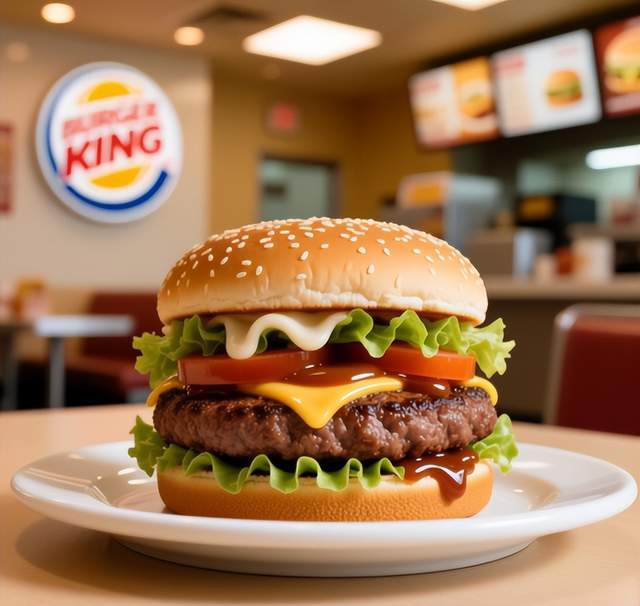
肯德基、麦当劳、星巴克、汉堡王⋯⋯外资餐饮为何在华密集“换老板”
Sou Hu Cai Jing· 2025-11-12 13:14
Core Insights - The strategic partnership between CPE Yuanfeng and RBI aims to revitalize Burger King's operations in China, where it has struggled to grow compared to competitors like KFC and McDonald's [1][2][9] - Burger King's store count in China has stagnated, decreasing from 1,300 in 2019 to approximately 1,250 currently, while KFC and McDonald's have significantly expanded their presence [1][9] - The shift in competitive dynamics in the Chinese market emphasizes the importance of local operational capabilities over foreign brand prestige [2][12] Company Performance - Burger King China has approximately 1,474 stores as of the end of 2024, while its global parent, RBI, has a total of 6,701 stores in the U.S. and fewer than 1,000 in other markets [9] - The partnership with CPE Yuanfeng involves an initial investment of $350 million to support expansion, marketing, and operational improvements [9][10] - The previous exclusive franchise rights held by TFI Group allowed for rapid expansion, increasing store count from about 50 to 1,000 in six years [8] Market Dynamics - The entry of foreign fast-food brands into China has evolved, with local partnerships becoming crucial for success, as seen with KFC and McDonald's [2][10] - The competitive landscape has shifted, with local brands like Tasting rapidly increasing their market share, highlighting the need for foreign brands to adapt [1][6] - The operational challenges faced by Burger King in China stem from its initial high-end positioning and slow adaptation to local market demands [6][12] Investment Trends - Chinese investment firms are increasingly acquiring foreign brands' operations in China due to established brand trust and user bases, which lower risks compared to building local brands from scratch [13][16] - The financial attractiveness of these acquisitions is underscored by the valuation differences between local and global operations, making them appealing to investors [13][16] - The potential for operational synergies and local market expertise is a key driver for these investments, as seen with CPE Yuanfeng's previous investments in other consumer brands [16][17]


11省份近三年常住人口正增长
第一财经· 2025-11-12 12:44
Core Insights - Since 2022, China's population has entered a phase of decline, characterized by low birth rates, aging, and regional population disparities [2] - In the past three years, 11 provinces have seen an increase in permanent residents, with Zhejiang and Guangdong leading in population growth [2] - The trend of population migration shows that the Yangtze River Delta and Pearl River Delta are major inflow regions, with smaller cities and rural areas continuing to migrate towards central cities [2] Population Growth by City - The top five cities with the highest population growth in the last three years are Hefei, Guiyang, Hangzhou, Changsha, and Zhengzhou, with Hefei leading at an increase of 537,000 residents [3] - Hefei has become the fourth city in the Yangtze River Delta to exceed a population of 10 million, driven by industrial development and the attraction of new industries [3] - Guiyang's population increased by 502,000, benefiting from the implementation of "strong provincial capital" and "strong talent" strategies [3] Birth and Natural Growth Rates - In 2024, 14 provinces had birth rates above the national average of 6.77‰, with 10 provinces exceeding 8‰, primarily located in the western and southern regions [4] - Eleven provinces maintained positive natural growth rates, with an increase of three provinces compared to the previous year, indicating a trend of population growth in these areas [4] High Birth Rate Provinces - Provinces with higher birth rates are also among those experiencing population growth, particularly in the western and southern coastal regions [5] - Guangdong's birth rate reached 8.89‰ in the previous year, with an increase of 100,000 births in 2024, maintaining its status as the top province for births for seven consecutive years [6]

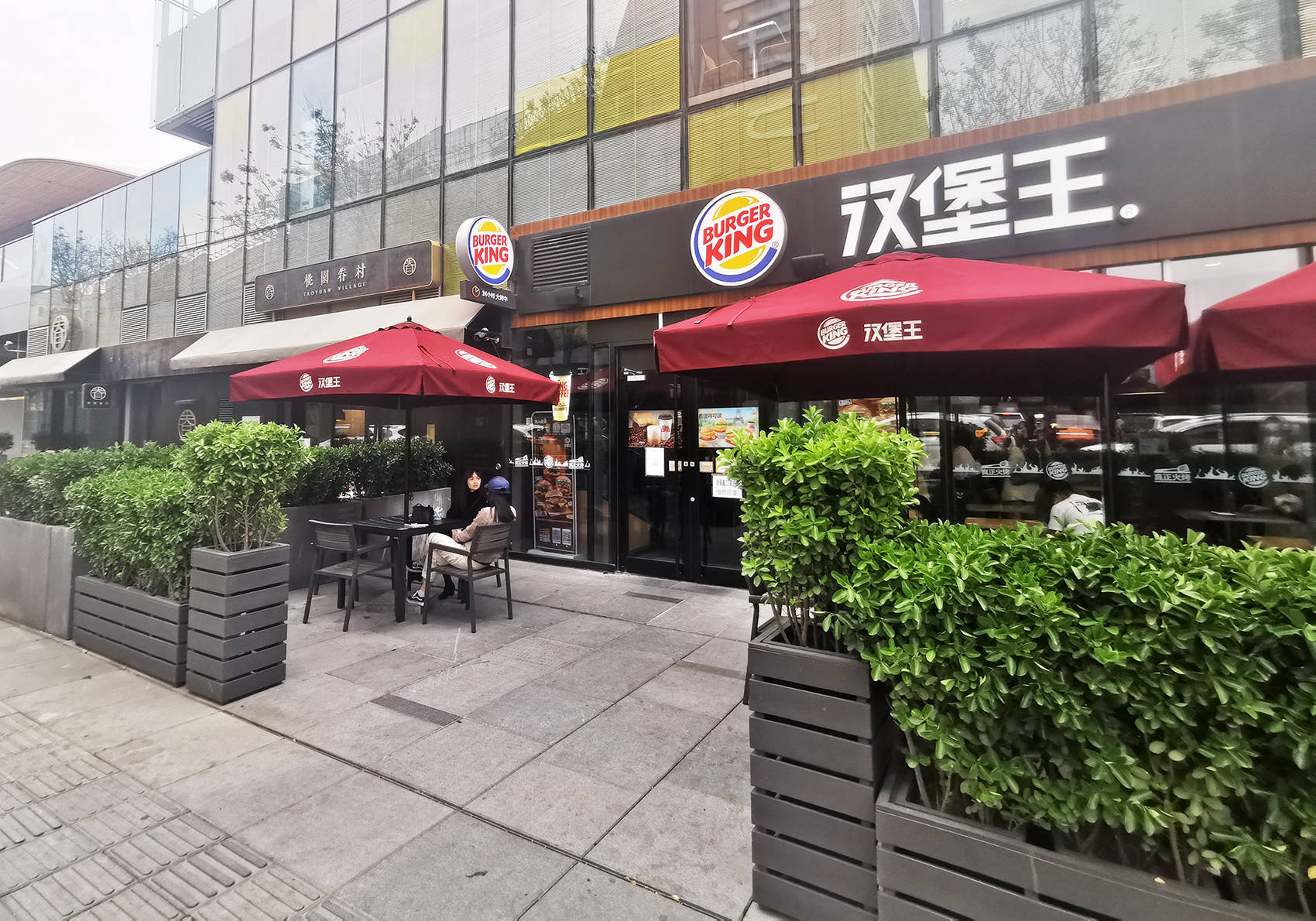
肯德基、麦当劳、星巴克、汉堡王外资餐饮为何在华密集“换老板”
Mei Ri Jing Ji Xin Wen· 2025-11-12 12:31
Core Insights - The article discusses the strategic partnership between CPE Yuanfeng and RBI to form a joint venture, Burger King China, in response to Burger King's stagnation in the Chinese market [1][6] - The competitive landscape in China has shifted from foreign brand prestige to local operational capabilities, prompting foreign brands to collaborate with local investors [2][10] Group 1: Market Performance - Burger King has approximately 1,250 stores in China, a decrease from 1,300 in 2019, indicating a net loss of about 50 stores over six years [1] - In contrast, competitors like KFC and McDonald's have seen significant growth, with KFC surpassing 12,000 stores and McDonald's expected to reach 6,820 stores by 2024 [1][4] - Local brand Tasting has expanded from under 1,000 stores to nearly 9,000 during the same period [1] Group 2: Historical Context - Burger King entered the Chinese market in 2005, missing the peak period for Western fast food education, which was dominated by KFC and McDonald's [4] - The brand's initial high pricing and focus on premium beef burgers created a disconnect with local consumer preferences [4][5] - Management challenges, including remote oversight from Singapore, hindered Burger King's ability to adapt to the rapidly changing Chinese market [4][3] Group 3: Strategic Moves - CPE Yuanfeng will inject $350 million into Burger King China to support expansion, marketing, menu innovation, and operational improvements [6] - The partnership includes a 20-year exclusive development agreement for the Burger King brand in China [6] - CPE Yuanfeng's background in local market insights positions it to enhance Burger King's operational capabilities [10] Group 4: Investment Trends - The trend of local investment in foreign brands is driven by the established brand trust and user base in China, which reduces risks compared to building local brands from scratch [10][9] - Financial attractiveness of the assets, such as lower average store valuations in China compared to global averages, makes these investments appealing [9] - The potential for operational synergies and local market expertise is a key factor for investment firms in acquiring foreign brands [10][9]
赵崇甫:国际餐饮品牌的本土化,光环褪去后的生存之道
Sou Hu Cai Jing· 2025-11-12 10:33
Core Insights - Burger King's entry into the Chinese market in 2005 was overshadowed by established competitors KFC and McDonald's, and its recent decision to transfer 83% of its Chinese operations to CPE Yuanfeng marks a significant shift towards deep localization [1] - The essence of dining is taste, which is deeply rooted in childhood memories, making it crucial for international brands to adapt their offerings to local preferences [3] - Successful localization involves not only menu adaptation but also leveraging local resources and networks, as demonstrated by KFC and McDonald's [3][4] Localization Strategy - International brands initially attract consumers with novelty and brand appeal, but true customer retention relies on localized products that resonate with local taste memories [3] - KFC's introduction of local dishes like the Old Beijing Chicken Roll and various regional snacks exemplifies breaking away from standardization to integrate into Chinese daily dining [3] - The importance of local relationships and resource networks is highlighted, with McDonald's rapid expansion to over 7,000 stores in China through local partnerships [3] Challenges Faced - Burger King's struggles in China, including management issues and food safety crises, led to poor performance, with annual sales per store at only $400,000, ranking among the lowest globally [3] - The establishment of a local management team in 2023 is a step towards reversing its declining fortunes, illustrating the challenges of standardized management in the complex Chinese market [3] Market Dynamics - The transition of brands like Starbucks and Burger King to local ownership signifies a new era of deep localization in the international restaurant sector in China [4] - The competition is intensifying as brands strive to better understand Chinese consumer preferences and effectively utilize local resources to find growth opportunities [4]
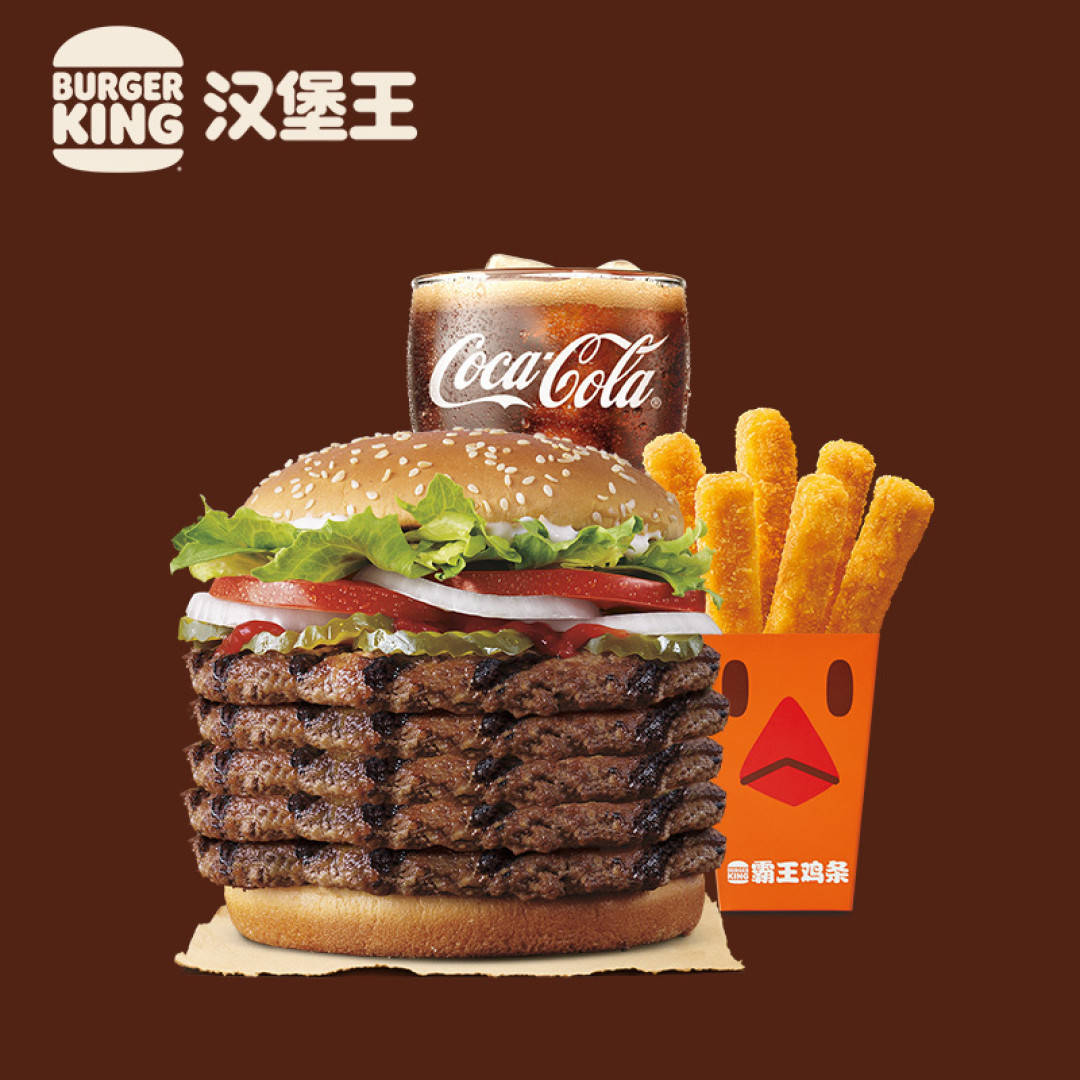
掉队的汉堡王,找蜜雪股东救场
3 6 Ke· 2025-11-12 09:40
Core Insights - Burger King's strategic partnership with CPE Yuanfeng aims to enhance its presence in the Chinese market, which has been slow to develop over the past 20 years [1] - CPE Yuanfeng will invest $350 million to support the expansion of Burger King in China, with plans to increase the number of stores from approximately 1,250 to over 4,000 by 2035 [1][8] - The collaboration reflects RBI's urgent need to revitalize Burger King's operations in China, where it has been underperforming compared to competitors like KFC and McDonald's [5][8] Company Overview - CPE Yuanfeng, established in 2008, focuses on technology, consumer health, and infrastructure, managing over 150 billion yuan in assets [1][2] - The firm has a history of successful investments in consumer sectors, including brands like Mixue Ice City and Old Paved Gold [4] Market Performance - In 2024, Burger King's system sales in China are projected to be $700 million, ranking eighth among its top international markets [7] - The average store sales in China are only $400,000, the lowest among Burger King's top markets [8] - Burger King's market presence in China is significantly lagging behind competitors, with only 1,271 stores compared to over 7,000 for McDonald's and over 10,000 for KFC [8] Strategic Goals - The partnership with CPE Yuanfeng is expected to enhance local management and operational expertise, as evidenced by the appointment of four Chinese executives to Burger King's management team [8] - Future focus areas for Burger King and CPE Yuanfeng include product development and brand marketing to capture market share [9]

CPE源峰与RBI达成战略合作 为汉堡王中国业务增长添新动力
Zhong Jin Zai Xian· 2025-11-12 09:32
Core Insights - CPE Yuanfeng has announced a strategic partnership with Burger King, owned by Restaurant Brands International (RBI), to establish a joint venture named "Burger King China" aimed at expanding the brand's presence in the Chinese market [1][2] - CPE Yuanfeng will inject an initial capital of $350 million into Burger King China to support restaurant expansion, marketing, menu innovation, and operational enhancements [1] - The joint venture will operate under a 20-year master development agreement granting exclusive rights to develop the Burger King brand in China, with CPE Yuanfeng holding approximately 83% of the equity and RBI retaining about 17% [1] Investment and Growth Strategy - The partnership aims to leverage CPE Yuanfeng's local market expertise and insights to enhance Burger King's product offerings and brand marketing, while also expanding physical store locations and digital capabilities [1][2] - The plan includes increasing the number of Burger King outlets in China from approximately 1,250 to over 4,000 by 2035, alongside achieving sustainable same-store sales growth [1]

从规模引领到价值引领,鱼你在一起荣膺窄门餐眼年度多项奖项认证
Sou Hu Wang· 2025-11-12 09:32
Core Viewpoint - The article highlights the significant achievements of the well-known Chinese restaurant brand "Fish You Together," which has received multiple awards in the 2024-2025 annual brand rankings by the authoritative data platform Narrow Door Restaurant Eye, showcasing its strong growth and market presence [1][2]. Industry Overview - The Chinese restaurant industry is transitioning from "traffic dividends" to "management dividends," entering a phase of high-quality development with a focus on efficiency and management [3]. - The fast food and snack sector is expected to maintain a stable compound annual growth rate of 7.5%, with the market size projected to exceed 1.08 trillion yuan, representing a significant opportunity in the post-pandemic era [3]. Company Performance - "Fish You Together" has achieved remarkable results, ranking in the top five for store net growth, scale, and brand momentum in the sauerkraut fish category, as well as in the rice fast food segment [1][5]. - The brand has successfully expanded its global presence, surpassing 2,500 stores across more than 360 cities [2]. Business Model and Strategy - The brand's innovative approach includes transforming traditional large portion sauerkraut fish into smaller, fast-food offerings, creating a unique "sauerkraut fish + rice" fast food model [6]. - A strong supply chain collaboration with leading global suppliers ensures consistent quality and supply across all locations, while a highly standardized operational model reduces reliance on skilled chefs [8]. - The brand has developed a comprehensive support system for franchisees, covering site selection, design, supply chain, training, and marketing, which has proven effective in stabilizing new franchisees [9]. Global Expansion - The brand is transitioning from "product export" to "model export," leveraging its clear category innovation and robust supply chain to facilitate global growth [11]. - The recent opening of a new store in Malaysia exemplifies the brand's strategy of integrating local cultural elements while maintaining operational efficiency and quality [9][11].
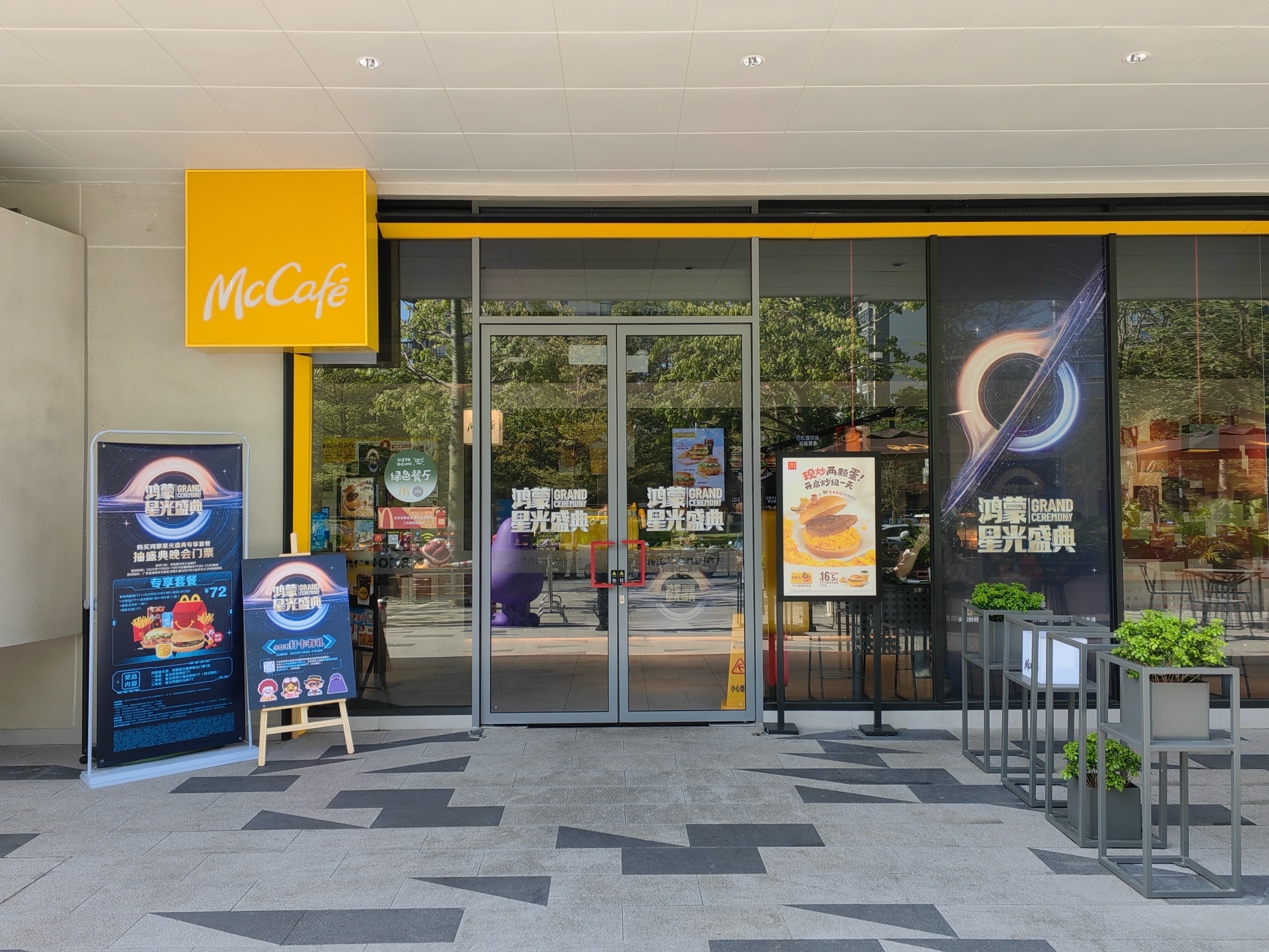
还有不到一周!参与活动领门票,麦当劳为“鸿蒙星光盛典”打Call
Cai Fu Zai Xian· 2025-11-12 07:40
Core Viewpoint - The "Hongmeng Starlight Festival" is set to take place on November 28 in Shenzhen, featuring promotional activities from McDonald's to engage customers and enhance brand visibility [1]. Group 1: Event Details - The event will include a large-scale evening gala at the Longgang Universiade Sports Center in Shenzhen [1]. - McDonald's is participating in two promotional activities: "Purchase Exclusive Package to Win Festival Tickets" and "Xiaohongshu Check-in Rewards" [1][3]. Group 2: Promotional Activities - Activity One: Customers can purchase the "Hongmeng Starlight Festival Exclusive Package" from now until November 17, with a chance to win prizes including festival tickets, McDonald's bubble machines, and random toys [3]. - Activity Two: From now until November 28, customers can take photos with the festival-themed poster at designated McDonald's locations, post on Xiaohongshu with the hashtag "Hongmeng Starlight Festival" to win a "Four Little Blessings" refrigerator magnet [6]. Group 3: Customer Engagement - The launch of the promotional activities has attracted many fans and tech enthusiasts to McDonald's, creating a lively atmosphere with long queues [8]. - Customers are sharing their experiences on social media, generating excitement around the "Eat McDonald's to Win Tickets" campaign [8]. Group 4: Technological Integration - McDonald's is enhancing the dining experience through deep integration with the Hongmeng system, offering features like real-time order tracking and one-click login with Huawei accounts [8][10]. - These innovations aim to provide a more efficient and personalized service for customers, making the dining experience more engaging [10].
促进民间投资13条发布,汉堡王中国业务易主 | 财经日日评
吴晓波频道· 2025-11-12 00:29
Group 1: Government Policies and Investment - The State Council issued 13 measures to promote private investment, emphasizing the need for feasibility studies for private capital participation in certain sectors like railways and nuclear power, with a potential holding ratio of over 10% for private capital in qualifying projects [2][3] - Private fixed asset investment in China decreased by 3.1% year-on-year from January to September, lagging behind the overall fixed asset investment growth rate by 2.6 percentage points [2] Group 2: Electric Vehicle Market - In October, the sales of new energy vehicles (NEVs) in China surpassed 50% of total new car sales for the first time, reaching 51.6% [4] - From January to October, NEV production and sales reached 13.015 million and 12.943 million units, respectively, with year-on-year growth of 33.1% and 32.7% [4] Group 3: Fast Food Industry Developments - Burger King's parent company RBI entered a 20-year development agreement with Chinese private equity firm CPE, which will invest $350 million and hold approximately 83% of the joint venture [6] - The plan includes doubling the number of Burger King outlets in China from about 1,250 to 2,500 within five years, with a long-term goal of reaching at least 4,000 by 2035 [6] Group 4: Corporate Leadership Changes - Warren Buffett announced his retirement as CEO of Berkshire Hathaway, marking a significant transition in his career, while confirming that his successor will take over the company's daily management [8][9] - Buffett's departure has led to an 8% decline in Berkshire's A shares since the announcement of his retirement plans [8] Group 5: Aluminum Market Trends - The aluminum premium in the U.S. reached a historical high of $0.8810 per pound, translating to approximately $1,942 per ton, driven by increased tariffs on imported aluminum [14] - The total cost for buyers in the U.S. to acquire aluminum now stands at approximately $4,792 per ton, factoring in the current LME price and tariffs [14][15]