
乡村旅游

Search documents
美丽乡村“一张蓝图绘到底” ——来自重庆市的调查
Jing Ji Ri Bao· 2025-11-23 23:12
2024年以来,重庆市积极探索村庄规划分类治理改革,打破原有"村村编规划"的粗放模式,紧扣实用 化、特色化、协同化、共享化四个方向,迭代优化村庄规划编管体系,有效破解了乡村规划建设管理中 的难题,村庄规划对乡村建设的统筹引领和支撑保障作用显著增强,巴渝和美乡村建设不断取得新进 展。 重庆推进村庄规划分类治理改革有哪些创新做法?给乡村面貌带来了什么新变化? 我国乡村地域辽阔、禀赋各异,面对千差万别的乡村实际,因地制宜编制乡村规划,对于优化乡村空 间、激活产业动能、推进乡村全面振兴意义重大。近年来,重庆市积极探索村庄规划分类治理改革, 从"村村编规划"的粗放模式,到"精准分类"的精细治理,为破解乡村规划建设管理难题进行了有益尝 试。 党的二十届四中全会提出,加快农业农村现代化,扎实推进乡村全面振兴。乡村振兴,规划先行。建设 宜居宜业和美乡村,建什么、怎么建,离不开村庄规划的指引。一个能用、管用、好用的村庄规划,对 优化乡村生产生活生态空间、促进城乡融合发展、推进乡村全面振兴具有重要意义。 分类施策求实效 晨光洒落,重庆白象山上云消雾散,层峦叠翠。山腰处的巴南区惠民街道胜天村里,农家小院错落有 致,乡村公路蜿蜒纵横 ...
美丽乡村“一张蓝图绘到底”
Jing Ji Ri Bao· 2025-11-23 22:00
Core Viewpoint - The article emphasizes the importance of tailored village planning in rural revitalization, highlighting Chongqing's innovative approach to classify and optimize village planning to address diverse rural needs and enhance overall development [1][2]. Group 1: Village Planning Reform - Chongqing has initiated a classification governance reform for village planning, moving from a broad "one-size-fits-all" approach to a more precise and tailored strategy [1][3]. - The reform focuses on four key directions: practicality, uniqueness, collaboration, and sharing, which have significantly improved the effectiveness of village planning [1][3]. - The city has categorized all administrative villages and agricultural communities into four types: key planning, characteristic planning, stable development, and natural shrinkage, to better align planning with local conditions [3][4]. Group 2: Implementation and Outcomes - The implementation of comprehensive village planning has led to tangible improvements in villages like Shengtian, where infrastructure and economic activities have been revitalized, resulting in increased collective income and tourism [2][3]. - In Longhu Village, the establishment of a hot spring resort has generated significant tourism revenue, demonstrating the economic potential of well-planned rural projects [5][6]. - The integration of village planning with land policies has enhanced resource allocation and project implementation, as seen in the successful expansion of infrastructure in villages like Jiangjun [6][7]. Group 3: Cross-Boundary Planning - Chongqing has adopted cross-boundary planning strategies to overcome fragmentation in rural development, allowing for resource sharing and collaborative growth among neighboring villages [9][10]. - The implementation of a regional planning approach has improved land use efficiency and increased the overall value of rural areas, as evidenced by the significant reduction in land fragmentation and improved accessibility [10][11]. Group 4: Digital Empowerment - The integration of digital technologies in village planning has improved the transparency and effectiveness of the planning process, enabling better community engagement and participation [12][13]. - Tools such as 3D visualization and mobile applications have facilitated easier access to planning information for villagers, enhancing their involvement in the planning and governance processes [13][14].
湖南双牌银杏迎最佳观赏期 “银杏经济”拓宽村民增收路
Zhong Guo Xin Wen Wang· 2025-11-21 14:05
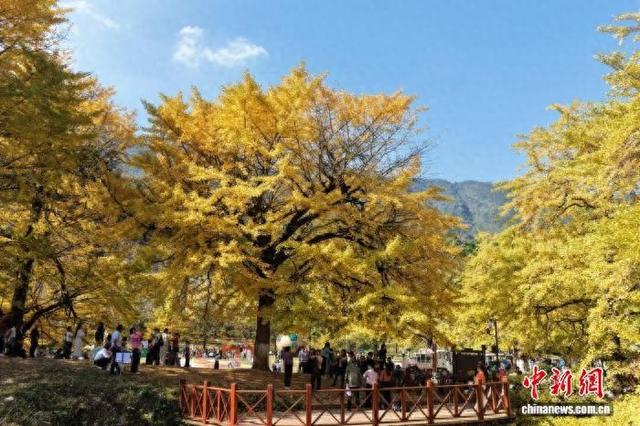
中新网永州11月21日电 (袁程 盘春红 汤翔)时下,在湖南双牌县桐子坳景区,3000多株自然生长的银杏 迎来最佳观赏期。当地通过科学规划建设,把"风景"变成"产业",金黄的银杏叶给桐子坳村铺出一条致 富路。 桐子坳村因罕见古银杏群落闻名,3000多株银杏入选全国最美古树群。每年深秋初冬,这里漫山遍野都 是金黄的银杏叶,吸引大批游客纷至沓来,畅享冬日美景。 在景区,游客们或漫步银杏林,或三五成群合影留念,或摆设桌椅餐布静坐闲聊,悠然自得。景区也同 步延续"桐子坳的秋"主题活动,融入"湘超"元素,升级多元旅游业态,在核心景点推出音乐表 演、"杏"运集市、晒秋打卡等内容。 火爆的人气给农户带来增收渠道。银杏山庄农家乐老板刘淑英介绍,从11月中旬以来,食客每天都是爆 满,客流量持续攀升。 桐子坳村山多田少,千年银杏此前"养在深闺人未识"。2013年起,村里依托银杏资源,引进企业发展旅 游。2024年,桐子坳景区接待游客量达229.24万人次,旅游综合收入超过5.46亿元。 桐子坳村也积极发挥村民在乡村旅游业发展中的主体作用,形成"旅游+公司+农户"的发展模式,从门 票分成、古银杏管护、土地流转、旅游服务、土特产开发 ...

黄河岸边涌动发展新动能 村咖、民宿重塑田园梦想
Zhong Guo Xin Wen Wang· 2025-11-21 05:23
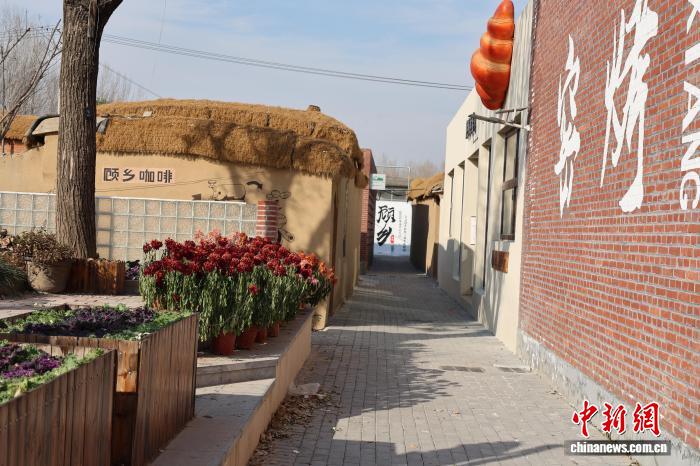
Core Viewpoint - The article highlights the transformation of rural areas along the Yellow River, driven by new business models such as village cafes, homestays, and cultural creative industries, attracting more visitors and revitalizing local economies [1][7]. Group 1: Village Transformation - Villages along the Yellow River are experiencing significant changes, with idle old houses being repurposed into cafes and homestays, creating a vibrant atmosphere that draws visitors [1][4]. - "Guxiang Coffee," a cafe in Xinglong Village, has become a major attraction, with peak daily visitor numbers exceeding 6,000, significantly boosting local tourism and economy [3][4]. - The introduction of "rural partners" like Liu Yang has led to the development of various new business formats, including youth meeting spaces and cycling stations, enhancing the village's appeal [3][4]. Group 2: Economic Impact - The transformation has resulted in increased local employment, with 472 villagers finding jobs in various workshops established in the area, contributing to income generation [3][4]. - Local agricultural products, such as tomatoes and honey, are being sold in cafes, creating a direct revenue stream for villagers and promoting local specialties [3][4]. - The village's infrastructure has improved significantly, with investments in roads and facilities, further supporting the growth of tourism and local businesses [3][4]. Group 3: Future Plans - Local leaders are planning to enhance rural night economies and improve public transport connections to facilitate visitor access and expand market opportunities for local produce [6][7]. - There is a focus on developing unique experiences that leverage the tranquility and healing aspects of rural life, positioning them as a competitive advantage over urban offerings [6][7]. - The collaborative development model, where a core village drives growth in surrounding areas, is being recognized as an effective strategy for rural revitalization [7].
依山赏村韵 古厝载乡情(寻找最美乡村·桂峰村)
Ren Min Ri Bao· 2025-11-20 22:21
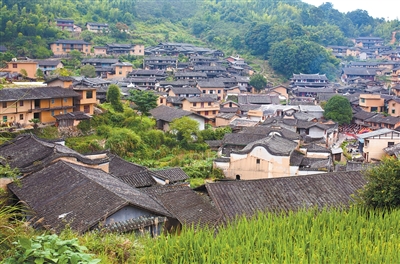
Core Viewpoint - Guifeng Village in Youxi County, Fujian Province, is recognized as one of the best-preserved ancient villages in the region, showcasing traditional architecture and cultural heritage [8]. Group 1: Historical Significance - Guifeng Village features 39 ancient buildings from the Ming and Qing dynasties, strategically located on the slopes of mountains, reflecting a rich historical backdrop [8]. - The village was once a vital transit point between Youxi and Fuzhou, with structures like Shishi Cuo and Louping Hall serving as witnesses to its past prosperity [8]. Group 2: Cultural Heritage and Activities - The village maintains a tradition of education and family values, with resources such as study rooms, inscriptions, ancient paintings, and family trees documenting its enduring cultural legacy [8]. - Guifeng Village hosts traditional events annually, including the Spring Festival Bamboo Snake Lantern and the Sun Autumn Festival, which help preserve local customs [8]. Group 3: Economic Development - The village is actively developing its cultural tourism industry by promoting homestays, tea houses, and photography services, contributing to the income of local residents [8].
从智慧养殖到网红园区,崇明打造上海乡村旅游“天花板”
Guo Ji Jin Rong Bao· 2025-11-20 04:57
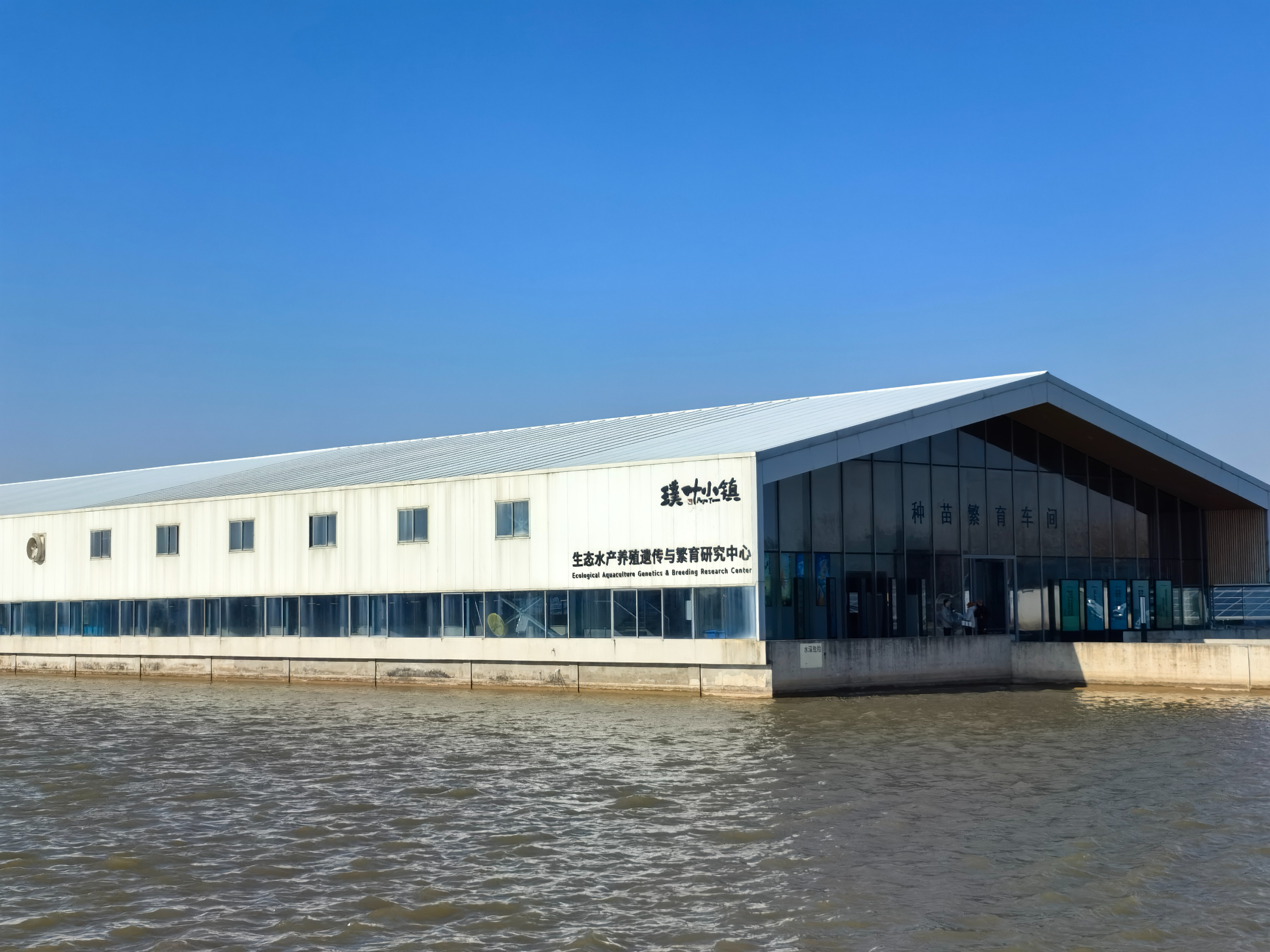
Group 1 - Chongming District is positioned as an ecological strategic space for Shanghai's development, leading in ecological civilization construction and implementing rural revitalization and marine power strategies [1] - Since the 14th Five-Year Plan, Chongming has adhered to the principle of ecological development, promoting the integration of ecological production and living, and striving to create a new national ecological civilization brand [1] - The Puyue Town project, with a total investment of approximately 950 million yuan, integrates photovoltaic power generation with aquaculture and agriculture, creating a composite economy that utilizes land resources effectively [4][7] Group 2 - The Puyue Town project aims to enhance renewable energy supply, with plans to exceed 1,400 megawatts of photovoltaic installed capacity by 2030 and increase the share of renewable energy in total electricity consumption to over 60% by 2035 [7] - The ecological breeding base at Puyue Town utilizes advanced technology such as automated feeding systems and digital water quality monitoring, achieving an average annual power generation of 145 million kilowatt-hours [16] - The breeding center produces 12 million fish seedlings annually and achieves over 200,000 jin in pond aquaculture output, showcasing a successful model of integrated aquaculture [16] Group 3 - Chongming's rural tourism has rapidly developed, becoming a preferred destination for Shanghai residents, with the M515 Cultural and Creative Industry Park attracting significant attention [17][24] - The M515 Park features diverse attractions, including a coffee art center and various cultural and culinary experiences, contributing to its popularity and visitor engagement [24][30] - The park has hosted numerous events, drawing over 150,000 visitors during the recent holidays, establishing itself as a new landmark for consumption in Chongming [32] Group 4 - The park leverages its ecological advantages to introduce water sports, filling a gap in local recreational offerings and enhancing the tourism experience [35] - Future plans include hosting water marathons and integrating cultural experiences, aiming to boost Chongming's tourism economy [35] - With improved transportation links, Chongming aims to enhance its appeal as a tourist destination, focusing on seamless visitor experiences [35]
贺兰山下新生活
Jing Ji Ri Bao· 2025-11-20 02:10
Core Insights - The transformation of Fu Ning Village showcases successful rural revitalization through modern agricultural practices and infrastructure improvements [1][2][3] - The implementation of distributed photovoltaic projects and air-source heat pumps has significantly enhanced energy efficiency and reduced costs for residents [2][3] Group 1: Agricultural Development - Fu Ning Village has focused on high-value crops such as cherries, figs, and blueberries, which have shown promising economic returns [1][2] - The introduction of automated temperature control and water-fertilizer integration in greenhouses has reduced labor and improved management efficiency [2] - The agricultural demonstration park has created job opportunities for over a hundred villagers, contributing an annual increase of 700,000 yuan to the village's collective economy [2] Group 2: Infrastructure and Energy - The village has established a 130 kW distributed photovoltaic project, leading to significant savings in electricity costs, averaging over 8,000 yuan annually for the village committee [2] - The combination of photovoltaic systems and air-source heat pumps has made winter heating more efficient and environmentally friendly [2][3] Group 3: Tourism and Community Engagement - The village's proximity to tourist attractions like Xixia Tomb and the North Town Fortress Western Film City provides a strong foundation for developing rural tourism [3] - Plans to build a 300-meter photovoltaic corridor in the agricultural demonstration park aim to enhance production quality and attract more visitors [3] - The village leadership is encouraging the development of unique rural homestays to attract urban tourists, thereby boosting local economic growth [3]
上海崇明“十四五”交出硬核答卷:生态底色更厚,经济动能更强
Guo Ji Jin Rong Bao· 2025-11-19 11:39
Core Viewpoint - The Shanghai government is promoting the development of Chongming District as a world-class ecological island, emphasizing the integration of ecological and economic growth during the 14th Five-Year Plan period [1][3]. Group 1: Ecological Development - Chongming District has adhered to an ecological development strategy, implementing a "+ ecology" approach to promote the integration of ecological production and living [3]. - The district has established a legal framework to support ecological development, including regulations on ecological protection and modern green agriculture [3]. - Key environmental metrics include a 100% compliance rate for surface water quality and land safety utilization, a forest coverage rate of 21.64%, and an air quality rate of approximately 90% [3]. Group 2: Economic Growth - By 2024, Chongming's GDP is projected to reach 44.881 billion yuan, with industrial output increasing by 29.2% compared to the end of the 13th Five-Year Plan [4]. - The district aims to create an agricultural hub in the Yangtze River Delta, investing nearly 5 billion yuan in 33 modern agricultural projects and focusing on agricultural technology [5]. - The advanced manufacturing sector is also growing, with the marine equipment industry expected to reach an industrial output value of 90 billion yuan by 2025 [5]. Group 3: Tourism and Cultural Integration - Chongming has developed several national-level tourism sites and is promoting cultural tourism through various events and activities [6]. - The district is transforming from an industrial base to a lifestyle destination, enhancing its appeal as a tourist location [6]. Group 4: Rural Development and Income Growth - The average disposable income of rural residents has increased from 29,457 yuan in 2020 to 40,612 yuan in 2024, marking a growth of 37.9% [7]. - The district is focusing on local agricultural products and e-commerce to boost rural economies [7]. Group 5: Infrastructure and Social Services - Infrastructure improvements include the progress of new transportation lines and enhanced public transport services [8]. - Social services for the elderly are being expanded, with initiatives for elder care and community health services [8].
浙江深化新时代“千万工程” 绘就共同富裕新图景
Xin Hua She· 2025-11-19 06:57
Core Insights - The article discusses the "Ten Million Project" in Zhejiang, which aims to promote rural revitalization and common prosperity through urban-rural integration and development [1][10] - The project has evolved over 20 years and is now a model for rural revitalization, focusing on reducing disparities and enhancing living conditions in rural areas [1][3] Group 1: Urban-Rural Integration - The "Ten Million Project" has been a key initiative in Zhejiang, with continuous support from provincial leadership to ensure its implementation and demonstration [3] - The project emphasizes the development axis connecting county towns, central towns, and key villages to facilitate spatial optimization and resource integration [3][4] - As of now, Zhejiang has announced 87 provincial development axes covering 146 central towns and 581 key village clusters, representing 46.4% of the county area and 73.7% of the county's permanent population [5] Group 2: Economic Development and Livelihood Improvement - The integration of urban capital into rural areas has led to significant economic benefits, such as the transformation of idle farmland into profitable ventures like high-end homestays, increasing per capita income [2][4] - The establishment of new agricultural mechanisms has enabled farmers to increase their income significantly, with some initiatives leading to an additional 200 to 300 yuan per pig raised [4] - The project has also fostered a collaborative development model among villages, enhancing local governance and service delivery, resulting in increased operational income for local areas [4][7] Group 3: Rural Environment and Quality of Life - Continuous improvements in rural living conditions have been a focus, with initiatives aimed at enhancing the rural environment and promoting tourism [6][7] - The integration of various sectors such as agriculture, culture, and tourism has led to the emergence of new rural business models, contributing to the overall vibrancy of rural communities [6][8] - Public services have been standardized and extended to rural areas, improving access to education, healthcare, and other essential services, thereby enhancing the quality of life for rural residents [8][9]
【学习贯彻四中全会精神在基层】贵州:挖掘文旅资源 激发乡村发展活力 安徽:加快融入长三角 扎实推进乡村振兴
Yang Shi Wang· 2025-11-18 11:53
Core Points - The 20th Central Committee's Fourth Plenary Session emphasizes accelerating agricultural and rural modernization and promoting comprehensive rural revitalization [1] Group 1: Guizhou's Rural Development - Guizhou is leveraging its unique cultural tourism resources to stimulate rural development, with Huanggang Village receiving the title of "Best Tourism Village" by the UN in 2025 [2] - Since the 14th Five-Year Plan, Huanggang Village has attracted nearly 100,000 visitors annually by revitalizing old buildings and promoting e-commerce in rural industries [2] - Guizhou has constructed over 12,000 kilometers of rural roads to connect ethnic villages, identifying 560 key rural tourism villages [2] Group 2: Anhui's Integration into the Yangtze River Delta - Anhui's pear planting base in Dezhou has been designated as a major supply base for Shanghai, enhancing its market reach [3] - The province aims to integrate into the Yangtze River Delta, establishing itself as a key supplier of agricultural products, including rice, vegetables, and fruits [3] - Anhui is focusing on improving agricultural production capacity and developing high-quality agricultural resources in line with the Fourth Plenary Session's spirit [3]