
博物馆

Search documents
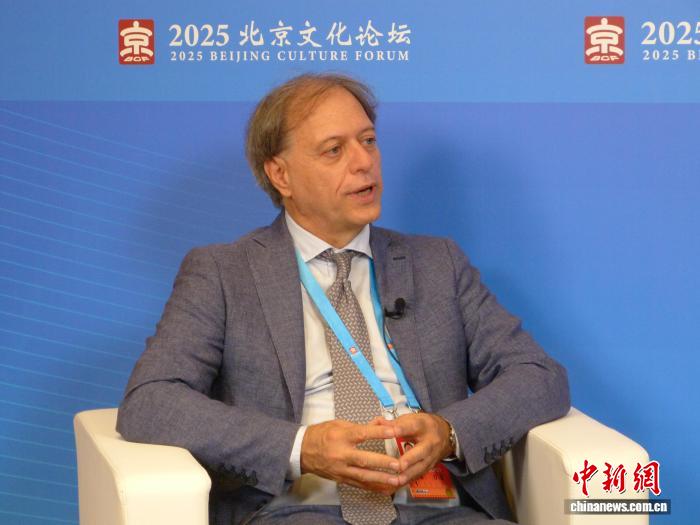
朱里叶里尼:博物馆须用科技语言与年轻一代对话
Zhong Guo Xin Wen Wang· 2025-09-23 07:32
Core Viewpoint - Museums must engage with the younger generation through technology to remain relevant and effective in cultural communication [1][3]. Group 1: Technological Integration in Museums - The integration of technology in museums is essential for creating engaging experiences that resonate with young audiences [1]. - A successful example includes a game launched by the Naples National Archaeological Museum, which achieved 5 million downloads, demonstrating the effectiveness of educational entertainment [1]. - The use of immersive experiences, such as restoration videos of ancient artifacts, helps connect fragmented narratives and enhances visitor engagement [1][3]. Group 2: Digitalization and Cultural Heritage - Digital technology is a key tool for the protection and dissemination of cultural heritage, allowing for the reconstruction of lost artifacts and sites [3]. - While digitalization poses a risk of diminishing emotional connections between audiences and artifacts, it should complement rather than replace direct interactions [3]. - Museums are encouraged to actively engage with communities and schools to foster direct communication and relationships [3]. Group 3: International Collaboration - Italy and China possess rich cultural heritages, and collaboration could leverage Italy's expertise in artifact restoration and China's strengths in technology and cultural innovation [3][4]. - Potential cooperation could focus on themes like the Silk Road and the Mediterranean, enhancing cultural exchange and mutual benefits [4].

沈阳故宫“非遗进景区”实践入选全国优秀案例
Liao Ning Ri Bao· 2025-09-22 01:11
Core Insights - The case "Integration of Intangible Cultural Heritage Handicrafts into Shenyang Palace Scenic Area" was selected as an excellent case in the 2025 "Blue Book on the Integration of Intangible Cultural Heritage and Tourism Development" at the Third China Intangible Cultural Heritage Protection Year Conference [1] Group 1: Cultural Heritage and Tourism Integration - Shenyang Palace is a significant example of the fusion of Manchu and Han architectural arts, serving as an important relic for studying Manchu culture, court culture, and ancient architectural techniques [1] - The Shenyang Palace Museum has created a comprehensive platform for intangible cultural heritage representatives and designers, integrating creation, display, sales, and experience [1] - The scenic area has introduced dozens of intangible cultural heritage projects, such as "Li's Folk Paper Folding Technique" and "Li Yongli's Nut Carving Technique," promoting the collaborative development of intangible cultural heritage and cultural industries [1] Group 2: Regional Policy and Implementation - The province places high importance on the protection and transmission of intangible cultural heritage, having introduced specific plans to promote the deep integration of intangible cultural heritage and tourism [1] - Innovative approaches have been adopted to incorporate performance art intangible cultural heritage projects into tourism settings, utilizing permanent performances and weekend events in scenic areas [1] - The goal is to achieve a deep integration of traditional culture centered around intangible cultural heritage with tourism experiences [1]
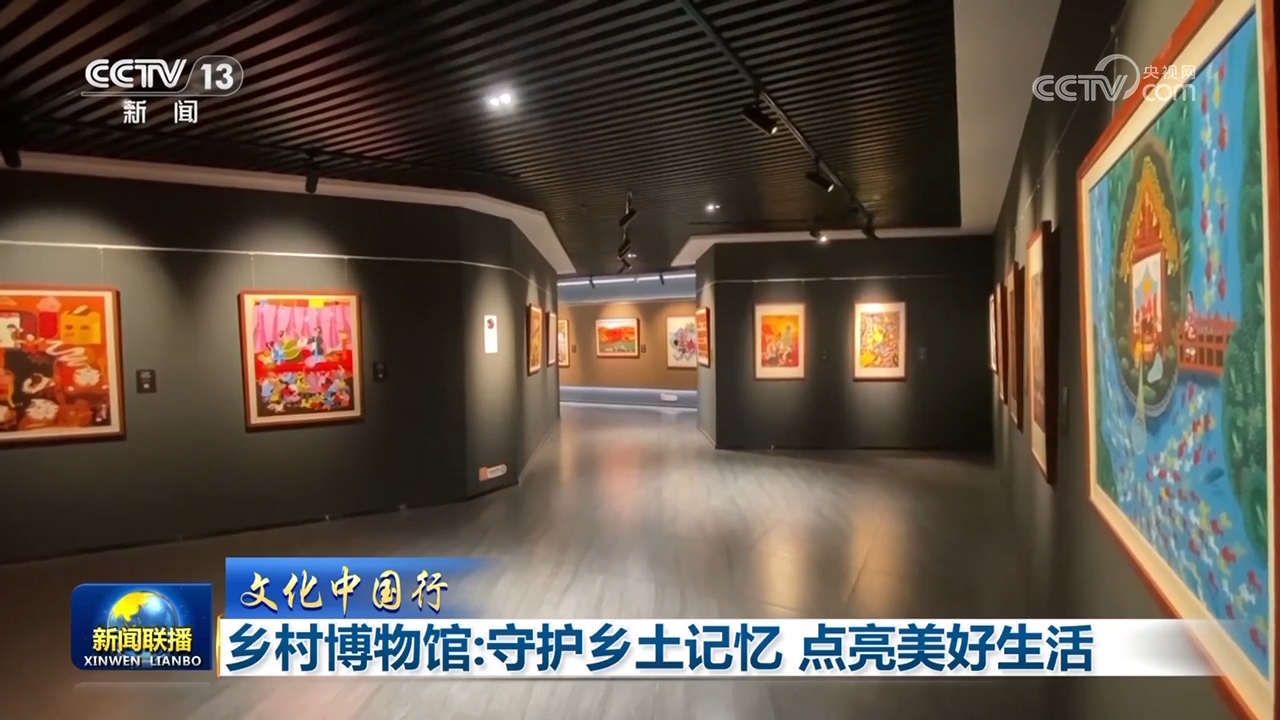
【文化中国行】乡村博物馆:守护乡土记忆 点亮美好生活
Yang Shi Wang· 2025-09-21 12:49
央视网消息(新闻联播):在广袤农村地区,如今,一批小而美、小而精的乡村博物馆立足特色文化资源,打造农耕文化的展示窗口,在守护乡土记忆 中,成为乡村振兴的文化名片。 传梭博物馆内收藏了来自29个国家的24000余把纺梭,系统展示了纺织文化的千年发展脉络。自开馆以来,凭借"非遗展示+手作体验+研学教育"的模 式,已累计接待游客超10万人次,同时,还通过培育织娘、开发文创等方式,带动村民就近就业。 在广东茂名化州中垌镇,一座农耕主题的乡村博物馆运用场景复原、雕塑、书画等多种表现手段,将1000多件曾经活跃在田间地头、农家院落的生产生 活用具巧妙陈列。 走进杭州余杭的溪口村,由废弃厂房改造的传梭博物馆内,游客们亲手操作着老式织布机,体验非遗土布纺织的乐趣。 关中大地上,陕西西安鄠邑区农民画博物馆正以万余幅色彩浓烈的画作,串联起中国农耕文化。鄠邑区是中国农民画发源地之一,馆藏万余件展品,从 集体麦收图、农家纺线画,到如今的新乡村庭院、农民丰收场景,这些画作不仅是对日常的简单复刻,更记录着关中农民从"面朝黄土背朝天"到"科技赋能 新生活"的变迁,勾勒着中国乡村发展的美好画卷。 ...
北京文化守护人丨冯好:博物馆破界,离观众近些再近些
Xin Jing Bao· 2025-09-20 14:34
Core Insights - The article highlights the efforts of Feng Hao, the curator of the Capital Museum's collection department, in enhancing public engagement with cultural heritage through innovative exhibition strategies and collection management [4][5][10]. Group 1: Museum Development and Exhibition Strategy - The Beijing Grand Canal Museum, as part of the city's cultural infrastructure, is set to open to the public by the end of 2023, featuring various exhibitions and activities [5]. - Feng Hao's team adopted a strategy of borrowing and collecting artifacts from other museums along the Grand Canal to enrich the exhibition, aligning with modern curatorial practices that leverage social resources [6][9]. - The introduction of a visible storage facility allows the public to view over 6,000 pieces of the Qianlong Tripitaka woodblock prints and other artifacts, breaking the traditional barriers of museum storage [9][10]. Group 2: Collection Management and Community Engagement - Feng Hao emphasizes the importance of simplifying the artifact application process and improving efficiency to enhance the social value of cultural relics [4][10]. - The collection process has successfully included significant artifacts, such as the stone water beast, which represents a vital aspect of Beijing's cultural heritage [6][7]. - The museum's collection management system is noted for its advanced protocols, ensuring the preservation and accessibility of artifacts while fostering community involvement [9][10]. Group 3: Audience Research and Engagement - Feng Hao's research into audience preferences revealed that traditional exhibition designs may not align with visitor behavior, prompting a reevaluation of how exhibitions are structured [10][11]. - The findings from audience surveys have influenced the design of exhibitions to be more engaging and interactive, allowing visitors to take an active role in their learning experience [11][12]. - The article discusses the growing importance of museums in urban life, suggesting that they must continuously adapt to meet the evolving expectations of the public [12].


江苏发布博物馆游年度“成绩单”
Xin Hua Ri Bao· 2025-09-19 21:51
Group 1 - The core viewpoint of the article highlights the significant growth in museum attendance and cultural product revenue in Jiangsu province following the implementation of policies aimed at enhancing the high-level opening and quality development of provincial museums [1] - In the past year, major museums like the Nanjing Museum and the China Railway Museum extended their opening hours significantly, with a total of 1,121.9 million visitors recorded, representing an 8.7% year-on-year increase [1] - A total of 84 monitored museums in the province received 8,125.12 million visitors, marking a 19.09% increase compared to the previous year [1] Group 2 - The "museum boom" has also stimulated the night economy in cities, becoming a new engine for local cultural and tourism consumption [2] - In the vicinity of the top ten museums with extended hours during the summer, the average occupancy rate of star-rated hotels reached 88%, an increase of 25 percentage points compared to the previous summer [2] - Nighttime visitor spending increased by 25.2% year-on-year, with significant growth in dining, accommodation, entertainment, and shopping expenditures, which rose by 9.5%, 10.7%, 45.7%, and 16.3% respectively [2]
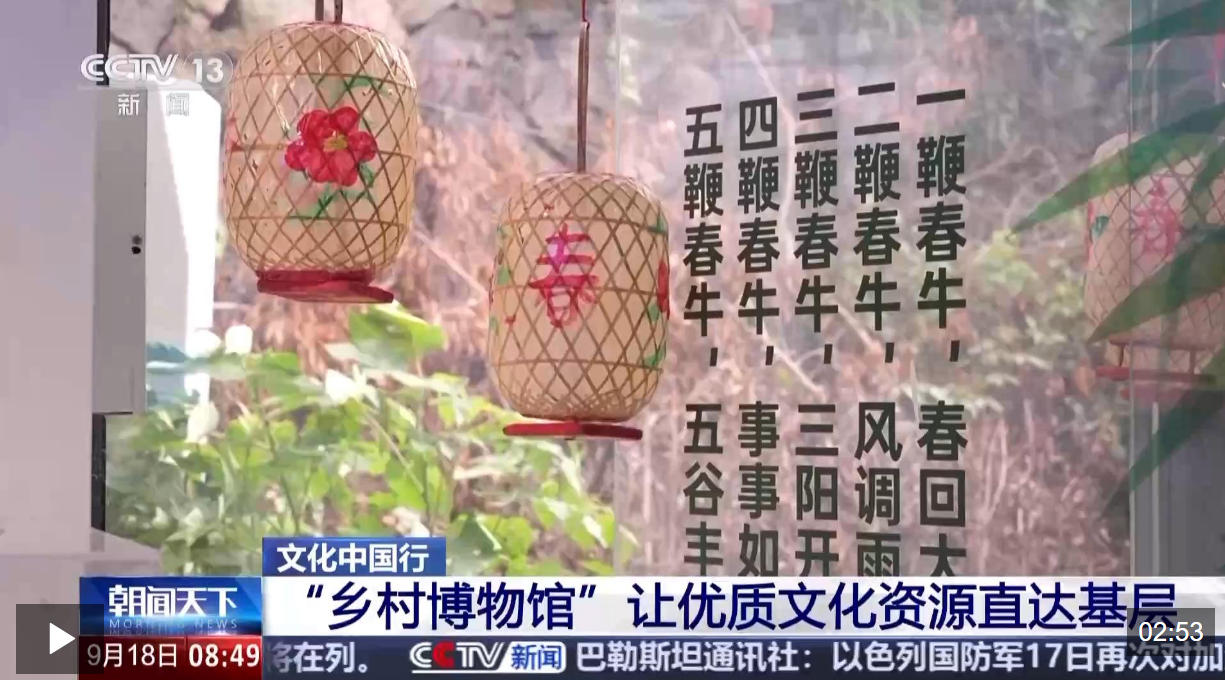
文化中国行丨“乡村博物馆”让优质文化资源直达基层
Yang Shi Xin Wen Ke Hu Duan· 2025-09-19 08:49
Group 1 - The construction of rural museums is positioned as a key initiative for high-quality development and promoting cultural tourism integration in Zhejiang, effectively enhancing the dissemination and influence of local cultural characteristics [2] - The Lichun Cultural Display and Experience Center in Jinhua Village, Quzhou, features an interactive holographic presentation of the Lichun Festival, allowing visitors to immerse themselves in the experience of the "Jinhua Lichun Festival" and the Chinese "Twenty-Four Solar Terms" [2] - The Shaoxing Hoh Lake Folk Culture Museum focuses on restoring the changes in rural life, showcasing traditional farming tools, festive items, and traditional clothing [4] Group 2 - Over 90% of the items in the local culture museum are donated by villagers, with more than 6,400 "family heirlooms" preserved as shared local memories, serving as a bridge between the older generation's emotional memories and the younger generation's connection to history [6] - The Chuan Shuo Museum in Xikou Village, Hangzhou, transformed from an abandoned factory, allows visitors to operate traditional weaving machines and experience the joy of non-heritage fabric weaving [8] - The Chuan Shuo Museum houses over 24,000 spindles from 29 countries, featuring themed exhibition areas on "spindle history" and "weaving techniques," and has received over 100,000 visitors since its opening, promoting local employment through the cultivation of weavers and the development of cultural products [10]
网友点赞“十四五”成绩单
Ren Min Ri Bao Hai Wai Ban· 2025-09-18 22:56
Group 1: Achievements in Infrastructure and Technology - China has built the world's largest and most extensive network infrastructure, with 4.598 million 5G base stations and over 1 million device connections on key industrial internet platforms [5] - The country has established more than 35,000 basic-level and over 230 excellent-level smart factories, showcasing significant advancements in smart manufacturing [5] - The application of industrial robots is accelerating, with demonstrations of robots capable of material handling and intelligent inspections at the 2025 Global Industrial Internet Conference [6] Group 2: Agricultural Production and Food Security - During the "14th Five-Year Plan" period, China's grain production is projected to exceed 1.4 trillion jin (approximately 700 million tons) by 2024, an increase of 74 billion jin compared to 2020 [14] - The average per capita grain availability has reached 500 kg, ensuring basic self-sufficiency in grains and absolute safety in staple food supplies [14] - The production of cotton, oil, sugar, fruits, vegetables, meat, eggs, milk, and aquatic products has been continuously enhanced, enriching the food supply for the population [14] Group 3: Ecological and Environmental Initiatives - Significant progress has been made in ecological protection and restoration, with the "Three North" project completing construction tasks covering 164 million acres [9] - The "Mountain and Water Project" has been implemented across 27 initiatives, protecting and restoring over 8 million acres [9] - Inner Mongolia has made strides in combating desertification, achieving an 80% progress rate in the governance of the Maowusu Sandy Land and establishing a "photovoltaic wall" in the Kubuqi Desert [10] Group 4: Cultural and Educational Developments - By the end of 2024, the number of registered museums in China is expected to reach 7,046, with an average of one museum for every 200,000 people, and over 91% of them offering free admission [19] - Museums have become popular cultural and tourism destinations, with 28.6079 million visitors recorded in Jiangsu province alone during the summer [20] - The transformation of museums into comprehensive cultural experience centers has enhanced their role in promoting cultural tourism consumption [20]

延长热门文博场馆景区营业时间,以“小切口”撬动“大发展”
Yang Zi Wan Bao Wang· 2025-09-18 09:35
Core Points - The Ministry of Commerce and nine other departments released policies to expand service consumption, including measures to extend operating hours of popular cultural and museum venues, optimize reservation methods, and encourage collaboration with social forces for cultural product development [1][3] Group 1: Policy Measures - The new policies include 19 measures aimed at enhancing service consumption in cultural sectors, such as extending operating hours and promoting innovative exhibition methods [1] - Support for cultural institutions to open their collections and collaborate with social entities to develop cultural and digital products is emphasized [1] Group 2: Industry Trends - The "museum boom" has led to increased visitor numbers, with museums implementing extended hours and special night activities, significantly boosting consumer engagement and cultural dissemination [3] - As of mid-September, there are 11,600 museum-related enterprises in China, with over 80% established for more than five years, indicating a mature industry [3] Group 3: Economic Impact - In Jiangsu province, monitored museums received 81.25 million visitors over the past year, a 19.09% increase year-on-year, showcasing the positive impact of policy measures on visitor engagement [3] - The introduction of night activities and extended hours has stimulated local economies, with hotel occupancy rates rising by 25 percentage points and night-time consumer spending increasing by 25.2% [5] Group 4: Future Initiatives - The provincial cultural and tourism department plans to continue implementing measures to enhance museum services, including more high-quality exhibitions and night activities, as well as the development of digital museum initiatives [6]
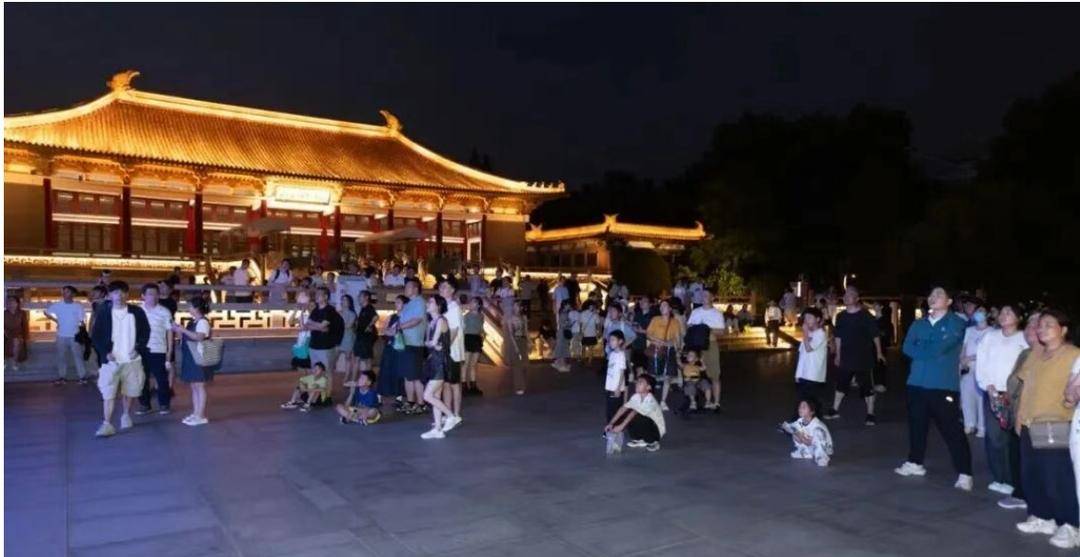
延时开放一年,江苏文博场馆点燃文旅新引擎
Jiang Nan Shi Bao· 2025-09-18 08:07
Core Insights - The article highlights the resurgence of museums in Jiangsu, with a significant increase in visitor numbers and innovative policies driving high-quality development in the cultural sector [1][2][7] Mechanism Innovation - The "Policy Measures" introduced by the Jiangsu Provincial Department of Culture and Tourism aims to break down barriers to museum development, leading to a 19.09% year-on-year increase in visitors to 84 monitored museums, totaling 81.25 million visitors [2] - Key initiatives include extended opening hours and the introduction of night tours, with major museums like Nanjing Museum and Yangzhou Grand Canal Museum implementing these changes [2][3] Extended Opening Hours - The implementation of extended opening hours has alleviated visitor demand issues, with 91 museums participating during the summer, resulting in a 22.05% increase in visitor numbers [3] - Notable night tour events attracted significant attendance, with various themed activities enhancing the cultural experience [3] Activation and Utilization - Museums have shifted from static "cultural warehouses" to dynamic "cultural showcases," hosting 1,046 exhibitions since September last year, with several gaining national recognition [4] - The development of 4,659 new cultural products has generated 567 million yuan in revenue, marking a 47.6% increase in product offerings [4] Cultural Empowerment - The "See Su Rhythm" initiative has successfully brought high-quality cultural resources to local communities, with 2.09 million visitors and 11.67 million yuan in cultural product sales [5] - This initiative exemplifies the integration of digital exhibitions and cultural arts, enhancing community engagement [5] Market Impact - The extended hours and increased visitor engagement have stimulated local economies, with hotel occupancy rates rising by 25 percentage points and a 25.2% increase in nighttime consumer spending [7] - The influx of visitors has led to an estimated 8 billion yuan in local consumption, driven by cultural tourism activities [7] Future Directions - The Jiangsu Provincial Department of Culture and Tourism plans to continue enhancing museum services, promoting high-quality exhibitions, and expanding night tour offerings to sustain growth in the cultural sector [8]
故宫博物院北院区内部装修全面启动,预计明年5月竣工
Xin Jing Bao· 2025-09-18 07:59
故宫博物院北院区项目位于海淀区西北旺镇,总建筑面积10.2万平方米,占地面积11.55万平方米。项目 建设内容包括文物展示用房、文物修复用房和办公服务用房,将建成集收藏、展览、修复、研究、教育 等功能于一体的现代化博物馆园区。 新京报讯 据"北京海淀"微信公众号消息,近日,记者从北京市规划和自然资源委员会海淀分局(以下 简称"规自委海淀分局")获悉,故宫博物院北院区项目主体结构已全面完工,正式转入内部装修阶段。 这一国家"十四五"规划重大文化设施建设取得重要进展,标志着项目进入建设收官的关键时期。据悉, 历经周密施工,这座总投资超21亿的文化新地标已雏形初现,预计2026年5月竣工,将显著提升故宫文 物保护和展示能力。 项目建成后,将显著提升故宫博物院的文物保护与展示能力,年修复文物可达千件,解决大型珍贵文物 修复难题;设置12个现代化展厅,年展出文物量可达2万-3万件,为本院展出量的2-3倍,并配备数字化 技术增强观众体验。 项目自规划建设以来,按照"一会三函"方式快速推进。目前主体结构施工已顺利完成,全面转入内部装 修和设备安装阶段。内部装修将聚焦相关核心环节,确保文物保存和展示环境达到国际一流标准。 ...