私募股权投资

Search documents
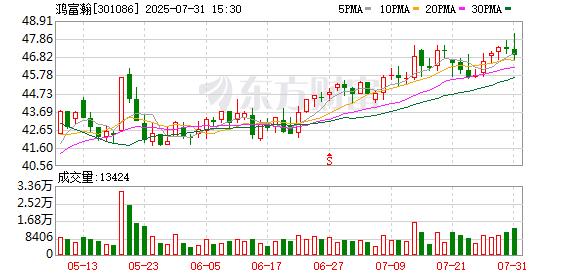
鸿富瀚:关于与专业投资机构共同投资的进展公告
Zheng Quan Ri Bao· 2025-07-31 14:16
证券日报网讯 7月31日晚间,鸿富瀚发布公告称,公司于2025年6月18日作为新进有限合伙人,与普通 合伙人深圳市高新投人才股权投资基金管理有限公司,及其他有限合伙人深圳市引导基金投资有限公 司、深圳市宝安区产业投资引导基金有限公司、深圳市汇通金控基金投资有限公司、深圳市龙华区引导 基金投资管理有限公司、深圳市光明区引导基金投资管理有限公司、深圳市高新投创业投资有限公司、 江西赣江新区信担金服管理有限公司、深圳顺络电子股份有限公司共同签署《深圳市高新投高端装备产 业私募股权投资基金合伙企业(有限合伙)合伙协议》,共同投资深圳市高新投高端装备产业私募股权 投资基金合伙企业(有限合伙)(简称"合伙企业"),合伙企业目标募资规模为人民币20亿元,出资方 式均为货币。全体合伙人本次的认缴出资总额为人民币14.8亿元,公司以自有资金认缴出资人民币3, 000万元。截至本公告披露日,合伙企业已完成工商登记备案并取得深圳市市场监督管理局颁发的《营 业执照》,并已在中国证券投资基金业协会完成私募投资基金备案,取得了《私募投资基金备案证 明》。 (文章来源:证券日报) ...

荣泰健康:拟1000万元认购天津鼎汇基金份额
Ge Long Hui· 2025-07-31 10:23
格隆汇7月31日丨荣泰健康(603579.SH)公布,公司与深圳丰厚沃天创业投资有限公司(简称"丰厚沃 天")签订了《天津鼎汇二号股权投资合伙企业(有限合伙)合伙协议》,在确保满足日常经营资金需 求、总体投资风险可控的前提下,为了进一步拓展新兴领域的投资,充分利用专业机构的经验和资源, 公司作为有限合伙人以自有资金人民币1,000万元出资认购天津鼎汇的基金份额,持股比例占合伙企业 目前已募集认缴出资总额的10.3648%。 直接或间接投资于中国境内的智能制造、新信息技术、半导体等相关领域的私募股权投资基金(包括但 不限于IPO战配基金)、未上市企业、上市企业非公开发行和交易的普通股(含上市公司定向增发、大 宗交易、协议转让等),也可以投向其他行业和领域的私募股权投资基金或企业/项目。闲置资金(包 括但不限于待投资、待分配及费用备付的现金资产)可投资于银行活期存款、国债、中央银行票据、货 币市场基金等中国证监会认可的现金管理工具。 ...

有国资LP出资子基金的限制更多了
母基金研究中心· 2025-07-31 08:55
Core Viewpoint - The article discusses the increasing restrictions on state-owned limited partners (LPs) in China regarding their investments in sub-funds, highlighting a shift towards favoring state-owned general partners (GPs) over private ones due to performance and compliance concerns [1][2][3]. Group 1: Investment Restrictions - State-owned LPs have implemented new limitations on the number of sub-funds they can invest in, alongside restrictions on investment ratios and single-transaction amounts [1]. - There is a growing trend among LPs to collaborate primarily with state-owned GPs, as they are perceived to have better performance and compliance, making them more attractive in the current market environment [1][2]. Group 2: Market Conditions - The private equity investment market in China has seen a significant decline, with the number of newly established funds dropping by 44.1% year-on-year in 2024, and the total fundraising amount decreasing by nearly 40% [4]. - The average size of newly established funds has fallen to 1.338 billion yuan, marking a ten-year low, while the number of registered private equity fund managers has decreased significantly [4][5]. Group 3: Challenges for Private GPs - Private GPs are facing intensified competition and difficulties in fundraising, with many unable to meet their fundraising targets, leading to potential deregistration of their management qualifications [5]. - The current market environment has created a "bottleneck" for fundraising, as state-owned investors require a certain proportion of market-oriented funds, complicating the establishment of new private funds [5]. Group 4: New Opportunities - Recent policy changes, such as the introduction of technology innovation bonds, aim to alleviate fundraising challenges for private GPs by providing low-cost, long-term financing options [8][9]. - The issuance of technology innovation bonds has gained momentum, with several equity investment institutions announcing plans to issue bonds totaling over 200 billion yuan [9].

东方电热参股成立共青城鼎盛征程创业投资合伙企业(有限合伙),持股比例29%
Zheng Quan Zhi Xing· 2025-07-30 23:42
Group 1 - The establishment of Qiongcheng Dingsheng Zhengcheng Venture Capital Partnership (Limited Partnership) has been reported, with a registered capital of 100 million yuan [1] - The legal representative is Xiamen Zongheng Jinding Private Fund Management Co., Ltd., and the business scope includes private equity investment, investment management, and asset management [1] - The company is jointly held by Dongfang Electric Heating, Jiangsu Dingzhiyu New Energy Technology Co., Ltd., and Xiamen Zongheng Jinding Private Fund Management Co., Ltd. [1]

2025年上半年IPO数量同比增加21%;机构减持翻倍!
Sou Hu Cai Jing· 2025-07-30 10:25
Group 1 - The number of IPOs in the first half of 2025 increased by 21% compared to the previous year, with a total of 116 IPOs [3][6] - The institutional penetration rate for IPOs reached a five-year high of 96.08% in the first half of 2025, indicating strong institutional interest [6][7] - The average return for venture capital and private equity firms on the Shanghai Stock Exchange's Sci-Tech Innovation Board was over 20 times, a significant increase of 182.39% year-on-year [7][12] Group 2 - In the first half of 2025, there were 1,315 instances of share reductions from 428 A-share listed companies, totaling 34.32 billion shares and corresponding to a transaction amount of 58.709 billion [7][24] - The number of share reductions and transaction amounts saw a significant increase, approximately doubling compared to the first half of 2024 [24][26] - The electronic information sector saw an increase in the proportion of share reductions, while the financial services and food and beverage sectors experienced a decrease [24][29] Group 3 - The distribution of IPOs by region showed that Guangdong, Zhejiang, and Jiangsu provinces accounted for over 60% of new listings in the first half of 2025, with Jiangsu leading at 24% [15][16] - The manufacturing sector has consistently held the top position in terms of IPOs, although the electronic information sector surpassed it for the first time in the first half of 2024 [18][19] - The top 10 investment institutions in terms of share transfer and repurchase transactions in the first half of 2025 included prominent firms like IDG Capital and Jingwei Venture Capital [42][43]
外资加速落子中国 “新质生产力”领域成热土
Sou Hu Cai Jing· 2025-07-30 00:47
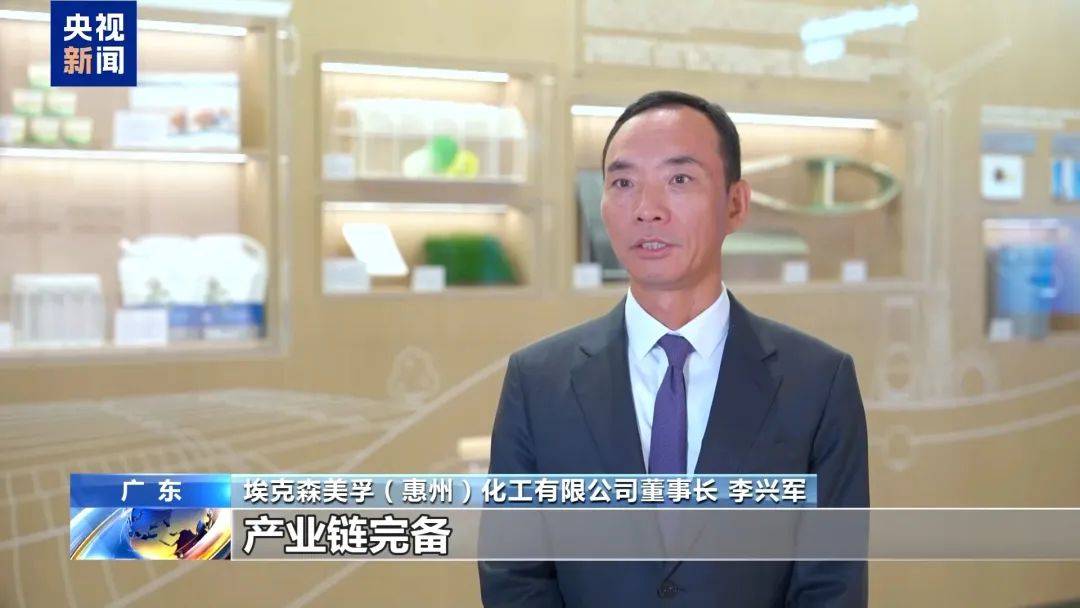
Group 1: Foreign Investment Trends - China's foreign investment policies have shown significant effectiveness in the first half of the year, leading to new developments in landmark foreign projects and improving the quality of foreign investment [1] - The actual use of foreign capital in high-tech industries reached 127.87 billion RMB, with notable growth in e-commerce services (127.1%), chemical manufacturing (53%), aerospace equipment (36.2%), and medical devices (17.7%) [6] - Foreign enterprises are increasingly reinvesting profits earned in China, indicating a strong confidence in the Chinese market and a commitment to mutual growth [6][8] Group 2: Major Projects and Developments - The ExxonMobil Huizhou Ethylene Project, with a total investment of 10 billion USD, has officially commenced production, utilizing green technology to reduce nitrogen oxide emissions by 50% and greenhouse gas emissions by 35% [1] - The Nidec Qingdao Industrial Park in Shandong has recently launched, featuring 75 advanced production lines and a comprehensive R&D center, capable of producing 18 million motors and 20 million electronic control products annually [3] - Novo Nordisk has initiated a 4 billion RMB sterile preparation expansion project in Tianjin, further investing approximately 800 million RMB to expand its quality testing laboratory [4] Group 3: Strategic Investments and Future Directions - The focus of foreign equity investment is shifting towards new productive forces, with private equity firms establishing bilateral funds to promote advanced manufacturing and green low-carbon initiatives [15][20] - Measures to facilitate foreign equity investment have been introduced, including the implementation of pilot programs in free trade zones and the expansion of service industry openings [22][23] - The Chinese market is projected to surpass the U.S. as the largest single market for several foreign companies, driving continuous reinvestment and expansion efforts [13][15]
盛世投资董事长姜明明:以“退”为“进”,重塑价值
Sou Hu Cai Jing· 2025-07-29 04:04
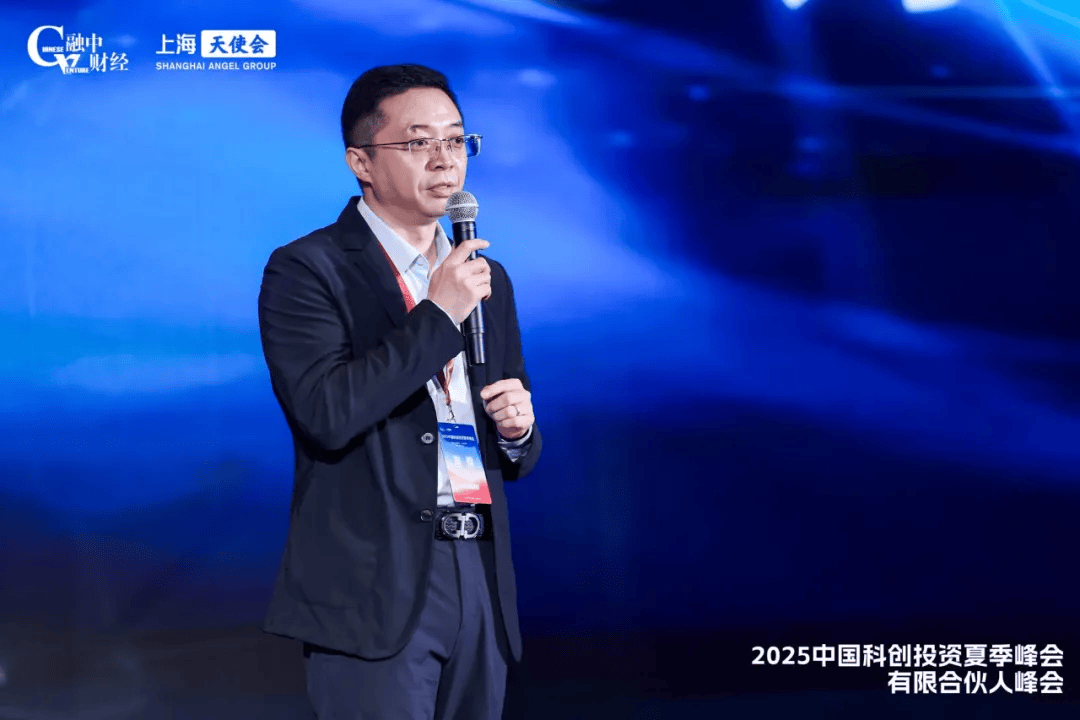
Core Insights - The article discusses the growing trend of "patient capital" and "bold capital" in the context of new productive forces investment, highlighting the role of state-owned investment funds as key players in this landscape [2] - It emphasizes the importance of revitalizing existing capital and optimizing resource allocation to support emerging industries and quality projects [2][4] - The speech by Jiang Mingming, Chairman of Shengshi Investment, addresses the challenges faced by the private equity industry, particularly the reliance on IPOs for exits and the low DPI (Distributions to Paid-In) rates [3][5] Investment Trends - The investment landscape is shifting, with various financial leaders discussing industry trends at the "2025 China Sci-Tech Summer Investment Summit" [2] - The private equity sector is experiencing a significant amount of stagnant capital, approximately 14 trillion yuan, which poses challenges for exits [6][7] - The S Fund is identified as a crucial tool for revitalizing quality assets and facilitating exits for both state-owned and private LPs [3][6][8] Economic Context - The Chinese economy is undergoing a dual economic structure, leading to a stock game that reflects the dynamics between foreign, state, and private capital [4] - The era of significant economic growth is perceived to be waning, necessitating a reevaluation of fund structures and investment strategies to adapt to the current economic cycle [5][10] S Fund Strategy - The S Fund is categorized into two types: transaction-oriented S Funds focused on financial returns and function-oriented S Funds initiated by local state-owned assets to promote local capital circulation [8][9] - Shengshi Investment has a long history of engaging with S Funds, having established a solid foundation through extensive investment in sub-funds and projects over the past 15 years [9][10] - The current strategy involves selecting high-quality assets accumulated over the past 15 years and forming asset packages to ensure continued investment and development [9][10] Conclusion - The article concludes with a reflection on the evolution of Shengshi Investment and its commitment to addressing the challenges faced by both private and state-owned LPs in the current economic environment [10][11]
VC/PE周报 | KKR募人民币基金了;上海诞生一笔超百亿融资
Mei Ri Jing Ji Xin Wen· 2025-07-28 13:44
Group 1: KKR's Investment in China - KKR has completed the registration of its RMB fund in China, indicating confidence in the long-term growth potential of the Chinese market despite a complex global economic environment [2] - The registered scale of the fund is 410 million RMB, with major LPs including Ping An Capital, TPC Group, and Schroders [2] - KKR is one of the largest alternative asset management companies globally, managing approximately $664 billion in assets across various sectors [2] Group 2: Longstone Capital's Fundraising - Longstone Capital has successfully raised 728 million RMB, with contributions from industry players and financial institutions [3] - The firm focuses on hard technology investments and has previously invested in 24 projects, with 11 having completed IPOs [3] - Longstone Capital aims to adapt to market uncertainties by becoming a "symbiotic entity" within the industry ecosystem [3] Group 3: M&A Activity Involving Tencent - Zhongwei Capital, in collaboration with Tencent, has completed a controlling acquisition of Hangzhou Huacheng Network Technology Co., Ltd. [4] - The acquisition is part of a broader strategy to enhance capabilities in the global consumer IoT market [4] - The deal represents a significant move towards "hardware cloudification" in the IoT sector [4] Group 4: Major Investment in Fusion Energy - China Fusion Energy Co., Ltd. has announced a joint investment of 11.492 billion RMB, marking the largest investment in Shanghai this year [6] - The company aims to position itself in the emerging fusion energy sector, which is seen as a key future energy source [6] - The investment reflects a national strategy to seize leadership in future energy technologies [6] Group 5: JD's Investment in Robotics - JD has led a financing round for Zhongqing Robotics, indicating a strong interest in humanoid robots as a future productivity tool [7] - The company has developed advanced robotic technologies, including a high-precision control system [7] - This investment aligns with JD's strategy to enhance its competitiveness in retail and logistics through innovative technologies [7] Group 6: AI Infrastructure Investment - Beijing JZ Ruizi Technology Co., Ltd. has completed a 200 million RMB A+ round of financing, focusing on enterprise-level AI agents [9][10] - The company provides a comprehensive infrastructure for AI agents, targeting strategic industries such as energy and military [9] - The significant funding reflects strong confidence in the B-end AI agent market and its potential for cost reduction and efficiency improvement [10] Group 7: AI Computing Infrastructure Development - Baseflow Technology has raised nearly 100 million RMB in A+ round financing, with a focus on AI computing infrastructure [8] - The investment is part of a broader strategy to establish Shanghai as a digital hub and accelerate the domestic AI computing ecosystem [8] - The company aims to enhance the stability and utilization of AI computing clusters, reducing total cost of ownership for users [8]
买股票不如放贷?证监局处罚来了
券商中国· 2025-07-28 08:01
Core Viewpoint - The article highlights regulatory actions taken by the Chongqing Securities Regulatory Bureau against private equity funds for violations related to improper investment practices, including "明股实债" (equity disguised as debt) and unauthorized lending activities [1][3][4]. Summary by Sections Regulatory Actions - On July 25, two private equity funds received warning letters from the Chongqing Securities Regulatory Bureau for violating investment regulations, which included improper equity and debt investments and unauthorized lending [1][3]. - In 2025, the Chongqing Securities Regulatory Bureau has issued warning letters to a total of five private equity funds for similar violations, indicating a focused effort on regulatory enforcement in this sector [2][3]. Specific Violations - Chongqing Gaosu Highway Industry Equity Investment Fund Management Co., Ltd. was found to have engaged in equity disguised as debt and lending investments, violating specific regulatory provisions [3]. - Chongqing Tongcheng Equity Investment Fund Management Co., Ltd. was noted for conducting lending investments and investing in non-compliant targets, breaching other regulatory guidelines [3]. Historical Context - In July 2024, Guangdong Huapu Equity Investment Fund Management Co., Ltd. had its registration revoked by the Asset Management Association of China due to similar violations, including misallocation of fund assets towards lending activities [4][5]. - The Shenzhen Taicang Fund, managed by Guangdong Huapu, was involved in a lending contract that contradicted its stated investment strategy, further illustrating the risks of non-compliance in private equity fund management [4][5].

“融完这一轮就上市”
投中网· 2025-07-28 06:40
Core Viewpoint - The article discusses the resurgence of the IPO market, highlighting a significant increase in IPO preparations among VC/PE firms, particularly Blackstone, which has reached its highest level in five years [3][11]. Group 1: Blackstone's Performance - Blackstone's Q2 2025 financial report exceeded market expectations, with total revenue reaching $3.71 billion, a 33% year-on-year increase, and distributable earnings of $1.6 billion, up 26% [6][5]. - The firm's Assets Under Management (AUM) grew to $1.2 trillion, a 13% increase year-on-year, despite challenges such as fund redemptions [7]. - Blackstone's net exit income rose by 6% year-on-year to $326 million, signaling a market turnaround after a prolonged period of low IPO and M&A activity [8]. Group 2: IPO Market Recovery - In the first half of 2025, the U.S. completed 116 IPOs, a 3% increase in number and a 56% increase in fundraising compared to the previous year [9]. - The IPO of Cirsa in July marked a significant return for Blackstone, generating €2 billion in returns and indicating the opening of a new IPO window [9]. - Blackstone's CEO noted that several uncertainties have diminished, leading to a more optimistic economic outlook and a release of pent-up trading desire [10]. Group 3: Other VC/PE Firms - Other major VC/PE firms, such as Carlyle, are also preparing for a surge in IPOs, with Carlyle targeting $4-5 billion in exits this year [12]. - EQT reported €13 billion in asset realizations in the first half of 2025, three times higher than the same period last year, and is preparing for more IPOs [13]. Group 4: Chinese Market Dynamics - The Hong Kong stock market led globally with $14.1 billion in IPO financing in the first half of 2025, with significant interest in various sectors [16]. - A notable IPO was that of Weili Zhibo, which saw a 91% increase on its first day, indicating a strong recovery in the biotech sector [16]. - The A-share market experienced a surge in IPO applications, with a record number of submissions in June 2025, reflecting a rapid turnaround in market conditions [17][24]. Group 5: Market Sentiment and Strategy - The article notes a growing enthusiasm in the secondary market, with companies like Yushun Robotics and Zhiyuan Robotics seeing significant stock price increases due to IPO preparations [21][22]. - Investors are advised to focus on companies with net profits between $5 million and $10 million, as they may have better chances of successful IPOs in the current environment [23]. - The recovery in IPO activity is not uniform but is guided by precise policy measures, requiring companies to prepare in advance to take advantage of the current window [25].