电商平台

Search documents
到巴西淘金去,一天卖出3000单
虎嗅APP· 2025-11-03 14:42
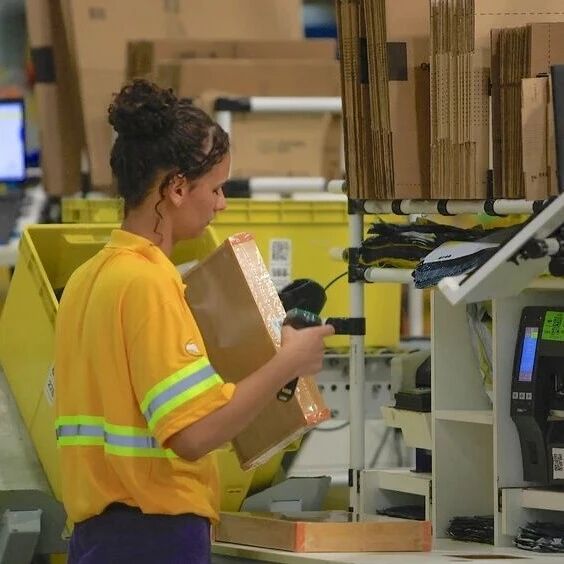
Core Insights - The article highlights the significant growth potential in the Brazilian e-commerce market, with a projected market size exceeding $70 billion by 2025 and an annual growth rate of over 20% [4][5]. - Brazilian consumers are increasingly favoring Chinese products, with 42% of online shoppers perceiving them as cost-effective, a substantial increase from 13% five years ago [5]. - Despite the promising market conditions, challenges such as complex taxation, logistics issues, and high risks remain prevalent for Chinese businesses entering Brazil [6][12]. Group 1: Market Overview - Brazil's e-commerce penetration rate is approximately 13%, indicating substantial room for growth compared to global averages [4]. - The influx of Chinese tourists to Brazil has increased by 23.5% in the first half of the year, suggesting a growing interest in the market [4]. - The Brazilian e-commerce landscape is still in its early stages, presenting both opportunities and competitive challenges for Chinese platforms [8]. Group 2: Competitive Landscape - Temu has rapidly gained market share in Brazil, achieving 409.7 million visits within 14 months of launch, surpassing competitors like Mercado Livre and Shopee [8][9]. - Mercado Livre remains the dominant player in the Brazilian market with an estimated GMV of approximately $25.9 billion for 2024, followed by Shopee and Amazon [10]. - Shopee's aggressive expansion strategy has led to a 54% increase in warehouse space within a year, positioning it as a significant competitor to Mercado Livre [21][22]. Group 3: Logistics Challenges - The logistics infrastructure in Brazil is uneven, with the southeastern region being well-developed while the northern and northeastern areas face significant challenges [15][16]. - Delivery times can vary greatly, with some products taking up to a week to arrive, complicating the e-commerce experience for consumers [14]. - Companies like Mercado Livre and Shopee are investing in regional distribution centers to improve delivery efficiency, particularly in underserved areas [17][24]. Group 4: Profitability and Risks - The Brazilian market offers high gross margins of 30%-40%, but the distance and logistical complexities can significantly impact profitability [27]. - New tax regulations effective August 1, 2024, will impose import duties on low-value packages, potentially affecting the cost structure for cross-border e-commerce [29]. - The competitive landscape is intensifying, with local and international players vying for market share, necessitating strategic adaptations from Chinese businesses [28][30].


遭遇消费糟心事,投诉该去何方?(投诉渠道指引)
Xin Lang Cai Jing· 2025-11-03 10:54
Core Viewpoint - The article discusses various effective complaint channels for consumers facing issues after the Double Eleven shopping festival, highlighting the importance of knowing where to turn for resolution [1] Group 1: Internal Complaint Channels - E-commerce platforms like Taobao and JD.com provide direct and efficient internal complaint mechanisms for consumers to report issues such as product quality and false advertising [2][3] - Taobao allows users to submit complaints through "My Taobao" and has a professional customer service team to handle disputes quickly [2] - JD.com emphasizes its strict management of merchants, ensuring that repeated complaints can lead to penalties for sellers, thus encouraging better service [2] Group 2: Authority Complaint Channels - The 12315 consumer complaint hotline serves as a national authority for consumer rights protection, allowing consumers to report serious issues that internal channels fail to resolve [4] - Consumers can file complaints via phone, website, or mobile app, and the market regulatory department investigates and enforces penalties on violators [4] - An example is provided where 12315 successfully penalized a seller for selling counterfeit goods after receiving a complaint [4] Group 3: Third-Party Complaint Platforms - Black Cat Complaint is highlighted as a significant third-party platform for consumers to file complaints, which are then forwarded to the relevant companies for resolution [5][6] - The platform's influence encourages companies to address complaints promptly to maintain their brand reputation [5] Group 4: Additional Complaint Channels - Other channels include industry self-regulatory organizations and media oversight, which can also help consumers address issues with specific industries [7] - Industry associations may investigate complaints, while media exposure can pressure companies to resolve consumer issues [7] - Consumers are advised to choose the appropriate complaint channel based on the nature of their issue, ensuring a more effective resolution process [7]
双十一购买电商商品后,我该如何维权?
Xin Lang Cai Jing· 2025-11-03 10:36
Core Viewpoint - The upcoming Double Eleven shopping festival has led to significant promotional activities across major e-commerce platforms, attracting consumers to purchase high-value items, but it also brings various consumer rights issues that need to be addressed. Group 1: Common Issues During Shopping Season - Increased volume of after-sales complaints is typical during e-commerce festivals, with common issues including product discrepancies, slow shipping, and complex return processes [1][5][12] - Consumers often receive products that do not match the advertised quality, such as items labeled as "genuine leather" or "pure wool" but containing mixed materials [2] - Many merchants use a "pre-sale + deposit" model, leading to unclear shipping dates and delays, with reports of payments made weeks prior without shipment [3][4] - High-value items often face complicated after-sales processes, with consumers required to provide extensive proof for returns, and some merchants refusing refunds citing "impact on secondary sales" [6][7] Group 2: Steps for Effective Consumer Rights Protection - The first step for consumers facing issues is to utilize the internal complaint systems of e-commerce platforms, which typically include options for after-sales service and refund applications [9][10] - Providing evidence such as order screenshots, payment receipts, and communication records can expedite the complaint process, with most platforms responding within 1-3 business days [11][12] - If internal complaints are ineffective, external complaint channels such as the national 12315 platform can be used for issues related to product quality and false advertising [14][15][16] - Specialized hotlines exist for specific issues, such as communication services and financial payments, which can be utilized for larger disputes [17][18] Group 3: Utilizing Third-Party Complaint Platforms - Third-party platforms like Black Cat Complaints can be effective for escalating issues, as they provide a public forum for complaints, increasing the likelihood of a merchant's response [19][20][23] - These platforms maintain transparency by allowing consumers to submit evidence and track the complaint process, which can lead to quicker resolutions [21][22][24] Group 4: Enhancing the Efficiency of Rights Protection - To improve the efficiency of rights protection, consumers should retain all relevant evidence, clearly articulate their issues, and communicate rationally [28] - A structured approach to complaints, starting from internal customer service to external channels, is recommended to avoid confusion and redundancy [28][29] Group 5: Conclusion on Consumer Rights - While Double Eleven presents shopping opportunities, consumers are encouraged to remain rational and proactive in protecting their rights [30][31] - Engaging with customer service first and escalating to official or social complaint platforms if necessary is advised [32][34] - Consumers should be aware of their rights and the importance of voicing concerns to ensure better service quality from merchants [35]
淘工厂联合支付宝推出性价比购物场景“天天秒杀”,天猫双11期间日销量破248万单
Sou Hu Cai Jing· 2025-11-03 08:17
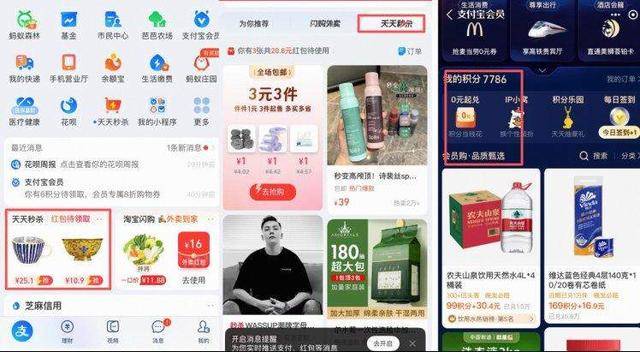
"支付宝上也可以买东西了?!""这是又多了一个淘工厂吗?""逛支付宝顺便买一件,还挺丝滑"…… 这个天猫双11期间,由淘工厂联合支付宝运营的支付宝"天天秒杀"小程序成为了"家有儿女"和"勤俭持 家"等人群最爱逛的去处之一。截至10月31日,一度创下了日销248万单的最高日销售纪录。其中,日用 抽纸、拖鞋、挡风被等日用刚需很受欢迎,一款悬挂式抽纸日销2万+件,一双棉拖鞋日销1.5万+双,挡 风被时不时卖断货…… 图说:"天天秒杀"位于支付宝APP 端内首页,是支付宝核心助推的电商交易场景之一。 据淘工厂项目负责人周凯介绍,该场景主要满足消费者在积分兑换以及会员权益兑换等场景时"顺手买 一件"的需求,满足了消费者理财、游戏以及购物的一站式体验,让不少体验者"有一种买了就是赚了的 畅快感"。 "这次尝试让淘工厂连接的产业带商家多了一个精准、稳定的分销渠道,不仅提升了商家效益,也为淘 工厂带来了更为广泛的消费人群,有益于将产业带这些质价比比较高的国货推广出去。"周凯介绍称。 据了解,"天天秒杀"核心供给来源于淘工厂连接的产业带源头厂商。目前,该场景主要覆盖了食品生 鲜、日化工具、生活家居等性价比人群高频刚需日用品品类 ...
狂揽10亿用户!国民APP十年百亿补贴有啥猫腻?内幕曝光让人意外
Sou Hu Cai Jing· 2025-11-01 15:37
Core Insights - Pinduoduo's "100 Billion Subsidy" program has evolved from a marketing gimmick into a strategic mechanism that has significantly transformed the e-commerce landscape over the past decade [1][18] - The program has successfully increased active buyers to nearly 1 billion and active merchants to over 10 million, demonstrating its effectiveness in driving user engagement and market penetration [1] Group 1: Initial Impact and Market Penetration - The subsidy program was initially perceived as a tool to penetrate first and second-tier markets, addressing the stigma of low-quality products associated with lower prices [3] - In its early stages, the subsidy targeted high-demand categories such as Apple products and branded cosmetics, achieving a 200% year-on-year increase in digital product sales in 2020, with first and second-tier city users surpassing 40% [3] Group 2: Strategic Value and Consumer Trust - Over time, the subsidy shifted from merely attracting new users to building consumer trust, with mechanisms like "tenfold compensation for counterfeit goods" and transparency in subsidy funding [5] - The program's coverage expanded from high-end electronics to include agricultural products and household goods, significantly benefiting local farmers and producers [5][12] Group 3: Supply Chain and Cost Efficiency - The subsidy has played a crucial role in restructuring supply chains, enabling small manufacturers to reach consumers directly and reducing costs by eliminating intermediaries [7][10] - Pinduoduo's data-driven approach allows for customized production, enhancing inventory turnover and reducing production costs by 15% [10] Group 4: Logistics and Regional Development - The company invested subsidy funds into logistics infrastructure, particularly in underdeveloped western regions, leading to a 40% increase in order volume and a 30% reduction in logistics costs [11][12] - This investment not only improved logistics efficiency but also created a sustainable funding source for the subsidy program [12] Group 5: Consumer Behavior and Market Dynamics - The subsidy has contributed to a shift in consumer behavior, allowing users in lower-tier cities to access quality products at affordable prices, thus promoting consumption equality [14] - For first and second-tier city users, the program has lowered trial costs for new products, leading to a 150% annual growth in niche categories [16] Group 6: Long-term Investment and Strategic Vision - Pinduoduo's commitment to long-term investment is evident in its 2024 R&D expenditure of 12.7 billion yuan, supporting the precision and efficiency of the subsidy program [18] - The program has transitioned from a perceived short-term cash burn to a strategic initiative that fosters a symbiotic ecosystem among consumers, merchants, and the platform [18]


京东失掉自信力了吗?
Sou Hu Cai Jing· 2025-11-01 00:36
Group 1 - JD.com has initiated its "Double 11 Global Goods Festival" earlier than other major shopping platforms, raising concerns about its practices during this promotional period [4][10] - Allegations have emerged that JD.com is engaging in "choose one" behavior, restricting merchants from participating in promotions on competing platforms, with penalties ranging from millions to tens of millions of yuan for violations [4][7] - Internal sources from JD.com claim that their actions are aimed at "active price comparison" to protect consumers, arguing that the accusations of "choose one" misinterpret their intentions [6][10] Group 2 - The competitive landscape has shifted, with JD.com previously criticizing Alibaba for similar practices, highlighting the cyclical nature of such competitive strategies in the industry [8][9] - JD.com's recent defensive strategies, including the establishment of a "price protection wall," reflect a loss of confidence and a shift from an open ecosystem to a more controlled environment [12][25] - The failure in the food delivery sector has led JD.com to adopt a defensive posture, impacting its approach to the upcoming Double 11 sales event [15][16] Group 3 - JD.com’s core business, particularly in home appliances, is under scrutiny as it attempts to navigate the challenges posed by competitors and changing market dynamics [16][20] - The company's previous advantages in logistics and customer service are diminishing as the industry evolves, leading to a decline in consumer willingness to pay a premium for these services [20][22] - JD.com’s reliance on traditional promotional strategies, such as issuing coupons, indicates a lack of innovation in adapting to new market conditions [22][23] Group 4 - The ongoing conflict with brands over pricing strategies is eroding JD.com's reputation as a trustworthy partner, potentially benefiting competitors who respect merchant autonomy [26][27] - JD.com’s approach of positioning itself as a defender of consumer interests may provide short-term gains but risks long-term damage to its ecosystem [28][29] - The company must undergo a significant transformation to regain its competitive edge, focusing on building trust and enhancing its core value proposition rather than engaging in price wars [31][32]


此人弃美归国,40万起家捞走20亿,垄断中国电商市场时淘宝刚成立
Sou Hu Cai Jing· 2025-10-31 14:02
Core Insights - The article highlights the significant yet often overlooked contributions of Shao Yibo, a pioneer in China's e-commerce industry, who founded eBay China (易趣网) with a modest startup capital of $400,000 and once dominated the market with a 90% share [1][3] - Despite the initial success, the rise of competitors like Taobao and JD.com led to a decline in 易趣网's market position, ultimately resulting in Shao Yibo selling the platform and retiring with a fortune of 2 billion RMB [3] Company Overview - 易趣网 was established in August 1999, providing 24-hour customer service in its first year, which set a high standard for service quality in the e-commerce sector [3] - The platform quickly became the largest one-stop online trading platform in China, attracting widespread attention and nearly monopolizing the market [3] Industry Context - The e-commerce landscape in China has evolved rapidly, with technological advancements and the emergence of new competitors reshaping market dynamics [3] - Shao Yibo's decision to leave a lucrative career in the U.S. to invest in China's nascent e-commerce market reflects the potential he saw in the industry at that time [1][3] - After selling 易趣网, Shao Yibo established a 100 million RMB fund aimed at investing in products or platforms beneficial to Chinese society and market, indicating his ongoing commitment to the industry [3]

京东失去自信力了吗?
3 6 Ke· 2025-10-31 12:39
Core Viewpoint - The article discusses JD.com's recent actions and strategies in response to competition, particularly focusing on the "two-choice" or "active price comparison" practices that have drawn criticism and raised questions about the company's market behavior [2][3][4]. Group 1: JD.com's Competitive Strategies - JD.com has initiated its "Double Eleven Global Goods Festival" early this year, but has faced allegations of requiring merchants to refrain from promotional activities on competing platforms like Douyin during this period [3][4]. - The company claims its actions are not "two-choice" but rather "active price comparison," aimed at protecting consumers by creating a price protection wall [3][4][6]. - JD.com previously criticized competitors for similar practices, indicating a shift in its stance as it now employs tactics it once condemned [4][6]. Group 2: Market Position and Challenges - JD.com appears to have lost confidence, reflected in its defensive strategies and the inability to maintain its previous aggressive market position [6][10]. - The failure in the food delivery battle has strained JD.com's resources, leading to a reliance on "active price comparison" as a response to competitive pressures [7][9][10]. - The company is caught between a defensive posture and the need for innovation, which has resulted in mixed signals to the market and partners [7][10]. Group 3: Brand and Consumer Relations - JD.com's approach to managing prices has led to a deterioration of trust with brand partners, shifting the relationship from collaboration to a zero-sum game [22][23]. - The company's strategy of positioning itself as a defender of consumer interests may yield short-term benefits but risks long-term damage to its ecosystem [24][22]. - The erosion of trust could empower competitors like Douyin, which promotes itself as a platform that respects merchants' autonomy [22][23]. Group 4: Future Directions - JD.com needs to shift from a focus on price competition to leveraging its strengths in supply chain and trust-building to create a new value proposition for consumers [27][28]. - A transformation in organizational thinking is necessary, moving from defensive price management to proactive trust-based innovation [28][29]. - The company must undergo significant self-reform to regain its competitive edge and internal confidence, rather than relying on price wars [29][30].

返佣金、降保证金、AI托管齐上阵,淘工厂助力中小商家轻装上阵迎双11
Sou Hu Cai Jing· 2025-10-31 10:05
Core Insights - The main focus of this year's Double 11 event is on "direct supply from source factories," with Taogongchang implementing more thorough cost reduction and efficiency enhancement strategies [1] Group 1: Incentives and Support for Merchants - The platform offers a commission rebate of up to 100%, with a cap of 400,000 yuan per merchant, incentivizing both new and existing merchants to achieve performance targets [2] - The guarantee deposit has been lowered to a minimum of 2,000 yuan, allowing merchants to withdraw funds, which alleviates financial pressure and enables quicker investment in products and marketing [4] Group 2: AI Integration - AI technology is enhancing merchant operations by 50%, addressing common issues such as slow product review and difficult budget management, allowing for same-day product listings and improved return on investment (ROI) [6] Group 3: Industry Engagement - Taogongchang plans to conduct over 150 promotional events across 100 key industrial zones, facilitating connections between local brands and market demand [7][9] Group 4: Overall Strategy - The combination of commission incentives, AI support, reduced guarantee deposits, and industry collaboration represents a significant transformation aimed at allowing merchants to focus on product quality and visibility [10]

太突然!抖音宣布清退
Sou Hu Cai Jing· 2025-10-31 05:16
Core Viewpoint - Douyin E-commerce is taking measures to eliminate malicious logistics providers that engage in fraudulent practices, ensuring the integrity of the platform and protecting consumer rights [1]. Group 1: Actions Taken - Douyin E-commerce has identified and will terminate partnerships with four logistics providers: Zhongtong Cold Chain, Jishida, Shuiqu Daijia, and Tiezhong Express, effective October 29 [1]. - The platform discovered that these logistics providers were involved in creating false logistics trajectories and using third-party electronic waybills to mislead consumers [1]. Group 2: Violations Identified - The core methods of violation included the use of third-party electronic waybills to bypass Douyin's requirements and the construction of false trajectories [1]. - Violations included stitching together normal waybill trajectories with fake ones, and bulk uploading false tracking numbers to misrepresent the status of orders [1]. Group 3: Recommendations for Compliance - Merchants are advised to use Douyin E-commerce's electronic waybills to ensure traceability and avoid using third-party waybills [5][6]. - Logistics providers are urged to connect to Douyin's electronic waybill system to prevent facilitating fraudulent shipments [10][11]. - The platform emphasizes the importance of matching shipping locations with order information and avoiding the use of fake tracking numbers [7][8]. Group 4: Future Measures - Douyin E-commerce will continue to enhance fulfillment rules and risk control capabilities, aiming to create a compliant logistics ecosystem and combat fraudulent practices [12]. - The platform encourages merchants and logistics providers to report any identified violations to maintain a reliable e-commerce environment [12].