农产品贸易

Search documents
受益中国需求,巴西大豆产销两旺
Huan Qiu Shi Bao· 2025-10-09 23:06
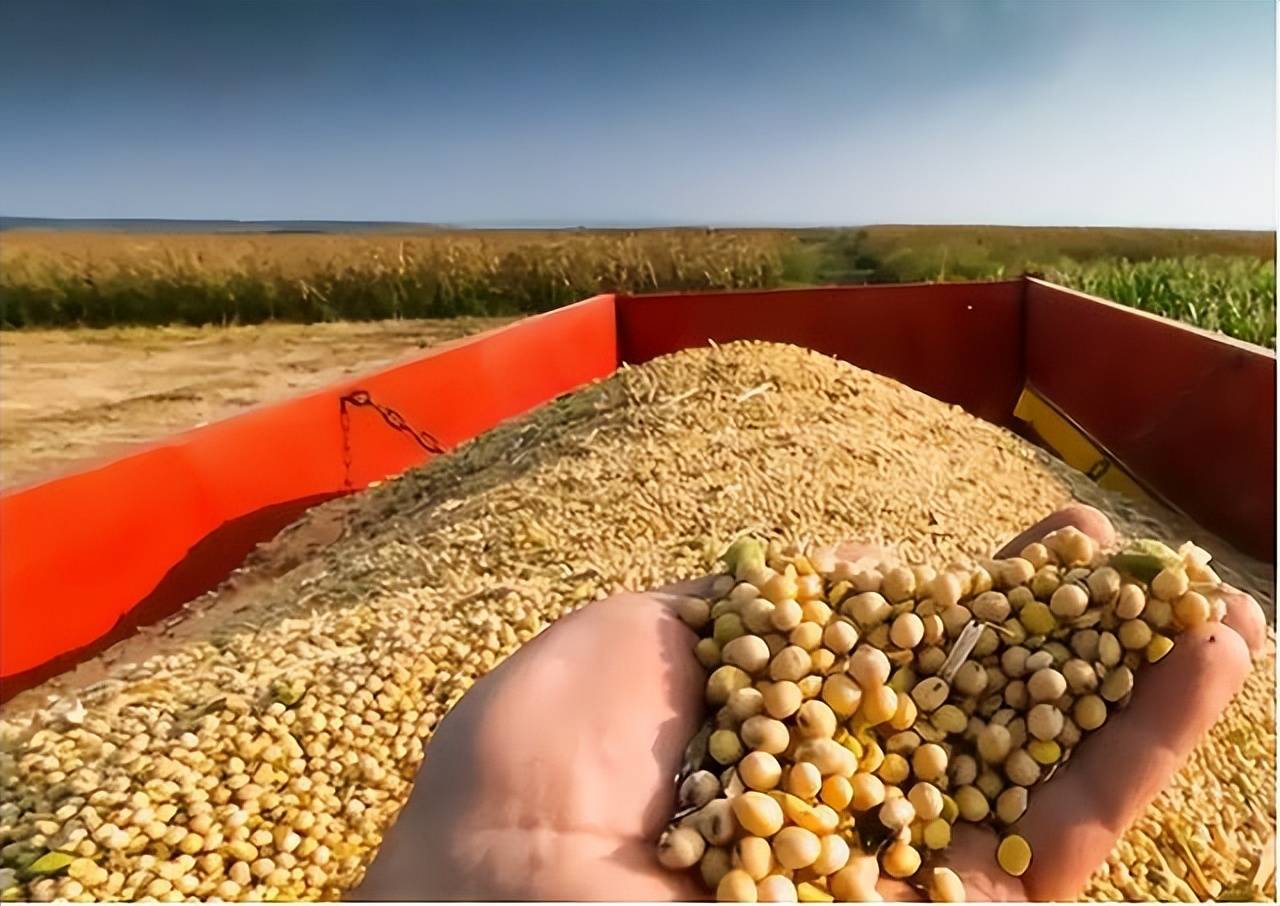
巴西国家供应公司(Conab)数据显示,2024/2025作物季,巴西大豆产量升至63 亿蒲式耳(1蒲式耳等 于27.216千克),成为出口量增长的基础。与此同时,巴西农民正受益于来自中国的强劲需求。据巴西 通讯社报道,代表600万美国农民的美国农业局联合会的一项调查显示,受关税冲突影响,从6月到8 月,美国对华大豆出口"几乎为零",并且中国未采购任何美国明年收获的新作大豆,此举为巴西、阿根 廷等其他国家的供应商提供了新的市场机会。 该组织表示,2025年1月至8月,中国仅从美国进口580万吨大豆,同比下降近80%。相比之下,巴西成 为对华大豆主要供应国。同期,巴西向中国市场出口超过7700万吨大豆。阿根廷在暂停出口税后增加大 豆销售,并在出口额超过70亿美元后退还了税款,此举推动了该国对中国大豆销售的增长。香港《南华 早报》近日报道称,阿根廷大豆出口订单9月飙升至7年高点,中国进口商在出口税暂停期间采购了数百 万吨。 【环球时报报道 记者 杨舒宇】巴西全国谷物出口商协会(Anec)8日公布的数据显示,截至10月底, 巴西大豆出口量预计将达到1.022亿吨,超过2024年和2023年全年的出口量。路透社分析称 ...
杨凌首趟冷链班列启程!新鲜水果“坐”火车直抵俄罗斯
Sou Hu Cai Jing· 2025-10-07 08:24
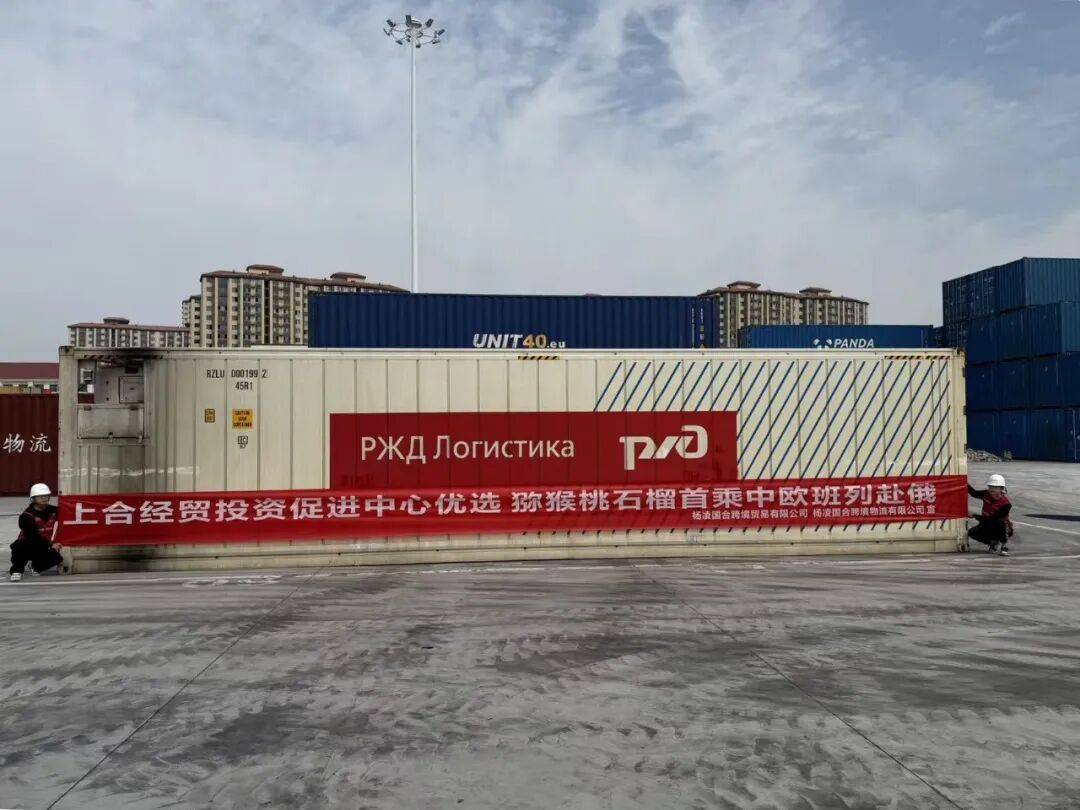
10月1日,西安国际港站汽笛长鸣,一列满载货物的中欧班列缓缓启动,驶向俄罗斯莫斯科。在这趟列车上,两个特殊的冷链冷柜格外引人注目——里面 整齐码放着来自四川会理的20吨黑籽酸石榴和来自西安周至的22.4吨海沃德猕猴桃。这是杨凌示范区内企业——杨凌国合跨境贸易有限公司首次通过铁路 冷链运输将新鲜水果直接送往俄罗斯市场,标志着杨凌在构建国际农产品冷链物流通道上迈出关键一步。 "未来,我们将继续整合优质农产品资源,优化冷链运输方案,推动更多特色农产品通过这条'钢铁丝路'走向国际市场,助力现代农业高质量发展。"王斌 信心满满地说。 火车从西安出发,经满洲里口岸出境,直达莫斯科沃尔西诺站。最关键的是,搭载的全自动冷藏冷柜具备恒温恒湿功能,在跨境换装(如从中国标准轨换 至俄罗斯宽轨)时,只需整体吊装冷柜,柜内环境丝毫不受影响。运输途中,柜体全程密封,温度稳定维持在设定范围,并通过远程监控系统实时反馈数 据,确保每一颗石榴、每一个猕猴桃都处在最佳保鲜状态。 "对比之前的汽运模式,中欧班列不仅时效稳定,成本优势也非常明显。"杨凌现代农业国际合作集团有限公司副总经理王斌算了一笔经济账,"铁路运输 受天气、路况影响小,单位运量更 ...

拒绝买单!美损失超100亿美元,特朗普急了:想跟中国好好谈
Sou Hu Cai Jing· 2025-10-06 05:48
Core Insights - The cessation of U.S. soybean imports by China marks the first time in 27 years, driven by high tariffs imposed by both countries as part of a trade conflict [1][3] - The U.S. soybean market is facing significant challenges, with zero orders from China this year, which previously accounted for over 50% of U.S. soybean exports valued at $12 billion in 2024 [3][5] - South American countries like Argentina and Brazil are gaining a competitive edge in the Chinese market due to lower tariffs and favorable export policies, further complicating the U.S. position [5][8] Trade Dynamics - The U.S. has relied heavily on China as a primary buyer of soybeans, but the imposition of tariffs has led Chinese buyers to seek alternative suppliers [7] - Trump's strategy to use soybean purchases as leverage for tariff negotiations is proving ineffective, as market dynamics have shifted and new suppliers have emerged [7][9] - The ongoing trade tensions have resulted in a potential increase in tariffs to 145% from the U.S. side and 125% from China, which could lead to a complete trade paralysis [8][9] Market Reactions - The agricultural sector in the U.S. is increasingly vocal about the negative impacts of the trade conflict, with farmers struggling to find buyers for their products [3][5] - The perception of tariffs as a "good status quo" contradicts the need for cooperation and negotiation in trade, highlighting the complexities of the current situation [5][9] - The diversification of supply sources in China is enhancing its bargaining power and stability in the supply chain, which poses a long-term challenge for U.S. agricultural exports [8][9] Political Implications - The political narrative in the U.S. continues to frame the country as a victim of trade practices, which may not resonate with market realities and could hinder long-term support [8][10] - The effectiveness of Trump's approach to leverage tariffs for political gain raises questions about the sustainability of such a strategy, especially for those directly affected like farmers and consumers [10] - The need for actionable solutions rather than political rhetoric is emphasized, as the ongoing trade conflict has real implications for inflation and consumer costs in the U.S. [9][10]
中方一单不签,反加税75%,加拿大已经慌了!两队人马火速抵京请求转机!
Sou Hu Cai Jing· 2025-10-05 18:47
Core Viewpoint - The trade conflict between Canada and China has escalated rapidly, significantly impacting Canadian agricultural exports, particularly canola, with a 75% tariff imposed by China, leading to severe financial distress for farmers and related industries [2][5][8]. Group 1: Trade Impact - Canada had planned to export canola worth CAD 5 billion to China in 2024, with 80% being unprocessed seeds, but the imposition of tariffs has caused a drastic drop in prices, with some farmers experiencing a 30% decrease in purchase prices [3][5]. - The trade restrictions have led to a significant loss of the largest customer for Canadian agricultural products, resulting in widespread layoffs in grain trading companies and financial strain on logistics firms [5][9]. Group 2: Industry Response - Farmers are facing urgent financial pressures, with many having to sell equipment and even personal assets to manage debts, as the storage costs for unsold canola continue to rise [7][11]. - The agricultural sector is experiencing a ripple effect, with other industries such as seafood and pork also facing additional tariffs of 25%, leading to increased costs and consumer complaints about rising prices [5][8]. Group 3: Diplomatic Efforts - Canadian officials, including the Foreign Minister, are attempting to negotiate with China to resolve the trade issues, but face significant political resistance domestically regarding concessions on tariffs [7][12]. - The potential for cooperation on climate technology and other sectors is being explored, but skepticism remains about whether these discussions can lead to immediate relief for the agricultural sector [10][12]. Group 4: Market Dynamics - The shift in Chinese purchasing to suppliers in Australia and Russia has left Canadian farmers with limited options, as they struggle to compete with lower prices from these countries [11][15]. - The overall sentiment in the Canadian agricultural community is one of urgency and despair, as farmers are primarily focused on immediate survival rather than broader geopolitical issues [15].
美财长提前官宣胜利,美国豆商有救?回头一看:是特朗普绷不住了
Sou Hu Cai Jing· 2025-10-04 19:05
Core Viewpoint - The significant decline in U.S. soybean exports to China is causing distress among American farmers, with exports dropping by 39% in the first seven months of 2025 compared to the previous year, leading to a historical high in soybean inventory and financial losses for farmers [1][2]. Group 1: Export Data and Trends - U.S. soybean exports to China fell sharply, totaling only 5.9 million tons from January to July 2025, a 39% decrease year-over-year [1]. - By August 2025, U.S. exports to China were recorded at 218 million bushels, a drastic drop from 985 million bushels in the same period of 2024 [1]. - The U.S. Department of Agriculture reported a record high soybean inventory of 22 million tons, with at least 7 million tons classified as unsellable [1]. Group 2: Impact of Trade Policies - The trade war initiated by the Trump administration has severely impacted U.S. agricultural exports, with a projected total value of $17 billion in agricultural exports to China for July 2025, a 30% decrease from 2024 and more than a 50% drop from 2022 [2]. - The imposition of a 34% additional tariff on U.S. soybeans has made it economically unfeasible for Chinese buyers to purchase American soybeans [1][2]. Group 3: Political and Economic Reactions - Farmers in key agricultural states are expressing dissatisfaction with the current trade policies, which are affecting their livelihoods, leading to increased pressure on Republican lawmakers ahead of the midterm elections [2][6]. - Treasury Secretary Scott Bessent announced plans for a fifth round of trade negotiations with China during the APEC summit, indicating potential agricultural concessions in exchange for benefits in other sectors [3][8]. Group 4: Market Response and Future Outlook - Following Bessent's announcement, soybean futures experienced a slight rebound, but overall market reactions remained lukewarm, with prices fluctuating around $10.2 per bushel [3][8]. - The diversification of China's soybean imports, primarily from South America, has solidified its supply chain, reducing reliance on U.S. soybeans and maintaining stable prices [9].
一捧木薯淀粉的奶茶“珍珠”之旅
Xin Hua Wang· 2025-10-04 10:15
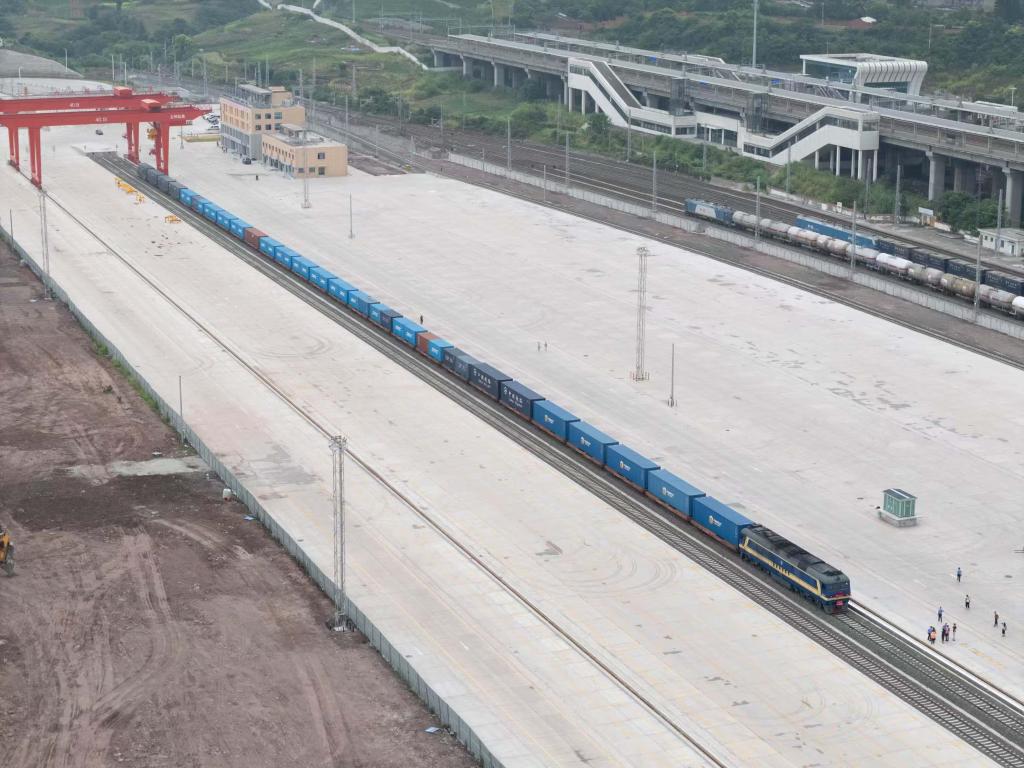
Core Insights - The demand for cassava starch, a key ingredient in bubble tea, is increasing rapidly due to the growth of the tea beverage market in China and globally, with the market size expected to exceed 350 billion yuan in 2024 and reach 374.93 billion yuan by 2025 [2] Group 1: Market Dynamics - The opening of the China-Laos Railway has facilitated the import of cassava starch from Southeast Asia, particularly Laos, making it a primary choice for companies in Southwest China [2][3] - A recent train carrying 625 tons of cassava starch from Laos arrived in Luzhou, Sichuan, after a five-day journey, indicating the efficiency of the new logistics route [2] Group 2: Cost and Efficiency Improvements - The China-Laos Railway has significantly reduced transportation time and costs compared to previous sea-rail combined transport methods, enhancing trade activity between the regions [3] - Logistics costs have decreased by 35%, and customs clearance efficiency has improved by 10% in cities like Neijiang, which aims to become a distribution center for cassava starch imports [3] Group 3: Industry Expansion - The increasing trade volume is leading to an extension of the industrial chain, with companies in Sichuan negotiating partnerships with leading cassava starch producers in Laos to enhance supply stability and support local farmers [4] - Processed cassava starch is versatile, being used not only in bubble tea but also in various food products, pharmaceuticals, and as raw materials for alcohol, showcasing its broad application [4]
别笑特朗普卖大豆,能掐住美国七寸的,不是芯片,而是小小的黄豆
Sou Hu Cai Jing· 2025-10-03 11:55
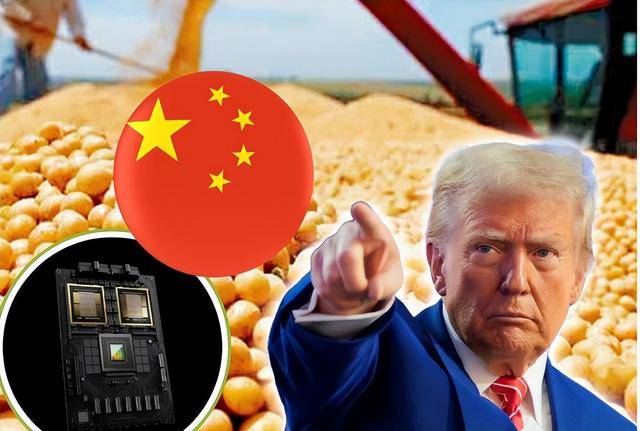
Core Insights - The article discusses the impact of the US-China trade war on the soybean market, highlighting the shift in China's soybean sourcing from the US to Brazil, which has significant implications for US farmers and the political landscape in the Midwest [1][3][15] Economic Impact - The US soybean market heavily relies on exports, with China previously accounting for up to 60% of US soybean exports. However, this share has dropped to 18% as Brazil has become the largest supplier to China [3] - In 2025, despite a bumper crop in the US, soybean prices are expected to plummet, leading to a significant reduction in farmers' incomes [5] - The political ramifications are evident as key Republican states, which are major soybean producers, are experiencing discontent among farmers towards Trump's policies [5][7] Political Dynamics - The article notes that the US government has attempted to mitigate the situation by negotiating trade agreements that require other countries to purchase US agricultural products, but these measures have proven ineffective [7][9] - The Republican Party is considering reallocating funds from nutritional assistance to support farmers, but this aid may not arrive in time to address immediate concerns [9] Global Market Dynamics - The US is the second-largest producer and exporter of soybeans, traditionally holding significant pricing power in the global market. However, major grain companies dominate over 80% of the global grain trade, influencing soybean prices [11] - China is actively working to increase its influence in the soybean market by developing its futures market and diversifying its import sources beyond the US, including Brazil, Argentina, and Russia [13][15] Future Outlook - The article suggests that as China continues to diversify its soybean imports and enhance its domestic production capabilities, the US's reliance on the Chinese market may diminish, altering the global agricultural trade landscape [15]
UK, EU food trade deal could be implemented within a year, EU trade chief says
Reuters· 2025-10-02 14:19
Core Point - An agreement between Britain and the European Union to reduce trade friction on agricultural produce could be implemented within a year if there is "good political will" [1] Group 1 - The agreement was struck in May and aims to facilitate smoother trade in agricultural products [1] - EU trade chief Maros Sefcovic emphasized the potential for implementation within a year [1]

2条战线全惨败,美国遭遇二战后最大战略失误,中国该抛售美债了
Sou Hu Cai Jing· 2025-10-01 06:39
Group 1 - The new U.S. government's attempts to reshape the global landscape through diplomatic mediation and economic pressure have faced significant setbacks, particularly in the context of the Russia-Ukraine conflict and global tariff wars, marking a severe policy deviation since 1945 [2][4][18] - The U.S. has struggled to effectively coordinate with European partners in mediating the Russia-Ukraine situation, leading to a perception of isolation in its diplomatic efforts [4][6] - The imposition of tariffs on imports from countries like China, Japan, and South Korea has revealed weaknesses in U.S. policy, as these nations have resisted additional restrictions, impacting U.S. economic interests [6][14] Group 2 - The U.S. has shifted its beef and soybean imports from domestic sources to Brazil and Argentina, resulting in a 20% increase in supply while maintaining stable prices [8] - The suspension of Boeing aircraft deliveries has led to over $20 billion in losses for the U.S. aviation industry, prompting a 30% increase in domestic production of the C919 aircraft [8][16] - The U.S. has implemented strict licensing for rare earth exports, causing delays in military production and increasing costs, with a 15% delay in F-35 components [10][12] Group 3 - The U.S. Federal Reserve's decision to maintain high interest rates has exacerbated economic pressures, with bond yields rising from 4% to 4.5% and a 10% fluctuation in the dollar's exchange rate [10][12] - The U.S. has seen a gradual reduction in its holdings of Treasury bonds, dropping from $784.3 billion at the beginning of the year to $730.7 billion by July, marking a 16-year low [12][14] - The reduction in U.S. Treasury holdings has led to increased volatility in yields, complicating U.S. financing efforts [14][18] Group 4 - The failure of U.S. mediation efforts has emboldened Russia and accelerated the trend of de-dollarization in global trade [18] - The U.S. is advised to continue reducing its Treasury bond holdings and diversify into gold and euros to safeguard its interests while promoting the internationalization of the renminbi [18]

阿根廷“疯子”又赢了,130万吨大豆运往中国,没有一粒是美国的
Sou Hu Cai Jing· 2025-09-30 08:40
Group 1 - Argentina's government announced the immediate cancellation of export tariffs on soybeans and their products, previously set at 26% for soybeans and 24.5% for soybean oil and meal, effective until October 31 [3][5] - This decision was made in response to Argentina's precarious economic situation, with foreign reserves dropping below critical levels and the peso experiencing significant depreciation, prompting the central bank to sell $1.1 billion to stabilize the currency [5] - The announcement led to a surge in demand from Chinese buyers, resulting in contracts for 1.3 million tons of soybeans worth $7 billion being signed within 48 hours, causing the peso to rise by 4.5%, the largest single-day increase in five months [5][7] Group 2 - The sudden policy shift negatively impacted U.S. soybean farmers, who have seen a drastic decline in Chinese purchases since tariffs were imposed in 2025, leading to a record inventory of 43.8 million tons, the highest since 1988 [5][7] - The U.S. had anticipated that China would return to purchasing American soybeans after Brazil's harvest season, but Argentina's move disrupted these expectations [5][7] - The rapid implementation and subsequent reversal of the zero-tariff policy highlighted the government's strategy of trading short-term gains for political breathing room, raising concerns about the long-term impact on domestic agriculture [7][8] Group 3 - Chinese buyers benefited from the situation, purchasing Argentine soybeans at prices $30 to $50 per ton lower than U.S. soybeans, indicating a shift in import sources from the U.S. to Argentina and Brazil [8] - The event underscores the dynamic nature of global trade, where market forces prioritize cost-effectiveness over long-standing trade relationships [8]